Your Guide to Nitrogen for Cannabis Cultivation


Hey there, fellow green thumb! Imagine you’re just starting out with your first cannabis plant, watching those tiny leaves unfurl like they’re waving hello. But then, whoops, something’s off—they’re turning yellow, or maybe the growth stalls like a car out of gas. That’s often nitrogen’s doing, or rather, its absence. In this guide, we’re diving deep into nitrogen for cannabis cultivation, that essential nutrient that’s like the fuel for your plants‘ engine. We’ll chat about why it’s a game-changer, how to use it right, and avoid those rookie mistakes that can turn your dream grow into a nightmare. Stick with me, and by the end, you’ll feel like a pro at growing cannabis with nitrogen. Let’s roll up our sleeves and get into it.
What is Nitrogen and Why It Is a Must for Cannabis Growth?
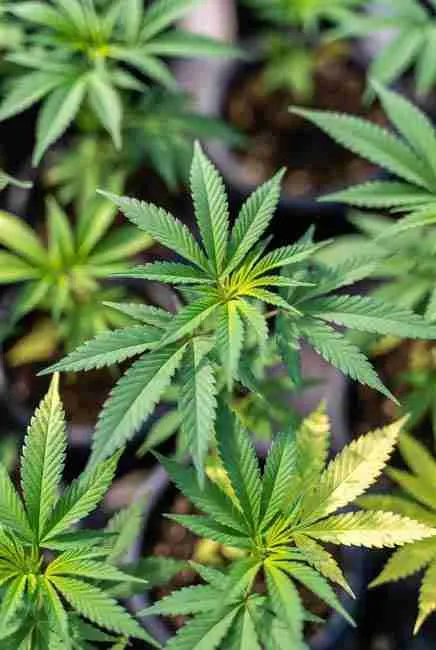
Picture this: nitrogen is like the building block of life for your cannabis plants. It’s one of the big three nutrients—nitrogen, phosphorus, and potassium—that plants crave, often abbreviated as N-P-K on fertilizer labels. Chemically speaking, nitrogen is a gas that makes up about 78% of the air we breathe, but plants can’t just suck it in from the sky. Nope, they need it in forms they can absorb through their roots, like nitrates or ammonium.
Why’s it such a big deal? Well, nitrogen is the star player in creating chlorophyll, that green stuff that lets plants photosynthesize and turn sunlight into energy. Without enough, your plants can’t make food, and they start looking sickly. It’s also key for protein synthesis, which helps build strong stems, lush leaves, and overall vigorous growth. In the vegetative stage, when your plants are bulking up like a bodybuilder prepping for a show, nitrogen is what pushes that explosive leaf and stem development. Skimp on it, and your yields could tank—think smaller buds, weaker plants, and more vulnerability to pests.
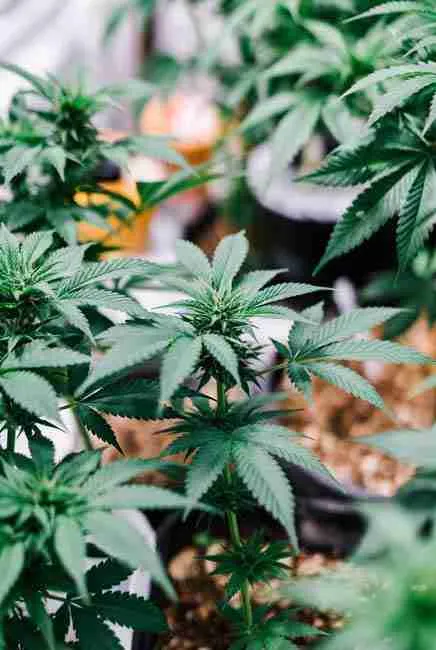
But hey, it’s not all sunshine and rainbows. Too much nitrogen can lead to problems we’ll talk about later, like nutrient burn or delayed flowering. The trick is balance, and understanding how nitrogen cycles in your grow setup. In soil, bacteria convert organic matter into usable nitrogen, while in hydroponics, you deliver it straight up. Growing cannabis with nitrogen isn’t just about dumping fertilizer; it’s about timing and observation. Keep an eye on your plants—they’ll tell you what they need if you listen.
Best Nitrogen for Cannabis Growth

Alright, let’s cut to the chase: what’s the best nitrogen source for your cannabis babies? It depends on your setup, but generally, you want something that’s readily available, doesn’t mess with pH too much, and fits your organic or synthetic vibe. For beginners, a balanced N-P-K fertilizer with higher nitrogen in veg stage is gold. Think something like a 3-1-2 ratio early on.
Pros of using high-quality nitrogen sources? Faster growth, deeper greens, and bigger yields. Cons? Cheap stuff might have fillers that build up salts in your medium, leading to lockout. Specifications-wise, look for water-soluble options if you’re hydro, or slow-release for soil to avoid spikes.
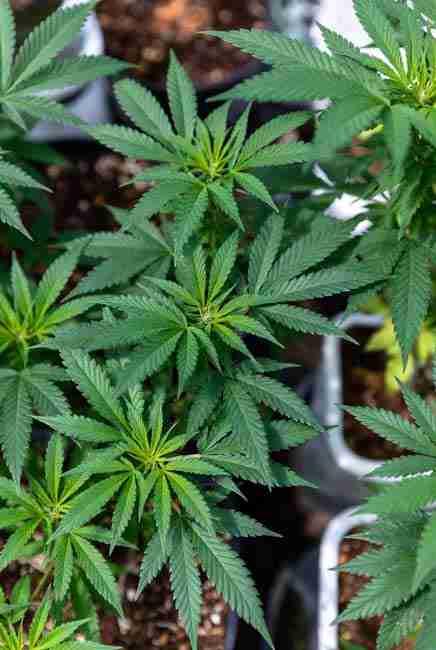
In my experience, growers who swear by bat guano or fish emulsion during veg see insane results—plants that bush out like they’re on steroids. But if you’re indoors and hate the smell, go synthetic like urea or ammonium nitrate. The key is testing your soil or water pH first; nitrogen works best between 6.0 and 7.0 for soil grows. Experiment a bit, but start low to avoid overdoing it.
Types of Cannabis Nitrogen You Can Buy
When you’re shopping for nitrogen sources, it’s like picking ice cream flavors—tons of options, each with its twist. Here’s a rundown to help you choose wisely for growing cannabis with nitrogen.

First up, synthetic types: These are lab-made and hit fast. Ammonium nitrate is a powerhouse, packing 34% nitrogen, but watch out—it can acidify your soil over time. Urea, with 46% nitrogen, is cheaper and breaks down into ammonia, perfect for quick boosts. Calcium nitrate adds a calcium kick too, great for preventing deficiencies.
Then there are organic options, slower but gentler. Blood meal, derived from animal blood, clocks in at 12-14% nitrogen and releases over weeks, ideal for top dressing. Fish emulsion, around 5% nitrogen, smells fishy but enriches with trace minerals. Worm castings offer about 2% nitrogen plus beneficial microbes.
Don’t forget controlled-release fertilizers like Osmocote, which dole out nitrogen steadily over months—pros: less work; cons: pricier upfront.
For hydro folks, liquid concentrates like General Hydroponics FloraGro provide precise dosing. Always check labels for nitrogen form—nitrate for fast uptake, ammonium for slower.
In a pinch, I’ve seen growers use household stuff like diluted urine (yes, really—it’s about 1% nitrogen), but that’s risky without testing. Stick to store-bought for consistency.

Here’s a handy list of popular types:
- Ammonium Sulfate: 21% nitrogen, acidifies soil—use for alkaline setups.
- Bat Guano: 7-10% nitrogen, organic and fungal-friendly.
- Compost Tea: Variable, around 1-3%, boosts microbes.
- Alfalfa Meal: 2-3% nitrogen, adds hormones for growth.
- Seaweed Extract: Low nitrogen (1%), but enhances uptake.
Pick based on your grow style—organic for flavor, synthetic for speed.
Nitrogen Overuse Issues
Oh boy, too much of a good thing can turn sour quick when it comes to nitrogen for cannabis cultivation. Imagine feeding your plants a feast, but they end up bloated and unhappy. That’s nitrogen toxicity in a nutshell.
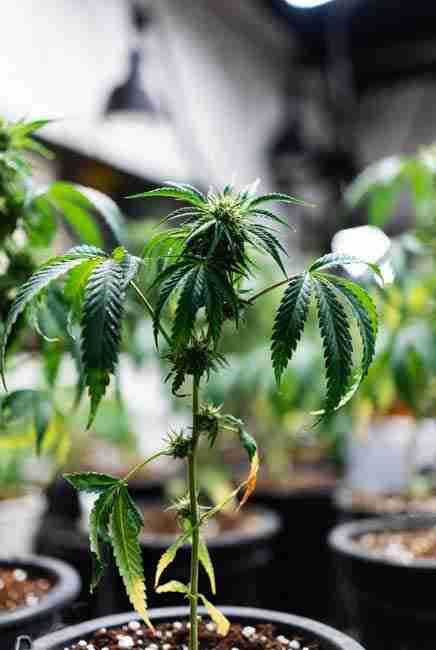
Symptoms hit hard: leaves turn dark green, almost shiny, then claw downward like they’re curling up in pain. Stems get weak and brittle, prone to snapping. In flowering, excess nitrogen delays bud development, leading to fluffy, low-potency harvests. Worse, it can cause nutrient lockout, where plants can’t absorb other goodies like potassium.
Why does this happen? Nitrogen builds up salts, messing with root osmosis—plants drink less water, leading to burn. In hydro, pH swings wildly. Outdoors, rain might leach it, but indoors, you’re on the hook for flushing.
Pros of catching it early: Easy fix with a flush using plain water. Cons: If ignored, yields drop 20-50%, and plants invite pests like aphids.
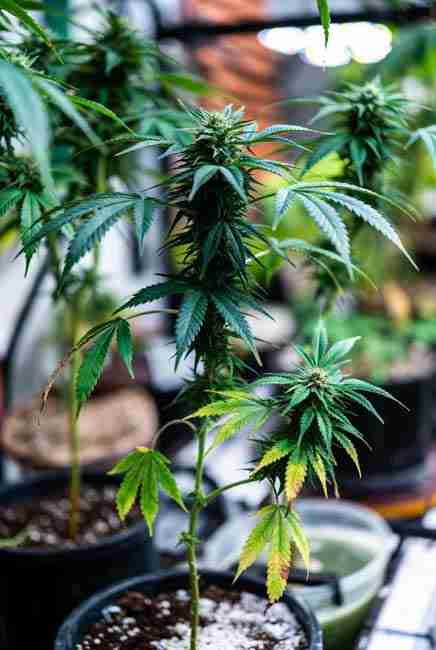
Real-life tale: A buddy of mine doubled his veg ferts thinking “more is better.” His plants looked lush at first, but by week 4, half were scorched. Lesson? Measure twice, feed once. Always test runoff EC; over 2.0 mS/cm screams trouble.
To prevent, follow feed charts religiously and adjust for your strain—indicas often need less than sativas.
Nitrogen Deficiency in Cannabis
Flip the script, and now your plants are starving. Nitrogen deficiency sneaks up like a thief in the night, starting with older leaves yellowing from the tips inward. They crisp up and drop, leaving your cannabis looking sparse and sad.
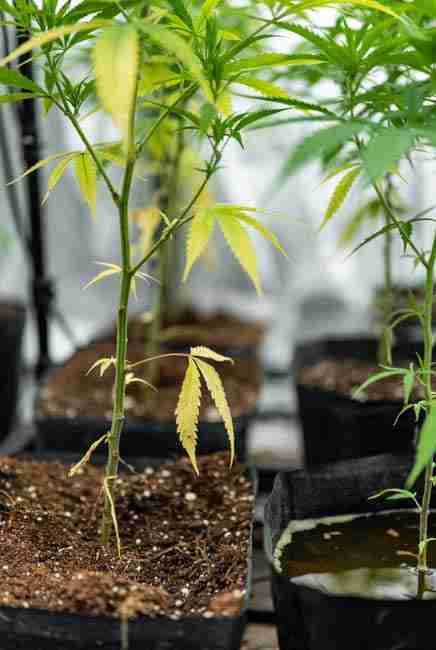
Why? Maybe your soil’s depleted, or pH is off (below 5.5 locks it out). In hydro, if your res is low on N, bam—deficiency city. Young plants suffer most in veg, stunting growth like they’re stuck in neutral.
Pros of fixing it: Quick recovery with a nitrogen boost. Cons: If in flower, adding too much risks reverting to veg.
Story time: I once forgot to refresh my soil mix, and my seedlings turned pale yellow overnight. A dash of fish emulsion turned them around in days. Key signs: Slow growth, pale greens, and lower leaves sacrificing themselves.
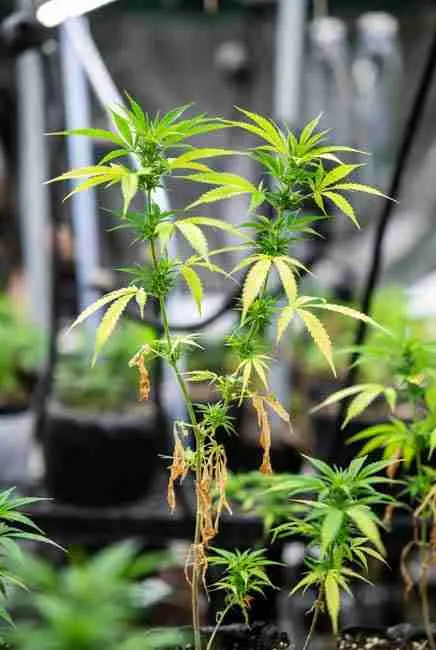
Prevent with regular soil tests—aim for 150-200 ppm nitrogen in veg. And remember, mobile nutrient means symptoms show bottom-up.
Organic Nitrogen Compounds (Mostly Amino Acids)
Let’s geek out on organics. Amino acids are like the premium fuel in nitrogen sources—think of them as pre-digested proteins that plants slurp up easily.

Common ones: Glycine, glutamic acid, and lysine from sources like soybean meal or hydrolyzed proteins. They not only provide nitrogen but boost root development and stress resistance.
Pros: Build soil health long-term, enhance flavors in buds. Cons: Slower release, pricier.
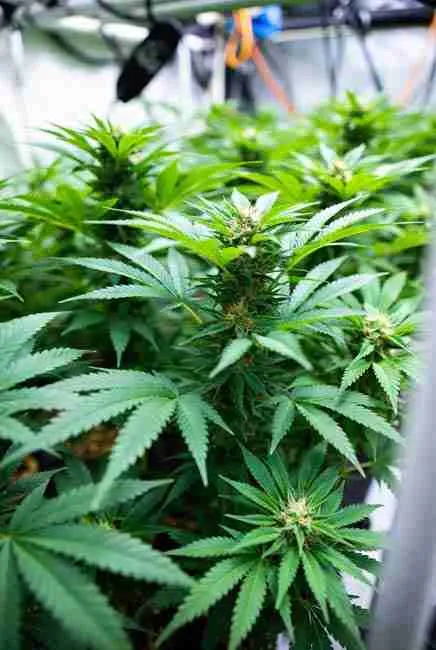
In growing cannabis with nitrogen, foliar sprays with amino acids (1-2% solutions) perk up stressed plants fast. Specifications: Look for chelated forms for better absorption.
I’ve used them in compost teas—brew for 24 hours, and your plants thank you with explosive growth. But avoid overdoing; they can attract fungi if wet.
Recommended Amount for Cloning, Veg, Flowering, End Flowering
Dosing nitrogen is an art. Too little, plants starve; too much, toxicity. Here’s the breakdown by stage.
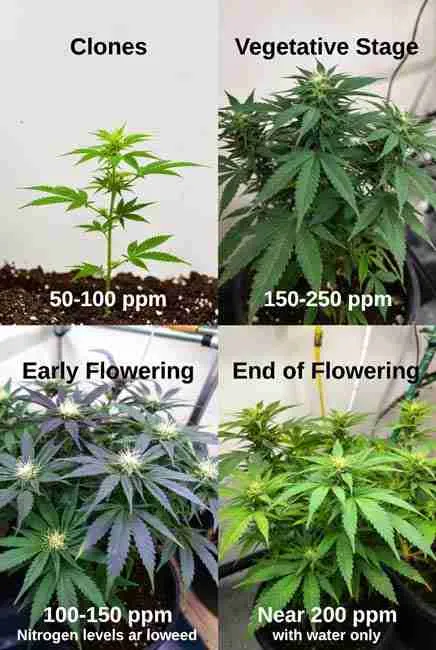
For clones: Keep it light—50-100 ppm to encourage roots without burning tender cuts. Use a 1/4 strength veg fert.
Veg stage: Crank it up! 150-250 ppm for lush growth. Sativas might need the higher end.
Flowering: Dial back to 100-150 ppm early, then taper to 50-100 by mid-flower. Excess here makes buds leafy.
End flowering: Near zero—flush with plain water to purge for smooth smoke.
Factors: Strain, medium, lights. LEDs might need 10% less due to efficiency.
Here’s a table for clarity:
| Stage | Recommended Nitrogen (ppm) | Notes |
|---|---|---|
| Cloning | 50-100 | Low to avoid burn; focus on roots. |
| Vegetative | 150-250 | High for bushy growth; monitor pH. |
| Early Flower | 100-150 | Transition smoothly. |
| Mid-Late Flower | 50-100 | Reduce for bud density. |
| Flush (End) | 0-50 | Clear out for taste. |
Adjust based on plant response—yellowing means up it, clawing means down.
What Is the Best Fertilizer for Marijuana Plants Outdoors?
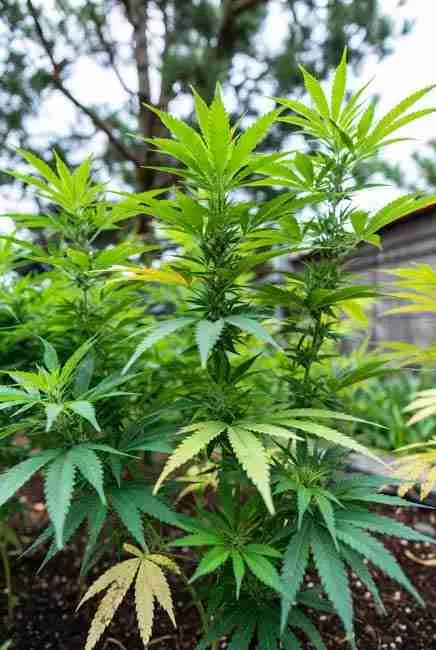
Outdoors, Mother Nature helps, but you still need the right fert. Best bet? Organic slow-release like composted manure or worm castings blended with blood meal for nitrogen punch.
Pros: Builds soil ecosystem, resists leaching from rain. Cons: Attracts animals if not buried.
Top picks: FoxFarm Ocean Forest (balanced N), or DIY with 4-4-4 organic mix. For nitrogen focus, Jobes Organic spikes.
In sunny spots, plants guzzle more—feed every 2-4 weeks. Real example: My outdoor grow thrived on monthly top-dress guano, yielding pounds per plant.
Nitrogen for Soil Growing
Soil’s forgiving for nitrogen—microbes handle conversion. Use organic matter like leaf mold to sustain levels.
Pros: Buffers pH, retains moisture. Cons: Slower uptake than hydro.
Aim for 2-3% organic matter; test annually. If deficient, side-dress with urea, but water in well.
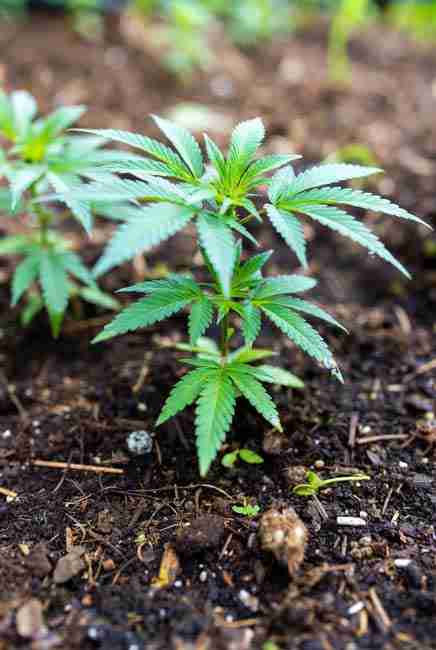
Story: A soil grower I know ignored testing—plants yellowed mid-season. A quick compost top-up saved the day.
Nitrogen for Hydroponic Growing
Hydro’s all about precision—nitrogen delivered via res. Use nitrate-heavy ferts like Advanced Nutrients pH Perfect.
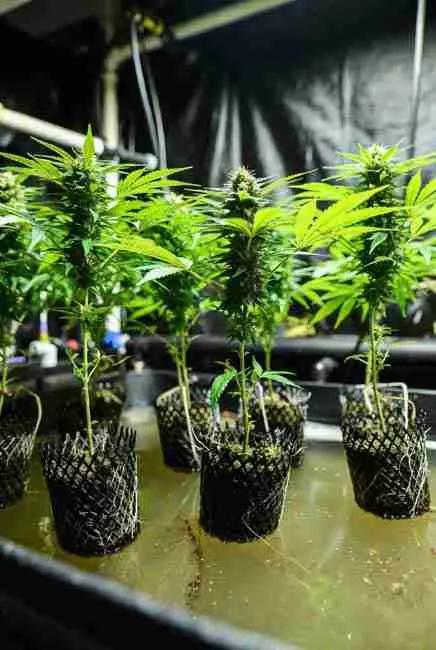
Pros: Faster growth, higher yields. Cons: No buffer; mistakes show quick.
Keep EC 1.0-1.8, pH 5.5-6.5. Change res weekly to prevent buildup.
I’ve seen hydro setups explode with 200 ppm veg nitrogen—buds like baseballs. But monitor daily; deficiencies hit overnight.
Top Dressing Nitrogen
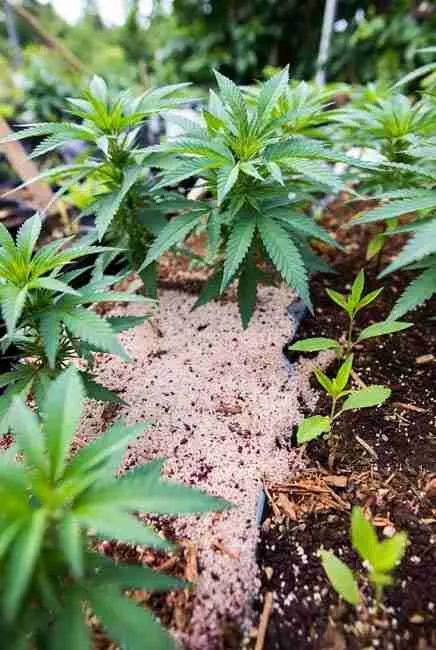
Top dressing’s like sprinkling fairy dust—apply dry ferts on soil surface, water in.
Pros: Easy, targeted. Cons: Can burn if not diluted.
Use blood meal (1-2 tbsp per plant) for quick N. For organics, layer compost.
In pots, scratch into top inch. Outdoors, mulch over to retain.
Example: During veg, top-dress every 3 weeks—plants respond with vigor.
Monitoring Nitrogen Levels in Your Grow
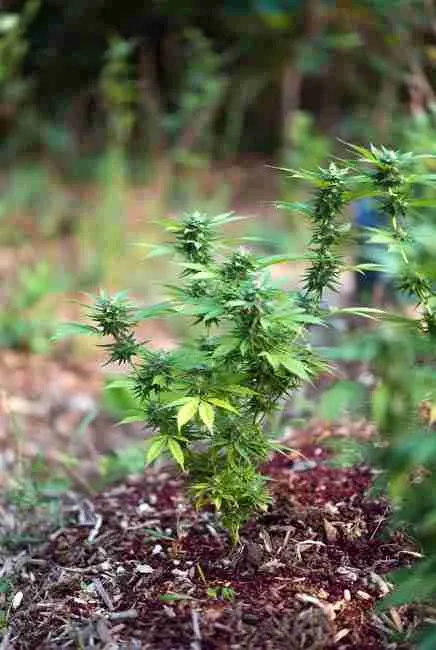
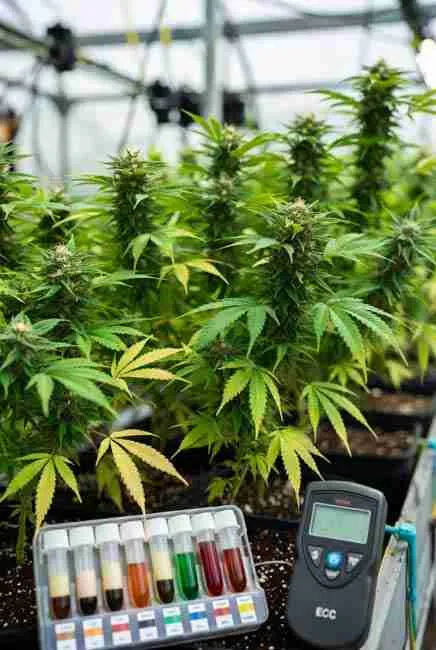
Don’t fly blind—test! Soil kits or EC meters are must-haves.
Pros: Prevents issues. Cons: Small cost.
Check weekly; adjust feeds accordingly.
Combining Nitrogen with Other Nutrients
Nitrogen plays nice with potassium for structure, but rivals calcium if imbalanced.
Use balanced ferts; watch ratios.
Seasonal Nitrogen Adjustments for Outdoor Grows
Spring: High N for establishment. Fall: Low to harden off.
Pros: Matches natural cycles. Cons: Weather-dependent.
Common Myths About Nitrogen in Cannabis
Myth: More always better—busted! Balance is key.
Another: Yellow leaves always N def—not true; could be overwatering.
Safety Tips When Handling Nitrogen Fertilizers
Wear gloves—synthetics irritate skin. Store dry, away from kids.
Pros: Safe if smart. Cons: Accidents happen.
FAQ
What is the role of nitrogen in cannabis cultivation?
Nitrogen fuels growth, chlorophyll, and proteins—essential for veg stage vigor.
How do I fix nitrogen deficiency in my cannabis plants?
Boost with a nitrogen-rich fert like fish emulsion; apply diluted and watch recovery.
Can too much nitrogen harm my cannabis grow?
Absolutely—leads to burn, weak stems, and poor buds. Flush and reduce feeds.
What are the best organic nitrogen sources for growing cannabis?
Blood meal, fish emulsion, and worm castings top the list for slow, steady release.
How much nitrogen do cannabis plants need during flowering?
Taper to 50-150 ppm; too much delays maturity and affects taste.
Is nitrogen different for soil vs. hydroponic cannabis growing?
Yes—soil uses organics for slow release; hydro needs fast-absorbing synthetics.
What signs indicate nitrogen overuse in cannabis?
Dark, clawing leaves, brittle stems—flush immediately to save your plants.
There you have it—your ultimate playbook on nitrogen for cannabis cultivation. Go forth, grow strong, and may your harvests be bountiful! If things go sideways, remember: plants are resilient, just like you.