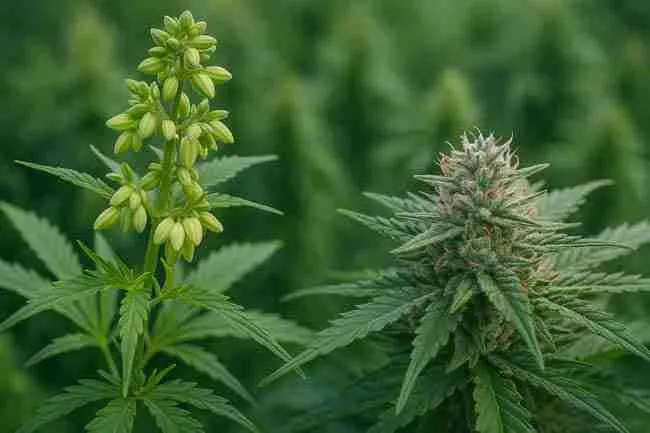
Why Regular Seeds Still Matter in a Feminized-Dominated Market


Open a seed menu in 2026 and you will see row after row of feminized packs. That is the Feminized-Dominated Market in one glance. Regular seeds look like leftovers. They are not. Regulars are still how new weed gets made, how old lines stay alive, and how you get a true male when you actually want pollen. Feminized packs won the shelf because they save plant slots. Regular packs still win the jobs that need both sexes.
You can grow great flower from feminized photoperiods. A lot of home tents should. However, if you treat the catalog as the whole plant, you miss half the genetics. Males carry traits too. A feminized-dominated cannabis market made flower easy. It did not make breeding, preservation, or a honest pheno hunt obsolete. This page is why regular seeds still matter, and how you use them without seeding a whole room by accident.
Walking into a closet that already holds four legal plants, you feel the squeeze. Canada’s recreational cap is four plants per household, not per adult. Quebec still bars recreational planting. Manitoba has been indoor-only since 1 May 2025. In a four-slot tent, a male is expensive. That is why fems sell. Regulars still matter when you have a second box, a breeding plan, or a line you refuse to let die.
What a Feminized-Dominated Cannabis Market Actually Changed
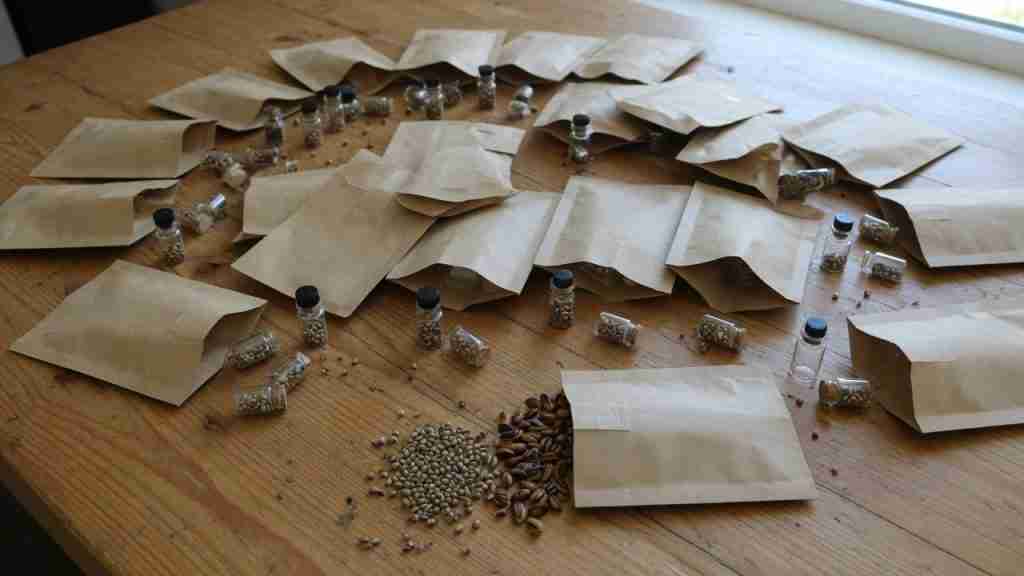
Thirty years ago, a pack was regular by default. You popped seeds, waited for sacs or hairs, and pulled the boys. Then breeders learned to make a female shed pollen with silver mixes, hit another female, and bag seeds that were almost all girls. Home growers bought that. Shops stocked that. The Feminized-Dominated Cannabis Market is that loop, repeated until regulars looked old-fashioned.
What changed is risk, not magic. Feminized seeds skip the coin flip. You fill four pots and you expect four bud plants. Regulars still split near half and half across a big batch, though any one pack can skew. A ten-pack can give you three girls or seven. Sex is per plant, not a neat 5/5 every time. The market sold certainty. Regulars still sell options.
Named feminized photoperiod packs are the default on a lot of shelves, including packs that list flower weeks after a 12/12 flip. Autos are usually feminized too. Regular photoperiods sit in a smaller corner. That does not mean they are worse flower. Potency lives in the cut and the room, not in the word “feminized” on the label.
Convenience won the catalog, not the plant
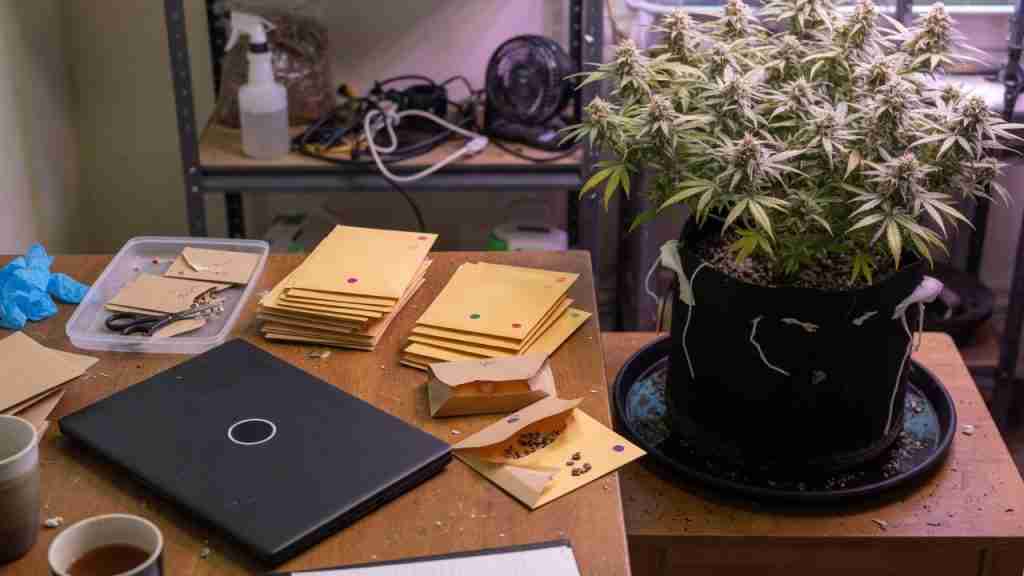
A catalog is a store. A plant is a plant. Convenience won because most buyers want seedless buds, a small tent, and no pollen panic. That is a fair want. Regulars ask you to start extra seedlings, read sex, and cull. In a legal four-plant house, culling a healthy male feels like throwing dinner out. So the menu went fem.
The plant did not forget how to make boys. Every feminized line you like started as regular work. Somebody kept a male, picked a female, and later reversed a girl to make the fem pack. If those regulars vanish, the next round of “new” names has nowhere to come from except clones and more selfing. That is a skinny gene pool. Regulars keep the pool wide.
Regular Seeds in a Feminized-Dominated Marijuana Market
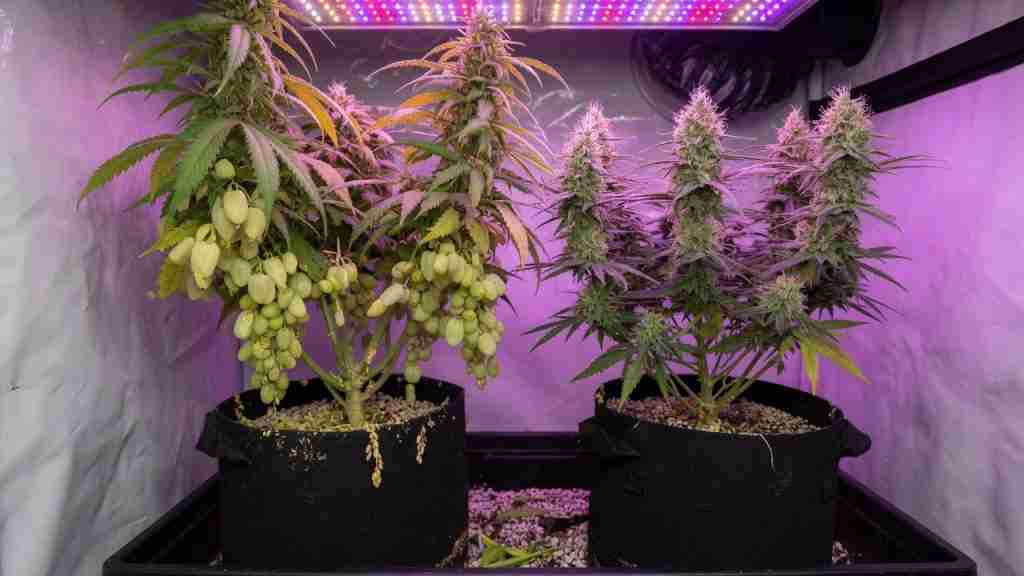
Regular seeds in a Feminized-Dominated Marijuana Market look like a specialty item, the way film cameras look next to phones. People still shoot film when they want the look. You still run regulars when you want a dad plant, a landrace that never got reversed, or a hunt with the full spread of kids. Weed from a regular female is still weed. The jar does not know the pack type.
You will hear that regulars are “more natural.” Fine, as a story. What you can use is simpler. A regular seed is a male-female cross. It can be a boy or a girl. A feminized seed is usually a female-female cross after one girl was pushed to make pollen. No Y chromosome in that pollen, so the kids are female almost every time. Both are real cannabis. One format keeps males in the box.
If you only want flower, fems are the efficient tool. If you want to make seed, keep a line, or pick a male for smell and structure, regulars are the tool. Mixing those jobs in one four-plant tent is how people get mad at regulars. Split the jobs. Flower tent for fems. Hunt tent, or a cheap extra 2×2, for regulars you plan to sex.
Males are not a bug
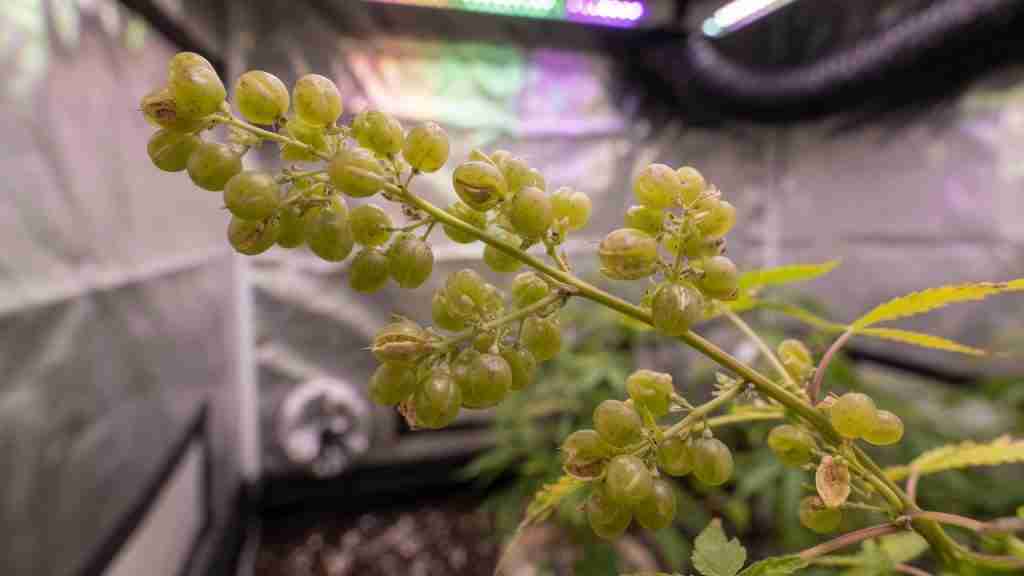
A male is a pollen factory. He will not fill your jars. He can ruin jars if he opens in the flower room. He can also be the best plant in the pack for stems, internodes, or a smell you only notice when you rub the stem. Breeders keep males on purpose. Home growers toss them because space is tight. Both moves are correct for different goals.
If you do not want seed, pull males as soon as you are sure. Bag them, walk them out, do not shake them over the girls. If you do want seed, isolate the keeper male in another tent or a box with its own exhaust. One open male in a small room will dust everything. Pollen is cheap once it flies. It is not cheap to undo.
Why You Still Need a True Male

A reversed female can make pollen. That pollen makes more females. That is how fem packs exist. It is not the same as a true male with XY chromosomes. If you want classic crosses, F2s, and a line you can work for years, you want a real dad. Regular seeds are how you get him without chemistry.
You can reverse a fem later if you need a fem pack of your keeper. A lot of small breeders do that. The starting library is still regulars, or a clone, plus a male. Skip the male forever and you are only selfing girls. Selfing narrows the family. Some of that is useful for locking a look. Too much of it and plants get inbred and picky. Regulars refresh the family.
Breeding, pollen, and keeping a line alive
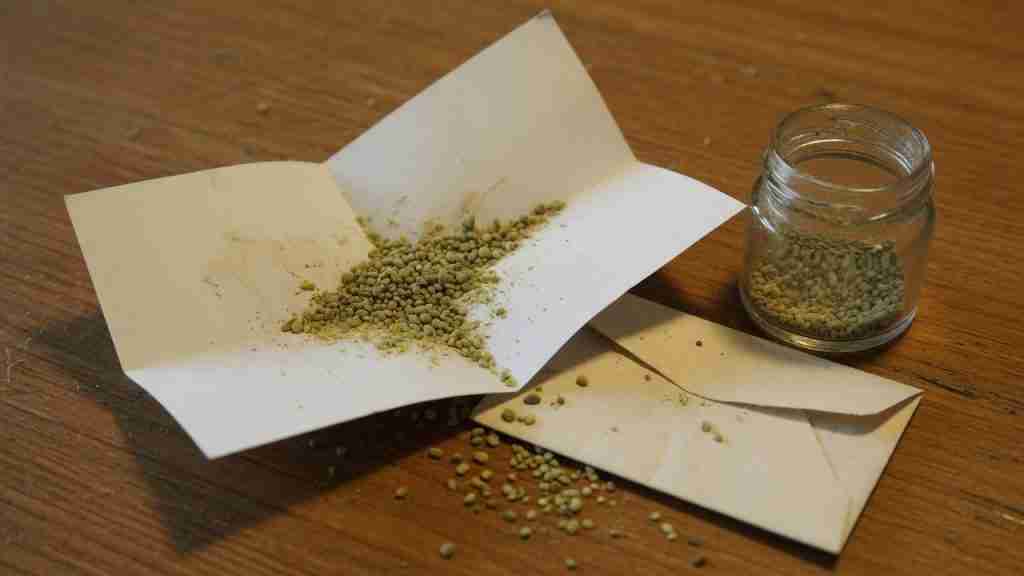
A simple home cross is one male, one female, one paper bag. Pick the male for vigor and the traits you can see early. Pick the female after you have smoked her or at least seen her finish. Collect pollen when sacs crack. Store it dry and cold in a paper envelope inside a jar, not in a steamy tent. Dust a few lower branches of the girl if you still want most of the plant for flower. Label the seed. That is breeding at kitchen scale.
Keeping a line alive is slower. You pop a regular pack, keep the best female as a mom, keep a male in veg under long days, and make a small seed lot every year or two so the genetics are not one dead clone. Landraces and old regular lines often never got a fem version. If you like those, regulars are the whole menu.
Oh, and pollen is messy. Work in still air. Change shirts. Do not walk from the male box into a flower tent. People skip that once and then they “suddenly” have seeds in week eight. The male did not sneak. You carried him.
Dry pollen on a clean sheet of paper, fold it, then park the fold in a jar with a little dry rice or silica in a separate tissue so the pollen itself stays off the beads. Fridge is fine for a short wait. Freezer is how people keep it longer. Label the dad, the date, and the line. Mystery pollen is how you make mystery seed you cannot repeat. A small home lot is a few lower branches, not a whole plant dusted into a seeded brick.
Phenohunting When Half the Pack Leaves
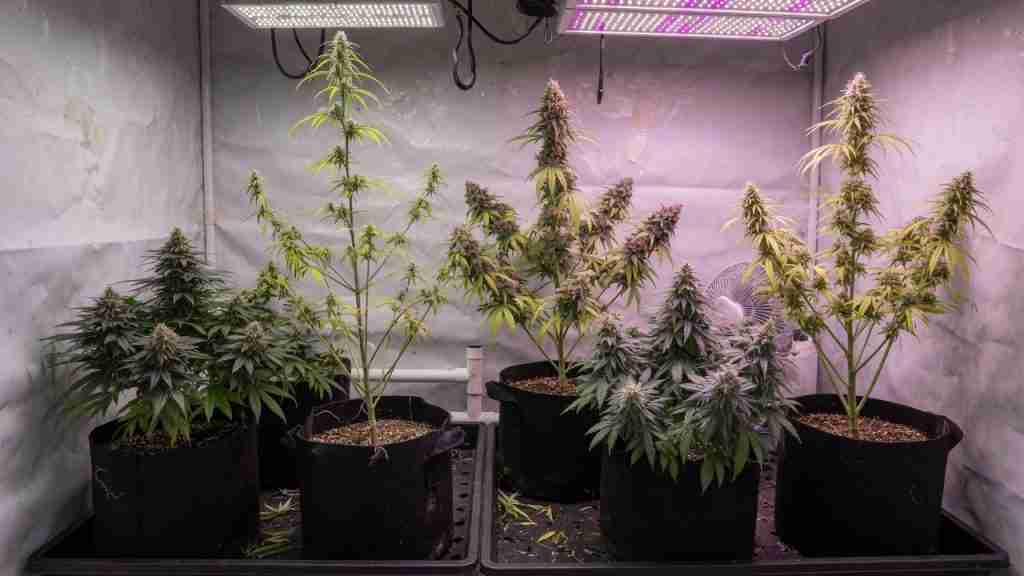
A phenotype is one plant’s version of the pack. Sisters from the same regular pack can smell like lemon, fuel, or nothing much. Feminized packs vary too. Regulars often vary more because the cross was a real male and female, not a tight self. That spread is the hunt. You are looking for the one girl worth cloning.
Half the pack leaving is the tax. You pay it in extra cups, extra weeks, and extra light. You get a wider net. If you only pop two fems, you see two girls. If you pop ten regulars and keep five girls, you saw five. The extra looks are why hunters still buy regulars even though the market is fem-first.
Clone the keeper before you flip the rest if you can. A cut in a cup is cheap insurance. Flower the pack, pick the winner, and the mom is already waiting in veg. Regulars shine here because you may also want the brother as a pollen donor. Take a cut of him too if he is the one.
How many seeds to start for four keepers
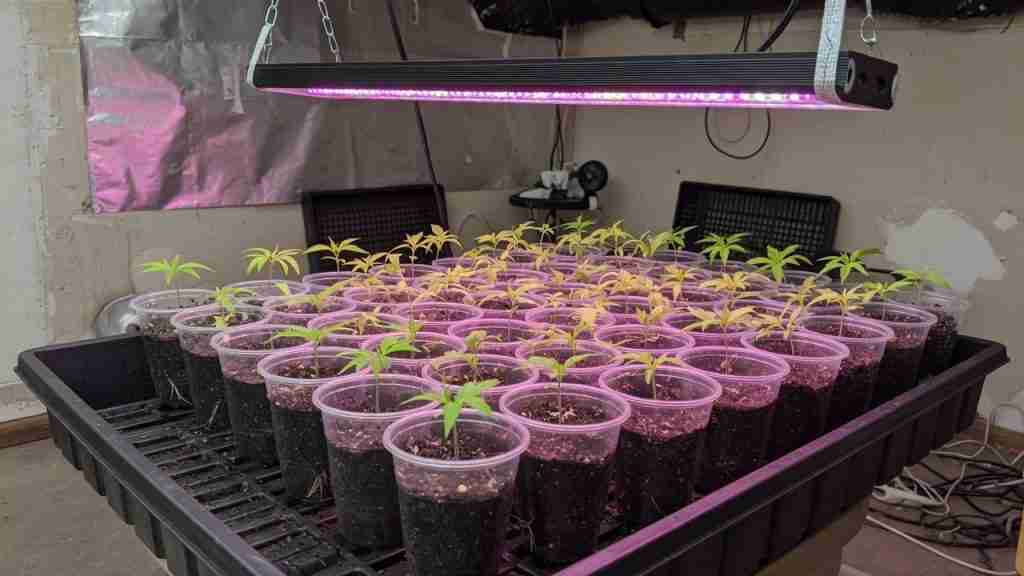
Plan for half males, then add a cushion, because packs skew. If you need four flowering females, starting eight regulars is the skinny plan. Ten is saner. Twelve is what you do when the line is stretchy and you will cull weak girls too. Feminized math is different. Four fems can be four keepers, or three if one is a dud. Regular math always includes the boys.
Pack math for a legal plant cap
A Canadian recreational household can keep four plants, not four adults’ worth. You cannot veg twelve regulars in the same house as four flowering fems and call it legal. Sex them early in small cups, keep the four best girls, and get the extras out. Do not run a breeding circus in a four-plant apartment unless you have a registration that allows more. The light clock and the seed type do not replace the law.
In the States, plant caps vary by state. A six-plant room still hates surprise males in week four of flower. Start extras in a nursery tray, sex, then promote. The tray is not your flower count if you cull before they are “plants” you intend to keep, but follow the rule where you live. This page is horticulture. It is not a loophole.
How to Sex Regular Plants Without Panic
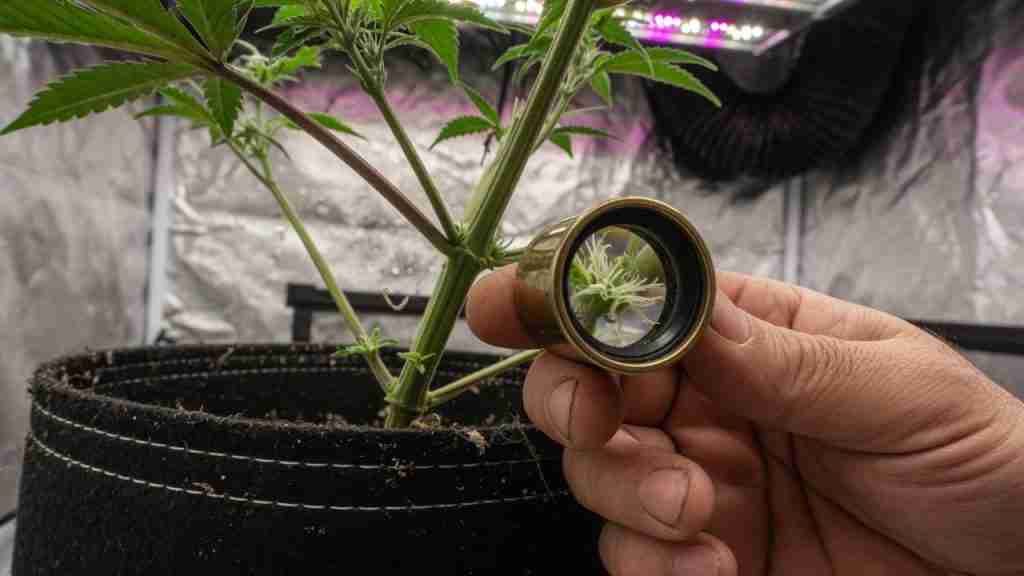
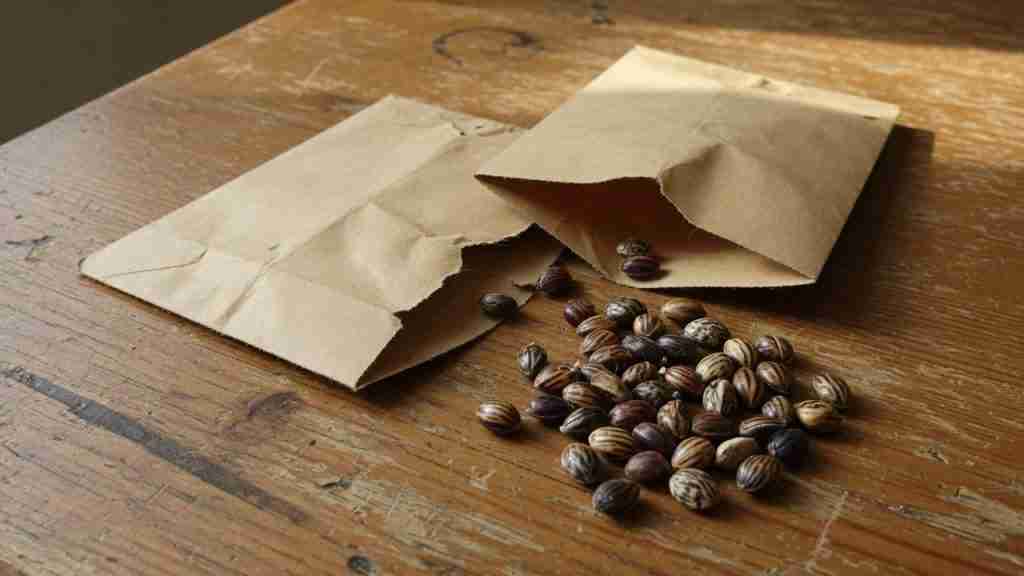
You cannot read sex from the seed. Size, stripes, and color do not tell you boy or girl. Anyone selling “female seeds” by looking at the shell is guessing. Sex shows on the plant. Pre-flowers sit at the nodes, where the leaf stem meets the branch, often after a few weeks of veg on a photoperiod.
A female pre-flower looks like a tiny teardrop with two white hairs. A male looks like a little ball on a thin stem, then a cluster of balls. Give it time. A young node can fool you for a few days. A jeweler’s loupe helps. Photos from the same node, two days apart, help more than a panic pull.
If veg pre-flowers are shy, flip a tester to 12/12. Photoperiods show sex in early flower, often in the first two weeks. That is why people run a small “sexing” cup under 12/12 while the keepers stay on 18/6. Autos from regular auto packs will show on their age clock. Most auto packs you buy are already feminized. Regular autos exist. They are uncommon, and they still throw males.
Outdoor regulars sex when the nights get long, same as indoor photoperiods, unless you dep them. A backyard male will dust the block if you leave him. Neighbors with plants will not thank you. Pull him, bag him, or keep him in a closed greenhouse with a real dark. Streetlights that keep a plant leafy can also delay sex, so a porch flood is a leak and a late ID in one lamp.
Pre-flowers, pollen sacs, and when to pull
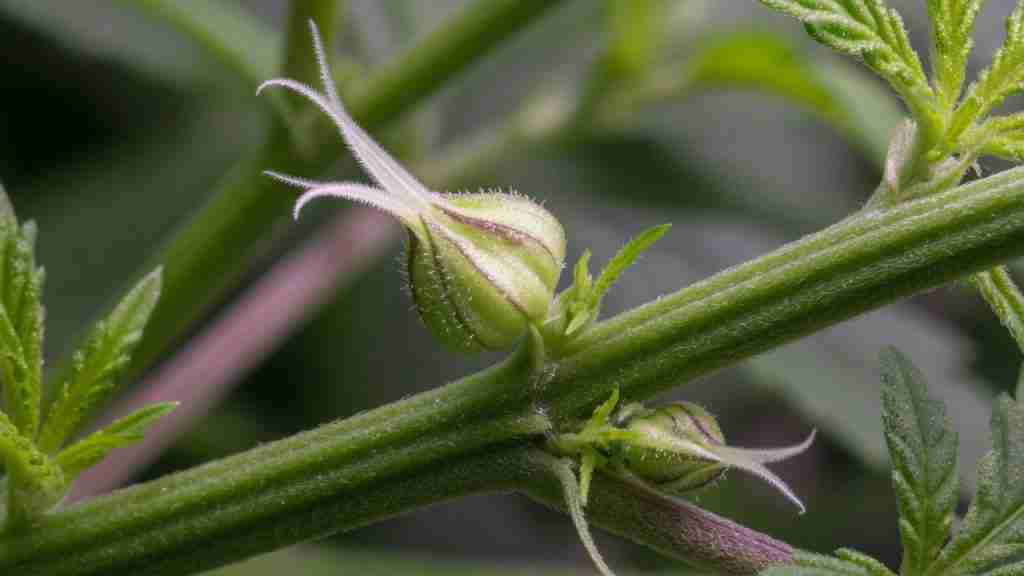
Pull a male before the sacs open. Open sacs look like little hanging bunches, then they split and dust. If you need him, move him first. If you do not, bag the top, cut the stem, and take the plant out of the room before you unbag. Pollen sticks to fans, clothes, and dog fur. Treat it like flour in a kitchen. Once it is in the air, it is everywhere.
Herms are a third case. You will see a banana, a nanner, poking out of a bud, or a pollen sac on a plant that also has hairs. That plant can seed the room. Stress can do it. Light leaks, huge heat swings, a brutal strip, a drought in bulk weeks. Genetics can do it too. Pull or isolate. Do not “wait and see” on a plant that is throwing pollen in a flower tent you care about.
Specs That Make Regulars Work in a Small Tent

Regulars use the same light and feed as other photoperiods. The extra spec is nursery space. You need cups, a tray, and a plan for the culls. Veg 18/6. Flower 12/12 with a dark that stays dark. Sex before you commit fabric pots and a screen. A 2×2 can sex a dozen cups. It cannot flower a dozen regulars.
Space, time, and cost per female
| Spec | Regular photoperiod | Feminized photoperiod |
|---|---|---|
| Sex mix | ~50/50 across a batch, packs can skew | ~99% female from a good producer |
| True males | Yes | No, unless you reverse a female |
| Veg light | 18/6 | 18/6 |
| Flower light | 12/12 unbroken dark | 12/12 unbroken dark |
| When sex shows | Late veg pre-flowers or early flower | You still watch for herms |
| Start extra | About 2× the females you need | A spare seed if you want a backup |
| Cost per seed | Often lower | Often higher |
| Cost per flowering female | Often similar once you count culls | Closer to the sticker price |
| Best job | Breeding, hunts, preservation | Flower in a tight plant cap |
| Worst job | Four-plant house, no extra tray | Making classic male-female seed |
Named feminized packs on a lot of Canadian menus sit near a few dollars a seed in CAD. A cheaper regular pack can still cost more per girl once you toss the boys and the weak sisters. Do the math on females you will flower, not on the count in the vial. Power, soil, and weeks in veg count too. A male that sat under a 200-watt lamp for a month was not free.
Time is the other spec. Sexing adds days. You wait for pre-flowers. You might flip testers. Fems let you train a screen from week one of veg without wondering who is a boy. Regulars make you hold some training until you know. That delay is real. Build it into the calendar or you will flip late and hit the diodes.
Herms, Stress, and What the Market Over-Sells
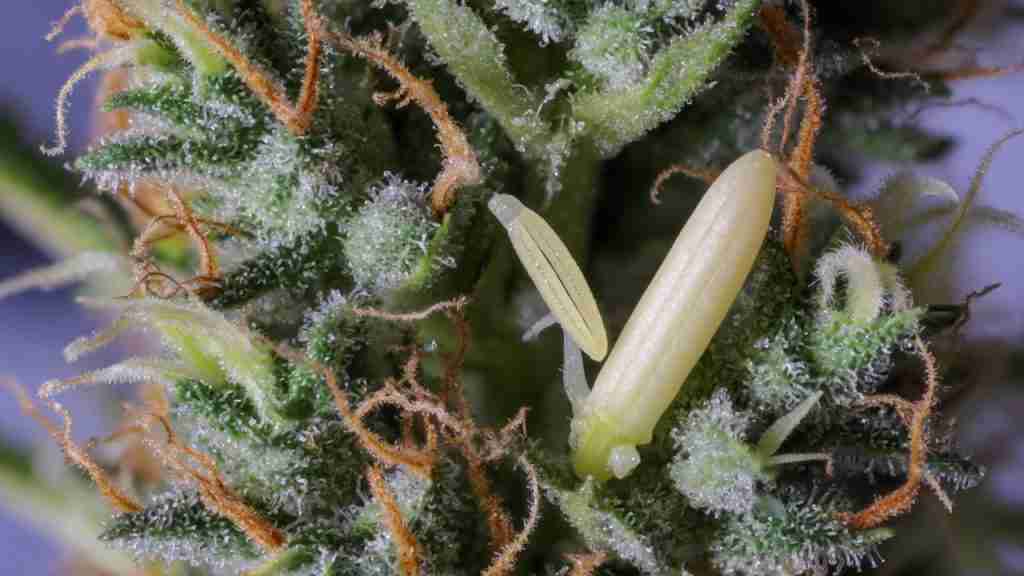
Forums love a simple story. “Fems herm. Regulars don’t.” That is too neat. Any cannabis plant can throw pollen under a bad leak, a heat spike, or a genetic push. Some feminized production selects plants that can make pollen when you spray them with silver. A sloppy reversal can pass that habit on. A careful breeder tests for it. Regulars from a nervous, hermy family will herm too.
Buy from people who tell you how the pack was made and what they culled. A mystery regular pack is not automatically “stable.” A named fem pack from a careful room can be very stable. The market over-sells both sides. Regulars are not a purity badge. Fems are not a herm sentence. Read the line, then grow it clean.
Feminized is female-biased, not stress-proof

Feminized means the seed was built to be a girl. It does not mean the plant enjoys a flashlight at 2 a.m. Keep the night dark. Do not strip a plant bald in week five. Do not swing the tent from swamp to desert. Those rules are the same for regular girls. If a fem herms in a leaky tent, fix the tent before you blame the pack. If she herms in a clean tent and her sisters do too, that line may not be your keeper.
Regulars still get light leaks. They still get heat. They still get overfed. The difference is you already planned to look at every plant for sacs. That habit is useful even on fems. Check nodes. Check buds late. One nanner is a pick-off. A shower of them is a pull.
Pros and Cons of Regular Seeds in 2026
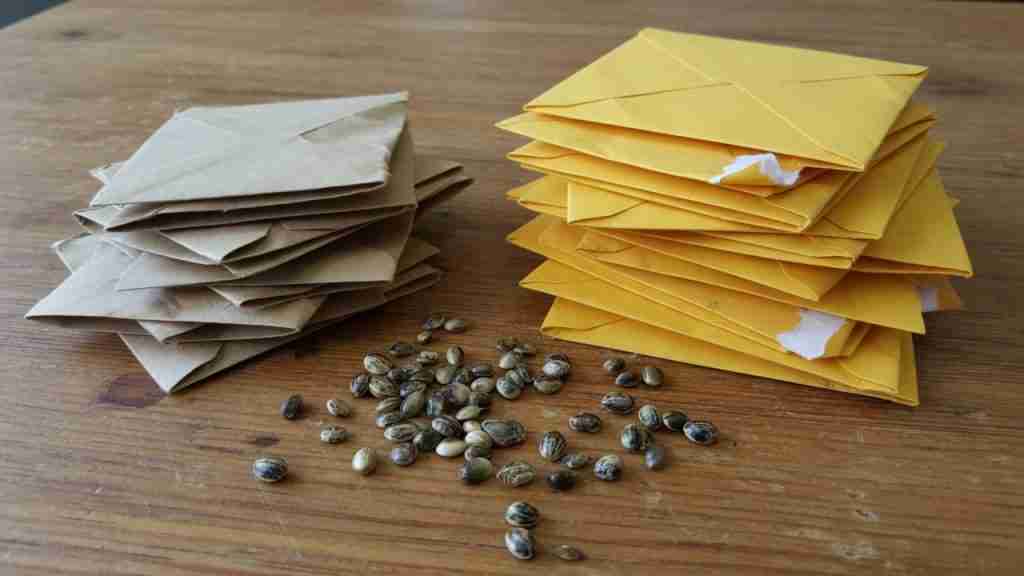
Pros

You get true males. You can breed without reversing a girl first. You see a wider spread of kids, which helps a hunt. Some old and landrace lines only exist as regulars. You can keep a mom and a dad and make your own seed so a clone death is not the end of the line. You learn sexing, which makes you a better fem grower too. Packs can cost less per seed. Pollen from a male you like is a tool you cannot buy in a fem-only box.
Regulars also let you select males for the same traits you want in flower, just expressed in a pollen plant. Thick stems, tight internodes, a stem rub that matches the jar you want. That selection is how good fem packs get made in the first place. Somebody, somewhere, still ran regulars.
Cons
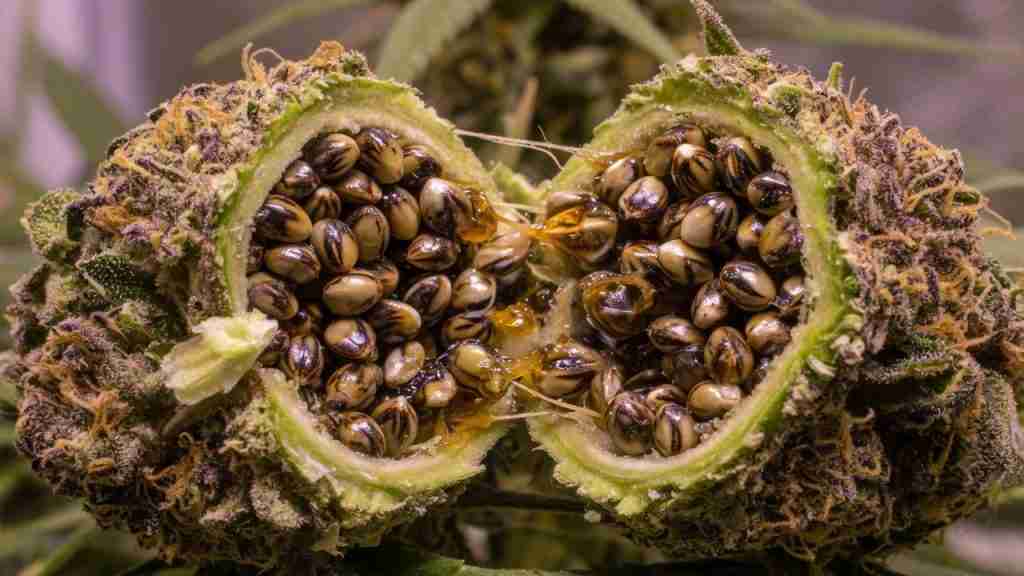
About half the plants will not make your flower jars. You need extra starts, extra time, and a plan for pollen. One missed male seeds the room and you get less potent, seedy bud because the plant spends energy on seed. In a four-plant legal cap, that miss hurts. Catalog choice is thinner. A lot of hype names never get a regular release. Sexing is work. If your life is chaos for a month, a male can open while you were busy.
Regulars are a bad first pack in a tiny cabinet if you only wanted four colas and you have no tray. They are a bad mix in the same 12/12 tent as a crop you cannot afford to seed. They are not a bad plant. They are a bad match for that job.
Questions Before You Buy Regulars in a Fem Catalog

Are regulars more vigorous

Sometimes the plants look hungrier to grow. Hybrid vigor is a real thing when two different parents meet. Regulars from a wide cross can throw that. Fems from a tight self can look more even and a little less wild. However, a weak regular line is still weak, and a strong fem line is still strong. Do not buy regulars only because a forum said they “grow harder.” Buy them because you need males or a hunt. Judge vigor in the room, on that pack.
Clones from a regular keeper can be excellent. Clones from a fem keeper can be excellent. The clone is the plant, not the original pack type. If you find a girl you love, take cuts. The seed format already did its job.
Can you tell sex from the seed
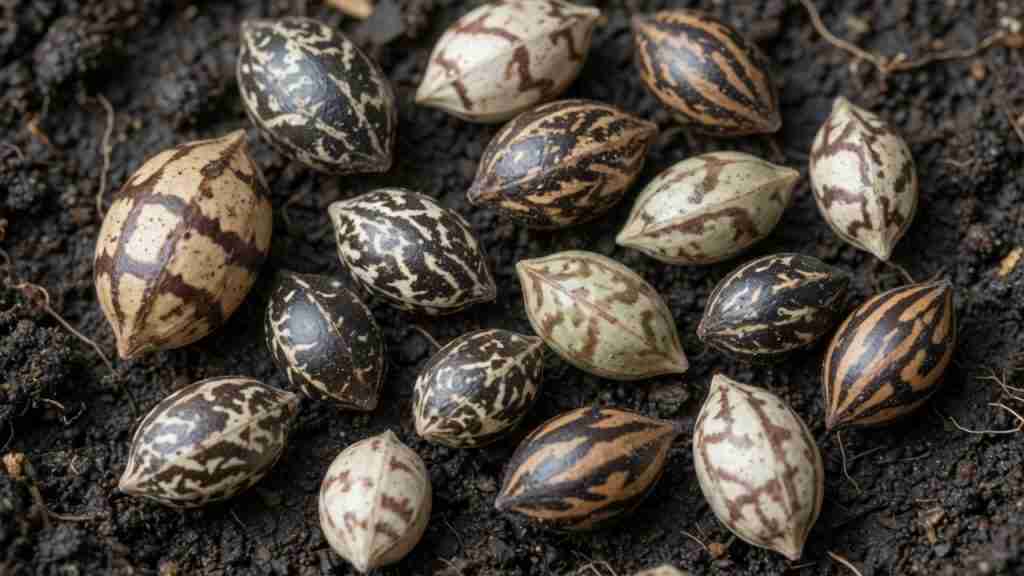
No. Dark seeds, light seeds, fat seeds, round seeds — none of that is a boy or a girl stamp. Labs can test a leaf. You can wait for pre-flowers. You can buy feminized if you refuse the wait. You cannot sort a vial by eye and skip biology. Save your money on “sexed regulars” that are just somebody looking at tiger stripes.
If you only have one tent and four legal slots, buy feminized photoperiods for the flower run. If you have a spare tray and a reason — a male, a landrace, a hunt, a line you want to keep — regulars still matter in this Feminized-Dominated Market. Start extra. Sex early. Keep the night dark. Label the pollen. The catalog can stay fem-heavy. Your options do not have to.
F1 seed from two different parents is often even and vigorous. F2 seed from two F1s together is where the pack goes wild, and that wild is the hunt. Regular F2s are a playground. They are also extra males. Do not dump an F2 regular pack into a four-plant flower tent and hope. Nursery first. Sex. Then promote the girls you actually like. That habit is the whole difference between regulars as a tool and regulars as a mess.