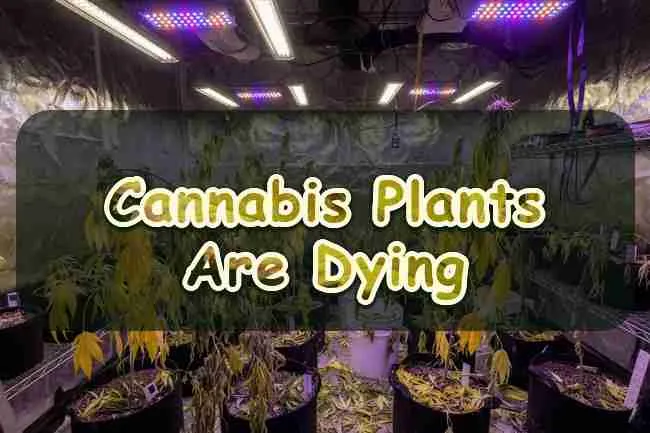
Why are my Cannabis Plant dying from the Bottom Up?

You walk into your grow space one morning, coffee in hand, ready to check on your girls, and there it is – those once-lush lower fan leaves have turned pale yellow, crispy at the edges, and they’re dropping faster than you can say “what the heck?” Your cannabis plant is dying from the bottom up, and suddenly that bottom leaf density you worked so hard to build feels like it’s vanishing right before your eyes.
Hey, you’re not alone. This exact scenario hits growers all the time, whether you’re running a couple of Green Avenger Seeds in a tent or managing a bigger setup. The good news? In most cases this bottom-up cannabis dying isn’t the end of the world. It’s your plant’s way of waving a big red flag that something in the root zone or with mobile nutrients has gone sideways. Catch it early, read the signs right, and you can usually turn things around before the problem climbs any higher.
Let’s break it all down in plain talk so you can diagnose, fix, and prevent this from happening again.
Spotting the Signs: Is Your Cannabis Plant Really Dying from the Bottom Up?
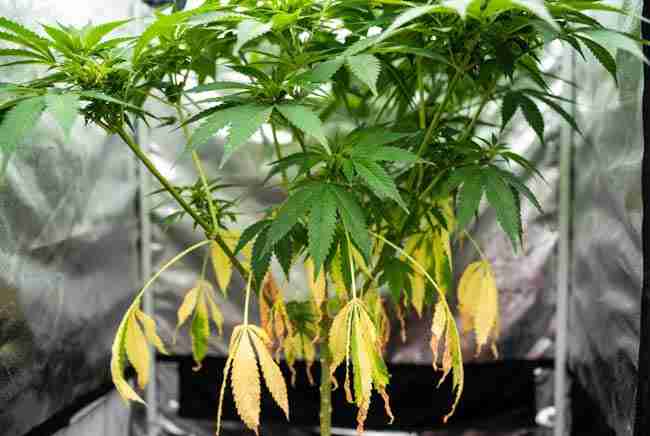
Before you grab the shears or start dumping extra nutrients, take a breath and really look at what’s happening. Bottom-up die-off almost always starts with the oldest, lowest leaves because those are the ones the plant can afford to sacrifice first.
You’ll notice the lower fan leaves fading to a sickly yellow, often beginning at the tips or edges and working inward. They might feel soft at first, then turn crispy and brown before they finally let go and fall. Meanwhile the top growth and new leaves can still look surprisingly green and perky – at least for a while. That contrast is a classic clue.
However, not every yellow lower leaf spells disaster. In late flowering, a certain amount of bottom leaf yellowing is totally normal. The plant naturally cannibalizes older leaves to feed the buds it’s putting all its energy into. The difference is speed and timing. If you’re still in veg or early flower and bottom leaf density is crashing fast, you’ve got an issue that needs attention right now.
Normal Aging vs. Real Trouble – How to Tell the Difference
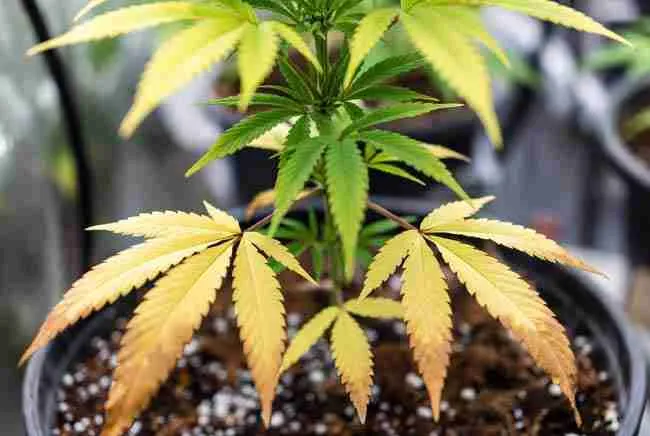
Here’s a quick way to know whether you’re dealing with normal senescence or a genuine problem:
- Normal in late flower: Yellowing stays mostly on the very bottom, progresses slowly, and the plant still looks vigorous overall.
- Problem brewing: Yellowing climbs upward quickly, new growth looks pale or stunted, or you see it happening in vegetative stage.
- Bottom leaf density crash: When you suddenly have way more bare stem at the base than healthy green leaves, that’s your cue something is stealing resources faster than the plant can replace them.
You might also notice the whole plant looking a little lighter in color overall, or lower leaves folding or drooping even when the soil isn’t bone dry. These little details tell the real story.
The Science Behind Bottom Up Cannabis Dying – Mobile Nutrients and Root Zone Drama
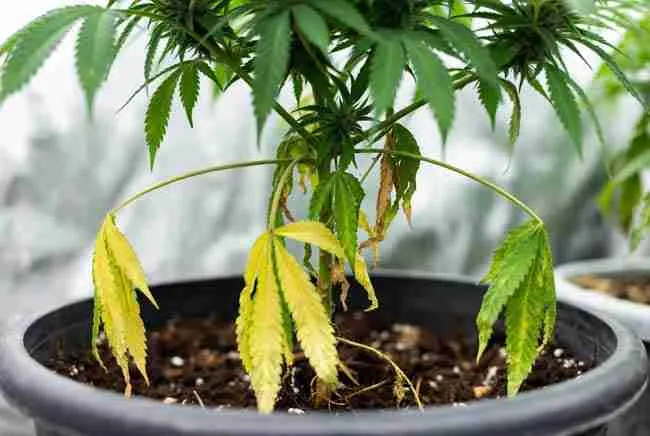
Cannabis plants are smart survivors. When something is missing – whether it’s actual nutrients or the ability to grab them – the plant does what any good parent would do: it pulls resources from the oldest leaves and sends them to the new growth and developing buds. That’s why problems almost always show up first at the bottom.
Nitrogen, magnesium, and potassium are all mobile nutrients. The plant can move them around inside its tissues. When the roots can’t deliver enough, the lower leaves get raided and you end up with dead bottom leaves climbing the plant like a slow wave. Immobile nutrients (calcium, boron, iron) would show problems at the top first – that’s how you tell them apart.
But here’s the thing that trips up a lot of growers: sometimes the nutrients are sitting right there in the soil and the plant still can’t use them. That’s usually a pH or root oxygen problem. Fix the delivery system and the “deficiency” often disappears without you adding a single extra gram of fertilizer.
Top Causes of Cannabis Plant Dying from the Bottom Up
Let’s get into the real-world culprits you’ll run into most often. We’ll go deep on each one so you know exactly what to look for and how to respond.
Nitrogen Deficiency – The Classic Bottom-Up Yellowing Culprit
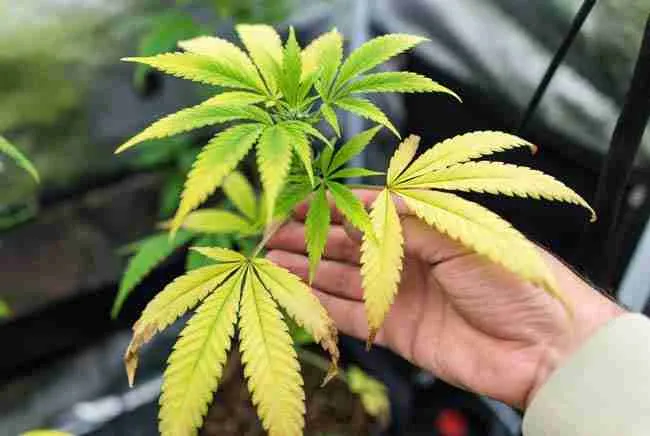
Nitrogen is the big green machine. It’s what builds chlorophyll and proteins, and your plant uses tons of it during vegetative growth. When N runs low, the plant steals it from the oldest leaves first.
You’ll see uniform yellowing (not just between the veins) starting on the lowest fan leaves. They turn lime-green, then full yellow, often with brown crispy edges as they die. The whole plant can look a bit pale, but the top keeps trying to grow. In veg this is a real problem. In late flower it’s more expected – the plant is feeding the buds and letting go of lower leaves it no longer needs.
Common triggers include:
- Not enough nitrogen in your feeding schedule (especially if you switched to bloom nutes too early).
- Poor soil that’s been used for multiple cycles without amendments.
- pH lockout preventing roots from grabbing the nitrogen that’s already there.
- Heavy leaching from frequent watering with plain water.
Quick fix: First check and correct pH (more on that in a minute). Then add a nitrogen boost – blood meal, fish emulsion, or a high-N vegetative nutrient. You should see the yellowing slow down within a week or so, though already damaged leaves won’t recover. Don’t overdo it though – too much nitrogen in flower gives you leafy buds and reduced flavor.
Overwatering and Root Rot – When Too Much Love Smothers Your Plants from Below
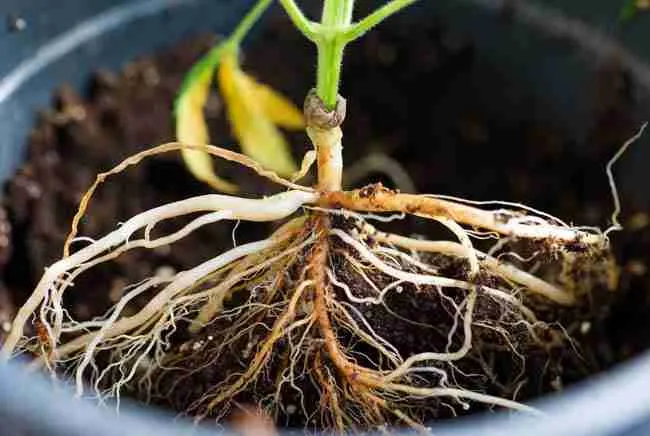
This one is sneaky because it looks a lot like a nutrient problem at first. You water “just to be safe,” the soil stays soggy, roots can’t breathe, and suddenly the lower leaves start yellowing and wilting even though the plant has plenty of water available.
Roots that sit in constant moisture turn brown, mushy, and smelly. They stop taking up nutrients and water efficiently, so the plant cannibalizes bottom leaves to survive. You’ll often see the top still trying to grow while the bottom collapses.
Fix it fast: Stop watering until the top inch or two of soil is dry (use the knuckle test). Improve drainage immediately – add perlite or switch to a better mix next time. In severe cases you may need to gently remove the plant, trim off rotten roots, and repot in fresh, airy soil with beneficial microbes to help the roots recover.
Prevention is everything here. Most new growers lose more plants to overwatering than to anything else. Less is more – let the soil breathe between waterings.
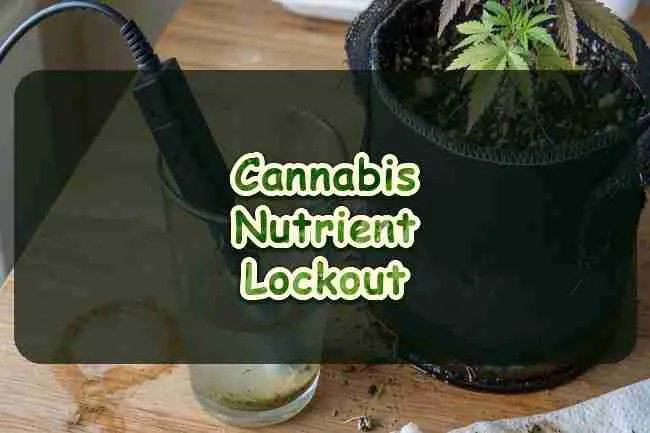
pH Imbalance and Nutrient Lockout – The Silent Root-Zone Killer
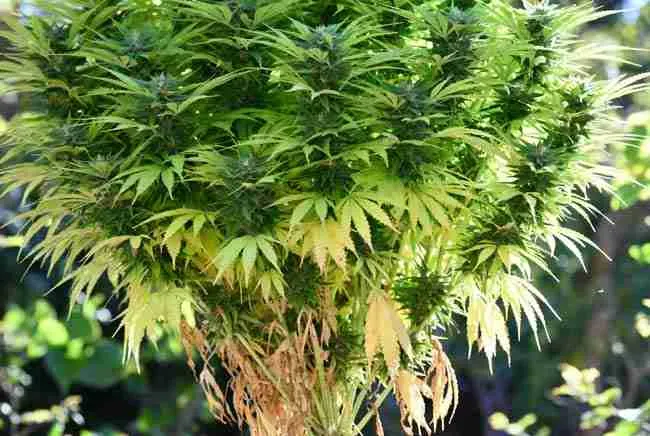
Even if you’re feeding the perfect nutrients, wrong pH means the roots literally cannot absorb them. In soil you want 6.0–7.0. In coco or hydro, aim for 5.5–6.5. Outside that window, nutrients get locked out and your plant shows classic deficiency symptoms – starting at the bottom with mobile elements.
You might test your feed water at perfect pH, but runoff comes out way off because salts have built up. That buildup changes the root zone chemistry fast.
What to do: Always check pH of both your input water and your runoff. If runoff pH is way lower or higher than input, flush with 2–3 times the pot volume of properly pH’d water. Then resume normal feeding at the correct pH. Many “nutrient deficiencies” magically disappear once pH is dialed in.
Magnesium Deficiency – Interveinal Yellowing That Starts Low
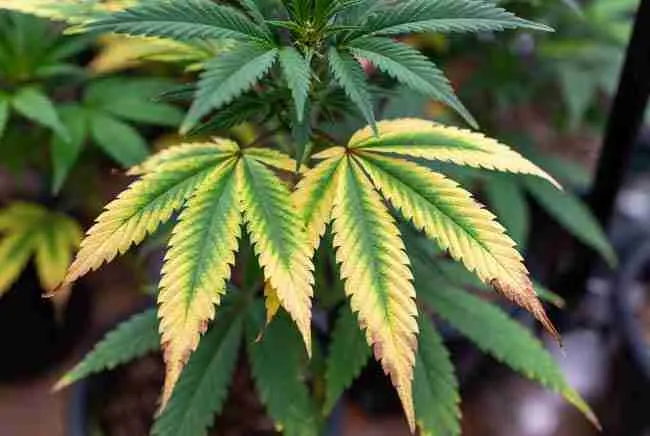
Magnesium is another mobile nutrient, and deficiency shows up first on older bottom leaves as interveinal chlorosis – yellow tissue between the veins while the veins themselves stay greener. Leaves can develop crispy edges or small rust-colored spots and eventually die off.
This is especially common in coco coir grows or when pH drops too low. Epsom salt (magnesium sulfate) foliar sprays or soil drenches give fast relief, but always fix pH first or you’re just chasing symptoms.
Other Factors That Can Cause Bottom-Up Problems
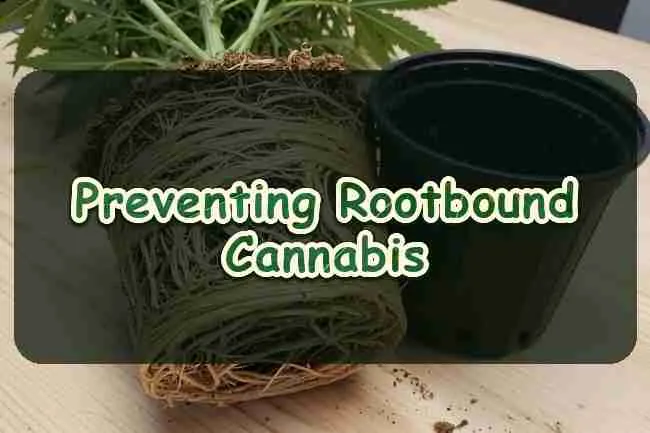
Potassium deficiency also hits lower leaves first (yellowing then brown scorching on margins). Rootbound plants, poor airflow at the base of the canopy, sudden temperature swings, and even certain pests or soil diseases can all contribute to that bottom-up decline. The pattern is almost always the same: the plant sacrifices the oldest leaves when the root zone or nutrient delivery system is compromised.
Step-by-Step Diagnosis – Figure Out Exactly Why Your Cannabis Plant is Dying from the Bottom Up
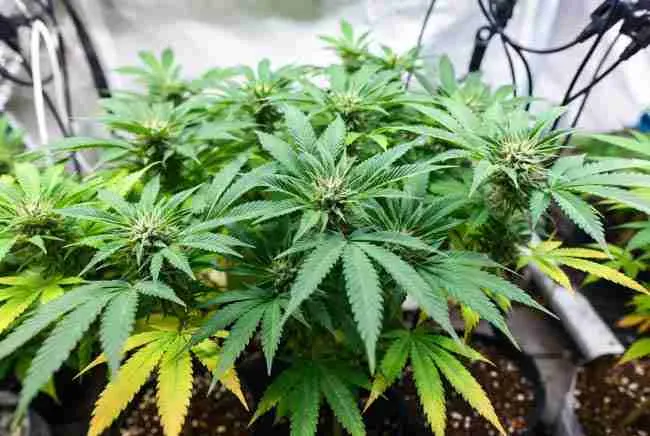
Don’t guess. Work through this simple checklist and you’ll almost always land on the real cause.
- Look and smell: Yellow uniform lower leaves? Interveinal yellowing? Wilting with wet soil? Bad smell from the pot?
- Check pH immediately: Test both feed water and runoff. This rules out or confirms lockout in minutes.
- Review your watering: How often? How much runoff? Did you recently change your schedule?
- Growth stage matters: Veg or early flower = act fast. Late flower = maybe just natural fade.
- Inspect roots if possible: Healthy roots are white and firm. Brown and mushy = root issues.
- Recent changes: New nutrients? Different water source? Temperature spike? Anything new in the environment?
Here’s a handy diagnostic table you can screenshot or print:
| Observed Symptoms | Most Likely Cause | Immediate Next Step | Long-Term Prevention |
|---|---|---|---|
| Uniform yellow lower leaves, pale plant | Nitrogen deficiency or lockout | Check/adjust pH, add high-N feed | Balanced veg nutrients, regular pH checks |
| Interveinal yellowing on bottom leaves | Magnesium deficiency | Epsom salt foliar or drench, fix pH | Add CalMag or Mg in every feed |
| Yellow + wilting + soggy soil, smell | Overwatering / root rot | Let soil dry completely, improve drainage | Knuckle test watering, aerated soil mix |
| Yellowing + crispy edges, older leaves | Potassium deficiency | Check pH, add bloom booster with K | Proper bloom nutrients, avoid overwatering |
| Rapid bottom leaf loss in veg | Multiple (usually pH + N or roots) | Full diagnosis above | Consistent environment + monitoring |
Fixing the Problem – Bring Your Cannabis Plant Back from the Brink
Once you know the cause, act decisively but don’t overcorrect.
For nutrient issues: Fix pH first, then supplement what’s missing. Give it a week and watch for new growth looking healthier. Already damaged leaves won’t green back up – that’s normal.
For overwatering/root problems: Hands off the water for a few days. Add beneficial microbes or mycorrhizae to help roots bounce back. In bad cases, a gentle root trim and fresh soil can save the plant.
Flush if you suspect salt buildup from overfeeding or wrong pH. Use 2–3× pot volume of pH’d water, let it drain fully, then resume light feeding.
You’ll usually see improvement in new growth within 5–10 days. Patience is key – the plant needs time to move resources back into healthy tissue.
Prevention Strategies – Never Ask “Why is My Cannabis Plant Dying from the Bottom Up?” Again
The best fix is never needing one. Build strong roots and consistent habits from the start and bottom leaf density stays thick and green all the way through harvest.
Build a Healthy Root Zone from Day One
Use a well-aerated soil mix with plenty of perlite or pumice. Add compost, worm castings, and mycorrhizal fungi at transplant. Good roots = happy plants that can actually use the nutrients you give them.
Master Watering – The Goldilocks Approach
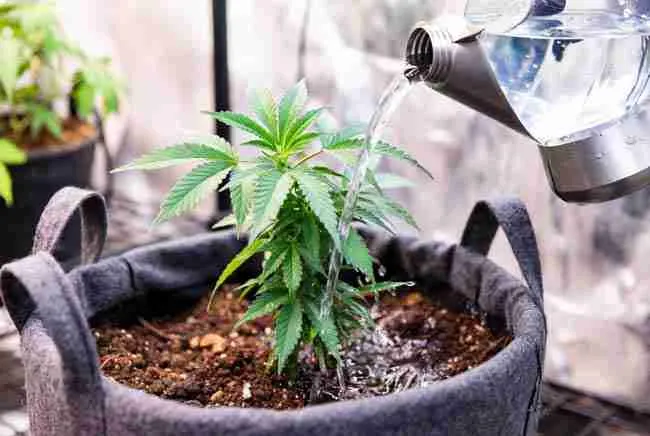
Water thoroughly until you get 10–20% runoff, then wait until the top knuckle of soil is dry before watering again. In fabric pots or well-draining soil this might be every 2–4 days depending on size and environment. Never water on a strict calendar – water when the plant needs it.
Feed Smart and Balanced
Use quality nutrients formulated for cannabis (or amend living soil properly). In veg, make sure nitrogen is adequate. In flower, don’t starve the plant of everything else just because you dropped nitrogen. Monitor pH every single time you feed or water. It takes two minutes and saves weeks of headaches.
Keep the Environment dialed
Good airflow at every level of the canopy prevents stagnant pockets that stress lower leaves. Maintain steady temperatures and humidity appropriate for the stage. Avoid big swings that shock the roots.
Monitor Like a Pro
Check plants daily. Catch yellowing early and you fix it in days instead of losing half the bottom of the plant. Keep simple notes – date, pH, watering, what you fed. Patterns jump out fast when you have records.
FAQ: Your Most Common Questions About Cannabis Plant Dying from the Bottom Up Answered
Is it normal for bottom leaves to die during flowering? Some yellowing and loss of the very lowest leaves is completely normal in late flower as the plant focuses energy on buds. However, if bottom leaf density is dropping rapidly or the yellowing is climbing high up the plant, you still have a problem to fix.
Why does my cannabis plant only lose leaves from the bottom? Mobile nutrients (N, Mg, K) get moved from older leaves to support new growth and flowers when the roots can’t deliver enough. That’s why symptoms almost always appear first at the bottom.
Can overwatering really cause bottom leaves to yellow and die? Absolutely. Overwatering suffocates roots so they can’t take up nutrients or oxygen. The plant responds by sacrificing lower leaves. Let the soil dry out and improve drainage and you’ll usually see recovery in new growth.
How fast should I expect to see improvement after fixing the problem? New growth should look healthier within 5–10 days. Already yellow or dead leaves won’t recover – focus on stopping the progression and supporting the rest of the plant.
Should I remove the yellow bottom leaves or leave them? You can gently remove clearly dead, crispy leaves to improve airflow and reduce pest/disease risk. Don’t strip healthy green leaves though – the plant still uses them for photosynthesis.
What’s the single most important thing to check first? pH. Wrong pH at the roots is behind the majority of “nutrient deficiency” symptoms that start at the bottom. Test and adjust before you add more fertilizer.
Can I still get a good harvest if my plant lost a lot of bottom leaves? Yes, as long as you stop the problem and the upper canopy and buds stay healthy. The plant can compensate, but severe early loss will reduce overall yields. Prevention is always better than recovery.
Final Thoughts – Turn This Lesson into Better Grows
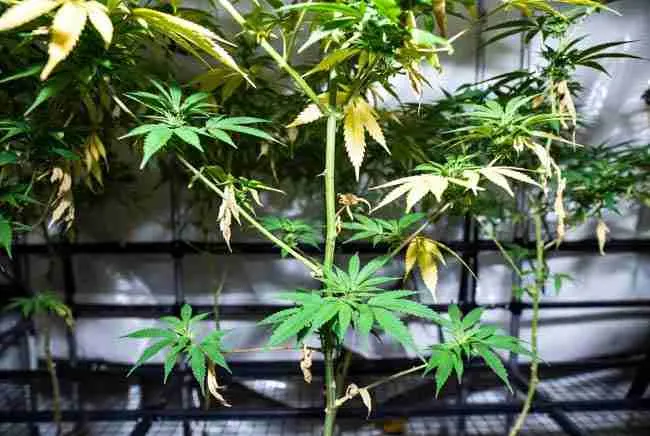
Watching your cannabis plant die from the bottom up is stressful, but it’s also one of the best teachers you’ll ever have in this hobby. Every time it happens you learn something new about how your specific environment, soil, and genetics interact.
The growers who get consistently great results aren’t the ones who never have problems – they’re the ones who spot issues early, diagnose correctly, and keep getting better with every cycle.
Start with pH and watering. Add the right nutrients at the right time. Build living, breathing root zones. Do those basics well and you’ll spend way less time dealing with dead bottom leaves and way more time enjoying big, resinous harvests from your Green Avenger Seeds.