When Your Marijuana Leaves Canoe: What Does It Mean for Your Plants?


You open your tent and—whoa—those blades look like little boats. Edges curled up, leaf making a “U” shape. That “taco shell” or cupping look has a name: Marijuana Leaves canoe. It’s your plant’s way of yelling, “I’m stressed!” The good news? You can fix it fast once you know why it’s happening.
Below, you’ll get the quick answer, the science in plain English, step-by-step diagnostics, exact specs to hit, and fixes that work—without fluff. You’ll also get tables you can print and a no-nonsense FAQ, all written so you can copy-paste straight into your CMS.
The 10-Second Answer: Why Marijuana Leaves Canoe
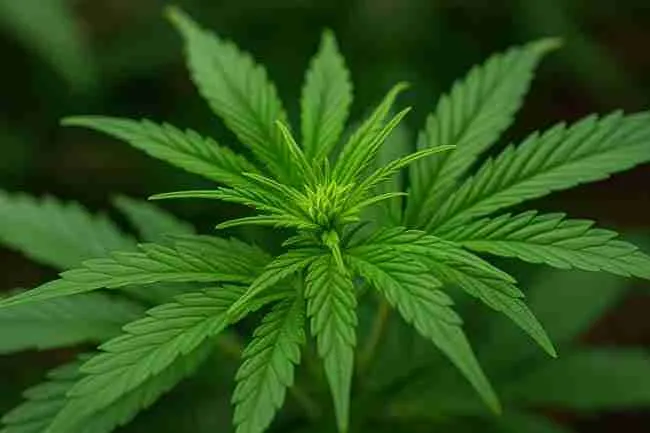
When Marijuana Leaves canoe, it usually means your leaf is trying to lose less water or avoid excess energy. The most common triggers are:
- Heat + low humidity (high VPD)
- Too much light (PPFD/DLI too high)
- Strong, direct wind (“wind burn”)
- Watering errors (overwater or underwater)
- Nutrient or salt issues (especially N toxicity or Ca/Mg problems)
- pH drift blocking uptake
- Rootbound or hot root zone
- Pests (broad/russet mites, thrips)
- Genetics (some sativa-leaners naturally “taco” a little)
Fix the environment first (temp, humidity, light, wind), then solve root feeding/pH, then check for pests.
What “Canoeing” Actually Looks Like (So You Don’t Misdiagnose)
- Canoeing / tacoing / cupping: Leaf edges curl upward, forming a shallow U-shape. Often affects upper leaves first, closest to the light/heat.
- Clawing (N toxicity): Leaf tips curl downward like talons; leaves get dark green and rigid. That’s not canoeing.
- Wilting: The whole leaf droops because it’s thirsty (underwater) or suffocating roots (overwater). Different from edges curling.
Keep this in mind as you troubleshoot: canoeing = edges up; clawing = tips down.
Fast Triage: How to Diagnose in 60 Seconds

- Put your hand at canopy level. If your hand feels hot or light is painfully bright, your plants feel it too.
- Check your hygrometer. Temp and RH? If 30–40% RH with hot air, VPD is too high—classic canoe trigger.
- Look at your fan. Is it blasting leaves directly? Wind burn can mimic canoeing.
- Lift the pot. Feather-light = underwater. Heavy and cold = overwater.
- Scan for pests. Use a jeweler’s loupe on the underside of canoeed leaves.
- Peek at feed + pH. Recent heavy feed? pH off? Salt crust on medium? Start there.
Cheat-Sheet Table: 60-Second Clues
| What you see at canopy | Likely trigger | First action |
|---|---|---|
| Hot, bright, dry | Heat + low RH (high VPD) | Raise lights, increase RH, drop temp |
| Strong direct wind | Wind burn | Angle/slow the fan, diffuse airflow |
| Bone-dry pot | Underwater | Water thoroughly to slight runoff |
| Heavy, cold pot | Overwater | Wait to dry to first knuckle; improve aeration |
| Dark green, clawed tips | Nitrogen toxicity | Dilute feed, flush salts |
| Tiny moving dots/specks | Pests | Isolate, treat with IPM |
The Simple Science (Why Leaves Curl Up)
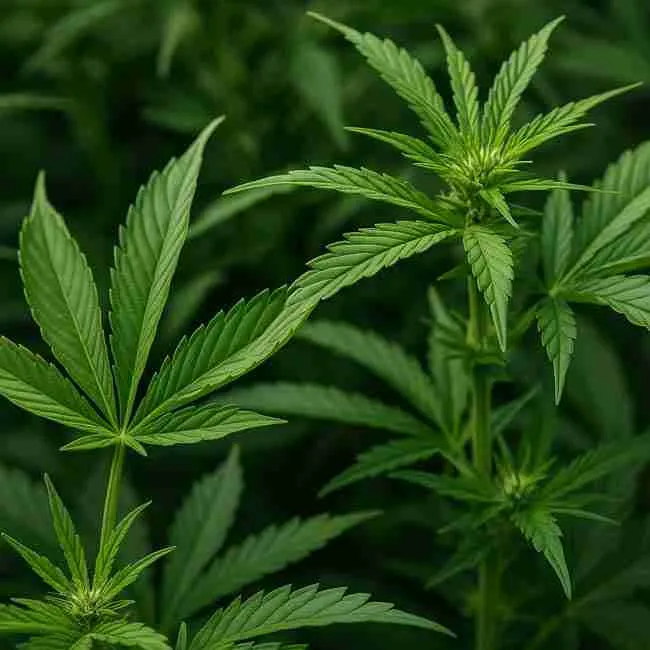
Leaves have tiny “mouths” (stomata). They open to breathe CO₂ and close to save water. When it’s too hot, too bright, or too dry, stomata slam shut and leaf edges curl up to reduce exposed surface area—like rolling a tarp in a storm. That’s canoeing. Fix the VPD (the push that pulls water out of leaves), tame the light, and you usually fix the canoe.
The Big Six Causes (and Exactly How to Fix Each)

1) Heat + Low RH (High VPD)
What happens: Hot air + dry room pulls water out of leaves too fast. Your plant curls to slow the loss.
Targets (general indoor, no CO₂):
- Veg: 72–80°F (22–27°C), 55–65% RH, VPD ~1.0–1.2 kPa
- Flower weeks 1–4: 70–78°F (21–26°C), 45–55% RH, VPD ~1.2–1.4 kPa
- Late flower: 68–76°F (20–24°C), 40–50% RH, VPD ~1.3–1.5 kPa
Fixes (choose 2–3 at once for fastest relief):

- Raise the light or dim it 10–20% for 24–48 hours.
- Drop room temp 2–4°F (1–2°C).
- Bump RH by 5–10% (humidifier or simply hang a damp towel in a pinch).
- Improve air exchange, not just fan speed—bring in fresh, cooler air.
- Increase canopy leaf spacing (light pruning or LST) to reduce micro-hotspots.
Pro tip: If you use CO₂, you can run higher temp and VPD—but canoeing still means you overshot. Back off slightly.
2) Too Much Light (PPFD/DLI Overshoot)
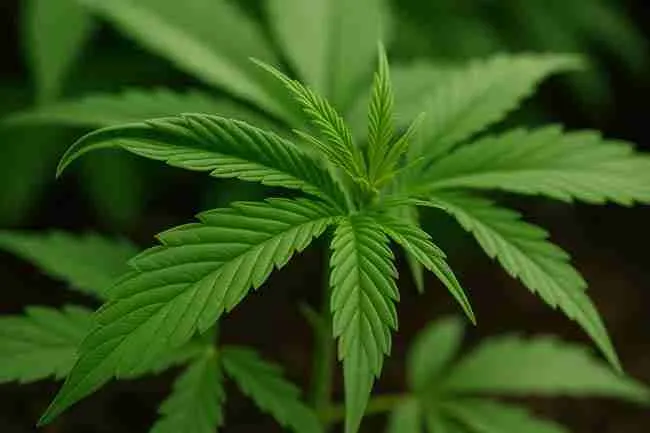
What happens: Light is energy and heat. If PPFD is too high for your stage, leaves canoe to shed both.
Safe PPFD ranges (no added CO₂):
- Seedling/clones: 200–400 µmol·m⁻²·s⁻¹
- Veg: 400–600
- Early flower: 600–800
- Late flower (peak): 800–1000 (only if other specs are dialed)
Fixes:
- Measure or estimate PPFD; if you don’t own a PAR meter, start by raising the light 6–12 inches or dimming 10–20%.
- Watch new growth for 48 hours; if canoeing relaxes, you nailed it.
- Increase light gradually (5–10% per 2–3 days) as plants adapt.
Quick test: If the top leaves feel almost hot to the touch under LEDs, you’re close to the edge. Ease off.
3) Wind Burn (Over-active Fans)

What happens: Constant, strong wind strips moisture from leaf surfaces. Plant responds by curling edges up.
Fixes:
- Angle fans to bounce off a wall/tent side for indirect airflow.
- Use oscillation to avoid blasting the same leaf.
- Aim for leaves gently dancing, not flapping.
Bonus: Good airflow is still essential—just diffuse it.
4) Watering Mistakes + Root Health
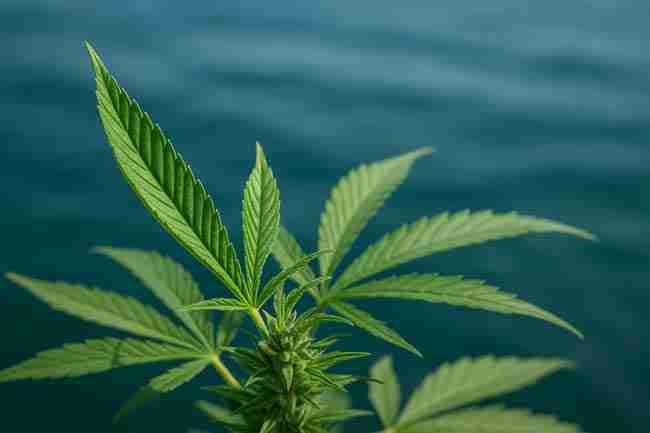
Underwater: Leaves canoe and feel dry/crispy; pot is feather-light; plant perks up right after watering.
Overwater: Leaves may canoe or droop; pot stays heavy; medium smells “swampy”; growth slows.
Fixes:
- Water by pot weight and finger test (first knuckle).
- Ensure drainage (fabric pots, 20–30% perlite in soil/coco).
- Keep root-zone temp ~68–72°F (20–22°C).
- Avoid tiny watering “sips”—water until 10–20% runoff, then let it partially dry.
- Transplant if rootbound.
Emergency reset for overwatering: Increase airflow at the pot surface, raise temp 1–2°F (0.5–1°C), and wait—don’t add more water.
5) Nutrients, Salts, and pH

N toxicity: Dark, shiny leaves with downward claw (not the same as canoeing). But N excess often rides with high EC, which can push canoeing via osmotic stress.
Ca/Mg issues: Edges curl with interveinal yellowing or rusty spots (Mg) or crispy tips (Ca). Coco especially needs supplemental Ca/Mg.
Salt buildup: White crust on the medium or tray; leaves canoe and burn at tips.
pH drift: Locks out nutrients even if your EC is perfect.
Target pH (runoff or solution):
- Soil: 6.2–6.8
- Coco/hydro: 5.6–6.2
Feeding specs (guideline EC):
- Seedlings/clones: 0.4–0.8 EC
- Veg: 1.2–1.8 EC
- Flower: 1.6–2.2 EC (strain dependent)
Fixes:
- If you suspect salts, flush with pH-balanced water (2–3× pot volume), then feed lightly.
- In coco, add Cal-Mag if your water is soft or you see Ca/Mg signs.
- Back off N-heavy feeds if leaves are very dark/clawed.
- Re-calibrate your pH pen. Bad readings = bad days.
6) Pests (and the “Hidden” Culprits)

Broad/russet mites are tiny terrors; they cause weird leaf tacoing, toughened textures, and overall “angry” new growth. Thrips scrape leaf surfaces and can stress tops into canoeing.
Fixes:
- Inspect with a jeweler’s loupe; check the underside and new tips.
- Quarantine the plant if you can.
- Use an IPM rotation: physical removal (rinse), then a compatible product (e.g., insecticidal soap, horticultural oil) per label, rotating modes of action.
- Clean the room, wash tools, and reset sticky traps.
Note: If the canopy’s specs are off, pests hit harder. Environmental correction still helps.
Your 24-Hour Rescue Plan

- Dim/raise lights and drop temp 2–4°F (1–2°C).
- Increase RH by 5–10% (humidifier or a damp towel in a pinch).
- Soften airflow—no direct fan blasts.
- Water correctly (to runoff if dry; wait if overwatered).
- Check pH/EC and adjust. If EC is high, flush and refeed light.
- Loupe-check pests and act if you see them.
What to expect: Within 24–48 hours, canoeing should stall or ease. Old leaves may not fully uncurl; focus on new growth looking normal.
The 7-Day Follow-Through
- Day 1–2: Hold your gentler light/temp/RH settings.
- Day 3–4: If plants look happy, increase light by 5–10%.
- Day 5–7: Resume normal feeding at the low end of your EC target.
- After week 1: Keep VPD in range and ramp light only if plants are asking for more (praying leaves, robust growth, no curl).
Prevention Playbook (Set-and-Forget Specs)

Environment Specs by Stage (No CO₂)
| Stage | Temp (Lights On) | RH | VPD | PPFD |
|---|---|---|---|---|
| Seedling/Clone | 72–78°F (22–26°C) | 65–75% | 0.8–1.0 kPa | 200–400 |
| Veg | 72–80°F (22–27°C) | 55–65% | 1.0–1.2 kPa | 400–600 |
| Early Flower | 70–78°F (21–26°C) | 45–55% | 1.2–1.4 kPa | 600–800 |
| Late Flower | 68–76°F (20–24°C) | 40–50% | 1.3–1.5 kPa | 800–1000 |
Watering & Root “Specs”

- Media with 20–30% perlite (soil/coco)
- Runoff 10–20% on feed days
- Root zone 68–72°F (20–22°C)
- Pot up before rootbound
- Water by weight, not by calendar
Feed & pH “Specs”
| Medium | pH | Typical EC Range |
|---|---|---|
| Soil | 6.2–6.8 | 1.2–2.0 |
| Coco/Hydro | 5.6–6.2 | 1.4–2.2 |
Real-World Scenarios (So You Can Spot Them)
Scenario 1: Hot Attic Tent
It’s summer. Your tent hits 83–85°F with RH 35%. The top leaves start canoeing mid-day. You raise the lamp 8″, dim 15%, add a humidifier, and open a passive vent. Within 36 hours, new growth flattens and color looks happier. You then nudge light back up 5% every 2–3 days.
Scenario 2: Loving Them to Death (Overwatering + High EC)
You’re feeding daily, the tray has salt crust, leaves curl and tips burn. You flush 2× pot volume at 6.5 pH (soil), then feed at 1.2 EC. You let the pot get lighter before the next watering. Canoeing halts; color normalizes in a week.
Scenario 3: Wind Burn Masquerading as VPD
You added an extra clip fan facing the canopy. After two days, edges curl up. You angle the fan to bounce off the wall and slow it down. Curling stops without changing light or RH.
Tools That Make This Easy
- Hygrometer/Thermo with memory: See daily highs/lows.
- VPD chart or app: Enter temp/RH; get your target.
- PAR/PPFD meter (or a good phone app): Dial in light levels.
- Jeweler’s loupe (30–60×): Find mites/thrips early.
- EC/TDS & pH pens: Verify your feeding and runoff.
Pros and Cons of Common Fixes

Raising Light / Dimming
- Pros: Immediate relief from light stress; simple.
- Cons: If you go too far, yields can drop; ramp back deliberately.
Adding Humidity
- Pros: Lowers VPD fast; leaves relax.
- Cons: In late flower, high RH risks mold—stay within spec.
Lowering Temperature
- Pros: Eases transpiration stress; safer PPFD ceiling.
- Cons: Too cool slows growth; watch root temps.
Flushing Salts
- Pros: Resets a hot medium; fixes mysterious stress.
- Cons: Can leach nutrients; follow with balanced feed.
Cutting Fan Speed / Redirecting Airflow
- Pros: Stops wind burn instantly.
- Cons: Don’t kill circulation entirely; stagnant air = disease.
Comprehensive Troubleshooting Table
| Symptom nuance | Most likely cause | How to confirm | Fix you should try |
|---|---|---|---|
| Canoeing on top leaves only | Light/heat stress | Hot hand test at canopy; PPFD high | Raise/dim light; drop 2–4°F; +10% RH |
| Canoeing with crispy edges | Low RH, high VPD | RH < 40% in veg/early flower | Humidifier; lower VPD; shorten DLI |
| Canoeing + direct wind | Wind burn | Fan points straight at leaves | Diffuse/oscillate/angle airflow |
| Canoeing + dry pot | Underwatering | Pot is very light; leaves perk after water | Water to 10–20% runoff; set schedule by weight |
| Canoeing + heavy cold pot | Overwatering | Pot stays heavy; slow growth | Let dry; add aeration; improve drainage |
| Dark green + downward claw | Nitrogen toxicity | Recent high-N feed | Flush; lighter feed; watch new growth |
| Canoe + interveinal yellowing | Mg deficiency (often coco) | Old leaves yellow between veins | Add Cal-Mag; check pH 5.8–6.2 (coco) |
| Canoe + burnt tips + salt crust | Salt buildup | High EC runoff; crust on soil | Flush 2–3× pot volume; reset feed |
| Canoe + odd, tough leaves | Broad/russet mites | See with loupe on new tips | Isolate; initiate IPM rotation |
| Canoe + only certain phenos | Genetics | Others in same room are fine | Tolerate slight taco; tune environment |
Specs Summary (Bookmark This)
- Temp: 72–80°F veg; 70–78°F early flower; 68–76°F late flower
- RH: 55–65% veg; 45–55% early flower; 40–50% late flower
- VPD: ~1.0–1.2 veg; 1.2–1.4 early flower; 1.3–1.5 late
- PPFD: 400–600 veg; 600–800 early flower; 800–1000 late
- pH: 6.2–6.8 soil; 5.6–6.2 coco/hydro
- EC (guideline): 1.2–1.8 veg; 1.6–2.2 flower
- Airflow: Indirect, oscillating; leaves gently dance, not flap
Stick to those, and you’ll rarely see Marijuana Leaves canoe again.
Frequently Asked Questions (FAQ)

Why do Marijuana Leaves canoe under LED lights?
LEDs can pack high PPFD with little radiant heat, which tricks you into pushing too much light or running too low RH. If Marijuana Leaves canoe at the top only, raise or dim the light and bump RH so VPD sits in range.
Do Marijuana Leaves canoe more in low humidity?
Yes. Low RH raises VPD, pulling water out of leaves. Edges curl up to conserve moisture. Raising RH 5–10% often calms the taco in 24–48 hours.
Is canoeing the same as nitrogen clawing?
No. Canoeing is edges curling up; clawing is tips curling down with very dark leaves. You can have both if EC is high and environment is off, but they point to different primary causes.
Can pests make Marijuana Leaves canoe?
Absolutely. Broad/russet mites and thrips stress new growth. If environmental fixes don’t help in 48 hours, inspect with a loupe and start an IPM plan.
Should I defoliate canoeing leaves?
Don’t rush. Damaged leaves still photosynthesize. Wait until new growth is flat and happy; then remove the worst offenders if they’re shading healthy tops.
Will my leaves uncurl once I fix the problem?
Sometimes a little, but often old canoeed leaves stay shaped. The real sign of success is new growth coming in flat with normal texture.
Can too much wind really cause canoeing?
Yes. Strong, constant wind strips moisture and stresses leaf surfaces. You want moving air without direct blasts—think gentle sway, not storm.
How fast can I fix canoeing?
You can stop it quickly—often within 24–48 hours—by adjusting light, temp, and RH. Full visual recovery (color, vigor) takes a few days. Keep changes modest and measured.
My VPD is “perfect” but I still see canoeing. What gives?
Check PPFD/DLI (too high), pH/EC (salt buildup), rootbound pots, and pests. VPD is huge, but not the only lever.
Do genetics matter?
They do. Some narrow-leaf sativa phenos naturally show a bit of taco when pushed hard with light. Keep them on the gentler side of your ranges.
Final Word: Your Simple Fix Ladder
- Light & Heat: Raise/dim; drop temp slightly.
- Humidity/VPD: Nudge RH up; hit the range for your stage.
- Airflow: No direct fan blasts; keep air exchanging.
- Water/Root Health: Water by weight; ensure drainage; check root temp.
- Feed & pH: Reset salts if needed; dial pH precisely.
- Pests: Loupe, identify, treat.
Do those in order and the Marijuana Leaves canoe saga turns into a short story—one with a happy ending and fatter jars.