


What Temperature Should My Cannabis Grow Tent Be During Flowering?


Temperature Should My Cannabis Grow Tent Be During Flowering
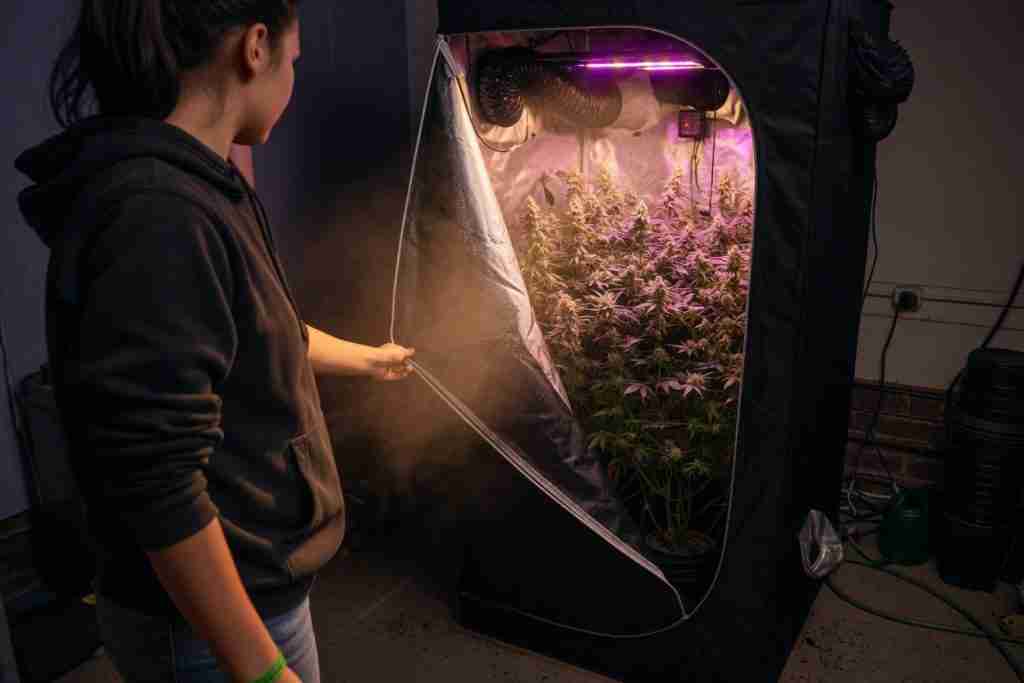
Temperature Should My Cannabis Grow Tent Be During Flowering is the question you ask when the zipper feels fine and the top cola does not. You pull the door, the hall air hits your face, and you decide the tent is comfortable. Then you slide a hand into the flowers under the lamp, and that pocket feels like a car that sat in the sun. The two rooms are a few inches apart. Only one of them is growing the bud.
Unzipping the door at lights-on, the air on your face was already warmer than the hall. That first breath is a clue, and it is a liar if you stop there. Heat rises. The lamp sits at the ceiling. The fattest flowers reach toward it. The zipper is down by your knees, where the cooler air from the intake sneaks in. If you judge the whole tent by the zipper, you will let the tops cook while you feel proud of a pleasant doorway.
This page is the flowering tent only, and only the warmth of the air the flowers are actually living in. The weeks of flower, from the first white hairs to the swell, live on the flowering stage. How the air leaves the room lives on moving air out of the tent. The box itself lives on choosing the tent. The combined push of warmth and damp air, the number people chase on a chart, lives on warmth and damp air together. Stay here for where you hang the sensor, what the lamp does to the leaf, and what a hot day or a cold night does to the flower.
A greenhouse note explains why a warmer day than a cooler night changes how tall a greenhouse plant grows. A cannabis cola is not a lily on a bench. The habit still rhymes. A day that is warmer than the night is the shape a flowering plant expects. A night that runs hotter than the day is the wrong way around, and a night that falls off a cliff is how water shows up on the flowers. You want a drop you can feel. You do not want a crash.

Temperature Should My Marijuana Grow Tent Be During Flowering
The useful reading is the air touching the flowers, not the number stuck to the tent pole and not the sticker on the lamp driver. People tape a round dial at eye level because that is where their eyes are. The plant does not live at eye level. It lives where the buds are. If the sensor is in the aisle, or clipped to the frame beside the exhaust, it is telling you about a breeze you do not harvest.
Hang one sensor in the shade of a fan leaf, right at the height of the top colas, and not touching the flower. A sensor buried in the bud reads the bud’s little oven, which is interesting and is not the air. A sensor in the beam of the lamp reads the lamp. Shade is the whole trick. Clipping the sensor under a fan leaf, the reading sat in the shade instead of on the bulb. That is the number you write down.
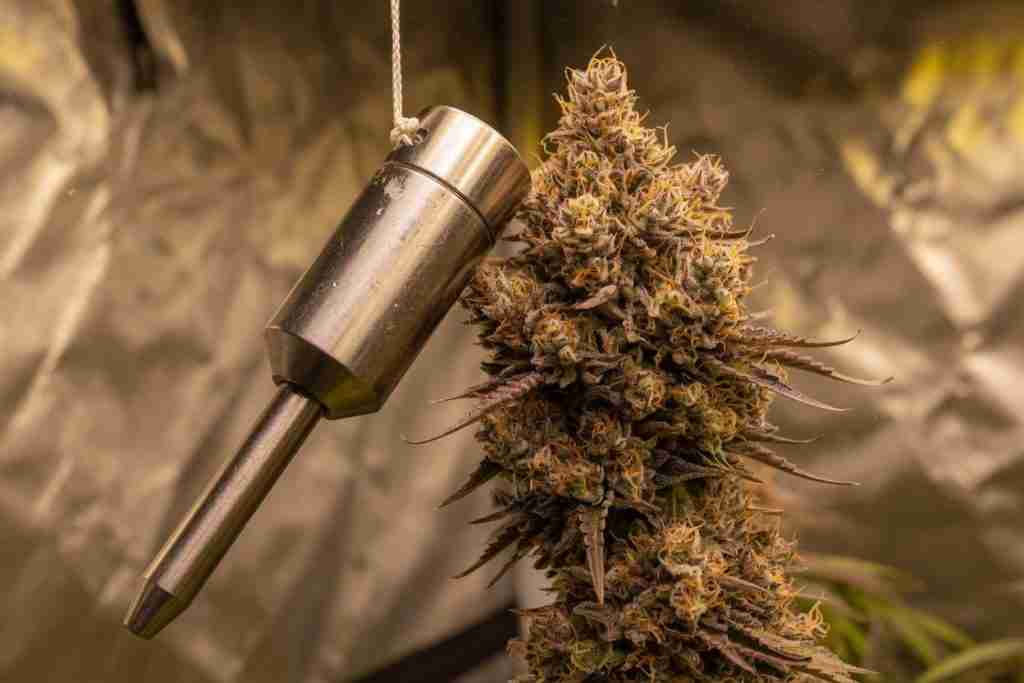
Where You Hang the Sensor
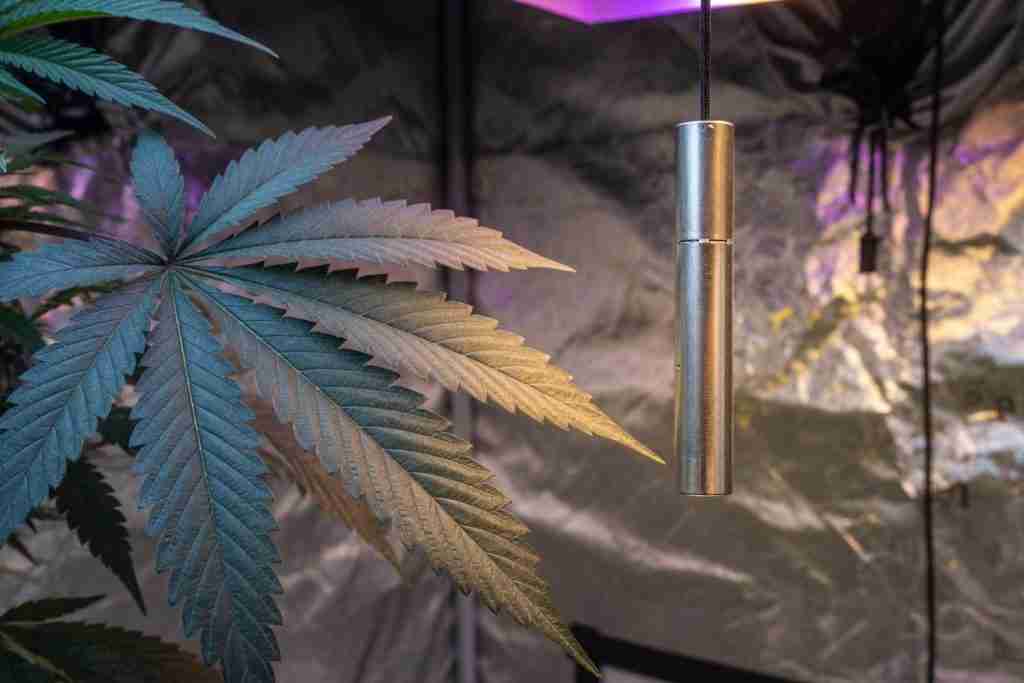
Use two sensors if you can, and a third habit that costs nothing. The second sensor hangs lower, among the side buds, still in shade. If the top runs much warmer than the bottom, the lamp is the problem, or the air is stuck under the canopy. If they match, the whole tent is one room and you can trust a single plan. The third habit is a sensor that remembers the high and the low while you sleep. You will not be standing there at the darkest hour. The memory will.
Check the remembered high after the lamp has been on for a few hours, not in the first minute. Check the remembered low an hour or more after the lamp goes off. Write both in a blank book, with the date, and do it again the next day. A tent that is kind on Sunday can be a furnace on Tuesday when the hall gets hot.
Do not trust the thermostat on the driver or the little box taped to the outside wall. Those gadgets feel the gear or the hall. If the controller and the canopy sensor disagree, believe the canopy, and move the controller’s own probe into that same shaded air.
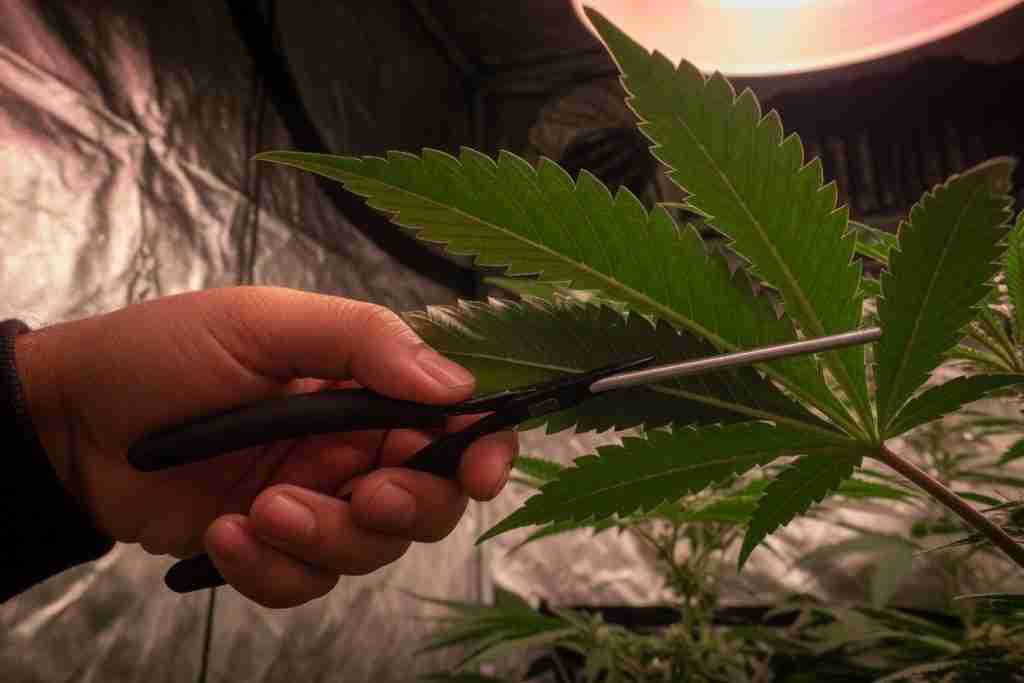
The Leaf Is Not the Air
Look, the plant lives at the leaf, and the leaf does not match the number taped to the tent pole. Under a modern diode board the leaf is often cooler than the air around it, because those lamps throw less roasting heat than an old hot bulb. Under a hot lamp the leaf can run warmer than the air, because the bulb is baking the surface. Same tent. Same air number. Two different leaves. If you only copy a lights-on target from a forum, you can be kind to one garden and cruel to the other.
A cheap infrared reader will show you the trick if you aim it at a dull leaf and then at the air sensor. Do not aim it at the shiny tent wall. The wall lies. If the leaf is much warmer than the air, raise the lamp, dim it, or get more air across the tops. If the leaf is much cooler than the air under a diode board, the air can sit a little warmer than it would under a hot bulb and the leaf is still comfortable. A happy leaf can still sit over a cola that is already too warm to keep its smell.
Temperature Should My Weed Grow Tent Be During Flowering
With the lamp on, you want the canopy in the seventies, happiest around the middle of that band. Seventy-five is a friendly middle if you need one picture in your head. The low seventies are still a good room. The high seventies are the warm edge, fine for a while if the leaf is not hotter than the air and the flowers are not packed against the lamp. Once the tops live in the eighties for hours, the flowers loosen, the smell cooks off, and the plant spends the day trying to cool itself instead of stacking bud.
That band is for the air at the cola, in flower, with an ordinary home lamp and no added carbon dioxide. A sealed room where you add carbon dioxide can sit warmer, because the plant can use the extra warmth when the air is rich. That bottle, and the sealed-room rules that come with it, live on adding carbon dioxide. If you are not running that setup, do not borrow its warmer target. You will cook a normal tent and call it advanced.
Early flower can sit toward the warm half of the seventies, while the plant is still building the frame. Late flower wants the cooler half, because the smell leaves when the air is hot and a dense cola holds trouble when the night is wet. You need the tops out of the eighties, and the late weeks a little kinder than the first. The stretch that heat makes worse, the one where the plant reaches through the lamp, lives on stopping a plant that will not stop reaching.

When the Lights Go Out
When the lamp stops, the tent should cool into the sixties and stay there. The middle of the sixties is a calm night. The high sixties are a small drop if your day was in the high seventies, and that can be enough. The low sixties are a cooler night, useful near the end if the air is not also soggy. The fifties are where a lot of home tents land in a garage or a basement in the cold months, and that is where flowering slows to a crawl. Roots drink poorly. The flowers sit wet because cool air cannot hold the water the day cooked out of the pots.
A small fan on the floor is not a cooler. It mixes the air so one corner does not become a swamp, and it does not pull heat out of the building. The exhaust does that, if the hall air is cooler than the tent. If the hall is already hot, the tent cannot beat the hall by venting. Cool the hall, send the exhaust outdoors, or put a real cooler on the intake. The summer emergency lives on cooling a small tent in a heat wave. Do not blast cold air at one cola and call the room fixed.
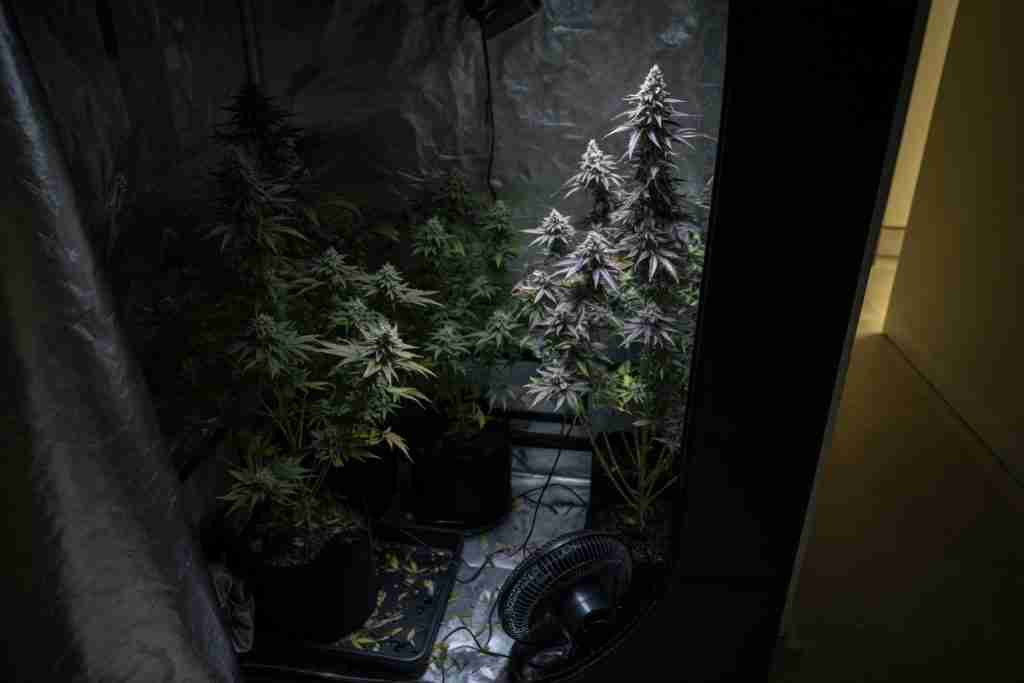
A Drop You Can Feel
The dangerous minute is not the steady night. It is the first stretch after the lamp dies, when the air cools and the water stays. Relative dampness climbs because the same water now fills more of what the cooler air can hold. The flowers are a cool surface. Water beads where you cannot see it, inside a dense cola. That is how gray starts on a plant that looked dry at lights-on. The gap between the air and the dew, and why the first dark hour matters, lives on the night gap that wets a flower. What gray inside a cola actually is lives on how a wet cola turns gray. If the gray is already setting in and you are deciding whether to cut, that call lives on harvesting early once bud rot is setting in.
So the night drop is a tool and a trap. A gentle fall keeps the day warmer than the night, which is the greenhouse habit and the one you want. A crash, the kind you get when you crank the exhaust the second the lamp dies, or when a garage loses all its heat at once, closes the gap and wets the buds. Ease the fall. Leave the exhaust running, but do not double it just to chase a colder number. If you need a little heat so the night does not dive, use a small source that does not blow on one flower, and set it so the canopy stays in the sixties. A heater aimed at a cola is how you dry one bud and steam the one beside it.
A Hot Cola
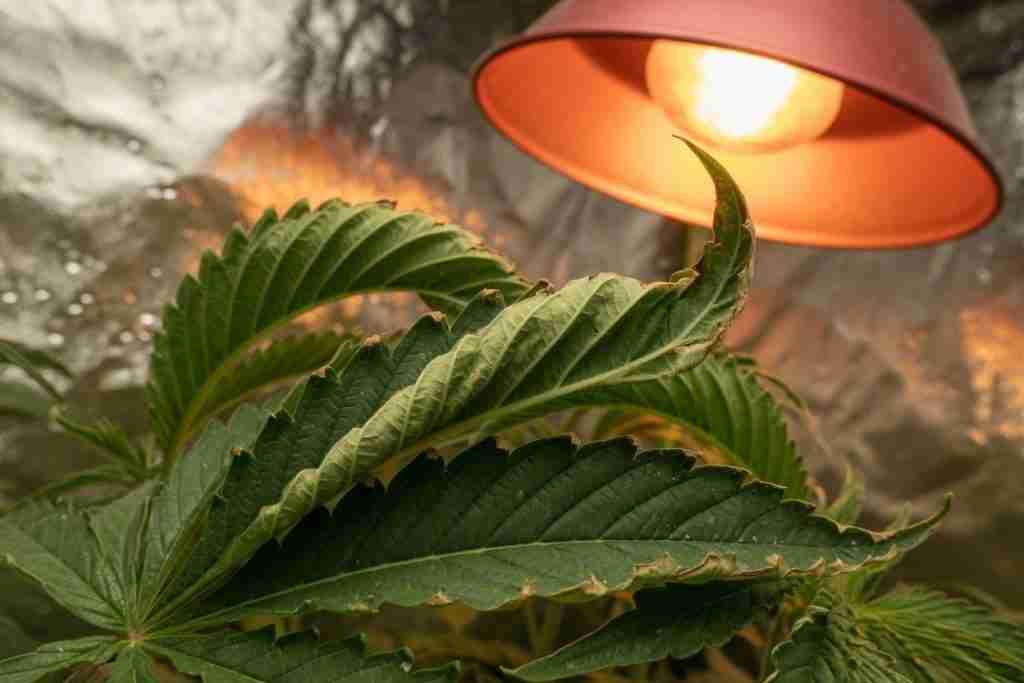
However, a zipper that feels pleasant can still hide a hot pocket on the top cola. The plant tells you late, which is why the sensor comes first. When the tops are too warm for too long, the leaves nearest the lamp curl up along the midrib, like a taco, edges a little dry. That curl can also be a thirsty plant or a light that is simply too close, so do not treat every canoe as a thermostat problem. The fuller picture of that curl lives on leaves that canoe. If the canoe shows up in the hot hour, on the leaves closest to the lamp, and the canopy sensor is in the eighties, you do not need a second opinion.
Other hot signs stack if you ignore the first one. The plant drinks the pot dry early. The tops bleach where the lamp and the warmth land together. New buds grow as loose towers instead of tight knots. The room smells loud while the lamp is on and strangely flat the next morning, because the fragile parts of the smell left with the heat. None of that is a reason to panic-harvest a plant that is still clean. Cool the tops today.
What the Plant Does
A hot top stretches. In the first weeks of flower that stretch is already the main event, and extra warmth makes it ruder. Internodes get long. The cola reaches the lamp. Then the lamp makes that cola even hotter, and you are in a loop. Cooling the air, raising or dimming the lamp, and giving the canopy an even top all break the loop. Training the plant is a different page. Heat is the part you can feel with the sensor tonight.
Later, heat changes the shape of the flower more than the height. Buds fox-tail, which means the calyxes stack into little spires instead of a dense cone. Some varieties do that on their own near the end, so one spire is not a verdict. A whole top that only started spiraling after a week in the eighties is the heat. Dead air makes it worse, because the heat has nowhere to go. Finding the still pockets, with a ribbon of paper or a stick of incense, lives on finding dead air in the tent.
Water follows the heat. A warm day pulls more out of the pot, and a warm root zone can swing from soaked to bone-dry faster than your old veg habit. Do not answer that by leaving the pot wet on a cool night. The drink, and the lift test that tells you the pot is actually light, lives on when the pot needs a drink. Give the drink earlier in the lamp-on period so the tent is not steaming at lights-off. A wet pot plus a crashing night is the gray-mold invitation you already met.
A Cold Night
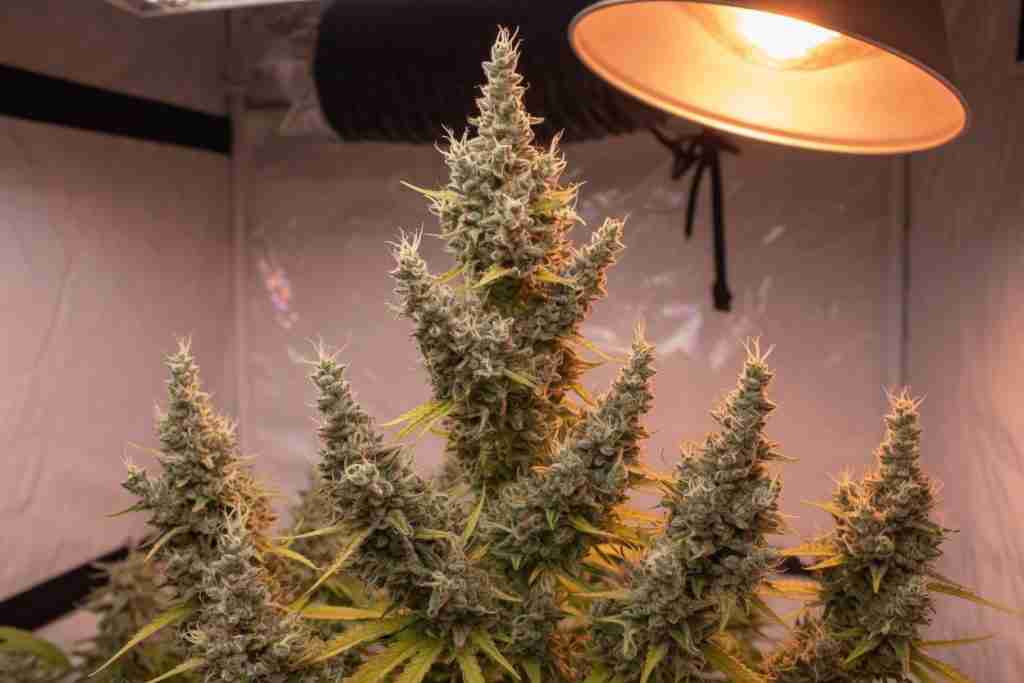
Cold has its own bad manners. A night in the fifties, or worse, slows everything. The plant drinks less, so people think it is finishing when it is only stalled. Leaves can purple on a variety that was never going to be purple, and the buds stay airy because the swell stopped. A cold wet night is the mean version. The flowers bead, and you traded a little color for a rotten core. Color that was already in the plant can show when the night is gently cooler. Color you force with a crash is a costume.
Autos feel a cold week more than photoperiods, because the clock is age and you cannot add a fortnight at the end. A photoperiod plant can sit through a clumsy week and still finish if the later weeks are kind. An auto that stalls in week six does not get those weeks back. The two clocks live on photoperiod plants and autoflowers. The air they want in flower is the same band. The forgiveness is not. If your nights dive, fix the night before you blame the pack.
A garage, a basement corner, and an attic are three different nights wearing the same tent. The garage falls when the sun does. The basement is steady and often too cool. Measure the night you have, in the tent, not the night you imagine from the room’s nickname. If the remembered low is in the fifties, a small gentle heat source on a controller, set to hold the sixties, is the fix. If the remembered high is in the eighties, wishing at the zipper will not save the smell. The wider indoor room, beyond this one number, lives on the indoor grow.
The Trade You Make
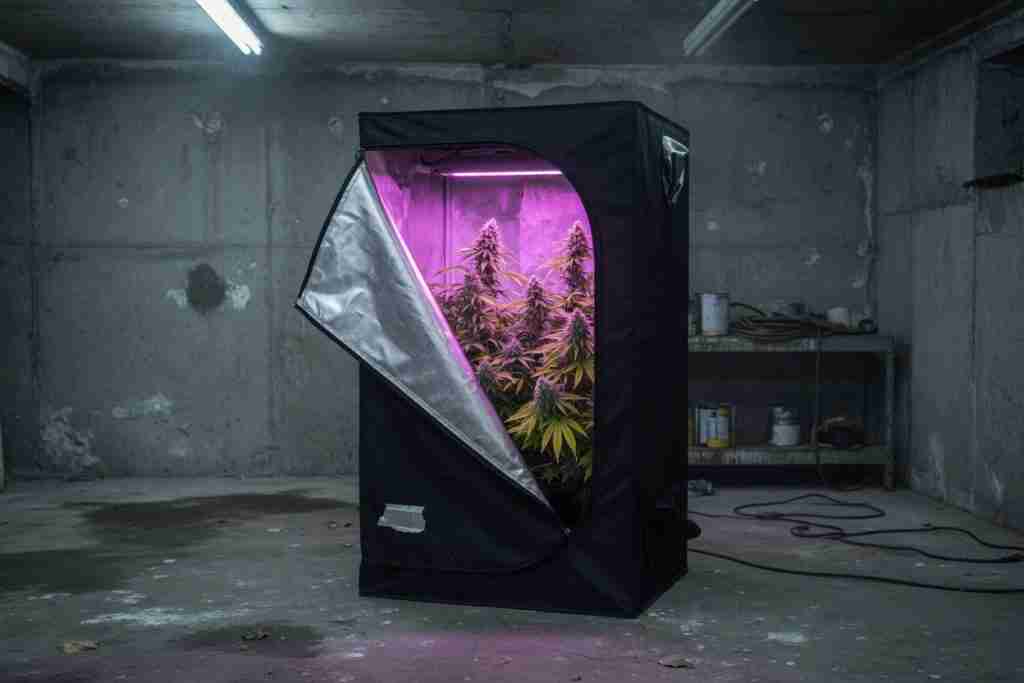
You are trading smell, density, and a dry flower against speed. A warmer tent in the high seventies can push the early weeks. Push that same warmth into late flower and you spend the smell to gain bulk that arrives loose. A cooler tent in the low seventies protects the late flowers and asks the plant to move more slowly. The window for cutting lives on when the flower is actually ready. Do not chop because a warm afternoon scared you, and do not hold a moldy cola because the night was almost in range.
A grower in Saskatchewan and a grower in Maine can both cook a cola under the same lamp, because a tent does not care about the border. The shop ships to both places. Read the rules where you live before you pop a seed. The next pack should be a plant that can finish in the room you actually have, not a plant that needs a cool dry autumn you cannot fake with the heater aimed at a zipper. The envelope and the timing live on how the envelope moves. The notes for home growers on each side of the border live on the Canada hub and the United States hub.

Pros and Cons on the Table
The pros of keeping the canopy in the seventies, with a night in the sixties, are practical. The flowers stay tighter, because the plant is building cone instead of spire. The smell stays in the bud instead of in the tent ceiling. Early stretch stays a little more polite. The night drop is small enough that the flowers do not bead, so gray has a harder time starting. You also learn the room. After a week of highs and lows in the book, you stop guessing from the zipper, and the lamp height starts to make sense.
The cons are just as real, so do not let a perfect number bully you. A night you shove down into the fifties to “bring out color” can stall the swell and wet the cores. A day you hold in the low seventies under a hot lamp can still bake the leaf, because the leaf is hotter than the air. Chasing one reading while the top cola and the lower buds disagree means you are cooling the aisle and ignoring the flower. A diode garden copied from a hot-lamp chart, or the other way around, will feel wrong even when the dial looks right. And a sensor on the pole will congratulate you while the tops cook.
Here is the short list you can actually do tonight.
- One sensor at the top colas, in the shade of a fan leaf, not in the lamp beam and not buried in the bud.
- A second sensor lower, among the side flowers, so you can see if the tent is one room or two.
- A sensor that remembers the high and the low. Read the high after the lamp has been on for hours. Read the low an hour or more after lights-off.
- Lights on, keep that top reading in the seventies, happiest near the middle, and out of the eighties.
- Lights off, let it fall into the sixties. A drop you can feel. Not a dive into the fifties.
- If the leaf is much hotter than the air, move the lamp before you touch the thermostat. If the leaf is cooler under a diode board, do not panic at a slightly warmer air number.
- If the night crashes and the flowers go wet, ease the exhaust and deal with the water. If gray is already in a cola, that is a harvest decision, not a thermostat decision.
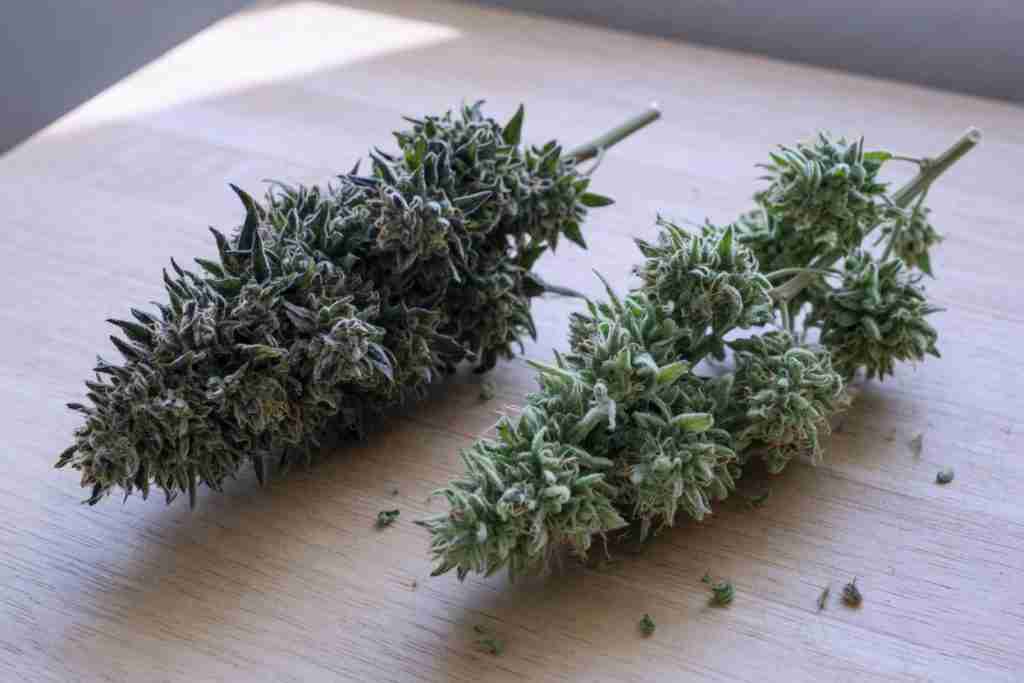
Run the lamp. Feel the zipper if you want the story. Then read the sensor in the shade at the top, and the one down below, and the number the night remembered while you slept. Fix the hot top before you fall in love with a colder night. Fix the crashing night before you fall in love with purple. The plant will spend the smell, the density, or the dry core on whichever mistake you repeat. It will not spend them on a tent you actually measured.
The probe was the clock. The night drop was the risk. The jar only gets the flowers that stayed out of the eighties without a wet morning.
