What Makes a Cannabis Seed Genetically Stable?


A genetically stable cannabis seed is one that grows marijuana in a tight range. Height, stretch, harvest week, and the smell family land close to each other from seed to seed, run to run. It is not a photocopy. It is not two shops selling the same strain name from different parents. Clones copy. Seed always shuffles. This page is how you tell a worked line from a hunt pack.
Ranking growers are not asking for a pep talk about “trust the genetics.” They want to know why one pack of weed finishes like a row of sisters and the next pack of the same name throws a Christmas tree, a bush, and a late finisher. The honest answer is the parents and the generations of selection behind them. How you make one cross lives on cannabis breeding. How you pick a keeper from a mixed pack lives on cannabis phenotypes in breeding. The letter codes on a pack live on S1, F1, F2, BX labels.
Start from named cannabis seeds if you want a plan. A polyhybrid is still a plant. It is a wider plan.
What Genetically Stable Actually Means
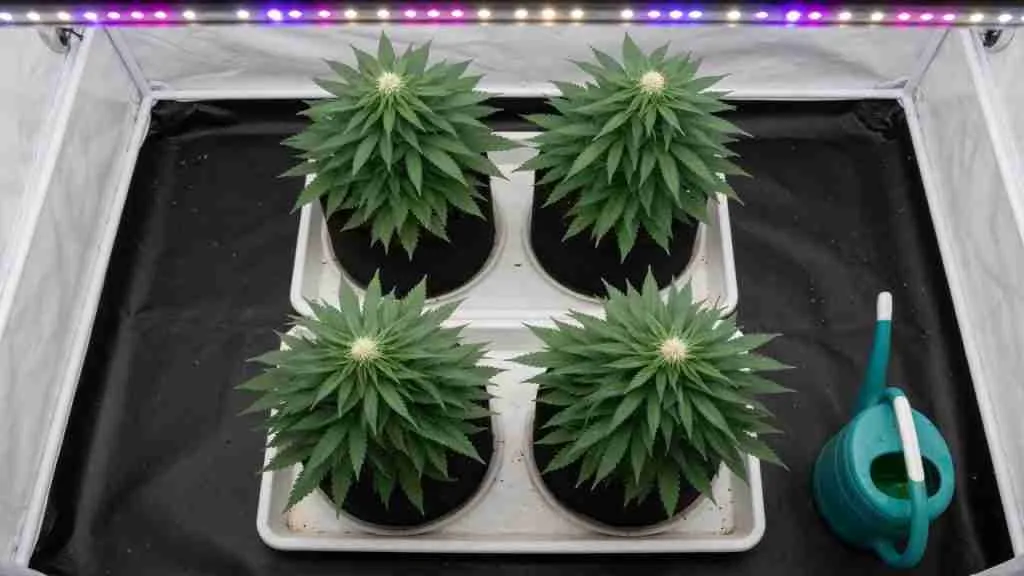
Stability is predictability. You pop a pack, you veg them under the same light, and most of them stretch about the same, stack flower in the same week, and smell like the same family. A few outliers still happen. A line that never throws a odd plant does not exist in seed. What you are buying is a narrower scatter, not a clone army.
The traits a breeder can actually lock are the ones you can see and time: internodes, leaf width, stretch after flip, days to cloudy trichomes, whether the plant stays female under ordinary room mistakes. Smell can be locked as a family — citrus, gas, sweet — while the exact jar still moves a little. A catalog THC number is a ceiling from one dried sample, not a promise for every seed. That story sits on high THC cannabis seeds.
The room still writes on the plant. A stable line in a hot tent still stretches. A stable line in a dim corner still foxtails. Environment is not genetics. If four plants from one pack look like four different cultivars and the room was even, the pack was mixed. If four plants from a tight line look ragged and the light was a mess, fix the room first. Common setup mistakes sit on common growing mistakes.
You can measure the range without a lab. At flip, tape the mains. Three weeks later, tape them again. Write the day the first pistils show and the day you actually chop. After the cure, write one line for smell. If those numbers sit close across the pack, the line is doing the job. If one plant doubles the stretch and another is still stretching when you wanted to harvest, you are hunting, whatever the bag said. Keep the notes on the pack, not in your head. Next run you will forget which sister was the late one.
Matching Genes Versus Mixed Parents
Every trait sits on two copies of a gene, one from each parent. When those copies match, the plant is homozygous for that trait and it tends to pass that look to its kids. When they differ, the plant is heterozygous. It can look great and still throw a scatter of children because the unused copy shows up later. That is why a stunning clone-only cut can make disappointing seed. The plant you flowered was one shuffle. The seeds are a new shuffle.
You do not need a lab to use that. Look at siblings. If ten plants from a pack are the same height and finish together, the parents were worked toward matching copies. If ten plants look like ten cultivars, the parents were mixed. Breeders spend years making those copies match on purpose. One afternoon of pollen does not do it. The physical coat of a seed — dark, firm, intact — tells you the seed finished. It does not tell you the line. Coat notes sit on what good cannabis seeds look like.
Why Most Catalog Packs Are Not Stable
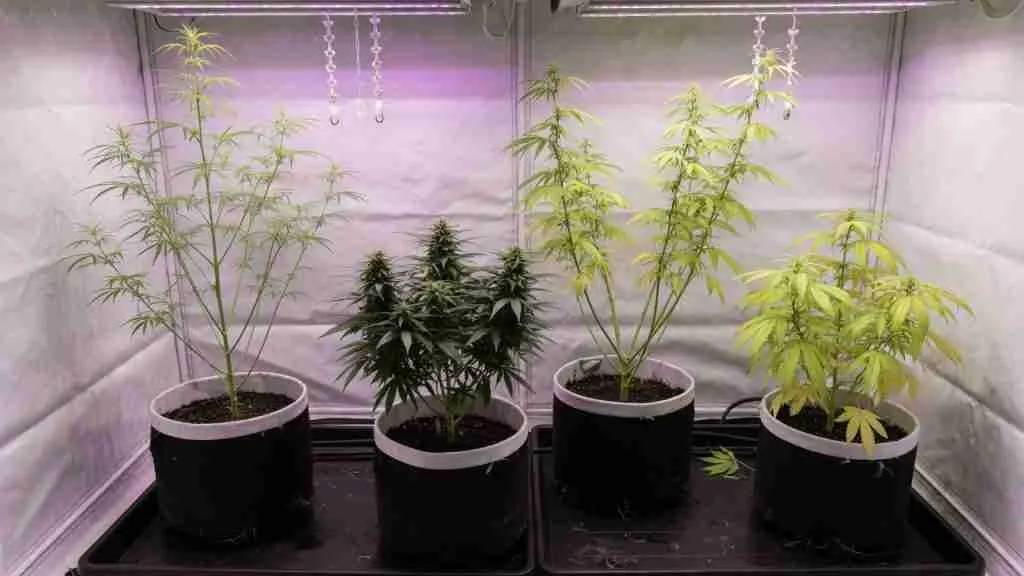
A polyhybrid is a hybrid of hybrids. Somebody crossed two already-mixed plants, bagged the seed, and printed a name. The kids inherit a pile of unmatched copies. Height splits. Leaf shape splits. Finish week splits. That is not a defect in the seed. That is the genetics doing what mixed parents do. A lot of the loudest modern names on menus are this: two clone-only cuts, one round of pollen, a photo of the prettiest daughter.
Clone-only cuts are famous because they were the one plant in a hunt. They are heterozygous by habit. Hit one famous cut with pollen from another famous cut and you recombine two shuffles. Some of the kids will be dull. Some will be the reason people keep hunting. None of them are the original cut. The name on both shops can still match. The pollen did not. If you need the cut, buy a cut or hunt until you find a sister you will clone. If you need a row, buy a line that was actually inbred, or a true F1 from two of those lines.
The word F1 on those packs is often just “first cross.” In other crops, F1 means the first kids of two true-breeding inbred parents. Those kids are uniform because each parent always donates the same copies. Cross two mutts and you still get a first generation. You do not get the uniformity people think F1 means. If a pack labeled F1 grows like a rummage sale, you did not get two inbred parents. You got a polyhybrid with a textbook letter on the bag.
That pack is still useful if you have room to flower several plants and clone the one you like. It is a poor plan if you have four pots and you needed them to finish the same weekend. Where home growing is legal in Canada, recreational plants still cap at four per household. Four mixed phenos is four different harvests. Quebec still prohibits recreational cultivation. Manitoba is indoor-only for those four. Canadian packs start at buy cannabis seeds in Canada.
True F1, F2, and the Split
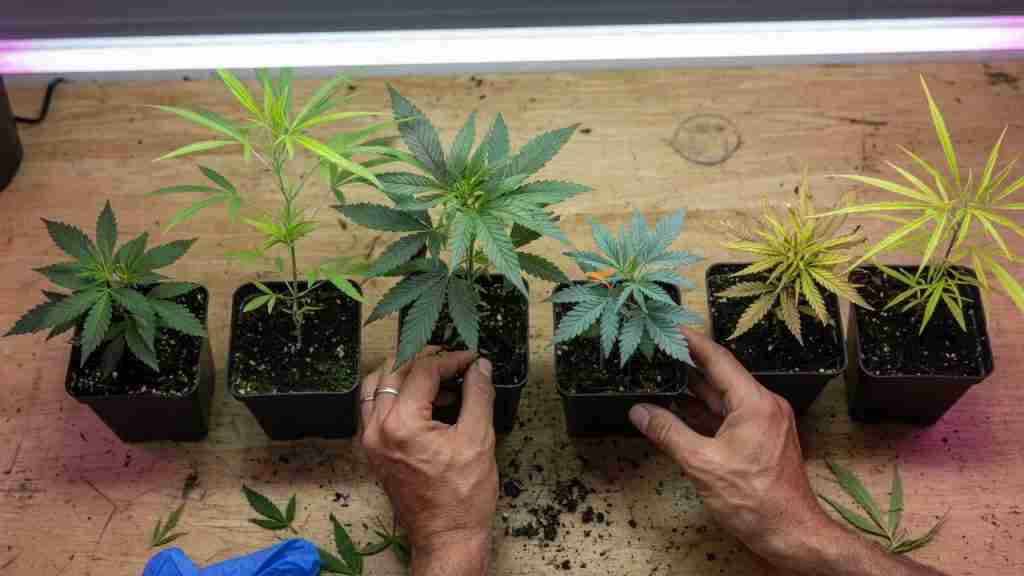
A true F1 is the first kids of two distinct, worked parents. Each parent line was selected until siblings looked alike. Cross those two and the children are usually even, and they often grow harder than either parent. That extra push is hybrid vigor. It is real when the parents were actually inbred. It is a slogan when they were not. You cannot see vigor on the shell. You see it when the pack grows as a row.
Do not treat that F1 pack as a seed-making machine unless you want the split. Production seed in other crops is remade every cycle from the two inbred parents. The farmer plants F1 and does not save it. If you like an F1 plant, clone it. If you breed two of them, you are starting an F2 project on purpose. That is a good project if you have space. It is a surprise if you thought you were remaking the even row.
Save those F1 seeds, grow them, and breed two of the kids together. That is F2. The unmatched copies hidden in the F1 start pairing up in new ways. Recessive looks show. Height splits. This is the generation breeders hunt, and it is the generation a home grower should expect to be messy. Calling F2 “unstable” as an insult misses the job. F2 is where you see what the cross actually contains. If you wanted a uniform tent, you wanted the F1 from worked parents, or an inbred line, not the F2 of a hype cross.
Keep selecting the plants that match the goal and crossing those, and the scatter narrows. F3 and F4 start to look like a type if the breeder is ruthless. F5 through F7 is the range a lot of working breeders call practical stability for the traits they chose to keep. There is no magic generation where a line becomes an IBL by calendar. A sloppy F6 is still a mess. A tight F4 with hard culling can already behave in a tent. The how-to of pollen and isolation stays on the breeding page. Regular seed is the path if you want to see males and keep a line: why regular seeds still matter and regular seeds for breeding and hunting.
IBL, Backcross, and S1
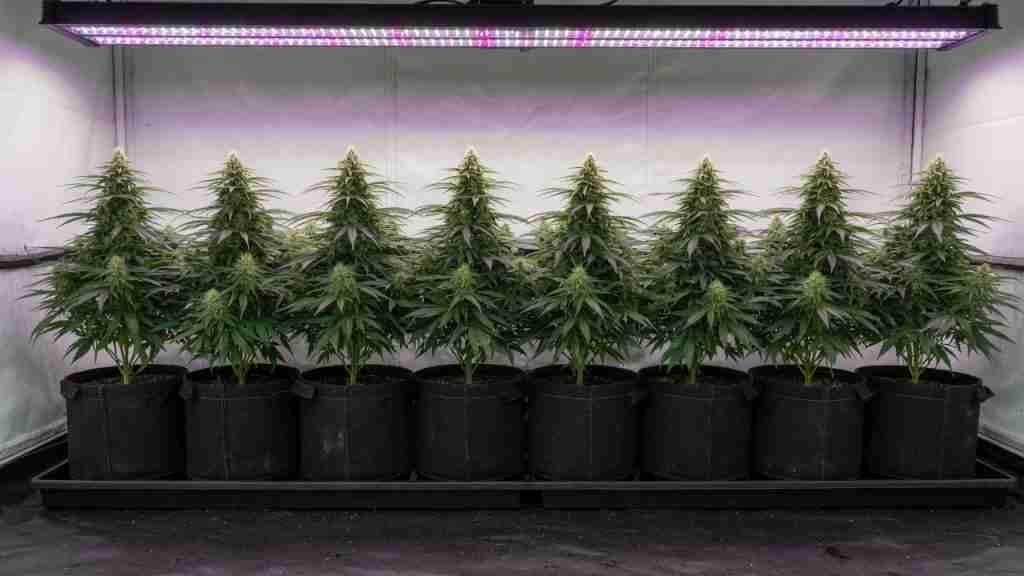
IBL means inbred line. The breeder kept breeding inside a related family, threw the off-types, and did it again until the population breeds true for the traits they care about. Pop the pack and you should recognize the same plant. That work takes years and a lot of plants. The trade is vigor. Matching copies also unmask weak copies. Some IBLs grow a little smaller, a little more brittle, a little more fussy. They are building blocks. Cross two unrelated IBLs and you get the even, vigorous F1 other crops run as commercial seed. Calling an F2 or F3 an IBL because the name is old is stretching the word.
Culling is the job. If you keep the loudest terp every generation and ignore structure, you stabilize a loud mess. If you keep only the shortest plant, you may lock a runt. Write the three traits you will not forgive — herms, finish week, stretch — and throw plants that miss them even if the jar smells like a candy shop. Tiny populations lie. Three pretty sisters are a coincidence. Thirty plants with the same stretch is a line. A four-plant household cannot run that population. Make one cross, clone the parents, and stop, or buy seed from someone who already did the years.
A Backcross Pulls Toward One Parent
A backcross (BX) takes a child and breeds it back to one parent, usually a clone-only female you cannot replace. BX1 is half that parent again. BX2 and BX3 keep stacking her. After three cycles the kids are mostly her, plus whatever you were trying to keep from the other side. That is how people try to put a famous cut into seed form. It is not an IBL by itself. You still have to select. Perpetual backcrossing without culling just concentrates her faults along with her smell. A BX pack can still split. Read the generation. Ask what they threw away.
S1 Is Not a Clone in a Shell
S1 is seed from a female pollinated with her own reversed pollen. The kids are not copies. Meiosis still shuffles. For every trait she was mixed on, some of the kids will show the quiet copy. That can lock a look faster than sibling crosses. It can also dump herms, odd leaf, and weak vigor that the clone never showed. Selfing a plant that nanners under a small light leak is how you make a herm line. Selfing a plant that stayed female through heat and a missed dark period is a different bet. Reversal how-to stays on make feminized cannabis seeds. Do not treat S1 as a shortcut around selection.
Landrace, Heirloom, and Keeping a Type

A landrace is a population that held a type in a region for a long time: similar stretch, similar finish, a smell the valley knows. The plants are cousins, not copies. Open pollination among many selected parents keeps that diversity. Isolate the patch from outside pollen. Keep enough males and females that you are not bottlenecking the whole type through two plants. Two-plant “preservation” is how a landrace becomes a narrow inbred with a story attached.
Heirloom and old worked lines sit in the same neighborhood: a type people can recognize, maintained on purpose. They are not automatically better smoke. They are a narrower, older scatter. If your goal is a uniform indoor row, an IBL or a true F1 will usually behave tighter than a wide landrace population. If your goal is to keep a type alive, do not run it like a clone hunt. Ethics and why diversity matters sit on breeding ethics and preserving genetics and cannabis biodiversity. Outdoor timing for a long season is outdoor cannabis seeds.
Clones Copy. Seed Always Shuffles.
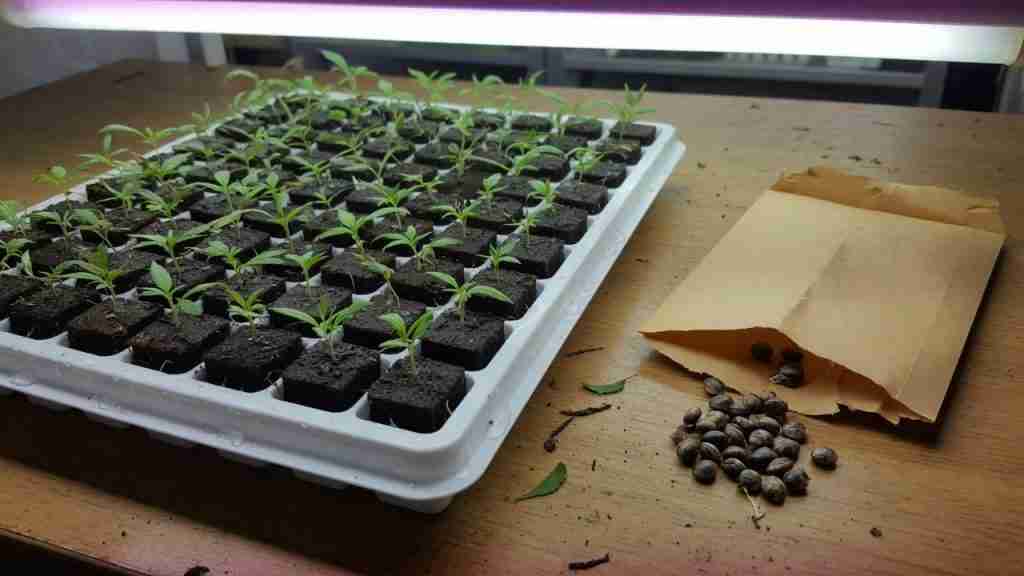
A cutting is the same plant. The DNA does not go through meiosis. That is why commercial rooms that need the same jar every cycle keep a mother and take clones. Seed, even from a stable IBL, is still a population. The scatter is small. It is not zero. If you found one plant in a pack that you would grow for the next five years, clone her. Do not expect the next pack with her name on it to be her.
That is also why “stable seed” and “the keeper I ran last year” get mixed up in forums. The keeper is a clone. The pack is a line. You can have both: a tight seed line for filling a tent, and a clone of the one plant you refuse to lose. How to cut sits on how to clone cannabis. Mothers sit on mother cannabis plants. The seed-versus-cut choice is cannabis seeds vs clones. Autos do not reset when you clone them. Their clock is already running. Autos as a mother is a poor plan; that sits on grow autoflowering cannabis plants.
Feminized Seed Does Not Equal Stable
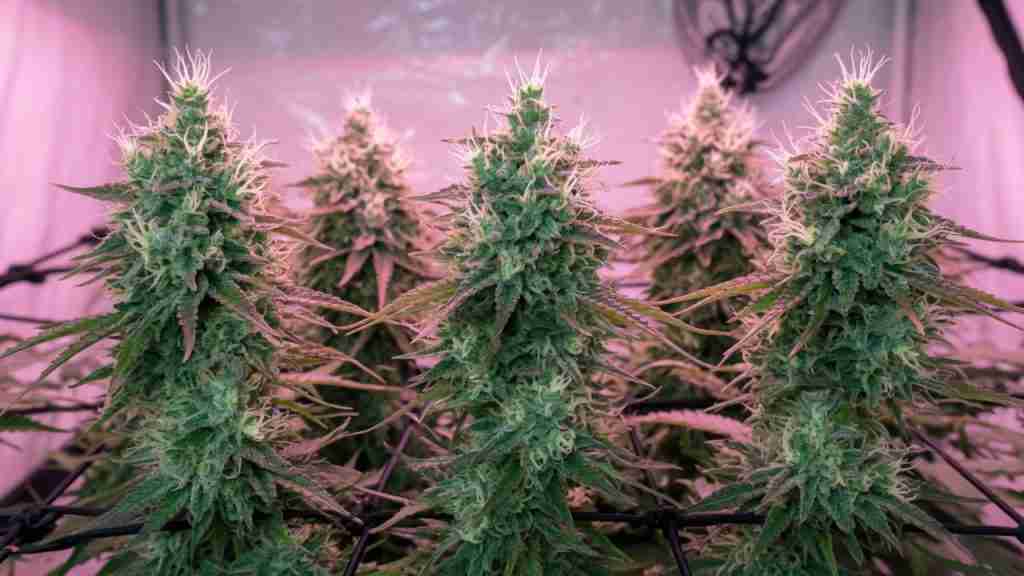
Feminized seed is made by reversing a female so she throws pollen, then using that pollen on a female. The kids are mostly female. That is a sex trick, not a stability trick. If the donor was a mixed polyhybrid, the fem pack is still a mixed polyhybrid. You skipped the males. You did not skip the scatter. A fem IBL or a fem true F1 can be even. A fem first-cross of two hype cuts will still hunt. Why people buy fems for a garden of flower, not seed, sits on why choose feminized cannabis seeds and feminized and regular cannabis seeds.
Herms are a stability question. Some plants throw pollen sacs or nanners because the line was selected poorly, or because the reversed donor already leaned that way. Some plants throw them because the room leaked light, cooked, or sat dry. You cannot tell those apart from a bag. You can tell them apart if the breeder stress-tested the donor and threw the ones that nannered under a small insult. Forgiving “just one nanner” in a breeding room is how a line becomes famous for bananas. Sexed plants and ordinary herms sit on male and female cannabis. Pollen control if you are making seed sits on cannabis pollen.
Do not breed from a plant that herms under ordinary conditions. Do not reverse a plant you have not flowered clean. The sprayed plant is not for smoking. There is no honest female percent on this page. Mostly female is the product. A number printed as a promise is marketing.
A light leak in week six can make a clean female throw a few nanners. That is a room problem. A plant that throws sacs in week three under a tight tent is a line problem. Breeders who care will tell you they heat-stressed and leaked light on test plants and killed the ones that flipped. Breeders who do not will tell you feminized seed never herms. Believe the first story. Keep the night dark. Keep the heat in band. Then judge the pack.
How to Read a Pack Before You Spend

Ask what the parents actually were, not which celebrity strain they were named after. Two Gelatos from two rooms are not one line. Ask the generation. F1 from named, worked parents is a uniformity bet. F2 is a hunt. BX3 toward a known cut is a look-alike bet. IBL is a true-breeding bet if the breeder has years of selection behind the word. S1 is a self of one female. If they will not say, treat it as a polyhybrid and pop more than you need, or skip it.
Look at photos of several plants from the same pack, same room, same week. One hero cola is a clone shot. A row is evidence. Grower notes on finish spread beat a flavor paragraph. If every review says “I got three different plants,” believe them. That pack is a hunt. Plan the hunt. If every review says they finished together and trained the same, that is the range you came here for.
How the seed was made and bagged is a different job: how cannabis seeds are made. A dark, hard seed that sat in a hot drawer for five years is still a storage problem, not a genetics problem: do cannabis seeds last and starting old cannabis seeds. A breeder checklist for the shell sits on what makes a high-quality marijuana seed. Photoperiod versus auto is photoperiod cannabis seeds explained. First-crop planning: planning your first cannabis crop.
If you want the tent to behave, buy a line that was actually worked, or clone the one plant you keep. If you want to hunt, buy the polyhybrid on purpose and give it room. Either way, the seed is doing what its parents taught it. That is what genetically stable means, and what it does not.