


What is the secret to big cannabis buds?


Secret to Big Cannabis Buds
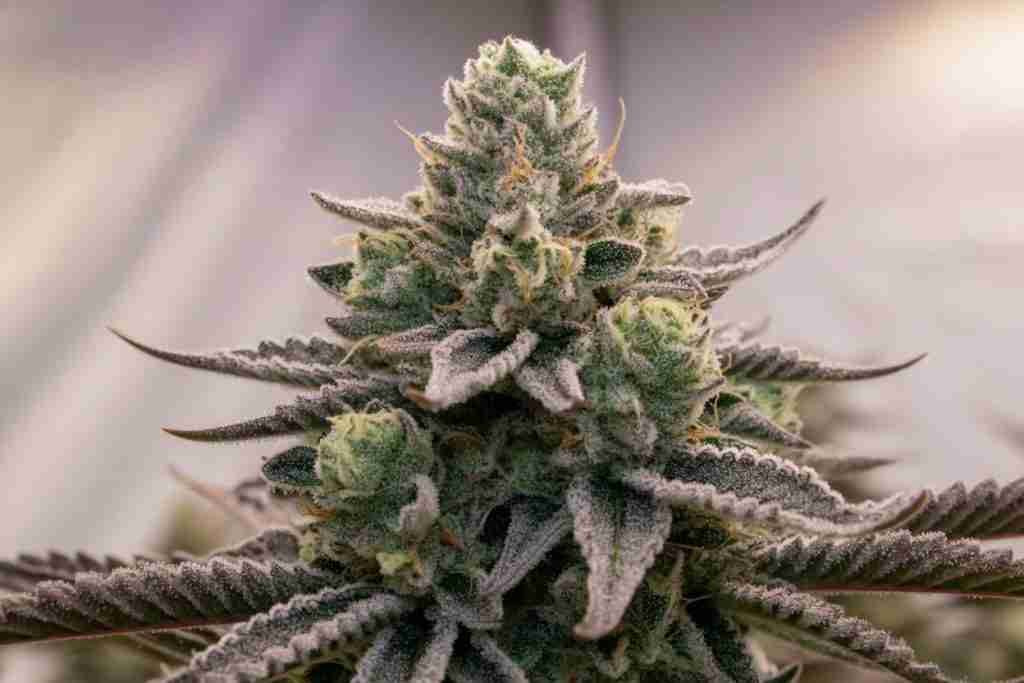
Secret to Big Cannabis Buds is the line a friend uses when he holds his phone up and will not tell you the boring part. The photo is a cola the size of a soda can, white with frost, and your own tops look like they are still deciding. You want the name of the bottle. You want the week he flipped the lights. You want a trick you can do tonight and see in the morning. The plant does not work on that clock.
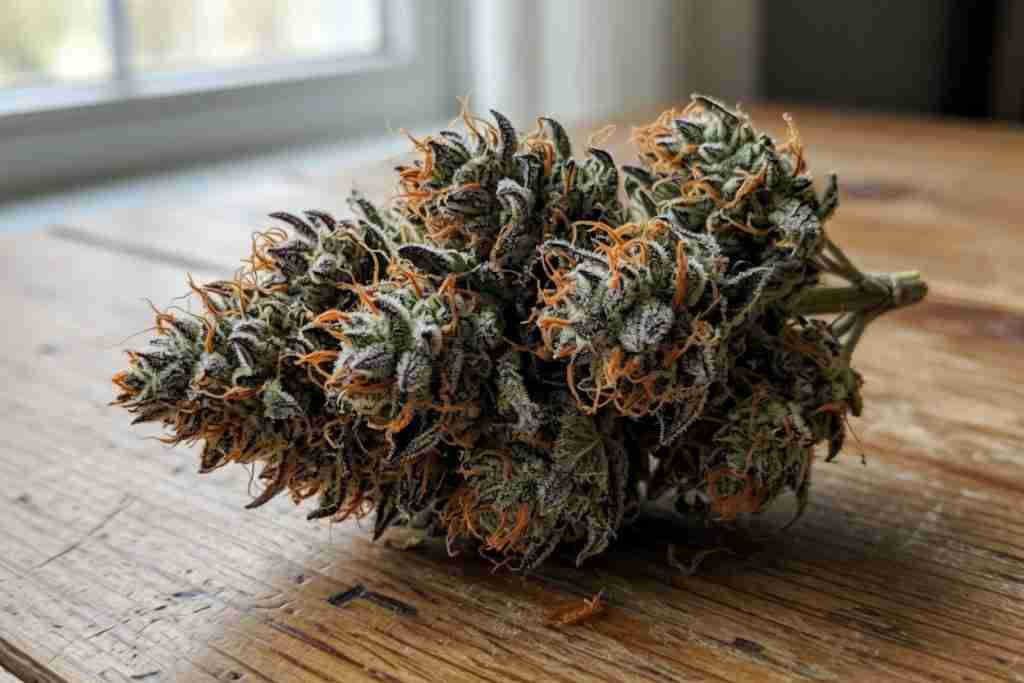
Opening the tent in the fat weeks, the fluffy tops looked heavier than they were. A loose flower can look tall and still weigh like a handful of popcorn once it dries. The weight you jar is built while the flower is still on the plant, in the light, with room around it, and with enough days left to stack. If one of those is missing, the other three cannot fake it. That is the whole secret.
This page is about what actually limits the size of the flower, and how you find the one limit that is winning this week. The calendar of flower, from the first white hairs to the swell, lives on the flowering stage. How to add usable flower in the same box, without a new religion, lives on adding yield in the same tent. The box itself lives on choosing the tent. The push of warmth and damp air together lives on warmth and damp air together. Stay here for the ceiling in the seed, the light on the sites you keep, the space between the pots, and the days you are tempted to chop early.
A plain garden note explains why a green leaf is how a plant catches light. The leaf is the panel. The flower is the storage. If you strip the panels off because a forum said bald plants make huge colas, you have removed the kitchen and then asked the pantry to fill itself. A few leaves that sit like roofs over bud sites are in the way. The rest of the green is how the plant pays for the flower. The careful version of that haircut lives on taking the leaves that shade a bud site. Do not turn it into a shave.
Secret to Big Marijuana Buds
Look, the bottle on the shelf is not the thing that swells a cola. A plant can only use so much of any one thing. The tightest limit is the one that matters, and it changes. More food will not help a lamp that is too dim for the footprint. More light will not help a root zone that stays soggy and cannot breathe. More days will not help a plant that was the wrong shape for the room. People stack three fixes at once, then they cannot tell which one did the work. Change the loser. Leave the rest alone for a few days. Watch the new growth, not the old leaves, and you will see if you picked the right lever.
The usual losers, in a home tent, are a dim lamp, a crowded floor, a plant that stretches into a spear, and a chop that comes because you got excited. Heat that cooks the tops is a close fifth. A hot top loosens the flower and drives the smell out of it, and the emergency version of that problem lives on cooling a small tent in a heat wave. If the leaves nearest the lamp curl up like tacos in the hot hour, read leaves that canoe before you decide the whole garden is hungry. Hunger and heat can wear the same face. The pot will tell you which one you have if you lift it.
The Ceiling in the Seed
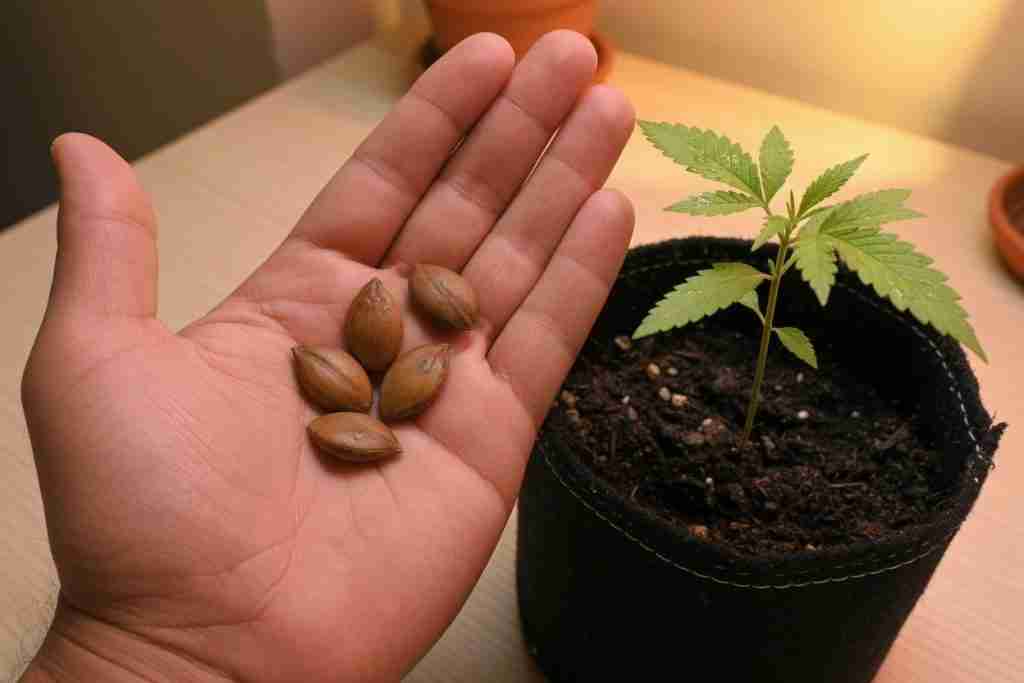
You cannot feed a small-framed plant into a tree, and you cannot scold a stretchy plant into a squat stacker. The seed sets the ceiling. Some plants want one huge top. Some want a crowd of medium tops. Some stay airy even when the lamp, the pot, and the calendar are kind, and that is the plant, not your failure. If every run from that pack comes out loose while the plant beside it, in the same air, stacks tight, believe the pack. The next run should be a plant that finishes in the room you have. Notes on plants that pack more flower into a small room live on plants that pack more flower into a small room.
A short tent punishes a plant that reaches. The top hits the lamp, the side branches live in shade, and you spend flower managing a traffic jam you bought at the seed shop. A wider, shorter plant gives you more sites at one height, which matches a lamp that shines down. Photoperiod plants and autoflowers share the wish for light and room, and they do not share the calendar. An auto starts its clock at sprout. If you spend its early weeks recovering from a hard cut, you do not get those weeks back. A photoperiod can sit in veg until the floor is full, then flip.
A male, or a plant that throws pollen late, turns the flower’s energy into seeds, and the cola stays smaller. Pull a pollen plant the day you are sure. The rumor that you should split the main stalk to force heavier flowers is a wound. You are cutting the highway the flowers drink from. Leave the stalk whole.
Light on the Sites You Keep
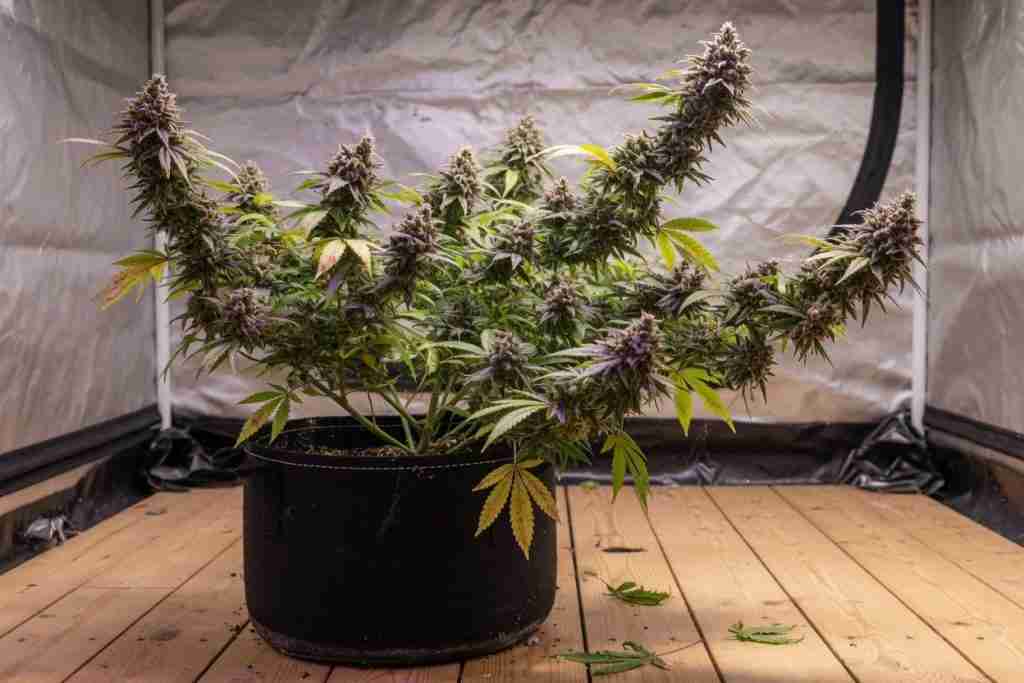
Light is the food the flower actually eats. A plant can survive a weak lamp and still disappoint you, because survival and a heavy cola are different jobs. The most common reason home flowers stay small is that the bud sites never got enough usable light, not that the grower skipped a supplement. Up to a point, more light on the flowers you decided to keep means tighter flowers. Past that point the top bleaches, the hairs throw out in little towers, and you have traded weight for a plant that is trying to get away from the lamp.
If the top leaves stay green and the flowers under them are stacking, the lamp distance is useful. If the top goes pale while the lower leaves are still fine, raise the lamp or dim it, and wait a couple of days before you change food. The reach that turns a nice plant into a spear lives on stopping a plant that will not stop reaching. A brighter board in a tent that is already a jungle only feeds the leaves on top.
A plant in open sun can build real weight. A plant against a shady fence stays leafy and loose, and no bloom food fixes that. The choice between a room and a yard lives on indoor plants and outdoor plants. Indoors you are the sun. If the lamp does not cover the floor you planted, you planted more floor than you can feed.

Secret to Big Weed Buds
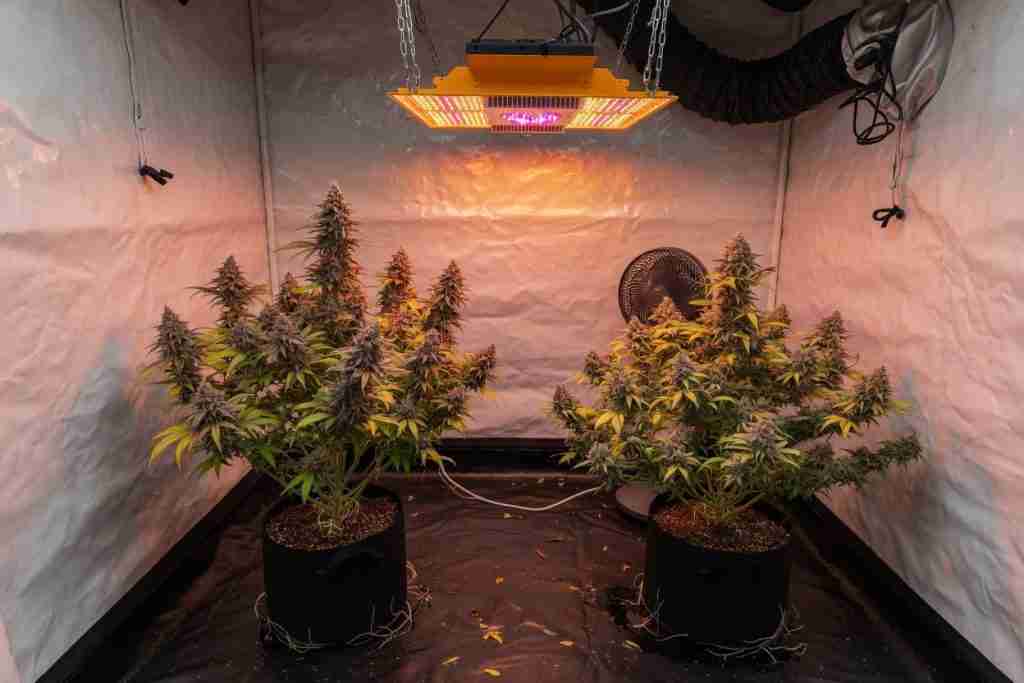
A crowded tent feels productive until you dry it. Ten skinny plants under one lamp give you a pile of small tops and a lot of shaded fluff. Two or three plants with their side branches in the light often jar more flower that you actually want to keep, because each site had a share of the lamp instead of a rumor of it. The count that fits a floor, without a fairy tale, lives on how the floor of the tent gets shared. Read that before you sow the whole pack into one box. This page will not pretend a number of pots is the secret. The secret is whether the flowers can see.
Giving each cola a clear view of the lamp, the side flowers finally started to swell. That is the moment people miss, because it happens after they stop fussing. A branch that was buried comes into the light, and a week later the flower on it looks like it belongs to the plant. Before that, it was a passenger. You do not need every lower twig. You need the sites you chose to have light and a little air, and you need the ones in permanent shade to stop stealing. The wider indoor picture, past this one lever, lives on the indoor grow.
Space the Flowers Can Use
Lower flowers that never see the lamp stay small. They are shade, not a moral failure. Take the shaded bottoms early, while the plant can still redirect, and then stop. Stripping a flowering plant bald in the late weeks stalls the swell you were waiting for. A cola with a little sky around it gets denser than a cola pressed into its neighbor.
Air is part of that sky. A gentle fan keeps a wet pocket from sitting inside a dense top, and it is not a second lamp. It does not add food. It keeps the food you already have from rotting. Still corners are where small flowers stay small and where gray likes to start. Finding those corners, with a ribbon or a thread of smoke, lives on finding dead air in the tent. The fan that only blows at the wall is furniture. The exhaust that actually leaves the room lives on moving air out of the tent.
Pot size is the pantry under all of this. A plant in a cup can look fine in week three and then stall, because the roots have nowhere to drink from while the flowers are asking for more. A pot you can still lift when it is wet, and that dries in a day once the flowers are heavy, is telling you the pantry is too small. Move up a size on the next run. Do not try to fix a tiny pot by watering it three times a day. You will swing from soaked to bone-dry and call it a feeding problem.
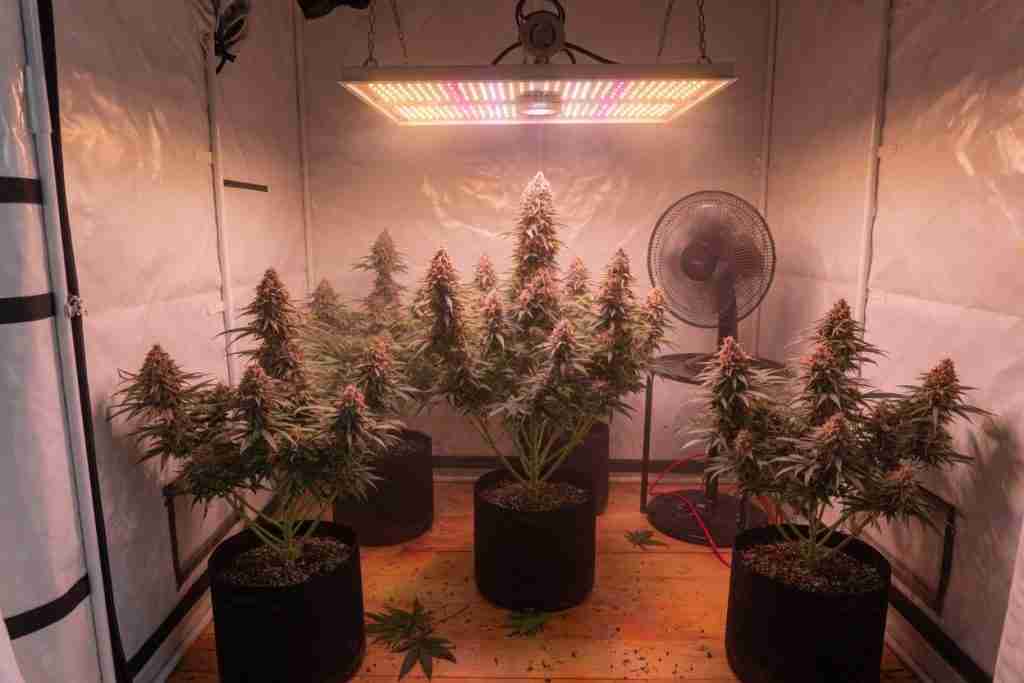
An Even Top
One cola that stands above the rest takes the best light and leaves the others a dimmer share. The plant is doing what plants do. The top wins. Your job, earlier than flower, is to persuade more than one top to share that win. Bending a branch so it sits with its neighbors is usually enough. Cutting the tip so two branches take its place is the stronger version, and it needs time to heal before you flip. The knots and the timing live on bending branches for an even top. Do not invent a new bend in week six because a photo online had more colas. A heavy flower on a soft bend will fold, and you will jar a broken branch.
An even top lets you set one lamp height for all of them. A skyscraper next to short plants forces a bad choice. Save the tall one and the short ones starve. Feed the short ones and the tall one bleaches. When the ties have done their job, stop wrestling.
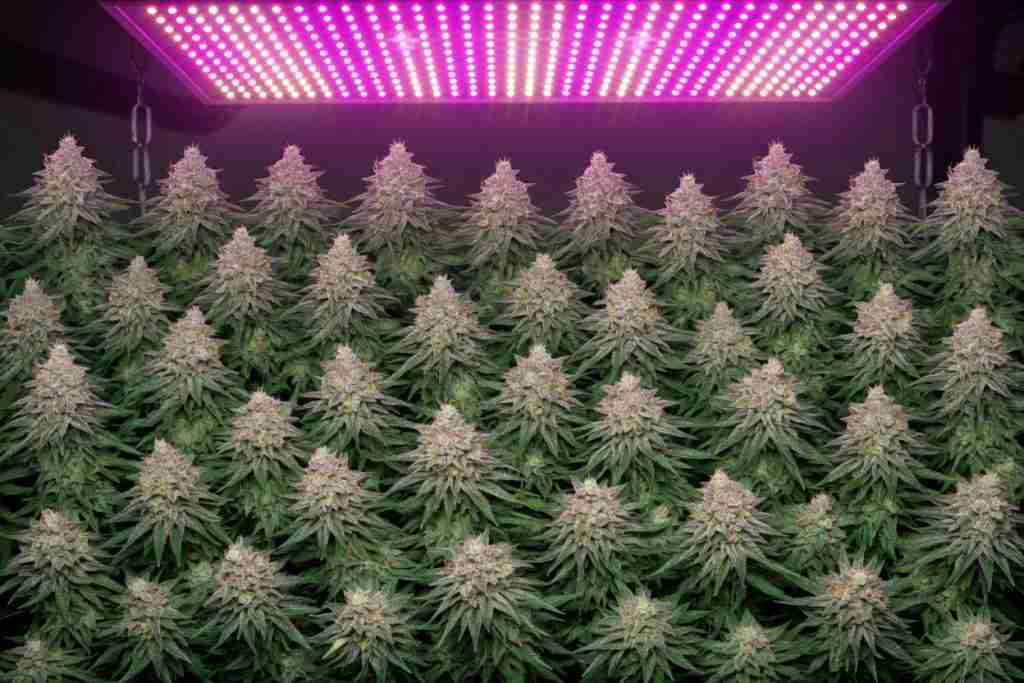
The Week the Weight Shows Up
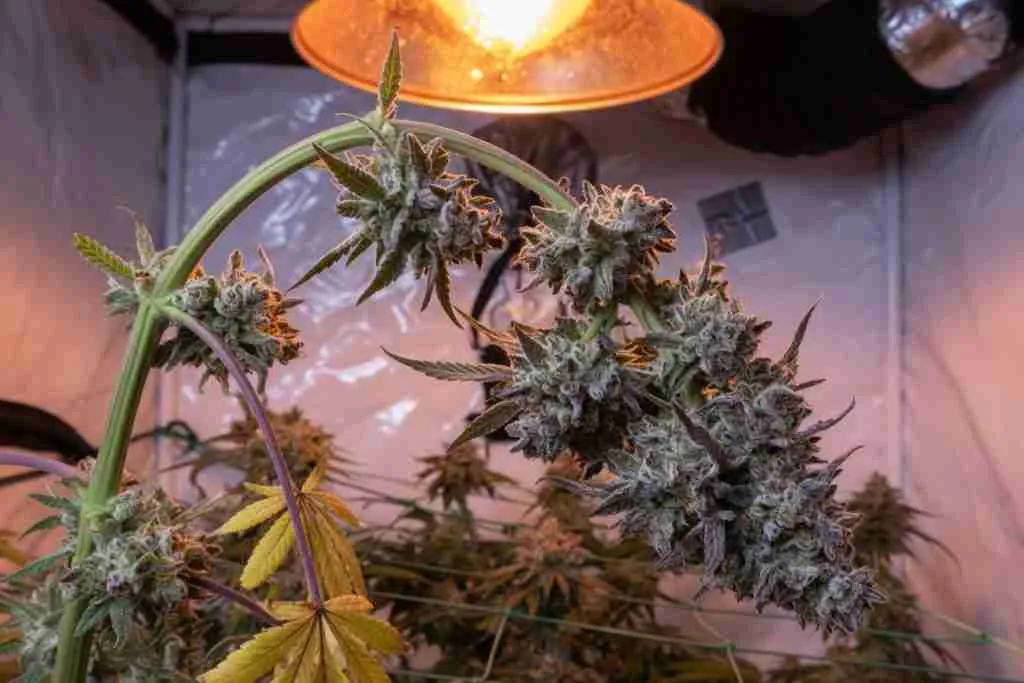
However, a fluffy top in the middle of flower is not the weight you will jar. The flowers spend the first weeks building the frame, the hairs, and the sites. The part that feels heavy in the hand shows up later, when the calyxes swell and the frost thickens. Chop because the calendar on the pack said a number, or because you are tired of waiting, and you donate that swell to the compost. The window for knowing the plant is actually done lives on when the flower is actually ready. A pack that says it finishes fast still needs those last days if the trichomes are clear and the plant is healthy.
You can see the turn without a lab. The branch starts to bow. The loose stack becomes a knot you cannot see through. New white hairs slow down. If the plant is still drinking, you are in the weeks that add the jar weight. If nothing new is swelling and the leaves are crashing, more days will not invent a cola the lamp never fed.
Food Water and Air
A heavy flower drinks more than the seedling you carried into the tent. The test is still the lift. A pot that is light wants a drink. A pot that is heavy does not, even if the top layer looks dry and a schedule on the wall says today. The full habit lives on when the pot needs a drink. Give that drink while the lamp is on, so the tent is not steaming when the lights go out. A wet pot plus a cold crash is how a cola you grew for size becomes a cola you have to throw away. Big, dense flowers are the ones gray finds first, because they hold water in the middle where you cannot see it.
Food follows the same honesty. In veg the plant wants the leafy push that builds the panels. In flower that push should ease off, and the minerals that move energy into the flowers should take the lead. You do not need a recipe taped to the tent pole. You need to see the plant. Burnt tips and dark, clawed leaves mean you passed its appetite. Pale new growth under a lamp that is not too close means it is hungry. Change one thing. A bottled bloom product on top of a plant that is already too hot, too dark, or too crowded will burn the tips and leave the flowers small. If you are not running a sealed room, do not copy a sealed-room feeding chart. A sealed room where you add carbon dioxide can use a stronger lamp, and that setup lives on adding carbon dioxide. Without the sealed room, the extra bottle is just a stronger way to cook a normal tent.
The night is the risk that size creates. A cola that finally got dense has more places for water to hide. The gap between the air and the dew, and why the first dark hour matters, lives on the night gap that wets a flower. What gray inside a cola actually is lives on how a wet cola turns gray. If the gray is already setting in, the size contest is over for that flower. The call to cut early lives on harvesting early once bud rot is setting in. Do not hold a moldy cola because it was going to be the big one.
Leave the Flowers On
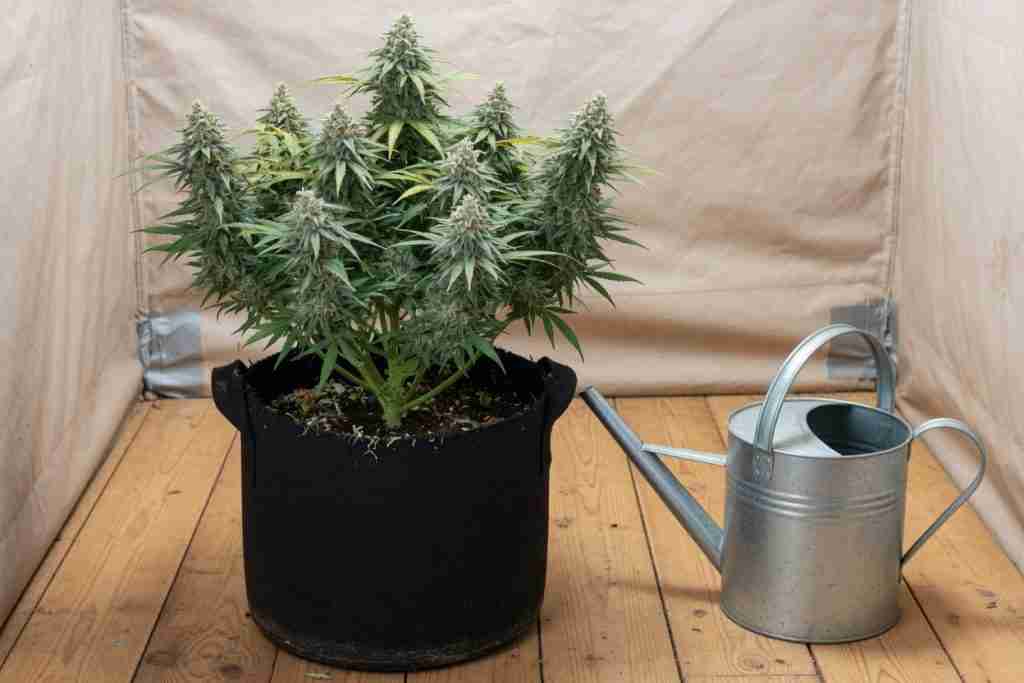
Wet weight is a liar. A cola that feels huge on cut day shrinks once the water leaves it. The heavy jars come from flowers that stayed on through the swell and then dried slowly enough that the outside did not crisp while the core stayed wet. Rushing the dry just makes small, harsh flowers faster. This page owns the decision to wait while the plant is still building, and to stop waiting when it is not.
A clean plant with clear trichomes and fattening calyxes gets more days. A clean plant whose trichomes have gone cloudy and whose swell has slowed is ready when the harvest notes say so. A plant with gray in the core does not get more days in the name of size. Those are three different plants, and people wreck them by using one rule for all three. If you only remember one split, remember that. Patience is for a healthy flower that is still stacking. It is not for a flower that has already started to fail.
The Trade You Make
You are trading time and space against the wish for a fast, crowded, bottled result. Fewer plants, an even top, and a lamp that covers them will usually beat a tent stuffed with seedlings and a new jug every week. The cost is days. Veg lasts longer if you want the floor full before you flip, and flower lasts until the swell is real. The other cost is mold, because a dense flower can hold a wet night. You manage that with air, not by picking healthy flowers early just in case.
A grower in Alberta and a grower in Florida can both jar airy tops under the same weak lamp, because a tent does not care about the weather outside the zipper. The shop ships to both places. Read the rules where you live before you pop a seed. The next pack should be a plant that can finish in the room you actually have, not a plant that needs a ceiling you do not own. The envelope and the timing live on how the envelope moves. The notes for home growers on each side of the border live on the Canada hub and the United States hub.
Pros and Cons on the Table
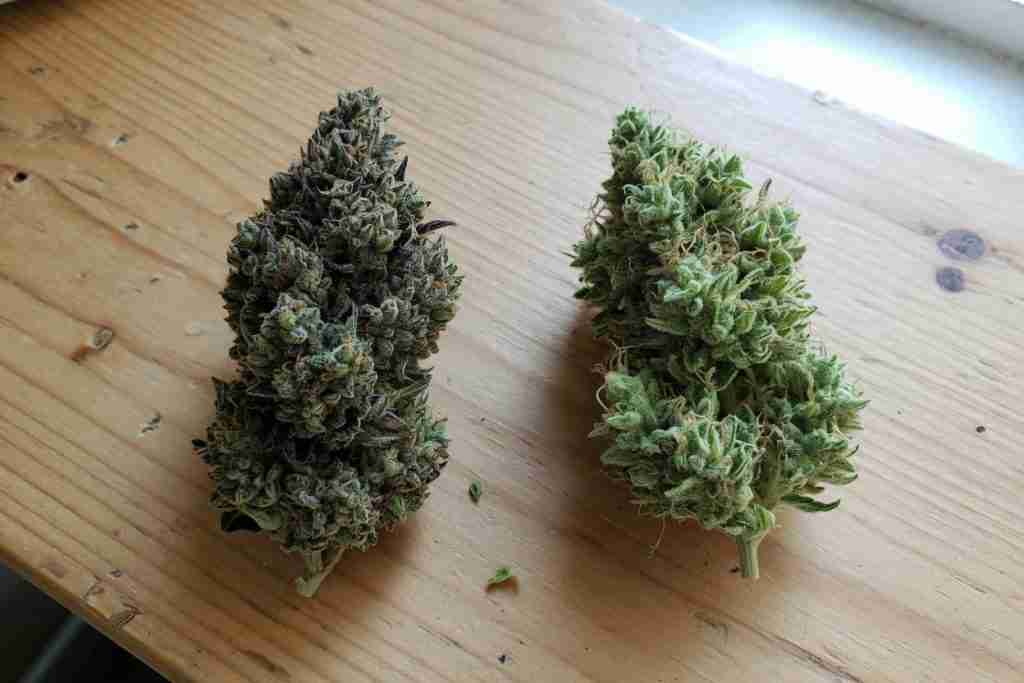
The pros show up in the jar. The flowers you kept in the light finish tighter, because the plant spent itself on sites that could use it. The smell stays in the bud instead of cooking off a hot spear. After a run where you wrote down the lamp height, the lift of the pot, and the week the branches bowed, the next run starts smarter. You stop blaming the pack for a tent that was too dim or too crowded to show you what it could do.
The cons are real, so do not let a perfect cola photo bully you. Fewer plants means a longer veg, and a mistake on one plant hurts more. A late bend can snap a stem. A dense cola is a better home for gray if the night gets wet. A plant with a low ceiling will not become a different plant because you waited. A bottle, used when the lamp or the space was the real limit, burns tips and empties your pocket. People who change food, light, and water on the same day never learn which one was the lever.
Here is the short list you can actually use on the next run.
- Pick a plant whose shape fits the room. A wide, shorter plant stacks more tops in a short tent than a stretchy spear.
- Give the lamp to the flowers you decided to keep. Raise it if the tops bleach. Do not expect a dim board to build a heavy cola.
- Leave open air between plants so a side branch is not living in a neighbor’s shade. Take the shaded bottoms early, then stop cutting.
- Match the tops before flower so one cola is not the only one eating. Stop bending once the flowers are heavy.
- Water when the pot is light, while the lamp is on. A heavy flower drinks more. A tiny pot cannot be the pantry for that drink.
- Ease the leafy feed in flower. Stop adding food when the tips burn. Change one thing at a time.
- Leave a healthy flower on through the swell. If gray starts inside a cola, size is no longer the job.
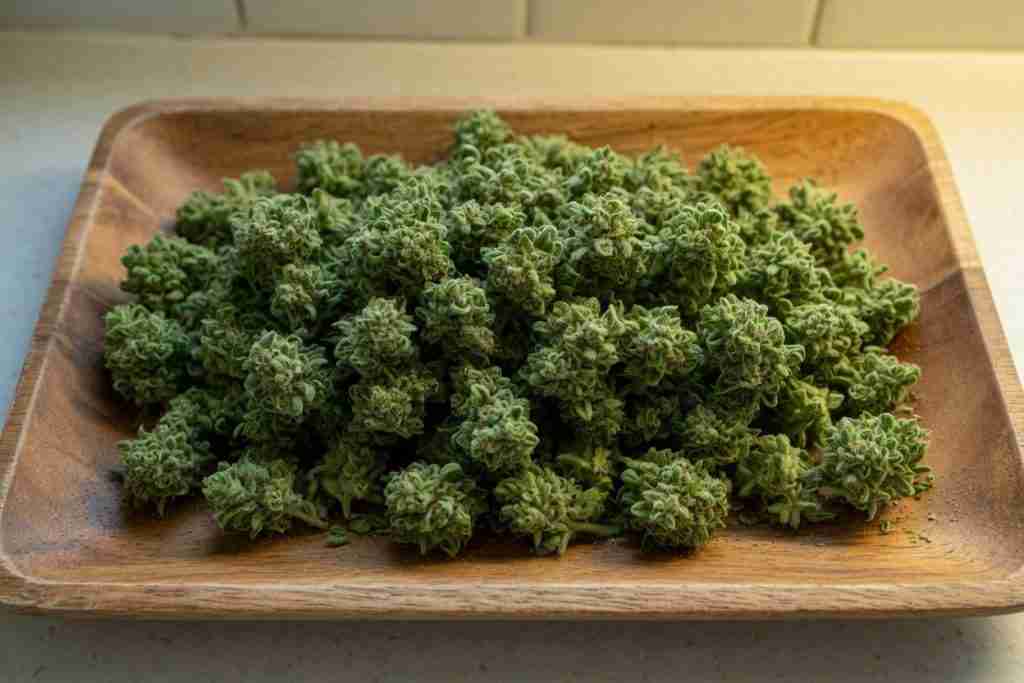
Run the lamp over tops that match. Give those tops room and a pot that can keep up. Leave them on while they are still stacking, and stop the day a cola fails. The friend with the soda-can photo did those dull things, then cropped the photo so you could not see the empty floor around the plant. You can skip the crop. You can see your own floor tonight.
The lamp was the fuel. The open space was the room. The jar only gets the flowers you left on the plant long enough to stack.
