Difference Between Dirt vs Living Soil

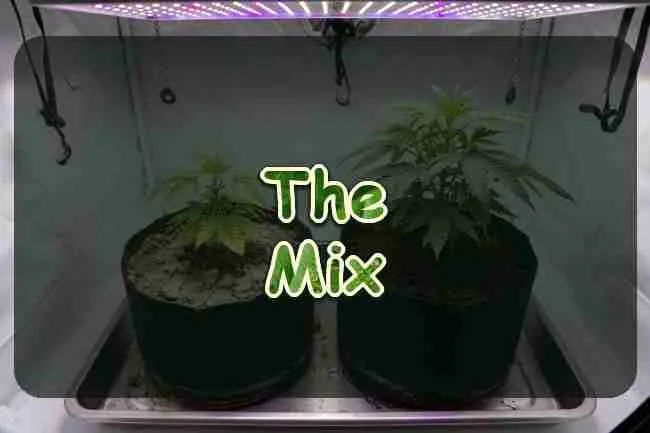
Difference Between Dirt vs Living Soil is a choice about who feeds the plant. Dirt, in a pot, is a medium with little life left in it. You mix a drink and the roots take that drink. A living mix holds compost, air, and a crew of microbes that release food from what you already put in the pot. You water, you top-dress, and you wait. The plant still eats minerals either way. The path those minerals take is the decision.
Pages on this topic usually pick a side and then reprint a whole grow sheet. One side calls dirt dead and useless and treats a living pot as a flavor switch. The other side hands you a tub recipe and a month of composting. Neither tells you which pot belongs in the tent you already run. A plain bag can finish excellent flowers if you feed it when the starter charge is gone. A living mix can burn a seedling, go anaerobic, or dry out and die if the container is tiny or the compost is still hot. Pick the system that matches how you already fix a problem.
Decide the container before you buy the mix. A living crumb in a nursery cup dries between waterings, and the life you paid for dies of thirst. A peat bag in a huge pot stays wet and sour if you water it like a bed. Write on the pot what is in it, and whether you planned to feed it. Next month you will not remember, and you will pour the wrong thing.
Dirt is what you have to feed
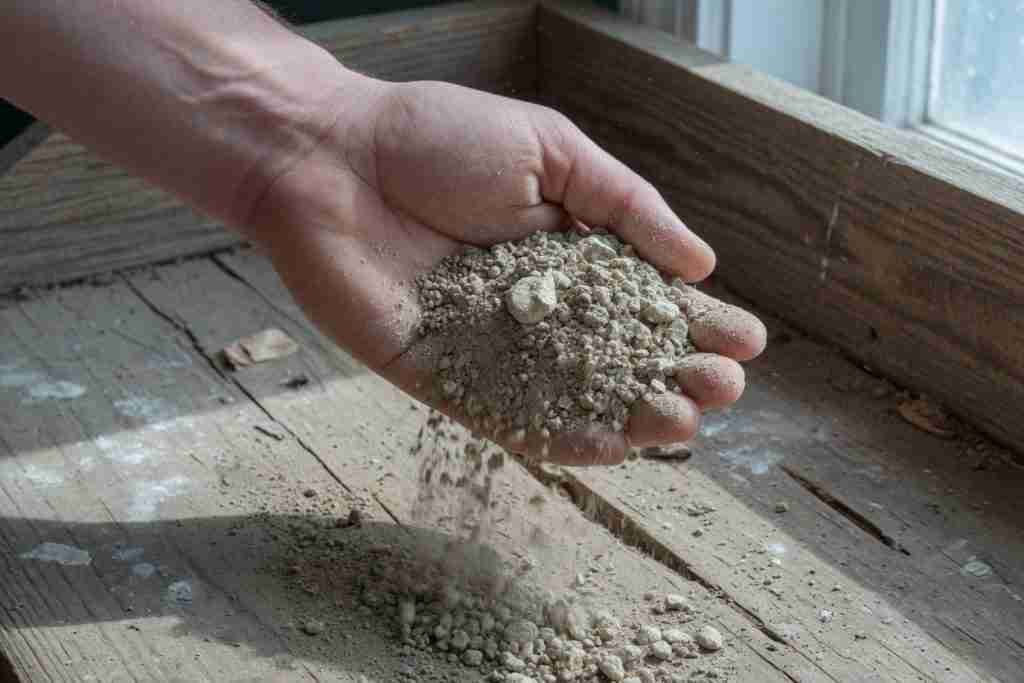
Yard soil is the clearest dirt. Squeeze a handful. If it goes to dust, it will not hold water in a pot. If it smears into mud, it will not hold air. It can also carry pests, lawn seed, and whatever was put on that lawn. In the ground, over years, you can improve a bed. In a fabric pot this season, dug clay is a brick waiting to happen. Do not sow a cannabis seed into a hole you filled with the path beside the shed.
The dirt most tents actually use is a bag. Peat or bark, sometimes coir, perlite for air, a lime charge, and a starter feed that runs out. That bag can grow a plant from seed to flower. It is not a community you are keeping. When the charge is gone, new leaves pale and you mix a drink. That is a complete, honest system. Calling the same bag a living soil because the front says organic is how people stop feeding and then blame the cultivar.
A bag from the store is usually dirt
Read the ingredient line, not the poem on the front. Peat, coir, perlite, and a fertilizer charge means a short pantry. You will add food. Compost, castings, aeration, and a list of meals, with instructions that say water it, is closer to a mix that feeds itself for a while. Organic on a bag is a marketing word unless a standard is named. It does not mean the pot will carry a flowering plant with nothing but the hose. Organic soil plus a bottle is still you feeding the plant. The bottle is just not a salt formula. The daily job is the same shape.
Coir and the other soilless mixes sit nearer to dirt than to a bed. They hold water and air and almost no pantry of their own. You feed when you water, and you do it on purpose. A scoop of castings stirred into coir does not turn that pot into a living soil. It turns it into coir with a snack. The soilless methods page is that family. Keep it separate in your head so you do not water a compost pot like a coir pot, or feed a coir pot once a month like a bed.
A bagged mix is also the easier thing to throw away. At the end of the run it has roots, leftover salts, and whatever pests moved in. Many growers dump it. That is fine if you planned to dump it. It is a waste if you bought a living mix, treated it like a disposable bag, and then paid again next cycle for the same biology. Know which one you opened before the first watering.
The starter charge is why a fresh bag looks easy. For the first weeks the color holds and you barely mix a drink. Then the new growth lightens, or the plant goes a flat pale green. That new leaf is the bag asking for the drink you planned. An old fan leaf yellowing, while the new growth stays a healthy color, is often the plant moving stored food. Do not change systems because an old leaf retired. Do not judge a bag against a living pot in the second week either. The bag looks ahead because the charge is already dissolved. The living pot looks behind because the roots are still finding the pantry. Pour a bottle into the living pot to close that gap and the comparison is over.
Difference Between Dirt vs Living Soil
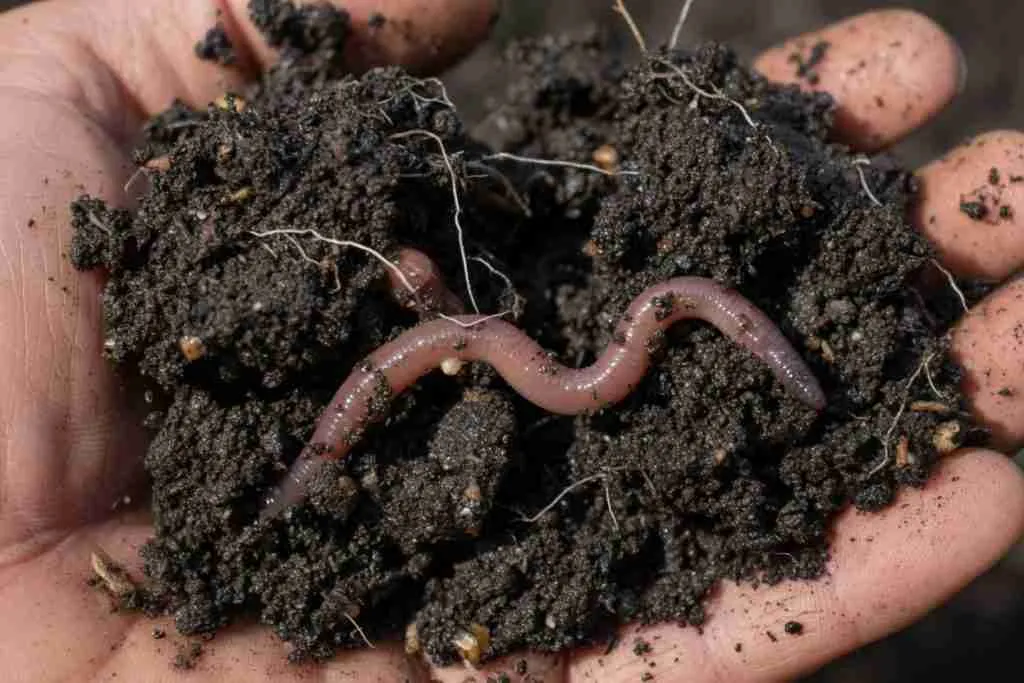
A living mix means the food is already in the pot and something alive is releasing it. Compost and castings are the pantry. Minerals and meals are the slow stock. Perlite, pumice, or bark keep pockets of air so that pantry does not go rotten. Roots leak sugars. Fungi and bacteria turn the compost into forms a root can take. You are not steering a number in the watering can every time. You are keeping the crumb moist and aired, and you add more compost on top when the run is long.
That release is why the system is slower to correct. A pale plant in a bag can answer a different drink this week. A pale plant in a living pot might be sitting in a dry pocket, a hot pocket of meal, a root that has not reached the pantry, or a real hunger a top-dress will not fix until the biology chews it. If you need this week to look different, the bag and the bottle are the honest tools. If you can wait, and you can water evenly, the living pot is the lighter daily job. Building the pantry itself belongs on the composting page. Do not turn this choice into a pile recipe.
People stack extra promises on the living pot. Richer smell. Heavier resin. Fewer pests. A side-by-side can come out that way, and plenty of good jars have come out of bottle-fed bags too. The cultivar, the dry, and the cure move the jar as much as the mix. A study that compared cover-cropped ground with tilled ground did not hand every cultivar the same winner, and it did not show a clean jump in total cannabinoids. Buy the living pot because you want that daily job. Do not buy it as a number you were promised.
A top-dress is a thin layer of the same compost on the surface, watered in. It is not a hole dug beside the stem. Digging there in flower cuts the roots you are trying to feed, and the biology works a surface layer downward on its own. If a thick dry crust of meal is still sitting there a week later, you piled on more than the surface could take. Spread less next time. Indoors, a living pot can smell like a damp forest floor right after you water. That smell belongs. A sour, swampy, or rotten-egg smell does not. Decide which one you have before you add anything. A menu line that says the flower grew in a living mix is a claim about the medium. It is not the same word as organic, and it is not a lab result.
The mix has to stay moist and airy
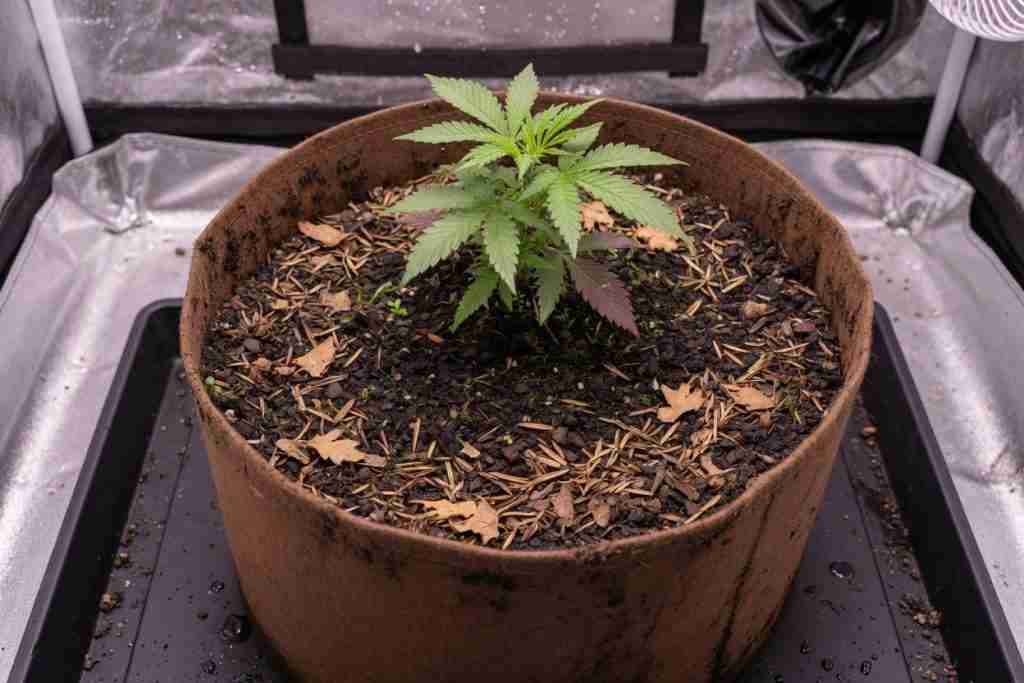
The crew you are keeping stalls at both extremes. Dust dries them out. A swamp pushes the air out, and the pot smells rotten. Rotten is not the earthy smell of a good compost. It is a pot that has gone anaerobic, and the roots will follow. Water so the crumb stays like a wrung sponge, then let the surface dull before you water again. Watering by lifting the pot is the habit. The extra rule here is not to copy a coir dry-back onto a living pot. Coir can swing harder. A living crumb wants to stay alive between drinks.
A thin cover of clean leaves on the surface slows the crust and keeps the top from flashing dry under the lamp. It is not a meal by itself. Keep it off the stem. A worm in a bed that stays moist is a good sign, not a product you have to buy. A worm dropped into a cup that dries every afternoon will not rescue that cup. The container has to be large enough that the center stays damp for more than a few hours. A cell tray is a start. It is not a living soil. Step the plant into a pot you can keep evenly moist before you expect the biology to do the feeding.
Air is the other half. A mix of pure compost, with no perlite, pumice, or bark, slumps into a wet brick by mid-flower. Roots sit in it and stall, and people add more compost because the plant looks hungry. More brick is not air. If you squeeze a finished mix and it holds shape like clay, it needs structure before a seed goes in. If water poured on top sits in a puddle, the same problem is already in the pot. Fix the structure at mixing time. You cannot stir a full pot later without tearing the roots.
Fabric pots breathe, so the rim dries first. Water until the whole pot has weight again, not until the rim looks dark. Plastic holds water longer, so a living mix in plastic needs the aeration in the mix itself. The wall will not breathe for you. The cover on top should be clean dry leaves. Skip grass from a treated lawn, and skip kitchen scraps on a tent pot. Scraps bring flies. Clippings from a sprayed lawn bring whatever was sprayed. The cover slows a crust. It is not a second pantry.
Pick one system and stay with it
The common failure is two stories in one pot. A living mix, then a salt bottle just in case, then another top-dress because the bottle might have hurt the microbes, then a heavy rinse. You cannot read the plant after that. A salt drink and a biology you are trying to keep are a poor marriage. Bottles belong in a bag that expects them. Top-dress and water belong in a mix that was built to be watered. Choose before the seed goes in, and write it on the pot so a helpful friend does not “fix” it while you are out.
If a living pot looks hungry, top-dress a little of the same compost you built with, or just water if the leaves are already dark and the tips are crisping. Burn is too much food sitting where the roots are. More meal on a burn makes a worse burn. If a bagged plant looks hungry after the starter weeks, mix the mild drink you planned and use that. Do not suddenly declare the bag a living soil and bury a cup of meals around a flowering stem. The roots did not get a new crew overnight. They got a pocket of fertilizer.
Hydro is the far end of the dirt idea. There is no pantry in a medium at all. Food exists only in the water, and you are the biology. Soil versus hydro is that split. Do not start it because a living pot looked quiet in the second week. Quiet can be a root filling a big pot. A reservoir is a different daily job, with a different way to fail. Finish the system you planted.
Each pot needs a calendar you can say out loud. On a bag, you feed when new growth asks after the starter weeks, the same mild drink, on a day you can repeat. On a living mix, you water when the pot lightens, and you top-dress when the surface has been worked in and the run still has weeks left. If you cannot name that calendar, you do not have a system. Keep the bottle with the bags you planned to feed. A bottle on the shelf above a living pot gets used on the wrong plant the first night you are tired.
A hot mix burns a seedling
Compost that is still working, or a mix stuffed with meals, is too strong for a seed. The first roots hit a pantry meant for a plant in flower. The seedling stalls, claws, or burns at the tips and people call the cultivar weak. Let a fresh mix sit, moist and aired, until it is only as warm as the room. If it heats your hand, it is not ready. Sow into a milder layer on top, plain potting mix over the richer base, so the first roots are not in the hottest pocket. The plant will grow down into the pantry when it is big enough to use it.
Skip the cup of meals with no aeration. Compost without structure becomes the brick. Meals without enough compost become a salt, living label or not. A bought mix should say whether a seedling can sit in it. If the seller tells you to cut it with a plain bag for the start, do that. Pride is a bad reason to plant a seed in a hot pocket. You can tell a mix has mellowed without a gadget. It no longer heats your hand. It smells like a damp forest floor rather than ammonia. A squeezed handful crumbles instead of smearing slick. Ammonia means the compost is still working, and a seed does not belong in that smell. Fill the pot with the richer mix, then lay a few fingers of a plain mild bag on top. The seed goes in that mild layer. Stirring the whole pot into one even blend only makes a medium-hot pot with no safe landing. The plant grows down into the pantry when the roots are ready. The no-till bed is where a mix gets reused and topped across cycles without being dug up. This page only needs you to refuse a hot start and to refuse a pot too small to stay alive.
Reuse is the point of paying for a living mix. After harvest, remove the stump, pull the obvious root mat if it is a solid mat, add compost on top, and water. Do not bake the pot dry in the sun for a month and call that storage. Do not dump a bottle of salt feed through it to “clean” it. If pests took the root zone over, that pot is done and should leave the tent. A tired mix you keep watering is still a living mix. A mix you sterilize and then fertigate is dirt again, and you should feed it like dirt.
What to use in the tent you have
Use a straightforward potting mix you will feed when the tent is small, the pots are small, you travel, or you want a leaf to change this week. Buy the bag with aeration in it, not yard clay. Feed when the starter charge fades and the new growth asks. At the end, dump it or fold it into a compost you are actually building. That is a finished plan. It does not need a worm, a tea, or a story about the forest floor.
Use a living mix when each plant can have a pot large enough to stay evenly moist, you will be there to water, and you would rather top-dress than mix a bottle. Buy it from a seller who will say whether a seedling can live in it, or build it and let it mellow. Plan to keep it for the next run. A living mix you throw out every harvest was an expensive bag of dirt with better marketing. If you already know you will dump every pot, buy the cheaper bag and feed it well.
Do not switch mid-flower because a jar on a forum smelled louder. A living root zone can make a rich jar. So can a fed bag, a slow dry, and a cultivar that had a smell to begin with. Speed often favors the bottle. Aroma often favors the living pot in grower notes, and then the next cultivar flips the note. Grow the pack you planted. Change the mix next run if you want a different daily job. Ripping a flowering root ball into a new medium is how you lose the flowers you already grew.
Travel decides this faster than a forum. A living pot in a small container dries to dust while you are gone, and one watering when you get home does not bring that crew back. A bag a friend can water with plain water is the more forgiving pot, if they do not also feed it. Write water only on a bag that is mid-feed so the drink is not doubled. A small tent has the same limit from the other side. A living mix wants a pot large enough that the center stays moist. Huge pots do not fit that tent, and tiny living pots dry out under the lamp. A small tent often does better on a fed bag.
One change then wait
If the plant looks wrong, change one thing. A living pot that is dust needs water and a cover on the surface. A pot that smells rotten needs air and a few days of drying back to damp, not another meal. A bagged plant that pales after the starter weeks needs the mild drink you already chose. Do not also repot, top-dress, and change the lamp the same afternoon. Mark the date on the pot. New growth is the report. Old leaves usually stay marked.
Do not start a second row of pots because the first mix looks slow. In Canada the cap is four plants per household, not per adult. Quebec prohibits recreational home growing. Manitoba has allowed indoor growing only since 1 May 2025, and the age there is 19. A seedling counts. A second set of cups still counts. A plant in a cup of either mix is still a plant. Finish what you have room to flower. Leave the rest of the seed unopened.
One system, then wait. If you mulched the surface, do not also bury a top-dress the same day. If you started a feed on a bag, do not also call it living soil and stop feeding next week. The pot can only answer the plan you wrote down. Quiet days while a root fills a big living pot are part of that plan. Panic is the extra bottle that turns a clear choice into a muddle.
A friend will call a pale bag a marijuana failure and tell you the weed needed a living pot by Friday. Ask what that pot was supposed to do. A dead bag needs a bottle. A living pot needs water, air, and time. Switching the story in the middle feeds neither one. Pick the mix, feed it the way that mix expects, and let the new leaves show you if you were right.