What is Phytoremediation for Cannabis Soils?


You might’ve heard the fancy word “phytoremediation” and wondered, “What on earth does that mean?” Well, it’s simpler than it sounds. Phytoremediation means using plants to clean up dirty soils. In cannabis growing, it’s like sending in tiny green superheroes whose roots suck up bad stuff—heavy metals, pesticides, even salt—from the earth. Instead of digging up toxic ground or buying expensive filters, you let certain plants do the work.
Why You Need It

- Old Land Issues: Maybe your soil sat unused near a factory or old farm.
- Chemical Buildup: Over years, fertilizers and pesticides stack up.
- Better Buds: Cleaner soil means safer, tastier cannabis.
How Phytoremediation Influences Cannabis Plant Health and Yield

Phytoremediation doesn’t just clean dirt—it helps your cannabis thrive. When you remove toxins, plants don’t have to fight stress. Stressed plants grow slower, make fewer buds, and can taste harsh. But with clean soil:
- Stronger Roots: Roots spread wide when they’re not battling poison.
- Better Nutrient Uptake: Nutrients flow freely into leaves and flowers.
- Higher Yield: More flowers, bigger buds, fatter profits.
- Improved Aroma/Taste: Cleaner soils mean purer terpenes and flavor.
Real-Life Example: Last season, I had soil contaminated with leftover lead from old pipes. I planted sunflowers and Indian mustard for two months. By harvest, my weed was smoother, and I got 20% more grams per plant.
Implementing Phytoremediation Strategies in Cannabis Farming
You don’t just toss in random plants and hope for the best. Here’s how to plan it right:
Choosing the Right “Cleaner” Plants

- Sunflowers: Great at pulling heavy metals.
- Indian Mustard: Fast grower, soaks up lead and cadmium.
- Alfalfa: Deep roots, brings up salts.
- Willow Trees: For large plots, woody roots dig deep.
Timing Your Cleanup
Before Planting Cannabis
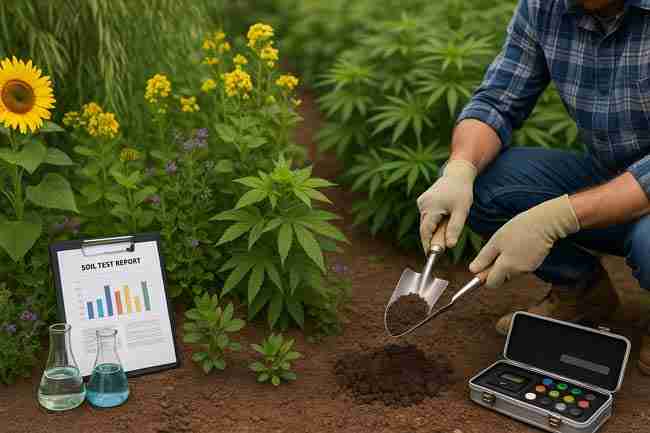
- Test Your Soil: Send a sample for lab reports.
- Plant Cleaners: Let them grow 6–8 weeks.
- Remove & Compost: Don’t mix toxins back—dispose properly.
During Fallows
If you rotate crops, use fallow periods for phytoremediation.
Continuous Polyculture
You can interplant cleaners at the edges or between rows. That way, your cannabis grows and your cleaners work side by side.
Practical Steps to Incorporate Phytoremediation into Cannabis Production
You’ve got the what and why. Now, the how-to:
- Soil Testing
- Send samples to a certified lab.
- Identify toxins: heavy metals, excess salts, leftover pesticides.
- Select Phytoremediators
- Match plants to toxins (see table below).
- Plant & Nurture
- Follow each species’ light/water needs.
- Keep pH neutral (6.0–7.0) so cleaners work best.
- Harvest & Dispose
- Remove above-ground biomass.
- Compost only if your composter handles toxins or dispose per local guidelines.
- Re-test Soil
- Confirm cleanup before planting cannabis.
Table: Phytoremediation Plant Choices and Targets
| Plant Species | Target Pollutant | Root Depth | Grow Time |
|---|---|---|---|
| Sunflower | Lead, Arsenic | Shallow | 8–12 weeks |
| Indian Mustard | Cadmium, Zinc | Medium | 6–8 weeks |
| Alfalfa | Salt, Nitrates | Deep | 10–12 weeks |
| Willow (Salix spp.) | Multiple heavy metals | Very Deep | 12+ weeks |
| Poplar Trees | Organic solvents, PCBs | Deep | 12+ weeks |
The Science Behind Phytoremediation in Cannabis Growth
Understanding the biology helps you get better results.
How Roots Work

- Roots release exudates—natural acids and enzymes that loosen pollutants.
- Pollutants dissolve in soil water and flow into roots by mass flow.
- Inside root cells, toxins bind to proteins or get stored in vacuoles.
Translocation to Shoots
Some plants move contaminants from roots into leaves and stems. That makes them easy to harvest and remove.
Rhizosphere Effects
The rhizosphere (soil right around roots) gets supercharged. Beneficial microbes multiply, breaking down nasty chemicals further.
Which Cannabis Strains Are Best for Phytoremediation?
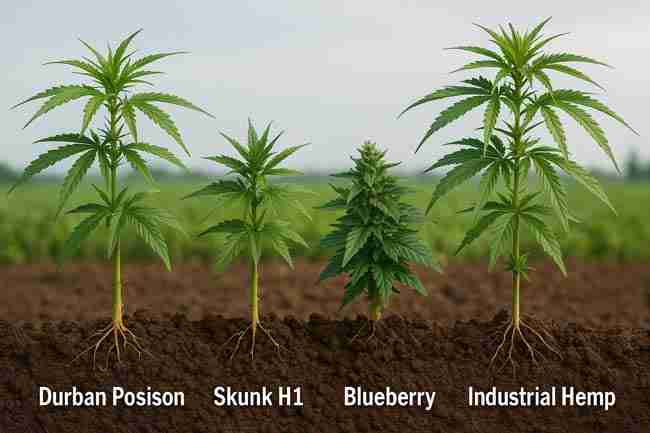
Cannabis itself can clean mild toxins! Certain strains work better:
- Durban Poison: Robust roots, tolerates marginal soils.
- Skunk #1: Fast growth, decent metal uptake.
- Blueberry: Strong root exudates, helps microbes.
- Industrial Hemp Varieties (e.g., Finola, Futura 75): Specifically bred for soil cleaning.
Note: Hemp often takes up more pollutants than high-THC strains, so test flower parts before use.
Harnessing the Power of Phytoremediation in Cannabis Farming
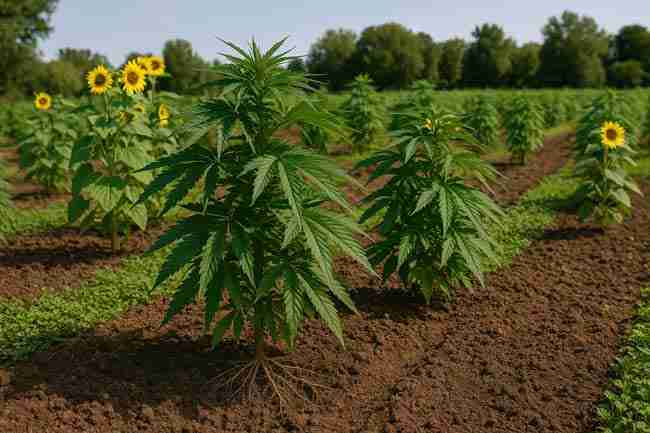
You can combine practices for top results:
Crop Rotation + Phytoremediation
Rotate hemp or mustard into your beds once a year. That keeps soils fresh.
Intercropping
Plant sunflowers around cannabis rows. They look pretty, too!
Cover Crops
In winter, sow rye or clover. They suppress weeds and start cleaning on the side.
Implications of Phytoremediation on Cannabis Crop Sustainability

When you use green cleanup methods:
- Lower Input Costs: Fewer chemical amendments.
- Eco-Friendly Brand: Market your cannabis as sustainably grown.
- Long-Term Soil Health: Build organic matter and microbe diversity.
- Regulatory Ease: Meet strict residue limits for heavy metals.
Is Phytoremediation Good or Bad for Cannabis?
Overall, it’s a win—but watch out for pitfalls.
Pros and Cons
Pros
- Cleans soil naturally, no harsh chemicals.
- Boosts yield by reducing plant stress.
- Enhances flavor/aroma by removing off-tastes.
- Builds a green brand story.
Cons
- Takes time (weeks to months).
- You need extra space for clean-up crops.
- Disposal of contaminated biomass can be tricky.
- Some plants might hog nutrients—balance with fertilization.
The Impact of Phytoremediation on Cannabis Quality and Safety
By removing toxins, you ensure:
- Regulatory Compliance: Safe heavy metal levels under legal thresholds.
- Consumer Trust: Shoppers want clean, organic buds.
- Terpene Integrity: No off-notes from metal stress.
- Medicinal Safety: Patients need reliable, toxin-free medicine.
What Are the Three Types of Phytoremediation?

You’ll often hear three big categories:
- Phytoextraction
- Phytodegradation
- Plants and microbes break down organic pollutants into harmless bits.
- Phytostabilization
- Plants lock pollutants in the soil, preventing them from leaching or spreading.
Bonus Types (sometimes counted)
- Rhizofiltration: Roots filter pollutants from water.
- Phytovolatilization: Plants turn pollutants into gases and release them (use with care!).
What is Phytoremediation of Hemp?
Hemp is a superstar at cleaning soils:
- Fast Growth: Grows 2–4 meters in a few months.
- Deep Roots: Reach 2–3 meters deep, tapping hidden toxins.
- High Biomass: You get lots of green weight to remove pollutants.
Tip: Use industrial hemp if you plan to burn biomass for energy—ashes often have concentrated metals that are easier to handle.
Phytoremediation Techniques: A Guide for Cannabis Growers
Putting it all together, here’s your step-by-step recipe:
1. Assess Your Site
- Map soil test results.
- Identify hotspots.
2. Select Species Mix
- Pair fast growers (mustard) with deep-rooters (willow).
3. Plan Timing
- Early spring sow.
- Remove before main frost.
4. Maintain Soil Health
- Add compost that’s low in heavy metals.
- Keep pH neutral.
5. Monitor Progress
- Re-test every 6–8 weeks.
- Adjust crop choices if some pollutants linger.
6. Harvest & Dispose
- Cut plants at ground level.
- Bag and send to approved disposal or energy-from-waste facility.
7. Plant Your Cannabis
- After clean-up, plant high-value strains.
- Watch them thrive!
FAQs
Q: Can I eat cannabis grown with phytoremediation?
A: Only if you test buds for toxins first. Hemp is better for cleanup; use cannabis flowers after clean-up plants finish.
Q: How long does phytoremediation take?
A: Usually 6–12 weeks per cycle. Tough soils might need multiple seasons.
Q: Will phytoremediation remove all contaminants?
A: It’s great for metals and some organics but may not catch everything. Combine with other tests.
Q: Is soil amendment needed after cleaning?
A: Yes—add organic compost to replace nutrients and build structure.
Q: Can I use the same soil for next season?
A: You can—but re-test to make sure pollutant levels stay low.
Q: Does phytoremediation work in pots?
A: Pots limit root depth, so it’s less effective. Better in ground beds.
Specifications for Quick Reference
| Step | Timeframe | Resources Needed |
|---|---|---|
| Soil Testing | 1–2 weeks | Lab kit, shipping |
| Planting Cleanup Crops | Spring | Seeds, basic irrigation |
| Growth & Uptake | 6–12 weeks | Regular watering, pH monitoring |
| Biomass Harvest & Disposal | Autumn | Shears, bags, disposal service |
| Soil Retest | 1–2 weeks | Lab kit |
| Organic Amendment | Pre-cannabis | Compost, worm castings |
Boost your harvest and keep your brand green by using Phytoremediation Cannabis Soil techniques. You’ll clean your dirt, grow stronger plants, and stand out in a crowded market.