What is Natural Terpene Synergy?


Growing cannabis can feel like an exciting adventure. You plant your seeds, watch your sprouts peek out from the soil, and hope for robust, fragrant buds. However, there’s a hidden secret in cannabis that could tip the balance between an average harvest and a spectacular one: Natural Terpene Synergy. You might’ve heard whispers about terpenes, but do you know how these aromatic compounds can revolutionize your grow? Let’s explore everything from what terpenes are to how they influence your cannabis plants and even your own body.

When you light up a cannabis flower, or just brush a bud with your fingertips, you may notice a strong, sometimes sweet, sometimes spicy smell. You’re experiencing terpenes, the fragrant molecules that give cannabis strains their unique aroma. Think of terpenes as tiny chemical messengers that influence your senses, overall plant health, and even the ways you react to cannabis. You may ask yourself: “Can terpenes truly help my cannabis grow better?” Absolutely, and Natural Terpene Synergy is the key to unlocking their full potential.
I’ve noticed time and again that growers who pay attention to terpene profiles often produce more aromatic, potent buds that capture the essence of the strain. This synergy isn’t just about scent—it also involves how your cannabis plants interact with their environment. So, pull up a chair, take a deep breath, and get ready to learn all about how terpenes help you nurture healthier, more vibrant cannabis plants. You’ll also discover how these compounds can shape your experience when you consume your final product.
What Does Natural Terpene Synergy Mean?

Natural Terpene Synergy refers to the way terpenes work together within a plant (and inside your body) to create effects that are greater than the sum of their parts. When you hear the word “synergy,” think of two or more elements joining forces for a spectacular outcome. In cannabis, terpenes don’t just exist to smell good; they serve essential roles in plant defense, pollinator attraction, and even communication between plants. The “natural” part emphasizes that this harmony occurs organically.
The Role of Terpenes in Plants

- Defense Mechanisms: Terpenes can repel pests like insects or fungi. For instance, some pungent terpenes act like a natural bug spray.
- Attraction: Certain terpene profiles attract pollinators, ensuring the plant’s reproductive success.
- Communication: Plants produce specific terpenes to communicate stress or alert neighboring plants of danger.
Why Synergy Matters

- Better Growth: When multiple terpenes are present, they can enhance each other’s protective properties, leading to less pest damage and stronger plants.
- Enhanced Aroma: A rich tapestry of terpenes creates complex scents that are often more appealing than a single dominant terpene.
- Increased Medicinal Value: Many growers believe a wide range of terpenes can produce a broader spectrum of effects for users.
Digging Deeper: Terpene Structures

Terpenes are hydrocarbons, and their chemical complexity can be mind-boggling. However, for your purposes, you only need to know that different terpene combinations yield different results. A mix of limonene (citrus note) and myrcene (earthy aroma), for example, can offer a soothing yet uplifting experience. That’s Natural Terpene Synergy at work—where the combination amplifies each terpene’s unique quality.
What Are the Negative Side Effects of Terpenes?
While terpenes are natural and mostly safe, it’s important to acknowledge that too much of anything can become problematic. You might have heard, “Everything in moderation,” and that applies to terpenes as well.
Potential Irritation and Allergies

- Skin Irritation: Certain terpenes can irritate your skin if they come in direct, concentrated contact. You might experience redness or itching.
- Respiratory Issues: High concentrations of terpenes can be harsh on the lungs. You might notice coughing or a scratchy throat if you inhale large amounts.
Overwhelming Aromas

- Headaches: In rare cases, intensely fragrant terpene profiles can trigger headaches in individuals who are sensitive to strong odors.
- Nausea: Very potent scents might cause slight nausea in those unaccustomed to strongly aromatic plants.
Balancing Terpene Levels

You want your cannabis to have vibrant aromas and flavors. However, jacking up certain terpenes to extremely high levels can cause discomfort. If you focus on Natural Terpene Synergy, though, you’ll likely keep these compounds in balance. You should let the plant express itself naturally. Avoid adding artificial terpenes or forcibly elevating levels through synthetic means. That approach might unbalance the plant’s overall chemistry.
What Do Terpenes Do for Your High?
Imagine you’re trying out two different cannabis strains with the same THC percentage. One strain might make you feel talkative and creative, while the other might make you want to curl up on the couch and watch cartoons. That variation often ties back to the terpene profile.
Modulating Effects

- Enhanced THC Activity: Terpenes can increase or decrease the permeability of cell membranes, influencing how THC interacts with your body.
- Anxiety Reduction: Terpenes like linalool (commonly found in lavender) often help reduce stress levels.
- Energy Boost: Terpenes like limonene can deliver an uplifting, almost energetic edge to your experience.
The “Entourage Effect”

You may have come across the phrase “Entourage Effect.” It suggests cannabinoids (like THC and CBD) work more effectively when combined with terpenes. This synergy leads to a richer, more nuanced experience. It’s a bit like a band: THC is your lead singer, but terpenes are the guitar, drums, and backup vocals that fill out the sound.
Terpene Ratios and Their Impact
- High Myrcene + THC: Often described as having a sedative effect, promoting relaxation.
- High Pinene + THC: Potentially helps with mental clarity and focus.
- High Caryophyllene + THC: May promote an anti-inflammatory response, and sometimes calms anxious feelings.
If you’re a grower, you should pay attention to the balance of terpenes in your plants because it directly affects the end-user experience. By optimizing Natural Terpene Synergy, you can produce buds that better suit your personal preferences or the needs of your customers.
Are Natural Terpenes Safe to Smoke?

In general, naturally derived terpenes are safe to consume, especially when they come from the plant itself. However, caution is key.
The Quality Factor
You should always use high-quality cannabis flowers that haven’t been exposed to pesticides or harmful chemicals. Low-quality or contaminated cannabis may contain additional compounds that could be harmful when inhaled. Natural terpenes, when untainted, are usually well-tolerated.
Combustion vs. Vaporization

- Combustion (Smoking): When you light your cannabis, terpenes begin to vaporize at different temperatures. Some terpenes might burn off quickly, which can change the taste and effect profile.
- Vaporization: Vaping at specific temperatures can help preserve more terpenes. You’ll experience a fuller flavor and, in many cases, a more pronounced entourage effect.
Moderation Matters
If you inhale excessively, you risk irritating your lungs. This holds true for any substance. You should listen to your body, pace yourself, and enjoy in moderation. If you’re growing your own cannabis, you have the advantage of controlling the environment and making sure the final product remains pure.
How Does Natural Terpene Synergy Help Cannabis Grow Better?
Natural Terpene Synergy isn’t just about the quality of your high. It can also significantly impact plant health and yield. By understanding the synergy among different terpenes, you can create an optimal growing environment. Below are some ways terpenes help your cannabis plants flourish:

- Pest Control
Certain terpenes, like limonene and pinene, can deter insects that might otherwise wreak havoc on your garden. By fostering a natural terpene-rich environment, you minimize the need for chemical pesticides. - Fungal Resistance
Some terpenes hold antifungal properties, acting as a built-in shield against mold and mildew. If you live in a humid area, you understand how crucial fungus prevention can be for maintaining healthy buds. - Improved Nutrient Uptake
While not fully understood, many growers have observed that rich terpene profiles are often associated with robust root systems. This suggests a link between terpene expression and efficient nutrient absorption. - Communication With Neighboring Plants
Terpenes can serve as signals between plants. When one plant emits specific terpenes, it might alert others of stress, encouraging them to strengthen their natural defenses.
Cultivating Synergy in Your Grow Space

You can promote healthy terpene development by focusing on a few key growing conditions:
- Proper Lighting: Adequate light intensity can encourage your plants to produce more terpenes.
- Temperature and Humidity: Stable, appropriate temperature and humidity ranges will foster vibrant terpene profiles.
- Soil Quality and Nutrients: Rich, well-balanced soil supports robust plant metabolism. Organic methods can often boost terpene expression better than synthetic fertilizers.
Practical Tips for Boosting Natural Terpene Synergy

If you want to harness terpenes for better plant health and a more satisfying final product, you can try the following:
- Choose Strains Wisely: Not all strains are created equal. Some strains naturally produce higher terpene levels.
- Use Organic Nutrients: Synthetic additives can sometimes mask or reduce terpene production. Choose organic whenever possible.
- Optimize Environment: Keep daytime temperatures around 75–85°F (24–29°C) and lower nighttime temps by about 10 degrees. Humidity should be adjusted according to the stage of growth.
- Harvest at the Right Time: Terpene levels peak at specific points in the plant’s life cycle. Trichome color can guide you. If you see mostly cloudy trichomes with a few ambers, that might be ideal for many strains.
- Proper Drying and Curing: After harvesting, don’t rush the drying and curing process. Properly cured buds maintain a richer terpene profile.
Common Terpenes in Cannabis and Their Benefits

The world of terpenes can be a bit like going to an ice cream store with countless flavors. Below is a simple table to help you understand some common terpenes, their aromas, and potential effects.
| Terpene | Aroma | Potential Effects | Example Strains |
|---|---|---|---|
| Myrcene | Earthy, Musky | Relaxation, Sedation | Blue Dream, Granddaddy Purple |
| Limonene | Citrus (Lemon, Orange) | Mood Elevation, Stress Relief | Super Lemon Haze, Durban Poison |
| Pinene | Pine, Woody | Alertness, Focus | Jack Herer, OG Kush |
| Linalool | Floral (Lavender) | Calm, Stress Reduction | Amnesia Haze, Lavender |
| Caryophyllene | Spicy, Peppery | Anti-Inflammatory, Comfort | Girl Scout Cookies, Bubba Kush |
| Terpinolene | Herbal, Piney, Fruity | Uplifting, Energizing | Dutch Treat, Ghost Train Haze |
You should experiment with different strains to see which terpene profiles resonate most with your growing goals and personal preference. Keep a journal of your growing experiences, noting how your plants fare when you cultivate them under varying conditions.
Top Methods to Preserve Natural Terpene Synergy During Harvest

- Gentle Harvesting: Handle your buds with care. Rough handling can bruise trichomes, reducing terpene content.
- Slow Drying: Keep your drying area around 60°F (15.5°C) with about 55–60% humidity. This helps preserve delicate terpenes.
- Darkness: Light can degrade terpenes. Dry your buds in a dark environment.
- Proper Curing: Store dried buds in airtight containers, opening them occasionally to release excess moisture. Aim for a stable 58–62% humidity inside the container.
You don’t want to spend months nurturing your plants only to lose those precious terpenes in the final stages. A few extra days of patience can preserve the essence of your strain and ensure you’ll savor every sniff and taste.
List: Common Mistakes That Harm Terpene Levels

- Excessive Heat: High temperatures can burn off terpenes. Keep your grow room at the right setting.
- Harsh Chemicals: Heavy pesticide use can negatively impact terpene production.
- Quick Curing: Rushing the cure can lead to harsh-tasting buds with subdued aroma.
- Rough Trimming: Using dull scissors or hasty trimming methods can knock off trichomes.
- Ignoring Genetics: If you start with a strain lacking robust terpene production, you’ll struggle to boost synergy.
Pros and Cons of Emphasizing Natural Terpene Synergy

Before you fully commit to nurturing terpene synergy, consider the upsides and downsides:
Pros
- Enhanced Flavor and Aroma: You’ll get buds that smell and taste exquisite.
- Increased Potency: Some terpenes can bolster the effects of cannabinoids.
- Pest and Disease Resistance: Strong terpene profiles often protect your plants naturally.
- Improved User Experience: A complex terpene profile can lead to more nuanced, enjoyable highs.
Cons
- Longer Growing Times: Achieving perfect terpene production might mean you have to adjust your feeding and environment meticulously, which can extend grow times.
- More Sensitive Plants: Highly terpene-rich strains might require more care and specific conditions to maintain synergy.
- Limited Strain Availability: Not all strains have abundant terpene levels, so your choices could be narrower.
If you believe the benefits outweigh the costs, then emphasizing Natural Terpene Synergy could be an ideal path for you. Once you find a routine that works, you’ll likely reap the reward in the form of top-tier buds.
Frequently Asked Questions (FAQ) About Natural Terpene Synergy
1. How do I measure terpenes in my cannabis plants?
You can send samples to specialized laboratories that analyze terpene profiles. While it’s an extra step, it helps you understand exactly how your growing methods influence Natural Terpene Synergy.
2. Is it okay to supplement terpenes artificially?
Some growers experiment with adding terpenes. However, keep in mind that natural expressions usually offer the best synergy. Artificial additions can throw off the delicate balance your plant has developed over its growth cycle.
3. Can natural terpenes improve medicinal properties?
Many users report that full-spectrum cannabis (rich in a variety of terpenes) often provides better therapeutic benefits than cannabinoid isolates. This ties into the “Entourage Effect” you learned about earlier.
4. Do all terpenes burn at the same temperature?
No, each terpene has its own boiling point. For instance, beta-caryophyllene vaporizes at around 266°F (130°C), while myrcene evaporates at lower temperatures. Knowing these points can help you optimize your vaping or smoking sessions to preserve more terpenes.
5. Should I flush my plants before harvest to improve terpene quality?
Flushing can help remove excess nutrients and chemicals, potentially resulting in a cleaner taste. Whether it boosts terpenes is still debated, but many growers believe a final flush contributes to a smoother smoke.
6. Is there a risk of over-emphasizing Natural Terpene Synergy?
Focusing too heavily on terpene levels might lead you to ignore other essential aspects like balanced nutrients or stable pH levels. You should maintain a holistic approach to cultivation.
7. Why does my cannabis sometimes smell grassy or like hay?
A grassy or hay-like smell often indicates under-cured or improperly dried buds. Proper curing is crucial for allowing terpenes to express themselves fully, reducing that green, planty odor.
Storytime: My Personal Experience with Natural Terpene Synergy

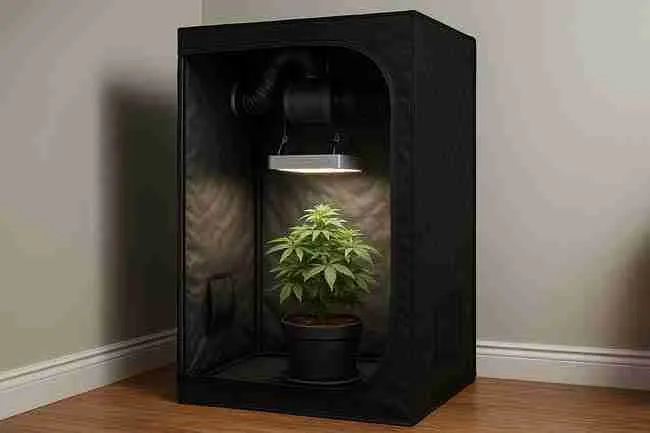
I once experimented with a strain known for its rich limonene content. I grew the plants in a small indoor space, paying close attention to temperature and humidity. As harvest approached, the room smelled like a lemon orchard on a sunny day. After a slow cure, the end product carried a bright, citrusy taste and an uplifted, happy effect. That was the moment I truly believed in Natural Terpene Synergy.
By contrast, I tried a different batch with the same strain but used synthetic nutrients and didn’t monitor environmental conditions as closely. The buds lost their citrus punch, and the experience felt more generic. This reinforced how crucial it is to respect the delicate balance that terpenes require for cannabis growers.
Additional Specifications for Growing Terpene-Rich Cannabis

- Soil pH: Aim for 6.0–6.5 in soil-based grows.
- Lighting: High-intensity LED or full-spectrum lights help maximize terpene production.
- Ventilation: Adequate airflow reduces humidity spikes, minimizing mold risk and helping plants breathe properly.
- Strain-Specific Nutrient Needs: Different strains require slightly different feeding schedules. Research your strain or experiment in small batches to find the sweet spot.
Ensuring each of these factors is fine-tuned can further support Natural Terpene Synergy in your grow space.
Importance of the Drying and Curing Stage
As you near the finish line, you need to pay special attention to how you handle your freshly harvested cannabis. You’re dealing with volatile compounds that dissipate easily if you rush. Use the following guidelines:
- Drying Time: Aim for 7–10 days. Check for a slight crispness on the outer leaves, but the stems should still have a little bend.
- Curing Environment: A stable 60–65% humidity inside jars is ideal.
- Patience Pays Off: Terpenes continue to develop and stabilize during curing. Some strains may require weeks or even months to fully mature in their jars.
- Check for Mold: Open your containers daily for a few minutes (known as “burping”) to prevent mold growth. If you smell anything musty, take immediate action.
I’ve known growers who lost half their harvest to mold because they didn’t cure properly. It’s heartbreaking, especially when you’ve poured effort into maximizing Natural Terpene Synergy. Always take a meticulous approach to preserve the integrity of your buds.
Conclusion

Natural Terpene Synergy isn’t just a buzzword. It’s a genuine phenomenon that intertwines plant health, aroma, flavor, and the overall user experience. When you cultivate cannabis with terpene harmony in mind, you end up with buds that smell like a dream, taste phenomenal, and deliver distinctive effects.
Remember, you don’t need a lab coat and a chemistry degree to harness the magic of terpenes. You just need curiosity, a willingness to adjust your grow environment, and the patience to let nature do its thing. Whether you’re chasing a citrusy punch for daytime creativity or a mellow, floral aroma for evening relaxation, Natural Terpene Synergy can guide you toward the perfect grow. So keep exploring, keep adjusting, and let terpenes unlock the true power of cannabis in your garden.
FAQ Section
Q1: Does Natural Terpene Synergy vary from strain to strain?
Yes, each strain has a unique terpene profile. Some strains are inherently richer in certain terpenes, which leads to different synergies and effects.
Q2: How often should I adjust humidity to promote terpene development?
Aim to keep humidity stable at each growth stage. For veg, around 60–70% is common; for flowering, 40–50% can prevent mold and preserve terpenes.
Q3: Can I enhance Natural Terpene Synergy by using organic teas and compost?
Absolutely. Organic supplements like compost tea can improve soil health and stimulate terpene production by boosting microbial activity.
Q4: Does topping or training my plants affect terpene production?
Low-stress training and topping can improve light penetration and airflow, which in some cases may support better terpene expression. However, it’s not a guarantee. Experiment in small batches.
Q5: Will trimming fan leaves early affect my buds’ terpene profile?
Removing too many leaves too soon may stress your plants. Mild defoliation to increase light to lower buds can be beneficial, but overdoing it can stunt growth and possibly affect terpene development.
Q6: Can storing cannabis in the freezer help retain terpenes?
Freezing is sometimes used for making concentrates, but long-term storage of flower in a freezer can cause trichomes to become brittle and break off. Store at cool room temperatures in airtight containers instead.
Q7: Is there a specific soil brand recommended for terpene-rich grows?
There isn’t a one-size-fits-all brand. Many growers prefer organic, living soil mixes that contain rich nutrients and beneficial microbes. You should experiment with different options to see which best suits your strain and environment.