What is Bat Guano and Why Use It for Cannabis Cultivation


You’re knee-deep in your backyard cannabis garden, watching those little seedlings stretch toward the sun like they’re reaching for the stars. But something’s off—your plants look a bit wimpy, lacking that vibrant punch you see in pro grows. Enter bat guano, nature’s secret weapon for cannabis cultivation. If you’ve ever wondered what this stuff is and why it’s a game-changer for your buds, buckle up. We’re diving deep into bat guano cannabis cultivation, chatting like old buddies around a campfire, sharing stories, tips, and all the nitty-gritty details to help you level up your grow. By the end, you’ll feel like a bat guano expert, ready to supercharge your cannabis plants.
What Exactly is Bat Guano?

Alright, let’s start from square one. Bat guano? Yeah, it’s basically bat poop. Sounds gross, right? But hold on—don’t wrinkle your nose just yet. This isn’t your average backyard droppings; it’s a powerhouse organic fertilizer that’s been treasured by gardeners for centuries. Bats, those nocturnal critters flitting around caves, chow down on insects, fruits, or even blood, depending on the species. Over time, their waste piles up in massive deposits, aging into this nutrient-rich goldmine.
In the world of cannabis growing bat guano, it’s all about that natural breakdown. As bats do their thing, microbes and time turn their excrement into a fine, powdery substance packed with goodness. However, not all bat guano is created equal. Some comes from insect-eating bats, loaded with nitrogen for leafy growth, while fruit-bat varieties bring more phosphorus for blooming buds. Picture a cave in Indonesia or Mexico, teeming with millions of bats— that’s where a lot of this stuff originates. Miners harvest it carefully, sifting through layers to get the pure, aged product without harming the ecosystem.

Why does this matter for your cannabis cultivation? Well, bat guano isn’t synthetic junk; it’s straight from Mother Nature, teeming with beneficial microbes that jazz up your soil life. Think of it as probiotics for your plants’ roots. When you mix it in, you’re not just feeding your cannabis; you’re building a thriving underground party where fungi and bacteria team up to unlock nutrients. Oh, and get this—ancient civilizations like the Incas used guano to boost their crops, so you’re tapping into some timeless wisdom here.
Types of Bat Guano You Should Know About

Diving deeper, bat guano comes in a few flavors, each tailored for different stages of cannabis growing bat guano. First up, high-nitrogen bat guano from insectivorous bats. This one’s your go-to for the vegetative stage, when your plants are bulking up leaves and stems like a bodybuilder on protein shakes. It typically clocks in at an NPK ratio around 10-3-1, meaning tons of nitrogen, a bit of phosphorus, and a dash of potassium.
Then there’s high-phosphorus bat guano, often from fruit bats. With an NPK like 3-10-1, it’s perfect for flowering. Your cannabis buds will explode with size and resin, thanks to that phosphorus push. Imagine your plants flowering like fireworks on the Fourth of July— that’s the vibe.
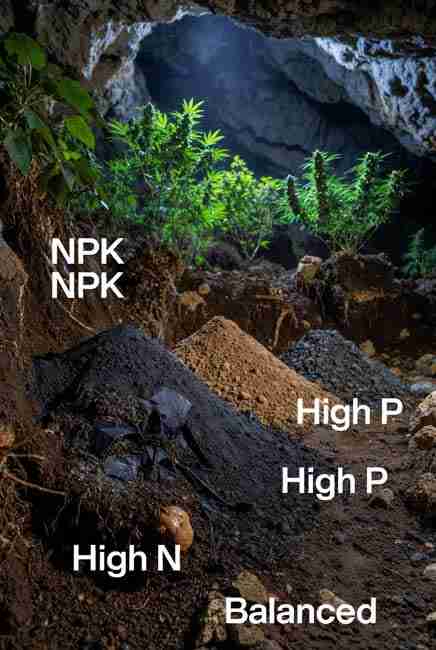
Lastly, there’s balanced bat guano, a mix that hovers around 7-7-7 NPK. Versatile as heck, use it throughout the grow cycle if you’re keeping things simple. But hey, always check the label; some brands process it differently, adding extras like seabird guano for a hybrid boost. In bat guano cannabis cultivation, picking the right type is like choosing the perfect tool for the job—get it wrong, and your plants might sulk.
Sourcing Quality Bat Guano for Your Grow
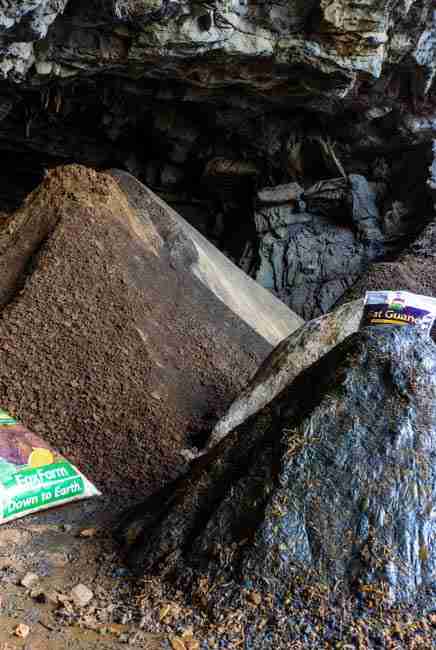
Sourcing matters big time. Cheap, unaged guano can burn your roots or introduce pathogens—yikes! Look for organic, cave-harvested stuff that’s been composted for at least a year. Brands like Down to Earth or FoxFarm offer reliable options. If you’re eco-conscious, opt for sustainably sourced bat guano to avoid depleting bat habitats. A quick tip: smell it—if it’s ammonia-heavy, it’s too fresh and could scorch your cannabis. Fresh guano is like that over-eager friend who hugs too tight; aged is smooth and welcoming.
Why Use Bat Guano in Cannabis Cultivation?

Now, let’s get to the juicy part: why bother with bat guano cannabis cultivation? Simple—it’s a natural booster that makes your plants thrive without the harsh chemicals. In a world where synthetic fertilizers can leave your soil barren over time, bat guano builds it up. It’s like giving your cannabis a home-cooked meal instead of fast food.
For starters, bat guano is chock-full of macronutrients: nitrogen for green growth, phosphorus for strong roots and flowers, and potassium for overall health. But it doesn’t stop there—trace elements like calcium, magnesium, and iron sneak in, preventing deficiencies that turn leaves yellow or spotty. Ever had a plant with curling leaves? Bat guano could be your fix, providing that balanced nutrition.

Moreover, it’s alive with microbes. These tiny helpers break down organic matter, making nutrients available right when your cannabis needs them. In cannabis growing bat guano, this means healthier roots, better water uptake, and resistance to pests. Story time: I once knew a grower in Colorado who switched to bat guano mid-grow. His yields jumped 20%, and the buds were stickier than honey. Why? Those microbes created a symbiotic relationship, like best buds helping each other out.
However, it’s not just about yield; flavor shines too. Organic grows with bat guano often produce terpene-rich cannabis, giving that pungent, flavorful smoke. Synthetic feeds can mute those aromas, but bat guano lets them sing.
The Pros and Cons of Bat Guano in Your Cannabis Garden
Pros? Let’s list ’em out:

- Organic and Sustainable: No chemicals, better for the planet and your health.
- Slow-Release Nutrients: Feeds plants gradually, reducing burn risk.
- Boosts Soil Life: Enhances microbial activity for long-term soil health.
- Versatile: Works in soil, coco, or even hydro (as a tea).
- Improves Flavor and Potency: Leads to premium buds.
Cons, though—fair is fair:

- Costly: Premium bat guano ain’t cheap; expect to pay more than synthetics.
- Messy to Handle: Powdery and smelly during application.
- Pathogen Risk: If not properly aged, it could harbor nasties like histoplasmosis (a lung thing from spores—wear a mask!).
- Inconsistent Quality: Varies by source, so test small batches.
- Slower Results: Not as quick as chemical boosters; patience is key.
Specifications-wise, aim for guano with low heavy metals—check for lab tests. pH is usually neutral to slightly alkaline, around 6.5-7.5, ideal for cannabis.
Real-Life Examples from Cannabis Growers

Take Jake, a newbie grower in California. He started with basic soil but his plants lagged. Adding bat guano tea weekly? Boom—vigorous veg stage, fat colas in flower. Or Sarah in Oregon, battling nutrient lockout. Switching to high-P guano fixed her blooms, turning sparse buds into dense nuggets. These stories show bat guano cannabis cultivation isn’t hype; it’s tried-and-true.
How to Use Bat Guano for Your Cannabis Plants

Ready to roll up your sleeves? Using bat guano in cannabis cultivation is straightforward, but do it right to avoid mishaps. First, decide on form: powder for mixing into soil, or make teas for foliar sprays/top dressing.
Start small—overdo it, and you’ll fry roots. For seedlings, skip it; they’re too tender. In veg, mix 1-2 tablespoons per gallon of soil. Flower? Up the phosphorus type.
Step-by-Step Application Methods

Here’s a handy list of steps for incorporating bat guano:
- Soil Amendment: Before planting, blend 1/4 cup per cubic foot of soil. Water well to activate.
- Top Dressing: Sprinkle on soil surface mid-grow, then scratch in lightly. Water to let it seep.
- Compost Tea: Brew 1 tablespoon in a gallon of dechlorinated water for 24-48 hours with an airstone. Strain and apply.
- Foliar Spray: Dilute tea further (1:10) and mist leaves in early morning—boosts uptake without burn.
- Hydro Integration: Use teas sparingly in reservoirs; monitor EC to avoid spikes.
Pro tip: Always pH your water to 6.0-6.5 for optimal absorption in bat guano cannabis cultivation.
Dosage Guide Table for Different Growth Stages
| Growth Stage | Bat Guano Type | Dosage per Gallon Soil/Water | Frequency | Notes |
|---|---|---|---|---|
| Vegetative | High-N (10-3-1) | 1-2 tbsp mixed in soil | Every 2 weeks | Promotes leafy growth; avoid over-nitrogen for stretchy plants. |
| Early Flower | Balanced (7-7-7) | 1 tbsp top dress | Weekly | Transitions smoothly; watch for P buildup. |
| Late Flower | High-P (3-10-1) | 2 tbsp as tea | Every 10 days | Boosts bud swell; flush before harvest. |
| Seedling | None/ Very Dilute | 1/2 tsp tea if needed | Once | Too strong otherwise; use sparingly. |
| Overall Maintenance | Any | 1 tsp foliar | Bi-weekly | Enhances microbes; great for pest resistance. |
This table keeps things punchy—adjust based on your strain’s needs in cannabis growing bat guano.
Common Mistakes and How to Fix Them

Oops, over-applied? Flush with plain water. Under-dosing? Your plants will tell you with pale leaves—bump it up gradually. In hot climates, guano dries soil faster, so water more. Cold? It breaks down slower, so compost first.
Potential Drawbacks and Solutions in Bat Guano Cannabis Cultivation
We touched on cons, but let’s expand. Odor is a biggie—bat guano smells earthy, like a damp forest floor. Solution? Use in well-ventilated spaces or mask with carbon filters.
Pathogens? Always buy from reputable sources and wear gloves/masks when handling. If you’re immunocompromised, skip it altogether.
Nutrient imbalance? Test soil pH regularly; guano can alkalinize over time. Pair with acidic amendments like pine bark.
On the flip side, combining with worm castings or compost amps up benefits, creating a super-soil for cannabis.
Related Organic Amendments to Pair with Bat Guano
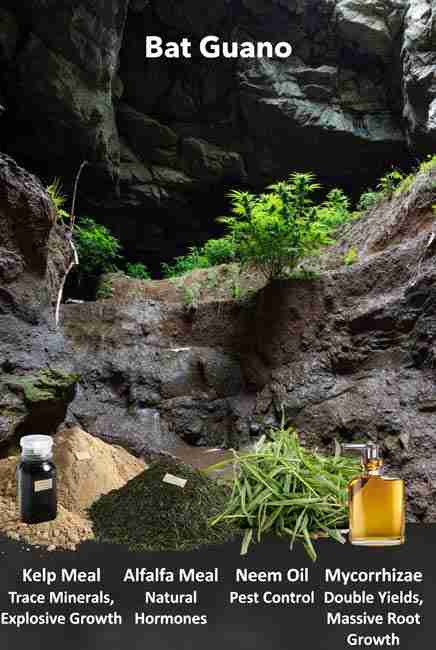
Why stop at bat guano? In cannabis cultivation, mix it with kelp meal for trace minerals—your plants will thank you with explosive growth. Or alfalfa meal for natural hormones. Think ecosystem: bat guano provides the base, others fill gaps.
For pest control, neem oil pairs well, as guano-boosted plants resist better. In hydro, add to teas for organic twists.
Story: A grower in BC blended bat guano with mycorrhizae—roots exploded, yields doubled. Experiment, but track results.
FAQ: Your Burning Questions on Bat Guano Cannabis Cultivation
What is bat guano and how does it help in cannabis cultivation?
Bat guano is aged bat droppings, rich in nutrients like NPK. In cannabis growing bat guano, it feeds plants organically, boosts microbes, and enhances bud quality.
Is bat guano safe for beginners in cannabis growing?
Absolutely! Start with small doses in bat guano cannabis cultivation. It’s forgiving, but read labels to avoid burns.
Can I use bat guano in hydroponic cannabis setups?
Yes, as teas. In cannabis growing bat guano, it adds organics without clogging systems—monitor pH closely.
What’s the difference between high-N and high-P bat guano for cannabis?
High-N for veg growth in bat guano cannabis cultivation; high-P for flowering buds. Match to stages for best results.
How often should I apply bat guano to my cannabis plants?
Every 1-2 weeks, depending on stage. In cannabis growing bat guano, overdoing leads to issues—observe your plants.
Does bat guano improve the taste of cannabis buds?
You bet! It ramps up terpenes in bat guano cannabis cultivation, leading to flavorful, aromatic harvests.
Can bat guano cause nutrient burn in cannabis?

If overused, yes. Dilute properly in cannabis growing bat guano and flush if needed.
Wrapping up, bat guano cannabis cultivation is your ticket to lush, potent plants. It’s natural, effective, and fun to experiment with. Give it a whirl—your cannabis will bloom like never before.