What does Epsom salt do for cannabis plants?

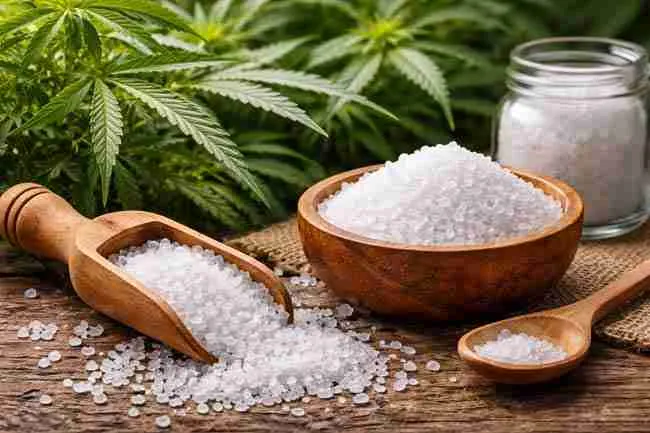
You’ve got a cannabis plant that looks “off.” Leaves fade between the veins. Tips curl. Growth slows down like it hit mud. You hear people say, “Just use Epsom salt,” and you wonder what Epsom salt cannabis plants even means in real life.
Here’s the straight truth: Epsom salt is magnesium sulfate. It feeds your plant magnesium (Mg) and sulfur (S)—two nutrients your plant needs to build green leaves, move energy, and stack healthy growth. It doesn’t magically “boost buds” by itself, but it can fix a very real problem fast when you actually need Mg or S.
If you treat it like a cure-all, you’ll cause new problems. If you use it like a tool—with timing, dose, and pH in mind—you’ll save a grow that would’ve limped to harvest.
Epsom salt in kid-simple terms: what magnesium and sulfur actually do

Think of your plant like a little factory.
Magnesium: the “green engine” nutrient
Magnesium sits at the center of chlorophyll—the green stuff in leaves. If your plant can’t make enough chlorophyll, it can’t “eat” light well.
Magnesium helps your plant:
- Keep leaves green and working
- Convert light into plant energy
- Move sugars from leaves to roots and flowers
- Handle stress better (heat, intense light, heavy feeding)
When magnesium runs low, your plant often shows it first on older leaves because the plant steals magnesium from them to feed new growth.
Sulfur: the “smell and build” nutrient
Sulfur helps build proteins and enzymes. It also plays a role in the compounds tied to smell and overall plant metabolism.
Sulfur helps your plant:
- Build strong growth and structure
- Support enzyme action (plant chemistry)
- Contribute to healthy terpene development indirectly (through overall vigor)
When sulfur runs low, you may see new growth look pale or weak because sulfur doesn’t move around the plant the same way magnesium does.
So when someone asks what Epsom salt do for cannabis plants, the honest answer is: it supplies magnesium and sulfur, and that can quickly correct deficiencies or support nutrition when your base feed runs short.
How do you know if your cannabis plant has magnesium deficiency?
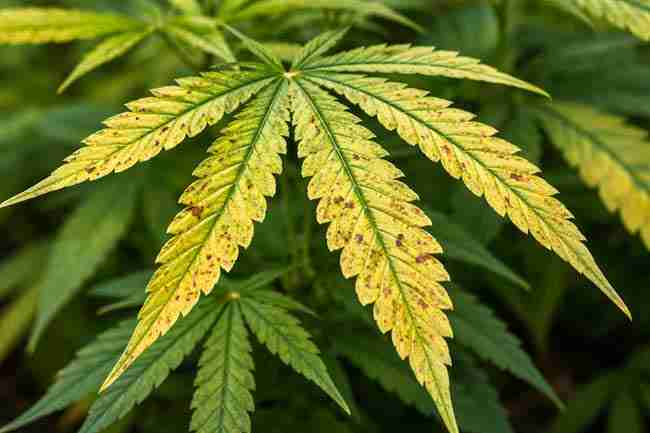
You don’t want guesswork here. You want a clean read, because magnesium problems often look like other problems.
The classic magnesium deficiency signs (what you’ll actually see)
You usually notice these signs:
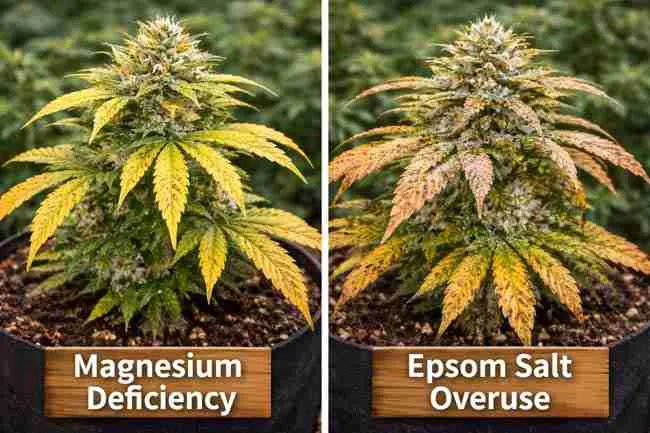
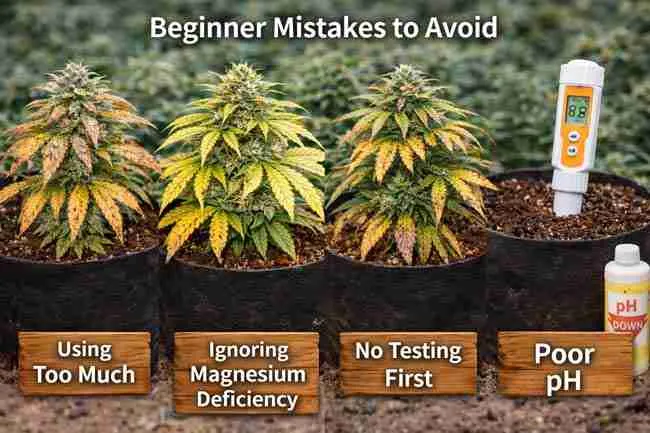
- Yellowing between leaf veins on older leaves (veins stay greener)
- Rusty spots or speckling as it worsens
- Leaf edges curling upward sometimes
- Slow growth and less “push” in veg
- Weak flowering energy (plant looks tired)
Magnesium deficiency often shows up when:
- You run intense LED lighting (higher demand)
- You feed heavy potassium (K can block Mg uptake)
- Your root-zone pH drifts out of range
- You use very soft water (low calcium/magnesium)
The sneaky part: lockout vs true deficiency
Sometimes your nutrients sit in the pot, but your plant can’t drink them. That’s lockout. It happens when pH or salt buildup blocks uptake.
Before you dump Marijuana Epsom Salt into everything, check these:
- Runoff pH (or root-zone pH if you measure properly)
- EC/ppm runoff (if you track it)
- Overwatering patterns (wet roots can’t uptake well)
- Recent feed changes (especially heavy bloom boosters)
Quick comparison table: magnesium deficiency vs lookalikes
| Problem | Where it shows first | What it looks like | Common cause | What fixes it fastest |
|---|---|---|---|---|
| Magnesium deficiency | Older leaves | Yellow between veins, veins stay green, rust spots later | Low Mg, high K, pH drift, strong light | Epsom salt at correct dose + correct pH |
| Nitrogen deficiency | Older leaves | Whole leaf fades evenly yellow | Not enough N, long veg, weak feed | Increase base nutrients (not Epsom) |
| Iron deficiency | New growth | New leaves turn pale/yellow, veins may stay greener | High pH, poor micronutrient uptake | Fix pH, add micronutrients (not Epsom) |
| Potassium issues | Mid/older leaves | Edge burn, scorched margins, brittle leaves | Too much/too little K, salt stress | Fix feed balance, manage EC |
| Calcium issues | New growth | Twisted new leaves, spots, weak stems | Low Ca, pH issues, inconsistent watering | Add Cal-Mag, stabilize watering |
If you see interveinal yellowing on older leaves, magnesium jumps to the top of the suspect list. Then you confirm it with pH and feeding context.
When should you add Epsom salt to plants?
Timing matters. You don’t use Epsom salt like ketchup—on everything, whenever.
Best times to use Epsom salt (when it actually makes sense)
You should consider Epsom salt cannabis plants use when:
- You spot early magnesium deficiency signs
- You run RO/very soft water and your program lacks Mg
- You push strong LEDs and your plant demands more Mg
- You grow in coco and you don’t manage Ca/Mg properly
- You see deficiency after a heavy potassium bloom push
Stage-by-stage timing that works
Veg stage
Veg plants build leaves fast. If Mg runs low here, your plant loses momentum. Use Epsom salt when you see early interveinal yellowing or you know your water/feed lacks magnesium.
Early flower (weeks 1–4)
Your plant stretches and builds lots of tissue quickly. Mg demand stays high. This stage often triggers the first obvious Mg deficiency in LED grows.
Mid flower (weeks 4–7)
Use Epsom salt only if you truly see deficiency or your feed plan lacks Mg. Don’t “stack” random supplements just because buds form.
Late flower (final 2–3 weeks)
Be careful. Late flower already runs sensitive. If you add salts late, you can worsen harshness or imbalance. Only correct a real deficiency, and keep it mild.
How often should I Epsom salt cannabis?
This depends on your grow style. Soil, coco, and hydro don’t behave the same.
The safe, beginner-friendly rule
If you use Epsom salt for a deficiency correction, treat it like a short course, not a forever habit.
- Correct the issue
- Watch new growth improve
- Stop dosing once the plant stabilizes
Frequency guidelines by grow medium
Soil grows
Soil holds nutrients longer and buffers changes.
- For deficiency correction: 1 time per week for 1–2 weeks, then reassess.
- For ongoing low-Mg water: light dose every 2–4 weeks (only if you truly need it).
Coco grows
Coco tends to “eat” calcium and magnesium, and plants can show Mg issues quickly.
- For correction: once per week until new growth looks healthy.
- For maintenance: many coco growers rely on a proper Cal-Mag product instead of Epsom alone, because plants often need both calcium and magnesium in coco.
Hydro grows
Hydro responds fast. It also punishes mistakes fast.
- For correction: adjust reservoir Mg carefully and monitor EC.
- Don’t dump Epsom in blindly—measure and change slowly.
Can Epsom salt improve flower blooming?
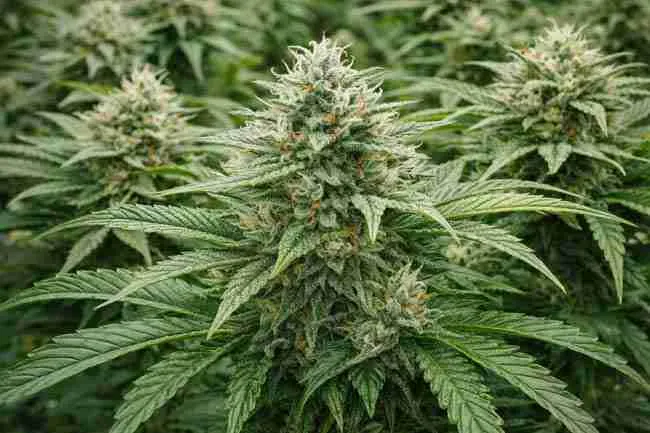
It can improve blooming if magnesium deficiency limits your plant. That’s the honest answer.
What Epsom salt can do for flower development
If your plant lacks Mg during flower, it can’t run its “leaf engines” well. Leaves power flower growth. When leaves fail, bud building slows down.
So Epsom salt can:
- Restore leaf function so your plant can push energy into flowers
- Reduce stress-related leaf fade when deficiency causes it early
- Support healthier metabolism during heavy flowering demand
What Epsom salt can’t do (don’t fall for the myth)
It won’t:
- Turn weak genetics into monsters
- Replace proper bloom nutrients
- Fix overwatering, bad pH, root rot, or heat stress
If your plant already eats well and stays balanced, extra Epsom salt won’t “bloom boost” it. It’ll just raise salts and risk imbalance.
Can I put Epsom salt directly on soil?
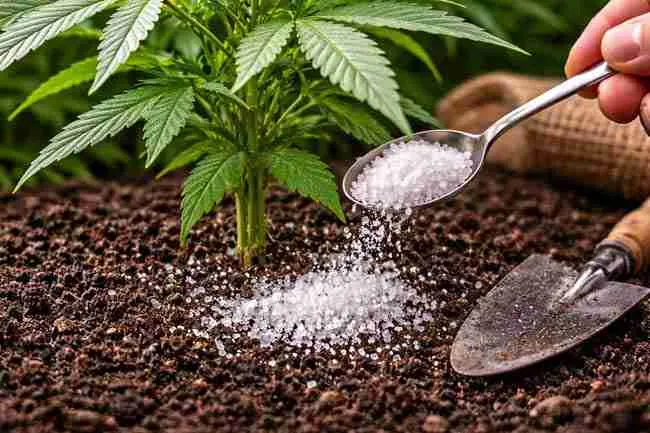
You can, but you usually shouldn’t.
Why direct-to-soil causes trouble
If you sprinkle dry Epsom salt on top of soil:
- It can create hot spots (too salty in one area)
- It can burn fine roots near the top layer
- It dissolves unevenly, so dosing gets sloppy
The better way in soil
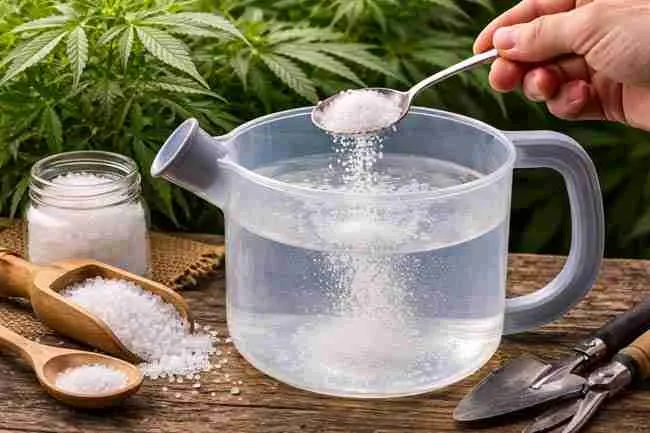
Dissolve it in water first. Then apply evenly. Your plant gets a consistent dose, and you avoid salt pockets.
If you insist on top-dressing, keep it tiny and water it in thoroughly. Most beginners do better with the dissolve-first method.
The best ways to apply Epsom salt to cannabis plants
You’ve got three main routes: foliar spray, root drench, or hydro reservoir.
Foliar spray (fastest visible response)

Foliar feeding means you spray leaves. Leaves can uptake magnesium quickly, so you often see improvement sooner than with soil feeding.
Foliar specifications (beginner-safe):
- Dose: 1 teaspoon per gallon (about 5 grams per 3.8 L)
- Spray time: lights off or dim, cool temps
- Coverage: mist tops and undersides lightly (don’t soak)
- Frequency: every 3–5 days, up to 2–3 sprays, then stop and reassess
Real-life example:
You notice older fan leaves showing that “yellow between veins” look. You mix a mild foliar spray, hit the plant, and—bam—new growth looks healthier within a week. Old damaged leaves won’t turn perfect again, but the plant stops sliding downhill.
Root drench (steady correction)
A root drench works well when you want a longer correction and you don’t want to spray.
Soil/coco drench specifications:
- Dose: 1 teaspoon per gallon for correction
- Frequency: once per week for 1–2 weeks
- Watering style: apply like a normal watering, not a flood
If you already feed bottled nutrients, don’t stack Epsom salt on top of a feed that already contains magnesium unless you confirm a deficiency.
Hydro reservoir dosing (measured and controlled)
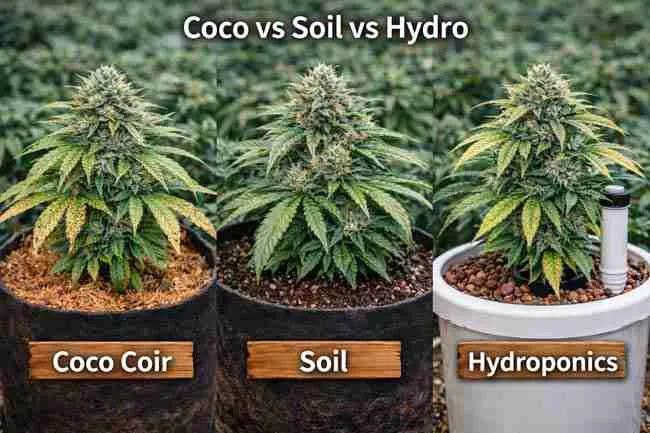
Hydro growers should treat Epsom salt like a precise input.
Hydro approach:
- Add small amounts, mix fully, re-check EC
- Watch for magnesium levels in your nutrient schedule
- If you run RO water, build a complete base profile (Mg matters)
If you don’t measure EC and you don’t understand your nutrient profile, you’ll do better using a complete hydro nutrient line that already includes magnesium.
Epsom salt dosage specifications that won’t wreck your grow
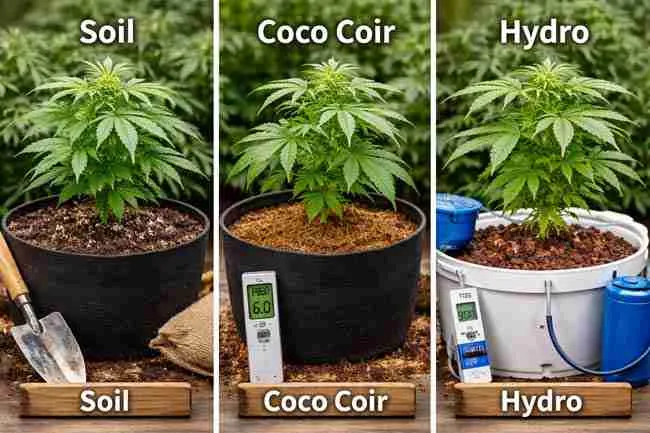
This is where most people mess up. They go heavy. They chase quick fixes. They create new problems.
Standard mixing conversions (so you don’t guess)
- 1 teaspoon Epsom salt ≈ 5 grams
- 1 tablespoon Epsom salt ≈ 15 grams
Dosing table for Epsom salt cannabis plants (practical and safe)
| Grow style | Goal | Dose | Frequency | Notes |
|---|---|---|---|---|
| Soil | Fix Mg deficiency | 1 tsp/gal (5g/3.8L) | Weekly, 1–2 times | Check pH and runoff first |
| Soil | Mild support (only if needed) | 1/2 tsp/gal | Every 2–4 weeks | Don’t stack with Mg-rich feeds |
| Coco | Fix Mg deficiency | 1 tsp/gal | Weekly until stable | Coco often needs Ca too—watch balance |
| Coco | Ongoing low-Mg water | 1/2 tsp/gal | Weekly or biweekly | A proper Cal-Mag may fit better |
| Hydro | Fix deficiency | small, measured adds | Adjust reservoir | Measure EC; don’t guess |
| Foliar | Fast correction | 1 tsp/gal | Every 3–5 days, 2–3 sprays | Spray with lights off; avoid soaking buds |
A simple “don’t overdo it” rule
If your plant improves, stop dosing. More doesn’t mean better. More means imbalance.
pH and nutrient lockout: the real reason Mg “vanishes”
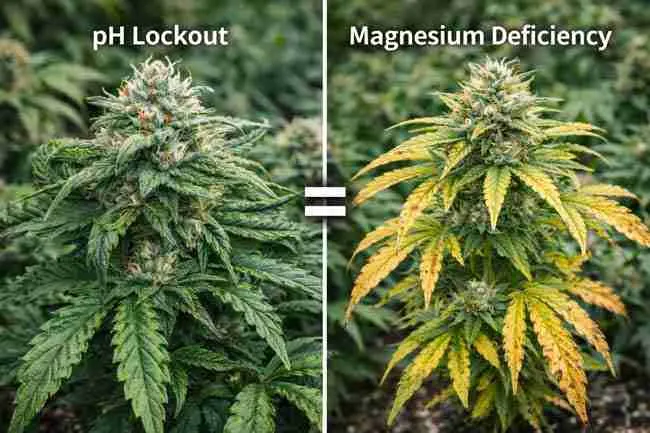
You can feed magnesium perfectly and still watch deficiency signs grow if pH drifts.
Soil pH targets (general)
- Aim around 6.2–6.8 in soil.
Coco/hydro pH targets (general)
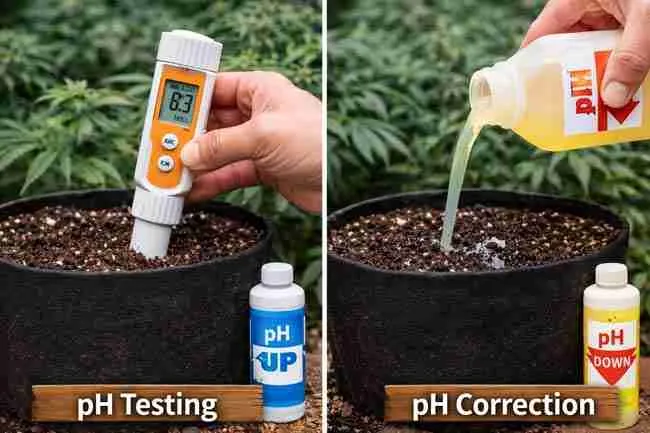
- Aim around 5.7–6.2 in coco/hydro.
When pH goes off, the roots can’t uptake what you feed. That’s like putting dinner on the table and locking the kitchen door. Your plant still starves.
Also, watch potassium. Heavy bloom boosters can block magnesium uptake. If you push K hard, you often need better Mg management—not more random supplements.
Common mistakes when using Epsom salt (avoid these like a pothole)
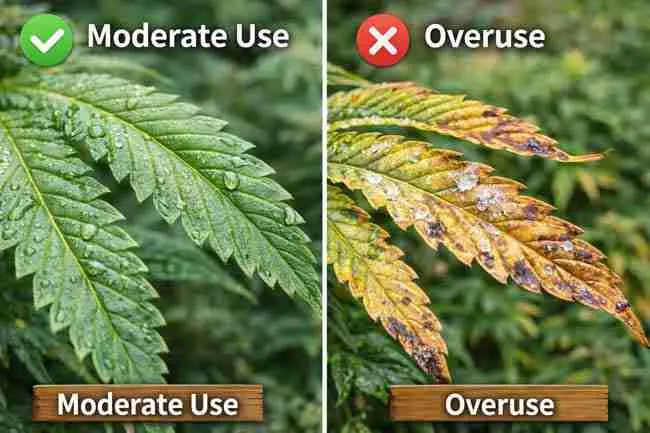
Here’s the list that saves you headaches:
- You add Epsom salt without confirming magnesium deficiency.
- You ignore pH and blame everything on “needing Cal-Mag.”
- You spray foliar under strong light and burn leaves.
- You spray buds late in flower and invite moisture problems.
- You dose too often and raise salt levels in the root zone.
- You treat Epsom salt like a bloom booster instead of a correction tool.
- You forget that coco often needs calcium and magnesium together.
- You try to fix overwatering with nutrients (won’t work, not even a little).
Pros and cons of using Epsom salt cannabis plants
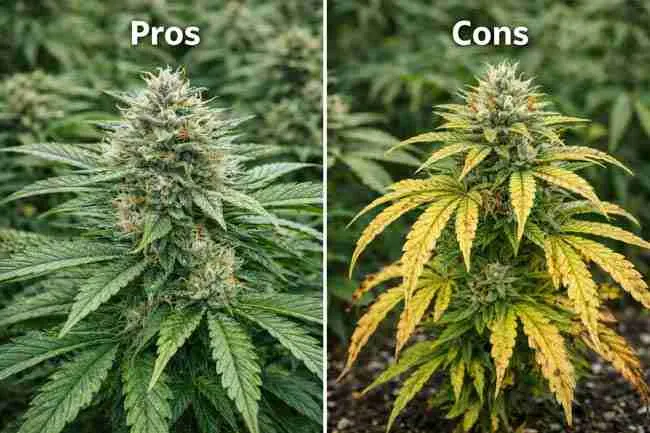
You want the good and the bad, straight up.
Pros
- Cheap and accessible (easy to find)
- Fast correction for magnesium deficiency (especially foliar)
- Simple ingredient (magnesium sulfate, no mystery blend)
- Helps stabilize plants under strong LED demand when Mg runs low
Cons
- Easy to misuse and cause imbalance
- Doesn’t supply calcium (and many grows need Ca + Mg balance)
- Can increase salt buildup if you overapply
- Won’t fix pH lockout, root problems, or poor watering habits
- Late-flower misuse can hurt quality if you chase fixes too aggressively
How to build a simple Epsom salt plan that actually works
You don’t need a fancy system. You need a repeatable process.
Step-by-step: the “clean correction” method
- Identify symptoms (older leaves with interveinal yellowing).
- Check the basics (watering, root health, pH trends).
- Choose application:
- Fast help: foliar spray
- Steady help: root drench
- Dose correctly (stick to 1 tsp/gal for correction).
- Watch new growth, not old leaves.
- Stop when stable and return to your normal balanced feed.
This approach keeps you from chasing your tail.
FAQ: Epsom salt cannabis plants (and the questions growers really ask)
Is Epsom salt the same as Cal-Mag?
No. Epsom salt supplies magnesium and sulfur. Cal-Mag products supply calcium and magnesium (often with nitrogen and iron too). If your grow needs calcium, Epsom salt won’t cover it.
Can I use Epsom salt every watering?
You can, but you shouldn’t unless you run a measured program and you know your nutrient profile. Most beginners overdo it and create salt stress. Use it as a correction or light support only when needed.
Will Epsom salt fix yellow leaves overnight?
It won’t make old leaves perfect again. You should watch new growth improve. Foliar sprays can show improvement faster than drenches, but you still need days, not minutes.
Should you use Epsom salt in organic soil?
You can, but use it carefully. Organic soil relies on biology and balanced minerals. If you constantly add magnesium sulfate, you can skew the soil’s mineral ratios. In living soil, many growers prefer slow, balanced amendments and only use Epsom salt for clear deficiencies.
Can Epsom salt burn cannabis plants?
Yes—too much can burn roots or leaves, especially as a strong foliar spray or heavy soil dose. Stick to the dosing specs and don’t spray under strong light.
Does Epsom salt help with curling leaves?
Sometimes. If magnesium deficiency contributes to stress, correction can help. But curling also comes from heat, light intensity, overwatering, and wind stress. Diagnose first.
What’s the best foliar recipe for magnesium deficiency?
Use 1 teaspoon per gallon of water, spray with lights off, and repeat every 3–5 days up to 2–3 sprays. Then stop and reassess.
Can Epsom salt improve terpene smell?
Indirectly. A healthier plant tends to express better aroma. But Epsom salt doesn’t act like a terpene potion. It fixes magnesium/sulfur limits so the plant can run properly.
If you grow in coco, should you choose Epsom salt or Cal-Mag?
Many coco grows do best with a balanced Cal-Mag approach, because coco commonly triggers both calcium and magnesium issues. Use Epsom salt when you confirm magnesium deficiency specifically and you already manage calcium well.