What are ruderalis cannabis seeds? Are they Important?


If you’ve ever looked at cannabis seeds and thought, “Hang on, what on earth is ruderalis?” you’re not alone. Ruderalis cannabis seeds don’t get the same loud spotlight as indica or sativa seeds. They’re more like the quiet kid in class who ends up being really, really important.
And yep, they matter.
Ruderalis is one of the big reasons modern autoflowering cannabis seeds exist. Without ruderalis genetics, many popular autoflower types wouldn’t be what they are today. So, even if you’ve never searched for ruderalis marijuana seeds, ruderalis seeds, or ruderalis weed seeds before, you’ve probably heard about their biggest gift to the cannabis world: the autoflowering trait.
Now, before we go further, here’s the plain talk. Cannabis laws are different everywhere. Some places allow seeds as souvenirs or collector items. Some places allow growing. Some don’t. So, always check your local rules before buying, keeping, or using cannabis seeds. Better safe than sorry, right?
With that said, let’s break this down in simple English.
What are ruderalis cannabis seeds?
Ruderalis cannabis seeds are seeds connected to Cannabis ruderalis, a hardy type of cannabis that first became known for surviving in rough places.
Think of ruderalis like the scrappy little plant that grows where other plants say, “Nope, I’m out.” It’s linked to colder regions such as parts of Russia, Central Asia, Eastern Europe, and Siberia. These areas can be harsh. Summers can be short. Weather can be moody. Soil may not be perfect. However, ruderalis learned how to keep going anyway.
That’s why people often call it tough, wild, and stubborn in a good way. If you like learning what’s inside seeds and why genetics matter, your site already has a helpful related guide on Cannabis Seed Anatomy 101: What’s Inside the Shell?.
The word “ruderalis” comes from “ruderal,” which is used for plants that grow in disturbed ground. That can mean roadsides, fields, waste areas, old lots, and rough soil. In other words, ruderalis didn’t grow up in a pampered garden. It grew up in the school of hard knocks.
And because of that, it developed some very special traits.
Why is ruderalis different from indica and sativa?
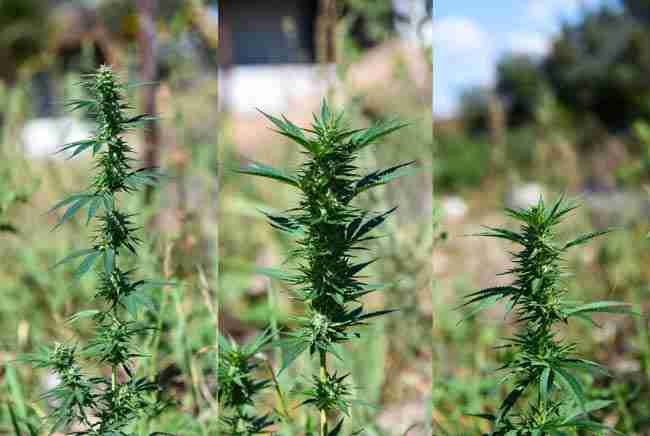
Most people know the words indica and sativa. Ruderalis is the third name that often gets left out at the dinner table.
Here’s the simple version:
- Sativa plants are often known for taller growth and longer, thinner leaves.
- Indica plants are often known for shorter, bushier shapes and broader leaves.
- Ruderalis plants are usually smaller, tougher, and known for flowering based on age instead of light changes.
That last part is the big deal.
Many traditional cannabis plants are called photoperiod plants. That means their flowering stage is tied to changes in light and dark hours. Ruderalis doesn’t play by that same rulebook. It can begin flowering because it reaches a certain age.
That trait is called autoflowering. If you’re comparing plant types from a beginner’s point of view, you may also enjoy What are the best medical marijuana strains for beginners?.
So, while ruderalis may not be the flashiest cannabis type by itself, it brought something huge to the table. Breeders saw that and thought, “Hold your horses, this little plant has something special.”
The simple story behind ruderalis

A small, wild cannabis plant is growing near a roadside in a cold region. The soil isn’t rich. The weather isn’t kind. The season is short. Bigger, fussier plants might not make it.
But ruderalis? It keeps moving.
It doesn’t wait around for perfect light. It doesn’t need everything to be just so. It has a built-in timer. When it’s old enough, it shifts into flowering mode.
That’s like a kid who doesn’t need a school bell to know when recess is over. The clock is inside them.
Because of this, ruderalis became very interesting to cannabis breeders. On its own, it usually had lower THC levels and smaller plant size. So, for a long time, people didn’t treat it like a superstar. But then breeders began crossing ruderalis with indica and sativa types.
And boom, autoflowering hybrids became a thing. For another angle on wild and natural cannabis ideas, see Wild‑Sown Cannabis: Letting Nature Be Your Breeder.
Are ruderalis cannabis seeds important?
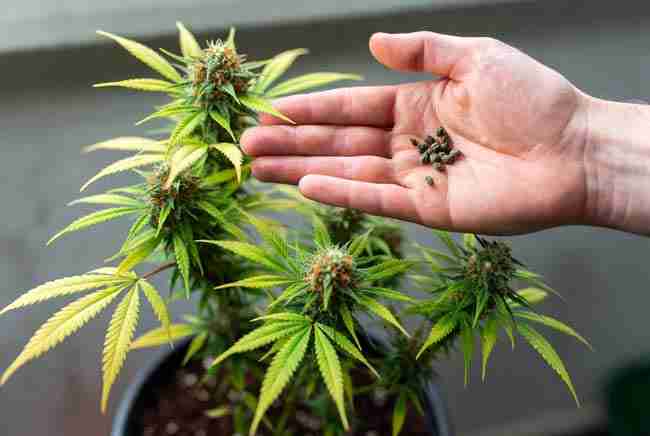
Yes, ruderalis cannabis seeds are important because ruderalis genetics helped create modern autoflowering cannabis seeds.
That’s the big answer.
Ruderalis may not always be the main character, but it’s the reason many autoflower varieties can do what they do. It gave breeders a natural autoflowering trait, plus toughness, speed, and compact structure.
Without ruderalis, the cannabis seed world would look very different.
When people search for ruderalis marijuana seeds, ruderalis seeds, or ruderalis weed seeds, they’re often trying to understand where autoflowering seeds come from. And that trail usually leads back to Cannabis ruderalis.
What does autoflowering mean?
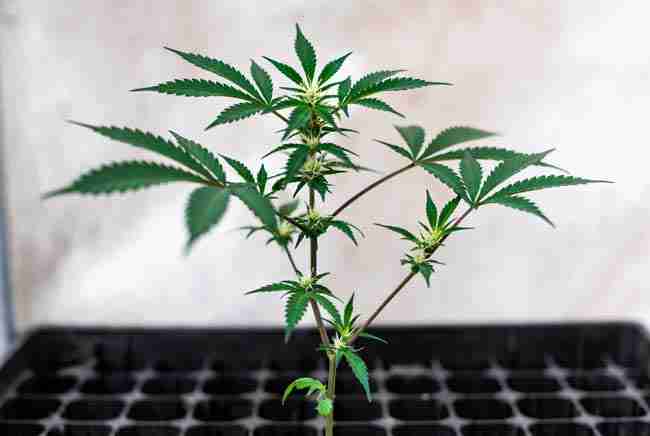
Autoflowering means the plant can begin flowering based on age rather than depending mainly on a change in daily light hours.
That’s the key.
Traditional photoperiod cannabis depends on light changes. Ruderalis carries genetics that allow flowering to happen more automatically. This made it useful in breeding because it added a kind of built-in timer.
Now, let’s keep this high-level and legal-friendly. This article isn’t a grow manual. It won’t tell you how to germinate seeds, set up lights, feed plants, or harvest anything. Laws vary too much for that, and you should always follow your local rules.
But as a learning point, autoflowering is the trait that made ruderalis famous.
Main specifications of ruderalis cannabis
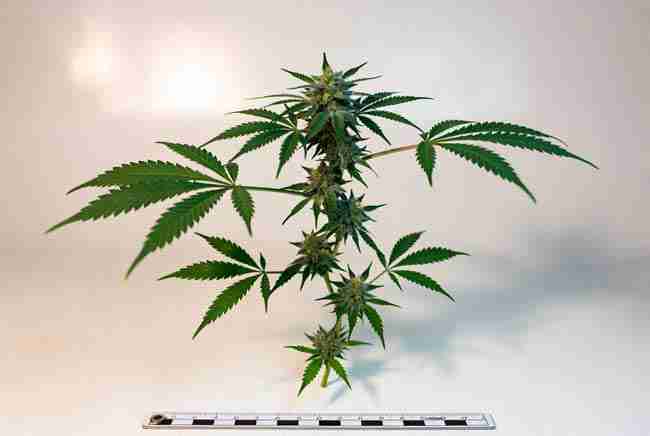
Here are the common traits linked with Cannabis ruderalis in plain English.
| Feature | Ruderalis trait |
| Typical size | Usually small and compact |
| Native background | Linked to Central Asia, Russia, Siberia, and Eastern Europe |
| Famous trait | Autoflowering ability |
| Flowering trigger | Age-based instead of mostly light-based |
| THC level | Traditionally low compared with many indica and sativa types |
| CBD level | Often discussed as having useful CBD potential, though it varies |
| Plant style | Hardy, rugged, and survival-focused |
| Breeding value | Important for autoflowering hybrids |
| Best known use | Adding autoflowering genetics to modern seed lines |
Pretty neat for a plant that used to be brushed off as wild roadside weed, huh?
Why breeders care about ruderalis seeds
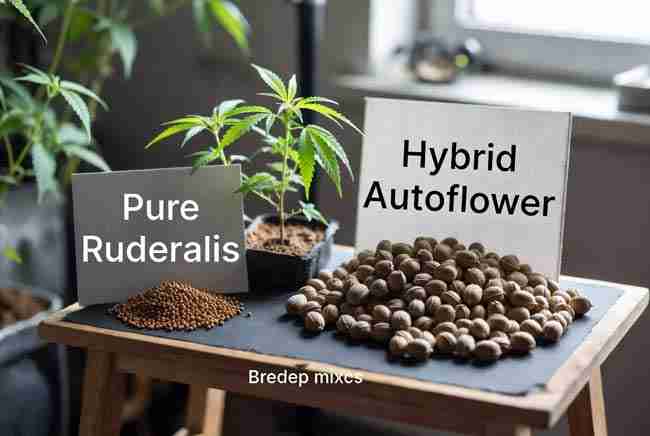
Breeders care about ruderalis seeds because they carry traits that can be mixed with other cannabis genetics.
Think of breeding like making a smoothie. One fruit gives sweetness. Another gives color. Another gives thickness. Ruderalis brings the “autoflowering” ingredient.
On its own, ruderalis may not always have the flavor, strength, or size people expect from modern cannabis varieties. However, when crossed with selected indica or sativa genetics, it can help create hybrids that keep desirable traits while also gaining the autoflowering feature.
That’s why ruderalis has become a foundation piece in the autoflower seed world. It’s not always the loudest name on the packet, but it’s often hiding in the family tree. Your related article on The Economics of Home Cannabis Seed Saving and Breeding in Legal Canadian Markets also fits nicely with this genetics topic.
Ruderalis vs autoflower seeds
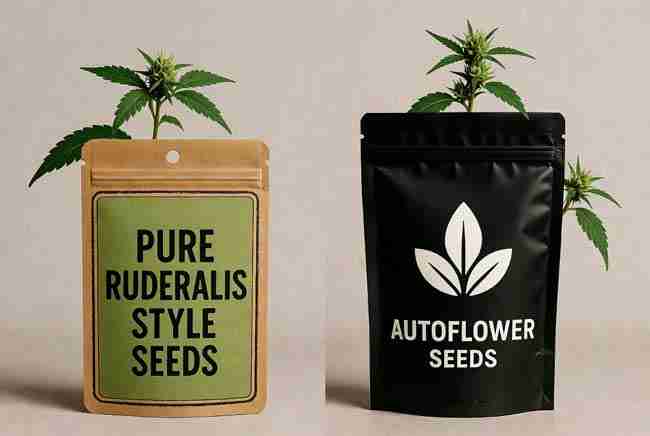
Here’s where people often get mixed up.
Ruderalis seeds and autoflower seeds are related, but they’re not always the exact same thing.
Ruderalis seeds refer to seeds with Cannabis ruderalis genetics. Autoflower seeds are modern seed types bred to flower automatically, often using ruderalis genetics mixed with indica or sativa genetics.
So, many autoflower seeds contain ruderalis genetics, but they may not be pure ruderalis.
That’s like saying every square is a rectangle, but not every rectangle is a square. Simple, but easy to trip over.
Modern autoflowers are usually hybrids. They may be bred for aroma, structure, cannabinoid profile, and other traits. Ruderalis brings the autoflower trait to the party.
Pros of ruderalis cannabis genetics
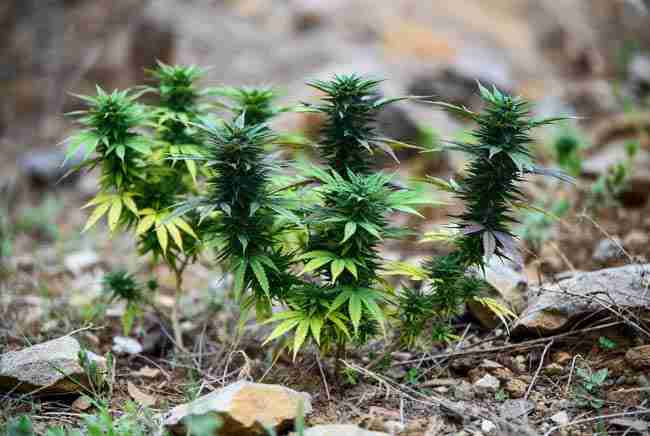
Ruderalis has some clear benefits, especially from a breeding and educational point of view.
1. Autoflowering ability
This is the big one. Ruderalis can flower based on age. That one trait changed the cannabis seed industry in a big way.
2. Tough natural background
Ruderalis came from rough climates and short seasons. Because of that, it’s often described as hardy and resilient. If you’re interested in resilience as a wider cannabis topic, the article on Stress-Testing Cannabis Genetics: Heat, Drought, and Light Leaks is a useful next read.
3. Compact plant structure
Ruderalis is usually smaller than many sativa and indica types. That compact nature helped breeders create smaller autoflowering hybrids.
4. Useful for breeding
By itself, ruderalis may not always be the star of the show. However, as breeding stock, it’s very useful. It helps pass on autoflowering genetics.
5. Beginner-friendly reputation
In legal places where cultivation is allowed, autoflowering genetics are often talked about as simpler than photoperiod types. Still, always follow local laws and trusted legal guidance.
Cons of ruderalis cannabis genetics
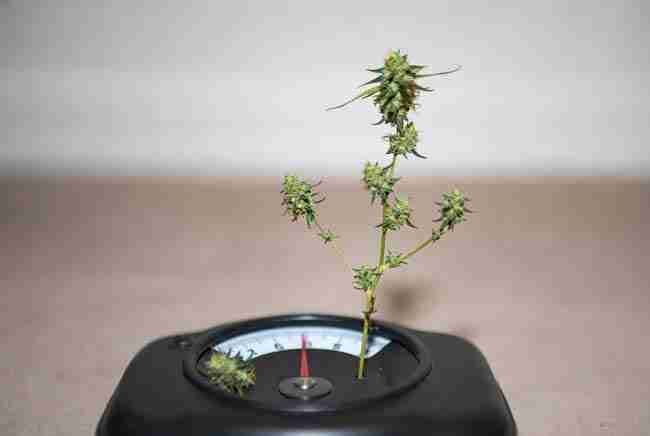
Now, it’s not all sunshine and rainbows. Ruderalis has drawbacks too.
1. Traditionally lower THC
Pure or landrace-style ruderalis is often known for lower THC levels than many modern indica or sativa varieties.
2. Smaller size
Small size can be a plus in some cases, but it can also mean less plant mass compared with larger cannabis types.
3. Less famous flavor and aroma
Ruderalis isn’t usually praised for loud, complex terpene profiles in the same way many modern hybrids are. For more background on aroma and plant compounds, see What is Natural Terpene Synergy?.
4. Less popular on its own
Most people want ruderalis genetics inside a hybrid, not pure ruderalis by itself.
5. Legal confusion
Seeds, plants, hemp, cannabis, THC limits, and local laws can get messy fast. Don’t assume something is allowed just because it has ruderalis in the name.
Are ruderalis marijuana seeds the same as hemp seeds?
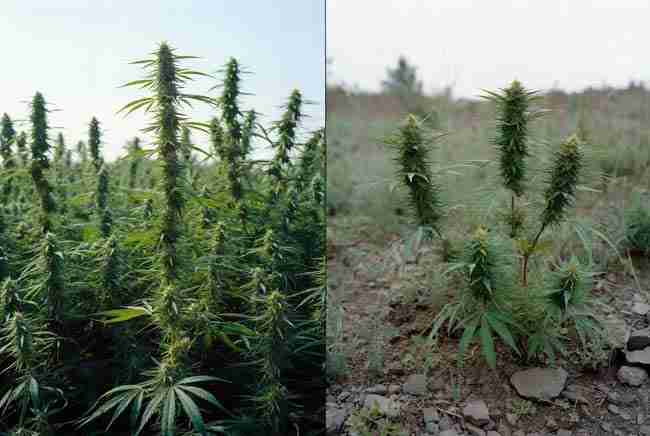
Not exactly.
Hemp is usually defined by legal THC limits and industrial use. In many places, hemp means cannabis with very low THC, often below a legal limit such as 0.3% THC. Hemp is used for fiber, seed oil, food products, textiles, and CBD products where legal.
Ruderalis is more about botanical traits and genetics, especially autoflowering.
There can be overlap because both may be low in THC, but they’re not the same thing. Hemp is usually a legal and industrial category. Ruderalis is a cannabis type or subspecies often discussed for its genetics.
In plain English: hemp is often about legal use and low THC. Ruderalis is often about wild survival traits and autoflowering genetics.
Why ruderalis weed seeds matter to beginners
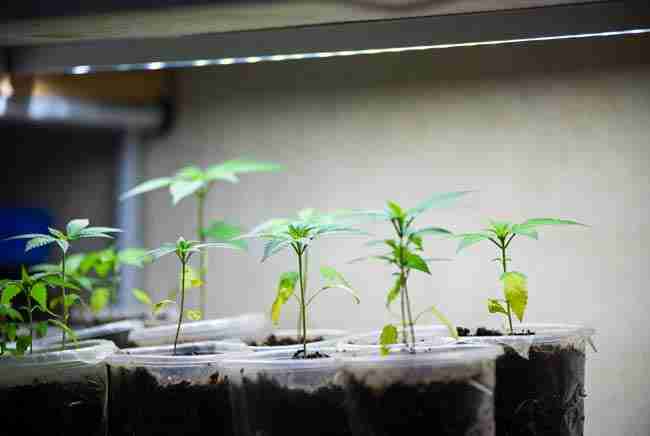
If you’re learning about cannabis plants, ruderalis helps explain why autoflower seeds exist.
You don’t need to be a breeder to understand the basics. Just remember this:
Ruderalis is important because it gave modern cannabis breeding a natural age-based flowering trait.
That’s the part beginners should lock in.
When you see autoflower seeds, think “ruderalis helped make that happen.” When you see a seed description mention ruderalis genetics, it usually means the breeder is pointing to autoflowering history.
It’s like seeing “yeast” in bread. You may not see it clearly when the bread is done, but it helped the whole thing rise.
Common myths about ruderalis cannabis seeds
There’s a lot of chatter online, and not all of it is spot on. So let’s clear up a few myths.
Myth 1: Ruderalis is useless
Nope. Ruderalis is very useful. It may not be the most popular cannabis type by itself, but its genetics are hugely important for autoflowering hybrids.
Myth 2: All ruderalis seeds are the same
Not true. Genetics vary. Seed quality, breeding history, and plant traits can differ a lot.
Myth 3: Ruderalis always means weak
Pure ruderalis is often linked with low THC, yes. However, modern autoflowering hybrids can be bred with many different profiles. The final result depends on the genetics.
Myth 4: Ruderalis is just another name for autoflower
Not quite. Ruderalis is the genetic source behind many autoflower traits, but modern autoflowers are usually hybrids.
Myth 5: Cannabis seed laws are the same everywhere
Absolutely not. Laws can change from country to country, state to state, and even city to city. Don’t wing it.
How to understand seed descriptions without getting lost

Seed descriptions can sound like a foreign language at first. You may see words like autoflower, feminized, photoperiod, CBD-rich, THC level, terpene profile, hybrid, indica-dominant, sativa-dominant, and ruderalis genetics.
Whew. That’s a mouthful.
Here’s a simple way to read them:
- Autoflower means the plant has age-based flowering traits.
- Ruderalis genetics usually means autoflowering heritage.
- Indica or sativa references often point to structure, background, or expected profile.
- Feminized means the seeds are bred to produce female plants, where legal.
- CBD-rich means the variety is bred with CBD in mind.
- THC level is about possible potency, but it can vary and may be regulated.
Again, this is educational, not growing advice. If you’re in a place where cannabis is regulated, follow local rules and official guidance. If you’re storing seeds legally as collectibles, your article How to Store Cannabis Seeds for 10+ Years Without Losing Viability is a strong related resource.
Ruderalis and CBD: what should you know?
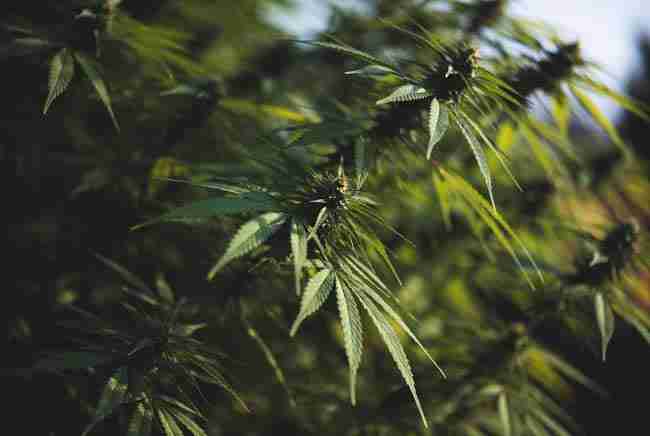
Ruderalis is often talked about as having lower THC and sometimes useful CBD traits. That’s one reason it gained attention in medical and wellness discussions.
However, don’t assume every ruderalis seed or ruderalis hybrid is high in CBD. Cannabinoid levels depend on genetics, breeding, testing, and legal limits. If CBD content matters to you, look for clear lab information from trusted sources where such products are legal.
Also, don’t treat cannabis or CBD as a cure-all. If you’re dealing with health problems, talk to a qualified medical professional. The internet can be helpful, but it’s not your doctor.
Why ruderalis became a quiet hero
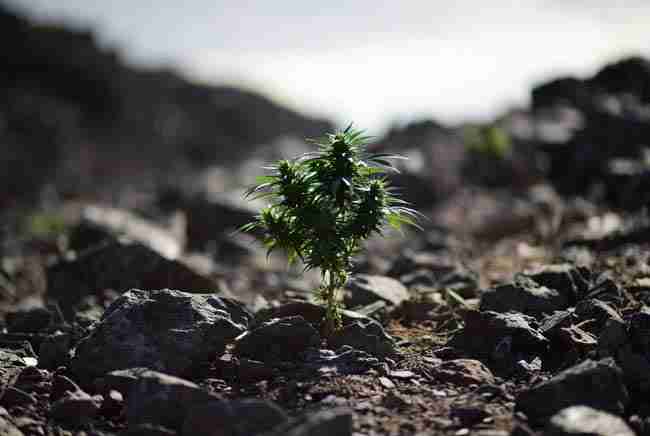
Ruderalis didn’t win people over by being big, flashy, or powerful. It won people over by being useful.
It survived hard places. It adapted. It flowered without waiting on the usual light signals. Then breeders used that trait to create new seed categories.
That’s why ruderalis is a quiet hero.
It’s not always the name people search first. But when they understand autoflowering seeds, they eventually bump into ruderalis. And when that happens, the light bulb turns on.
“Oh, so that’s why it matters.”
Exactly.
Should you care about ruderalis seeds?

Yes, you should care if you’re learning about cannabis genetics, seed types, or autoflowering varieties.
You don’t need to be a plant scientist. You just need the basics:
- Ruderalis is a hardy cannabis type.
- It’s linked to rough climates and short seasons.
- It’s usually small and tough.
- It’s famous for autoflowering.
- Its genetics helped shape modern autoflower seeds.
- Pure ruderalis is often less popular than ruderalis hybrids.
- Laws matter, so always check them first.
That’s the whole ball game.
Final thoughts: are ruderalis cannabis seeds important?

Yes, ruderalis cannabis seeds are important.
They may not have the same big-name fame as indica and sativa, but they changed cannabis breeding in a major way. Thanks to ruderalis genetics, autoflowering cannabis seeds became possible. That one trait made ruderalis a key piece of cannabis history.
So, when you hear people talk about ruderalis marijuana seeds, ruderalis seeds, or ruderalis weed seeds, don’t think of them as boring or second-rate. Think of them as the tough little engine behind a whole category of modern cannabis genetics.
Small plant, big impact.
And hey, sometimes that’s how it goes. The quiet one in the corner ends up changing everything.