Volcanic Rock Dust vs. Glacial Rock Dust: Which is Better for Terpenes?


So, you’ve been hearing a ton about volcanic rock dust and glacial rock dust and now you’re curious—what’s the big deal about these powdered rocks, anyway? Well, good news! You’re about to find out which one might just boost those beautiful terpenes in your cannabis garden. Grab a comfy seat because we’re diving deep into the wonderful world of rock dust.
What is Glacial Rock Dust?
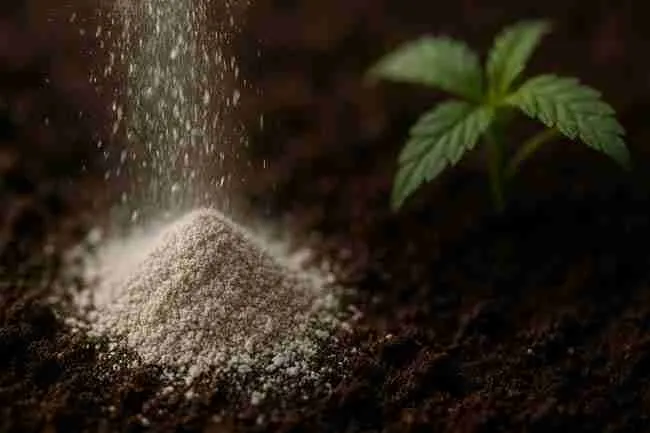
Imagine a massive glacier slowly crawling over mountains and valleys for thousands of years, grinding rocks into tiny, nutrient-rich dust. That’s exactly what glacial rock dust is—a fine, mineral-rich powder that’s perfect for your cannabis plants.
It’s packed full of minerals and trace elements such as calcium, magnesium, iron, potassium, and phosphorus. These nutrients are essential for strong cannabis plants that produce fantastic-smelling buds. The particles are tiny, making it easy for the plants to absorb nutrients quickly.
What is Volcanic Rock Dust?
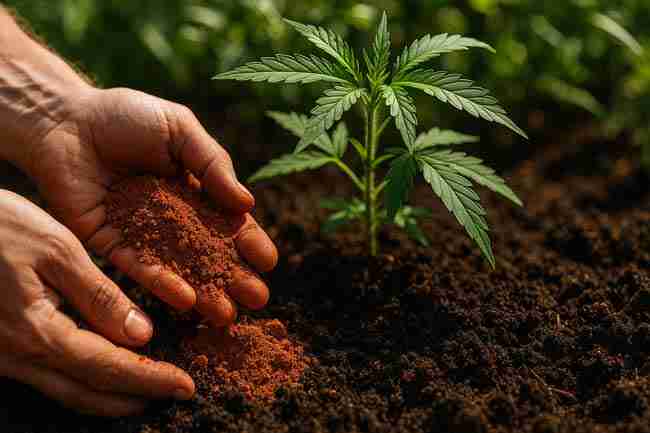
Volcanic rock dust is what you get when volcanic lava cools and breaks down into small particles. It’s kind of like nature’s supercharged fertilizer! Rich in minerals like silica, calcium, magnesium, and trace minerals, it helps improve your soil’s fertility and structure.
Volcanic rock dust is often called basalt rock dust. It boosts microbial activity in your soil, helping your cannabis plants absorb more nutrients and develop strong roots.
What are the Different Types of Rock Dust Used in Cannabis Gardening?

Rock dust comes in a few different forms. The main types are:
- Volcanic rock dust (Basalt): Rich in silica and trace minerals.
- Glacial rock dust: High mineral content from glacial activity.
- Azomite: Another mineral-rich rock dust mined from ancient deposits.
- Granite dust: Good for potassium and micronutrients.
Each has its own benefits, but volcanic and glacial rock dust are most popular for cannabis gardening.
What are the Benefits of Volcanic Rock Dust for Cannabis Growers?
Volcanic rock dust is awesome because:
- It enhances microbial life, helping cannabis absorb nutrients.
- Boosts root growth, giving your plants a sturdy base.
- Improves soil structure, making it fluffier and easier for roots to grow.
- Contains silica, which strengthens cell walls, making plants resistant to pests and diseases.
- Greatly enhances terpene production, boosting flavor and aroma.
What are the Benefits of Glacial Rock Dust for Cannabis Growers?

Glacial rock dust is your plant’s best friend because:
- It contains diverse minerals in easy-to-absorb forms.
- Boosts soil health and fertility, enhancing plant vigor.
- Encourages beneficial microbes, keeping roots happy.
- Slowly releases nutrients, providing consistent feeding.
- Increases terpene production, giving buds stronger aromas.
Volcanic Rock Dust vs. Glacial Rock Dust: Pros and Cons

Here’s a quick breakdown of pros and cons for each type:
Volcanic Rock Dust (Basalt)
Pros:
- Rich in silica.
- Boosts microbial activity.
- Rapid nutrient availability.
- Great for terpene enhancement.
Cons:
- Can be pricey.
- Easy to overuse.
Glacial Rock Dust
Pros:
- Rich in diverse minerals.
- Slow-release nutrients.
- Beneficial for long-term soil improvement.
- Improves overall plant health and terpene profiles.
Cons:
- Nutrients release slowly, not ideal for quick-fix issues.
What is the Best Rock Dust for Marijuana Gardening?
Honestly, it depends on your needs. For faster terpene enhancement, volcanic rock dust is best. However, if you’re after steady, long-term soil improvement, go with glacial rock dust—or even combine both for amazing results!
When to Use Glacial Rock Dust on Cannabis?

The best time is when you’re preparing your soil. Mix glacial rock dust into your soil before planting. You can also sprinkle it around the plants during vegetative growth for extra mineral support.
Can You Use Too Much Glacial Rock Dust When Growing Cannabis?

Absolutely! Like everything, moderation is key. Too much glacial rock dust can compact your soil and cause nutrient lockout. Stick to recommended dosages and you’ll avoid headaches.
Can You Use Too Much Volcanic Rock Dust When Growing Cannabis?
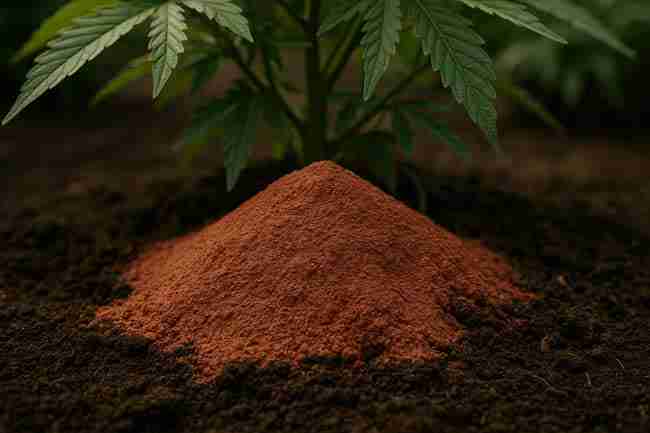
Yep, same deal here! Too much volcanic rock dust can create imbalances. Follow recommended amounts to ensure your plants stay happy and healthy.
Where Can I Get Glacial Rock Dust for Cannabis Growing?

Glacial rock dust is easy to find. Check local gardening centers, specialty cannabis grow shops, or online stores like Amazon, Etsy, or specialty organic gardening websites.
Where Can I Get Volcanic Rock Dust for Cannabis Growing?

Like glacial dust, volcanic rock dust is available at garden centers, grow stores, and online gardening sites. Look for products labeled “basalt rock dust.”
How Much of Each Should I Use in My Garden?

Use these guidelines for applying rock dust:
| Type | Amount per cubic foot of soil |
|---|---|
| Volcanic Rock Dust | 1–2 cups |
| Glacial Rock Dust | 2–4 cups |
Stick to these guidelines to get great results without going overboard.
Can I Use Either of These in My Growing Containers?

Absolutely! Rock dust works wonderfully in containers. Just mix it thoroughly into your potting mix before planting.
What are Cannabis Terpenes?

Terpenes are natural chemicals that cannabis plants produce, responsible for their unique aromas and flavors. Terpenes also have therapeutic effects, helping to relieve stress, anxiety, and pain. Examples include limonene (citrus), myrcene (earthy), and pinene (piney).
How Does Volcanic Rock Dust Affect Terpenes?
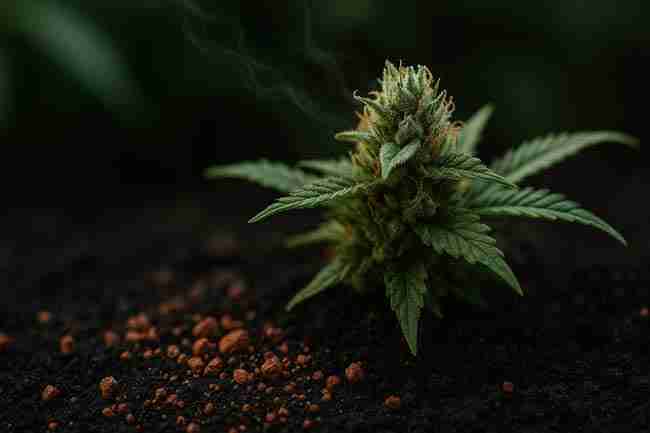
Volcanic rock dust boosts microbial activity in your soil, improving nutrient availability. Healthy, well-fed cannabis plants produce richer terpene profiles, enhancing aroma and flavor significantly. You’ll smell and taste the difference almost immediately!
How Does Glacial Rock Dust Affect Terpenes?

Glacial rock dust supplies a variety of trace minerals, enriching your cannabis soil over time. Plants with diverse nutrients consistently produce higher-quality terpenes, leading to richer aromas and deeper flavors. It takes a bit longer but it’s totally worth it!
How Do I Know That it is Working in My Soil?
Look for these signs:
- Darker green, healthier-looking plants.
- Bigger leaves and stronger stems.
- Improved aroma from flowers (this one’s the most exciting!).
- Better resistance to pests and diseases.
Over time, the differences become obvious, especially when comparing buds grown with and without rock dust.
FAQs About Volcanic Rock Dust and Glacial Rock Dust
Is volcanic rock dust organic?
Yes, volcanic rock dust is 100% natural and organic.
How often should I apply volcanic rock dust?
Apply once per growing season, preferably at planting.
Does rock dust replace fertilizer?
No, rock dust enhances fertilizer effectiveness but doesn’t replace it completely.
Can I mix both volcanic and glacial dust together?
Absolutely! Combining them provides balanced nutrients and better results.
Real-Life Example: Grower’s Success Story

One grower I know, let’s call him Tom, started mixing volcanic rock dust into his cannabis garden last season. Within weeks, Tom noticed stronger, healthier plants. His buds smelled more intense than ever, with sharp, distinct terpene profiles. His friends couldn’t stop raving about his flavorful harvest! Inspired by his success, Tom added glacial dust this year. Now his soil’s richer, and he’s excited for an even more epic crop.
Final Thoughts
Choosing between volcanic rock dust and glacial rock dust depends largely on your goals. Want quick, aromatic terpene boosts? Go volcanic. Prefer steady, sustainable nutrient release? Pick glacial. Or why not use both? Your cannabis plants will thank you with potent, fragrant buds!