Vertical Farming for Indoor Cannabis: Maximizing Yields in Limited Spaces


If you’re looking to squeeze every drop of yield out of your indoor cannabis garden, vertical farming might just be your golden ticket. I’ve seen firsthand how stacking plants upward instead of outward can change the game in a grow room with limited space. In this guide, you’ll learn the ins and outs of vertical farming for indoor cannabis—from the science behind cannabis roots attracting beneficial microbes to building a self-sustaining grow room environment that includes plants, beneficial insects, and microbial life. Let’s dive right in and explore every nook and cranny of this innovative method.
Introduction: The Vertical Farming Revolution in Cannabis Cultivation
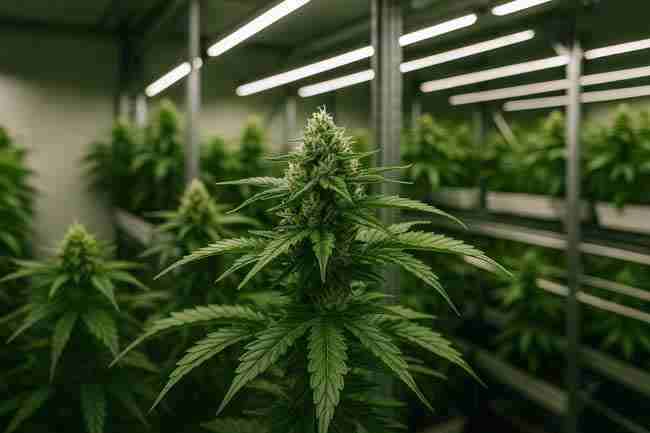
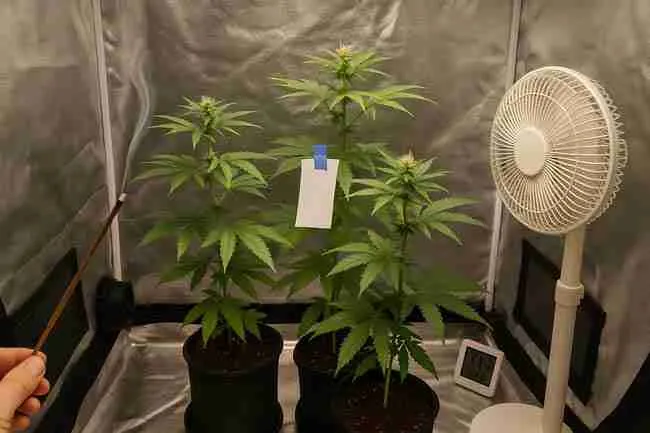
You might be wondering why vertical farming has become such a buzzword among indoor cannabis growers. Simply put, vertical farming lets you maximize space, improve yields, and even boost plant health. Instead of spreading your grow room over a large horizontal area, you stack your plants in layers. This setup not only makes the most of your limited space but also creates an environment where every plant gets the right amount of light and air.
I’ve learned that the secret sauce lies in how cannabis roots work. These roots release sugars and other compounds into the soil, which attract beneficial microbes. These microbes, in turn, help the plants absorb nutrients better and ward off potential pests and diseases. By harnessing this natural relationship, you can create a thriving, self-sustaining ecosystem right in your grow room.
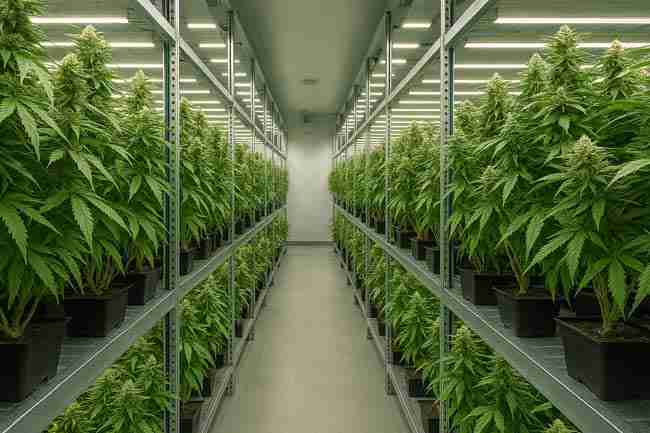
Vertical farming for indoor cannabis isn’t just a trend—it’s a practical solution for anyone who values efficiency, quality, and a traditional approach that respects nature’s design while using forward-thinking techniques.
What Is the Biggest Downfall of Vertical Farming?
Vertical farming comes with a host of benefits, but it isn’t all sunshine and roses. You need to be aware of the challenges too. Let’s break down the biggest downfall of vertical farming and what you can do to tackle it.
Light Distribution Issues
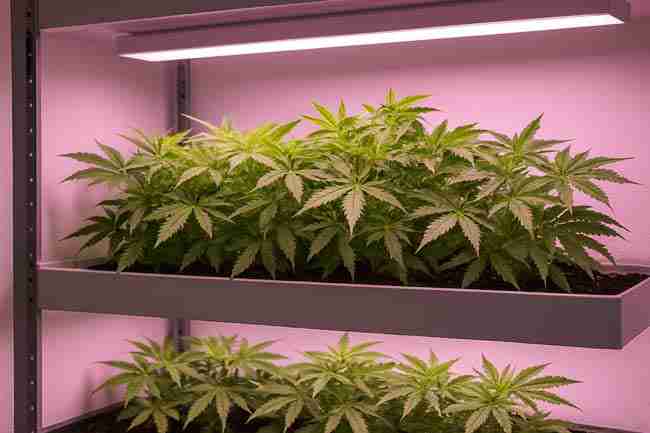
When you stack your plants vertically, one common hurdle you face is ensuring that every plant gets an equal share of light. Lower plants might get overshadowed by those on top, leading to uneven growth. I’ve seen many growers struggle with this before fine-tuning their lighting setups.
Solutions for Better Light Distribution
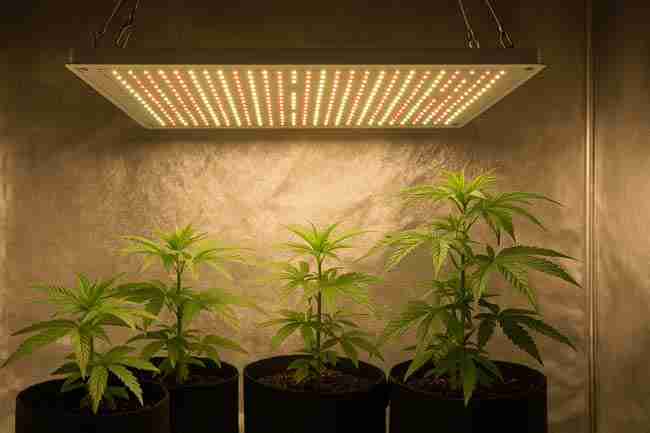
- Use adjustable LED panels: These can be angled and raised as your plants grow.
- Mirror panels: Reflect light back to lower levels.
- Spacing adjustments: Keep a mindful distance between rows and layers.
Airflow and Temperature Control
Another challenge is maintaining consistent airflow and temperature throughout your vertical setup. Poor airflow can lead to humidity pockets and hot spots that might invite mold or pests.
Tips for Better Air Circulation
- Install oscillating fans: They help move air evenly.
- Use ducting systems: Direct airflow to the lower levels.
- Monitor temperature: Use smart thermostats or sensors to keep conditions optimal.
Maintenance and Monitoring Complexity

Stacking your plants makes the grow room more complex. When something goes wrong, tracking down the issue—be it a faulty light or a nutrient imbalance—can become more challenging.
Practical Maintenance Tips
- Set up a clear schedule: Regularly check each layer.
- Invest in automation: Sensors for light, moisture, and temperature help keep you informed.
- Keep a log: Document your observations and fixes for future reference.
List: Major Downfalls and Quick Fixes

- Uneven Light Distribution: Use adjustable LED panels and mirror panels.
- Poor Airflow: Install oscillating fans and ducting systems.
- Complex Maintenance: Use automation and keep a maintenance log.
- Temperature Fluctuations: Monitor with smart thermostats.
Understanding these pitfalls early on helps you avoid costly mistakes and create a more resilient system.
What Is the Best Cannabis Strains for Vertical Farming?
Choosing the right cannabis strain is as crucial as setting up your grow room. Some strains naturally thrive in vertical environments, while others might struggle in tight spaces. I’ve experimented with various strains and discovered that certain genetics adapt better to vertical setups.
Characteristics to Look For
When selecting strains, you need to focus on factors such as compact growth, fast flowering, and resistance to common indoor pests. The best strains for vertical farming tend to be shorter, bushier, and easier to manage in a stacked configuration.
Top Strains for Vertical Farming
Below is a table summarizing some of the best strains I recommend for vertical cannabis farming:
| Strain Name | Growth Habit | Flowering Time | Yield Potential | Notes |
|---|---|---|---|---|
| Northern Lights | Compact & Bushy | 7-9 weeks | High | Robust, low odor, excellent for limited spaces |
| Strawberry Candy | Dense & Resilient | 8-10 weeks | Moderate-High | Thrives under tight conditions, great resin |
| Blueberry X Bubblegum | Balanced | 9-10 weeks | High | Consistent yield, easy to manage |
| AK-47 | Sturdy & Compact | 8-9 weeks | Moderate | Fast growth, high potency |
| Critical Mass | Heavy & Dense | 8-9 weeks | Very High | Produces massive buds, ideal for stacking |
Note: Always buy from reputable sources and choose strains that suit your local environment and experience level.
Real-Life Example
I once helped a friend set up a vertical grow using Northern Lights and White Widow. The compact growth habits of these strains allowed him to maximize space without sacrificing yield. He reported that the self-sustaining microbial environment in his grow room significantly improved plant health and overall yield. This goes to show that the right strain can make all the difference.
How Can I Make Vertical Cannabis Farming Better?

You might be asking, “How can I improve my vertical cannabis farming setup?” There’s no magic bullet, but a combination of smart planning, careful monitoring, and embracing nature’s own processes can boost your results.
Optimize Lighting
Light is king in any grow room, especially in a vertical farm. Here are a few tips to ensure your plants get the best light:
- Adjustable LED Panels: Use these to change the angle as your plants grow.
- Reflective Surfaces: Install reflective walls or panels to bounce extra light to the lower layers.
- Regular Cleaning: Keep your lights dust-free for optimal performance.
Enhance Nutrient Uptake with Beneficial Microbes

Cannabis roots naturally exude sugars and other compounds that attract beneficial soil microbes. These microbes improve nutrient uptake and create a healthier root system. Here’s how you can work with nature:
- Organic Nutrients: Use nutrient solutions that complement natural processes.
- Microbial Inoculants: Consider adding products that boost microbial populations.
- Compost Teas: Brew your own compost tea to feed the microbes.
Build a Self-Sustaining Grow Room Environment
Creating a self-sustaining environment means setting up a system where every element supports the other. You need to balance plants, beneficial insects, and microbial life.
Steps to Create a Self-Sustaining Environment
- Diverse Planting: Incorporate companion plants that support cannabis growth. For example, basil and marigold can deter pests and attract pollinators.
- Beneficial Insects: Introduce ladybugs, predatory mites, and other helpful bugs that keep pests at bay.
- Soil Health: Use high-quality, living soil that teems with beneficial microbes.
- Irrigation and Drainage: Set up a drip irrigation system to provide consistent moisture while preventing waterlogging.
- Environmental Controls: Use thermostats, humidistats, and fans to maintain a stable environment.
List: Key Components of a Self-Sustaining Grow Room

- Diverse Plant Species: Companion plants like basil, mint, and marigold.
- Beneficial Insects: Ladybugs, predatory mites, and lacewings.
- Living Soil: Rich in organic matter and beneficial microbes.
- Drip Irrigation: Ensures steady moisture levels.
- Environmental Monitors: Thermostats, humidistats, and fans.
By integrating these elements, you create a symbiotic ecosystem where each component plays its part. Your cannabis plants benefit from improved nutrient uptake, and the entire setup becomes more resilient.
Advanced Techniques to Consider
Don’t be afraid to experiment with new techniques to improve your setup further. Here are a few innovative ideas:
- Hydroponic Systems: Some growers combine vertical farming with hydroponics for even faster growth.
- Automated Nutrient Delivery: Use sensors and automated systems to deliver the right nutrients at the right time.
- Environmental AI Monitoring: Advanced growers use AI systems to monitor and adjust conditions in real time.
What Are the Best Products for Vertical Cannabis Farming?
There’s a growing market of products designed to make vertical farming for indoor cannabis as efficient as possible. From high-quality LED lights to advanced irrigation systems, you’ll find tools that suit every aspect of your grow room.
Must-Have Equipment

When setting up your vertical farm, you need to invest in equipment that can handle the unique challenges of stacking plants. Here’s a list of the best products you might consider:
- LED Grow Lights: Choose full-spectrum adjustable lights that can be positioned to suit different layers.
- Drip Irrigation Kits: These ensure your plants get a consistent water supply.
- Climate Controllers: Devices that monitor and adjust temperature and humidity.
- Reflective Materials: Mylar or other reflective films help maximize light.
- Automated Nutrient Dispensers: These systems deliver nutrients precisely when needed.
Product Table: Top Tools for Vertical Cannabis Farming
| Product Type | Features | Benefits | Price Range |
|---|---|---|---|
| LED Grow Lights | Full-spectrum, adjustable, energy-efficient | Even light distribution, high yield | $$ – $$$ |
| Drip Irrigation Kits | Timers, pressure regulators, easy installation | Consistent watering, minimal waste | $ – $$ |
| Climate Controllers | Temperature/humidity sensors, automated adjustments | Stable environment, reduced mold risk | $$ – $$$ |
| Reflective Materials | High reflectivity, durable, easy to install | Maximizes light efficiency across all levels | $ |
| Automated Nutrient Systems | Programmable dosing, integrated sensors | Optimal nutrient delivery, reduced errors | $$ – $$$ |
Note: Prices can vary based on quality and supplier. Always check reviews and product specs before buying.
Real-Life Product Experiences
I recall a fellow grower who swore by his LED grow lights and drip irrigation kit. He said the lights kept his lower plants happy, while the drip system saved him hours of manual watering. The investment paid off in spades when his yields doubled in one season.
What Are the Cons of Vertical Gardening?
Vertical gardening, whether for cannabis or other plants, comes with its own set of challenges. Let’s look at the cons and how you can work around them.
Structural and Space Limitations

While stacking plants vertically helps save space, it can also lead to overcrowding if you’re not careful. When plants grow too close, they compete for light, nutrients, and airflow.
Overcrowding Issues
- Reduced Plant Size: Competition can stunt growth.
- Increased Disease Risk: Crowded plants may facilitate mold and pests.
- Difficult Maintenance: Pruning and harvesting become a challenge.
Energy Consumption
Vertical farms often require additional lighting and climate control systems. This extra energy can push up your electric bills.
Energy Management Tips

- Energy-Efficient Equipment: Invest in LED lights and smart controllers.
- Optimize Scheduling: Use timers to reduce unnecessary power usage.
- Monitor Consumption: Keep track of your usage and adjust as needed.
Higher Initial Costs
Setting up a vertical farm isn’t cheap. You’ll need to invest in sturdy racks, quality lights, and automation systems. The upfront costs can be a barrier for many newcomers.
List: Major Cons of Vertical Gardening
- Overcrowding: Risk of plant competition.
- High Energy Use: Increased electricity bills.
- Initial Investment: Costly setup for racks and equipment.
- Complex Management: More systems to monitor and maintain.
Despite these drawbacks, the benefits often outweigh the cons—especially if you take a strategic approach. With careful planning and smart investments, you can mitigate these challenges and create a thriving vertical cannabis garden.
Building a Self-Sustaining Grow Room Environment
One of the most exciting aspects of vertical farming for indoor cannabis is the potential to build a self-sustaining ecosystem. You can create a grow room that supports itself through natural processes, reducing your workload over time.
The Role of Beneficial Soil Microbes
Cannabis plants release sugars and compounds through their roots that attract beneficial soil microbes. These microbes help break down organic matter, making nutrients more available to your plants. By encouraging this symbiosis, you’ll boost nutrient uptake and overall plant health.
How to Enhance Microbial Life
- Use Organic Soil: Rich in living organisms.
- Add Compost Tea: Brew your own to feed the microbes.
- Inoculants: Consider products that add beneficial bacteria and fungi.
Integrating Beneficial Insects
A self-sustaining grow room isn’t just about microbes. Beneficial insects like ladybugs and predatory mites play a crucial role in controlling pests naturally. I recommend setting up small insect habitats or even purchasing these helpful critters from reputable suppliers.
Creating a Balanced Ecosystem

Building an ecosystem is like crafting a well-tuned machine where every part supports the other. You need to blend living soil, companion plants, beneficial insects, and automated systems for water and light.
List: Steps to a Self-Sustaining Grow Room
- Start with Living Soil: Ensure it’s full of microbes.
- Introduce Companion Plants: Basil, marigold, and mint help deter pests.
- Set Up Beneficial Insect Habitats: Encourage natural pest control.
- Use Automated Irrigation: Maintain consistent moisture.
- Monitor and Adjust: Use sensors to track environmental changes.
Real-Life Success Story
I once helped a grower transform his cramped, messy grow room into a model of efficiency. By setting up a vertical system with living soil, companion plants, and beneficial insects, he created an environment that almost ran itself. His plants thrived, and he saved heaps of time on maintenance—a win-win situation.
Pros and Cons of Vertical Farming for Indoor Cannabis
Every method has its ups and downs. Here’s a quick rundown of the pros and cons you need to keep in mind.
Pros
- Maximizes Space: Perfect for small rooms.
- Improves Yields: More plants in less space.
- Encourages Healthy Growth: Better light and nutrient distribution.
- Sustainable: Potential for self-sustaining ecosystems.
- Efficient: Reduced water and nutrient waste.
Cons
- Overcrowding Risks: Poor management can stunt growth.
- Higher Energy Use: Extra lighting and climate control.
- Complex Setup: Requires planning and maintenance.
- Initial Costs: Investment in equipment can be high.
I always tell growers to weigh these factors before diving in. It’s not a one-size-fits-all solution, but if you plan carefully, vertical farming for indoor cannabis can be a game changer.
Additional Tips for Successful Vertical Cannabis Farming
There’s always room to learn more. Here are some extra tips to help you get the most out of your vertical setup.
Monitor and Adjust Regularly
Keep a close eye on every aspect of your grow room. I recommend using smart sensors that monitor temperature, humidity, and nutrient levels. This way, you can adjust your setup on the fly and catch problems early.
Experiment with Plant Training
Techniques like topping, low-stress training (LST), and defoliation can help control plant shape and improve light exposure. Experiment with these methods to find what works best for your strains and setup.
Document Everything
Keep a detailed log of your growing cycles. Write down what works and what doesn’t. This documentation helps you refine your approach with each cycle and can be a lifesaver when troubleshooting issues.
Table: Sample Grow Log Format
| Date | Strain | Changes Made | Observations | Next Steps |
|---|---|---|---|---|
| 2025-01-10 | Northern Lights | Adjusted LED height, LST applied | Noticed even growth, good yield | Monitor for pest issues |
| 2025-02-05 | White Widow | Added compost tea and inoculant | Increased leaf vibrancy, less pest activity | Maintain nutrient schedule |
Stay Informed
The cannabis industry is ever-changing. New techniques, strains, and products appear all the time. I make it a point to stay updated by reading industry blogs, joining online forums, and attending expos. This proactive approach helps you stay ahead of the curve.
FAQ: Vertical Farming for Indoor Cannabis
Q1: What exactly is vertical farming for indoor cannabis?
You set up multiple layers of plants in a confined space to maximize yield and improve plant health through efficient light, nutrient, and air distribution.
Q2: How do cannabis roots attract beneficial microbes?
Cannabis roots release sugars and other compounds into the soil. These compounds attract beneficial microbes that help improve nutrient uptake and protect against pests.
Q3: Which cannabis strains work best in a vertical setup?
Compact, bushy strains like Northern Lights, White Widow, Blue Dream, AK-47, and Critical Mass thrive in vertical farming due to their manageable growth habits.
Q4: What are the main challenges of vertical farming?
The biggest challenges include uneven light distribution, complex airflow, maintenance difficulties, and higher energy consumption.
Q5: How can I create a self-sustaining grow room?
Use living soil, incorporate companion plants, introduce beneficial insects, and set up automated systems for irrigation and climate control.
Q6: What products should I invest in for a vertical grow?
Focus on quality LED grow lights, drip irrigation kits, climate controllers, reflective materials, and automated nutrient systems.
Q7: Can vertical farming reduce my overall growing costs?
While the initial investment may be higher, efficient space use and automation can lead to lower long-term costs if managed well.
Final Thoughts
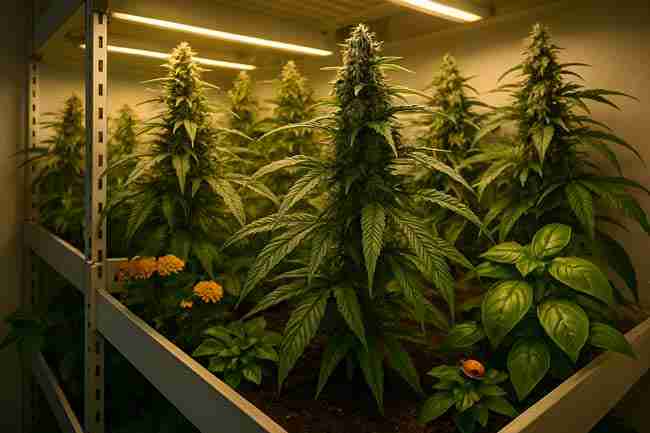
Vertical farming for indoor cannabis isn’t a one-size-fits-all solution, but if you take the time to set up a system that considers light, airflow, microbial health, and environmental stability, you’ll reap the rewards. I’ve learned that the key lies in understanding the natural processes of your plants and creating a balanced ecosystem where everything works together. With the right strains, proper equipment, and a bit of trial and error, you can maximize yields in even the smallest spaces.
I encourage you to experiment with the techniques mentioned here. Learn from your successes and your missteps. Take a hands-on approach, and remember: every grow room has its unique quirks. By staying adaptable and informed, you can turn challenges into opportunities and create a thriving, self-sustaining vertical garden for your cannabis.
Vertical farming for indoor cannabis represents a forward-thinking approach that honors traditional growing methods while embracing new technology. It’s about respecting nature, leveraging scientific insight, and pushing the boundaries of what’s possible in a limited space.
Pros and Cons Recap
Before you embark on your vertical farming journey, remember these pros and cons:
Pros:
- Maximizes limited space
- Improves yields through efficient light and nutrient distribution
- Supports sustainable, self-sufficient ecosystems
- Saves water and nutrients with precise delivery systems
Cons:
- Requires careful management to avoid overcrowding
- Demands higher energy use for lighting and climate control
- Involves complex setup and maintenance
- May require a significant initial investment
Take these points into account and plan your grow room with clear goals and strategies. With patience, persistence, and a little creativity, you can master the art of vertical farming for indoor cannabis.
Conclusion
Vertical farming for indoor cannabis offers a unique blend of tradition and innovation. By stacking your plants, optimizing light, embracing nature’s helpers, and building a self-sustaining ecosystem, you set yourself up for higher yields and healthier plants. I hope this guide provides you with all the insights you need to turn your limited space into a powerhouse grow room.
Remember, every step you take in fine-tuning your system brings you closer to mastering this modern method of cultivation. So get out there, try new techniques, and never stop learning from the process. Your journey in vertical farming for indoor cannabis might just redefine what’s possible in small spaces.