Veganic Nutrients for Cannabis: Animal-Free Growing for Cleaner Terpenes


You want your cannabis plants to thrive with the cleanest possible flavors and aromas, right? Picture this: you harvest buds that burst with natural terpenes, free from any weird aftertastes. That is exactly what happens when you switch to veganic nutrients cannabis. In 2026, veganic cannabis cultivation stands out as the smart choice for growers like you who care about purity, sustainability, and top-notch results. Animal free fertilizer marijuana skips all the animal byproducts that traditional methods often use. Instead, you rely on plant based nutrients cannabis that come straight from kelp, molasses, alfalfa, and other natural sources.
This approach not only boosts your yields but also enhances the overall quality of your harvest. You get terpenes that taste brighter and more complex because nothing from animals muddies the profile. Plus, veganic growing terpenes shine through in every puff, making your homegrown cannabis feel premium. If you are just starting out or you have been growing for years, veganic nutrients cannabis make the process simpler and more rewarding. You feed your plants what nature intended, and they respond with vigorous growth and potent buds.
Stick with me here, and you will learn everything you need to make veganic nutrients cannabis work for your setup. From why it beats old-school organic methods to exact recipes and schedules, this guide covers it all in plain, straightforward terms. You will walk away ready to grow like a pro while keeping things ethical and eco-friendly.
What Are Veganic Nutrients for Cannabis Exactly

You might wonder what sets veganic nutrients cannabis apart from everything else on the shelf. Simply put, veganic nutrients cannabis combine vegan principles with organic growing. You avoid every single animal-derived product. No blood meal, no bone meal, no fish emulsion, no bat guano, and definitely no worm castings if you go full strict. Instead, you turn to plant based nutrients cannabis like kelp meal, alfalfa meal, molasses, comfrey leaves, nettle, and mineral sources such as rock phosphate or greensand.
These ingredients break down in your soil or growing medium through natural microbial activity. The microbes feast on the plant materials and release nutrients slowly and steadily. Your cannabis plants absorb them exactly when they need them, without any harsh spikes or deficiencies. You end up with a living soil full of beneficial bacteria and fungi that keep everything balanced.
In 2026, more growers choose veganic cannabis cultivation because it aligns with cleaner living trends. You get animal free fertilizer marijuana that feels right for your values and your plants. The nutrients stay bioavailable around the clock, just like in a wild ecosystem. No synthetic chemicals and no animal waste means your final product tastes purer. You notice the difference right away in the smell of your buds during flowering.
Veganic nutrients cannabis also cut down on environmental impact. You skip the factory farming ties that come with many organic fertilizers. Your grow stays truly sustainable from seed to harvest. If you run a small tent or a backyard plot, you can mix these nutrients yourself at home for pennies per gallon. You save money while growing better weed. That is a win you will appreciate every time you check your plants.
Why Veganic Beats Traditional Organic
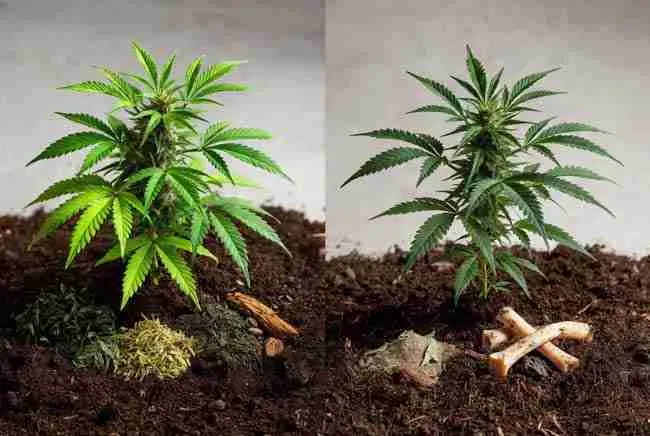
You have probably heard the buzz about veganic cannabis cultivation 2026. Here is why it pulls ahead of traditional organic methods that still rely on animal products. Traditional organic often uses manure, bone meal, or fish waste. Those work, sure, but they can leave behind residues that affect flavor. In contrast, veganic nutrients cannabis deliver plant based nutrients cannabis that break down cleaner. Your terpenes stay bright and true because nothing interferes with the plant’s natural chemistry.
Growers report bigger resin production and richer aromas when they go veganic. You get veganic growing terpenes that pop with fruit, pine, or gas notes exactly as the genetics promise. Traditional organic sometimes carries faint earthy or barnyard notes from animal inputs. You avoid that entirely with animal free fertilizer marijuana. Plus, your soil stays healthier longer. Plant-based inputs feed microbes without the heavy nitrogen dumps that animal products create. You skip the risk of overfeeding and burning roots.
Sustainability shines brighter too. You reduce your carbon footprint when you skip animal agriculture ties. In 2026, regulations and consumer demand push for cleaner grows, and veganic nutrients cannabis fit perfectly. You produce buds that appeal to health-conscious users who want zero animal involvement. Your harvest feels premium and ethical.
Of course, you need to know the trade-offs. Veganic methods sometimes take a bit longer to show results if your soil lacks microbes at first. You might need to build that living soil over a few weeks. However, once established, your plants explode with growth. Traditional organic gives quick boosts but can compact soil over time. Veganic keeps things loose and airy. You water less often because the soil holds moisture better.
Pros include cleaner terpenes, better ethics, lower long-term costs, and stronger plant immunity. Cons might be initial learning curve or slightly slower early veg if you do not inoculate properly. Still, in 2026, the pros far outweigh any cons for most home growers like you. You end up with buds that taste and smell superior, and you sleep easy knowing your grow stays truly green.
Top Veganic Nutrient Recipes Using Kelp, Molasses, and Plant Teas

You can whip up powerful veganic nutrients cannabis right in your kitchen or grow room. These recipes use simple, cheap ingredients you find at any garden store or online. They focus on kelp, molasses, and plant teas that deliver balanced nitrogen, phosphorus, potassium, and trace minerals. You mix them fresh for maximum potency.
Start with a basic kelp tea. You take one cup of kelp meal and steep it in five gallons of dechlorinated water. Let it sit for 24 to 48 hours with an air stone bubbling away. The kelp releases growth hormones and micronutrients that strengthen roots and boost early veg. You strain it and use it as a foliar spray or soil drench. Your plants drink it up and show thicker stems within days.
Next, create an alfalfa tea for nitrogen-rich veg growth. You soak one cup of alfalfa meal in a gallon of water for two days. Stir daily. Alfalfa provides natural triacontanol, a growth stimulant that makes your cannabis stretch tall and bushy. You dilute it one part tea to four parts water before applying. You see greener leaves and faster node spacing almost immediately.
Molasses acts as the secret sauce for your microbes. You add one tablespoon of unsulfured blackstrap molasses per gallon of water. It feeds beneficial bacteria and fungi so they multiply like crazy. Your soil comes alive, unlocking nutrients naturally. You combine molasses with kelp for a bloom booster later on.
For a full plant tea combo, you gather comfrey leaves, nettle, or dandelion from your yard or a clean source. You chop them up, pack a five-gallon bucket two-thirds full, and cover with water. Let it ferment for one to two weeks. The resulting tea packs potassium and trace elements. You strain and dilute before use. This recipe shines during flowering when you want dense buds.
Here is a quick list of top veganic amendments you rotate through:
- Kelp meal for micronutrients and hormones
- Alfalfa meal for nitrogen and growth stimulants
- Blackstrap molasses for microbial food
- Comfrey tea for potassium boost
- Nettle tea for iron and overall vigor
- Soybean meal for balanced protein-based nitrogen
- Rock phosphate for phosphorus without animals
- Greensand for potassium and minerals
- Humic and fulvic acids from plant sources for better uptake
- Compost from vegetable scraps for living biology
You experiment a little and watch your plants tell you what they need. You never run out of options with these plant based nutrients cannabis.
Full Feeding Schedule from Seedling to Flush
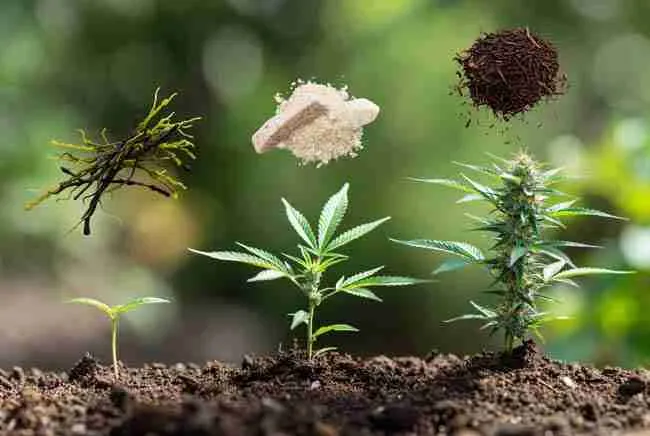
You follow a clear schedule so your cannabis receives exactly what it needs at every stage. Veganic nutrients cannabis work best when you apply them lightly and often. You always use dechlorinated or rainwater. pH stays between 6.0 and 6.5 for soil grows. Here is your complete week-by-week plan for a typical 8- to 10-week flowering strain.
You start super light in seedlings. In week one, you use plain water or a very weak kelp tea at one-quarter strength. Your seedlings develop strong roots without burn. By week two, you introduce a half-strength alfalfa-kelp mix once. You watch for healthy cotyledons and first true leaves.
In vegetative stage, weeks three through six, you ramp up. You apply full-strength alfalfa tea every watering or every other day. You add molasses at one teaspoon per gallon to feed microbes. Your plants grow thick and green. You top or train as usual because veganic nutrients cannabis support vigorous growth.
Transition to flower around week seven. You switch to bloom-focused teas. You use comfrey and kelp teas with molasses. You lower nitrogen and boost phosphorus from rock phosphate. You feed every other watering so your medium stays balanced.
During mid-flower, weeks eight through twelve, you increase molasses to two teaspoons per gallon. Your buds swell and resin production kicks in hard. You add a kelp foliar spray twice a week for extra terpenes.
In the final two weeks before flush, you cut all nutrients and use plain water or a weak molasses flush tea. This clears any buildup so your harvest tastes clean. You flush for at least 10 days.
Here is a handy table for your reference:
| Growth Stage | Week | Nutrient Mix | Amount per Gallon | Frequency |
|---|---|---|---|---|
| Seedling | 1-2 | Weak kelp tea | ¼ tsp kelp meal | Every watering |
| Early Veg | 3-4 | Alfalfa + kelp | 1 tsp each | Every other day |
| Mid Veg | 5-6 | Alfalfa tea + molasses | 2 tsp alfalfa, 1 tsp molasses | Every watering |
| Early Flower | 7-8 | Comfrey + kelp + rock phosphate | 1 tsp each | Every other watering |
| Mid Flower | 9-10 | Kelp + molasses + comfrey | 2 tsp molasses, 1 tsp kelp | Twice a week |
| Late Flower | 11-12 | Molasses only | 1 tsp | Once a week |
| Flush | Last 10 days | Plain water or weak molasses | ½ tsp molasses | Every watering |
You adjust based on your strain and environment. You always check leaves for signs of deficiency. This schedule keeps things simple yet effective for veganic nutrients cannabis.
Terpene and Flavor Improvements Proven by Growers
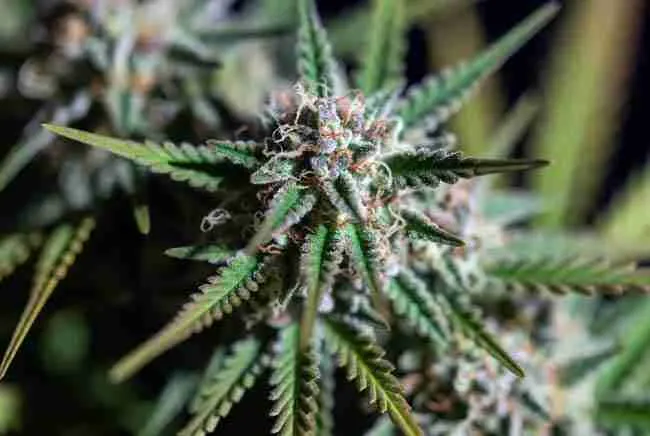
You will love how veganic growing terpenes transform your harvest. Growers who switched to animal free fertilizer marijuana report terpenes that taste cleaner and more intense. No animal residues dull the profile. Instead, you get bright citrus, sweet berry, or sharp pine exactly as the breeder intended.
One grower in a 2026 forum shared how his Blueberry strain went from average to award-worthy after three cycles on veganic nutrients cannabis. The buds smelled like fresh blueberries straight off the bush. He credited the plant based nutrients cannabis for unlocking hidden terpene pathways. Your plants express genetics fully because nutrients stay gentle and consistent.
Science backs it up too. Plant-based inputs encourage beneficial microbes that produce enzymes helping terpene synthesis. You see higher levels of myrcene, limonene, and pinene. Your buds feel stickier and smell stronger during cure. Flavor lingers longer on the palate.
You also notice better overall potency. Veganic cannabis cultivation 2026 focuses on living soil, so roots explore deeper and pull in more minerals. Those minerals fuel cannabinoid and terpene production. Your finished product tests higher in lab reports for aroma compounds.
Real-life example: you grow two identical clones side by side. One gets traditional organic with guano, the other veganic with kelp and molasses. After harvest and cure, you blind taste. The veganic batch wins every time for smoothness and complexity. You never go back.
Transitioning from Synthetic or Animal-Based Systems

You do not need to scrap your entire setup to switch to veganic nutrients cannabis. You transition gradually so your plants stay happy. Start by flushing your current medium with plain water for a full week. This removes any leftover synthetic salts or animal residues.
Next, you top-dress with veganic amendments like kelp meal and alfalfa. You water in a microbial inoculant made from plant compost tea. Your soil biology shifts over two to three weeks. You keep feeding lightly with the recipes above while you phase out old nutrients.
If you run hydro or coco, you switch to veganic liquid teas. You rinse your system thoroughly first. You monitor EC and pH closely during the change. Within one full cycle, your plants adapt and thrive.
You watch for temporary slowdown in the first veg phase. That is normal as microbes rebuild. By flower, everything catches up and surpasses your old results. You save money because you mix your own inputs. Your conscience feels lighter too.
Recommended Cannabis Seeds That Shine with Veganic Methods

You pick strains that love living soil and plant based nutrients cannabis. Autoflowers work great because they finish fast and respond well to steady feeding. You also choose high-terpene indicas and hybrids that express flavor best under veganic care.
Look for genetics known for strong aroma profiles. Blueberry types deliver sweet berry notes that pop even brighter with veganic nutrients cannabis. Sativa-leaning hybrids stretch nicely in organic setups and pack on resin when fed kelp and molasses.
Your own Green Avenger Seeds lineup offers excellent options. You try their top indica selections for reliable results. These seeds germinate strong and handle the microbial-rich environment of veganic grows. You end up with dense colas full of clean terpenes.
Additional Tips for Successful Veganic Cannabis Cultivation

You build your soil once and reuse it season after season. You add fresh compost teas between grows to keep microbes active. You test your medium pH weekly because veganic nutrients cannabis work best in a narrow range.
You use companion plants like basil or marigolds around your pots. They repel pests naturally and add biodiversity. You avoid overwatering because living soil dries slower. You prune lightly to let air flow through the canopy.
In 2026, you experiment with fermented plant juices for extra boosts. You blend banana peels or vegetable scraps into a FPJ and dilute heavily. Your plants love the extra enzymes.
You track everything in a simple journal. You note what worked and what to tweak next run. Soon you dial in a system that feels effortless.
Common Mistakes to Avoid with Veganic Nutrients Cannabis
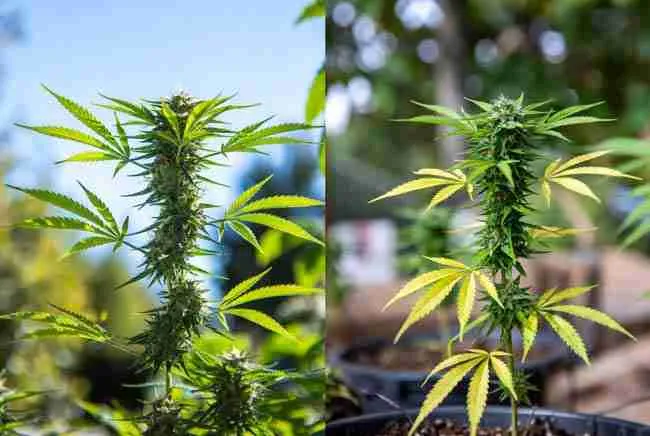
You skip the temptation to overfeed at first. Veganic nutrients cannabis act slowly, so patience pays off. You never ignore signs of calcium deficiency early on because plant-based sources release it gradually. You always aerate your teas for at least 24 hours to multiply good microbes.
You avoid city tap water full of chlorine. You let it sit out or use a filter. You never mix random amendments without checking compatibility. Small batches prevent waste.
FAQ About Veganic Nutrients Cannabis
What exactly makes veganic nutrients cannabis different from regular organic? You use only plant-based and mineral sources, skipping all animal products for cleaner results and better terpenes.
Can I use veganic cannabis cultivation 2026 in a small tent grow? Absolutely. You mix small batches of teas and top-dress lightly to fit any space.
Will animal free fertilizer marijuana lower my yields? No. Once your soil biology establishes, you often see equal or higher yields with superior flavor.
How do plant based nutrients cannabis improve terpenes? They support natural microbial activity that unlocks the plant’s full genetic potential without residues.
Is transitioning to veganic growing terpenes hard for beginners? You follow the step-by-step guide above and start slow. Most growers see great results by the second cycle.
What are the best veganic nutrient recipes using kelp and molasses? You steep kelp meal for micronutrients and add blackstrap molasses to feed microbes. Combine them for balanced teas.
Do I need special equipment for veganic nutrients cannabis? Just a bucket, air stone, and basic measuring tools. You keep costs low.
Will my buds taste better with veganic growing terpenes? Yes. Growers consistently report brighter, cleaner flavors after switching.
(Place image here: veganic-nutrients-cannabis-faq.jpg)

You now hold everything you need to grow outstanding cannabis with veganic nutrients cannabis. You create cleaner terpenes, support the environment, and enjoy every harvest more than ever. Start small, stay consistent, and watch your plants thank you with sticky, aromatic buds. Your next crop could be your best yet.