Using Silica for Marijuana Cultivation: Best use Cases and Benefits


You’re about to give your plants a secret suit of armor. That “armor” is silica—a grower’s sidekick that quietly toughens stems, steadies leaves under heat, helps plants sip water smarter, and keeps heavy colas from face-planting in late flower. If you’ve ever wondered whether Silica for marijuana is worth the space on your shelf, the short answer is yes—when you use it right.
Below you’ll find a plain-English, no-fluff guide to using silica in soil, coco, and hydro. You’ll learn what it is, which form to buy, how to mix it without causing nutrient snowstorms, when to stop it in bloom, and how to actually measure what you’re giving. You’ll also get real-world recipes, a troubleshooting section, and a clean table you can copy into your grow journal.
What silica actually is (and why your cannabis loves it)
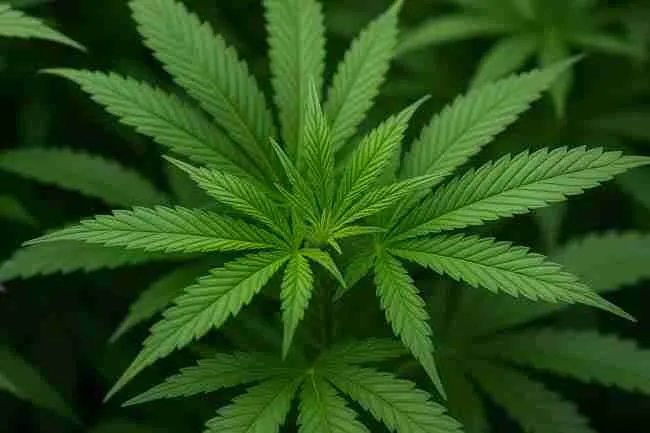
Silica (SiO₂) is everywhere—sand, quartz, glass—but plants can’t use the rock itself. What they drink is soluble silicon, most useful as monosilicic acid (H₄SiO₄) in water. Once inside a cannabis plant, silica rides the xylem like a subway and gets “cemented” into cell walls, especially in stems, leaf epidermis, and around trichome stalks. Think rebar in concrete.
What that looks like in your tent
- Stiffer stems: Tops don’t flop after you crank the light or raise the fan speed.
- Better stress tolerance: Leaves hold their shape under heat or low humidity.
- Powdery mildew resistance helper: Silica thickens the barrier, making infections less likely to start.
- Salt or drought “buffer”: Plants cope better when the root zone swings a bit.
- Training insurance: LST and supercropping snaps are less common.
What silica is not
It’s not a fertilizer miracle, a pesticide, or a cure for bad VPD. Silica for marijuana is a structural booster and a stress shield. It won’t replace dialing in light, environment, irrigation, and nutrition.
Forms of silica you’ll see at the grow store
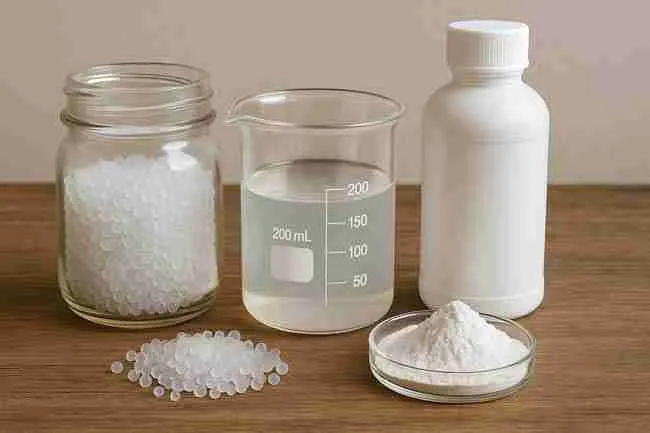
Potassium silicate (liquid or powder)
- Pros: Affordable, widely available, great for coco and hydro.
- Cons: Very alkaline (pH ~11+), can cause precipitation if mixed wrong, adds potassium (K).
- Best for: Baseline weekly dosing in veg and early flower.
Monosilicic acid (often called “stabilized silicic acid”)
- Pros: Highly bioavailable at low doses, less pH drama, fast response.
- Cons: Pricier.
- Best for: Seedlings, sensitive cultivars, or when you want low-volume, high-efficiency dosing.
Solid amendments (slow-release)
- Wollastonite (CaSiO₃): Adds Ca and plant-available Si over time; lightly liming.
- Rice hulls: Cheap, renewable, add Si as they break down, also improve aeration.
- Diatomaceous earth (DE): Silica-rich but slow for plant uptake; better as a top-barrier for pests than as a soluble Si source.
- Horsetail (equisetum) teas: Traditional; variable analysis; use as a supplement, not your only source.
Best use cases for Silica for marijuana
When heat’s creeping up
On hot afternoons or under powerful LEDs, leaves can canoe or taco. A steady 25–50 ppm Si in feedings helps keep leaf posture and reduces stress markers.
When you train hard
If you top, bend, and trellis like a pro, silica helps stems flex without tearing. It’s like stretching before a workout.
When you grow in coco
Coco is famously low in available silica. That’s why coco growers often notice the biggest payoff. A small, steady dose in every feed is a game-changer.
When you fight powdery mildew
Silica strengthens leaf surfaces, making it harder for PM to establish. Combine with good airflow and sensible humidity—not a silver bullet, but a real assist.
When roots ride the bubble (DWC/RDWC)
Hydro roots are pampered but vulnerable to swings. Silica toughens tissue and can help roots shrug off mild stress, especially if reservoir temps creep.
Timing it right (seed to harvest)
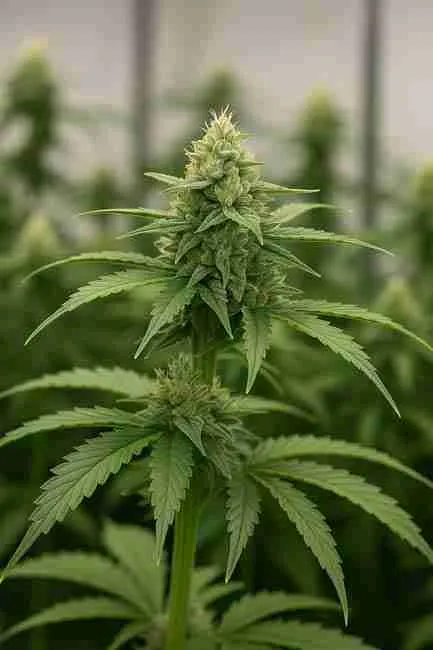
Seedlings and clones
- Keep it low and gentle. If you’re using monosilicic acid, 0.25–0.5 mL/gal (0.07–0.13 mL/L) is plenty.
- With potassium silicate, aim tiny: ~10–20 ppm Si tops. Too much can stunt tender tissue.
Veg (your big window)
- This is prime time. 25–50 ppm Si per feed is a sweet spot for soil, coco, and hydro.
- If you’re training or under high PPFD, lean toward the upper end (40–50 ppm Si).
Early flower (stretch + set)
- Keep dosing through stretch and the first 2–3 weeks of flower to “set” structure.
- Many growers taper or stop by week 4–5 to avoid unnecessary K load and mixing headaches.
Late flower
- Most stop silica. Your plant architecture is built; focus on stable EC, clean inputs, and precise drybacks.
Mixing order (do this or you’ll get nutrient snow)
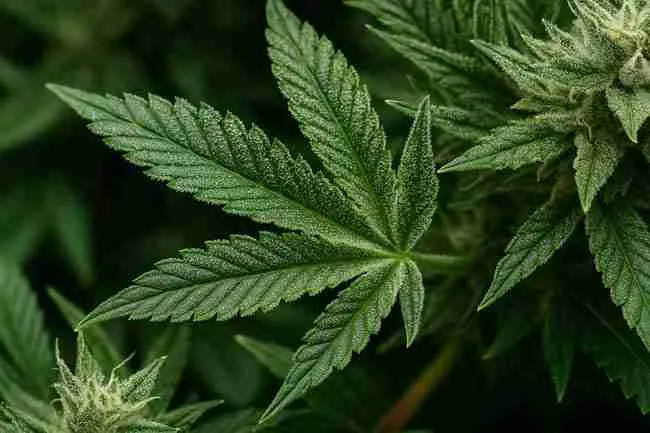
Always add silica to plain water first.
Let it dilute completely. Then add Cal-Mag, then base nutrients, then additives. Adjust pH last.
Why? Potassium silicate wants to react with calcium, magnesium, and phosphates. If you add it late, you’ll get cloudy soup, scale on pumps, and locked-out nutrients.
Practical dosing (simple, safe ranges)
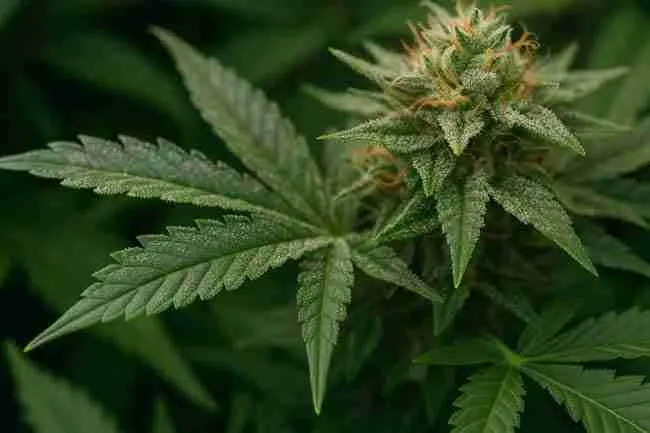
Every product is different—follow the label—but these ballpark targets keep you out of trouble:
- Monosilicic acid liquids: 0.25–1.0 mL/gal (0.07–0.26 mL/L) → ~20–50 ppm Si.
- Potassium silicate (typical liquid): 0.5–2.0 mL/gal (0.13–0.53 mL/L) → ~20–50 ppm Si, depending on concentration.
- Hydro reservoirs: Hold 30–50 ppm Si in veg; 20–30 ppm in early flower.
- Foliar sprays: 50–100 ppm Si, pH 5.8–6.2, with a drop of non-ionic wetting agent; stop once white pistils are abundant.
Quick math tip: To make 50 ppm Si in 1 liter using an 8% Si product, you need 0.625 g product (≈0.6 mL if density ~1 g/mL). That’s 50 mg ÷ 0.08 = 625 mg.
Soil, coco, and hydro: what changes?
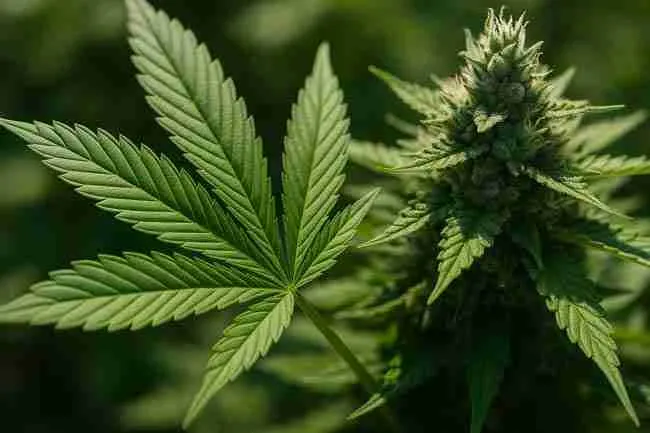
Soil (living or amended)
- Lean on slow-release: 1–2 tbsp/gallon of mix of wollastonite at build time, plus rice hulls at 10–20% of aeration blend.
- If you’re spoon-feeding with liquids, lower the dose than coco; soils already buffer stress well.
Coco (drain-to-waste or recirculating)
- Coco shines with steady low doses every feed.
- Keep Si 25–50 ppm in veg and taper in early bloom.
- Watch pH: coco likes 5.7–6.1; silica can push pH up, so be ready to bring it back down.
Hydroponics (DWC, RDWC, aero, NFT)
- Reservoir-friendly silica is crucial. Add it first; circulate before adding anything else.
- Keep your pH swing 5.6–6.2.
- Chilled res + silica = happy roots.
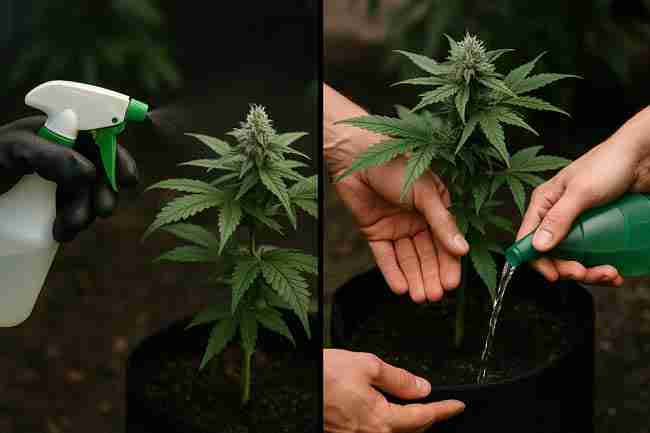
Foliar vs root-zone: when to spray, when to pour
Root-zone (most consistent)
- Best for building structure everywhere—from roots to tops.
- Use for your baseline program (veg through early bloom).
Foliar (targeted, quick boost)
- Great for heat waves or PM pressure in late veg/early flower.
- Spray at lights-on low intensity or just before lights-off with good airflow.
- Avoid saturating pistils and buds; stop foliar as clusters form.
Compatibility and pH realities
- pH spikes: Potassium silicate is caustic. After mixing, expect to pH down.
- Don’t mix concentrated bottles. Add each to water separately.
- Sodium silicate? Hard pass. Sodium competes with potassium and can cause salt issues.
- Phosphate-heavy feeds: Watch for haze; follow the mixing order religiously.
Real-world recipes you can copy
Simple coco schedule (per gallon / 3.8 L)
- Seedling to week 1 veg: 0.25 mL monosilicic acid
- Veg weeks 2–4: 1.0 mL potassium silicate or 0.5 mL monosilicic acid
- Early flower weeks 1–3: 0.5–0.75 mL potassium silicate or 0.25–0.5 mL monosilicic acid
- Stop by week 4–5 flower
Soil/living soil
- Build mix: 1–2 tbsp/gallon wollastonite + 10–20% rice hulls in aeration component
- Veg drench (optional): 0.5 mL/gal monosilicic acid every 7–10 days
- Early flower drench: 0.25–0.5 mL/gal monosilicic acid once per week for 2–3 weeks
Hydro (DWC)
- After water change: Add silica to reach 40 ppm, circulate 15 min, then Cal-Mag, then base, then additives, pH to 5.8
- Early flower: 25–30 ppm Si, then stop after week 3
Common mistakes (and easy fixes)
Cloudy tank or flakes
- Cause: Wrong mixing order or high concentration.
- Fix: Dump and remix—silica first, dilute fully, then nutrients.
Leaf tip burn or clawing
- Cause: Overdose of potassium silicate pushing EC and K too high.
- Fix: Lower Si dose or switch to monosilicic acid; check overall EC.
pH won’t stay put
- Cause: High-alkaline silica added late.
- Fix: Add silica first; use smaller, more frequent doses.
“Harsh” smoke complaints
- Cause: Some growers report this when running heavy silica late bloom.
- Fix: Stop by week 4–5 flower; focus on clean finish.
Specifications you can track
- Target Si (root-zone): 25–50 ppm in veg; 20–30 ppm early flower.
- Foliar Si: 50–100 ppm, pH 5.8–6.2.
- Soil mix: 1–2 tbsp/gallon wollastonite; 10–20% rice hulls in aeration.
- Coco feed pH: 5.7–6.1 (re-check after adding silica).
- Hydro pH: 5.6–6.2.
- Stop window: Week 4–5 of flower, unless label or your cultivar testing shows otherwise.
Pros and cons of Silica for marijuana
Pros
- Noticeably stronger stems and less flop under heavy colas
- Better tolerance to heat and mild drought or salt swings
- Helps reduce PM risk as part of an IPM program
- Coco and hydro respond especially well
- Foliar gives quick, targeted bump in late veg
Cons
- Potassium silicate can wreck your pH if you add it late
- Overuse can raise EC and potassium, nudging imbalances
- Some products are pricey (monosilicic acid)
- Not a pesticide; can’t fix sloppy environment or airflow
- Late-flower use may be unnecessary and can complicate finishing
Table: quick reference for Silica for marijuana
| Situation | Best Si Source | Typical Rate | Timing | Notes |
|---|---|---|---|---|
| Seedlings/clones | Monosilicic acid | 0.25–0.5 mL/gal | First 7–10 days | Gentle; watch for stall if overdosed |
| Veg in coco | Potassium silicate or monosilicic | 0.5–2.0 mL/gal (K-sil) or 0.25–0.75 mL/gal (mono) | Whole veg | Aim 25–50 ppm Si; silica to water first |
| Early flower (weeks 1–3) | Same as veg, lower end | 0.25–1.0 mL/gal | Stretch & set | Taper, then stop by week 4–5 |
| Hydro reservoirs | Potassium silicate | 30–50 ppm Si | Hold steady in veg | Add first, circulate, then nutrients |
| Living soil builds | Wollastonite + rice hulls | 1–2 tbsp/gal + 10–20% hulls | At mix | Slow-release backbone |
| Heat or PM pressure (late veg) | Foliar Si | 50–100 ppm | 1–2x/week | pH 5.8–6.2, stop when buds set |
Training, airflow, and IPM: silica’s best friends
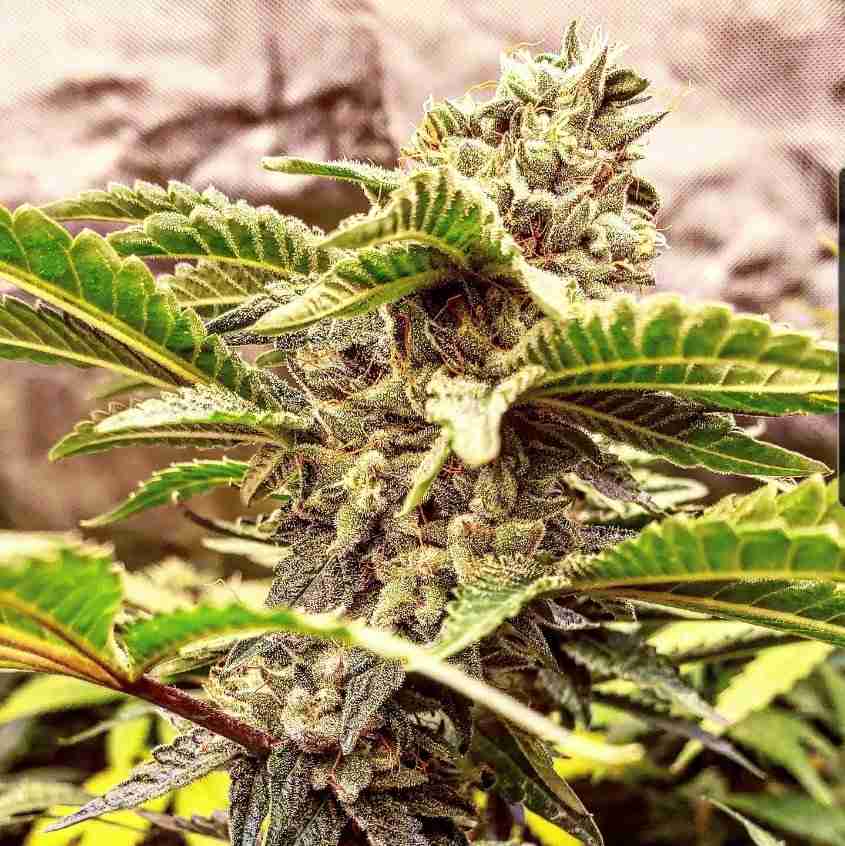
Silica shines when you pair it with smart training and good airflow. If you’re doing heavy LST, quadlining, or using a scrog, silica helps stems hold position with fewer breaks. Point an oscillating fan across the canopy to nudge micro-movements; the plant responds by thickening tissues—a response silica makes more effective.
As for IPM, keep it simple: clean intake filters, prune inner fluff, and keep VPD in range. Silica makes the leaf barrier tougher; your hygiene and environment keep spores from taking off in the first place.
Real-life story you’ll recognize
You flip to flower, crank PPFD past 900, and your favorite cultivar starts stretching like a yoga class. Day 12, the middle trellis row bows; tops lean; humidity bumps up after lights off. Two runs ago, this is where you’d panic.
This time you’ve been steady at 40 ppm Si since week 2 veg and kept it through stretch. You tied a few leaders, but stems didn’t “noodle.” Leaves held their shape even when temps hit 29°C for an afternoon. When you tapered silica at week 4, your structure was already set. Harvest day looks like a magazine—without 50 extra bamboo stakes.
That’s the payoff of Silica for marijuana done right: invisible work, visible results.
Troubleshooting quick hits
- New white residue on pumps/heaters: Likely nutrient scale from wrong order. Clean with citric acid; remix properly.
- Runoff pH rising in coco: Silicate dose too high or pH added late. Lower Si and correct mixing order.
- Weak response: Product might be too dilute, or your environment is masking benefits. Verify ppm targets and tighten VPD.
Advanced tips for dialed grows
Chase consistency, not peak dose
Si works best as a steady background—not as a single big “power feed.” Micro-dose predictably.
Test your own cultivars
Some genetics are naturally sturdy; others are viney. Log silica ppm vs stem diameter and flop incidents across runs.
Keep eyes on K
Potassium silicate adds K. In high-K bloom formulas, dialing silica down earlier prevents imbalance.
Consider water hardness
Hard water already brings calcium and magnesium that can react with silicate. Pre-dilute silica thoroughly before you add Cal-Mag.
FAQ: Silica for marijuana (simple answers you can use today)

What’s the best silica for marijuana if I’m brand new?
If you want fuss-free, go monosilicic acid at low dose. If you’re price-sensitive and don’t mind handling pH, potassium silicate is great—just mix it first.
Can I use silica in late flower?
You can, but usually don’t need to. The structure’s set by week 4–5. Most growers stop then to reduce K load and keep finishing clean.
Is foliar silica better than root-zone silica?
Different tools. Root-zone builds the whole plant; foliar is a quick stress shield. Use foliar in late veg/very early flower; stop once pistils are everywhere.
Does silica change flavor or smoothness?
Used moderately and stopped on time, no problem. Heavy late-flower doses can complicate finishing for some growers.
I grow in coco. Do I need silica every watering?
It helps. Coco is low in available Si. A small, steady dose (25–50 ppm) in veg and early flower is a proven winner.
Will silica fix powdery mildew by itself?
No. It reduces risk by strengthening leaf surfaces, but you still need airflow, cleanliness, and proper humidity.
Can I mix silica with Cal-Mag in the same cup?
Not concentrated. Always silica → water → fully dilute → Cal-Mag → base. pH last.
What ppm of silica should I target?
For most grows, 25–50 ppm in veg, 20–30 ppm early flower, then stop.
Is diatomaceous earth good as a silica source?
DE is better as a physical pest barrier than as a soluble Si source. For uptake, use liquid silica, wollastonite, or rice hulls in your media.
Does silica help with high light (PPFD) stress?
Yes. You’ll still want proper VPD and CO₂ (if you run it), but silica helps leaves tolerate bright days without tacoing.
The bottom line you can act on today
- Add Silica for marijuana to plain water first, then nutrients, pH last.
- Aim for 25–50 ppm Si in veg and 20–30 ppm early flower; stop by week 4–5.
- In coco and hydro, the payoff is biggest; in soil, lean on slow-release plus gentle liquid boosts.
- Use foliar 50–100 ppm as a short-term stress helper in late veg.
- Keep your environment right—silica multiplies good habits; it can’t replace them.
Run this for two grows, log your stem diameters and flop count, and you’ll see the difference—no hype needed.