Unraveling the Mystery of Red Stems in Cannabis Plants


In the world of cannabis cultivation, a common curiosity arises when growers notice red stems on their plants. This phenomenon, while sometimes alarming, can be a natural occurrence or a sign of stress in the plant. For a business like Green Avenger Seeds, specializing in cannabis seeds, understanding the causes of red stems is essential for guiding growers in nurturing healthy plants. Let’s explore the various factors that can lead to this condition.
The Genetic Factor

First and foremost, it’s important to recognize that genetics can play a significant role in the appearance of cannabis plants. Certain strains are known to exhibit red or purple pigmentation in their stems, leaves, or buds. This is a natural trait and usually not a cause for concern. If you’re growing a strain known for such characteristics, you can breathe easy knowing that this is just part of its unique genetic makeup.
Environmental Influences

Temperature Fluctuations

Cannabis plants, like many others, are sensitive to their environmental conditions. Extreme or rapid temperature changes can be stressful for these plants, often manifesting as red or purple coloring in the stems. Maintaining a stable temperature in your grow room or area is crucial for avoiding this stress response.
Light Stress

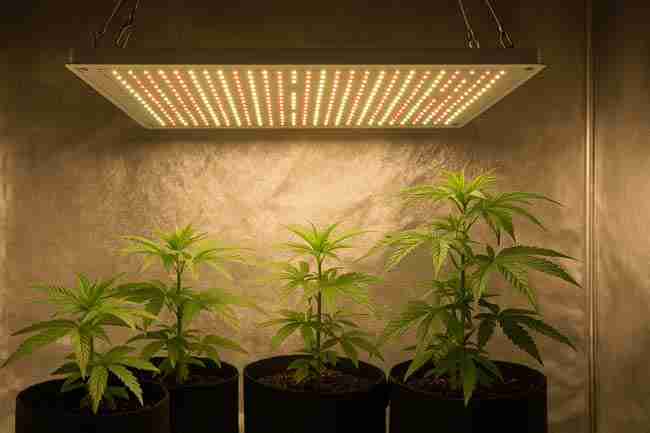
Similarly, light plays a pivotal role in the health of cannabis plants. Excessive light intensity or prolonged exposure can stress the plants, leading to color changes in the stems. Ensuring your plants receive the right amount and intensity of light is key to preventing this issue.
Nutritional Aspects

Nutrient Deficiencies or Imbalances

Nutrient levels significantly affect plant health. A lack of essential nutrients, particularly phosphorus, can cause red or purple stems. Along with this discoloration, other signs of nutrient deficiency might include poor growth or discolored leaves. It’s important to monitor and adjust your nutrient feed and ensure that the pH levels in the soil or growth medium are within the optimal range for cannabis cultivation.
Watering Issues

Both overwatering and underwatering can stress cannabis plants, potentially leading to red stems. Monitoring the soil moisture level and ensuring proper drainage can help mitigate this risk.
pH Imbalances

The pH level of your soil or hydroponic solution can greatly impact nutrient availability. Incorrect pH levels can lead to nutrient lockout, causing stress and discoloration in the plants. Regular testing and adjustments of the pH can prevent these issues.
Pests and Diseases

Lastly, the presence of pests or diseases can stress cannabis plants, resulting in red stems among other symptoms. Keeping a vigilant eye for signs of infestations or infections and treating them promptly is essential for the health of your plants.
Table: Causes and Solutions for Red Stems in Cannabis Plants

| Cause | Identification | Action Required |
|---|---|---|
| Genetics | Check strain characteristics | Usually no action needed |
| Temperature Fluctuations | Red stems with temperature swings | Stabilize grow room temperature |
| Light Stress | Red stems with leaf burn/yellowing | Adjust light intensity and exposure |
| Nutrient Deficiencies | Poor growth, discolored leaves | Adjust nutrient feed, check pH |
| Watering Issues | Check soil moisture and drainage | Ensure consistent watering, good drainage |
| pH Imbalances | Test soil/hydroponic solution pH | Adjust pH to appropriate levels |
| Pests/Diseases | Signs of pests/disease on leaves | Use appropriate treatments |
Conclusion

Identifying the cause of red stems in cannabis plants requires careful observation and a good understanding of the plant’s environment and genetics. In many cases, simple adjustments to the growing conditions can resolve the issue. However, for strains where red stems are a genetic trait, it’s a unique characteristic and not a sign of a problem.
For cannabis enthusiasts and businesses like Green Avenger Seeds, being knowledgeable about these factors is crucial. It ensures not only healthy plant growth but also optimum yield, contributing to the success and satisfaction of growers and consumers alike.