Understanding Under-Canopy and Side Lighting for Cannabis


Cultivating cannabis is both an art and a science, requiring a deep understanding of the plant’s needs to produce the best possible yield. Among the critical factors for optimal growth, lighting plays a pivotal role. In this comprehensive guide, we’ll dive into the specifics of under-canopy and side lighting for cannabis, exploring their benefits, how to implement them correctly, and answering some common questions to help you maximize your grow tent’s potential.
How Far Should Light Be From Canopy Cannabis?

The Crucial Balance
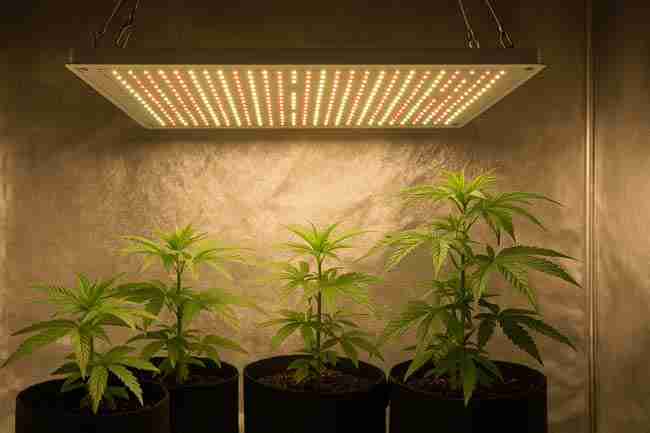
Finding the perfect distance between your lights and the cannabis canopy is like walking a tightrope—it requires precision and balance. Too close, and you risk light burn, stressing your plants and potentially stunting their growth. Too far away, and your plants may stretch towards the light, leading to weak, leggy growth. The ideal distance varies based on the type of light you use:

- LED Lights: 12-24 inches. LED lights are cooler, allowing them to be placed closer to the canopy without the risk of heat stress.
- HID Lights (HPS/MH): 18-36 inches. These lights run hotter, necessitating a greater distance to prevent heat damage.
- Fluorescent Lights (T5/CFL): 6-12 inches. These emit the least heat, allowing them to be placed closer to the plants.
Adjusting as Plants Grow

It’s not a “set it and forget it” deal. As your cannabis plants grow, regularly adjusting the light distance is crucial to maintain the optimal light intensity across all stages of growth.
Does Under Canopy Lighting Work?
Shining Light on Hidden Growth

Under canopy lighting refers to placing lights beneath the plant canopy to illuminate areas that top lighting does not reach. This technique can significantly enhance growth by ensuring lower branches and leaves receive sufficient light, promoting a fuller, more uniform development.
It’s particularly beneficial during the flowering stage, where maximizing light exposure can lead to increased bud production. Growers can place lights under their plants and on the side of their tents for the best Under canopy lighting.
This extra lighting can control dark spaces that my be shaded around your plant. These shaded spots can produce fluffier buds, while using side lighting can grow much denser buds on your plants from top to bottom.
Implementing Under Canopy Lighting

- Positioning: Place small, low-heat lights, such as LEDs, beneath the canopy, targeting dark areas, such as under the plant, and dark sides of your growing tent or grow room.
- Balance: Ensure the additional light does not overheat your plants. Monitoring temperature and humidity levels is key.
Is Side Lighting Good for Cannabis?

Expanding Light Reach
Side lighting for cannabis is a game-changer, especially in dense grow setups where light penetration can be a challenge. By adding light sources to the sides of your grow space, you can increase light exposure to lower branches, encouraging more balanced growth and potentially higher yields.
Benefits of Side Lighting

- Improved Yield: By illuminating more of the plant, side lighting can increase flower production, especially in the lower parts that top lighting misses.
- Enhanced Growth: Side lighting promotes more even growth, reducing the need for extensive pruning or training.
Choosing the Right Lights for Side Lighting
LED strips or compact fluorescents are ideal for side lighting due to their low heat output and flexibility. Position them to target the mid to lower sections of your plants for the best results.
What is Side Lighting in a Grow Tent?

Optimizing Your Grow Tent’s Potential
In the confined space of a grow tent, maximizing light exposure is crucial. Side lighting in a grow tent involves strategically placing additional light sources around the sides of the tent to complement your main, overhead lighting. This setup ensures that all parts of your cannabis plants receive adequate light, crucial for a healthy and productive grow.
Setting Up Side Lighting
- Strategic Placement: Install side lights at different heights to target various parts of the plant, ensuring even coverage. Your top lighting will do fine to cover the tops of the plants so you will want to place any side lighting below the canopy lighting to have the best effects. Some growers will even place LED lighting strips under their plant to help reduce airy buds.
- Light Selection: Opt for low-heat options like LEDs to prevent overheating in the enclosed space of a grow tent. LED lighting strips work great for this as they are small and easy to place around your flowering plants.
Monitoring and Adjustment
Regularly check your plants for signs of light stress or burn, and adjust the positioning of side lights as needed. It’s all about finding the right balance to provide your plants with the best possible light coverage without causing harm.
Boosting Flowering Yields with Side and Under-Canopy Lighting

When cannabis plants enter the flowering stage, their light requirements change. This stage is crucial for yield, making efficient light distribution more important than ever. Properly implemented side and under-canopy lighting can significantly impact the quantity and quality of your harvest.
Best Time to Add Side and Under Lighting for Cannabis

We recommend adding side lighting once you switch your cannabis plants into their flower stage. This means turning the lighting back indoors to 12/12 hour of lighting to induce flowering in your cannabis plants. You can also wait a week into flowering without any noticeable different in flowering weight after your cannabis plants have finished flowering.
Side Lighting: A Flowering Boost

During flowering, cannabis plants can greatly benefit from additional light sources. Side lighting serves as a powerful tool to ensure that lower buds, which are typically shaded and less developed, receive enough light to grow and mature properly. This can lead to:
- Increased Bud Density: Light reaching the lower branches encourages denser, more substantial bud formation.
- Higher Overall Yield: More light exposure results in more photosynthesis, directly influencing the plant’s ability to produce flowers.
- Improved Quality: Adequate light can improve cannabinoid and terpene profiles in the buds, enhancing potency and flavor.
Under-Canopy Lighting: Unleashing Hidden Potential

Under-canopy lighting is particularly effective during the flowering stage for similar reasons. By illuminating the lower parts of the plant that receive less natural light, you can:
- Boost Lower Bud Growth: Lower buds develop more fully, contributing to the overall yield.
- Increase Energy Efficiency: Light is delivered directly to areas that need it most, reducing waste.
- Promote Plant Health: Better light distribution helps prevent mold and mildew by reducing humidity in the lower canopy.
Implementing for Flowering Success

To maximize the benefits of side and under-canopy lighting during flowering, consider the following tips:
- Timing: Introduce side and under-canopy lighting as you transition your plants to the flowering stage to immediately support their changed light needs.
- Intensity and Spectrum: Use lights that offer a spectrum tailored for flowering, often with more red wavelengths, to support bud development.
- Adjustment: Monitor plant response carefully. Adjust the positioning and intensity of your lights to avoid stress while ensuring adequate coverage.
Optimizing Light Placement for Flowering Cannabis

Best Practices for Side Lighting for Cannabis
Side lighting plays a critical role in illuminating areas that the main overhead lights can’t reach effectively, especially during the dense flowering stage. Here are key strategies for placing side lights:
- Mid-Level Focus: Position side lights to target the middle section of your plants. This area tends to receive less light as the canopy thickens but is crucial for developing a significant portion of your yield.

- Uniform Coverage: Distribute side lights evenly around the perimeter of your grow space to ensure all sides of your plants receive balanced light. This uniform coverage helps prevent uneven growth and promotes the development of buds throughout the plant.
- Adjustable Height: As your plants grow and buds develop, their light needs may shift. Use adjustable mounts or hangers for your side lights, allowing you to raise or lower them to target specific areas that require more light.
Strategic Under-Canopy Lighting Techniques
Under-canopy lighting addresses the lower sections of your plants, which are prone to being shadowed by the upper canopy. Proper placement can enhance light penetration to these lower areas:

- Direct Underneath Placement: Install under-canopy lights directly below the main canopy, focusing on areas that receive little to no direct light. This can help stimulate growth in lower buds, contributing to overall yield.
- Spacing for Coverage: Ensure that lights are spaced appropriately to cover the under-canopy area evenly. Avoid clustering lights too closely, which can lead to hotspots and potential plant stress.
- Avoid Direct Contact: Keep a safe distance between the lights and plant foliage to prevent heat stress or light burn. LED strips or bars are ideal for this purpose due to their low heat output.
Adjusting for Optimal Performance

- Monitor Plant Response: Watch how your plants react to the added side and under-canopy lighting. Signs of light stress, such as bleaching or curling leaves, indicate the need for adjustment.
- Fine-Tune Light Intensity: If possible, use dimmable lights to adjust the intensity based on the stage of flowering and plant response. This flexibility can be particularly beneficial in managing the delicate balance between light saturation and stress.
- Periodic Reevaluation: As buds develop and grow, their light needs may change. Regularly assess and adjust your lighting setup to ensure that all parts of the plant continue to receive optimal light exposure throughout the flowering phase.
Conclusion: Lighting the Way to Success

Incorporating under-canopy and side lighting techniques into your cannabis cultivation strategy can significantly impact your plants’ growth and yield. By understanding and implementing the principles outlined in this guide, you can optimize your grow space, ensuring every part of your plant thrives. Remember, every cannabis grow is unique, so experiment with these lighting techniques to find what works best for your setup. Happy growing!
FAQ Table
| Question | Answer |
|---|---|
| How often should I adjust the light distance? | Regularly, as plants grow and develop. |
| Can under canopy lighting cause overheating? | It can if not monitored. Use low-heat lights and monitor temperature. |
| Is side lighting necessary in all grow setups? | Not necessary, but beneficial for dense canopies or larger setups. |
| What type of lights are best for side lighting? | LEDs or compact fluorescents due to their low heat output. |
Quick Tips List

- Monitor Plant Growth: Adjust light distance as your plants grow.
- Use Low-Heat Lights for Under Canopy: To prevent overheating.
- Experiment with Light Placement: Find what works best for your setup.
- Regularly Check for Light Stress: Adjust as necessary to avoid damage.
- Optimize Light Coverage: Use side and under-canopy lighting to reach all parts of your plant.