Thrips & Fungus Gnats: Yellow Cards, Soil Predators, and Trap Tuning

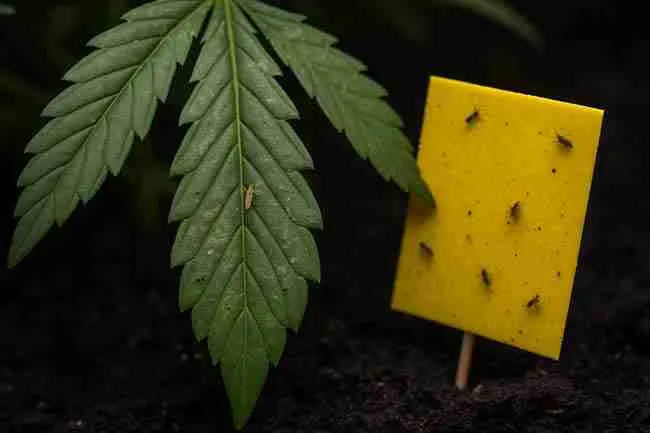
You walk into the grow, feeling proud… then, bam—tiny bugs. Little black flies doing lazy circles near the soil. Leaves looking scuffed like someone rubbed them with sandpaper. And you’re thinking, “Seriously? Now?”
Here’s the truth: thrips and fungus gnats love the same kind of mistakes—especially wet, cozy, overfed grow conditions. The good news? You can fix this with a simple, old-school, effective combo:
- Yellow sticky cards (yellow cards)
- Smart sticky trap placement
- Soil predators (the right fungus gnat predators)
- Trap tuning (so the traps actually work instead of just… existing)
This is a full, practical guide to thrips cannabis control that doesn’t waste your time.
Fast Pest ID: Thrips vs Fungus Gnats (Don’t Guess—Know)
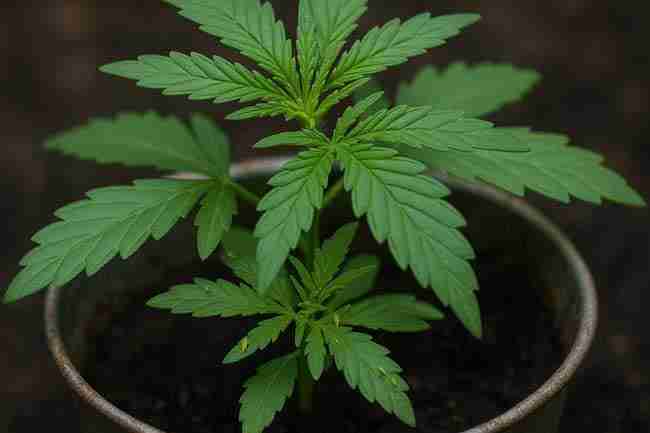
Thrips: The Leaf Scratchers
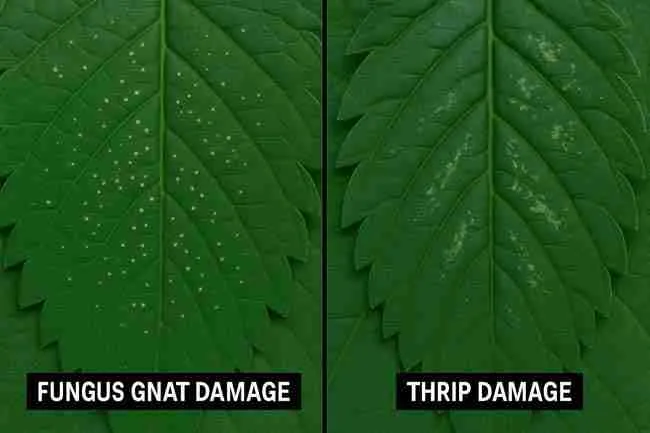
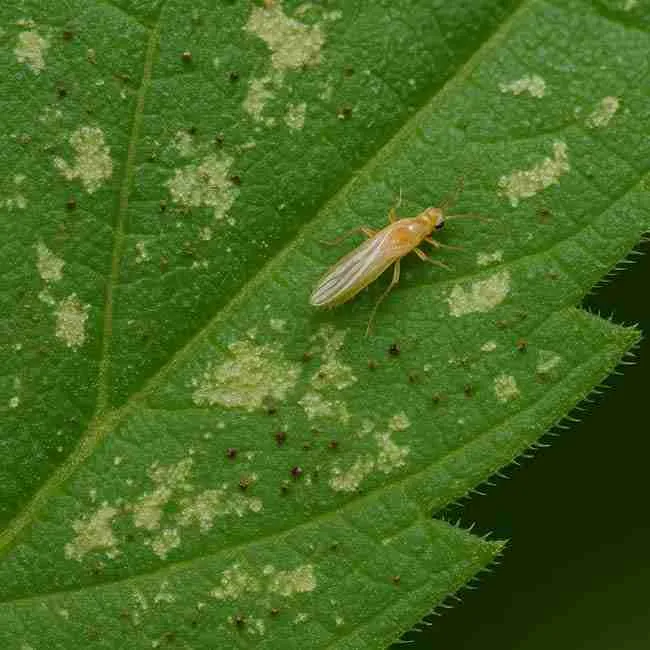
Thrips are tiny, skinny, fast little troublemakers. They feed by scraping the leaf surface and sucking plant juices. That scraping leaves behind a very specific look.
You’ll notice:
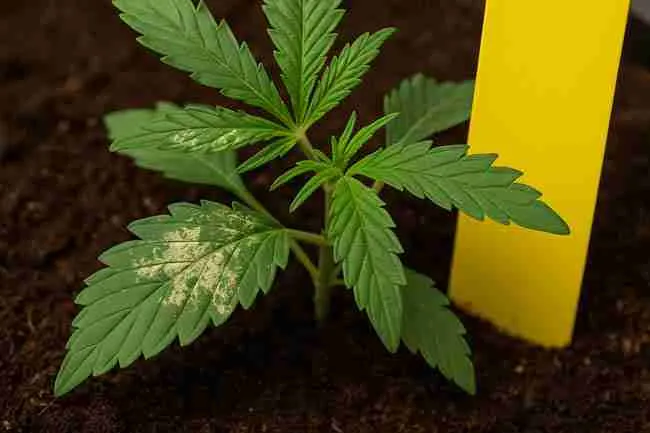
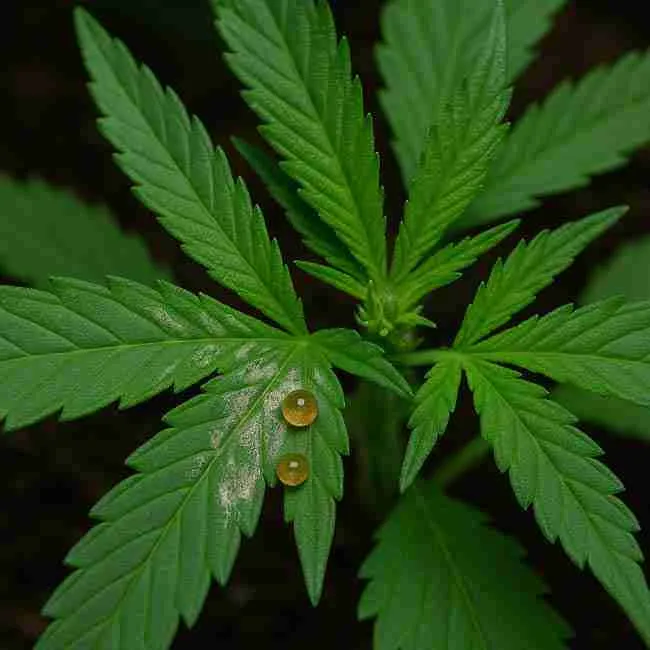
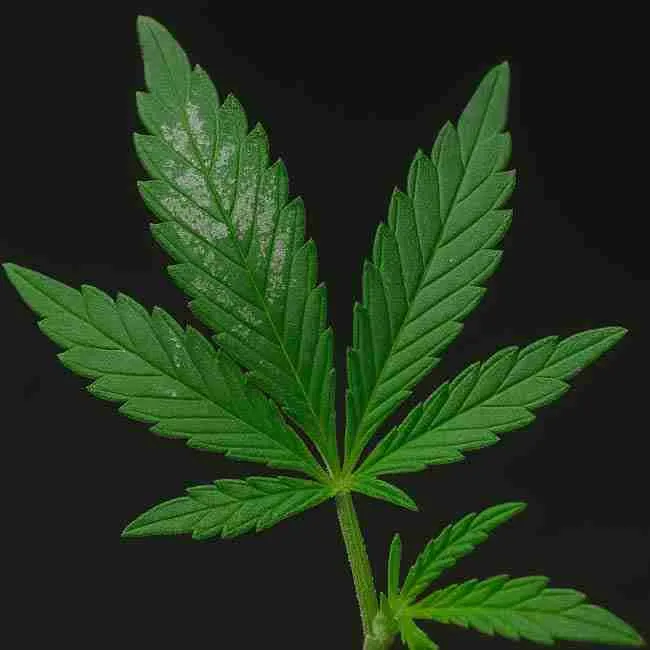
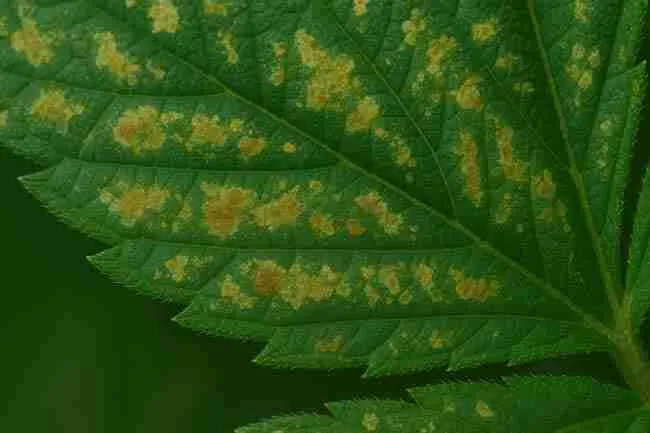
- Silvery streaks or patches on leaves (like shiny scuffs)
- Tiny black dots (thrips poop) near the damage
- New growth looking twisted, crinkled, or “sad”
- Leaves losing that healthy green “glow”
- Slow growth, even when everything else looks “fine”
Quick thrips check (30 seconds)
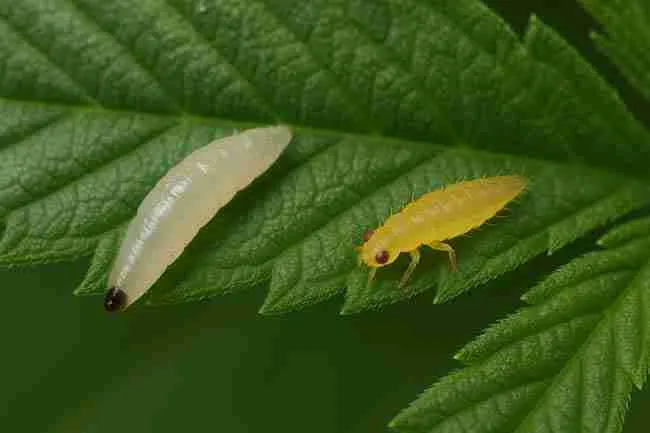
- Grab a leaf that looks damaged.
- Tap it over a white piece of paper.
- If you see tiny moving specks, you’re not imagining it.
Thrips are a big deal because they can explode in numbers and stress your plant hard, especially in warm, dry rooms.
Fungus Gnats: The Soil Flyers
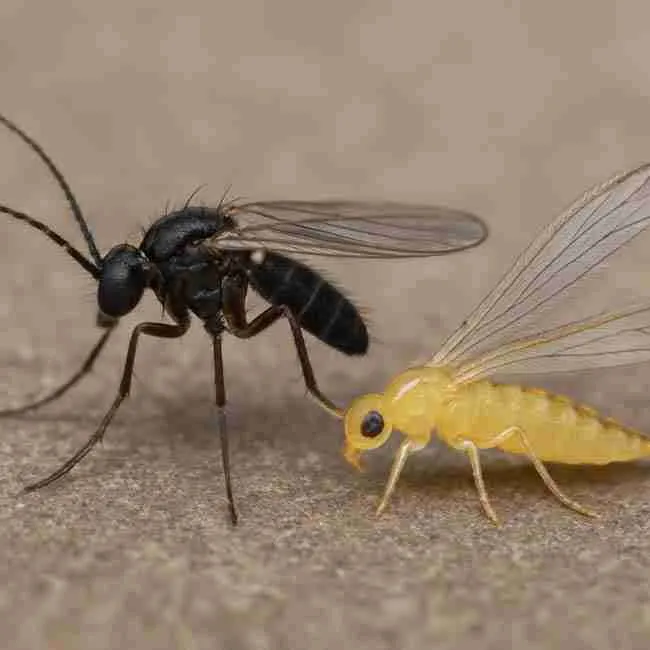
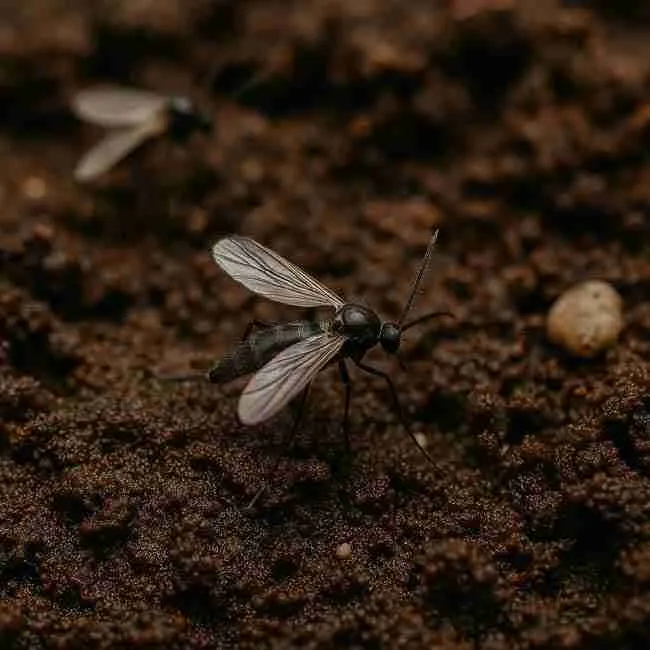
Adult fungus gnats look like tiny black mosquitoes. They don’t bite you, but they absolutely mess with your root zone.
You’ll notice:
- Little black flies hovering near pots
- Gnats running across the soil surface when you water
- Seedlings drooping “for no reason”
- Slow growth and weak stems
- Roots that can’t fully thrive (larvae chew root hairs)
Quick gnat check (easy mode)
- Put a yellow card right at soil level for 24 hours.
- If you catch several little black flyers fast, you’ve got a gnat situation.
Fungus gnats usually mean the soil stays too wet too often. And yes—living soil can still get gnats if you keep it swampy.
Thrips Cannabis Control Starts With One Mindset: “Catch, Count, Crush”
If you want thrips cannabis control that actually works, you need three things working together:
- Detection (yellow cards + leaf checks)
- Pressure (predators + environment fixes)
- Consistency (repeatable routine, not random panic)
Thrips don’t care if you “treated once.” They care if you kept pressure on them long enough to break their life cycle.
Yellow Cards: Your Early Warning System (and Your Scoreboard)
Yellow sticky cards don’t magically solve everything. They do something better: they tell the truth.
They help you:
- Confirm what pest you have
- Track if your plan is working
- Catch flying adults before they lay more eggs
- Spot outbreaks early, before your plant looks wrecked
The biggest mistake with yellow cards
Most growers hang one card somewhere random and call it “monitoring.”
That’s like putting one smoke detector in the garage and hoping it protects the whole house.
You need sticky trap placement that matches the pest.
Sticky Trap Placement That Actually Works (Thrips Edition)
Thrips hang out on leaves and in the canopy. Adults fly and hop around plant level.
Where to place yellow cards for thrips
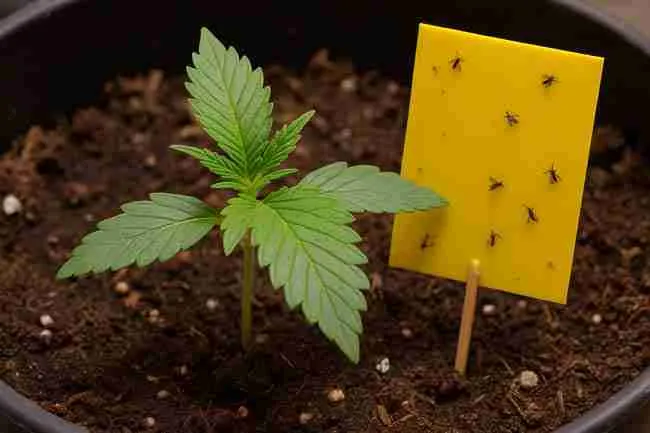
- At canopy height (right around the top third of the plant)
- Near airflow paths (not directly in front of a fan blast)
- Close to suspect plants (the ones with damage)
How many cards?
A simple, solid baseline:
- 1 small card per 1–2 plants in veg
- More cards if you see damage spreading
- At least 2 cards per area (so you’re not fooled by one “quiet corner”)
Trap tuning tip (tiny change, big results)
Angle the card slightly so it “faces” the open space where bugs fly. Flat against a wall won’t catch much. You want it in the traffic lane.
Thrips Live in Stages (So You Must Hit More Than One Stage)
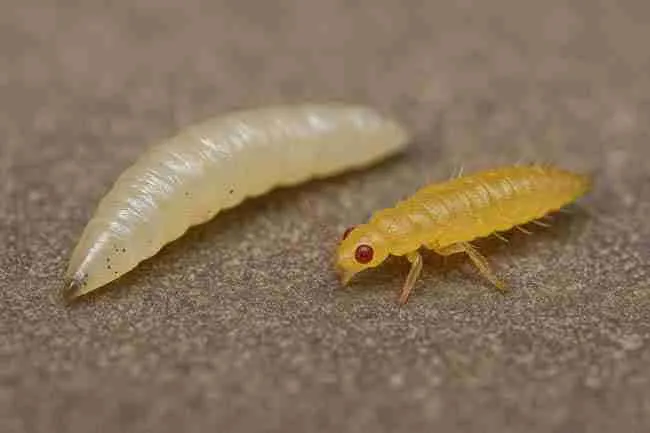
Thrips don’t live their whole life on the leaf.
- They feed on leaves
- Then many drop down to pupate (often in soil or debris)
- Then adults come back up and restart the circus
So your thrips cannabis control plan needs:
- A canopy plan (for leaf feeders + flying adults)
- A soil plan (for the drop-down stages)
The Canopy Plan: Knock Thrips Down Without Wrecking Your Grow
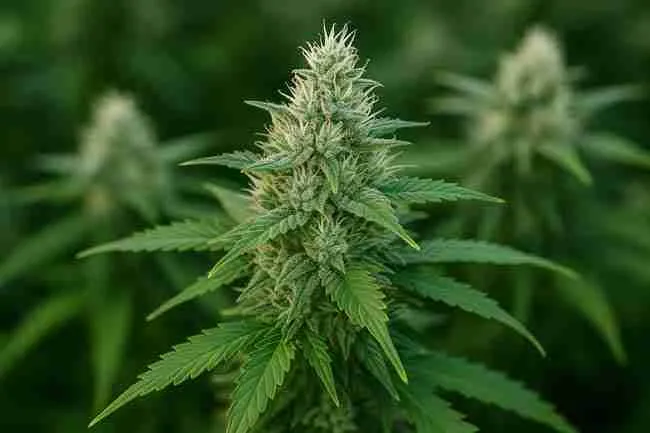
1) Remove the worst leaves (yes, really)
If a leaf is heavily damaged, it’s basically a thrips buffet.
Do this:
- Clip the most beat-up leaves first
- Bag them and remove them from the room
- Don’t drop them on the floor like confetti
This reduces food and hiding spots immediately.
2) Wash or wipe (simple, effective, boring)
If you’re in veg, a gentle leaf wash can cut pest numbers fast.
Options that many growers use (always follow label rules in your area):
- Insecticidal soap products
- Horticultural oils (used carefully)
- Plain water spray + leaf wipe for light infestations
Flower warning (don’t play games)
In flower, especially late flower, spraying oily stuff can ruin aroma, risk residue, and invite mold if you soak buds. In flower, lean harder on:
- Better trap tuning
- Predators
- Environment tweaks
- Targeted, minimal interventions only when appropriate
3) Raise humidity a bit (thrips hate it)
Thrips often thrive when the room is hot and dry.
If your grow allows it, aim for:
- Veg: moderate humidity (not rainforest)
- Good airflow without turning the tent into a wind tunnel
Don’t overdo humidity in flower. Bud rot is a different monster.
Soil Predators: The Muscle Under the Surface
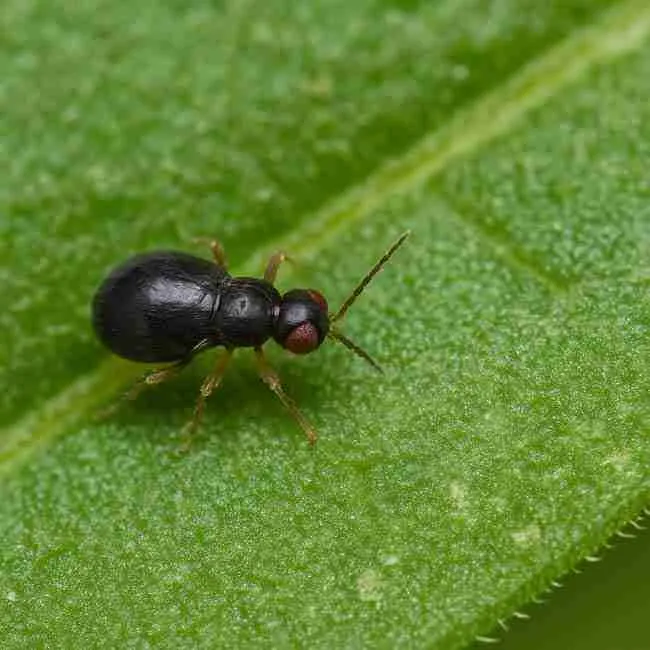
Here’s where most growers finally get relief: soil predators.
They don’t just “help.” They hunt.
Best soil predators that support thrips cannabis control
Because thrips often drop to soil, soil predators can break that cycle.
Common helpful predators used in cannabis grows:
- Stratiolaelaps scimitus (often called Hypoaspis miles): a predatory mite that lives in the top layer of soil
- Dalotia coriaria (rove beetles): patrol soil and container edges like tiny bouncers
- Steinernema feltiae (beneficial nematodes): microscopic hunters that target larvae in moist media
These also overlap with fungus gnat predators, which is perfect—because you often fight both pests at once.
Fungus Gnats: Why They Keep Coming Back (Even When You “Killed Them”)
Fungus gnats are usually a symptom of the same root problem:
You’re watering like the soil needs a hug every day.
Adult gnats are annoying, but the real damage comes from larvae chewing root hairs. Weak roots = weak plant = easier thrips problems too. Yep, it stacks.
Sticky Trap Placement for Fungus Gnats (This Is Different)
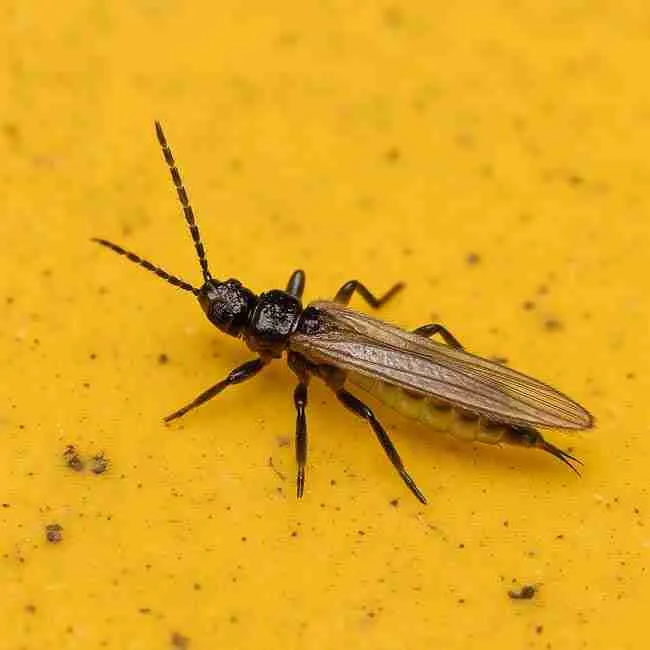
Fungus gnats fly low and hang near the soil.
Where to place yellow cards for gnats
- Right at soil level
- Near pot rims
- Near runoff trays (if you use them)
- Anywhere damp stays damp
How many cards?
If you want real monitoring:
- 1 card per 1–2 pots, near soil level
- Add one “room card” near the entrance or main airflow lane
Trap tuning tip for gnats
If your card is too high, you’ll miss them and think you “don’t have gnats.” Meanwhile, they’re throwing a party in the pot.
The Soil Plan: Dry, Cover, Hunt (In That Order)
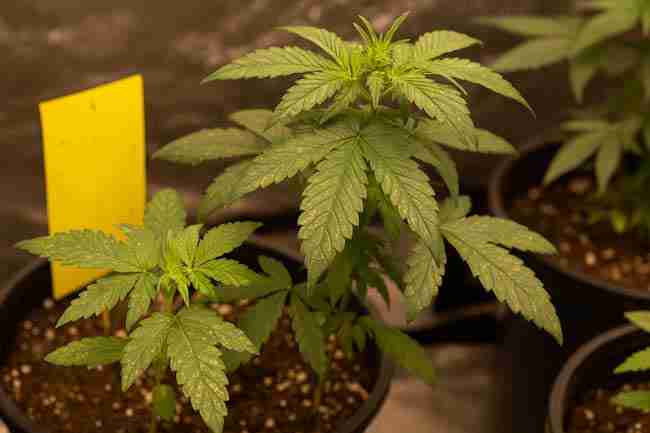
1) Dry-back: stop giving larvae a swimming pool
You don’t need bone-dry soil. You need the top layer to stop staying wet.
Simple rule:
- Let the top inch or two dry before watering again (when your medium and plant stage allow it)
Seedlings need care, sure—but you can still avoid constantly wet surfaces.
2) Top layer barriers (make soil less inviting)
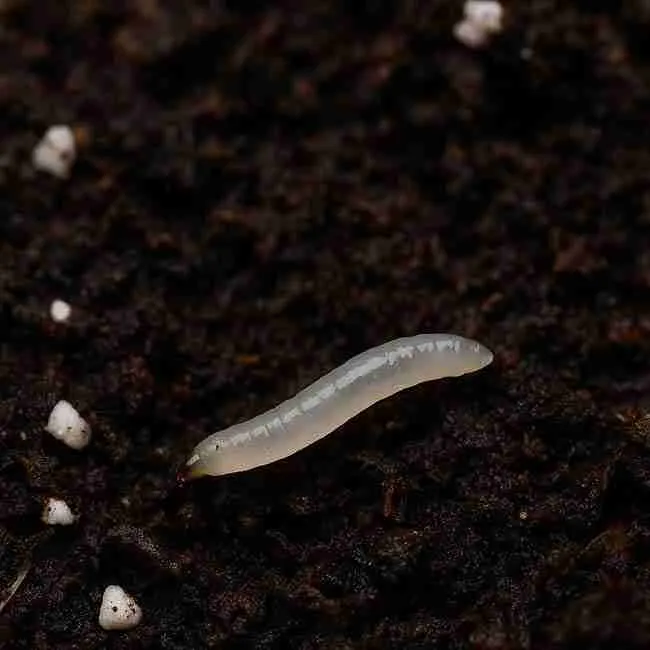
Barriers reduce egg-laying and slow larvae.
Common barrier options:
- Coarse perlite layer
- Sand (used carefully—can compact and hold moisture if done wrong)
- Mulch options that don’t stay soggy
- Pot toppers designed for pest control
You’re trying to make the surface feel like a bad neighborhood for gnats.
3) Bring in fungus gnat predators (this is the fun part)
If you want consistent results, use biological control like a grown-up.
Top fungus gnat predators many growers rely on:
- Stratiolaelaps scimitus (soil predatory mites)
- Steinernema feltiae (beneficial nematodes)
- Dalotia coriaria (rove beetles)
- BTi (microbial larvicide, often used in waterings)
How to combine them without wasting money
- Predatory mites patrol the surface
- Nematodes hunt in moist pockets
- Rove beetles roam and eat larvae/pupae
- BTi hits larvae through watering
That layered approach punches gnats in the face from four angles.
Trap Tuning: Make Yellow Cards Work Harder (Not Just Look Pretty)
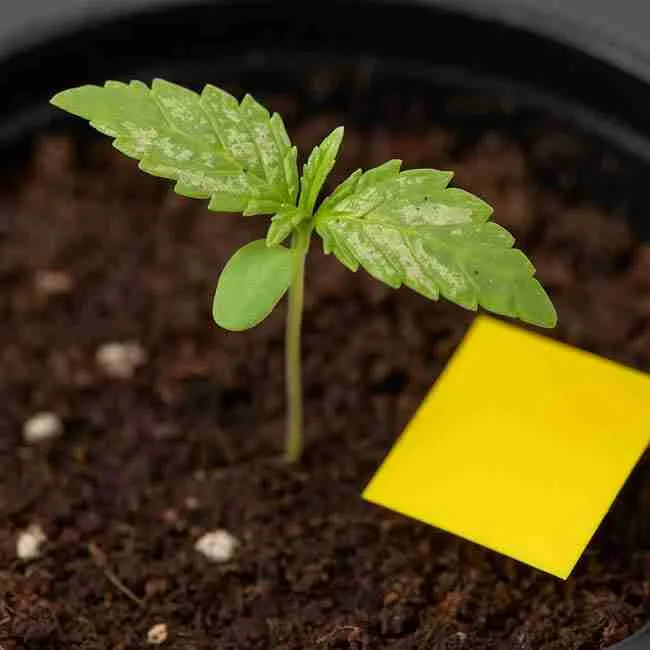
“Trap tuning” means you adjust your traps like you adjust your lights or fans. You don’t set them and forget them.
What to tune
Card position
- Thrips: canopy height
- Gnats: soil level
Card density
- More pests = more cards
- Big room = more zones
Card freshness
Sticky glue loads up with dust fast.
Replace cards when:
- They’re covered in bugs/dust
- They look dry
- You can’t clearly count new catches
Card location changes
Move cards to where the action is.
- Near a problem plant
- Near the wettest pot
- Near the door (pests hitchhike)
Your 5-Minute Daily Scout Routine (Do This and You’ll Win)
Make it a habit. No drama. Just results.
- Check 2–3 leaves per plant (top and bottom)
- Look for silver scuffs and black specks (thrips signs)
- Look at soil surface for flyers (gnat signs)
- Count new catches on cards (quick estimate is fine)
- Note which pot stays wet longest
- Make one small adjustment (move a card, dry-back a bit more, remove a damaged leaf)
Do that daily and your thrips cannabis control stops being luck-based.
Table: Thrips vs Fungus Gnats (Tools, Placement, and What Works)
| Problem Pest | Main Damage | Where They Hang Out | Best Sticky Trap Placement | Best “Soil Predator” Help | What Usually Fixes It Fast |
|---|---|---|---|---|---|
| Thrips | Silver scuffs, leaf stress, slow growth | Canopy + sometimes soil stage | Yellow cards at canopy height | Predatory mites, rove beetles, nematodes | Remove bad leaves + predators + tuned traps |
| Fungus gnats | Root hair chewing (larvae), weak seedlings | Soil surface + wet media | Yellow cards at soil level | Fungus gnat predators: mites, nematodes, rove beetles | Dry-back + predators + surface barrier |
One-Week Rescue Plan (When It’s Already Ugly)
This is a practical “stop the bleeding” plan. Use it to regain control fast.
Day 1: Confirm and set your trap grid
- Put yellow cards at canopy height (thrips)
- Put yellow cards at soil level (gnats)
- Replace any old dusty cards
- Tag your worst plants mentally (or with a pot marker)
Day 2: Remove damage and clean up the battlefield
- Clip the worst damaged leaves
- Remove dead plant bits from soil surface
- Clean runoff trays
- Stop leaving wet spills sitting around
Day 3: Adjust watering and surface conditions
- Start a dry-back cycle (within reason for your medium)
- Add a surface barrier if you use one
- Make sure airflow moves across the pots lightly (not hurricane mode)
Day 4: Release soil predators (choose your combo)
- Add one or more fungus gnat predators
- Keep soil slightly moist if using nematodes (they need moisture to move)
- Avoid harsh sprays that could kill your beneficials
Day 5: Canopy pressure (thrips focus)
- If you’re in veg and you use a labeled product, apply carefully
- If you’re in flower, rely more on predators + trap tuning + leaf removal
- Keep your tent tidy—thrips love clutter and neglected corners
Day 6: Trap tuning check
- Move cards toward higher catches
- Add extra cards near hot zones
- Replace cards that are loaded up
Day 7: Measure progress like a grown-up
- Compare card catches to Day 1
- Check for fresh leaf damage (new damage matters most)
- Decide whether to repeat predator release or expand coverage
This isn’t fancy. It’s just steady pressure—and pests fold under steady pressure.
Pros and Cons (So You Don’t Waste Money)
Yellow Sticky Cards
Pros
- Cheap and simple
- Great for monitoring
- Catches flying adults
- Helps you verify if you’re improving
Cons
- Won’t remove eggs/larvae alone
- Placement mistakes ruin results
- Dust reduces stickiness
Soil Predators (General)
Pros
- Attacks pests where sprays miss
- Helps both gnats and thrips life stages
- Works well in living soil systems
- Builds a more stable grow ecosystem
Cons
- Needs decent conditions (moisture, temperature)
- Some sprays can kill them
- You must reapply sometimes
Beneficial Nematodes
Pros
- Strong on larvae in moist media
- Easy to apply in water
- Works great for fungus gnat control
Cons
- Requires correct moisture
- Doesn’t help much with adult flyers
- Best when combined with traps and dry-back
BTi (Microbial Larvae Control)
Pros
- Targets larvae through watering
- Easy routine product in many gardens
- Strong support for fungus gnat predators
Cons
- Doesn’t catch adults
- Requires repeat applications
- Results depend on consistency
Specifications and “Trap Gear” Checklist (So You Buy the Right Stuff)
Yellow Card Specifications (Practical, Not Fancy)
- Color: Yellow (strong attraction for many flying pests)
- Size: small cards for pots, larger cards for room zones
- Surface: sticky on both sides is useful in open areas
- Mounting: stakes for soil-level placement, hangers for canopy
- Count grid: cards with a faint grid make counting easier (nice, not required)
Sticky Trap Placement Specifications (Quick rules)
- Thrips: top third of plant, near canopy
- Gnats: soil level, near pot edge
- Don’t place directly in front of a fan blast
- Replace every 1–3 weeks (sooner if dusty or loaded)
Soil Predator “Fit” Specifications (What Conditions They Like)
Different beneficials work better when conditions match.
General “good range” for many beneficials (not strict):
- Moderate temps (not freezing, not scorching)
- Avoid bone-dry top layers if you want predators to thrive
- Keep soil life-friendly: no constant chemical nuking
Compatibility note (important):
If you spray harsh pesticides, you can wipe out your predators and then wonder why pests return. That’s not bad luck. That’s friendly fire.
The Most Common Mistakes (And the Fix)
Mistake: You only trap adults
Adults are the tip of the iceberg. You need larvae control too.
Fix: Pair cards with fungus gnat predators and/or larval controls.
Mistake: You water on a schedule, not by soil feel
Gnats love scheduled swamp watering.
Fix: Water when the plant and medium need it, not when the calendar says so.
Mistake: Your sticky trap placement is “somewhere”
Somewhere doesn’t catch pests.
Fix: Canopy for thrips, soil level for gnats. Then tune.
Mistake: You bring in new plants like it’s a free-for-all
One clone can bring an entire thrips family reunion.
Fix: Quarantine new plants. Inspect leaves. Trap near them early.
FAQ: Thrips Cannabis Control, Fungus Gnat Predators, and Sticky Trap Placement
How long does thrips cannabis control take to work?
You usually see improvement within 7–14 days if you trap correctly and keep pressure on the life cycle. One-time actions don’t hold.
Can yellow cards solve thrips by themselves?
No. Yellow cards help monitoring and catch adults, but you need canopy pressure and often soil-stage control too.
What’s the best sticky trap placement for fungus gnats?
Put cards right at soil level near the pot edge. High cards miss most gnat traffic.
What are the best fungus gnat predators for cannabis soil?
Many growers use soil predatory mites, beneficial nematodes, and rove beetles together for layered control. The best choice depends on how wet your medium stays and your grow style.
Why do thrips keep coming back after you “killed them”?
You probably hit one stage (adults) and missed another stage (pupae/larvae). That’s why a combined plan matters.
Will top dressing stop fungus gnats?
It helps, but it usually won’t finish the job alone. Combine barriers with predators and proper watering habits.
Do sticky traps catch beneficial insects too?
They can, especially if you place them carelessly. Use traps mainly for monitoring zones and avoid placing them where beneficials concentrate.
What’s the safest approach during flower?
Focus on: trap tuning, leaf removal, soil predators, watering discipline, and environment tweaks. Be cautious with sprays and always follow your local rules and labels.