Types of Cannabis Seeds: Feminized, Regular, Autoflower, and Photoperiod

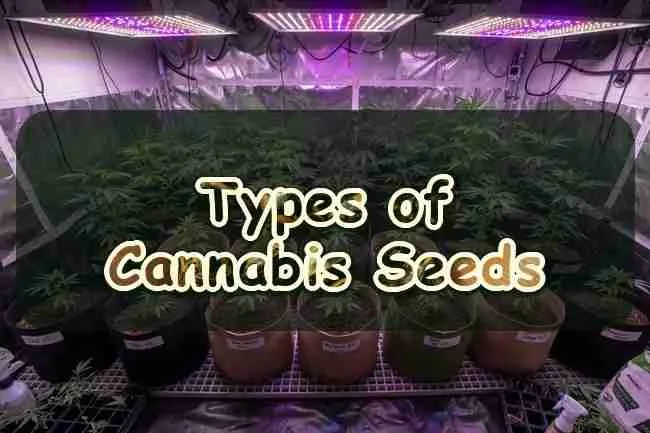
Types of cannabis seeds are not five rival products on a shelf. They are stacked labels on one bean. The old page on this URL listed autoflower, feminized, regular, CBD, and THC as if you pick one and the others go away. Catalogs talk like that. A seed does not. Two questions decide how the plant behaves in your tent: sex, and what makes it flower. Then you add plant form, cannabinoid profile, and generation labels. A pack can be a feminized autoflower indica hybrid with high THC. Those words do not fight. They stack.
This rewrite keeps the live backbone: autoflowering seeds, feminized seeds, regular seeds, CBD seeds, THC seeds, growing, harvesting, seedbanks, strains, and the FAQ people already land on. It also covers what actually ranks now when growers search types of cannabis seeds: regular vs feminized, autoflower vs photoperiod, indica vs sativa vs hybrid, F1 vs F2, and how to choose for a tent or a short season. You are not collecting trivia. You are buying a pack that has to finish in your space without wasting half the light on males or stalling because you mixed clocks.
The Two Axes That Define Types of Cannabis Seeds

Axis one is sex. Regular seeds come from a male and a female. You get roughly half pollen plants and half bud plants. Feminized seeds come from female pollen on a female flower. You get almost all females. Axis two is the flowering trigger. Photoperiod plants wait for long nights, about 12 hours of dark, before they pack on flowers. Autoflower plants ignore the calendar of light and flip by age, usually around week three to five from sprout, because of Cannabis ruderalis in the family tree.
Those axes cross. You can buy feminized photoperiod, regular photoperiod, feminized autoflower, and (less often) regular autoflower. Most home packs you see are feminized photoperiod or feminized autoflower. Regulars are the breeding and hunting tool. CBD and THC are not a third sex. They are the chemotype, what the resin is built to make. Indica, sativa, and hybrid are plant form and flowering length, not a substitute for the two axes. If a shop lists “autoflower, feminized, regular, CBD” in one row, read it as marketing shorthand, then decode the pack with the grid below. How to shop without guessing: how to pick cannabis seeds.
| Pack you buy | Sex | Flowering trigger | Typical seed to harvest | Who it is for |
|---|---|---|---|---|
| Feminized photoperiod | ~99% female | Light: veg 18/6, flower 12/12 | ~12–20 weeks | Most indoor growers who want size and control |
| Regular photoperiod | ~50/50 male/female | Same 12/12 flip | ~12–20 weeks, plus sexing | Breeders, pheno hunters, seed savers |
| Feminized autoflower | ~99% female | Age, about 3–5 weeks | ~8–12 weeks | Speed, small tents, short summers, first runs |
| Regular autoflower | ~50/50 | Age | ~8–12 weeks | People breeding autos on purpose |
| CBD / hemp chemotype | Fem, regular, or auto | Photo or auto | Follows the trigger above | Low-THC resin, not a separate sex type |
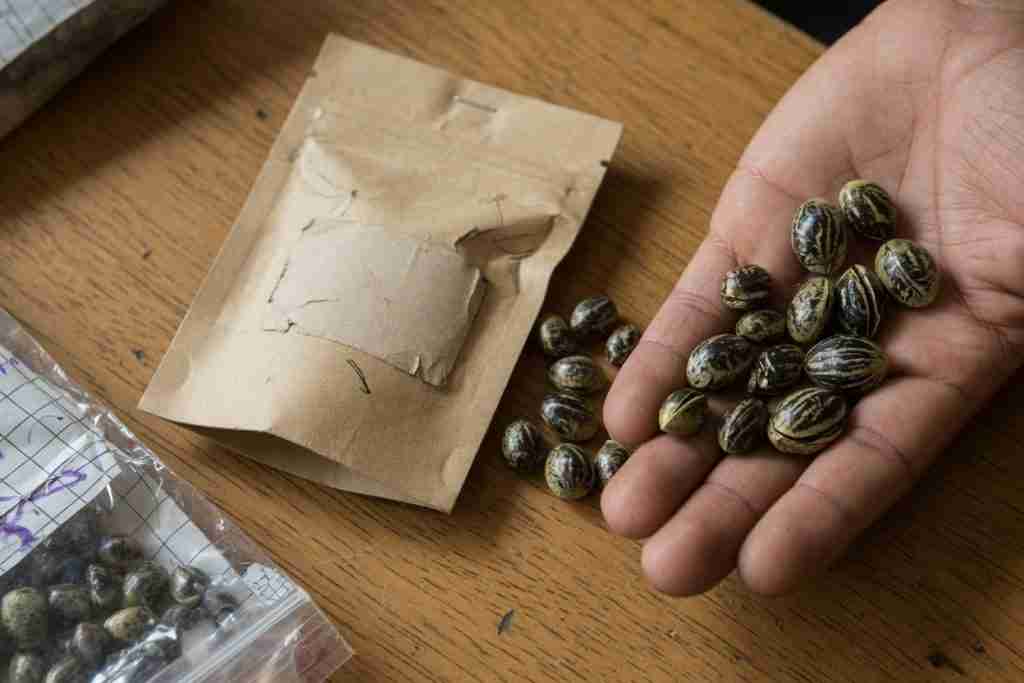
You cannot tell those labels from the shell. Dark, mottled, hard beans are ripe. Pale green beans are immature. Size is not strain. Two vials of different genetics can look identical on the kitchen table. What the seed looks like: what good cannabis seeds look like. What is inside the hull: cannabis seed anatomy. Buy the label from a bank that stores packs cold and dark: cannabis seeds store.
Regular Cannabis Seeds
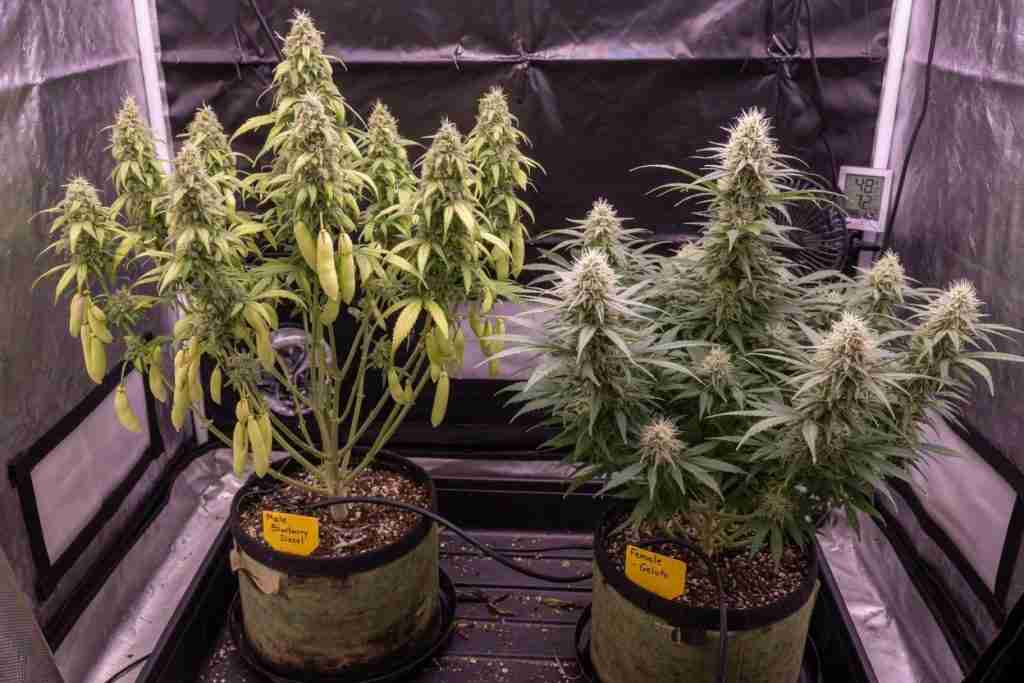
Regular seeds are the old plant doing what it does outdoors. A male sheds pollen. A female catches it. The seeds in that calyx are regular: about half will be male, half female, with some packs leaning a little. There is no stamp on the bean. You find out when preflowers show. That is not a defect. That is the breeding system. If you want seedless flower in a two-plant tent, regulars will punish you. If you want pollen, new crosses, or a hunt through a population, regulars are the tool. Side-by-side with fems: feminized and regular cannabis seeds. When regulars are the right buy: when you should choose regular cannabis seeds.
A male is not garbage. It is a pollen factory. One missed male in a flower tent seeds every female in range. Seeded flower is not “ruined” in the sense that it will not dry, but the plant spends energy on beans instead of resin, the trim is slower, and you did not plan a seed crop. Cull extra males unless you have a separate box for them. Keep one if you are making seed on purpose. How to take that seed when it is ripe: harvest cannabis seeds.
How to sex regular plants
You sex at the nodes, where the leaf stem meets the main stalk, not by “the plant looks pretty.” Female preflowers are a small calyx with a pair of white pistils. Male preflowers are smooth sacs, like tiny bunches of grapes or bananas, no hairs. Photoperiods often show this in late veg, around week three to six, or right after you flip to 12/12 when they shout it. Autos show it on a shorter clock, often as they start to stretch into flower. A loupe helps. Guessing from leaf shape does not. Walkthrough: is my cannabis plant male or female.
Do not wait until sacs are open and dusty. Open sacs mean pollen is already in the air. Pull the male, bag it if you need the pollen, and get it out of the flower room. Check every plant twice. A late male hiding in the back corner is how a whole SCROG turns to seed in week six. Feminized packs still get a look. A true male from a fem pack is rare, maybe one in a hundred from a sloppy batch, but intersex flowers on a female under stress are more common than people admit. Sexing is a habit, not a regular-seed tax.
When regular seeds are worth the males
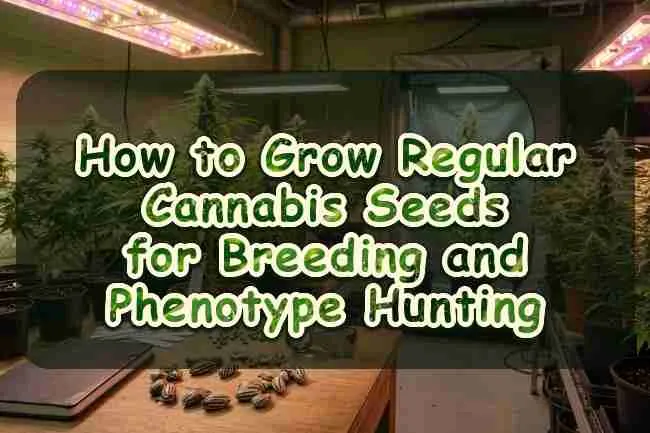
Buy regulars when you need males, when you are hunting a keeper from a wide pack, or when you are preserving a line. F2 and landrace packs are often regular because the point is variation. A 4×4 with twelve regulars is a hunt. A 2×2 with two regulars is a coin flip you cannot afford. Clone the females you like before you flip if you have the space. The males you like, if you are breeding, get their own tent so pollen does not ride your shirt into the flower room. The class for that work: how to grow regular cannabis seeds for breeding and phenotype hunting.
Feminized Cannabis Seeds

Feminized seeds are bred so almost every plant is female. That is the pack most people should buy if the goal is flower, not pollen. You fill the tent with producers. You do not spend four weeks of veg on a plant you then throw in the compost. Indoor square footage is expensive. Feminized photoperiods are how most home growers cash that space. Why growers pick them: why choose feminized cannabis seeds.
How feminized seeds are made
They are not a GMO crop in the lab-corn sense. A breeder takes a female, stresses her sex expression with silver thiosulfate (STS) or colloidal silver, and she throws pollen sacs. That pollen is XX. Dust it on another female (or on herself for an S1) and the seeds lack a Y chromosome. Almost all of the offspring are female. The sprayed plant is a pollen donor, not a smoke plant. Do that work in a separate box. Full process: how to make feminized cannabis seeds.
Rodelization, waiting for a female to throw nanners at the end of flower and using that pollen, also makes fem seed. It also selects for plants that herm under stress. Serious breeders stress-test parents, cull anything that bananas in a normal room, and use chemical reversal on stable females. Sloppy fems are how the “feminized seeds always herm” myth got legs. The risk is the line and the room, not the word feminized on the pack. Causes and prevention: hermaphroditism risk in feminized seeds. What stability actually means: what makes a cannabis seed genetically stable.
Feminized is not the same as autoflower
This is the mix-up that burns first-time buyers. Feminized answers sex. Autoflower answers the trigger. A feminized photoperiod still needs a 12/12 flip. A feminized autoflower does not. Most autos sold today are also feminized, so the real choice for flower growers is usually feminized photoperiod vs feminized autoflower, not “fem vs auto” as if those were one axis. Direct comparison: feminized vs autoflower cannabis seeds.
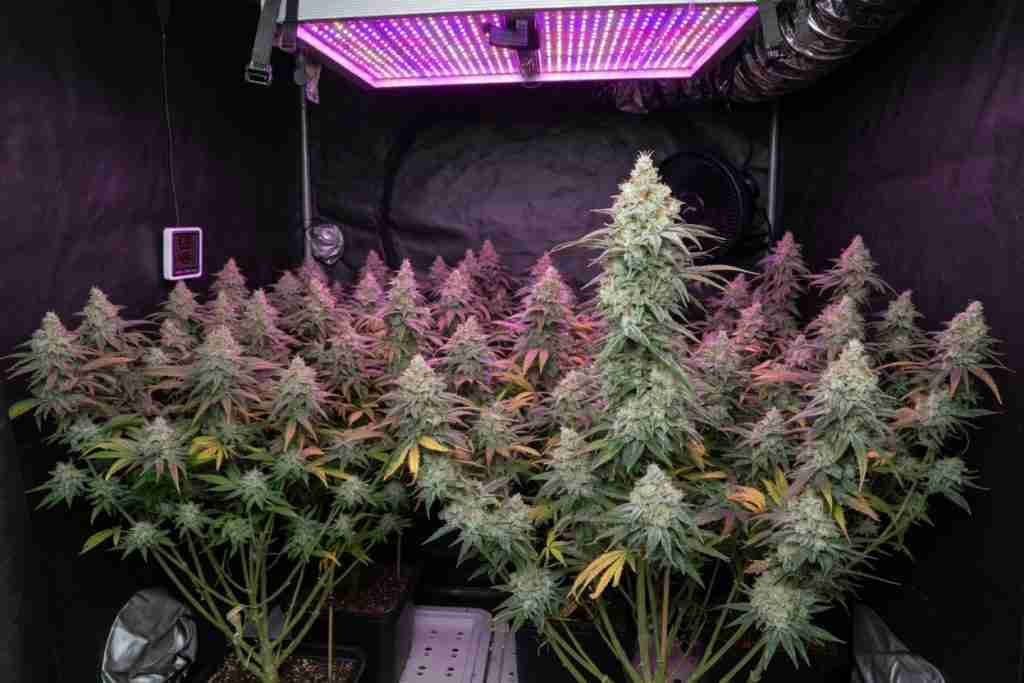
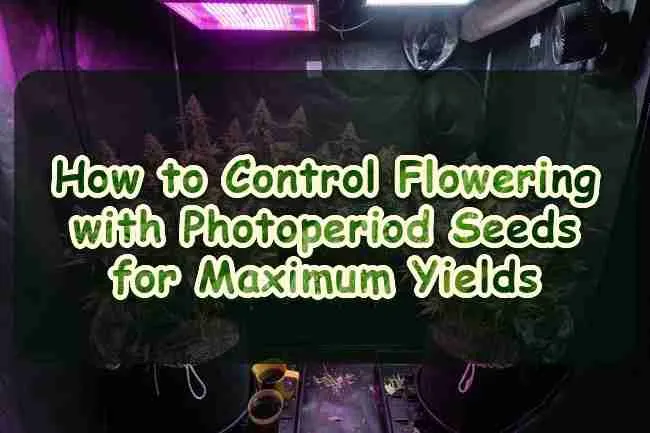
Feminized photoperiods take training. You veg them until the screen is full, top them, mainline them, run a SCROG, keep a mother, cut clones. That is the yield path. They also wait for you. A plant can sit in veg for four weeks or ten. Autos will not wait. If you want one big harvest from a 4×4 and you can run a timer, feminized photoperiod is the default. If you want three harvests a year from the same tent, or you cannot guarantee a dark 12-hour night, look at autos next.
Photoperiod Cannabis Seeds
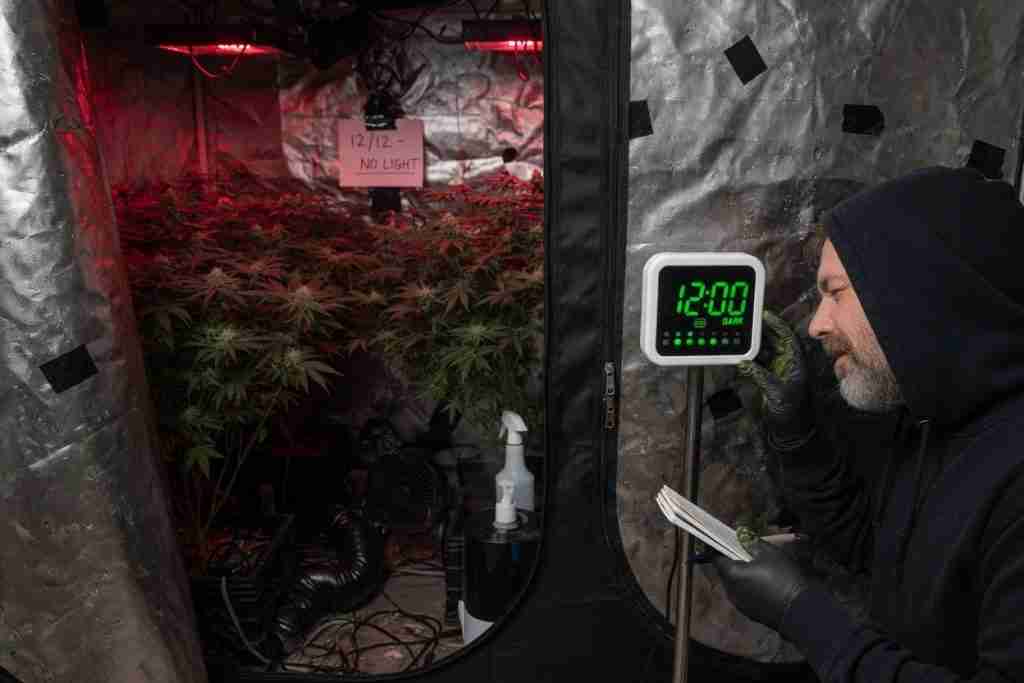
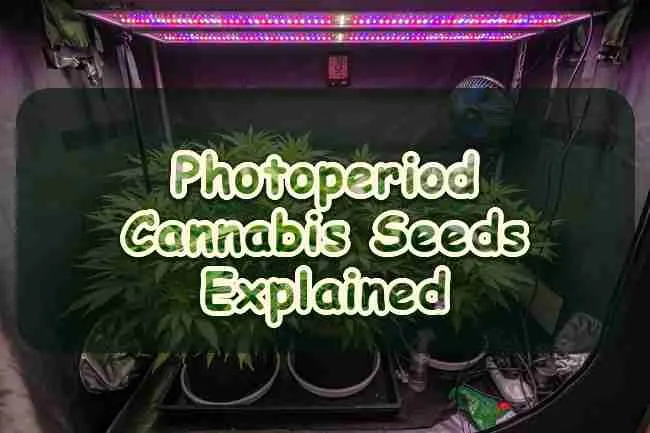
Photoperiod seeds, photo for short, flower when nights get long enough. Indoors that means you veg on 18/6 or 20/4, then flip the timer to 12 hours on, 12 off, and keep that night truly dark. A light leak at 2 a.m. from a bathroom door or a pinprick in the tent is how photos re-veg, herm, or stall. Outdoors they read the season. In the northern hemisphere that is late summer into fall. A sativa that wants 12 weeks of flower in a short-season yard is a frost problem, not a fertilizer problem. The dedicated explainer: photoperiod cannabis seeds explained.
Control is the whole point. You decide when to flip. A short indica in a 2×2 might veg two to three weeks after the seedling stage and still fill the footprint. A 4×4 SCROG might veg five to seven weeks. Stretch after the flip is real: many hybrids double. Flip when the net is about half to two-thirds full, not when the tops are already in the diodes. Flower stage: flowering stage of growth. Veg before that: cannabis vegetative stage. Light intensity once they are past seedlings: grow lighting for cannabis.
Indoor, outdoor, and greenhouse photoperiods
The same photoperiod genetics come as indoor, outdoor, and greenhouse cuts in a catalog because the plant still has to fit the site. Indoor wants compact internodes and a flower time you can pay to light. Outdoor wants mold resistance, wind stems, and a finish before your first hard frost. Greenhouse sits between: you can black out to flip early, or you can let the sun do the veg and pull tarps for 12/12. Guides: indoor cannabis growers guide, growing cannabis outdoors, cannabis greenhouse growing. Outdoor strain picks: best cannabis seeds for outdoor growing.
Photoperiods clone. That matters. You can run seeds, keep the winner as a mother on 18/6, and stop rolling the dice every cycle. Autos technically clone, then the clone tries to finish on the same age clock and you get a bonsai. If your plan is a mother and a production tent, you want photoperiod, almost always feminized unless you are breeding. Clone vs seed math in a small box: clone vs seed in small tents.
Autoflowering Cannabis Seeds
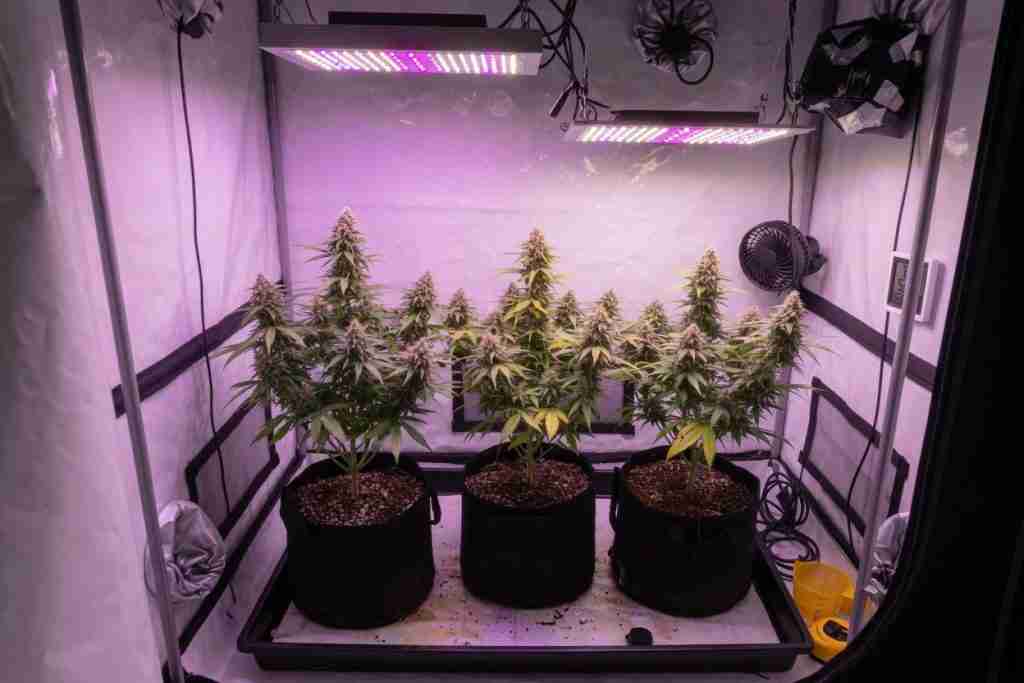
Autoflowering seeds flower because the plant is old enough, not because you flipped a timer. The trait comes from ruderalis landraces that had to finish in short northern summers. Modern autos are ruderalis crossed into indica and sativa lines, then selected until potency and yield look like a real crop instead of a roadside weed. They still finish faster and stay smaller than a photoperiod you veg for two months. That is the trade. Full grow: grow autoflowering cannabis plants. Summer outdoor runs: starting autoflowering cannabis seeds for summer harvesting.
Seed to harvest on a modern auto is often 8–12 weeks. Some long sativa-leaning autos run 13–14. The pack’s “70 days” is a target, not a law. Cool rooms slow them. Early stress caps them. They do not “wait in veg” while you fix a rootbound cup. That is why so many growers start autos in the pot they will finish in, 3–5 gallons for a home tent, and skip the solo-cup shuffle. Germination biology is the same as a photoperiod. The clock after the taproot is not. How to pop them: cannabis seed germination.
Feminized autos vs regular autos
Almost every auto pack sold to home growers is feminized. Regular autos exist for people making new auto lines. If the pack does not say regular, assume fem. You still glance for sacs. You do not plan to cull half the tent. If you are crossing autos, you need a regular auto male or a reversed fem, and you have a short pollination window. Do not learn breeding on your only 2×2 of flower. Use a separate box.
Light, training, and the auto clock
Autos do not need 12/12. Most indoor growers run 18/6 or 20/4 from sprout to chop. Some run 24 hours. The plant will flower anyway. More light generally means more grams if heat and feed keep up. You can run autos under a photoperiod veg light in a shared veg tent if the photos are on 18/6. You cannot run flowering photos on 12/12 in the same tent as autos you still wanted to veg, because the autos will flower too, just smaller. Mixed tents fail on the trigger, not on “they hate each other.”
Training is LST, early leaf tucks, and maybe one topping before day 21 if the plant is vigorous and you have done it before. Late topping, supercropping into week five, and a transplant that rips the taproot are how autos stay ankle-high. They do not get a recovery month. If you want huge autos, the levers are pot size, DLI, and not stalling week one through three, not a 12-week veg. Size work: how to grow large autoflowers.
When autos are the right pack
Buy autos when the season is short, the tent is small, you want a harvest in about two to three months, or you cannot run a reliable dark 12-hour night. A closet that leaks hallway light is a bad photoperiod room and a fine auto room on 18/6. A balcony in a short summer is an auto job. A first crop where you still mix up veg and flower feed is kinder on an auto because the whole life is one short arc. First-crop planning: planning your first cannabis crop. Do not buy autos because you think they are “weaker fems.” Modern autos can hit high teens to mid-20s THC. The limit is usually the grower stalling them, not a ceiling written in ruderalis.
Indica, Sativa, Hybrid, and Ruderalis
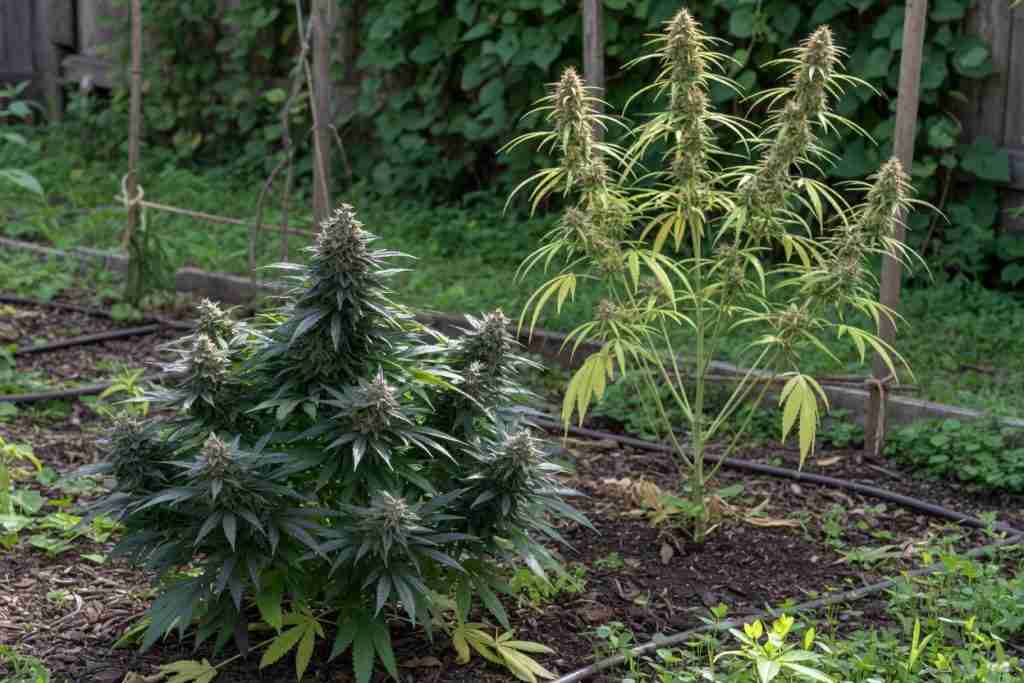
This is plant form, not sex. The old FAQ called indica, sativa, and hybrid the “three classifications of cannabis seeds.” That is one classification, the morphology and flowering-length one. It sits on top of regular/fem and photo/auto. An indica can be a feminized photoperiod or a feminized auto. A sativa can be regular. Hybrids are most of what you will actually grow. Choosing by structure and effect: indica vs sativa vs hybrid. Older side-by-side: cannabis indica vs cannabis sativa.
Indica-leaning plants stay shorter, pack denser flowers, and often finish in about 7–9 weeks of 12/12. Broad leaflets, tight internodes, Christmas-tree shape. They fit a 4-foot tent. They also pack moisture in those dense colas, so late-flower humidity is a bud-rot problem, not a trivia fact. Sativa-leaning plants stretch, take 10–14 weeks of flower, and throw airier spears. Fine in a greenhouse or a tall room. Brutal in a 5-foot closet if you veg them for a month first. Hybrids are the commercial default because breeders already did the compromise: eight to ten weeks of flower, manageable stretch, mixed effects.
Is indica easier than sativa?
In a home tent, usually yes, because of height and flower time, not because sativa “needs more skill” as a personality trait. A 14-week equatorial-leaning sativa in a 2×2 with a 150-watt light is a patience and stretch problem. An indica-leaning hybrid in the same box is a humidity and feed problem, which you can actually see week to week. Outdoors in a long season, a sativa can outyield the indica because it has months of sun and no ceiling. Match the plant to the site. Ruderalis, on its own, is the short-season ancestor. You rarely buy a pure ruderalis pack for flower. You buy it already blended into autos.
Landrace packs are regional heirlooms, often regular, often photoperiod, sometimes auto if they came from high latitudes. They are for preservation and hunting, not for a guaranteed cookie-cutter canopy. If that is the project: cannabis landrace strains.
CBD Seeds vs THC Seeds

CBD seeds and THC seeds are chemotypes. The plant still has a sex and a trigger. High-CBD lines can be feminized or regular, photo or auto. They grow like cannabis because they are cannabis. The difference is the resin recipe. Type I is THC-dominant. Type II is mixed, the 1:1 and 2:1 CBD:THC packs. Type III is CBD-dominant with THC low enough that many jurisdictions treat it as hemp if it stays under the legal THC cap. High-CBD catalog: high CBD cannabis seeds. High-THC hunting is a different shop filter: strongest cannabis strains.
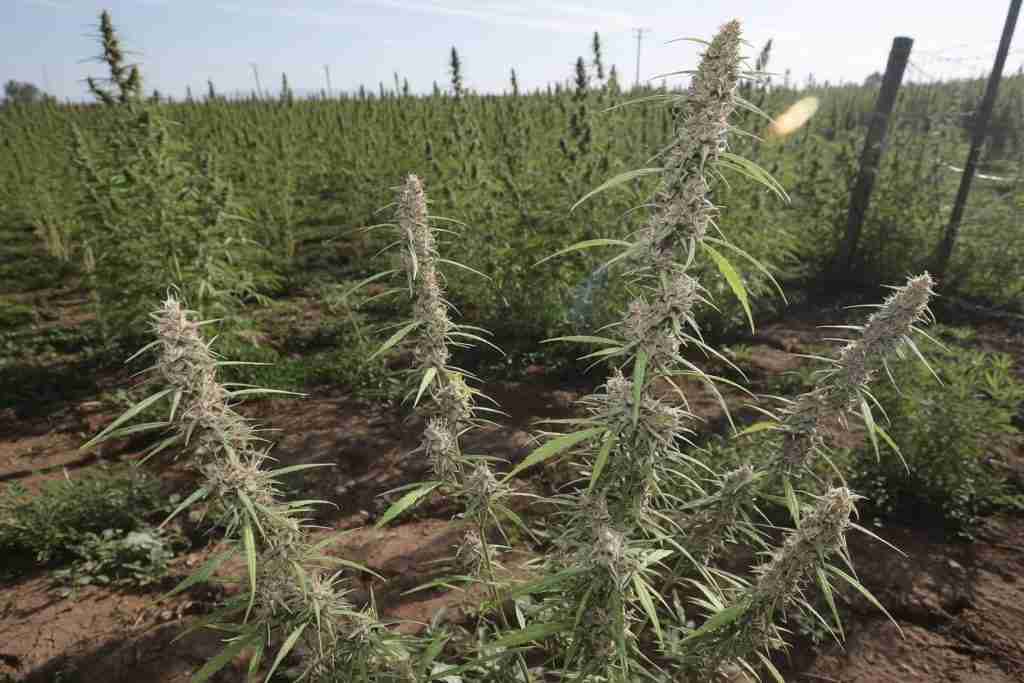
You cannot read CBD vs THC off the tiger stripes. A CBD bean looks like a THC bean. The pack and the breeder’s lab work are the tell. Grow them the same way you would grow that trigger: 12/12 for photos, age for autos. Do not starve a CBD plant thinking “medicine should be grown weak.” Resin still wants light, a sane EC, and a finish. Outdoor hemp-style CBD fields are a different job (row spacing, harvest for biomass) than a tent of CBD flower. If your local rules cap THC, a “THC seed” that throws 20% in a legal hemp plot is a compliance problem, not a grower flex. Check the law before you plant. Seed legality by country is not one answer: cannabis seeds from Canada, and the shop pages for Canada and the United States.
F1, F2, S1, and BX Seed Labels
The old FAQ asked what distinguishes F1 cannabis seeds from F2. That question is still the right one, and it is not a fourth sex type. It is generation math. Full decoder: S1, F1, F2, BX.
F1 vs F2
F1 is the first generation from two different parents, often two inbred lines. True F1s tend to be uniform and vigorous. Plants in the pack look related. That is what you want in a production tent: ten plants that finish together. F2 is F1 crossed to F1. Genes shuffle. You get the stretchy one, the grape-smelling one, the one that wants more calcium, and the runt. That is a hunt, not a canopy plan. If the pack is cheap F2 labeled like a clone-only, you are paying for a lottery. If you like hunting, F2 is the sport.
S1 and BX
S1 is a female reversed onto herself. The seeds are feminized and clustered around that mom. Good when you want a clone-only in seed form. Not magic. You still select. BX is a backcross, offspring crossed back toward a chosen parent to lock traits. BX1 is a nudge. BX3 feels closer. None of these labels replace “feminized” or “autoflower.” An S1 can be photoperiod. An F1 can be auto. Read the whole pack: sex, trigger, generation, chemotype, indoor/outdoor note.
Fast Versions, and Indoor vs Outdoor Packs
Fast, or Fast Version, seeds are still photoperiod. They are not autos. Breeders shorten flower time, often by crossing a photoperiod to an auto and then selecting plants that still need a 12/12 flip but finish in fewer weeks. You keep veg control. You get a quicker bloom. That is useful outdoors at the edge of the season and indoors when electricity is the bill you feel. Do not run them on 18/6 and wait for an auto flip. They will veg until you change the night length.
Indoor / outdoor / greenhouse tags on a strain page are site notes, not new sexes. The same Banana Dream cut can be listed for indoor because it stays polite in a tent, and a different line might be the outdoor pick because it shrugs off September rain. Read height, flower weeks, and mold notes, not just the flavor paragraph. Mold-prone dense indicas in a humid summer need airflow, not hope: mold-resistant strains for humid summers.
How to Choose Types of Cannabis Seeds for Your Grow
Walk four questions. Do not start with a strain name you saw on a menu.
- Do you need males, or only flower? Flower: feminized. Males and hunting: regular.
- Do you need to control veg length, keep a mother, and train hard? Photoperiod. Do you need a finish in about 8–12 weeks with no 12/12 night? Autoflower.
- What is the box? A 2×2 with a 4-foot ceiling wants indica-leaning or autos. A greenhouse with October sun can take a sativa-leaning photo.
- What is the resin for? THC-dominant, CBD-dominant, or mixed. That is chemotype, bought on top of the first three answers.
Most home growers land on one of two packs. Feminized photoperiod if they have a timer, a tent that can go dark, and they want weight. Feminized autoflower if they want speed, a closet, a short summer, or a first run that does not depend on remembering a flip date. Regulars are a third path for people who will sex plants and maybe make seed. CBD is a chemotype filter on any of those. There is no universal “best type of cannabis seed.” There is a best match for this room and this calendar. Strain-level picking after the type is set: how to pick cannabis seeds.
Worked examples
2×2 tent, 150-watt LED, first grow, hallway light under the door: feminized auto, indica-leaning hybrid, 3-gallon fabric pot, 18/6 the whole way. Do not buy a 14-week sativa photo and “see what happens.”
4×4 tent, 480-watt LED, you already grew one photo run: feminized photoperiod, hybrid, veg until the net is half full, flip, harvest in 8–10 weeks of flower. Keep a clone of the keeper if you liked it.
Backyard, last frost late May, first frost early October, no blackout: feminized auto started in June, or a fast photoperiod indica you plant after frost and hope September stays dry. A long sativa is a tarp and a prayer.
You want to make a cross next winter: regular photoperiods, extra plants, a male box, and a plan to sex early. Do not reverse your only fem keeper in the same tent you are trying to dry flower in.
Growing Cannabis Seeds by Type
Germination does not care about the catalog word. Warm, damp, air, dark. Paper towel, water glass, or straight into a plug. Autos use the same pop. After they pop, treat the clock as sacred. Photoperiod seedlings can live in a cup for two weeks. Autos would rather not. Methods: cannabis seed germination. If they stall and die after the crack: why cannabis seeds die shortly after germination. Seedling weeks: seedling stage of growth and cannabis seedlings day by day.
Medium is shared too. A light soil or coco with air in it beats a backyard clay brick. Photos and autos both drown in a waterlogged cup. Mix notes: best medium to grow cannabis and best soil for growing cannabis seeds. Watering is still “lift the pot,” not a calendar. Overwatering kills more seedlings than genetics: water cannabis plants. Room climate: best growing environment for cannabis.
Do not mix clocks in one tent
A flowering photoperiod wants 12/12 and uninterrupted dark. An auto you still wanted to bulk wants 18/6. Put them together and one of them loses. Either the photo never flowers, or the auto flowers small under short days. Vegging photos and autos can share 18/6. Flowering photos need their own box, or you accept that the autos in that box will also be on 12/12 from day one, which makes tiny autos. Regulars and fems can share a tent if you sex on time. A male regular in a fem flower tent is how you get surprise seeds in week seven.
Feed and training by type
Photoperiods get a real veg feed, then a flower feed after the flip. Autos get a milder veg feed early and you start bloom nutrients when pistils show, which is soon. Do not run a heavy “grow” bottle into week six of an auto. There is no week six of veg. Train photos in veg: top, tuck, net. Train autos while they are still flexible in week two and three. If a plant looks sick, diagnose the room before you blame the seed type. Yellow seedlings, drowning, heat: cannabis plants are dying.
Harvesting Cannabis Plants by Seed Type
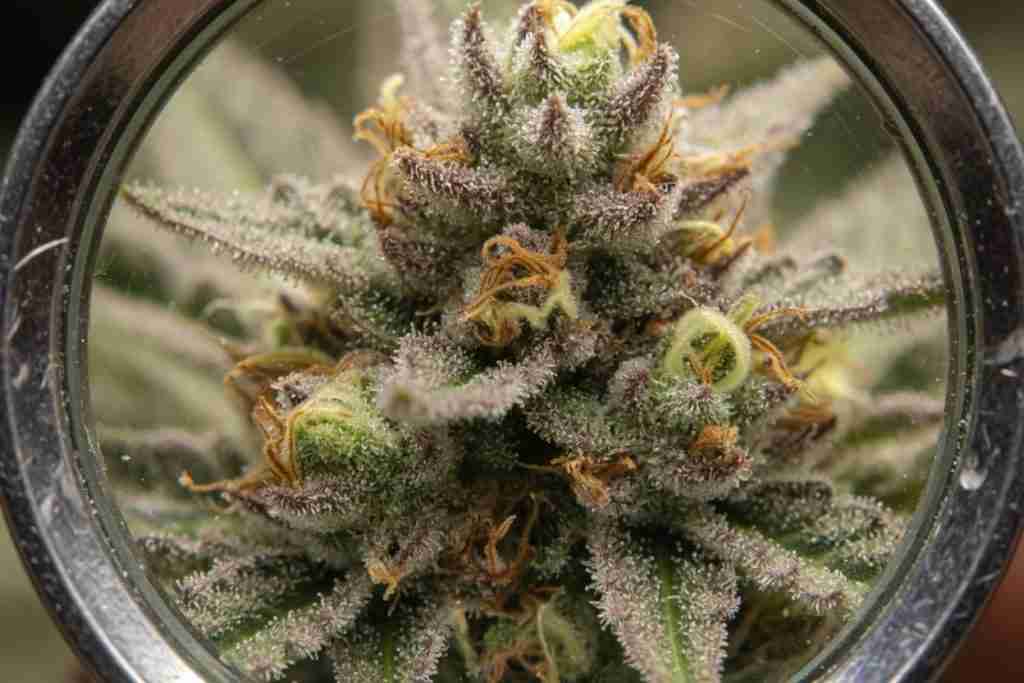
Harvest is trichomes, not a date on the forum. Cloudy heads with a few ambers is the usual flower target. Clear means wait. The seed type changes the calendar you use to get there, not the loupe rule. Autos often finish on a tighter window because the plant is already dying back on its age clock. Photos will sit in flower until you chop, then they will keep if you let them go too long and the trichomes all go amber. Watch the tops and the inner buds. Autos can amber on the top cola while the inside is still clear if the canopy was uneven.
Dry slow. About 10–14 days in the 60°F / 60% humidity neighborhood is the classic, then cure in jars. Dense indica colas mold in a 75% closet. Airy sativa spears forgive more. That is plant form showing up at the finish, not a different harvest religion. If you grew regulars for seed, wait until the calyxes swell and the beans are dark and hard, often six to eight weeks after pollen, then dry the seed, not the flower, as the crop. Seed harvest steps: harvest cannabis seeds.
Yield talk without numbers on the pack is marketing. Feminized photoperiods usually win grams per square meter because you veg them large and every plant is female. Autos usually win grams per week of your life. Regulars only win if you counted the females, not the pack size. A 10-pack of regulars is not ten harvest plants. Indoor weight still comes from PPFD, CO2 if you use it, pot size, and a full canopy, not from the word “feminized” printed in gold.
Cannabis Seedbanks and Strain Examples

A seedbank is the shop and the storage, not the breeder in every case. Some banks breed. Some resell. You want packs that were kept cool and dark, a real germination stance, and labels that state fem/regular, photo/auto, and flower time. Cheap mystery beans from a random listing are how you grow four males and a herm. How to judge the shop: Green Avenger Seeds a reputable seedbank, best cannabis seed breeders, and the catalog: top quality cannabis seeds in the store. Store extras correctly or the next run is dead: seed storage mistakes and preserve your cannabis seeds.
The live page already used real catalog examples. Keep them as type illustrations, not as “the only strains.” Northern Lights is the indica-leaning photoperiod lesson: short, fast flower, indoor friendly. Stone Cold Diesel is the sativa-leaning lesson: stretch and a brighter head, give it height or pick a different plant. Banana Dream and Pineapple Cookies are hybrid fems, the usual home-tent middle. Chocolate Wedding Cake is the heavy indica-leaning night flower. Match those to the axes, not to a mood board. Wholesale if you are filling more than a hobby tent: wholesale cannabis seeds.
FAQ: Types of Cannabis Seeds
Are cannabis seeds legal?
It depends on the country and sometimes the state or province. In some places you can buy and hold seeds as collectibles. Growing them is a separate rule. In others both are restricted. Read your local law before you order or plant. This page is grower education, not a permit. Start with cannabis seeds from Canada if that is your lane, and do not assume a US or EU forum post applies to your driveway.
How do I germinate cannabis seeds?
Paper towel, water glass, or straight into a moist plug. Damp, not dripping. About 73–80°F (23–27°C), dark, then plant the taproot down when it is a quarter to a half inch. Autos pop the same way; many growers then go straight into the finish pot. Full methods: cannabis seed germination. Faster pop on stubborn beans: boosting cannabis seed germination.
How many categories of cannabis seeds exist?
Shops often say three: regular, feminized, autoflower. That undersells photoperiod as its own trigger and pretends autoflower is a sex. Use two axes: regular vs feminized, photoperiod vs autoflower. Then stack indica/sativa/hybrid, CBD/THC, and F1/F2/S1/BX. CBD is not a fourth sex. Fast versions are still photoperiods with a shorter bloom.
Which variety of cannabis seeds is considered superior?
None of them, as a class. Feminized photoperiods are superior for a dark tent and max canopy. Feminized autos are superior for speed and leaky rooms. Regulars are superior for breeding. CBD lines are superior if THC is not the point. “Best” is the pack that finishes in your constraints. High-THC bragging rights: strongest cannabis strains, knowing lab numbers still need a grown-out plant.
What are the three classifications of cannabis seeds?
People mean indica, sativa, and hybrid when they say that. Those are plant form and flowering length. The other “three” you will hear is regular, feminized, autoflower. Both lists are incomplete alone. Put form on top of sex and trigger.
How do cannabis seeds differ from one another?
Sex ratio, flowering trigger, stretch, flower weeks, chemotype, generation uniformity, and site (indoor, outdoor, greenhouse). The shells look alike. The pack notes and the first three weeks of growth tell the truth. Glossary if you want the vocabulary: cannabis seed glossary.
What distinguishes F1 cannabis seeds from F2 cannabis seeds?
F1 is the first cross of two parents, usually more uniform and vigorous. F2 is that generation crossed to itself, more variation, better for a hunt, worse if you needed ten identical plants. Details: S1, F1, F2, BX.
Which types of cannabis seeds have the fastest growth rate?
Autoflowers, typically 8–12 weeks seed to harvest. Fast-version photoperiods bloom quicker than long sativas but still need a 12/12 flip and a veg period you choose. Indica-leaning photos beat sativa-leaning photos on flower weeks, not on “they grow faster as seedlings.”
Are there any cannabis seeds that can sprout within 3 days?
Yes. Fresh, ripe seed in a warm damp dark spot often cracks in 24–72 hours. That is seed quality and temperature, not a special autoflower spell. Old seed can take a week or more. Autos are not faster to sprout. They are faster to finish after they sprout. Old beans: starting old cannabis seeds.
Which cannabis strain produces the highest bud yield?
The one you veg to a full canopy under enough light, with females only, in a room that does not stall. Photoperiod fems have the higher ceiling per plant because you can veg them large. Autos have the higher ceiling per week. A named strain on a sales page is not a gram guarantee. Technique and PPFD move the number more than the mascot.
Is it easier to cultivate sativa or indica cannabis seeds?
Indica-leaning plants are easier in small indoor rooms because they stay shorter and finish sooner. Sativas are easier when you have height and a long season. Hybrids are what most people should actually run. Environment still beats folklore: best growing environment for cannabis.
Can a seed be both feminized and autoflower?
Yes. That is the usual auto pack. Feminized tells you sex. Autoflower tells you the trigger. Buy it on purpose, not by accident, and do not flip it to 12/12 thinking that is how autos work.
Should I clone autoflowers?
You can root a cutting. The cutting is the same age genetically and will try to flower on that clock. You get a small plant. Photoperiod mothers are the clone path. Autos are a seed-every-run path, which is why a trusted bank matters more, not less.
If you are still staring at a catalog, pick the axis first, then the name. Feminized photoperiod for a dark tent and a real canopy. Feminized autoflower for speed and small rooms. Regulars when you want males. CBD when the resin should not be a Type I. Then germinate them like seeds, not like folklore. Questions on a specific pack: contact us.