The Role of Epigenetics in Cannabis: How Environment Influences Plant Expression


Welcome to a deep dive into the fascinating world of cannabis epigenetics. You might be wondering what epigenetics means in the context of growing cannabis. Simply put, epigenetics in cannabis shows how the environment you create can change the way a cannabis plant’s genes act without altering the plant’s DNA itself. In this article, you’ll discover how environmental factors affect gene expression, how cannabis roots release sugars and other compounds to attract beneficial microbes, and how you can design a self-sustaining grow room that packs a punch. I’ll talk to you like a friend who’s been in the trenches of cannabis cultivation, sharing personal insights and tried-and-true techniques while keeping the language as simple as a story for a five-year-old.
Below, you’ll find detailed sections that explore various aspects of epigenetics in cannabis. I’ll break everything down with headings, lists, tables, and even a FAQ section to help you get the most out of your grow room. So, grab your gardening gloves and let’s get started!
How Do Environmental Factors Influence Cannabis Epigenetics?
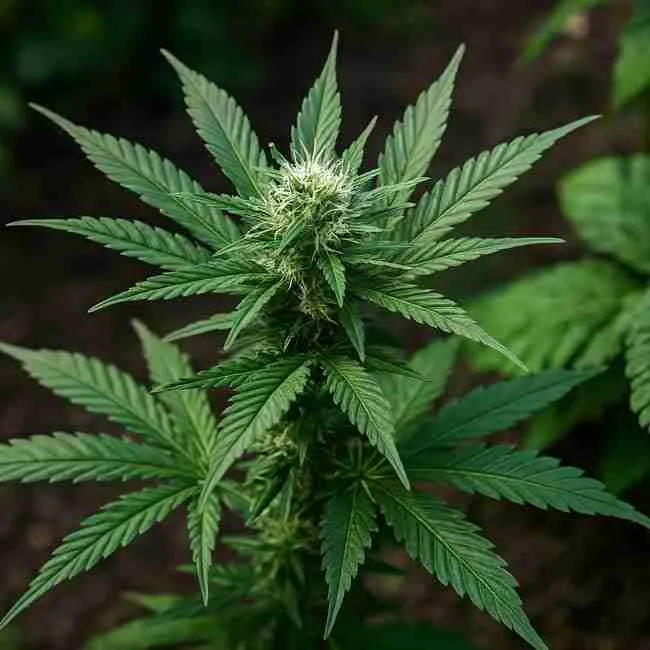
When you nurture your cannabis plants, every little change in the environment matters. Light, temperature, moisture, and even the tiny critters in your soil affect how your plant’s genes behave. These environmental factors act like secret signals that tell the plant how to grow, produce flowers, or defend itself.
How Does the Environment Affect Gene Expression in Cannabis Plants?
Imagine the genes in your cannabis plant as a set of instructions waiting to be read. The environment is like the teacher that tells the plant which instructions to follow. For example, if the temperature is too low, the plant might slow down its growth or change the way it produces cannabinoids. Conversely, if you create the perfect environment, the plant will use its genes to boost growth and develop strong, healthy buds.
I know it might sound a bit like magic, but think of it as a conversation between the plant and its surroundings. The plant listens to the signals, and based on what it hears, it changes its behavior. When you control these signals well, you can get a plant that’s robust and high-yielding.
What Role Can Cannabis Epigenetics Play in the Development of a Plant?

The role of epigenetics in cannabis is huge. It’s not just about the plant growing tall or producing lots of flowers—it’s about quality, resilience, and the overall health of your plant. When you fine-tune the environment:
- Growth Boost: The plant can grow stronger roots and healthier leaves.
- Improved Resilience: It builds better natural defenses against pests and diseases.
- Enhanced Flavor & Aroma: The right conditions help it produce more terpenes, giving your cannabis its signature smell and taste.
When you get these factors right, you’re not only nurturing a plant; you’re setting up a system where every part of the plant expresses its genes to produce the best possible outcome.
Real-Life Example
Let’s say you adjust your grow room’s temperature and humidity. You might see that your cannabis plant develops thicker leaves and a richer aroma. That’s epigenetics at work—you changed the environment, and the plant’s genes responded by altering its development.
What Is the Impact Factor of Environmental Cannabis Epigenetics?
Environmental cannabis epigenetics isn’t just a fancy scientific term; it’s a game-changer for anyone serious about growing cannabis. Your actions directly impact how your plant’s genes express themselves. The impact factor here refers to the degree to which these environmental tweaks can make a noticeable difference in plant performance.
What Are Three Factors That Affect Cannabis Epigenetics?

I’ll break it down to three key factors that every grower should keep an eye on:
- Light Intensity and Quality: Light isn’t just about photosynthesis. It sends signals that tell your plant when to flower or when to grow more leaves. Using the right spectrum and intensity can switch on beneficial genes.
- Soil Microbes and Nutrient Balance: Your soil isn’t just dirt—it’s a living network of beneficial bacteria and fungi. These microbes interact with cannabis roots by receiving sugars and other compounds that the roots release. In return, they help the plant take up nutrients more effectively.
- Temperature and Humidity: Fluctuations in temperature and humidity can cause stress, leading to changes in gene expression. Maintaining a stable environment helps keep your plant’s gene expression on track.
What Is the Epigenetic View of Cannabis Gene Environment Interactions?

The epigenetic view of cannabis gene environment interactions sees the plant as a dynamic organism that constantly adapts to its surroundings. It’s like the plant has a built-in diary that records every environmental cue, and based on these entries, it decides which genes to activate or silence. By understanding these interactions, you can tweak your grow room environment to encourage positive changes.
For example, when you introduce beneficial microbes into your soil, you aren’t just adding nutrients—you’re triggering a cascade of signals that helps the plant optimize its growth. This process, driven by epigenetics in cannabis, can result in stronger stems, more vibrant leaves, and ultimately, better yields.
Can the Environment Play a Role in Cannabis Gene Expression?
Yes, the environment can play a huge role in cannabis gene expression. Every tiny change—from the quality of the water you use to the type of organic matter in your soil—sends signals to your cannabis plant. These signals can either turn on genes that promote growth and yield or switch off genes that cause stress and weakness.
How Do Environmental Factors Affect Cannabis Plants?

Let’s dig a little deeper into how environmental factors influence your plants. When you create a balanced environment, your cannabis plant’s roots release sugars and other compounds into the soil. These secretions attract beneficial microbes. These microbes, in turn, help the plant take up essential nutrients like nitrogen, phosphorus, and potassium. The result? A robust, healthy plant that’s ready to put on a show.
Some key ways the environment impacts your plant include:
- Enhanced Nutrient Uptake: Beneficial soil microbes break down organic matter, making nutrients more available to the plant.
- Stress Resistance: A well-balanced environment helps the plant manage stress from pests, diseases, or weather changes.
- Better Flowering: The right temperature and light can signal the plant to produce more potent flowers and higher levels of cannabinoids.
What Two Environmental Factors Can Affect Cannabis Gene Expression in an Organism?
Two major environmental factors that you must control are:
- Temperature: If the temperature swings too high or too low, your plant will experience stress, leading to unwanted changes in gene expression.
- Soil Composition: The mix of minerals, organic matter, and beneficial microbes in your soil sends signals that can boost or hinder gene expression.
For instance, if you add compost rich in beneficial bacteria, your plant’s roots receive a flood of signals that lead to increased nutrient uptake and better overall health.
Creating a Self-Sustaining Grow Room Environment

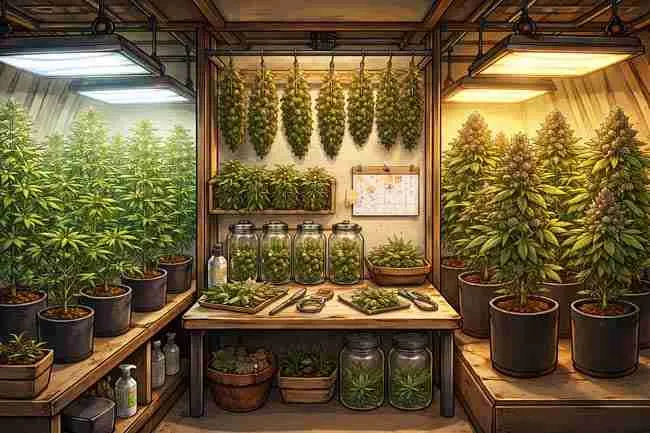
Building a self-sustaining grow room is like setting up a mini-ecosystem where every element supports the other. You get to see epigenetics in cannabis come to life when you design a space that naturally enhances plant growth through balanced interactions.
Steps to Build Your Grow Room
Here’s a handy list to guide you:
- Choose the Right Location: Pick a space that can maintain a steady temperature and humidity.
- Set Up Lighting: Use full-spectrum lights that mimic the sun to signal proper growth phases.
- Select High-Quality Soil: Invest in soil rich in organic matter and beneficial microbes.
- Install a Ventilation System: Good airflow prevents mold and ensures consistent CO₂ levels.
- Introduce Beneficial Insects: Ladybugs, predatory mites, and other insects can naturally manage pest populations.
- Add a Watering System: A drip irrigation or hydroponic setup ensures consistent moisture without overwatering.
- Monitor and Adjust: Use sensors to track temperature, humidity, and soil moisture. Adjust as needed.
By following these steps, you create an environment where your cannabis plants can thrive and express their genes in the best possible way.
How Cannabis Roots Attract Beneficial Soil Microbes

Your cannabis roots release a blend of sugars, amino acids, and other organic compounds. This natural cocktail acts like a magnet for beneficial soil microbes such as mycorrhizal fungi and rhizobacteria. These microbes, once attracted, form symbiotic relationships with the plant. They break down complex nutrients in the soil, making them more accessible for your plant, which leads to:
- Better Nutrient Uptake: Improved absorption of essential elements.
- Enhanced Root Growth: Deeper, more resilient root systems.
- Natural Disease Resistance: A stronger, healthier plant that fights off pathogens naturally.
Detailed Specifications, Pros, and Cons
Before you dive headfirst into setting up your grow room, let’s look at some specifications, pros, and cons related to using epigenetics in cannabis cultivation.
Specifications Table
| Specification | Details | Impact on Plant Health |
|---|---|---|
| Light Quality | Full-spectrum LED or HPS lights | Enhances photosynthesis and gene activation |
| Soil Composition | Rich in organic matter, compost, and beneficial microbes | Improves nutrient uptake and root health |
| Temperature Range | 68°F – 77°F (20°C – 25°C) | Keeps stress levels low and optimizes growth |
| Humidity Level | 40% – 60% | Prevents mold while supporting metabolic processes |
| Ventilation | Continuous airflow via fans or ventilation system | Maintains CO₂ levels and reduces plant stress |
| Watering System | Drip irrigation or hydroponic systems | Provides consistent moisture without overwatering |
| Beneficial Insects | Ladybugs, predatory mites, and lacewings | Natural pest control, reducing the need for chemicals |
Pros and Cons of Focusing on Epigenetics in Cannabis
Pros
- Optimized Growth: You get stronger, more resilient plants that naturally use their genes to produce quality yields.
- Improved Nutrient Uptake: Beneficial microbes help your plant get the nutrients it needs without extra chemical inputs.
- Sustainable Practices: A self-sustaining system reduces the need for artificial interventions, lowering costs over time.
- Enhanced Flavor & Potency: The plant develops better flavors and higher cannabinoid content when its genes express optimally.
Cons
- Initial Setup Costs: Creating a controlled, self-sustaining environment can be expensive upfront.
- Steep Learning Curve: Understanding and applying epigenetic principles requires time and patience.
- Environmental Sensitivity: Even small changes in the environment can lead to unexpected shifts in gene expression.
- Maintenance Demands: A balanced ecosystem needs regular monitoring and adjustments to keep everything running smoothly.
More In-Depth Sections on Environmental Cannabis Epigenetics
To give you even more useful insights, here are some detailed sections with additional points and examples.
How Does the Environment Affect Gene Expression in Cannabis Plants?

When you adjust elements like light, water, and soil quality, you’re directly influencing which genes get turned on or off in your cannabis plant. Think of it like tuning a radio—you need to set the frequency just right to pick up the best signal. For instance:
- Light Exposure: The intensity and color of light signal the plant to flower or to focus on vegetative growth. A consistent light schedule makes sure the plant follows its natural rhythm.
- Water Quality: Clean, pH-balanced water helps maintain cellular health, reducing stress and keeping gene expression optimal.
- Nutrient Levels: When you enrich the soil with organic matter and compost, you fuel the beneficial microbes. These microbes, in turn, help activate genes that support robust root and shoot development.
Using a consistent schedule and closely monitoring your environmental variables can lead to predictable, high-quality results in your cannabis crop.
What Role Can Cannabis Epigenetics Play in the Development of a Plant?

Cannabis epigenetics doesn’t just tweak the plant’s appearance; it plays a crucial role in its overall development. When you see a plant that’s bursting with healthy leaves and strong roots, you’re witnessing the benefits of epigenetic cues. The environment influences the plant to:
- Optimize cannabinoid and terpene production, and
- Grow bigger and stronger,
- Resist pests without the need for harsh chemicals,
- Recover faster from stressors.
By understanding this role, you can adjust your cultivation practices to ensure your plants develop in the best way possible.
What Is the Impact Factor of Environmental Cannabis Epigenetics?

The impact factor here is all about the measurable improvements in plant health, yield, and quality when you fine-tune your environment. When you get it right, the plant’s genetic potential blooms. Think of it as the difference between a run-of-the-mill crop and one that stands out for its potency and flavor. By tracking parameters like growth rate, bud density, and overall vigor, you can see firsthand how epigenetic cues transform your grow room dynamics.
What Are Three Factors That Affect Cannabis Epigenetics?
Let’s break these down further:
- Light: The right light spectrum and duration can flip the switch on genes responsible for flowering and resin production.
- Soil Microbes: By feeding the microbes with root secretions, you create a cycle of improved nutrient availability and stress tolerance.
- Temperature & Humidity: Stable conditions keep stress levels in check, allowing the plant to focus on growth and reproduction rather than survival mode.
These factors are interconnected. When you adjust one, it often influences the others, creating a ripple effect throughout your grow room.
What Is the Epigenetic View of Cannabis Gene Environment Interactions?
From an epigenetic standpoint, your cannabis plant adapts to its environment in real-time. You see a plant that’s not just passively growing but actively responding to every change. When you introduce a new nutrient or alter the light, the plant makes adjustments at the gene level. This dynamic process means that every decision you make in your grow room has the potential to enhance or hinder your crop’s development.
Designing Your Grow Room for Maximum Epigenetic Benefits

A self-sustaining grow room is the holy grail for any cannabis grower. It’s an ecosystem where every factor, from light to soil microbes, works in harmony to trigger the best gene expression possible.
Steps to Create a Self-Sustaining Environment
- Plan Your Space: Choose an area that you can control in terms of light, temperature, and humidity.
- Invest in Quality Equipment: Use LED grow lights, climate controllers, and high-grade ventilation systems.
- Prepare the Soil: Mix in compost and organic fertilizers to build a nutrient-rich medium.
- Introduce Beneficial Microbes: Add mycorrhizal fungi and bacteria that support nutrient uptake.
- Encourage Biodiversity: Integrate companion plants and beneficial insects that help control pests naturally.
- Monitor and Adapt: Use sensors to keep track of environmental conditions and adjust them as needed.
The Role of Beneficial Insects and Microbial Life

You should know that beneficial insects like ladybugs and predatory mites can help keep pest populations low. They work alongside beneficial microbes to create a balanced ecosystem. This balance means that the cannabis plant receives natural signals that promote healthy gene expression, leading to improved growth and resistance to stress.
Here’s a quick list of what beneficial insects and microbes bring to your grow room:
- Pest Control: They reduce the need for chemical pesticides.
- Nutrient Cycling: Microbes help break down organic matter, making nutrients more available.
- Enhanced Soil Structure: Beneficial organisms improve soil aeration and drainage.
- Stress Relief: A balanced ecosystem helps your plants manage environmental stress better.
Table: Key Components of a Self-Sustaining Grow Room
| Component Role in the Ecosystem Benefits to Cannabis Plants | ||
|---|---|---|
| Full-Spectrum Lighting | Mimics natural sunlight to drive photosynthesis | Boosts growth, triggers flowering signals |
| Organic Soil | Rich in compost and microbes | Enhances nutrient uptake, builds strong roots |
| Beneficial Insects | Controls pests naturally | Reduces chemical use, keeps plants healthy |
| Climate Control | Regulates temperature and humidity | Minimizes stress, promotes stable gene expression |
| Irrigation System | Provides steady water without overwatering | Maintains optimal moisture for nutrient absorption |
| Companion Plants | Supports pest control and biodiversity | Creates a balanced micro-ecosystem |
FAQ: Epigenetics in Cannabis
Q: What is epigenetics in cannabis?
A: Epigenetics in cannabis refers to how environmental factors, like light and soil quality, influence which genes are turned on or off in your plant without changing its DNA.
Q: How does a balanced grow room environment help my cannabis crop?
A: A balanced environment enhances nutrient uptake, improves stress resistance, and boosts flowering by triggering the right gene expression in your plant.
Q: Can I really control how my cannabis genes express themselves?
A: Yes, by carefully managing factors such as light, temperature, soil microbes, and moisture, you can influence your plant’s gene expression for better growth and yield.
Q: What are the benefits of attracting beneficial microbes to my soil?
A: Beneficial microbes improve nutrient uptake, strengthen root systems, and help your plant fight off pests and diseases naturally.
Q: How do temperature and soil composition affect gene expression?
A: Stable temperature and nutrient-rich soil ensure that your plant’s genes express optimally, leading to better growth, higher cannabinoid production, and improved resilience.
Q: What are some quick tips for creating a self-sustaining grow room?
A: Use full-spectrum lighting, invest in quality organic soil, introduce beneficial microbes and insects, and monitor your climate closely.
Additional Insights on Epigenetics in Cannabis

Understanding epigenetics in cannabis isn’t just about tweaking your grow room—it’s about rethinking how you interact with your plants on a deeper level. When you view each environmental change as a conversation with your plant, you become a better cultivator. You realize that every drip of water, every ray of light, and every bit of compost added is a signal that your plant reads and responds to.
I encourage you to embrace a traditional outlook while adopting a forward-thinking view. Look back at the old ways of nurturing plants—using natural compost, companion planting, and organic methods—and mix that wisdom with modern techniques like controlled lighting and climate systems. This blend gives you the best of both worlds and ensures that your cannabis crop reaches its full potential.
Real-Life Growing Tips
- Start Small: Begin with a single grow room and gradually expand as you learn how your plants respond to environmental cues.
- Keep Records: Note down your environmental conditions and how your plants perform. This record helps you understand which factors trigger positive epigenetic responses.
- Experiment Carefully: Try small changes one at a time. For example, adjust your light spectrum by a few hours or mix in a new organic fertilizer. Observe and record the results.
- Learn from Mistakes: Sometimes, changes won’t work out as expected. Learn what didn’t work, and use that knowledge to improve future setups.
Pros and Cons Revisited
Pros:
- You gain stronger, more resilient plants that yield better quality and quantity.
- You use natural methods that lower the need for chemicals.
- You create a system that supports sustainability and environmental balance.
Cons:
- Setting up a controlled environment can be expensive initially.
- You must invest time in learning and monitoring the system.
- Small environmental changes can sometimes lead to unexpected results, which means you have to be patient and ready to adjust.
Bringing It All Together
By now, you should have a clear picture of how epigenetics in cannabis plays a crucial role in the growth and expression of your plants’ genes. You learn that the environment you create isn’t just a backdrop; it actively shapes the plant’s future. From the sugars secreted by the roots to attract beneficial microbes to the carefully controlled light and temperature, every element matters.
You now understand that managing these factors can lead to healthier, more potent cannabis with better flavors, aromas, and overall resilience. With this knowledge, you’re better equipped to create a self-sustaining grow room where every component works together harmoniously.
Take the leap, apply these insights, and watch as your cannabis plants transform before your eyes. Your dedication to understanding epigenetics in cannabis can truly be the difference between a mediocre crop and one that stands out in quality and yield.
Final Thoughts

You have the power to control the conversation between your cannabis plant and its environment. By leveraging the principles of epigenetics in cannabis, you can guide your plant to unlock its full potential. Every decision you make—from choosing the right lighting to adding organic matter—tells the plant how to grow, thrive, and resist stress. Embrace the science, trust in the natural processes, and design your grow room like the eco-friendly powerhouse it can be.
Remember, growing cannabis isn’t just about following trends. It’s about understanding nature’s own language and using that wisdom to cultivate something truly remarkable. I urge you to use these insights to build an environment that not only sustains your plants but also elevates them to new heights.
FAQ Recap: Quick Reference for Cannabis Growers
- What is epigenetics in cannabis?
It’s how environmental factors influence the plant’s gene expression without changing its DNA. - How can I improve my plant’s nutrient uptake?
Create a rich soil environment with beneficial microbes and organic matter. - Which two factors are key to gene expression?
Temperature and soil composition play major roles. - What should I consider for a self-sustaining grow room?
Focus on lighting, organic soil, beneficial insects, and consistent monitoring. - Why is tracking environmental changes important?
It helps you understand the plant’s responses and fine-tune your cultivation methods.