The Journey of Hard Water Cannabis Growing

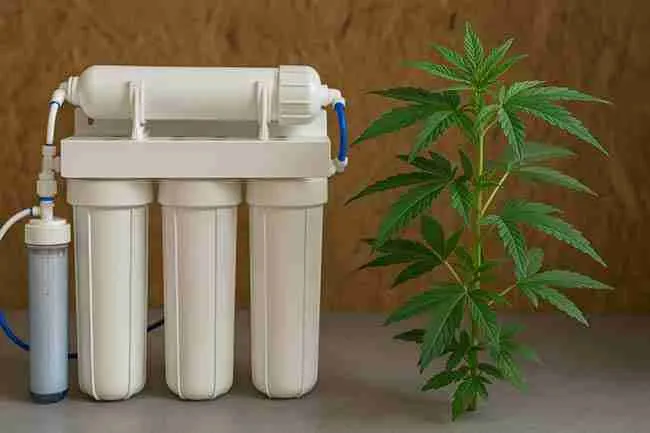
You might wonder why hard water matters when you’re growing cannabis. The truth is, the minerals in hard water—like calcium and magnesium—can affect your plant’s health. When you’re working with hard water cannabis growing, every drop counts. I’m here to tell it like it is, sharing personal insights and practical tips that make the process less of a mystery. I take a traditional approach yet keep my eyes forward to new ideas, so you can build a self-sustaining grow room that features not just plants, but beneficial insects and vital soil microbes.
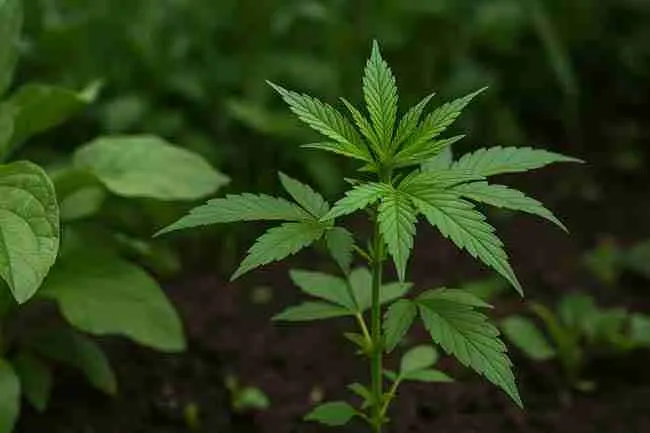
Every plant has a story, and cannabis is no different. Did you know that cannabis roots naturally release sugars and other compounds? These sugars are like little invitations that attract beneficial soil microbes. When these microbes set up camp near your roots, they help your cannabis plants to soak up nutrients more efficiently. In this article, I’ll show you how to nurture this friendly alliance between your plants and the tiny helpers in your soil. Let’s jump in and explore every angle of hard water cannabis growing.
Does Water Hardness Affect Cannabis Plant Growth?
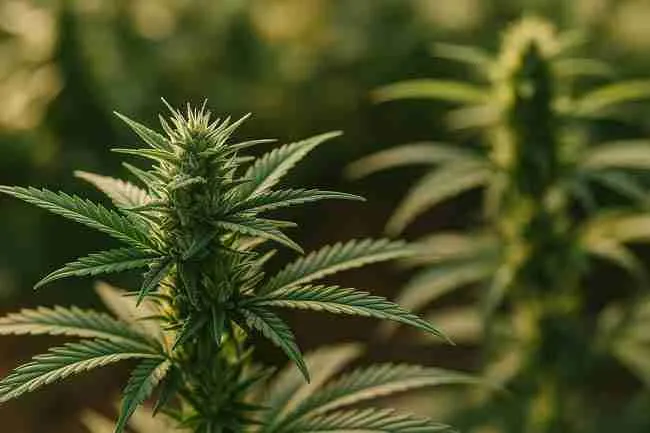
When you’re growing cannabis, you need to pay attention to water quality. Hard water contains extra minerals that might sound helpful at first, but they can interfere with your plants’ ability to absorb nutrients. Here’s what you need to know:
What Is Water Hardness?
Water hardness refers to the amount of dissolved minerals—mainly calcium and magnesium—in your water supply. In hard water cannabis growing, these minerals play a double-edged role. On one side, calcium and magnesium are beneficial in moderation. On the other, if they build up too much, they can make your soil alkaline and block nutrient uptake.
How Hard Water Impacts Growth

- Nutrient Uptake: When hard water builds up minerals in your soil, it can lead to nutrient lockout. This means your cannabis roots might not absorb all the necessary nutrients, which can stunt growth.
- Soil pH: High mineral content can push your soil’s pH upward, turning it more alkaline. Cannabis prefers a slightly acidic to neutral pH, so when your soil strays from this range, your plant might suffer.
- Clogging and Deposits: Over time, the extra minerals can clog up your hydroponic systems or form deposits in your soil, blocking water and air from reaching the roots.
Real-Life Example
Imagine you’re baking a cake and suddenly add too much salt. The cake will taste off, right? The same idea applies here: too much hard water can ruin your cannabis plant’s “recipe” for healthy growth.
Key Points to Remember
- Hard water can lead to nutrient lockout.
- Excess minerals raise soil pH.
- Deposits in irrigation systems can create clogs.
I stress these points because understanding the basics of water hardness helps you troubleshoot any issues that might crop up in your grow room. Making sure you’ve got a handle on this early on will save you a lot of headaches later.
How Do You Soften Hard Water for Cannabis Growing?
Now that you understand the effects of hard water, you might be asking: how do I soften hard water for cannabis growing? There are several tried-and-true methods you can use. I like to keep things simple and practical, so let’s break these methods down into clear steps and tips.
Methods to Soften Hard Water
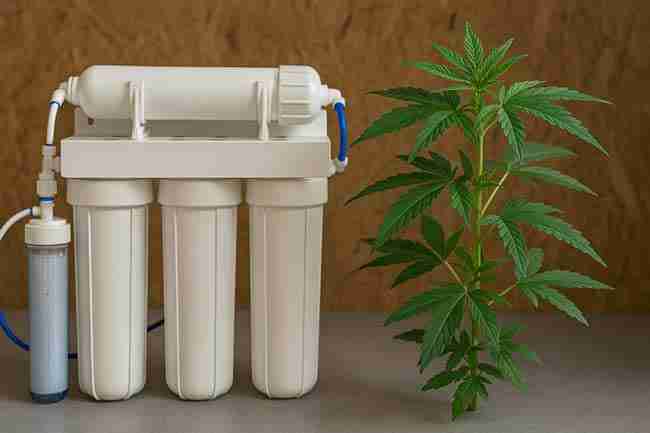
Here’s a handy list of ways you can soften your water:
- Reverse Osmosis (RO): This filtration system removes almost all dissolved minerals from water. It’s a bit pricey but works like magic.
- Distillation: Heating water until it evaporates and then condensing it back into liquid removes many minerals. It’s effective but slow and energy-intensive.
- Ion Exchange Resins: This process swaps hard minerals with sodium or potassium ions. It’s a popular choice for many growers.
- Mixing with Rainwater: Combine hard tap water with rainwater to dilute the hardness. Rainwater is naturally soft, making it a great alternative.
- Chemical Treatments: Some growers add chelators or water softening agents that bind with the minerals, reducing their effect on your soil. However, this method requires careful use.
A Table of Water Softening Methods
Below is a table comparing different methods to help you decide which might work best in your setup:
| Method | Cost | Ease of Use | Effectiveness | Pros | Cons |
|---|---|---|---|---|---|
| Reverse Osmosis (RO) | High | Moderate (requires setup) | Very High | Removes almost all minerals, consistent quality | High initial cost, waste water produced |
| Distillation | Moderate | Low (energy intensive) | High | Very pure water, effective against all minerals | Slow process, high energy consumption |
| Ion Exchange Resins | Low to Moderate | High (easy to maintain) | High | Easy to integrate, good for continuous use | Can add sodium or potassium, need periodic renewal |
| Mixing with Rainwater | Free to Low | Very High (if available) | Variable | Natural water source, eco-friendly | Dependent on weather, inconsistent supply |
| Chemical Treatments | Low | Moderate (requires mixing) | Moderate to High | Quick fixes, easy to add small amounts | Requires careful dosing, possible chemical residues |
Practical Tips for Water Softening
- Test Your Water: Use a water test kit or get your water analyzed to know exactly what you’re dealing with.
- Combine Methods: Sometimes mixing two methods (like RO and rainwater) gives you a more consistent result.
- Monitor pH: Always keep an eye on the pH level after softening your water. Your cannabis plants need a balanced pH to thrive.
In hard water cannabis growing, these methods help you maintain a steady supply of water that’s easy for your plants to drink. Experiment with these approaches and see which one fits your grow room best.
Is Hard Water Good for Hydroponics Growing Cannabis?
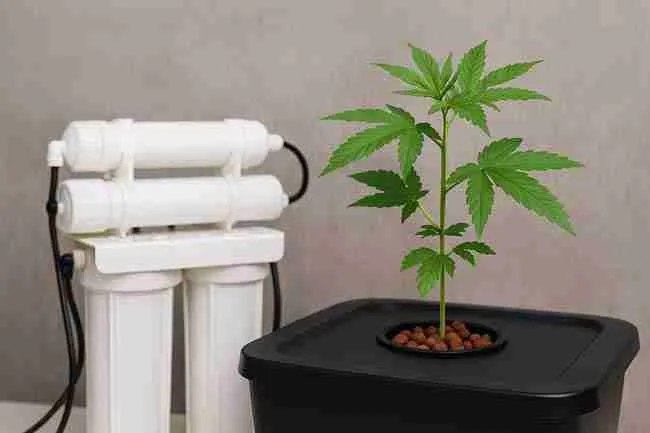
Hydroponic systems rely on water instead of soil, which makes water quality even more critical. When you’re using hard water in a hydroponic system, the effects can be different from soil growing. Let’s dive into the differences.
Hydroponics vs. Soil
In hydroponic setups, every drop of water directly feeds the roots. Hard water can lead to:
- Mineral Build-up in Equipment: Hard water deposits can clog hydroponic pumps and tubes, causing issues with water flow.
- Nutrient Imbalances: The extra calcium and magnesium might throw off your carefully balanced nutrient solutions.
- Maintenance Needs: You may need to clean your systems more frequently to prevent build-ups that could hinder performance.
Real-Life Example
Imagine you’re running a high-speed train on a track full of loose gravel. The train might slow down or derail. That’s what hard water does to a hydroponic system—it disrupts the smooth flow of nutrients and water.
Pros and Cons for Hydroponics
Pros:
- Natural Minerals: Some minerals are good in small doses and can benefit plant health.
- Source Availability: Hard water is often readily available, so you won’t need to rely entirely on more expensive alternatives.
Cons:
- System Clogging: Mineral build-up can reduce system efficiency.
- Nutrient Lockout: High mineral content interferes with nutrient absorption.
- Frequent Maintenance: Hard water systems may require more regular cleaning to stay functional.
The key takeaway here is that while you can use hard water in hydroponics, you need to be diligent in monitoring and maintaining your system. Taking a proactive approach can keep your grow system running like a well-oiled machine.
Is It OK to Give Cannabis Plants Hard Water?

Now, you might be asking yourself: Is it OK to give cannabis plants hard water? The honest answer is that it depends on several factors. Let’s weigh the facts.
Benefits of Hard Water
- Essential Minerals: Hard water contains nutrients like calcium and magnesium that are essential for plant development.
- Natural Growth: In nature, plants often grow in water that isn’t perfectly balanced. They can adapt over time if the conditions aren’t extreme.
Drawbacks of Hard Water
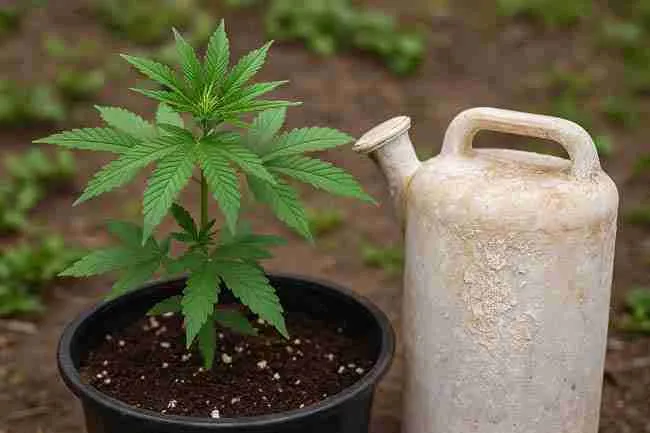
- Nutrient Blockage: Excess minerals can clog the soil and block your cannabis plant’s roots from soaking up the right nutrients.
- pH Imbalance: Too many minerals may push the soil pH out of the ideal range for cannabis, making it harder for your plants to flourish.
- Equipment Issues: In a hydroponic setup, hard water can lead to frequent maintenance issues due to mineral deposits.
Personal Experience
I’ve seen growers struggle when they use hard water without proper adjustments. You need to adjust your nutrient regimen if you decide to use hard water directly. However, I also know growers who manage their water quality by combining it with rainwater or filtered water.
Pros and Cons List
- Pros:
- Provides essential minerals naturally.
- Can be adjusted with proper care.
- Cons:
- Can cause nutrient lockout if minerals accumulate.
- Leads to pH imbalances and clogging in systems.
- Requires additional maintenance in hydro setups.
The bottom line is that you must always assess your water’s hardness and adjust your methods accordingly. With proper management, you can still achieve healthy growth even with hard water.
What Happens When Water Hardness Is Too High for Cannabis Growth?
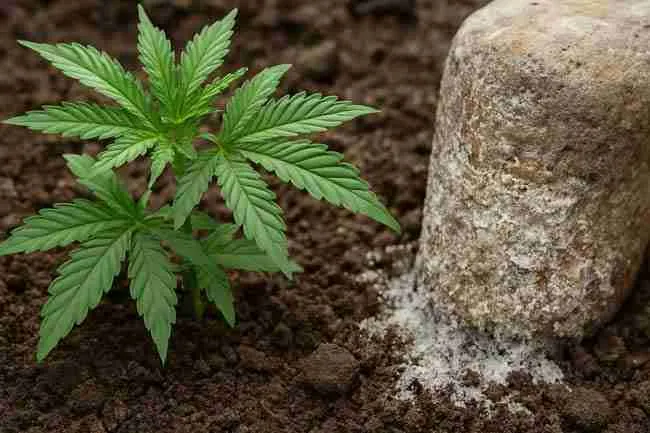
If you let water hardness run wild, your cannabis plants can suffer in many ways. Here are the consequences you need to watch for:
Effects on Soil and Roots
- Nutrient Lockout: When hard water deposits build up, your cannabis roots cannot absorb enough nutrients, leading to stunted growth.
- Soil Alkalinity: Excessive minerals drive up soil pH, making it too alkaline for optimal cannabis growth.
- Reduced Microbial Activity: The beneficial microbes that help your plants may decline if the environment becomes too harsh.
Visual Signs of Stress
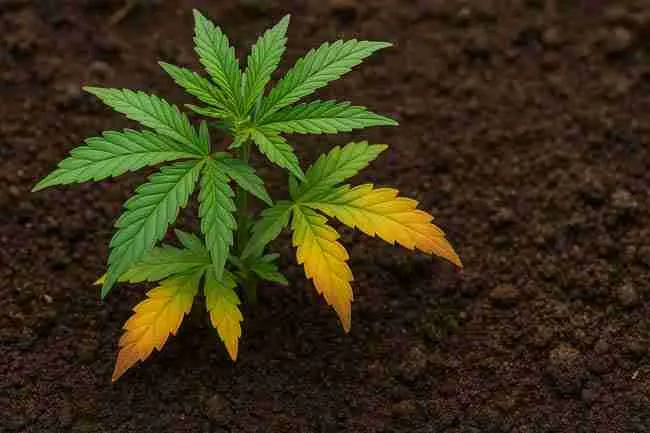
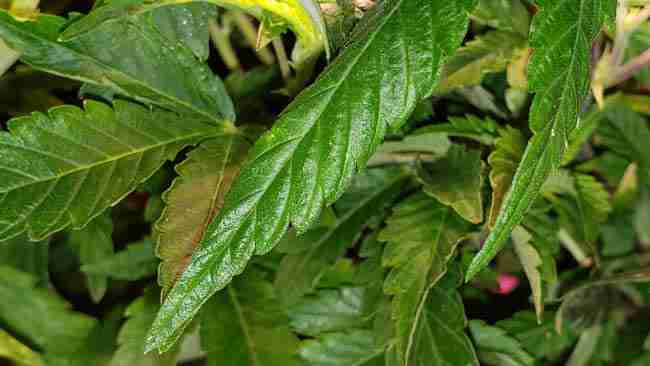
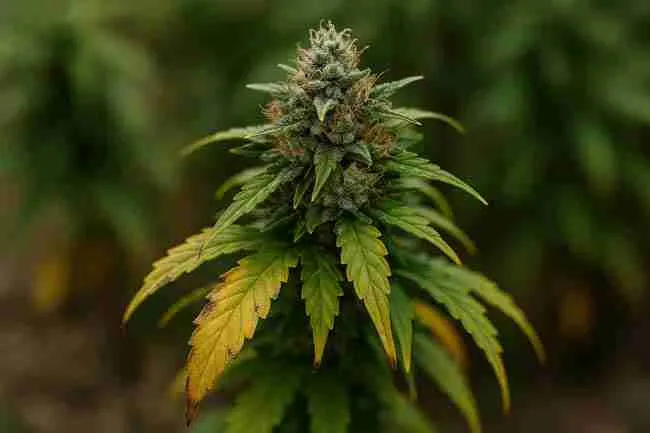
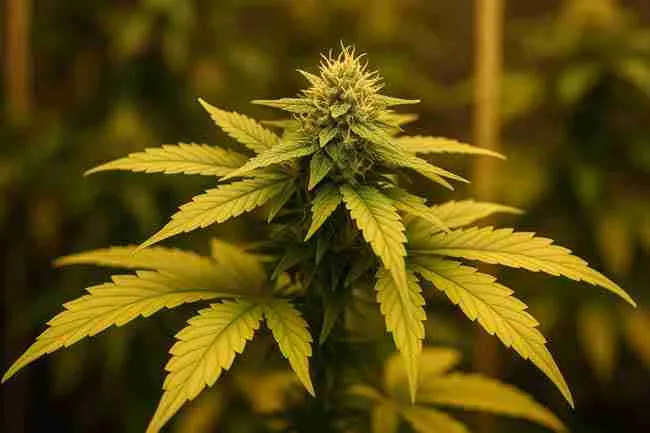
- Leaf Yellowing: Your plants might show yellow leaves due to nutrient deficiencies.
- Browning Tips: Leaf tips can dry out or become burnt when the plants can’t take in water properly.
- Slow Growth: Stunted growth and poor branching are common signs that your plant’s roots are struggling.
Long-Term Damage
If you ignore high water hardness, you could face issues such as:
- Permanent damage to the roots.
- A decrease in yield and potency of your buds.
- Increased susceptibility to pests and diseases due to weakened plant structure.
The Importance of Monitoring
Constantly check your water quality and plant health. Using a pH meter and regular water tests will help you catch problems early. Prevention is always better than cure when it comes to managing hard water cannabis growing.
How Do You Bring Water Hardness Down?
Bringing down water hardness is one of the most critical steps in ensuring that your cannabis thrives. Let’s go over several practical strategies you can use.
Steps to Lower Hard Water Levels
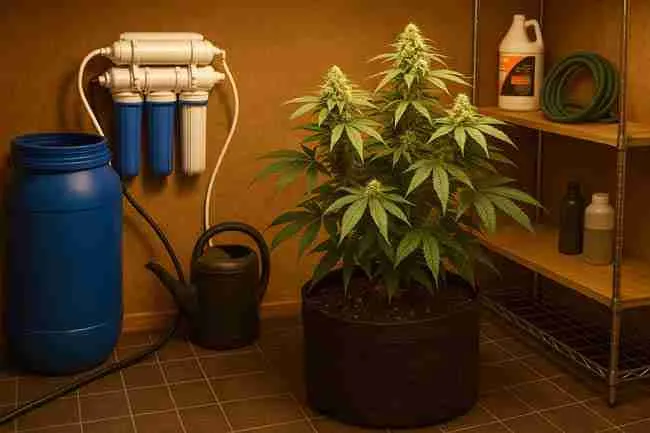
- Use a Water Filtration System: I highly recommend installing a Reverse Osmosis (RO) system if your budget allows. It dramatically reduces mineral content.
- Mix With Rainwater: If you have access to rainwater, mix it with your tap water to dilute the concentration of minerals.
- Add Organic Matter: Incorporate compost or other organic materials into your soil. This organic boost helps adjust pH levels and supports beneficial microbes.
- Use pH Correctors: Amend your water with substances like phosphoric acid or citric acid to bring down the pH.
- Flush Your System: Regularly flush your irrigation system to remove mineral build-ups that could harm your setup.
Creating a Self-Sustaining Grow Room
The goal is to build a grow room that works as a living ecosystem. Here’s how you create one:
- Plants and Microbes: Encourage the natural release of sugars from cannabis roots. These sugars lure in beneficial microbes that help break down nutrients for easier absorption.
- Beneficial Insects: Integrate insects like ladybugs or predatory mites to help keep pest populations down. They act as your natural pest control.
- Water and Air Circulation: Keep your irrigation system clean and ensure proper ventilation. Both water and air need to flow freely for plants and microbes to thrive.
When you manage water hardness and build a self-sustaining ecosystem, you allow nature to do the heavy lifting. That way, your plants can grow strong without you micromanaging every detail.
Does Adding Salt to Hard Water Soften It?

You might have heard that adding salt can make hard water softer. But, does this really work for cannabis growing? Let’s break down the facts.
The Salt Question
- Ion Exchange Process: In many water softeners, salt is used to exchange hard minerals for sodium. However, directly adding salt to your water isn’t a one-size-fits-all solution.
- Cannabis Concerns: Too much salt in your water can harm your cannabis plants. Salt buildup can cause dehydration and damage the roots.
- Balanced Approach: If you’re using an ion exchange system, you don’t add salt directly to your irrigation water—you regenerate the system with salt. Always follow manufacturer guidelines.
Why You Should Think Twice
Adding salt to your hard water without the proper system can lead to salt toxicity, making your plants suffer. Always test your water after any treatment to ensure you haven’t tipped the balance too far.
How Long Does It Take Water to Soften?

The time it takes for water to soften can depend on the method you choose. Let’s walk through the expected timelines for different processes.
Soften Water Timelines
- Reverse Osmosis: This system works almost instantly once installed. You get softened water as soon as it passes through the membrane.
- Distillation: This method takes longer since you need to heat, evaporate, and then condense the water. It can take several hours.
- Ion Exchange Systems: These systems usually provide softened water immediately once they are set up, but the resin will need regeneration periodically.
- Rainwater Mixing: The effect of softening water by mixing it with rainwater is immediate, as long as you have a clean and ample supply.
Real-World Considerations
Remember, while these methods do their job, you must continue to monitor your water quality over time. A system that softens water today might need maintenance tomorrow. I advise you to always test your water before and after treatment to ensure consistency.
Does Hard Water Make Soil Alkaline?
Yes, hard water can lead to more alkaline soil conditions, which might be an issue for your cannabis plants. Here’s why this happens and what you need to know:
The Science Behind Soil Alkalinity
- Mineral Build-Up: Hard water carries extra calcium and magnesium, which can accumulate in the soil over time. This build-up raises the pH, making the soil more alkaline.
- Nutrient Availability: In more alkaline conditions, some nutrients become less available, impairing your plant’s ability to absorb them.
- Microbial Impact: Beneficial microbes prefer a balanced pH level. When the soil shifts too far from the ideal, these microbes may diminish, affecting plant health.
Tips to Counteract Alkaline Soil
- Amend with Acidic Organic Matter: Add organic matter like peat moss or compost to help lower soil pH.
- Regular pH Testing: Use a reliable pH meter or test kit to monitor your soil’s pH. This practice lets you make timely adjustments.
- Dilute With Soft Water: When you water your plants, mix in softer water to gradually bring down the pH.
Building a Self-Sustaining Grow Room Environment
Now, let’s put it all together. Creating a self-sustaining grow room goes beyond just softening water. You need to integrate plants, beneficial insects, and the microbial life that works in tandem to make your cannabis thrive.
Key Components
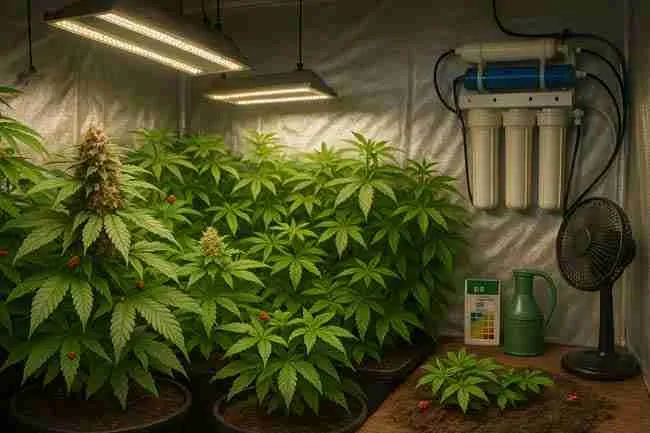
- Nutrient Cycling: Your cannabis roots release sugars that help attract and nourish microbes. These microbes, in turn, release nutrients that the roots can absorb. It’s nature’s recycling system.
- Beneficial Insects: Introduce ladybugs, praying mantises, or predatory mites. They help keep pest populations in check, reducing the need for harsh chemical pesticides.
- Aeration and Ventilation: Good air flow helps prevent mold and encourages healthy microbial activity.
Practical Steps
- Set Up a Water Filtration System: Start with a reliable method to soften water, such as reverse osmosis.
- Monitor Soil pH: Regularly test your soil and adjust with natural amendments.
- Incorporate Organic Matter: Use compost or worm castings to help support microbial life.
- Introduce Beneficial Insects: Place insects strategically in your grow room.
- Keep a Clean System: Flush your irrigation regularly to prevent mineral build-ups.
A Quick Checklist for a Thriving Grow Room
- Soft water system installed
- pH testing kit available
- Organic amendments on hand
- Beneficial insects introduced
- Regular monitoring schedule set
Following these steps, you can create a vibrant, self-sustaining ecosystem that not only supports your hard water cannabis growing efforts but also ensures your plants get the best care naturally.
Specifications and Considerations for Hard Water Cannabis Growing

Here are some technical details and specifications you should keep in mind:
System Specifications
- Water Softening Efficiency: Reverse osmosis units can remove up to 95% of the minerals in hard water.
- pH Range: Aim for a pH between 5.8 and 6.5 in your soil or nutrient solution for optimum cannabis growth.
- Nutrient Uptake: Balanced water helps maintain a steady nutrient uptake, which in turn supports robust root development and yields.
- Filtration Maintenance: Systems like RO require periodic filter changes—typically every 6 to 12 months depending on usage.
Pros and Cons Revisited
Pros
- Enhanced Nutrient Absorption: Soft water allows your cannabis to take up nutrients efficiently, leading to better overall plant health.
- Reduced Mineral Deposits: Less buildup means your equipment and soil remain cleaner for longer periods.
- Support for Microbial Life: Maintaining the right water quality helps the roots release sugars that attract beneficial microbes.
Cons
- Initial Setup Costs: Installing systems like RO can be expensive upfront.
- Maintenance Requirements: Regular testing and maintenance are required to ensure the system runs effectively.
- Potential for Overcorrection: If you overcorrect your water’s pH, you might inadvertently harm your cannabis plants.
By understanding these details, you’re better prepared to tackle the challenges that come with hard water cannabis growing.
Frequently Asked Questions (FAQ)
Here are some frequently asked questions I’ve gathered that directly relate to hard water cannabis growing:
Q1: How does hard water affect cannabis yields?
A: Hard water can stunt growth and reduce nutrient absorption. In the long run, this can lower the yield of your cannabis plants unless you modify your water or nutrient regimen accordingly.
Q2: Can I use rainwater for my cannabis plants?
A: Absolutely! Mixing rainwater with hard tap water can lower mineral content and help maintain an ideal pH for your cannabis.
Q3: What is the best water softening method for a small grow room?
A: Reverse osmosis works wonders, especially if you need reliable soft water. However, if rainwater is available, mixing it with your regular water works too.
Q4: Will too many minerals in water completely ruin my plants?
A: Not overnight, but over time, excess minerals lead to nutrient lockout, making it harder for your plants to thrive and absorb essential nutrients.
Q5: How often should I test my water quality?
A: Regular testing is key. I recommend testing every couple of weeks, especially if you notice any changes in plant appearance or growth.
Q6: What do I do if my soil pH gets too high from hard water?
A: Amend your soil with acidic organic matter and consider switching to a mix with rainwater or filtered water to gradually bring pH back within the optimal range (5.8-6.5).
Wrapping It All Up
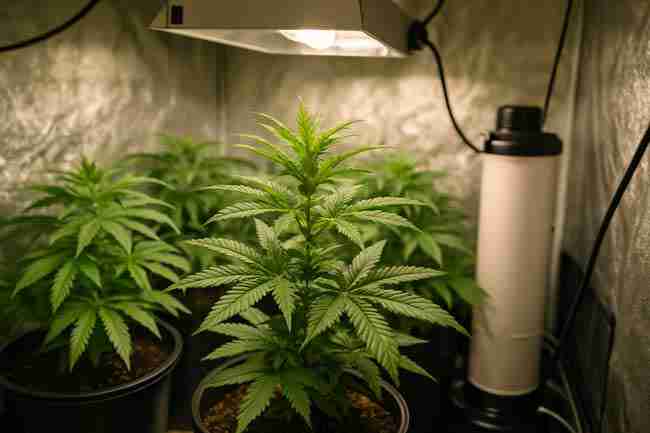
As you embark on your journey with hard water cannabis growing, remember that a little bit of extra care goes a long way. I’ve walked you through the science behind hard water, provided methods to soften it, and shared strategies for building a self-sustaining grow room that supports both your cannabis and the microscopic heroes in your soil. With consistent monitoring, the right amendments, and a proactive approach, you can overcome the challenges of hard water.
Every cannabis grower has faced hurdles, and hard water is just another one of those challenges you can master with persistence and the right tools. I encourage you to take these tips seriously, tweak them to your liking, and watch your cannabis thrive even when using hard water. Stay curious, remain diligent with maintenance, and most importantly, enjoy the process of learning and improving your grow room.
Additional Resources and Tips
Here’s a quick list of extra tips to help you succeed:
- Invest in a good water test kit.
- Schedule regular system maintenance.
- Keep a journal of water pH and nutrient levels.
- Attend local grower meet-ups to exchange practical knowledge.
- Experiment with rainwater mixtures when possible.
Quick Reference Table for Hard Water Cannabis Growing
| Aspect | Recommendation | Notes |
|---|---|---|
| Water Softening Method | Reverse Osmosis, Rainwater Mix | RO offers consistent soft water; rainwater is naturally soft |
| Soil pH Range | 5.8 – 6.5 | Monitor pH frequently to avoid nutrient lockout |
| Beneficial Microbe Attraction | Encourage sugar release from roots | Supports nutrient uptake and healthy plant growth |
| System Maintenance Frequency | Every 2-4 weeks | Regular testing and cleaning prevent mineral deposits |
| Cost Considerations | Moderate to High initially | Setup costs are offset by better plant health and yield |
Following these tips, you can maintain robust health for your cannabis plants and ensure an environment conducive to thriving growth.
Conclusion

You now have a detailed roadmap for managing hard water in your cannabis grow. I hope this article helps you see that even though hard water can create challenges, you have a lot of options to turn it into an opportunity. I’ve walked you through everything from the science of water hardness to practical methods for softening it and even building a self-sustaining ecosystem in your grow room. Remember, every step you take in managing your water quality contributes to stronger, healthier, and more abundant cannabis plants.
Take the advice, apply it, and adjust as needed. You deserve a grow room that not only looks good on paper but performs at its peak every day. The journey might be a bit bumpy with hard water cannabis growing, but with persistence and the right strategies, you’ll be well on your way to harvest success. Keep learning, keep testing, and most importantly, keep growing.