Rare Cannabis Seeds


Rare cannabis seeds are a small lot you can document, not a flavour name on a menu. Ranking pages in 2026 still mix four different things under one label: a true landrace accession from a place, an heirloom a person kept outside that place, a clone-only cut that someone finally reverse-pollinated, and a limited drop of a polyhybrid that sold out. Those are not the same plant. This URL is the buyer and grower job: what “rare” actually means, how to read a pack, and what four legal marijuana plants can actually hunt. Shop named packs in the cannabis seeds store. The rest of the grow library is on the cannabis cultivation blog.
Canada’s recreational cap is four plants per household. Quebec still bans rec home grow. Manitoba has been indoor-only since 1 May 2025. You cannot run a hundred-plant pheno hunt in a legal rec tent and call it preservation. You pick a documented pack, you write the plant down, and you keep seed cool, dark, and dry. This page does not swallow the full landrace tour, the full breeding walkthrough, or a germ promise bigger than the shop FAQ. Breeding how-to: how to create a new cannabis strain. Shop germ policy: what a germ promise actually covers.
What Rare Cannabis Seeds Actually Means

A rare pack is scarce for a reason you can write on paper. Small production. A parent that is hard to get. A collector who will not sell the line. A region that is still closed, war-torn, or already flooded with modern hybrids. A one-time reversal of a clone. None of that is “this weed smells like candy.” Common feminized shelf packs are made in volume because the parents are on a production schedule. Rare lots are made when the breeder has pollen, space, and a reason. If the shop cannot tell you which of those it is, you are buying a story.
Tiger stripes, a fat belly, and a hard shell tell you the seed filled. They do not tell you the line is rare, or that it will finish in your frost window. Anatomy of the shell: cannabis seed anatomy. How seed is made: how cannabis seeds are made. A cracked seed on the table is a dead seed. Do not open beans to “check” them. If you need to know they are alive, germ a spare on paper towel and plant the rest.
Rare is a supply story, not a flavour

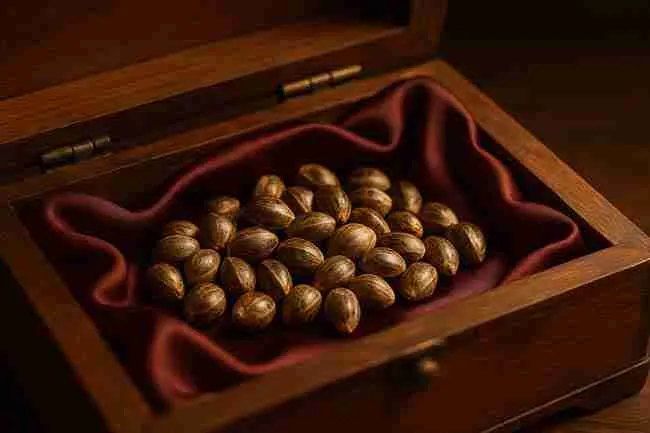
That 2023 seed pile is a lot of beans in one frame. A pile that size is production seed, the opposite of a ten-pack from a field accession. Shops still photograph bulk seed because it looks like abundance. Abundance is not rarity. A limited drop can be a real small run of an IBL. It can also be a polyhybrid that a marketing calendar called “limited.” Ask how many packs were made, who the parents were, and whether the line is being worked again. If the answer is a vibe, walk.
Price is a weak rarity test. Labour, pollen, and a long flower can make a pack expensive without making it scarce next year. Cost breakdown: why some cannabis seeds are expensive. Named feminized packs here run about $4 CAD a seed. Mixed feminized is the cheap exception, about $1 CAD, and it is not a preservation lot. Do not treat a mixed bag as a landrace. Organic stickers are a different claim and a different page: organic vs non-organic cannabis seeds.
Landrace, Heirloom, IBL, and a Pack Labeled F1
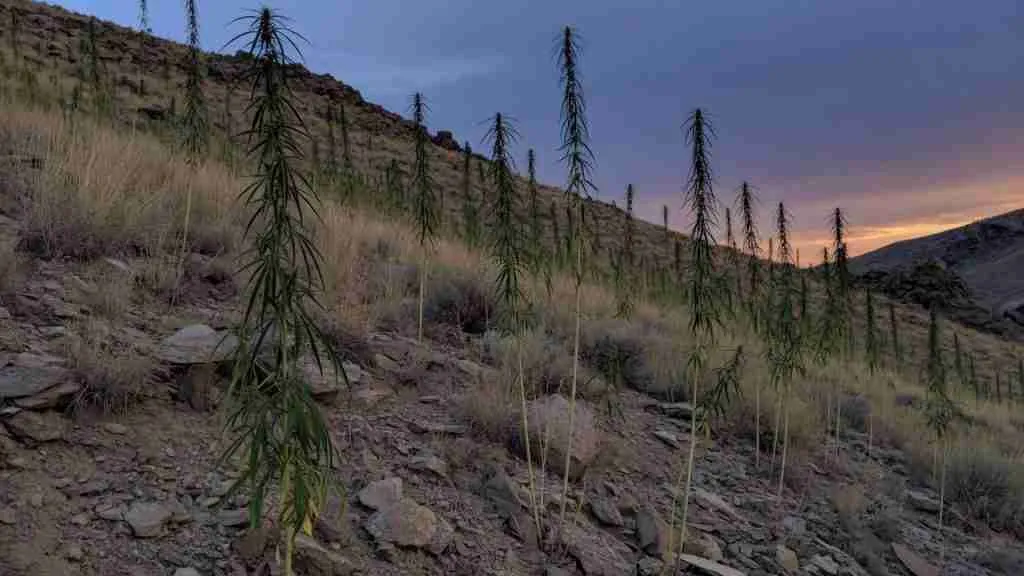
A landrace is a regional population that adapted where it grew, with farmers in the loop, over a long time. Ranking guides in 2026 keep repeating that landrace and heirloom are not interchangeable, and they are right. A hillside of narrow-leaf plants is the picture people want. The seed you can actually buy is usually a sample from that kind of population, or a later selection of it. Wild-type stands still exist in places. The pack in your mailbox is a handful of that gene pool after someone chose plants, dried seed, and shipped it. That is already a filter.
“Landrace in name only” is the ranking complaint that matters. A catalogue that prints Durban, Thai, or Hindu Kush on a feminized hybrid is using a region as flavour copy. The plant may still grow. It is not a field accession. Look for a place name plus a year, a collector, a village, or a working line that has been kept without a dessert-hybrid outcross. If the pack is “Afghan Cookies” with no Afghan parent you can name, it is a hybrid with a mood.
Landrace vs heirloom
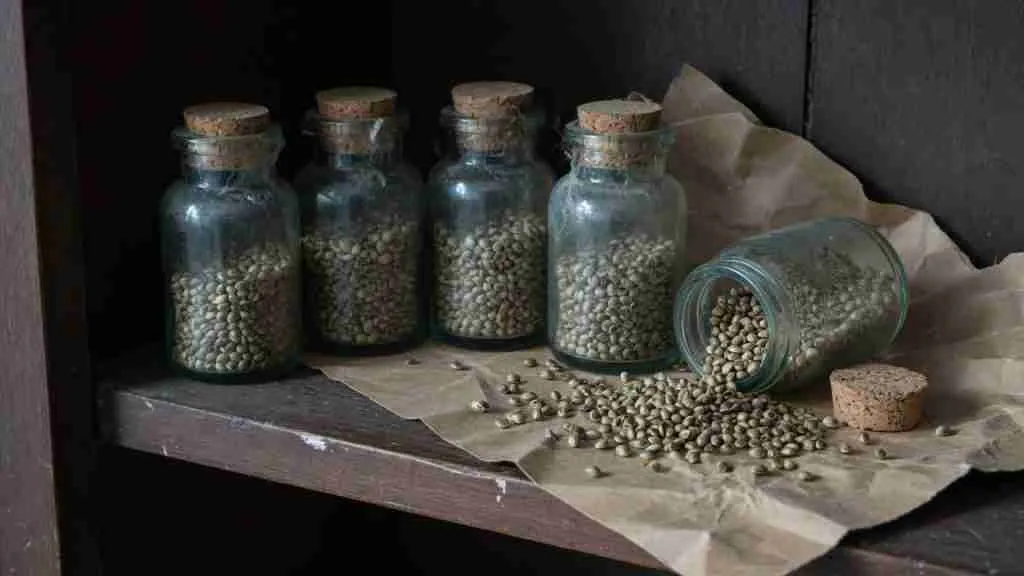
An heirloom, in the way 2026 catalogues use it, is a line taken out of its home and kept by people somewhere else, often for decades. Western sinsemilla work on old Mexican, Colombian, Thai, and Afghan imports made plants that no longer match the hash fields they came from. Higher THC, lower CBD, tighter selection. That is still valuable seed. It is a different object than a fresh accession. Jars in a cupboard are how those lines survive between grows. Label the jar with the real name, the year you got it, and who sold it. Unlabeled glass is how lines die in a drawer.
An IBL is an inbred line: siblings selected toward a type, often F5 to F7 in the way breeders talk, until plants in the pack look and finish alike. That is work. A polyhybrid labeled F1 is two mixed parents crossed once. First generation vigour can be real. Uniformity is not. Ranking pages still sell “F1” as a quality stamp. Read it as generation, not as a medal. If you want keepers you can clone, hunt the pack and take cuts. If you want seed you can remake, you need males and a plan. Ethics of keeping a line: cannabis breeding ethics.
Clone-only names in seed form
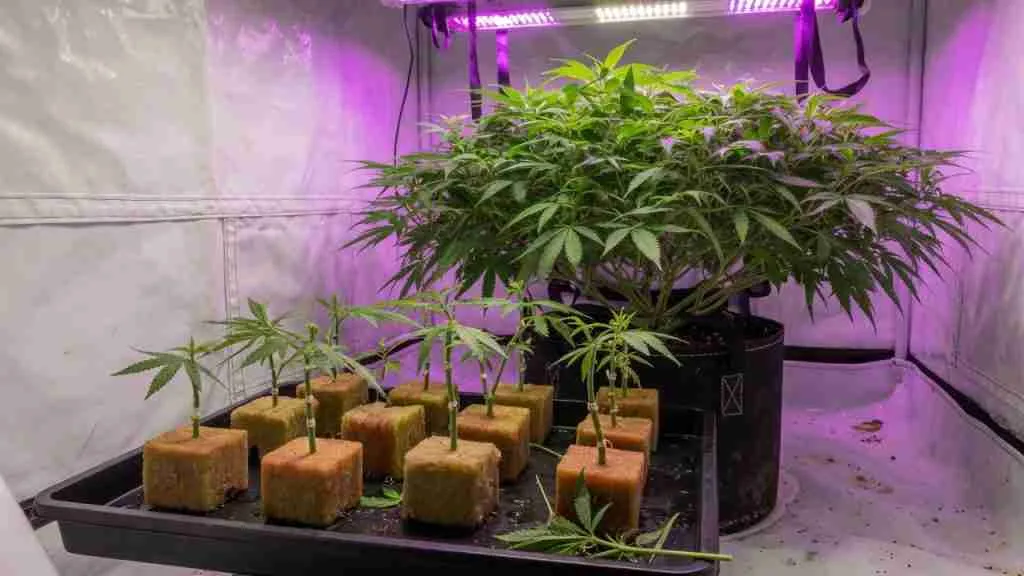
A clone-only cut is one plant. The weed you liked was that plant, not a family. Seed from a reversal or an open pollination of that cut is a family. Some kids will lean toward the mother. Many will not. A mother in the tent plus rooted cuts is how you keep the exact plant. Seed is how you keep the line if the mother dies. Do not buy “the clone in seed form” expecting every bean to be the clone. Pheno spread is the point of seed and the cost of seed. Phenotypes: cannabis phenotypes in breeding.
The old OG, Chem, and Skunk bottleneck is why so many modern packs smell like cousins. A rare pack that is another dessert hybrid with a new name does not widen the pool. A regular landrace or an old heirloom does. You still have to grow it in your room. A tropical 16-week sativa can be genetically interesting and still rot in a wet September. Outdoor finish: growing cannabis outdoors. Indoor rooms: indoor cannabis growers guide.
True F1 vs a polyhybrid labeled F1
A true F1 in the old plant-breeding sense is two inbred parents crossed once. The kids are similar because each parent was already uniform. Most cannabis packs that say F1 are two mixed hybrids crossed once. You get vigour and a spread. Both can be useful. They are not the same promise. If a shop says F1, ask whether the parents are IBLs or just last year’s polyhybrids. If they cannot answer, treat the pack as a hunt, not as a copy of the photo on the listing. Open-pollinated landrace seed is even wider than that polyhybrid: many fathers, many mothers, one region. Budget extra weeks and extra notes, not extra bottles.
Names Ranking Pages Keep Using
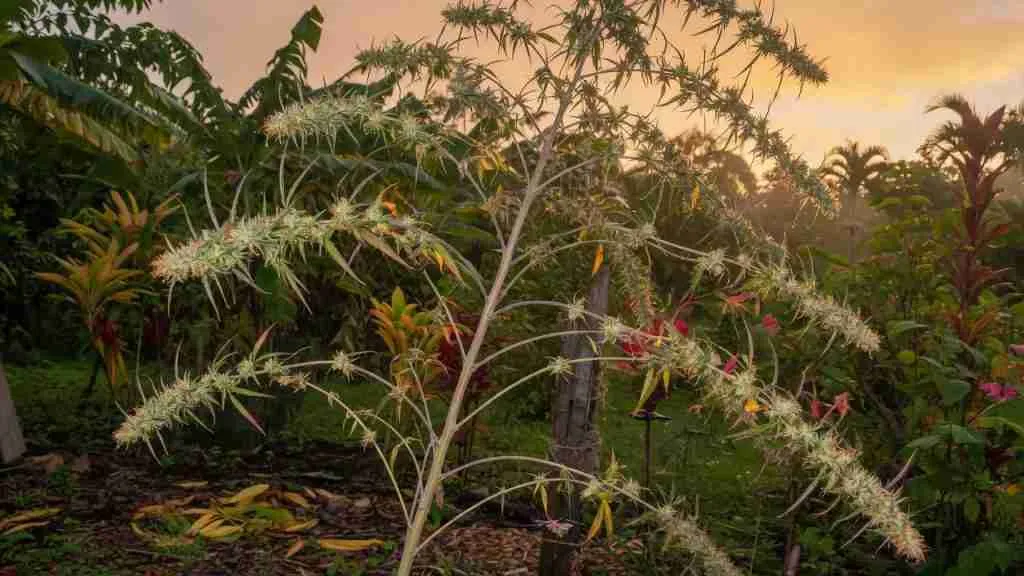
Durban, Acapulco Gold, Panama Red, Thai, Colombian Gold, Hindu Kush, Afghani, Kerala, Malawi, Baguio Gold. Those names still rank because people search them. The 1970s export flower was often a regional crop, not a clone. The seed you can buy in 2026 is usually a later selection, an IBL, or a hybrid that borrowed the name. Treat the name as a map of a type: tall equatorial sativa, short mountain indica, heat-adapted African, and so on. Do not treat it as a time machine. A tall plant in the photo is the growth habit you should budget for. A 4-foot tent does not hold a 12-week stretch plus 14 weeks of flower unless you flip early and trellis hard.

That 2019 phone shot is an outdoor cola this URL already used: foxtail tips, long leaflets, sun-grown resin. It is the kind of plant people mean when they say old-school. It is also the kind of plant that finishes late and needs dry weather at the end. If your season is short, a mountain indica type or a fast photoperiod is the honest rare choice, not a Thai that wants Christmas. Photoperiods: photoperiod cannabis seeds. Autos are a different clock and a different gene pool: grow autoflowering cannabis. Ruderalis is why autos exist: what ruderalis cannabis seeds are.
This page used to list Fruity Pebbles OG, Charlotte’s Web, The Oracle, Lamb’s Breath, and Puna Budder as “the rarest,” with a line about training data from 2021. That is a list of famous names, not a supply audit. Charlotte’s Web is a high-CBD breeding story that became a brand. Fruity Pebbles OG was a limited drop that then got worked and renamed for a decade. Lamb’s Bread is a Jamaican type with a dozen seed versions. Famous is not rare. Rare is the pack you cannot replace next month from three other shops.
How to Buy a Small Lot Without Buying a Story
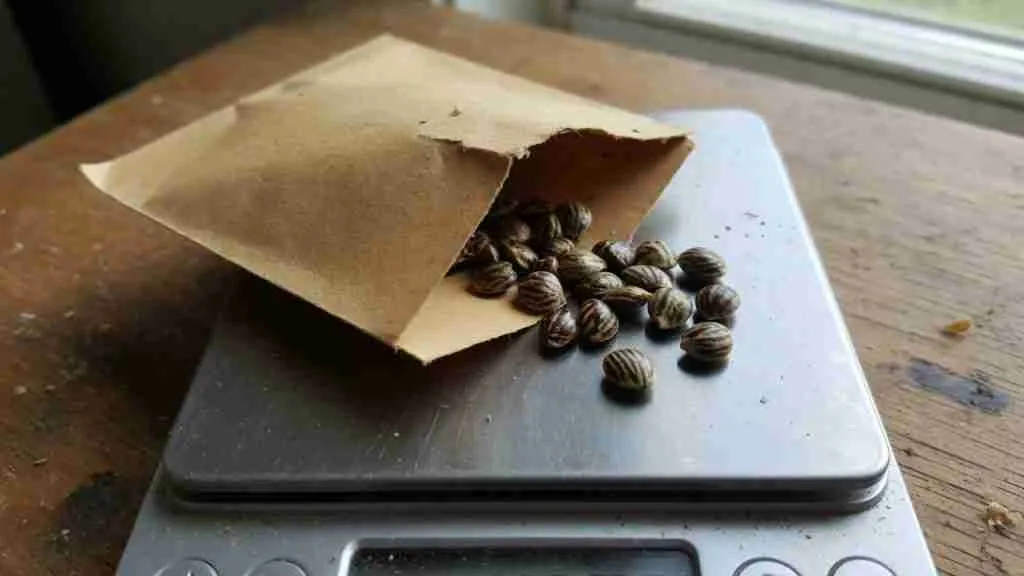
Write the source before you germ. Shop name, pack name, lot date if it exists, regular or feminized, claimed generation, claimed parents. Photograph the pack. A scale with five beans on it is the real unit you are buying, not a lifestyle photo of a jar. Pretty websites with stock canopy shots and no parentage are the other page: how to tell a real seed bank from a pretty website. Canada orders: buy cannabis seeds in Canada. US door: buy cannabis seeds in the United States.
Ask whether the line is regular. Preservation work wants males. Feminized packs are the right tool when you have four legal plants and you want flower, not pollen. They are the wrong tool when your whole plan is “keep this landrace alive.” STS pollen is a female-female trick. It is useful. It is not the same as a Y-chromosome male from the original population. Feminized how-to: why choose feminized cannabis seeds. Regulars in a fem market: why regular seeds still matter.
Regular seeds for preservation
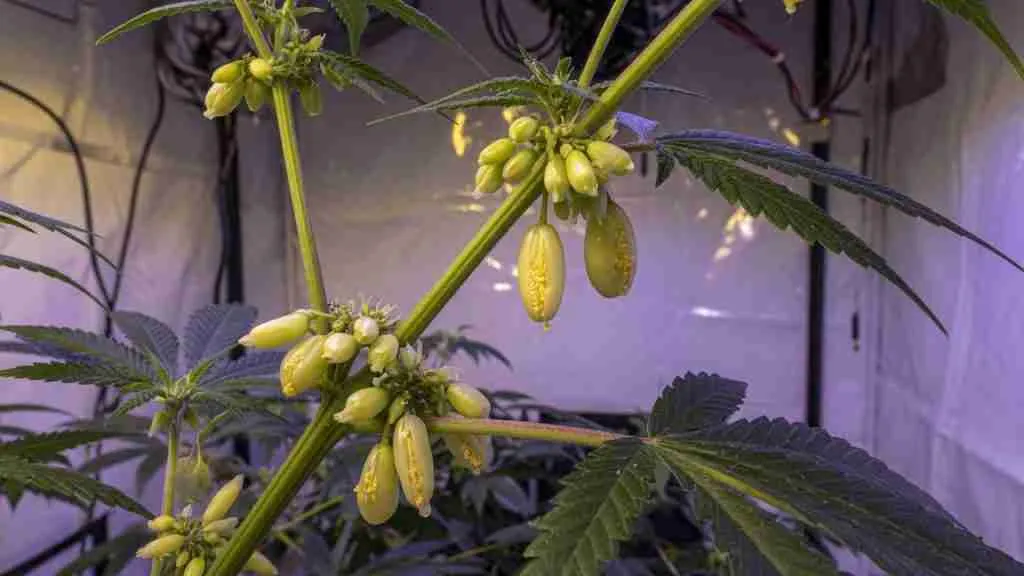
Pollen sacs are the tool. A male you like is how you remake seed if the last female dies. Sex the plants early, bag the male or move him, and do not walk pollen into a flower tent on your shirt. Four rec plants means you may grow two regulars, kill the males, and keep two girls, or you run a separate box for a male. That is a real cost. If you only have one tent and one legal count, a feminized pack of a line you already trust is the cleaner flower grow. Keep the rare regulars for a run where you can actually make seed.
Do not invent a germ rate for a ten-year-old collector pack. Named packs here use a paper-towel floor on the shop FAQ, not a speech on this URL. Old beans: starting old cannabis seeds. Stale signs: signs your cannabis seeds have gone stale. Fresh germ method: cannabis seed germination. If a listing promises every bean from a 1970s coffee can, you are in souvenir territory.
Growing a Rare Pack Under Four Legal Plants
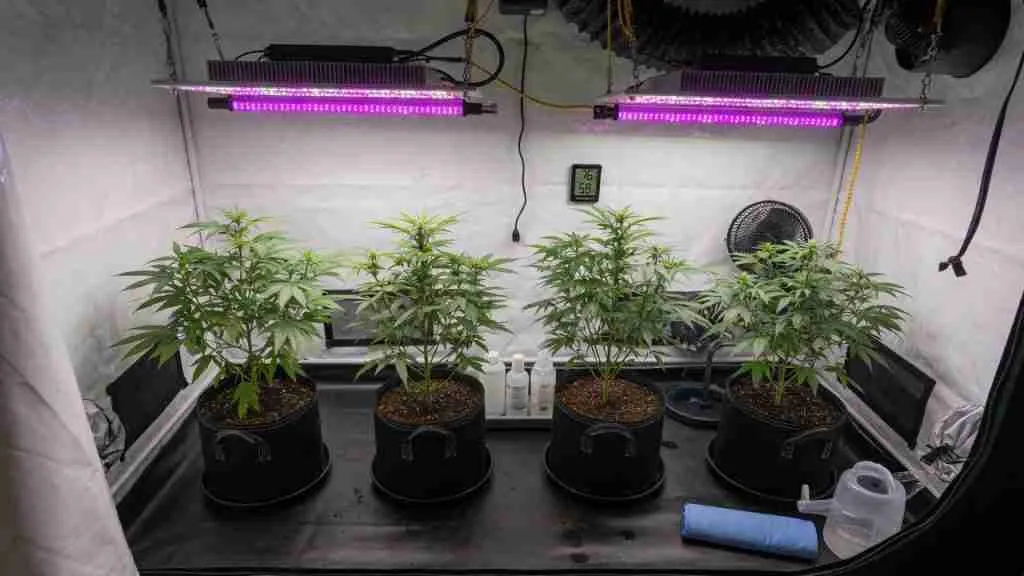
Four plants is a selection, not a hunt. Pop extra seed only if your law and your space allow seedlings that you will cull before they count. In a rec Canadian household the cap is plants, not beans in a paper towel. Once they are in pots and growing, you are in the count. Plan the first crop like a crop: planning your first cannabis crop. Veg: cannabis vegetative stage. Flower: cannabis flowering stage.
A landrace or an old heirloom often wants the climate it came from. Hindu Kush types take cool nights and a shorter stretch. Equatorial sativas want a long season, high light, and patience. You can still grow them indoors if you flip early, train, and accept a smaller plant. You cannot make a 16-week Thai finish in a Manitoba outdoor bed that is indoor-only anyway. Match the pack to the room you have. First-time growers should not spend the whole legal count on a line that has never been grown at 45°N.

Pink pistils on that outdoor cola are a phenotype, not a rare-seed certificate. Colour, foxtails, and smell split inside a real landrace pack. That is the diversity people say they want. It is also why one plant from a “Durban” pack can be a keeper and the next can be a lanky disappointment. Take cuts of anything you might want before flower gets too late. If you cannot clone, you are betting the whole line on four seed plants. Clone work is a different URL. Stay here for the seed decision.
Write the plant down

That third 2019 outdoor shot is the same kind of plant against trees: a real garden cola, not a catalogue composite. Write internodes, days to flower, stretch, smell, mold, and whether you would run it again. A rare pack with no notes is a souvenir. If you make seed, write which male hit which female. Future you cannot remember. A notebook beats a strain name you copied from a forum. If the plant is a dog, compost it and keep the rest of the pack in the jar. You do not owe a famous name a second tent.
Storing a Small Lot
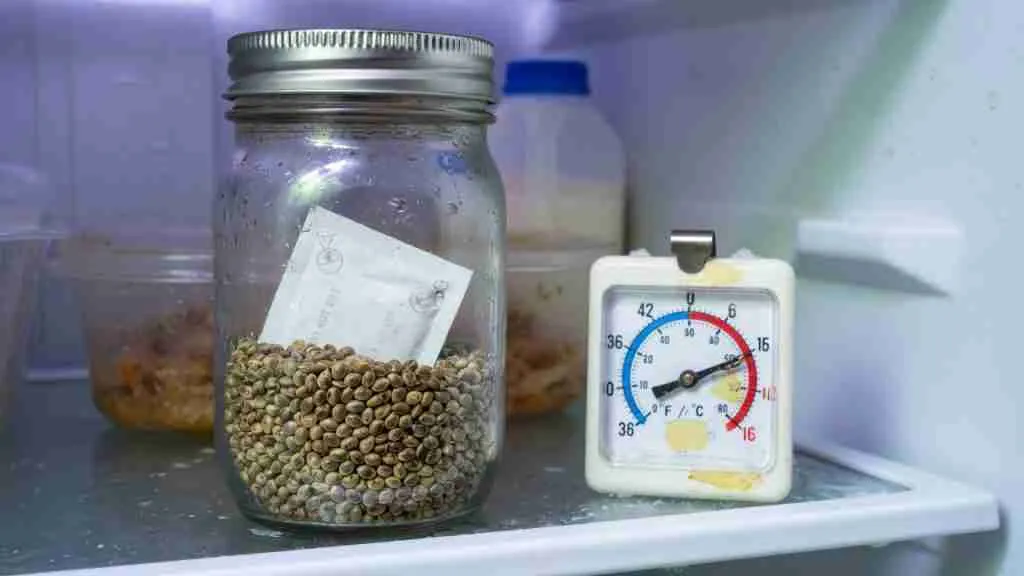
Cool, dark, dry. That is the whole storage job. A mason jar with a silica pack in a fridge can work if the seed is already dry and the jar is sealed. Condensation on the glass is a warning, not a vibe. Wet air plus a cold jar kills embryos. Let seed dry, add silica, close the lid at room temp, then move it cold. Do not freeze, thaw, and freeze again. Long storage detail lives on how to store cannabis seeds for 10 years. A kitchen fridge full of leftovers is a humid box. A dedicated dry container is kinder.
Split a rare pack. Germ what you will grow this run. Jar the rest the day it arrives. Do not leave the envelope on a windowsill for a month “until the tent is ready.” Heat and light age seed. If you only have five beans, growing all five at once is how a bad germ week ends the line. Paper-towel one or two, plant what pops, keep the unopened beans in the jar. Boosting stubborn germ: boosting cannabis seed germination.
Canada Law for a Collector Grow
Recreational home grow in Canada is a household cap of four plants, with provincial overlays. Quebec prohibits rec home grow. Manitoba has been indoor-only since 1 May 2025. Seeds in the mail are not the same file as plants in a tent. Read your province before you pop a rare regular pack that will throw males you then have to house. FAQ for shop rules: Green Avenger Seeds FAQ. US buyers follow their own state plant and seed rules on the US hub. Do not drive flowering plants across a border because the pack was rare.
A collector grow is still a marijuana grow. Neighbours smell weed. A tall equatorial plant in a backyard is visible. Indoor is the quiet option for a scarce pack you cannot replace. Keep the legal count honest. Four plants plus a closet full of extras is not a loophole. If you are licensed under a medical framework, that is a different document than rec. This page does not replace that document.
FAQs
Are rare cannabis seeds better?
No. Rare means scarce. A common, well-made photoperiod that finishes in your room will beat a famous name that molds in week nine. Buy rare when you want that gene pool or that history. Buy a working pack when you want flower. Both can live in the same jar.
Is a landrace the same as an heirloom?
No. A landrace is a regional population. An heirloom is a line people kept after it left home. An IBL is a worked inbred type. A polyhybrid labeled F1 is a first cross of mixed parents. Read the pack until you know which one you bought.
Can I hunt a hundred phenos with four plants?
No. Four marijuana plants is four adult plants. You can take notes, keep cuts, and run the rest of the pack later. You cannot pretend a rec tent is a breeding warehouse. If the line matters, store seed and hunt across years.
Should I buy feminized rare packs?
For flower under a plant cap, feminized is the practical format. For keeping a population, buy regulars and make room for a male. A feminized “landrace” is already a filtered product. It can still be a good smoke. It is a weaker conservation tool.
Do old collector packs still sprout?
Sometimes. Cool, dry storage helps. Heat and humidity do not. Germ a spare. Do not soak the whole pack in one cup. Details on old and stale seed are on the sibling pages linked above. This URL will not invent a percent.
A documented small lot beats a hype name. Keep the jar labeled. Grow what your season and your law can finish. Cannabis seeds store.