The Economics of Home Cannabis Seed Saving and Breeding in Legal Canadian Markets

You have probably wondered whether home cannabis seed saving economics actually adds up in Canada’s legal market. The short answer is yes — when you do it smart. However, the real magic happens when you understand every cost, every legal line you cannot cross, and exactly how to track your home seed production ROI 2026 so the numbers work in your favour.
Starting with premium, stable genetics makes all the difference. That is why so many successful Canadian growers begin their journey with high-quality feminized seeds from Green Avenger Seeds. You get strong germination, reliable traits, and plants that actually perform when you decide to save seeds or run a small breeding project. Without that solid foundation, you are just gambling with time and money.
Navigating Legal Rules for Saving and Breeding Cannabis Seeds in Canada
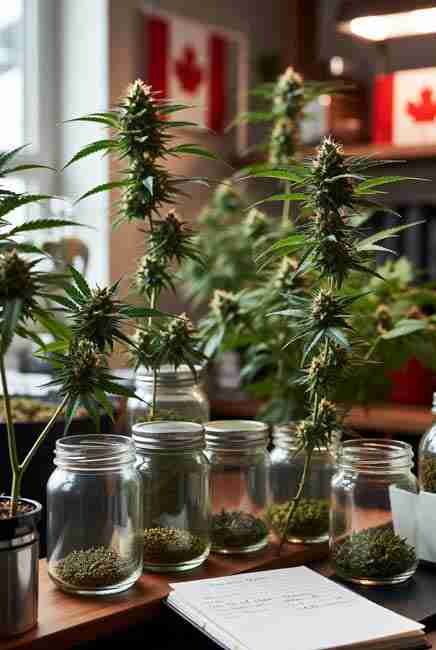
Canada’s Cannabis Act lets adults grow up to four cannabis plants per household. That limit includes every single plant — mothers in veg, clones, males you might keep for pollen, and any seedlings from your breeding project. You cannot just add “a few extra for seeds.” Exceeding four plants is illegal, full stop.
Seeds themselves are completely legal to buy, possess, and grow from. You can save seeds from your own legal plants without issue. The tricky part comes when you start thinking about trading or selling excess seeds. Small personal swaps with trusted friends in the growing community happen all the time and usually stay under the radar. However, turning it into any kind of real business — even a small cannabis genetics business home operation — usually requires federal licensing.
On top of the plant count, you must follow basic security and odour rules in most provinces. Keep your grow discreet. Store seeds properly so they stay viable for years. Label everything clearly. These small habits protect you and make your home cannabis seed saving economics project run smoother.
Most importantly, always double-check your province’s specific rules. Quebec, Ontario, and British Columbia have slightly different enforcement vibes even though the federal four-plant limit applies everywhere. When in doubt, stay conservative and keep excellent records.
Full Cannabis Breeding Cost Analysis Canada: Every Dollar You Will Spend

Let’s get honest about money. A proper cannabis breeding cost analysis Canada style starts with the obvious and then hits you with the hidden costs.
Here is a realistic breakdown most hobby growers see in their first year:
Initial setup you probably already own (or will buy once):
- Quality LED grow lights and tent or dedicated space
- Ventilation, carbon filter, fans, timers
- pH and EC meters, good water source
- Organic soil or coco, amendments, smart pots
These are one-time or long-term costs. The real seed-saving specific expenses look like this:
Year 1 seed saving & breeding costs (typical Canadian indoor grower):
| Expense Category | Estimated Cost (CAD) | Notes |
|---|---|---|
| Premium starting seeds (Green Avenger Seeds pack) | $25– $60 (cheapest quality marijuana seeds in Canada/USA) | 5–10 high-quality feminized seeds to find your keeper mother |
| Extra nutrients & amendments | $80 – $150 | You will push mothers harder and may need reversal sprays |
| Electricity (extra for breeding lights & fans) | $150 – $300 | Winter months in Canada hurt — efficient LEDs help a lot |
| Isolation supplies & pollen control | $40 – $80 | Small tents, bags, or dedicated space to stop accidental pollination |
| Seed storage (jars, silica, fridge space) | $25 – $50 | Proper storage makes seeds last 5–10+ years |
| Time (your most expensive resource) | Priceless | 5–10 extra hours per week during selection and pollination windows |
| Total Year 1 extra cost | $355 – $700 | On top of your normal growing expenses |
Year two and beyond drop dramatically because you already have your mother plants and seed stock. Your main ongoing costs become electricity, a bit of nutrients, and replacement supplies. That is where the home cannabis seed saving economics really starts to shine.
Calculating Your Realistic Home Seed Production ROI

Here is the fun part. Once you have a solid mother and run even one successful breeding project, the numbers flip in your favour fast.
Imagine you normally spend $150–$250 per year buying new seeds. After your first good cross you produce 300–800 viable seeds. At current market prices that is easily $1,500–$4,000 worth of genetics you now own. You also get plants perfectly adapted to your exact lights, nutrients, and Canadian climate — something no seed bank can sell you.
Simple ROI example you can copy into Google Sheets:
| Item | Year 1 | Year 2 | Year 3 |
|---|---|---|---|
| Money spent on new seeds | $200 | $0 | $0 |
| Extra breeding costs | $500 | $120 | $120 |
| Value of seeds you produced | $0 | $2,400 | $1,800 |
| Net savings / profit | -$700 | +$2,280 | +$1,680 |
By year three most growers are way ahead. The home seed production ROI 2026 looks even better because electricity rates and seed prices keep climbing while your genetics stay free.
Track everything. A simple notebook or free spreadsheet with columns for date, expense type, amount, and notes will show you exactly when you break even. You will be surprised how fast it happens once you stop buying seeds every cycle.
Selecting and Maintaining Top Mother Plants for Long-Term Seed Saving
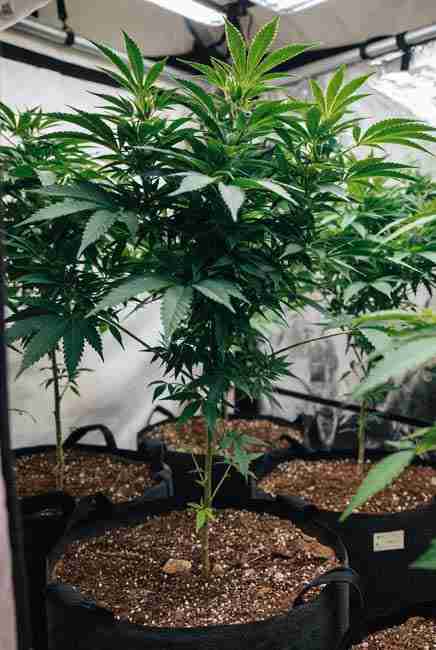
Everything starts with the mother. You want a plant that grows fast, resists mould and pests common in Canadian grows, produces the effects and flavours you love, and — most importantly — passes those traits on consistently.
Here is how smart growers do it:
- Start with the best seeds you can buy (again, Green Avenger Seeds gives you that edge).
- Grow several plants and flower them all.
- Keep detailed notes on smell, structure, yield, and how they handle your specific environment.
- Choose your top 1–2 performers and take clones before you flip to flower.
- Keep those clones in perpetual veg under 18/6 or 20/4 light.
- Every 6–12 months take new cuttings so the mother stays young and vigorous.
With only four plants allowed, you usually keep one or two mothers in veg while flowering the rest. Rotate carefully. When you are ready to breed, you either introduce a chosen male or use a reversal method on a female branch. Both require isolation so you do not pollinate your whole garden by accident.
Good mothers pay you back for years. Bad ones waste your time and space. Take the selection process seriously and your home cannabis seed saving economics improves every single cycle.
Your Practical Step-by-Step Guide to Home Cannabis Seed Saving and Breeding
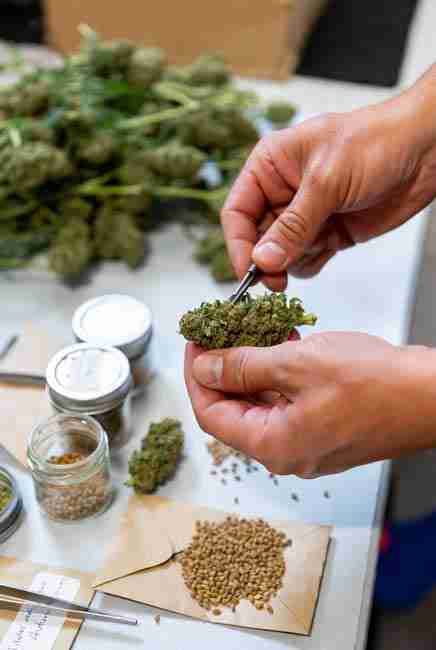
You do not need a laboratory. You just need patience, cleanliness, and good record keeping.
Step 1: Choose your parents Pick your best female mother and either a male with the traits you want or reverse a female branch using colloidal silver or silver thiosulfate. Always work in a separate small space or use isolation bags.
Step 2: Control the pollination window Collect pollen carefully when the male sacs open. Apply it only to the branches you want to seed. Remove or bag everything else. Timing is everything — usually 3–5 weeks into flower for the female.
Step 3: Let seeds mature Seeds need 4–6 weeks after pollination to ripen fully. You will see the calyxes swell and the seeds inside turn dark and hard. Patience here gives you high germination rates later.
Step 4: Harvest and clean Cut the seeded branches, hang to dry like normal bud, then gently break apart and sift out the seeds. Winnow away chaff. Inspect each seed — plump, dark, and hard is what you want.
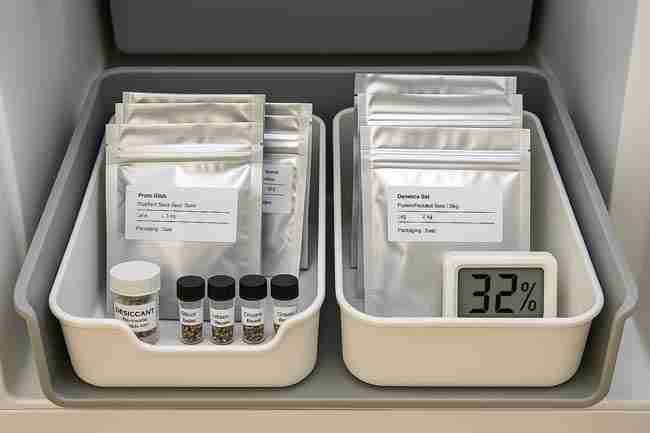
Step 5: Dry and store properly Spread seeds on paper for a few days in a cool, dark, dry spot. Then move them into airtight glass jars with a small silica packet. Label clearly with strain name, date, and parent info. Store in the fridge or a cool basement. Properly stored seeds stay viable for 5–10 years or longer.
Do this once or twice and you will never want to buy random seeds again.
Exploring If a Small Cannabis Genetics Business from Home Makes Sense
Some growers dream of turning their best crosses into a little side hustle. The truth in Canada right now is complicated. Personal use and small community trades are one thing. Selling seeds online or at any scale usually crosses into regulated territory that requires proper licensing.
That said, the skills you develop — selection, stability testing, documentation — are exactly what licensed breeders need. Many small Canadian craft growers started exactly where you are now. They learned on their four-plant limit, built a reputation in the community, and later stepped into legal opportunities when the rules allowed.
For most people the real value stays personal: better medicine or recreation tailored to you, zero seed costs, and the deep satisfaction of growing something truly your own. The home cannabis seed saving economics works beautifully at the hobby level. Scaling to a real cannabis genetics business home operation is a much bigger conversation that usually involves lawyers and licences.
Easy Tools, Spreadsheets, and Tracking Methods to Master Your Numbers
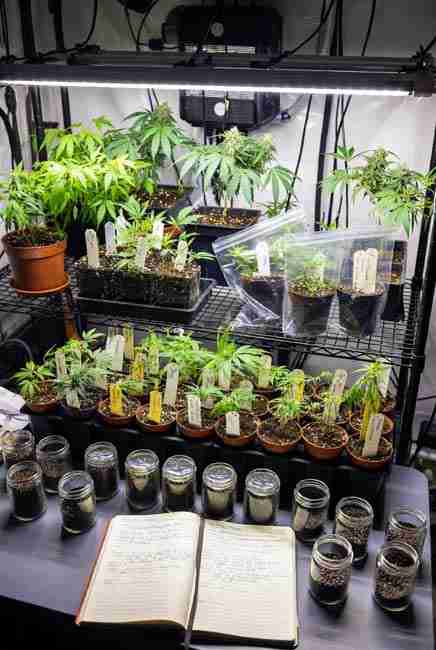
You do not need fancy software. A simple Google Sheet or even a paper notebook works great.
Create columns like: Date | Category (Seeds / Electricity / Nutrients / Storage / Other) | Amount Spent | Notes | Running Total
Add a second tab for “Seed Inventory” with columns for Strain, Generation, Number of Seeds, Date Harvested, Estimated Value, and Where Used.
Review the numbers every three months. You will quickly see patterns — maybe your electricity spikes in January, or certain nutrients last longer than you thought. That data turns guesswork into real home seed production ROI 2026 decisions.
Many growers also keep a simple breeding log: which male or reversal was used on which female, how many seeds resulted, and what the offspring looked and smelled like. Over a couple of years you build your own strain library perfectly suited to Canadian conditions.
The Good, the Bad, and the Green: Pros and Cons of Home Seed Saving
Pros
- Dramatic long-term savings once you stop buying seeds
- Genetics perfectly adapted to your exact setup and local climate
- Deep satisfaction and skill building
- Ability to preserve rare or favourite traits
- Potential community trading value
Cons
- Plant count limit makes projects slower and more strategic
- Extra time and learning curve
- Risk of accidental pollination ruining a whole cycle
- Initial investment before you see returns
- Storage and organisation requirements
Most experienced growers say the pros win after the first successful project. The key is starting small, staying legal, and using the best possible starting seeds from Green Avenger Seeds so your foundation is strong.
Common Pitfalls New Seed Savers Make (And How to Avoid Them)
New growers often try to do too much at once. They keep too many mothers, run multiple crosses in the same small space, or skip proper isolation. Result? A whole tent full of accidental seeds and disappointed plants.
Another big one is poor record keeping. Six months later you cannot remember which male gave you those fire seeds. Label everything the day you do it.
Finally, many people underestimate how long good seeds actually last when stored correctly. You do not need to breed every single year. One solid project can supply you for half a decade.
Why Starting with Top-Quality Seeds from Green Avenger Seeds Changes Everything
You can save seeds from almost anything. However, the quality of what you save depends entirely on the quality of what you started with. Unstable or weak genetics give you unpredictable offspring and wasted effort.
Green Avenger Seeds focuses on stable, vigorous, true-to-type feminized seeds that Canadian growers actually succeed with. When your foundation is strong, every generation you create gets better instead of drifting. That is the real secret to making home cannabis seed saving economics work in your favour year after year.
You have got this. Start small, stay legal, track your numbers, and enjoy watching your own genetics improve every cycle. Before long you will wonder why you ever bought seeds in the first place.