Preserve Your Cannabis Seeds


Preserve Your Cannabis Seeds by shutting them in a dry jar and leaving them alone. A marijuana seed that feels soft has already met water. A weed seed on a sunny sill is aging in the light while you think it is resting. The jar is the whole method. Cold is a bonus you add only after the seed is dry.
People lose packs in ordinary houses. A kitchen gets steamy. A bathroom gets wetter. A grow tent is warm and damp on purpose, which is the opposite of a cupboard. A clear jar in a window is a little greenhouse. None of those places is storage. Storage is dark, steady, and closed. If you remember only that, you will keep more seeds than someone with a freezer they open every Sunday.
Preserve Your Cannabis Seeds by keeping the jar shut
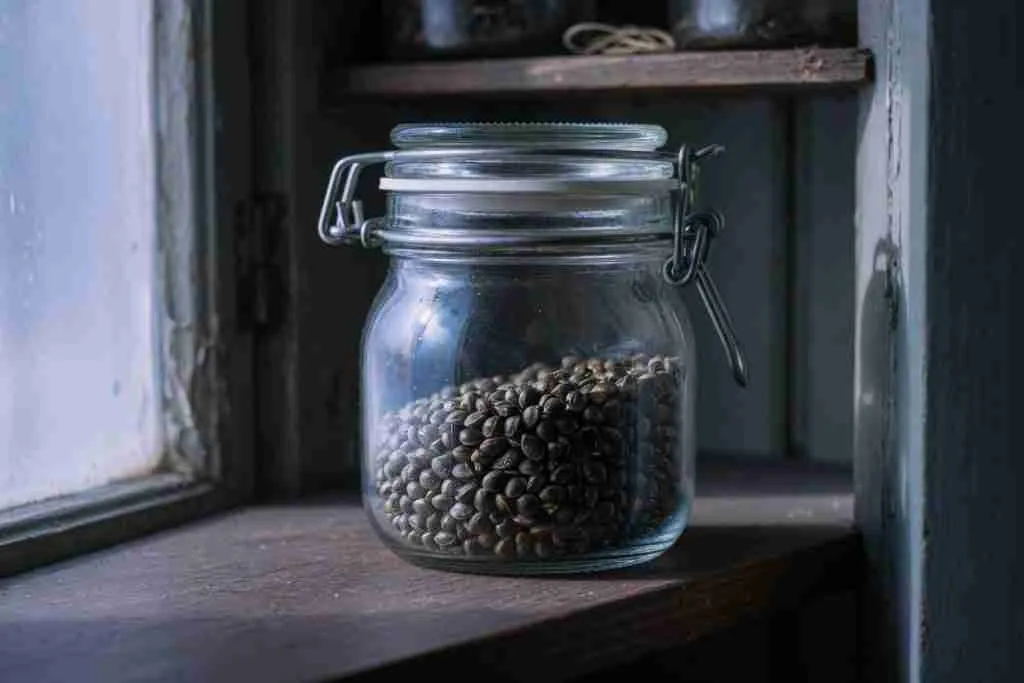
A seed is a dormant plant inside a shell. What that shell is, and what the words on a packet actually promise, lives on the seed itself. This page is only about the months before you sow. The plant inside stays asleep if it stays dry and dark. Water, warmth, and light are the signals that wake it. Give it those signals in a jar and you have started a seed you did not mean to start, usually badly, with no soil and no air.
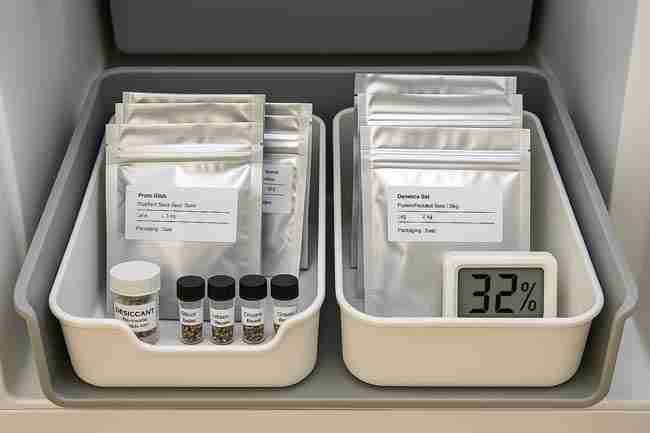
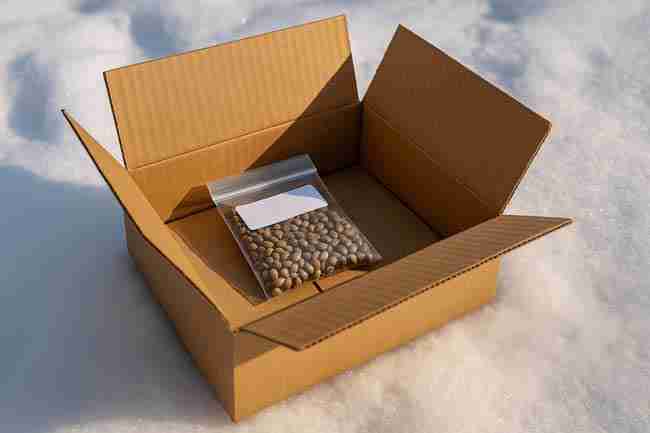
Leave the seeds in the pack or the vial they arrived in, and put that pack inside the jar. The pack already has a name on it. Loose seeds from three packs in one jar become a mix you cannot sort by eye. A glass jar with a rubber seal and a clamp, or a small tin with a tight lid, is enough. A thin sandwich bag is a short ride home, not a year. If a bag is all you have this week, press the air out, seal it, and drop the bag into a jar the same day. Paper is fine for a few weeks in a dry drawer. Paper is not a plan for next spring.
Wash the jar before the first pack goes in, then dry it until the glass is not cool from the rinse. A jar that still smells like pickles, coffee, or soap is not ready. Those smells sit in a film of water. Glass with a rubber gasket holds the air you sealed. A thin plastic tub lets room air creep in over a season. If plastic is all you have, put the sealed pack in the tub and put the tub in the glass jar. One real seal beats two lids that only look shut.
Dry the seed before you seal anything for a long wait. Fresh seed off a plant can still hold moisture from the flower. Spread firm, dark seeds in one layer on a plate, in a cool room, out of the sun, for several days. Do not blow a heater on them. Do not seal a damp seed into a bag and call it protected. You have locked the water in with it. If a seed already looks pale, papery, or crushed, storage will not finish it. How that seed looks when it has already failed is the stale seed page. Put only the firm ones in the jar.
Keep the jar out of the tent, off the windowsill, and away from the kettle. A tent that is good for leaves is bad for seed. The sill heats up every afternoon and cools every night, and that swing ages a seed faster than a steady cool cupboard. The kettle and the dishwasher put moisture in the air on a schedule. A car is worse. The glove box is an oven by noon. If the only dark place you have is a closet that smells damp, use a jar with a dry packet in it, not an open envelope on the shelf.
A packet that stays out of the seeds
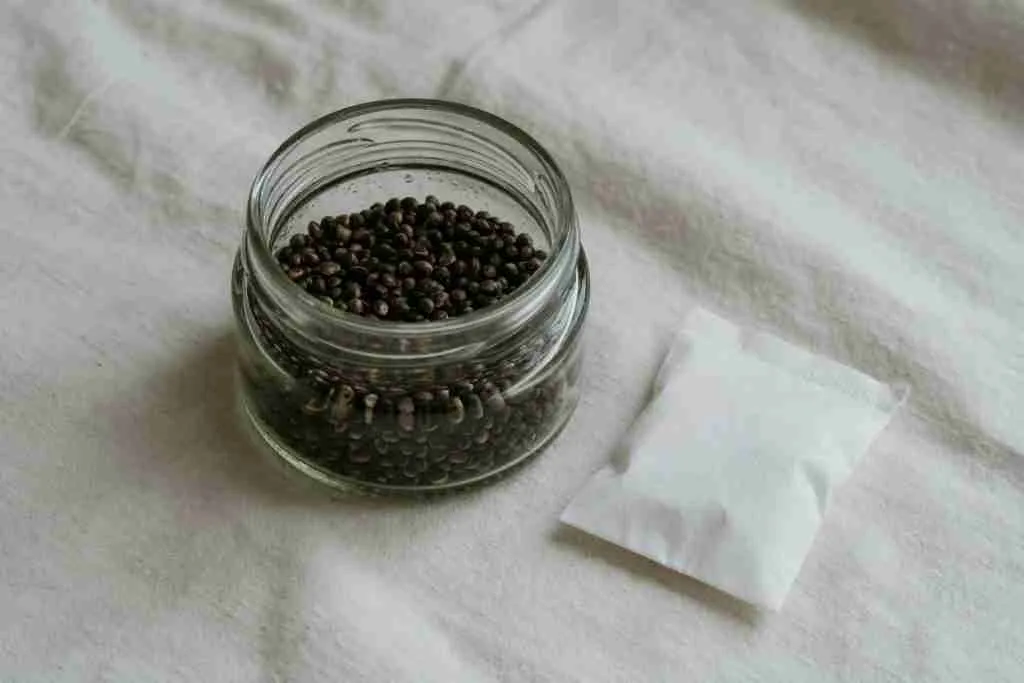
A small dry packet in the jar is there to catch moisture that sneaks past the lid. It is not a seasoning you pour on the seeds. Set the packet beside the pack, or under it, so the beads or the powder never touch the shells. A packet that has gone soft and limp is finished. Replace it. Do not keep using a packet that already feels like a damp cloth. It will share that damp back into the jar.
If you have no packet, a spoon of very dry rice in a twist of paper will do a weaker version of the same job. The rice stays in the paper. Loose rice against the seeds can share moisture, and it makes a mess you have to pick apart later. Rice is a backup for a month, not a substitute you trust for years. When you can get a proper dry packet, swap it in and throw the rice twist away.
Do not open the jar to check the packet every few days. Every opening lets the room in. The room is wetter than the jar, even in a house that feels fine. Look when you have a reason: you are sowing, or the lid was loose, or you dropped the jar. Otherwise leave it. A seed collection that gets a weekly inspection is a seed collection that lives in your kitchen air. That is not storage. That is a habit of disturbing them.
The fridge door is the wrong shelf
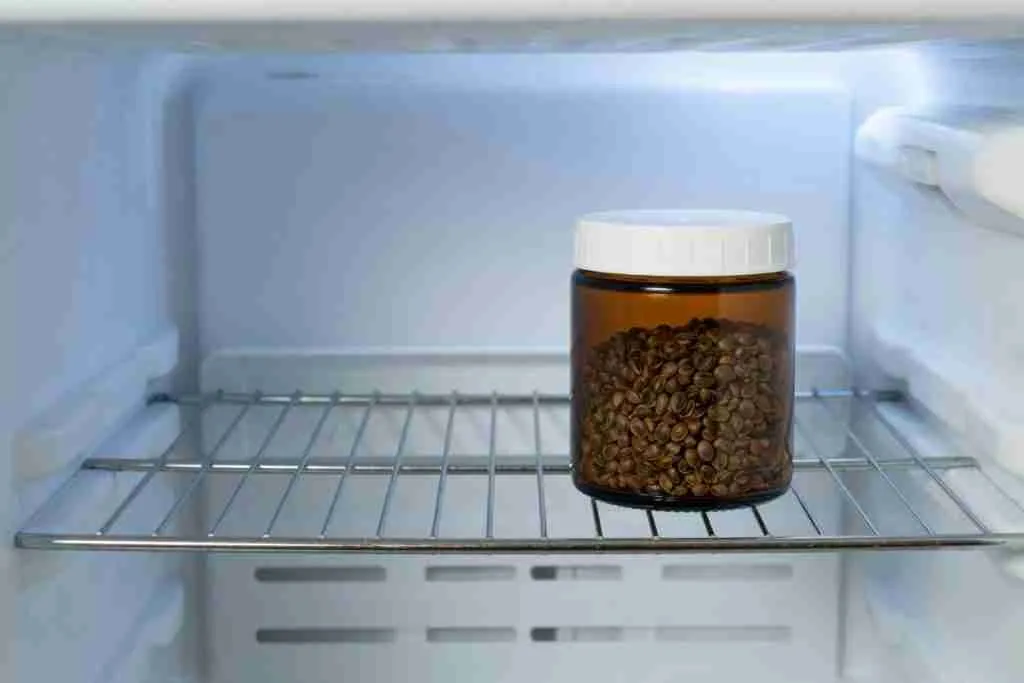
A refrigerator helps only when the jar is already dry and you put it where the temperature barely moves. The door is the worst shelf. It warms every time someone wants milk, then cools again. That swing is the thing that ages seed and pulls moisture onto a cold jar. Use the back of a shelf, or a drawer inside the fridge, and leave the jar there. A busy fridge that is opened all day is a poorer home than a quiet cool cupboard, if you cannot keep the jar in a still spot.
Put the glass jar inside a tin or a box as well, if the jar is clear. The fridge light hits whatever sits in the open every time the door opens. Darkness was half the point. An amber jar or a tin already solves that. A clear jar in the light is a display, not a store. Do not set the jar in the crisper if that drawer is wet from vegetables. Wet produce is a humidifier with the door shut. A dry shelf, away from open containers of food, is the spot.
Cold does not repair a seed. It slows a seed that was already in good shape. A soft seed, a cracked seed, or a seed that molded in a bag will still be those things after a month in the fridge. People put a bad pack in the cold and expect a rescue. You get the same pack, colder. If you are keeping seed only until the tent is built, or until spring, a cool dark drawer may be all you need. Move to the fridge when the wait is long, the house runs hot, or the summer air in your rooms is heavy.
Write the label before a jar goes into the fridge. Opening a cold jar just to read the name lets the room in, which is the same loss as opening it to look at the seeds. The fridge light is brief. The warm air that follows the door is not. A tin you can read without lifting the lid is easier than a clear jar you have to turn in your hand.
Cold only helps a seed that is already dry
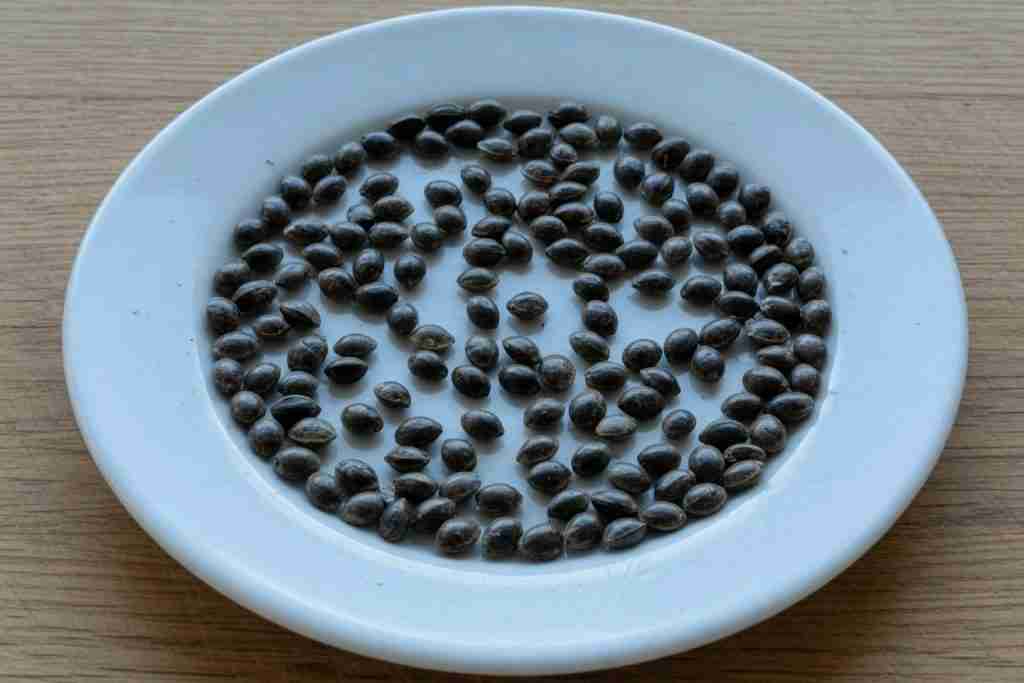
The order is dry, then sealed, then cool. Reverse it and you make ice or condensation inside a shell that cannot get rid of either. A freezer is for seed you have already dried, sealed, and do not plan to touch for a long time. A damp seed in a freezer can form ice in the plant inside the shell. That seed is done. If you will want a few seeds next month, and the month after, use the fridge or the drawer. A freezer you raid is a freezer that keeps meeting warm air.
Vacuum bags have the same rule. Sucking the air out of a bag that still holds a damp seed locks the damp in and pulls it closer to the shell. Dry first, on the plate, until the seeds feel hard. Then seal. A bag without a jar around it can still get punctured in a drawer full of tools. The jar is the armor. The bag is optional. You do not need a machine to keep a pack until next season.
How long is long enough to bother with the fridge at all? If you will sow within a couple of months, and the house is cool and dry, the drawer is honest and simpler. If the pack has to sit through a hot summer, or you are keeping part of a pack for a later run, the back of the fridge earns its place. Years in a freezer is a collector’s choice, and only if the jar stays shut. None of these spots writes a date on the seed. The calendar still passes. A well kept old seed can be slow to crack, and a neglected young seed can be dead. The older seed clock is the page for what happens after you sow. This page stops at the jar.
Warm the closed jar before you open it
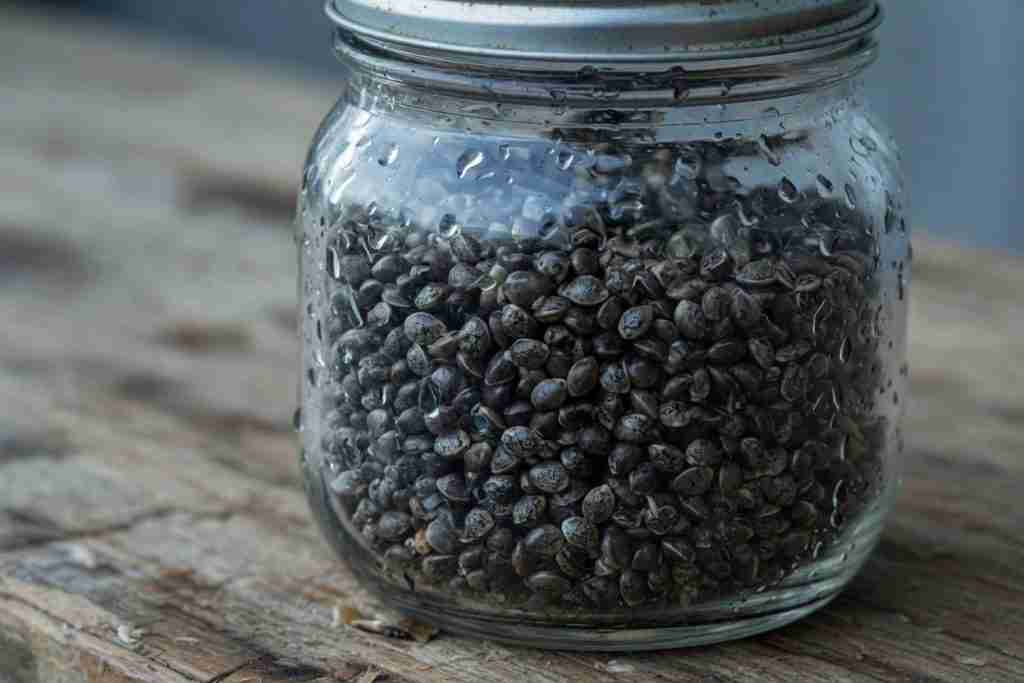
This is the mistake that wrecks an otherwise careful fridge. You take the cold jar to the counter and crack the lid while the glass is still cold. Warm room air hits the cold seeds and drops water on them. You can watch it on the outside of the glass first, a fog that was not there in the fridge. If the lid is open, that same water is on the seeds. Leave the lid on. Set the jar on the counter. Go do something else until the glass feels like the room, and the fog on the outside has gone. Then open it.
Take only the seeds you will sow. Close the jar before you start pots, labels, and water. A jar left open beside a tray of wet soil will drink that air. If you are sowing one plant, you do not need the whole pack on the table. The rest go back into the dark as soon as the glass is warm and the lid is tight. Write the date you opened it on the outside, in pencil, so the next time you know this pack has already met the room once.
The same warm-up applies to a freezer, and it matters more, because the jar is colder and the fog is heavier. Do not tuck a frozen jar under your shirt or run it under a tap to speed it up. Water on the lid finds the seal. Patience is the tool. If you cannot stand to wait, that pack should not have been in the freezer. Put the next one in the fridge, where the wait on the counter is shorter and the risk is smaller.
Write the name on the outside
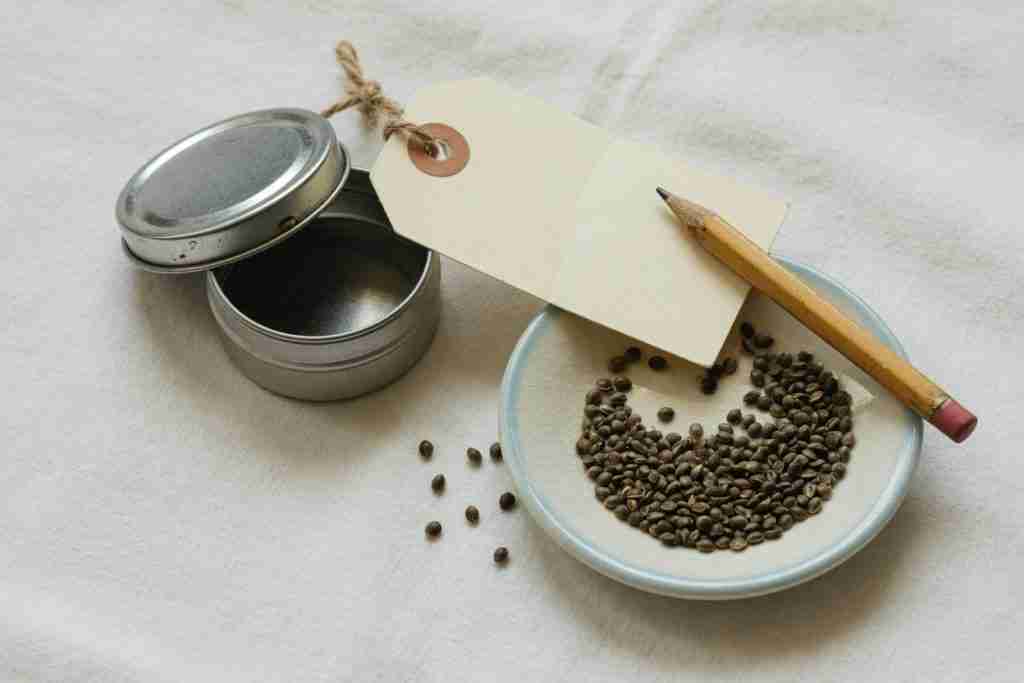
A jar you cannot name is a guess you will sow by accident. Write the name and the date on the outside of the tin or on a tag tied to the jar. A slip of paper inside the jar dies the day the jar fogs, and you should not open the jar just to read it. Pencil on tape still beats a memory. If two packs share a jar, they should not. One pack, one container, one line you can read in the dark of a cupboard.
What you write is the name on the pack, the month you sealed it, and whether it has already been opened. You do not need a code. Future you will not remember a code. If the pack is a plant that flowers by age and the other pack waits for a long night, those are different gardens, and mixing them is how a tent gets the wrong clock. Keep them in different tins even if the storage spot is the same shelf. The shelf can be shared. The jar should not be.
When a pack is down to the last seeds, do not toss them loose into a junk tin of maybes. Either sow them while you still know the name, or keep the last ones in their own labeled vial inside the jar. Unlabeled seed is how people germinate a pile to see what happens, and then own more plants than they meant to keep. Storage is also how you avoid that pile. You open one named pack, you take what you will actually grow, and you stop.
A drawer covers a short wait
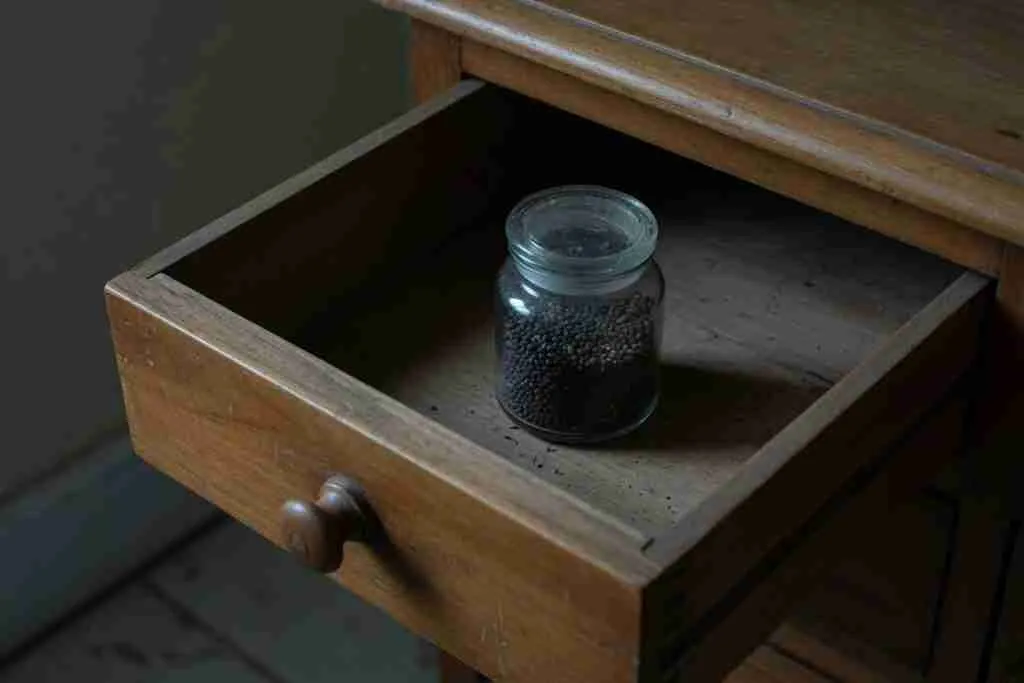
Most home growers do not need a laboratory. They need the pack to survive until the tent is finished, or until the weather outside a window is worth a plant. A drawer in a cool room, with the jar shut and a dry packet inside, covers that wait. The drawer should not be the one above the oven, or the one that shares a wall with a dryer. Feel it on a hot afternoon. If the wood is warm, find another drawer. Steady and boring beats a clever spot that heats up at dinner.
Check the house, not the seed, when the seasons change. A cupboard that was fine in winter can be muggy in summer. That is when the jar moves to the back of the fridge, still closed, still labeled. You are not inspecting the seeds. You are inspecting the room. If the room smells like a basement after rain, the jar should not sit there in a paper envelope. The jar can stay. The envelope cannot.
In Canada, recreational home growing is capped at four plants per household, not four for each adult, and a seedling counts as one of them. Quebec does not allow recreational home growing. In Manitoba, recreational plants have to stay indoors, and that rule has been in place since 1 May 2025. You also have to be 19 there. A seed in a jar is not a plant. A sprout in a cup is. Do not wet a handful of stored seeds just to see which ones wake, if those sprouts would put you over the cap. Open one pack, start only what you can keep, and leave the rest sealed.
What a stored seed gives the grow and what it costs
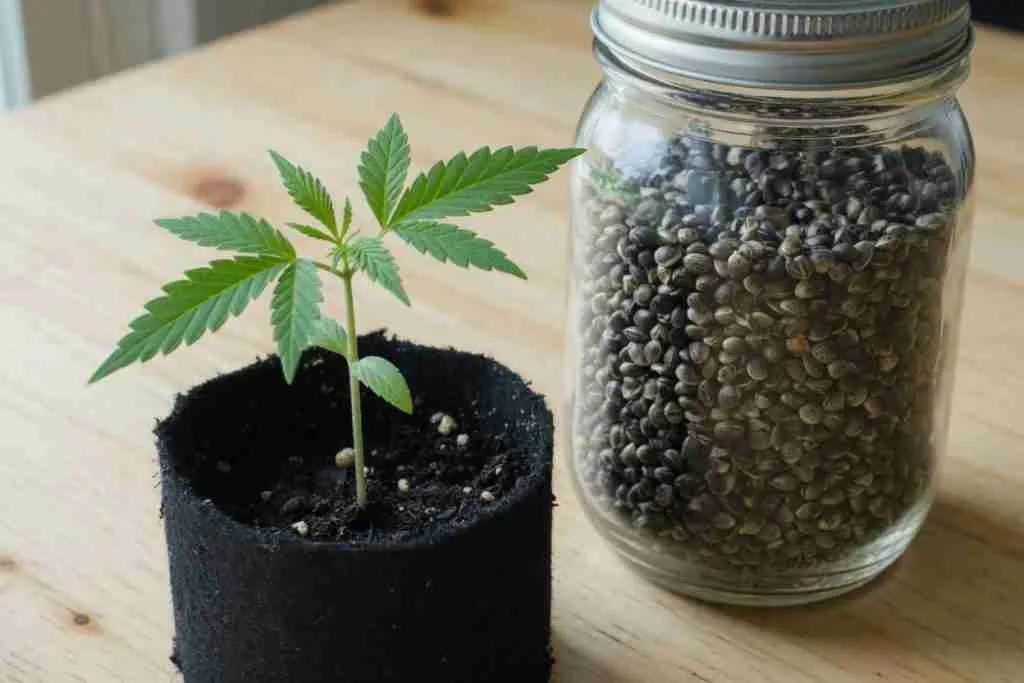
What you gain is a choice of when to sow. The pack can arrive in a month that is wrong for your tent or your weather, and the seed can wait without starting itself in a sweaty mailbox leftover. You also keep the rest of a pack after you have seen the first plant, so a second run is the same name and not a fresh gamble. The grow gets a seed that is still asleep, not one that sprouted and died in a damp bag months ago. That is the help. Storage does not make a weak plant strong. It keeps the seed you bought from becoming a worse seed while it waits.
A pack that waits also lets you match the plant to the room you actually have. You are not forced to sow on the day the mail arrives, when the tent is still a box in the hall. The seed stays a seed. The calendar stays yours. Storage does not add weight to the flowers, and it does not repair a seed that was already soft on the day you bought it. It only keeps a sound seed from getting worse while you wait for a tent, a season, or a second run of the same name.
What you pay is attention at the two moments that matter: the day you seal the jar, and the day you open it. Seal a wet seed and you preserve the problem. Open a cold jar in a warm room and you add water you spent months keeping out. You also pay for a jar, a packet, and a shelf you do not keep rearranging. None of that is expensive next to a pack. The expensive loss is a whole jar opened on a whim, then left beside the sink.
When you do sow, the storage job is over and a different job begins. How to wake a seed on purpose is the germination guide. Do not turn this page into that one. A stored seed still has to be firm and intact. If it is soft, or it smells sour, it is not a candidate for a clever trick. Throw it out and open a pack that was actually kept dry. The plants you grow come from the seeds you refused to disturb, not from the ones you kept checking.
- Leave seeds in the named pack, and put that pack inside a jar or a tin.
- Dry firm seeds before a long seal. Do not seal a damp seed.
- Keep a dry packet in the jar, not touching the shells, and replace it when it goes soft.
- Store the jar in the dark, away from the tent, the sill, the kettle, and the car.
- Use a cool drawer for a short wait. Use the back of the fridge when the wait is long or the house is hot.
- Skip the freezer unless the seed is already dry and the jar will stay shut.
- Warm a cold jar, lid on, until the glass matches the room. Then open it.
- Take only what you will sow, and close the jar before you start water.
- Write the name and the date on the outside.
- A seed in the jar is not a plant. A sprout already counts toward the cap where you live.
Before you put a jar away, hold one seed. It should feel hard, not leathery, and it should look like the rest of its pack. If it passes, seal it, label it, and stop handling it. The next time you see that jar should be the day the tent or the season is actually ready. A closed jar in a boring dark place will do more for the grow than any container you keep opening to admire.