The Benefits of Using Rock Dust in Cannabis Cultivation

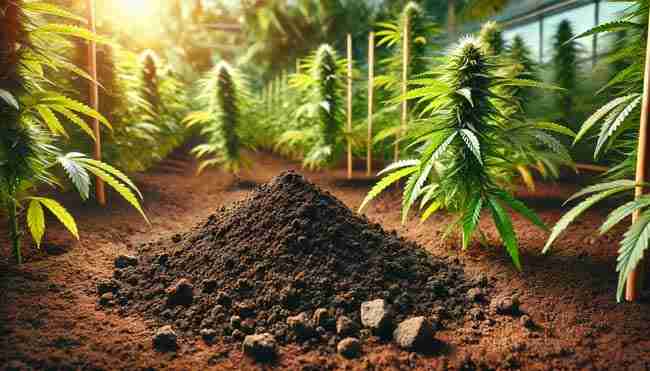
Hey there! If you’re looking to boost your cannabis garden, you might want to check out Rock Dust for Cannabis. It might sound like something out of a fairy tale, but trust me—it’s a natural, affordable way to give your plants a little extra pep in their step. In this guide, you’ll learn everything there is to know about rock dust and how it can help your cannabis grow big, healthy, and strong.
What is Rock Dust?

Rock dust is basically the ground-up remains of rocks and minerals that come from the earth. You might think, “Aren’t rocks hard and useless for plants?” But here’s the scoop: When rocks are broken into tiny particles, they release essential minerals and trace elements that your cannabis plants need to grow healthy and strong.
A Little History
Long, long ago, before farmers had fancy chemical fertilizers, people used natural materials like rock dust to enrich the soil. It’s kind of like using a secret ingredient passed down from nature itself! Nowadays, many cannabis growers have rediscovered its magic because it offers a natural boost without those harsh chemicals.
What’s in Rock Dust?
Rock dust is loaded with minerals such as calcium, magnesium, potassium, and phosphorus. These minerals are like the vitamins for your plants—they help with growth, strength, and even the production of those beautiful, potent buds. Here’s a quick list of some minerals you might find in rock dust:
- Calcium: Helps with cell development.
- Magnesium: Important for photosynthesis.
- Potassium: Aids in overall plant health.
- Phosphorus: Supports root and flower development.
- Trace Elements: Tiny amounts of iron, manganese, and zinc that boost plant metabolism.
The Science Bit (But Not Too Complicated!)
When you add rock dust to your soil, it slowly releases these minerals. They become available to your roots over time, making rock dust a long-lasting, natural fertilizer. Unlike synthetic fertilizers, rock dust works quietly in the background, steadily feeding your plants without overwhelming them. It’s a bit like slow-cooking a delicious meal—gradual and full of flavor!
How Do I Get Rock Dust for My Cannabis Plants?

Finding rock dust is easier than you might think. You have a few options, whether you’re a home grower or running a larger cultivation operation.
Buying Rock Dust
Most gardening stores or online retailers sell rock dust, often marketed as a natural soil amendment. Look for products that mention “Rock Dust Cannabis” to be sure they’re suited for growing your favorite plant. Here are some tips on what to consider when buying rock dust:
- Source: Check where the rock dust comes from. Volcanic rock dust, for example, is rich in minerals.
- Particle Size: Finer particles mix more evenly with your soil, ensuring your plants get a consistent supply of nutrients.
- Certifications: Sometimes, products are tested for contaminants. Look for certifications or quality seals.
Making Your Own Rock Dust

If you’re feeling a bit adventurous, you might even make your own rock dust. All you need is some hard rock (like basalt) and a good grinder. However, this takes time and effort, and you need to be sure that the rock is safe and free of harmful substances.
Local Options
Check with local farmers or geological supply companies. They might have rock dust available at a lower cost than big-name brands. Plus, buying locally can reduce your carbon footprint—a win-win situation!
Why Does Rock Dust Work for Growing Cannabis?
Now, you might be wondering, “Why should I use rock dust instead of chemical fertilizers?” Well, let’s break it down.
Natural Nutrient Boost
Rock dust slowly releases essential minerals into the soil. This slow release is beneficial because it mimics nature’s own process. Your plants get a steady supply of nutrients without the risk of burning roots—a common problem with synthetic fertilizers.
Enhancing Soil Biology

A healthy soil isn’t just dirt—it’s a bustling city of microorganisms like bacteria and fungi. These tiny critters help break down organic matter and make nutrients available to your plants. Rock dust gives them the minerals they need to thrive, which in turn helps your cannabis plants get the best possible nutrition.
Improved Soil Structure
Rock dust can also improve the texture and structure of your soil. By adding organic matter and minerals, it helps your soil retain water and drains excess water better. This means fewer problems with root rot and other water-related issues.
Long-Term Benefits
One of the best parts? Rock dust works over the long term. Unlike some fertilizers that require frequent reapplication, rock dust continues to feed your soil for months or even years after you mix it in. It’s like having a slow-release, all-natural multivitamin for your plants.
What Types of Rock Dust Work Best for Growing Cannabis?

There are several types of rock dust, each with its own set of benefits. Let’s take a closer look at some of the most popular options.
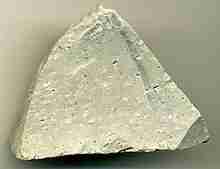
Volcanic Rock Dust
Pros:
- Rich in trace minerals.
- Improves soil structure.
- Helps stimulate beneficial soil microbes.
Cons:
- Can be a bit pricier than other types.
- Sometimes harder to find.
Volcanic rock dust comes from volcanic eruptions and is prized for its high mineral content. It’s like a superfood for your soil!
Glacial Rock Dust

Pros:
- Made from finely ground glacial rocks.
- Often more uniform in texture.
- Good for both pH balancing and nutrient supply.
Cons:
- Availability can vary by region.
- Might not have as many trace minerals as volcanic dust.
Basalt Rock Dust

Pros:
- Abundant and affordable.
- Provides a good mix of minerals.
- Enhances the microbial life in the soil.
Cons:
- Particle size can vary, so you might need to sift it.
- Not as nutrient-rich as volcanic rock dust.
Other Types
There are other variations, such as sedimentary rock dust and even some specially formulated blends. The key is to choose one that’s well-suited to your soil’s needs and your local climate conditions.
Table: Comparison of Rock Dust Types
| Type | Key Minerals | Benefits | Potential Drawbacks |
|---|---|---|---|
| Volcanic | Rich in trace minerals | Enhances soil biology, long-lasting | Can be expensive, availability issues |
| Glacial | Balanced nutrient mix | Uniform texture, pH balancing | Regional availability, moderate minerals |
| Basalt | Good mix of minerals | Affordable, boosts microbial life | Variable particle size, less nutrient-rich |
How Often Should I Apply Rock Dust?
One of the cool things about rock dust is its long-lasting nature. However, the frequency of application depends on a few factors.
Application Frequency

- Initial Soil Preparation: When you first prepare your soil for planting, mix in a generous amount of rock dust. This helps set up a solid foundation.
- Top Dressing: You can sprinkle a thin layer on top of your soil every few months. For indoor grows, a once-every-two-to-three-months schedule is often enough.
- Outdoor Gardens: In outdoor gardens, you might only need to reapply once a year or during the major growing seasons.
Signs You Need More Rock Dust

Keep an eye on your plants. If you notice signs of nutrient deficiency (like yellowing leaves or stunted growth), it might be time to give your soil a little boost with some extra rock dust.
Pro Tips
- Mix rock dust with compost or other organic matter to help it integrate better with your soil.
- Always water your plants after adding rock dust to help it start breaking down and releasing nutrients.
What Does Rock Dust Do for Plants?
Rock dust does a whole bunch of good things for your cannabis plants. Let’s go through some of the main benefits.
Boosts Nutrient Availability
Rock dust slowly feeds the soil with a range of minerals and trace elements that your plants need. This makes it easier for your roots to absorb nutrients, which can lead to healthier plants and bigger buds.
Enhances Microbial Life

A thriving soil ecosystem is key to a successful grow. The minerals in rock dust feed the good microbes in your soil, which then help break down organic matter and make even more nutrients available to your plants.
Improves Water Retention and Drainage
By improving soil structure, rock dust helps your soil retain water during dry spells and drain excess water when it’s too wet. This balance is crucial for avoiding problems like root rot and ensuring your plants get just the right amount of moisture.
Increases Soil pH Balance
Some rock dusts can help buffer your soil’s pH, keeping it in the ideal range for cannabis growth. A balanced pH means your plants can absorb nutrients more effectively.
Real-Life Example
Imagine your cannabis garden as a busy kitchen. The rock dust is like the pantry stocked with all the essential ingredients. Without it, your plants might miss out on crucial “spices” that make the difference between a good meal and a gourmet feast. With rock dust, every bite (or bud) is packed with flavor and nutrition!
How Much Rock Dust to Add to Soil?
Getting the right amount is key. Too little, and your plants might not get enough nutrients; too much, and you risk overloading the soil. Here’s a simple guide.
General Guidelines

- For Soil Preparation: Use about 5 to 10 pounds of rock dust per 100 square feet of soil. This gives your plants a solid base of nutrients.
- For Top Dressing: Sprinkle a thin layer, about 1 to 2 pounds per 100 square feet, every few months.
Adjusting for Different Soil Types

If your soil is already rich in minerals, you might lean toward the lower end of these recommendations. On the flip side, if your soil is sandy or lacking in organic matter, a little extra can go a long way.
Quick List of Rock Dust Application Rates
- Starting Mix: 5–10 lbs/100 sq. ft.
- Top Dressing: 1–2 lbs/100 sq. ft.
- Reapplication: Once every 3–4 months for indoor grows; once per season for outdoor gardens.
Remember, these are general guidelines. Your plants might tell you when they need more love—just keep an eye out for any changes in color or growth.
How Do You Use Rock Dust Fertiliser?

Using rock dust as a fertiliser is as simple as mixing it into your soil. Here’s how to do it step-by-step.
Step-by-Step Instructions
- Mix It In: During your initial soil preparation, blend the rock dust into your soil. Use a garden fork or tiller to mix it thoroughly.
- Top Dress: For an extra nutrient boost, sprinkle a thin layer on top of your soil during the growing season.
- Water Well: After applying rock dust, water your garden to help the particles settle into the soil.
- Monitor Your Plants: Check your cannabis plants regularly for signs of nutrient uptake and adjust your application if needed.
Tips for Best Results

- Combine with Compost: Mixing rock dust with compost helps improve the overall fertility of your soil.
- Use Regularly: Consistent application is key. Think of it like giving your plants a regular vitamin boost.
- Be Patient: Rock dust works slowly, so don’t expect overnight miracles. Over time, you’ll see stronger plants and better yields.
Real-Life Story
One grower once shared how his plants went from droopy and yellow to vibrant and bursting with buds after he started using rock dust. It wasn’t an instant fix, but after a few months, the transformation was clear. This just goes to show that sometimes, nature’s slow and steady wins the race!
What Are the Side Effects of Rock Dust?
While rock dust is generally safe and natural, there are a few things you should keep in mind when using it.
Possible Side Effects

- Over-Mineralization: If you add too much, your soil might become overloaded with minerals, which could lead to nutrient imbalances.
- pH Changes: Some rock dust can alter your soil’s pH. Make sure you test your soil regularly.
- Dust Issues: The fine particles can create dust clouds when you apply them. It’s a good idea to wear a mask or do your work on a calm day.
- Slow Release: Since rock dust works slowly, it might not provide an immediate nutrient boost if your plants are in dire need.
How to Avoid Problems
- Test Your Soil: Regular soil testing can help you keep an eye on nutrient levels and pH.
- Follow Guidelines: Stick to the recommended application rates to avoid overloading your soil.
- Combine With Other Fertilisers: If your plants need a quick nutrient boost, you can always supplement rock dust with liquid or granular fertilizers.
How Often Should You Dust Your Plants?

When we talk about dusting your plants with rock dust, it doesn’t mean coating every leaf like powdered sugar on a donut. It’s all about incorporating it into your soil.
For Soil
- Initial Application: Mix a generous amount of rock dust into your soil before planting.
- Maintenance: For indoor grows, top dress once every 3–4 months. Outdoor gardens might only need it once per season.
For Foliage (Optional)
Some growers like to dust their plants’ leaves lightly during certain growth phases, but be cautious:
- Frequency: If you choose to do this, it should be no more than once a month.
- Method: Use a fine mist spray bottle to evenly distribute the particles, and avoid overdoing it to prevent leaf burn.
Will Using Rock Dust Increase Plant Yields?
Many cannabis growers wonder if adding rock dust to their soil will actually lead to more and better yields. The short answer? Yes, it can—if used correctly.
How It Helps Boost Yields

- Enhanced Nutrient Availability: As rock dust breaks down, it releases essential minerals that encourage robust plant growth.
- Stronger Roots: Healthier roots mean better nutrient uptake, which directly contributes to bigger buds.
- Improved Soil Health: A thriving microbial community in your soil can help your plants fight off diseases and stress, leading to higher yields.
- Long-Term Soil Improvement: Over time, rock dust builds up the mineral content of your soil, making it a long-lasting amendment that continues to benefit your plants season after season.
Pros and Cons
Pros:
- Natural and organic
- Improves soil structure and microbial life
- Provides a slow-release nutrient source
- Enhances overall plant health
Cons:
- Works slowly—results are gradual
- Needs careful measurement to avoid over-mineralization
- Not a quick fix for nutrient deficiencies
Specifications of Rock Dust for Cannabis

Here’s a quick rundown of what you might look for in a good rock dust product:
- Particle Size: Fine enough to mix well with soil
- Nutrient Profile: Balanced mix of macro and micronutrients
- pH Level: Should help maintain soil pH in the optimal range for cannabis (6.0–7.0)
- Source Quality: Preferably from natural, uncontaminated rock sources
Other Helpful Tips for Using Rock Dust in Cannabis Cultivation
Combine with Organic Matter
Mixing rock dust with compost or worm castings can supercharge its benefits. Organic matter helps the rock dust break down more evenly and feeds the beneficial microbes in your soil.
Timing Is Everything
Think of rock dust like a slow cooker. It takes time to work its magic, so plan your growing cycle accordingly. Add it during soil preparation and top dress during key growth phases.
Keep an Eye on pH

Since rock dust can affect soil pH, use a simple pH meter or test kit to make sure your soil stays in the perfect range for cannabis.
DIY vs. Store-Bought
If you’re on a budget, making your own rock dust might seem tempting. However, store-bought options are usually tested for safety and nutrient content, so weigh your options carefully.
Real-Life Growing Success
Many growers have shared stories of how switching to natural amendments like rock dust changed their gardens from mediocre to magnificent. Imagine your plants soaking up nature’s very own multivitamin day by day, turning into lush, vibrant beauties that give you a bountiful harvest.
Frequently Asked Questions (FAQ)
Q1: What is Rock Dust Cannabis?
A: It’s rock dust used specifically to enhance the growth and yield of cannabis plants by providing essential minerals and nutrients in a natural, slow-release form.
Q2: Can I use rock dust with other fertilizers?
A: Yes! Rock dust can complement other organic or synthetic fertilizers. Just make sure not to overdo it, as too many nutrients can upset your soil balance.
Q3: How long does it take for rock dust to work?
A: Rock dust is a slow-release amendment, so you might notice improvements over several months rather than overnight.
Q4: Are there any risks in using rock dust?
A: While generally safe, using too much rock dust can lead to over-mineralization and pH imbalances. Always follow recommended application rates and test your soil periodically.
Q5: What types of rock dust are best for my cannabis garden?
A: Volcanic, glacial, and basalt rock dust are popular choices. Your best bet depends on your soil type, availability, and budget.
Q6: Can rock dust help with pest control?
A: Indirectly, yes! Healthier plants with robust root systems and a thriving soil ecosystem are more resistant to pests and diseases.
In a Nutshell: Rock Dust Cannabis Recap
Let’s wrap things up with a quick list and a table summarizing the key points:
Key Takeaways

- Rock Dust Benefits: Slow-release nutrients, improved soil biology, better water retention, and pH balance.
- Types to Consider: Volcanic, glacial, and basalt rock dust.
- Application Rates: 5–10 lbs per 100 sq. ft. for initial mixes and 1–2 lbs per 100 sq. ft. for top dressing.
- Usage Tips: Combine with organic matter, water after application, and monitor soil pH.
- Expected Results: Gradual improvements in plant health, stronger roots, and potentially increased yields.
Quick Comparison Table
| Feature | Rock Dust Benefits | Usage Frequency | Expected Impact |
|---|---|---|---|
| Nutrient Release | Slow and steady | At soil preparation and top dress | Gradual plant improvement |
| Soil Structure | Enhances water retention & drainage | Regular maintenance (3-4 months indoor) | Fewer root issues |
| Microbial Support | Boosts beneficial microbes | Yearly outdoor, seasonal indoor | Healthier soil ecosystem |
| Yield Improvement | Potential for higher yields | Consistent use over growing cycles | Larger, healthier buds |
Final Thoughts

Using Rock Dust Cannabis is like giving your garden a natural, all-in-one supplement. It works slowly, but the benefits can be tremendous over time. Whether you’re a beginner or an experienced grower, integrating rock dust into your cultivation routine can help create a healthier, more vibrant garden.
Remember, gardening is part art, part science, and all about patience. Experiment, observe, and adjust your techniques. And always remember to enjoy the process—after all, growing cannabis is as much about the journey as it is about the harvest.
Happy growing, and here’s to big, beautiful buds!