


Tailoring Cultivation Techniques to Different Cannabis Strains: Indica, Sativa, and Hybrids


If you’re diving into cannabis cultivation, you’ll quickly realize not all plants are created equal. Different cannabis strains—Indica, Sativa, and Hybrids—each have their own likes and dislikes, and figuring out how to cater to them can mean the difference between a fantastic harvest and a disappointing one. I’m going to guide you step-by-step, breaking it down so simply even a five-year-old could follow. Let’s roll!
Understanding Different Cannabis Strains: A Quick Breakdown

Before you dive into cultivation techniques, let’s quickly talk about what sets these strains apart.
- Indica: Short and bushy plants with wide leaves. Known for relaxing effects and often used to help people sleep or calm anxiety.
- Sativa: Tall, lanky plants with thin leaves. Famous for uplifting effects, giving energy, and boosting creativity.
- Hybrids: A mix of Indica and Sativa, combining traits from both, which can vary greatly depending on the mix.
What is Stronger, Sativa or Indica?
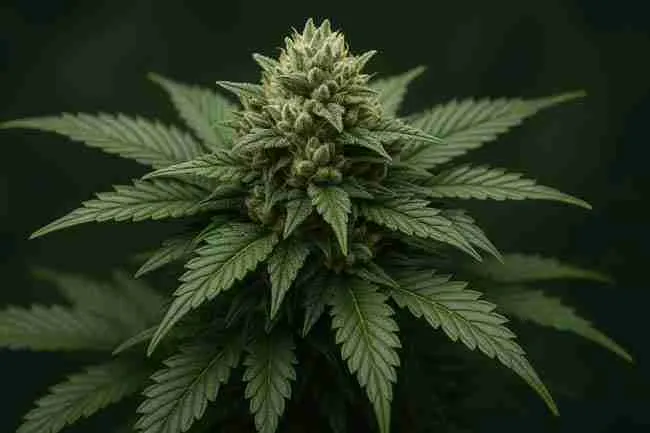
“Stronger” can mean different things. If you’re talking THC levels, Sativa usually has a higher THC content, making its effects feel more intense. However, Indica is often described as stronger for relaxation or pain relief.
Growing Indica Cannabis: Chill and Easygoing Plants
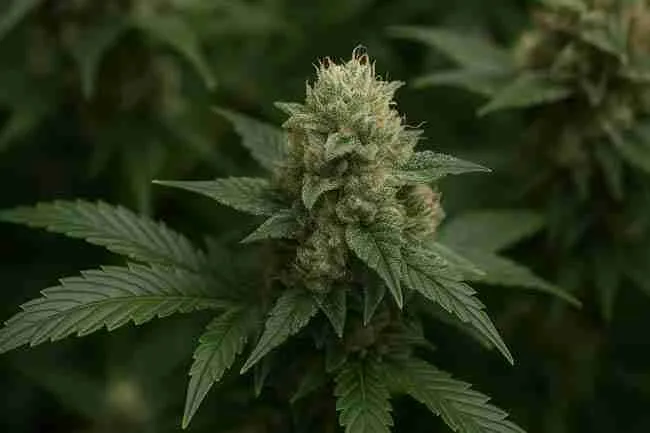
Indicas are perfect for beginners. They’re compact and robust, making them suitable for smaller spaces.
Environment for Indica Plants:
- Temperature: Cooler (68-75°F or 20-24°C).
- Humidity: Lower humidity, especially during flowering (40-50%).
- Lighting: Responds well to consistent lighting schedules (18 hours light/6 hours dark in veg; 12/12 during flowering).
Nutrients for Indicas:
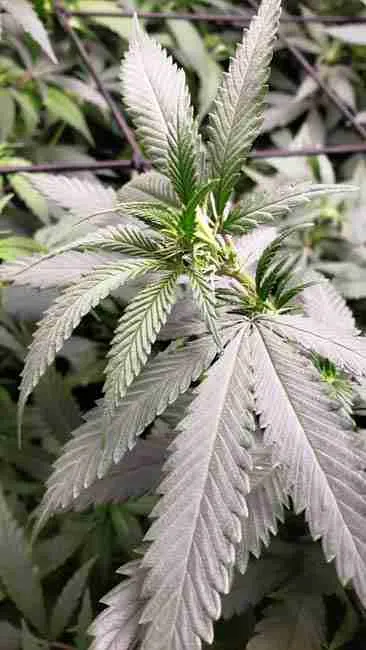
Indicas typically require less nitrogen during flowering. Use a nutrient mix like:
- High phosphorus (P) and potassium (K).
- Lower nitrogen (N).
Pros and Cons of Growing Indicas:
Pros:
- Easy to manage in tight spaces.
- Short flowering cycles (8-9 weeks).
- Resilient to harsh conditions.
Cons:
- Susceptible to mold if humidity is high.
- Lower yield compared to Sativa.
Growing Sativa Cannabis: Tall, Proud, and Slightly Picky

Sativas need more patience and space, but the rewards are worth it.
Environment for Sativa Plants:
- Temperature: Warmer (70-85°F or 21-29°C).
- Humidity: Slightly higher, around 50-60%, especially in vegetative phase.
- Lighting: Prefer intense light and may need supplemental lighting if indoors.
Nutrients for Sativas:
They love nutrients and generally need more nitrogen throughout growth, especially in the vegetative stage:
- Higher nitrogen (N).
- Moderate phosphorus (P) and potassium (K).
Pros and Cons of Growing Sativas:
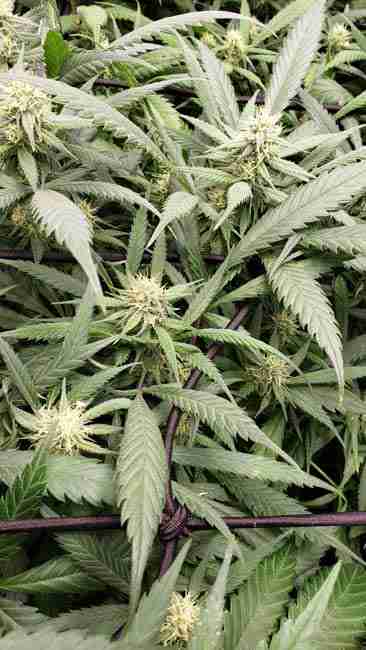
Pros:
- Higher yield potential.
- Energizing, cerebral high.
- Often mold-resistant due to airy bud structure.
Cons:
- Longer flowering times (10-16 weeks).
- Needs more vertical space.
- Sensitive to nutrient changes.
Growing Hybrid Cannabis: Best of Both Worlds

Hybrid strains are like that friend who can’t decide between pizza or tacos—so they get both! They blend features of Indicas and Sativas.
Environment for Hybrid Plants:
- Temperature: Moderate (68-80°F or 20-27°C).
- Humidity: Balanced levels around 45-55%.
- Lighting: Flexible; adjust based on whether it leans more towards Indica or Sativa traits.
Nutrients for Hybrids:
Follow guidelines based on the dominant genetics:
- Indica-dominant: Lower nitrogen during flowering.
- Sativa-dominant: Higher nitrogen throughout the vegetative phase.
Pros and Cons of Growing Hybrids:
Pros:
- Flexible growth patterns.
- Varied effects tailored to specific needs.
- Balanced yield and potency.
Cons:
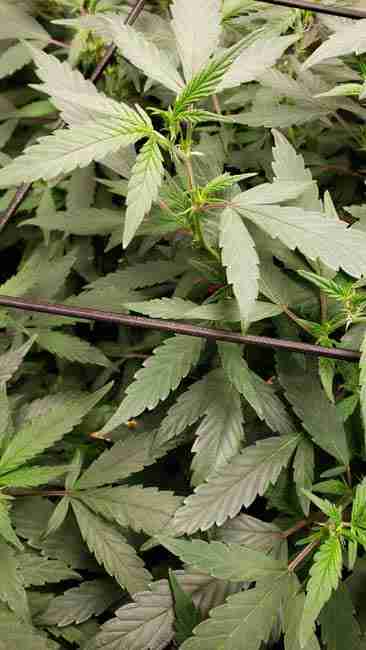
- Less predictable growth.
- May require experience to fully optimize growing conditions.
Creating a Self-Sustaining Grow Room
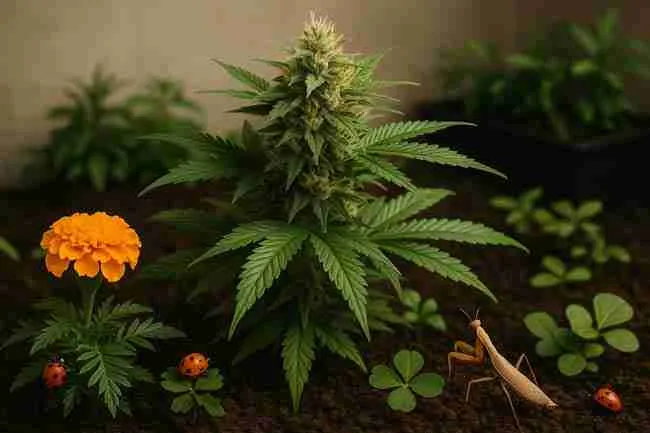
Now, here’s something really cool—you can make your grow room a living ecosystem! This means fewer pests, healthier plants, and less work for you.
Why Cannabis Roots Matter:
Cannabis plants actually “talk” to the soil. Their roots release sugars, amino acids, and other compounds, attracting friendly soil microbes. These microbes then help plants absorb nutrients more efficiently, leading to healthier plants and higher yields.
How to Build Your Grow Room Ecosystem:
- Start with Organic Soil: Rich compost and worm castings encourage microbial life.
- Add Beneficial Insects: Ladybugs and predatory mites eat pests, keeping your plants safe.
- Introduce Microbes: Use microbial inoculants like mycorrhizal fungi—they boost root growth and nutrient uptake.
- Include Companion Plants: Marigolds or basil repel harmful pests naturally.
A Handy List for Your Ecosystem:
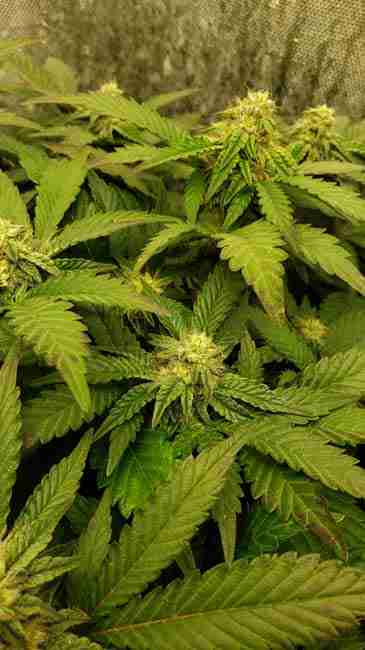
- Organic compost
- Worm castings
- Mycorrhizal fungi
- Beneficial insects (ladybugs, praying mantises)
- Companion plants (marigolds, clover)
Quick Reference Table: Cannabis Cultivation Guide
| Strain Type | Height | Flowering Time | Ideal Temperature | Humidity Level | Nutrients (N-P-K) |
|---|---|---|---|---|---|
| Indica | Short, Bushy | 8-9 weeks | 68-75°F | 40-50% | Lower N, Higher P & K |
| Sativa | Tall, Thin | 10-16 weeks | 70-85°F | 50-60% | Higher N, Moderate P & K |
| Hybrid | Medium, Varied | 9-12 weeks | 68-80°F | 45-55% | Balanced (depends on genetics) |
Frequently Asked Questions (FAQs)
Is Sativa a High or Downer?
Sativa is an “upper,” giving energy, creativity, and uplifting effects.
Do You Feel More High with Sativa or Indica?
You’ll feel more mentally energized and alert with Sativa, while Indica will make you feel relaxed and mellow.
Is Indica or Sativa Better for Anxiety?
Usually, Indica is better because it calms you down. However, some people prefer the uplifting effect of Sativa to distract from anxious feelings.
Is Hybrid an Upper or Downer?
Hybrids can be both. It depends on the dominant strain in the hybrid mix.
What Makes You Sleepy, Indica or Sativa?
Indica strains typically make you sleepy, while Sativa keeps you awake and alert.
Real-Life Example: Growing Indica Indoors
Imagine you’re growing “Northern Lights,” a classic Indica. You set your grow tent temperature to a cozy 70°F. Humidity sits at around 45%. Because the plant stays short, you don’t need much vertical space. You feed it bloom nutrients low in nitrogen but rich in phosphorus and potassium. Your plant thrives, giving you dense buds perfect for relaxation at night.
Real-Life Example: Growing Sativa Outdoors
Growing a Sativa like “Durban Poison” outdoors, you plant early in the season, giving it plenty of sunlight. It’s tall—really tall—so you plan ahead for support and plenty of vertical room. Feeding it nutrient-rich organic fertilizers through veg growth, you ensure it has plenty of nitrogen. After a long flowering period, you harvest buds that spark creativity and energy.
Wrapping it Up: Grow Like a Pro
Understanding how to grow different cannabis strains means giving each exactly what they need. Remember, growing cannabis is not just about plants. It’s about creating a whole system, an ecosystem, where everything thrives together naturally.
Keep things balanced, take good care, and your plants will reward you with abundant, beautiful buds. Happy growing!
