


Should You Wash Cannabis Buds After Harvest & Is It Really Necessary?


Should You Wash Cannabis Buds is a question you settle by looking at the flowers in your hand, not by copying a habit from a video. Hold the branch up to a bright light. If the sugar leaves are gray with road dust, dotted with bug bits, or stuck with pet hair, the water has a job. If the flowers look the way they did inside a clean tent, the water only makes the dry longer. The habit’s not the answer. The flower is.
Should You Wash Cannabis Buds
Look, a dunk is a tool for dirt you can see, and it’s a poor tool for problems that live inside the flower. One grower swears every harvest goes in the bucket. Another has never dunked a thing and still jars a clean crop. Both can be right, because they were not holding the same branch. Match the tool to the mess, then stop. If you can’t name the dirt, you don’t need the bucket.
You do this on the day you cut, while the flowers are still fresh. Don’t wait until they have started to dry and then soak them back to life. A half-dry flower takes the bucket into every crease that was already shrinking, and then you have to pull that water out a second time. Get the dry room ready before you fill a single bucket. Line, darkness, and air that can move are the ducks you get in a row. A wash you can’t dry is how a clean afternoon turns into a moldy morning.
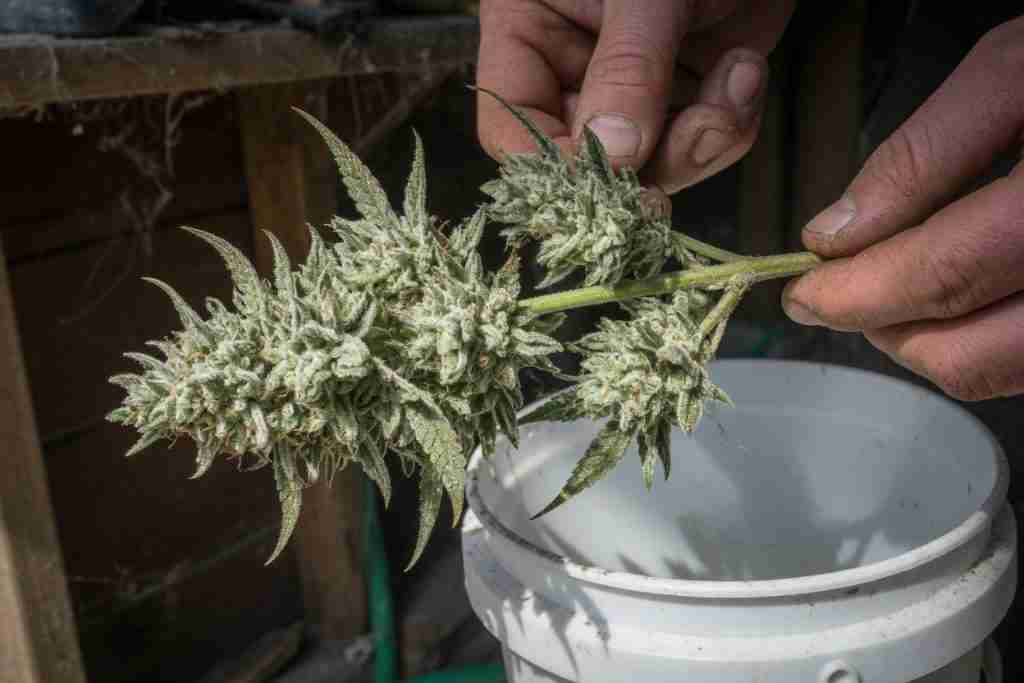
A grower in Newfoundland and Labrador can settle this on a porch after a windy week has thrown grit at the garden. A grower in New Jersey can settle it in a shed when the plants sat near a dusty road. The bucket still means the same thing in both places. If you’re choosing what to sow for the next run, start from the Canada list or the United States list and pick for the finish you actually get. Read the rules where you live before you pop a seed.
Should You Wash Marijuana Buds
The outdoor plant tells on itself if you bother to look. Turn a cola slowly. A film on the fan leaves, a speck that’s not a trichome, a strand of web, or a smear of soil on the underside is a yes. Trichomes are the little stalks with a glassy head. They catch the light, and they belong there. Dirt sits dull on top of them. Bug leftovers look like pepper. Pet hair looks like thread. Ash looks like gray flour. Once you have seen the difference on one branch, the next branch is easier.
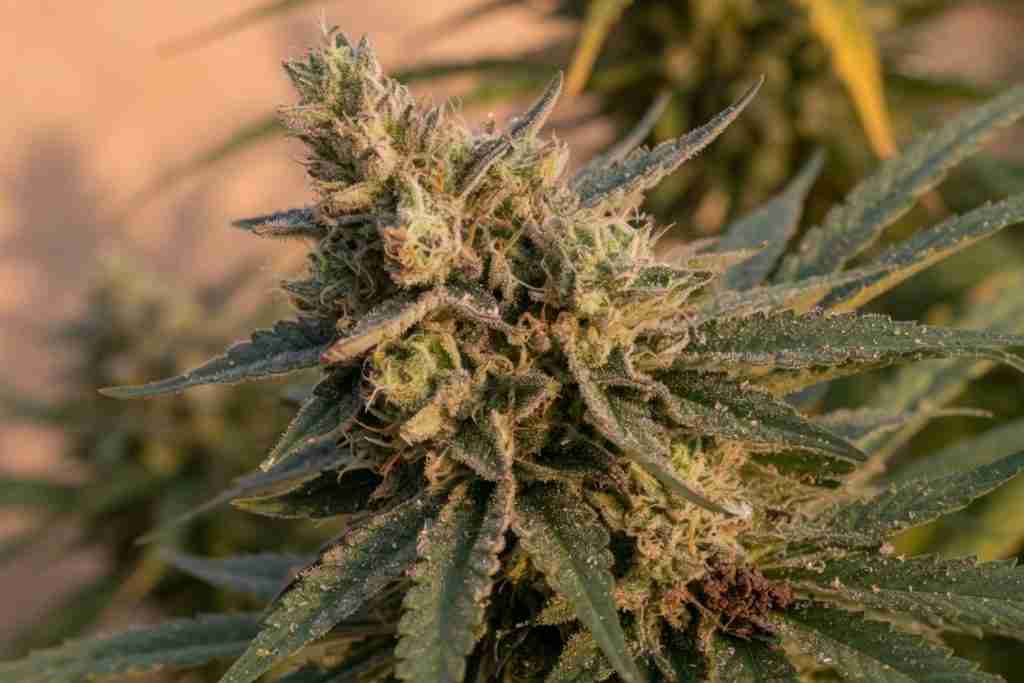
Wind is the usual delivery truck. A garden beside a gravel lane picks up a coat when a truck goes by, and a garden under a tree picks up pollen, bark, and whatever the birds drop. A fire, a mower, or a dog under the plants can leave the same coat. You didn’t fail. The dunk sends that coat back to the ground before it ends up in the trim tray.
Bugs leave more than a bite. Split a cola that hides crumbs and look inside before it shares water with a clean branch. If the inside is brown and a sugar leaf pulls out soft, that piece is sick, and a bucket won’t heal it. Read when gray rot is already inside a cola, and read when a sick cola should come off before the rest. Bag the bad piece. Don’t give it a tour of the clean water.
A foliar feed that dried on the leaves can leave a film, and a dunk plus two plain rinses can take a loose film off the outside. They can’t pull a product out of the tissue, and they can’t make a bad spray into a fine one. Read the label again. The bucket isn’t a permission slip. Water won’t unseed a flower either. It only rinses loose dust, and the seeds stay.
When The Garden Was Dirty
Standing over a dusty cola, the grit on the leaf decided the bucket before any video did. Picture a Saturday cut after a dry, windy week. The tops still look frosty. The lower fans look like they were dragged across the path. You wipe a glove on one leaf and the glove comes away gray. That gray is your answer. You’re not guessing. You’re looking at the dirt the jar would have kept.
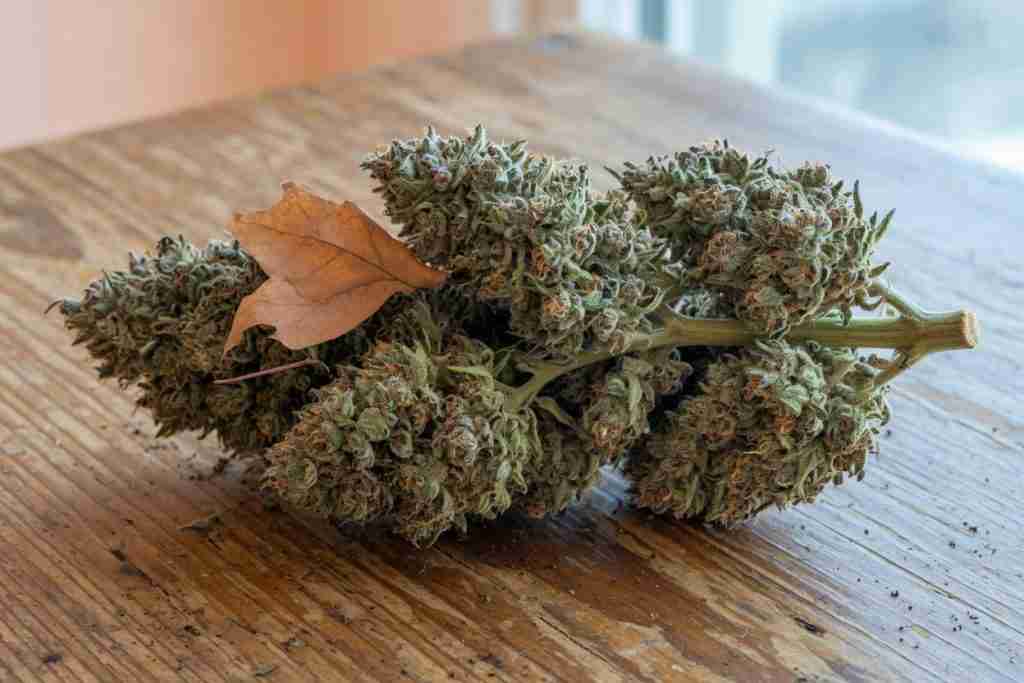
Rain doesn’t always do this job. A hard rain can splash soil onto the lowest flowers, and a soft rain can dry and leave the dust sitting there. If the plants spent the night under a cover, check that the cover let the wet air leave. A roof that lets the wet air leave keeps rain off without turning the bed into a damp room. Soaked and clean means skip the bucket. Soaked and muddy means wash, then dry the same day. A closed cover overnight trades dust for rot.
Work one plant at a time. Cut, look, dunk, rinse, shake, and hang it before you start the next, because a pile of wet branches stays wet in the middle. When the first bucket looks like dishwater, dump it away from the tent and mix a fresh one. Don’t paint the next plant with the dirt you just removed.
When The Tent Stayed Clean
A closed tent is a different room. The intake has a filter, the floor stays swept, nobody lets a dog in, and you didn’t fog the flowers. You open the door on cut day and the colas look the way they looked last night, only ready. In that room the bucket is a habit looking for a job. Wetting a clean flower adds hours of drying and a chance to knock the resin heads around, and it removes nothing you can name. Skipping that wash isn’t laziness. It’s you refusing to throw the baby out with the bathwater.

Do the bright-light test anyway. A tent picks up dust if the door was open, the filter fell off, or a mist drifted. Clean sugar leaves shine, and dirty ones look matte. Hunt for a speck and you can skip. A leaf that wipes gray gets the outdoor treatment. The tent is only clean when you kept it clean.
A greenhouse with the sides rolled up is outdoors with a roof. A tent that pulls air from a dusty garage has a dirty neighbor, and a kitchen windowsill collects grease the way a shelf does. Name the air the plant lived in. You owe each plant the bath it needs, including none.
Should You Wash Weed Buds
Once the flowers are dirty enough to bother, the rest is a short gentle bath and two plain rinses. You’re giving loose dirt a place to fall, then making sure the first water doesn’t stay on the flower. If it feels like a fight, you’re pushing too hard.
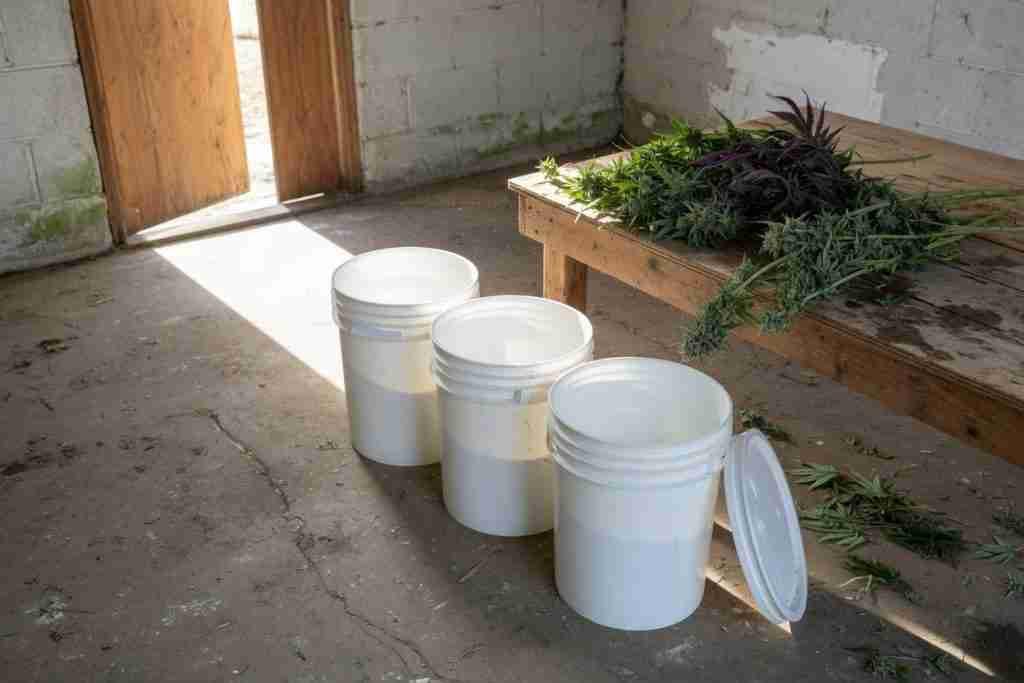
Set the station before the next plant. Three clean buckets that held drinking water, not a mop bucket and not a feed bucket. A wet table, a path that doesn’t drip across the tent, wiped scissors, and a bag for any cola you don’t trust. Fill with cool drinking water deep enough that the branch isn’t mashed on the bottom. If the tap leaves a white spot on a dry glass, the two plain rinses are what keep that spot off the flowers.
Cool is the word, not warm and not ice. Warm water wilts a fresh flower and pushes the smell into the shed. Ice makes the stems brittle and doesn’t clean better. If the tap runs hot, let it sit a minute. Your hand knows cool, and you don’t need a chart.
Three Buckets Of Water
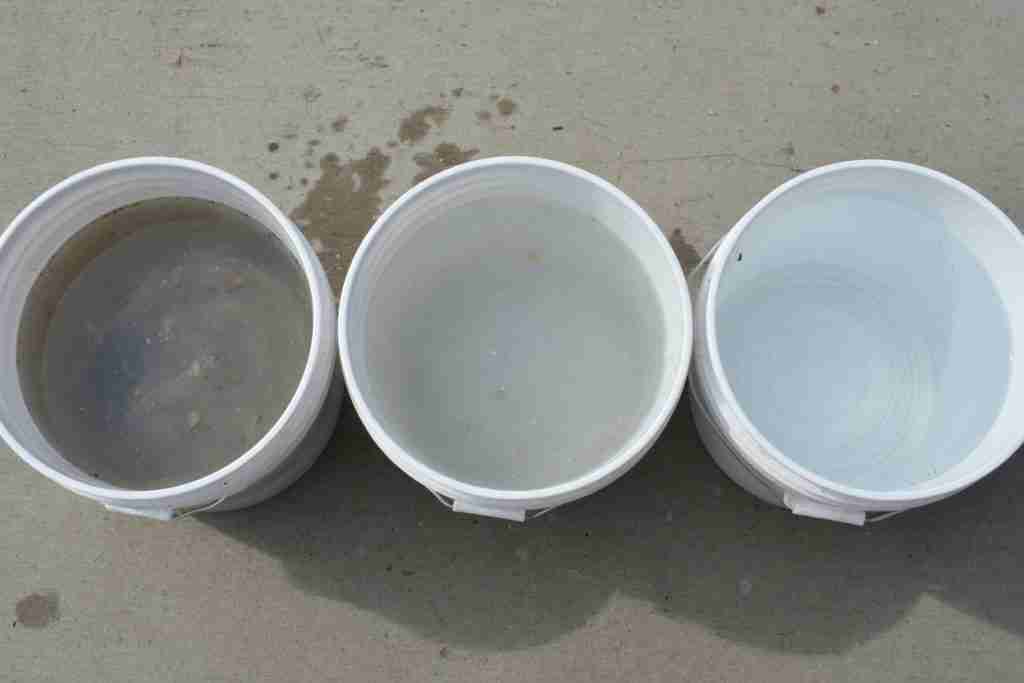
The first bucket is the wash. The second and the third are plain rinses. Plain water in all three is enough when the dirt is already loose. If the flowers are gritty, season only the first bucket with a small spoon of baking soda and a squeeze of lemon. That’s a nudge, not a stronger mix. The lemon and the soda stay in bucket one, and the rinses take them back off. Skip the squeeze if a plain dunk is already going gray.
A brown bottle of strong clear sanitizer belongs on empty gear, not in this water. A harsher liquid still won’t reach rot inside a stem. Keep it for a tub or a pair of scissors, and read why that brown bottle belongs on gear, not in the flower water before it goes near a root or a cola. This bath is water, that optional spoon and squeeze, then plain water again.
The first bucket is supposed to get dirty, and the proof is in the bucket. Clear water means you were wrong, or you missed the dirt. Gray water means keep going, and dump it before the next plant if it looks like mud. If the middle bucket turns as gray as the first, you have stopped rinsing, so dump and refill. The last water should still look like water. If it does not, give that plant one more pass.
Don’t soak. Dip, give a gentle swish, and come out before your arm is tired. A branch left under while you answer the door only drives water deeper. You’re rinsing a surface, not filling a sponge.
The First Dunk
Hold the branch by the stem. The stem is the handle, and your fingers stay off the flowers. Lower the branch until the flowers are under, and move it the way you would move a spoon in a soup you don’t want to splash. Down, a slow turn, up. If two flowers bang together, you’re going too fast. If you’re rubbing them with a thumb, stop. A brush is the wrong tool. Soft flowers lose their resin heads to rubbing long before they lose the last speck of dust.
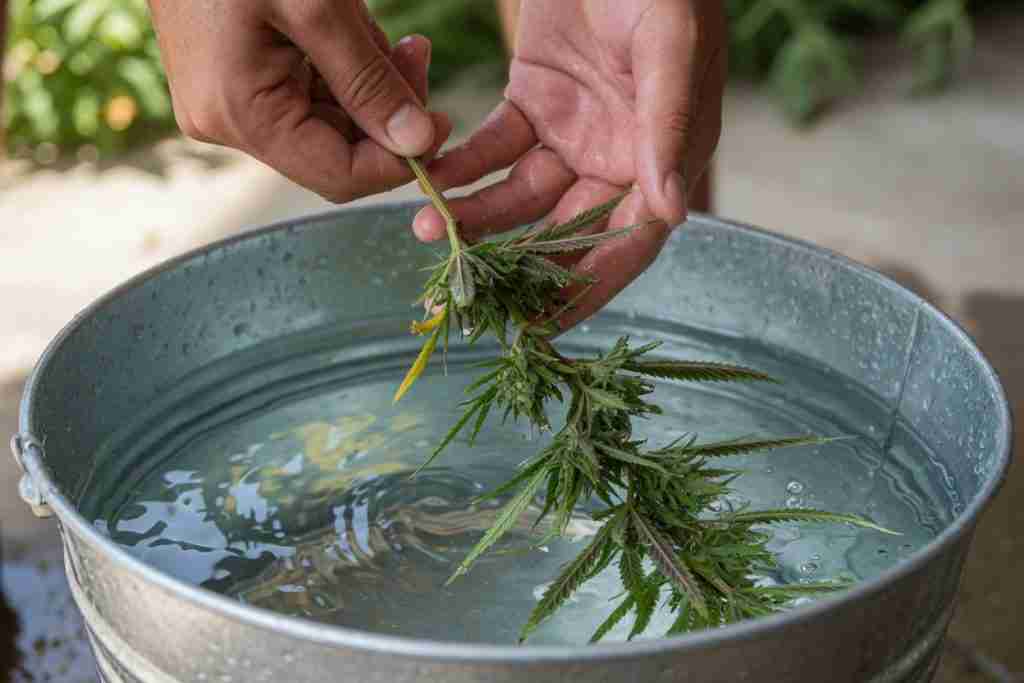
A short stay in plain water doesn’t dissolve those resin heads the way an oil or a strong solvent would. They are not sugar. Force is what knocks them off: a hard hose, the rim, a cloth, a brush, or a shake that makes the branch whistle. Gentle hands keep the glitter. Rough hands leave it in the tub.
Open the branch a little, fingers still on the stem, so a tight lump doesn’t hide a dry pocket of dust. Take big leaves off first if they are in the way. Leave the sugar leaves. Stripping them wet, on the afternoon you cut, is a different job.
The Rinse After That
The second bucket takes off the first water, and the third takes off the second. Same short motion, cleaner water. Don’t taste the flowers. Pale, then clear, is the order you want. Two buckets still work if you dump and refill so the last pass is honest. Three is a plan, not a magic count.
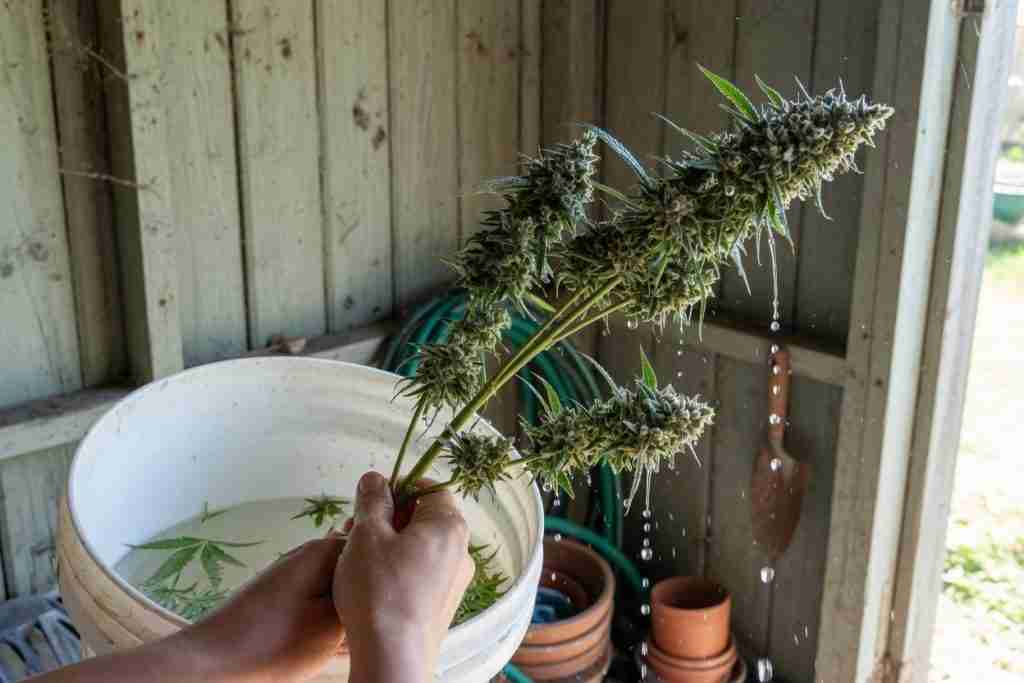
Shaking the wet branch over the grass, the last drops landed on the boots instead of back in the bucket. A firm shake, then a slow drip, is the idea, and a better aim is welcome. Don’t squeeze, and don’t pat with a towel, because a towel grabs resin heads. Skim floating leaves before the next branch. A few bits mean you were brisk. A bucket of torn sugar leaves means you were rough.
What The Wash Can Ruin
However, water isn’t a cure, and it’s not free. A grim shared bucket can paint a clean branch. Water can sit inside a dense cola after the outside looks fine, and rough hands can knock resin off. A dunk can’t sterilize anything, pass a lab test, raise potency, or put smell back. A page that promises a stronger jar from a lemon bath is selling a story. You’re here to take grit off.
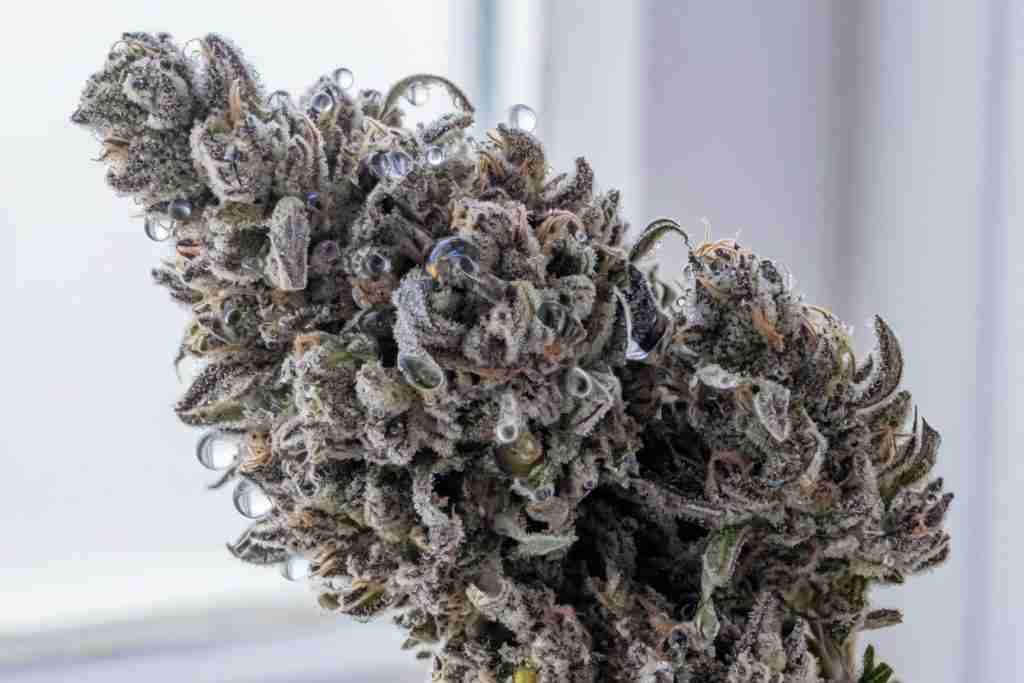
Believe those beads. A cola can glisten and still hold water in the creases and under a sugar leaf. That’s why a wash on a humid night, with nowhere to hang, is a bad trade. Cut when you can dry. The bucket is the middle step.
A farmers-market food-safety guide explains why clean produce should stay dry, and why a wash can spread dirt from one piece to the next. If a crop looks clean, leave it dry, because a rinse can move germs from one item onto another. Extra field dirt on a tough crop can come off with a gentle dry brush. Very muddy crops, or crops too soft to brush, are the ones that may need a careful water wash. A flower is the soft case, so you don’t brush it. Your brush is your eyes. No dirt you can see means no wash.
Rot inside the flower laughs at a rinse. Gray from the stem, a sugar leaf that slides out brown, or a wet-basement smell in one spot means that cola doesn’t belong in a jar. Washing spreads the outside and leaves the inside. Bag it, wash your hands and the scissors, then touch the next plant. A white dusting on a leaf may smear and look better for an hour, and mildew already in the tissue doesn’t rinse out. The bucket is for grit.
Wet Flowers Take Longer
Every drop you leave on the flower is a drop the dry room has to lift. A washed branch starts wetter in the creases, so it can take longer to reach the same bend-and-snap point. Pay that cost with air and space, not with a hotter room and a fan blasted into one cola.
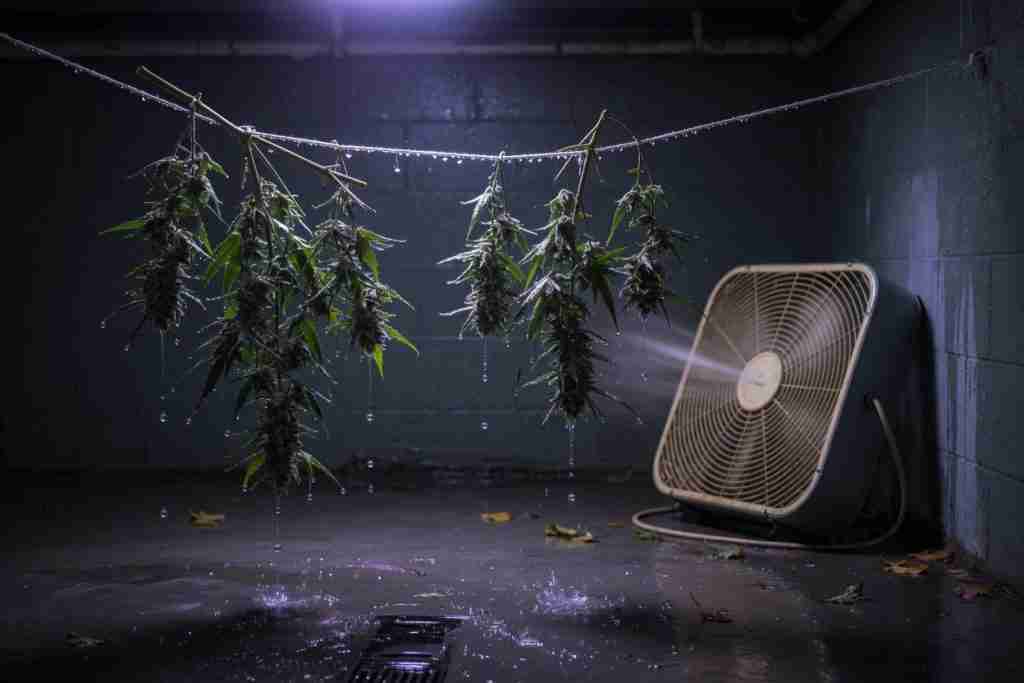
Move straight from the drip to the line, with gaps, in the dark, and don’t leave a wet heap on the table. The choice of a whole plant, a branch, or a rack lives in how you hang the branches after they drip. Don’t invent a second dry because the flowers took a bath. The stem still tells you when they are done.
Aim the air so it stirs the room. A fan in a cola’s face crisps the outside and leaves the core damp, which is how a grassy nose starts. If the room is already soggy, skip the wash today. The drink those plants took all season is on how you water the plants before you ever cut them. A soaked plant that you also dunk needs room on the line.
Break one small bud on the second day and look at the core. Wet in the middle and crisp at the tips means the gaps are too tight or the air is too still. Spread the line. A jar closed on a wet core is the mistake people blame on the wash. The wash didn’t close the jar.
The Choice On The Table
If you’re on the fence, put the dirtiest branch beside the cleanest one, in the same light, with an empty bucket nearby. The dirty one makes the yes easy, and the clean one is allowed to skip. Write one line while you remember it: where the plant lived, what you saw, whether you washed, and whether the first water went gray. That line is next year’s plan.
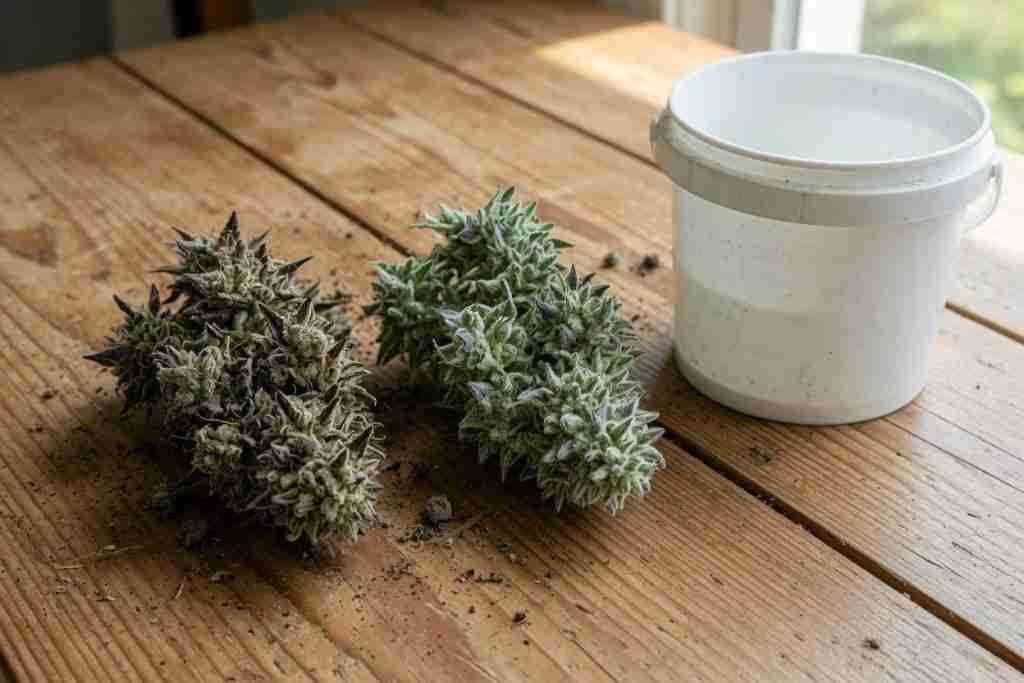
The weeks before the cut are a different page. Use the flowering weeks before you ever pick up a bucket for that calendar. This page starts with the scissors already in your hand. There’s no dunk schedule in the middle of flower. There’s a cut day, a look, and a yes or a no.
A few cases are easy once you say them out loud. Dust storm, gravel road, ash, pet hair, or a visible film from a leaf spray: wash, then rinse, then dry. Closed tent, clean leaves, no spray on the flowers: skip. Already soaking from rain and visibly muddy: wash, and get them into moving air today. Already soaking from rain and visibly clean: skip the bucket and dry them. Gray rot in the cola: don’t wash that cola. Seeds in the flower: wash only if the outside is dirty, and don’t expect the seeds to leave. A half-dry branch you forgot yesterday: don’t rewet it. Flick off what a gentle finger can flick, and finish the dry.
Pros And Cons Of A Bud Wash
The good of a wash is all on the surface. Loose soil, road dust, ash, pollen crumbs, pet hair, and bits that are only sitting there fall into the first bucket, where you can see them. You stop drying grit into the flowers, and you spot a rotten cola before it shares the line. Done gently, the resin heads stay, because water isn’t the solvent people fear. The jar smells like the plant instead of the path.
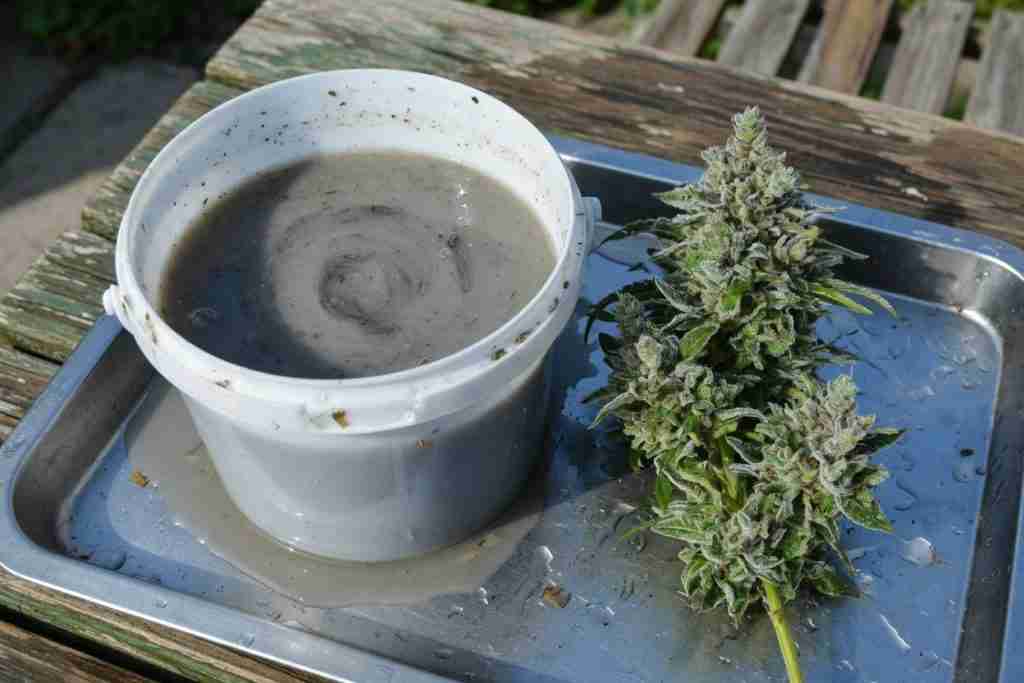
The bad of a wash is water, time, and rough hands. Wet flowers mold if you pile them or if the room can’t lift the moisture. A dirty shared bucket paints the next branch. A scrub, a brush, a towel, or a hard hose knocks resin heads off. Skip the plain rinses and the spoon and squeeze can leave a film of their own. A long soak drives water deep. None of this fixes rot, mildew in the tissue, a failed lab test, or seeds. A clean indoor flower gets the cost and none of the good.
- Wash on cut day, while the flowers are fresh, with the dry room already set.
- Three buckets of cool drinking water: a wash, then two plain rinses.
- Plain water is enough. A small spoon of baking soda and a squeeze of lemon go in the first bucket only, and only when the flowers are gritty.
- Hold the stem, swish gently, and stop before your arm is tired. Don’t soak, scrub, brush, or blast with a hose.
- Dump the first bucket when it looks grim. The last water should still look like water.
- Keep rotten colas out of the shared buckets. Bag them and deal with them away from the line.
- Shake, drip, and hang with gaps. Don’t towel the flowers, and don’t jar them wet.
- Skip the whole job when the flowers lived clean and you can’t find dirt in a bright light.
That list is the specification. No clock in seconds, no giant-tub recipe, and no promise about strength. Your eyes pick the yes or the no. Your hands stay soft. The dry room does the rest.
Remember the glove. It stays clean, and the bucket stays empty. It comes away gray, and you fill three buckets without rushing. Either way the flowers hang in the dark with air moving, and the stem says when a jar is fair. The bucket was the question. The dry room was the answer. The jar only gets the flowers that were dirty on the outside and dry all the way through.
