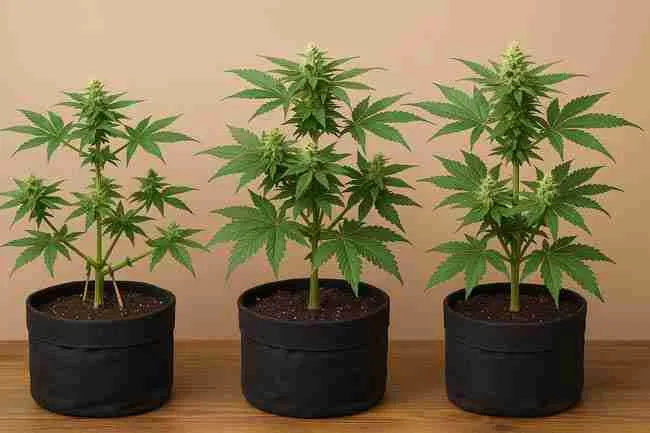
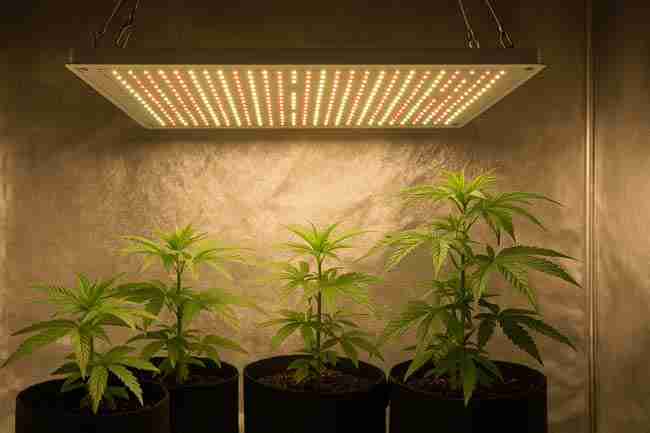
SCROG Your Way to a Bumper Cannabis Harvest

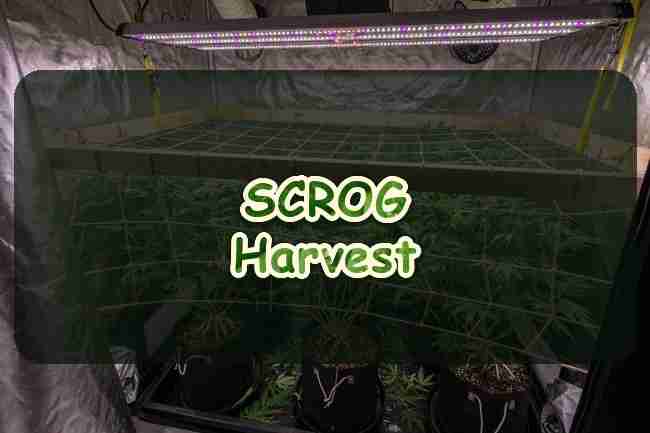
SCROG is Screen of Green. You stretch a net over the pots, then weave living cannabis branches sideways so the canopy sits in one flat plane under the light. Each square of mesh gets a shoot. The light hits flower instead of a Christmas-tree tip. That is the whole method. Ranking growers in 2026 still argue about height, fill percent, and when to stop tucking. Those numbers matter more than a slogan. This page teaches the weave, the flip, and the under-screen clean-up. Shop packs in the cannabis seeds store if you still need seed. The rest of the grow library is on the cannabis cultivation blog.
The original copy on this URL treated SCROG like a five-step trick and promised a doubled harvest. Keep the screen. Drop the promise. A flat canopy gives you more usable marijuana flower per square foot when the room, the pot, and the hours of veg can support it. A wet, crowded net gives you mold. Canada’s recreational cap is four plants per household, so a SCROG in a legal home tent is usually one plant, or a few, filling the footprint you already paid for. Photoperiods fill a net. Autos rarely do. Work in that order: top in veg, low-stress the arms, hang the net, tuck until the screen is about 70 to 80 percent full, flip, tuck through early stretch, then stop and lollipop what sits in the dark.
What a Screen of Green Actually Is

The 2023 phone shot on this URL is a real flowering net. That is the picture you are aiming for: colas sitting on the mesh, light hitting the tops, lower stems stripped. SCROG is a form of low stress training cannabis that uses the screen as the trainer. You do not wait for a tall main cola and then throw a net over it in week five. You train from veg so the plant grows into the plane. Main branches travel sideways under the mesh. Side shoots at the nodes come up through the holes. Each hole that fills is one cola site. Empty holes are wasted PPFD. Overfilled holes shade each other and trap humidity.
A support net hung in late flower is trellis. Trellis holds weight. SCROG builds the shape. The trellis walk lives on mastering cannabis trellising. The canopy design walk lives on cannabis canopies. Read those when you need a second net for heavy colas. This page is the weave. Super cropping is a different stress. The split is already written: SCROG and supercropping.
SCROG vs SOG vs LST

SOG, Screen of Green’s cousin, is Sea of Green. Many small plants, short veg, one cola each, flip early. SCROG is fewer plants, long veg, many colas on a net. Do not mix the two in one tent. A SOG crowded under a SCROG net fights for squares and roots. The yield page on this site already says that: increase cannabis yields for all strains. One plant in a 2×2 or 3×3 is a classic home SCROG. Two or three plants in a 4×4 can share a screen if you give each plant its own zone of squares.
LST without a screen is ties and soft wire. You still bend. You still even the tops. You skip the mesh. Use LST when you lack height for a frame, when you grow autos, or when you only have a weekend to check the tent. SCROG asks for daily tucks in veg and through the first stretch. If you cannot open the tent most days, stay on LST. The indoor room setup is indoor cannabis growers guide. Tent size is grow tent for cannabis seeds. Micro rooms still SCROG one plant if the ceiling holds a net: cannabis cultivation in micro spaces.
When You Should Skip a Screen

Skip SCROG if you cannot check the plants. A shoot that punches 8 cm above the net and sits there for four days becomes a lighthouse. The rest of the screen starves. Skip it outdoors in wind and hail unless the frame is built like a greenhouse bench. A loose net on stakes is a sail. Outdoor training without a locked screen is on growing cannabis outdoors. Skip a full net on autos unless you already know that cultivar stretches hard and you start tucking at the fourth node. Auto work is grow autoflowering cannabis plants and LST autoflowers.
Skip SCROG if the tent is so short that the screen sits in the light and the pots sit in a swamp. You still need space under the mesh to water, to strip, and to run air. A 120 cm tent with a 30 cm pot and a 20 cm net leaves you about 70 cm of flower stack plus light gap. Measure before you staple. First-crop planning is planning your first cannabis crop. If you are learning growing weed on one plant, LST plus a topping is enough for a first jar. Add the screen on the next photoperiod run.
Gear: Net, Mesh, Frame, Pots, Scissors

You need a screen you can reach from the door. Elastic horticulture net, nylon trellis, or a wooden frame with twine all work. Metal hardware cloth with 5 cm squares works if the edges are filed so they do not cut stems. The original shopping list on this URL was net, sharp scissors, and large pots. That list still holds. Add zip ties, a staple gun or eye hooks, and a cheap notebook. The journal is dates, fill percent, and which squares are empty. Next run you will thank yourself.
Mesh Size

Aim for 5 to 10 cm squares, about 2 to 4 inches. Two-inch mesh gives you more cola sites and more tucking. Four-inch mesh is faster and easier on thick indica arms. Bigger holes than that and the plant grows a few fat tops and you have lost the even plane. Smaller than 5 cm and you fight the net every day. Stretch the screen drum-tight. A sagging net becomes a hammock in week six when the colas get heavy.
Pots and the Room Under the Net
One large plant under a 2×2 or 3×3 needs a pot that will not bind in week six. Fabric 20 to 40 litres is common. Two plants split the screen and can sit in 11 to 20 litre pots. Leave walk space at the edge so you can water without ripping a tucked arm. Container work is growing cannabis in containers. Pot size, media, and dry-back sit together on environment, media, watering, pot sizes. Once the plants lock to the screen you cannot drag a pot to the sink. Water in place. Runoff needs a tray you can empty from the door.
Screen Height: Above the Pots, Timing Above the Canopy

Hang the screen about 20 to 30 cm, 8 to 12 inches, above the rims of the pots. That is the number ranking how-tos and this site’s yield page both use. It gives you room to water and to strip. Some growers hang later, about a week before flip, with the net 10 to 12 cm (4 to 5 inches) above the current veg canopy. That second number is timing, not a different physics. Early hang: plants grow up into a fixed plane. Late hang: you set the plane just above the bush you already built, then tuck as stretch starts. Both work. Mixing them in your head does not. Pick one. The stem and support notes live on strengthen cannabis branches and stems.
Fix the net to the tent poles or to a wooden frame that does not lean when you tug a branch. If the screen drops 5 cm on one side, that side gets a taller cola and the far side stays thin. Level the mesh with a phone bubble if you have to. Leave a hand-width at the walls so you can still run the zipper and so leaves do not cook on the canvas.
Top in Veg, Then LST, Then the Net

Top once the plant has several nodes, often the fifth or sixth. Cut the tip clean. You want two mains, then four, then a ring of arms you can spread. Topping too early on a weak seedling stalls it. Topping too late gives you one thick trunk and a late scramble. Quadlining is a tighter version of the same idea: quadlining cannabis. After the top heals, tie the arms out. Soft wire or plant tape. You are building a pie, not a spear. Veg hours and recovery live on cannabis vegetative stage. Prune what you will never send through a square: prune cannabis plants.
Hang the net when the arms can reach it without a hard snap. Photoperiods on 18/6 can veg until the screen is filling. Do not flip a 20 cm plant into a 90 cm screen and hope stretch does the job. Stretch fills the last 20 to 30 percent. It does not invent a canopy from a seedling. Photoperiod behaviour is photoperiod cannabis seeds explained.
Weave and Tuck

When a tip sits 5 to 8 cm, about 2 to 3 inches, above the net, pull it down and over into the next empty square. Weave under a strand, then up through the hole you want. Do not corkscrew the same branch through five holes in one sitting. One or two squares per session is enough. Stems lignify. A green shoot bends. A woody spear cracks. If a branch fights you, wait a day or pinch a soft supercrop on the internodal span, then tuck the next morning. Hands clean. Scissors clean. You are in the canopy every day. Pathogens ride dirty blades.
Fill from the middle out, or from the strongest plant toward the empty wall, but keep the plane even. A hole on the edge is still a hole. Ranking growers check daily in veg. Look for a spare side shoot that can take an empty square in three days. If two tips want the same hole, pick the stronger one and redirect the other. The original page said to repeat until the screen is full. True. Full means 70 to 80 percent of the squares occupied before you flip, with stretch booked to finish the rest. If a square stays empty after stretch, leave it. Do not yank a flowering tip across the mesh to plug a hole. You will crease the cola and stall it.
Flip at 70 to 80 Percent Fill

Change the clock to 12/12 when the screen looks mostly occupied and you can still see a little mesh. Many sativa-leaning cuts stretch 100 percent or more. Many indica-leaning cuts stretch 30 to 50 percent. If you wait until every square is jammed in veg, stretch turns the net into a jungle and you cannot tuck without breaking flowers. If you flip at 40 percent, you get a doughnut: a ring of colas and a bald middle, or the reverse. Watch the cultivar. The flower-stage walk is growing cannabis flowering stage of growth.
Keep tucking through week one and week two of stretch. Then stop. Once pistils stack and calyxes swell, bending a cola kinks the vascular tissue and you pay in fox-tails or a stalled top. After that the net is a floor. Colas grow up. You may add a second support layer later if the flowers get heavy. That second layer is trellis, as above. Light mistakes that cook a flat canopy sit on growers biggest mistakes using cannabis growing lights. A SCROG puts every top at the same distance. That is the gift. It also means one wrong dimmer burns the whole plane at once. Raise the fixture or drop PPFD before you scorch the middle.
Lollipop Under the Screen

Everything below the net is in the dark. Strip it. Leave the stems that hold the canopy, strip the popcorn sites, the yellowing fans that never see the LED, and the interior suckers. Do this as you approach flip and again after stretch settles, around day 21 of flower if the plant can take it. That is lollipopping. The full method is lollipopping cannabis plants. Selective fans above the net are defoliate cannabis. Do not strip a plant bald in one afternoon. Take what blocks a square. Leave enough solar panel to feed the cola.
Air has to move under the screen. A clip fan aimed across the stems, not blasting one cola, dries the leaf layer after you water. Dense SCROG canopies get powdery mildew and bud rot in still, wet air. Read powdery mildew on cannabis before the white dust shows. Water from the edge. Do not pour on the mesh. Wet flowers in week seven are how you lose a bumper harvest you already spent eight weeks building. Watering itself is water cannabis plants. Reach under with a headlamp when you strip. What you cannot see still transpires and still rots if the RH sits high at lights-off.
Feminized Seed or Clones, Never a Surprise Male

The 2023 vial photo on this URL is still the right warning. Once branches are woven, you cannot pull a male without wrecking the plane. A pollen sack in a locked canopy seeds every cola you trained. Run feminized cannabis seeds, or run clones of a known female. Regular seed belongs in a hunt where you can yank plants. Sexing is cannabis plant male female. Clone how-to is how to clone cannabis. Water-cup cuts: how to clone cannabis in a cup of water. Seed versus clone: cannabis seeds vs cannabis clones. If you ever need more fems from a keeper, that is a different job: make feminized cannabis seeds. Pack type: feminized and regular cannabis seeds.
Autos and a Screen

Autos flip on age. They do not wait for your net. A full SCROG on an auto usually fails because veg is two to four weeks and the plant is already stacking pistils while you are still tying. Use LST. Tie the main over. Open the plant. Skip topping unless you already know that cultivar recovers in days. Summer auto timing is starting autoflowering cannabis seeds for summer harvesting. If you insist on a net over autos, hang it early, use a small screen, and treat it as a gentle guide, not an eight-week weave.
What You Actually Yield

Count usable flower, not wet plant. A Christmas-tree photoperiod puts weight on a few tops and a lot of popcorn. A decent SCROG moves that popcorn up into the light. Growers on this site’s yield guide see about 20 to 40 percent more usable marijuana on the same footprint when the net is even and the undergrowth is stripped. That is the honest range. Lights, feed, genetics, and veg time still decide the jar. A weak LED over a perfect net still grows larf. A strong LED over an untended jungle still grows larf. Big-top notes: massive cannabis buds.
Strain lists that promise Blue Dream or White Widow as “best for SCROG” are marketing. What you need is a photoperiod that branches, bends without snapping, and finishes in a window you can live with. Stretchy sativa-leaners fill a screen fast and need an earlier flip. Squat indica-leaners need more veg and a tighter mesh. Hybrid vigour helps. The name on the pack does not weave itself. Pick a cultivar you already like in the jar, then train it. Harvest and cure still make the smoke: harvest and cure cannabis plants.
The Plants Stay Locked Until Chop

Once the arms are through the mesh, that plant lives there. You cannot spin the pot. You cannot take it to a spare tent to dry. Plan IPM, feed, and irrigation before you weave. Chop at the screen: cut colas above the net, then cut the frame free or lift the net off the stumps. Do not try to unweave a ripe plant. You will shake trichomes onto the floor. Dry and cure on the harvest page above. Keep a SCROG journal the original article asked for: date the net went up, date of flip, fill percent that day, stretch notes in week one and two, and any square that stayed empty. Next run you hang the screen a day earlier or flip a day later. That is how a bumper harvest is built. It is hours, not magic. Write down which arms snapped, too. The next plant gets those ties a week sooner on the same cultivar.
Questions Growers Ask About SCROG
How high should the screen sit? About 8 to 12 inches (20 to 30 cm) above the pots for a veg-hung net. A late hang sits about 4 to 5 inches above the current canopy a week before flip. Measure your tent before you pick a number.
When do I flip? When roughly 70 to 80 percent of the squares have a shoot. Leave room for stretch. Flip earlier on a stretchy cut, later on a squat cut.
When do I stop tucking? After the first one to two weeks of flower stretch, once pistils take over the tips. After that you support. You do not weave.
Can I SCROG one plant? Yes. One plant filling a 2×2 or 3×3 is a standard home screen of green. That is often the better use of four legal plants than nine tiny SOG cups you cannot tend.
Do I need a male check? If the pack is regular, yes, before you lock the net. Feminized seed or a clone skips that risk. A male in a woven marijuana canopy is a ruined weed crop.
How often do I check? Daily in veg and through stretch. Empty squares do not fill themselves. After stretch, check for humidity, pests, and heavy colas that need a second support net.