Retipping Cannabis: The New Cloning Method That Produces More Plants in Less Space


Space remains one of the biggest limitations for home growers. However, a relatively new technique called retipping offers dramatically higher plant counts from the same footprint. Therefore, this fresh angle appeals strongly to apartment growers and anyone running small tents or closets. If you’ve ever squeezed a couple of mother plants into a tiny closet and wished you could triple or quadruple your clones without buying more space or risking weak genetics, you’re going to love what comes next.
You know that feeling when your grow space feels maxed out but your heart wants way more plants? Retipping cannabis changes the game. It’s a smart, efficient way to multiply your favorite strains fast while keeping everything compact and healthy. Best of all, it works beautifully when you start with vigorous, true-to-type cannabis seeds from trusted sources. Let’s dive deep into exactly how it works, why it beats old-school methods, and how you can start using it today in your own setup.
The Science Behind Retipping Cannabis and How It Differs from Traditional Stem Cuttings
Traditional cloning usually means taking bigger stem cuttings from large mother plants that live in your veg tent for months. Those moms take up serious real estate, they can pick up pests or diseases over time, and you only get a limited number of good cuttings per round before the mother needs replacing. It works, but it’s not the most efficient use of space, especially if you’re growing in an apartment, spare room, or small tent.
Retipping cannabis flips the script. The idea comes from solid research out of the University of Connecticut. Scientists found that when you work with small, healthy, recently propagated plants (think compact veg plants or material from controlled starts), you can repeatedly harvest tiny new shoots called “retips.” These little guys root incredibly well and grow into full plants that perform just as good as traditional clones in the end.
The magic happens because these source plants stay small and live in tight quarters like propagation trays or tiny pots. You snip the fresh tips, root them, and the original plant quickly pushes out more new shoots for the next round. It’s like giving your plants a haircut that keeps on giving. You get multiple cycles of new plants from the same tiny footprint instead of one big harvest of cuttings from a giant mother.
In simple terms, traditional stem cuttings give you quantity once in a while from big plants. Retipping cannabis gives you steady, high-volume production from little plants that don’t hog your space. The study showed retips root at 76 to 81 percent success even without rooting hormone in many cases, and the final flowers and growth matched or came very close to plants from regular methods. That’s huge news for anyone trying to do more with less.
Why Retipping Cannabis Is Perfect for Space Saving Cannabis Propagation
Picture your current setup. Maybe you have a 2×2 or 3×3 tent for veg and mothers. With traditional cloning you might pull 20 to 40 decent cuttings per cycle if you’re lucky. With retipping, that same small area can keep pumping out new plants week after week because everything stays compact and you’re not maintaining huge mothers.
The University of Connecticut research highlighted that retipping can potentially produce up to nine times more plants in the same floor space compared to traditional stem cuttings from big stock mothers. That number gets home growers excited because it turns limited real estate into a production powerhouse. You’re not just saving space — you’re multiplying your options for different strains, perpetual harvests, or sharing with friends without needing a bigger place.
This method shines for apartment dwellers, balcony growers with limited indoor room, or anyone running stealth or micro grows. It also pairs great with other techniques you probably already love, like low stress training later on or SCROG setups, because you start with uniform, vigorous young plants.
Step-by-Step Process for Retipping Cannabis Using Strong Mother Material

You don’t need a fancy tissue culture lab to get started with retipping cannabis at home. You can adapt the core idea using strong, healthy vegetative plants grown from good seeds or previous clones. Here’s exactly how to do it.
First, begin with vigorous plants. This is where starting with premium cannabis seeds really pays off. Choose strains known for strong growth and good cloning response. Grow them in small containers or plugs under 18/6 or 24/0 light so they stay compact and bushy.
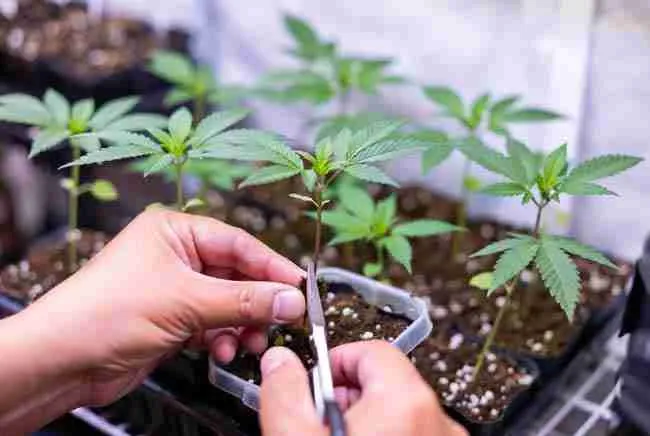
Once your source plants are healthy and about 6 to 12 inches tall with plenty of new growth, you’re ready to start retipping. Use clean, sharp scissors or a razor. Take small apical or lateral tips about 2 to 4 inches long with at least one or two nodes. These are your retips. Take them from the freshest, most vigorous new shoots.
Prepare your rooting medium right away. Rockwool cubes work fantastic for this because they hold moisture well and let roots breathe. You can also use rapid rooter plugs or a light soil mix. Many growers dip the cut end in a little rooting hormone gel or powder (1000 to 2000 ppm IBA works great), though the research showed retips often root well even without it.
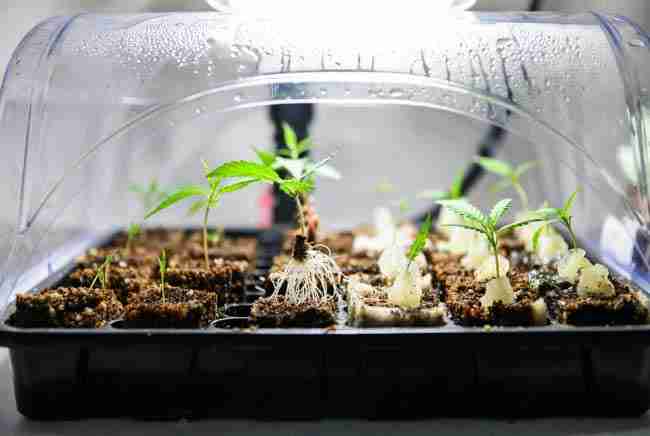
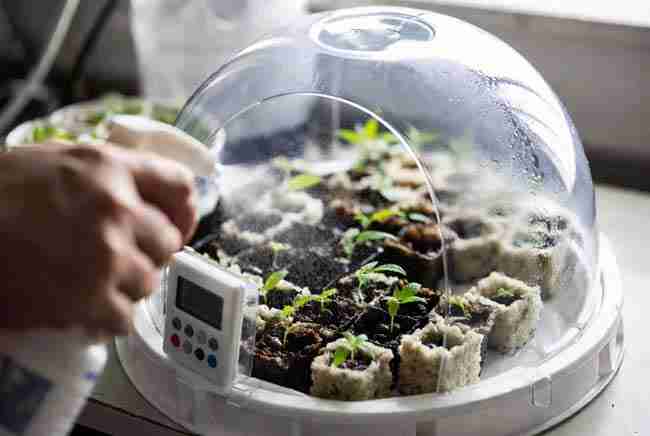
Stick the retips into your medium, mist them, and pop them under a humidity dome or in a propagation tray with high humidity. Give them gentle light — around 35 to 100 µmol/m²/s or just low power LEDs or fluorescents — on a 24-hour schedule during rooting. Keep temperatures around 70 to 78°F (21 to 26°C) and humidity 70 to 90 percent for the first week or two.
In about 10 to 21 days most retips will show roots. Once they have a good root system and start pushing new leaves, you can begin acclimating them by gradually venting the dome. Transplant into small pots or your main grow medium when they’re ready.
Here’s the retipping twist that makes it special: keep your original source plants. After you take the retips, those little plants will bounce back and grow new shoots again in a couple of weeks. You can repeat the process multiple times from the same compact group of plants. That’s how you turn one small tray into dozens and dozens of new plants over a season without ever needing big mothers.
Quick list of supplies you’ll want on hand:
- Sharp, clean scissors or scalpel
- Rockwool cubes or rooting plugs
- Rooting hormone (optional but helpful)
- Propagation trays with humidity domes
- Small pots or final grow containers
- pH balanced water and light nutrient solution for after rooting
- Clean workspace and gloves to avoid contamination
Timing, Hormones, and Environmental Conditions for Best Results
Timing matters a lot with retipping cannabis. The research showed best results when source material came from younger, healthy cultures or plants. For home growers that means working with fresh, vigorous veg plants rather than old, stressed mothers.
Rooting usually takes 2 to 4 weeks. Check daily and mist as needed so the medium stays moist but not soggy. Once roots appear and the plant looks stable, move to brighter light and begin the acclimation process over 3 to 7 days.
For hormones, you have flexibility. Retips rooted at 76 to 81 percent success without any hormone in the study. If you want extra insurance, especially with finicky strains, use a quality gel like Clonex at the recommended strength or a talc-based powder around 1000 to 2000 ppm IBA. Don’t overdo it — too much hormone can sometimes slow things down.
Environment is everything. Keep the propagation area clean to prevent damping off or mold. Good airflow helps once roots form. Avoid big temperature swings. Many home growers run a small seedling heat mat under the tray if their room runs cool at night.
After the retips are rooted and growing, treat them like any other young cannabis plant. Start light feeding with a balanced veg nutrient once they show strong new growth. They’ll catch up fast and be ready for your main grow in no time.
Comparing Yield Potential and Space Efficiency
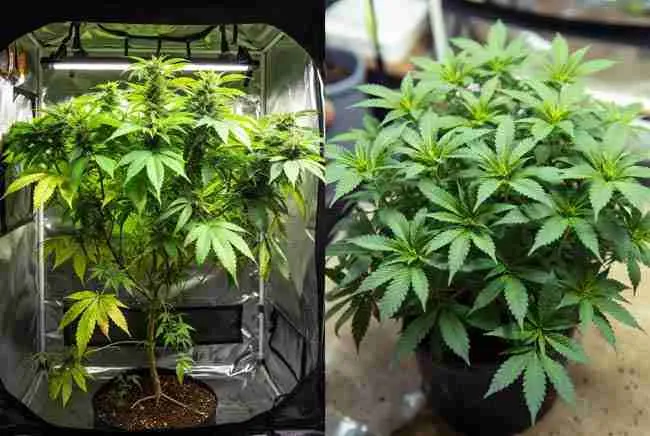
Let’s look at real numbers so you can see the difference clearly.
Comparison Table: Traditional Stem Cuttings vs Retipping Cannabis
| Aspect | Traditional Stem Cuttings | Retipping Cannabis |
|---|---|---|
| Space needed for mothers | Large tents or areas for big plants | Small trays or tiny propagation zone |
| Plants per sq ft per cycle | Lower (big plants take room) | Much higher — multiple rounds from same spot |
| Typical success rate | 70-90% with hormone | 76-90%+ often without or with light hormone |
| Time to ready liners | 3-5 weeks | 2-4 weeks per round |
| Long-term multiplication | Limited by mother health and space | Repeated cycles from compact sources |
| Risk of disease buildup | Higher over months with big mothers | Lower when refreshing from strong stock |
| Best for | Big commercial ops with lots of room | Home growers, small tents, apartments |
You can see why so many people are excited about this for efficient cannabis cloning in 2026 and beyond. One small 2×2 propagation area can realistically produce 100+ healthy plants over a few months through repeated retipping cycles, whereas traditional methods might give you half that or less from the same footprint.
Equipment Needs That Stay Realistic for Home Budgets
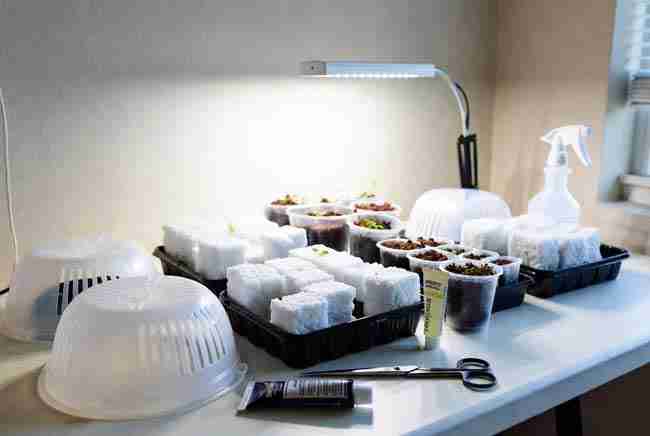
You don’t need thousands of dollars in gear. Most of what you already use for regular cloning works great for retipping cannabis.
A basic propagation tray with a clear dome, some rockwool or plugs, a cheap pair of sharp scissors, and a small LED or fluorescent light for the prop area will get you started. Many growers already have these items. Add a bottle of rooting hormone if you want it, and you’re set.
The beauty is that everything stays small. You’re not buying huge pots or running big lights for mothers year-round. That saves money on electricity and supplies too. Over time you’ll spend less replacing stressed mothers and more time enjoying bigger harvests from the extra plants you create.
Real-World Examples of How Many Plants You Can Produce

Let’s make this concrete. Say you have a small 2×2 area dedicated to propagation and retipping. You start with 12 to 16 healthy young plants from good seeds. Every 2 to 3 weeks you can take 30 to 50+ retips depending on how bushy they get. Root those, and within a month you have dozens of new plants. Keep cycling the source plants and you can easily hit 150 to 300+ healthy liners over a 4 to 6 month period without ever expanding your physical space.
Plenty of home growers running small tents or closets are already doing versions of this and reporting they finally have enough plants to run perpetual harvests or try more strains at once. The key is staying consistent with the retipping cycles and keeping your source plants happy and compact through light pruning and good conditions.
Starting with Vigorous Cannabis Seeds Makes Retipping Even Better
Everything works smoother when your starting genetics are strong. That’s why so many experienced growers begin with quality cannabis seeds from a trusted Canadian seedbank. You get plants that germinate fast, grow vigorously, and respond well to cloning techniques like retipping. Weak or unstable genetics make every step harder — slower rooting, more issues, lower success.
When you choose strains bred for vigor and consistency, your retips take off quicker and the whole process feels less stressful. Plus you know exactly what you’re growing instead of relying on whatever clone you can find locally. It’s one of the smartest moves you can make for long-term success with space saving cannabis propagation.
Pros and Cons of Retipping Cannabis Cloning
Pros:
- Dramatically more plants from the same small space
- Often high rooting success even with minimal or no hormone
- Keeps source plants compact and manageable
- Lower long-term costs and electricity use
- Great for perpetual or multi-strain grows in limited areas
- Plants perform comparably to traditional methods in final quality
Cons:
- Requires more frequent attention and consistent cycles
- You need good humidity control and cleanliness in the prop area
- Initial learning curve if you’re new to tight propagation management
- Works best with healthy, vigorous starting material (genetics matter)
- Not quite as “set it and forget it” as big mothers for some people
Common Mistakes to Avoid with Retipping Cannabis
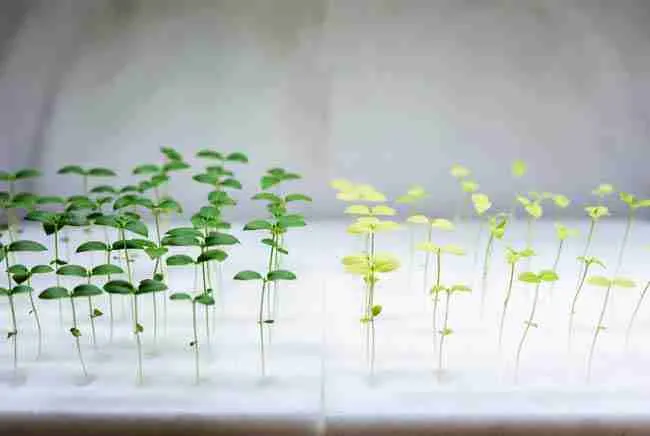
Don’t take retips that are too big or too woody — small, fresh, green tips root fastest. Keep your propagation area super clean to avoid mold or damping off. Don’t let the medium dry out or stay waterlogged. And remember to refresh or rotate your source plants every so often so they stay vigorous.
Also, always label everything clearly. When you’re producing lots of plants quickly it’s easy to lose track of which strain is which.
Frequently Asked Questions About Retipping Cannabis
What is retipping cannabis exactly? It’s a propagation technique where you repeatedly take small new shoot tips (retips) from compact, healthy source plants instead of big cuttings from large mothers. This lets you produce many more plants in far less space while maintaining excellent quality.
How many more plants can I really get compared to regular cloning? Research suggests up to nine times more plants in the same floor space over time through multiple cycles. Home growers often see 3x to 5x or better increases in their small setups depending on how consistently they run the cycles.
Do I need a tissue culture lab or micropropagation setup? No. While the original research used micropropagated plants, home growers can successfully adapt the method using strong vegetative plants grown from seeds or clones in regular propagation trays and small pots.
What’s the best rooting hormone for retips? Many retips root well without any hormone. If you use one, a gel or powder with 1000 to 2000 ppm IBA gives excellent results. Follow the product instructions and don’t over-apply.
Can I use retipping with autoflowering cannabis strains? Yes, though autos are generally less commonly cloned because they flower based on age. If you want to clone autos, retipping works but you’ll want to take cuts very early in veg and be mindful of timing.
How long does the whole process take from retip to ready plant? Rooting usually takes 2 to 4 weeks. Then another 1 to 2 weeks of acclimation and early veg before they’re ready to move into your main grow space or flower.
Is retipping cannabis better for beginners? It’s very beginner-friendly once you get the humidity and cleanliness part dialed in. Many new growers actually find it easier than maintaining big, finicky mother plants long term.
Will the final buds be as good as from traditional clones? Yes. The University of Connecticut study found no meaningful differences in growth, chemical profile, or flower quality between retipped plants and those from traditional methods.
You’ve got everything you need now to give retipping cannabis a try in your own space. Start small, stay consistent with the cycles, and use strong genetics from the beginning. Before you know it you’ll be looking at a whole lot more healthy plants coming from the same small corner of your home. Happy growing, and may your harvests be bountiful and your space always feel just big enough.