Rehydrating Over-Dried Buds—Safely


You open your jars, roll a nug between your fingers… and it turns to dust.
Yeah. Your heart drops. But don’t toss that jar yet.
You can rehydrate dry cannabis and get those over-dried buds smelling and smoking a whole lot better, as long as you do it slowly, safely, and on purpose. You won’t turn hay into top-shelf, but you can pull tired, crispy flower back from the brink.
Let’s walk through how to rehydrate over-dried buds safely, avoid mold, dodge the classic citrus peel risk, and then cure and store those buds so you never end up here again.
Why Your Buds Got Too Dry in the First Place
Before you rehydrate dry cannabis, you need to know why it dried out so much. Otherwise, you’ll just repeat the same mistake next harvest.
Common Reasons Buds Over-Dry
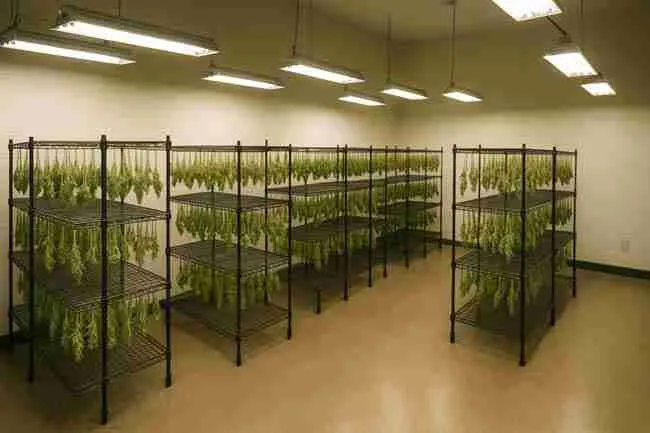
- You dried in a room that was too warm
- Your dry room humidity was too low (below ~45%)
- Strong fans hit the buds directly
- You hung small branches instead of whole plants in a dry, airy room
- You left jars open for too long (“burping” turned into “airing out forever”)
- You used too many humidity packs and then removed them for weeks
- You stored buds in a bag or jar that wasn’t airtight
When all that happens, water leaves the buds fast. The outside gets brittle, the inside loses its cushion, the terps fade, and smoke feels harsh and hot.
How to Tell Your Cannabis Is Over-Dried
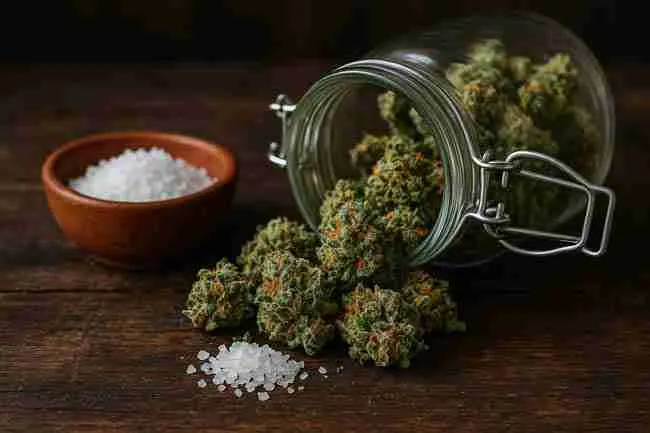
You don’t need a lab. Just use your senses:
- Touch: Buds feel crispy all the way through. Stems snap like dry twigs.
- Grind: Flower explodes into dust in the grinder, not soft chunks.
- Smell: Nose is weak, grassy, or “old cupboard,” not loud and dank.
- Smoke: Hits feel sharp, hot, and irritating, even at lower temps.
If that sounds familiar, then yeah, your buds are over-dried. The good news? You can still rehydrate dry cannabis and make that smoke smoother and friendlier.
Can Cannabis Be Over Dried?
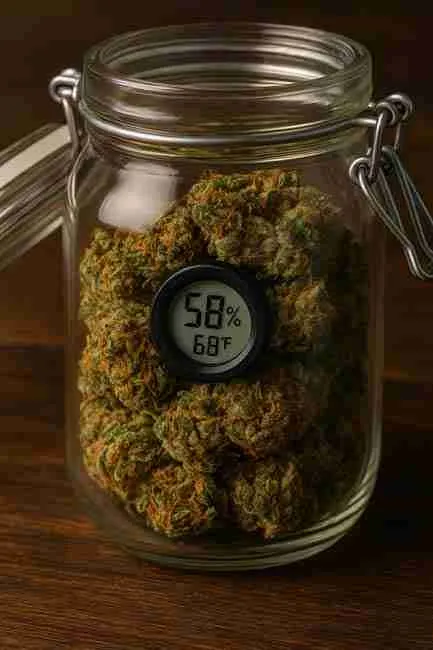
Short answer: yes, and you’re looking at it.
When cannabis gets over dried, a few things happen:
- Terpenes evaporate: These are the fragile aroma and flavor compounds. Heat and low humidity push them out into the air. Once they’re gone, they’re gone.
- Trichomes get brittle: The resin heads that hold cannabinoids and terps become fragile and break off more easily.
- Plant material hardens: The leaf and calyx tissue turns stiff, so it burns hot and harsh.
- Smoke becomes rough: Less moisture + fewer terps = more throat bite and less pleasure.
You can’t bring back terpenes that already left the building. That ship sailed. However, you can:
- Soften the buds
- Improve the mouthfeel
- Make the smoke smoother
- Bring back at least some of the aroma trapped inside
So yes, cannabis can be over dried, but that doesn’t mean it’s trash. It just needs a careful, safe rehydration strategy.
The Core Rules of Safe Rehydration
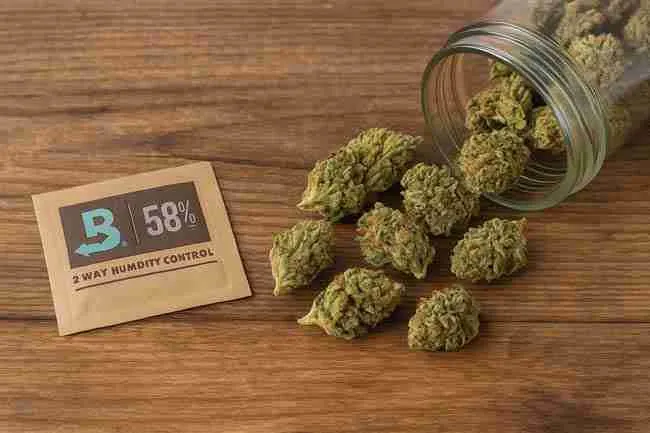
You’re not just adding water. You’re controlling humidity inside a sealed space. That’s the whole game.
Think of these as your “no-excuses” rules when you rehydrate dry cannabis:
1. Go Low and Slow
- You want a gradual rise in moisture, not a rush.
- Slow changes let moisture spread evenly through each bud.
- Fast changes soak the outside and leave the inside weirdly dry or even moldy.
2. Aim for 58–62% Relative Humidity (RH)
This is your sweet spot for jar storage and rehydration:
- Below 55%: Buds stay on the dry and crumbly side
- 58–62%: Nice balance of softness, burn quality, and mold safety
- Above 65%: Risk zone for mold and bacteria, especially in dense buds
3. Use Food-Safe, Mold-Safe Methods
Safe rehydration means:
- No rotten fruit
- No damp paper towels touching the buds
- No super-wet chunks sitting in the jar
- No mystery objects that can mold or rot before you notice
You want methods that:
- Are predictable
- Stay clean
- Let you check things often
4. Check Your Buds Daily (or More)
Rehydration isn’t a “set it and forget it” crockpot. You need to:
- Open the jar
- Feel the buds
- Smell for any funky or sour scents
- Watch for spots, fuzz, or slimy bits
If something smells “off” or looks suspicious, you stop and reassess immediately.
Step-by-Step: How to Rehydrate Dry Cannabis with Humidity Packs
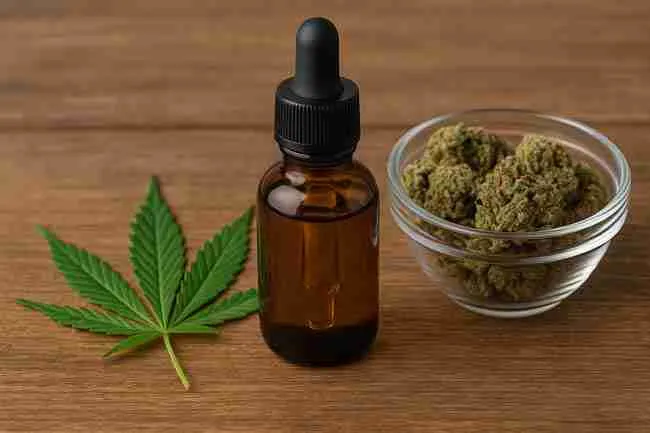
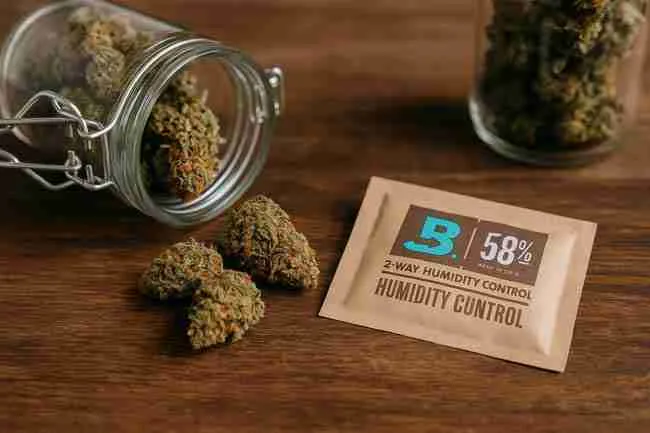
The most controlled way to rehydrate dry cannabis uses humidity packs (like 58% or 62% RH packs).
This is the safest method for most home growers because:
- It’s simple
- It’s food-safe
- It doesn’t involve random kitchen scraps
- It naturally targets the right humidity range
What You’ll Need
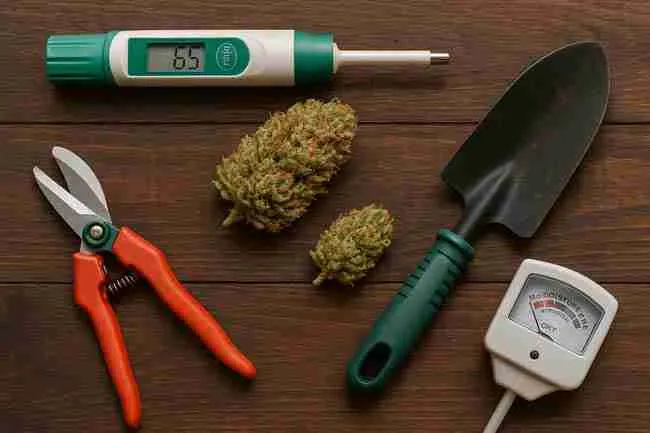
- Airtight glass jar(s)
- Your over-dried buds
- One or more 58–62% humidity packs (size matched to jar size)
- Optional: small digital hygrometer to read the RH in the jar
Step-by-Step Process
- Sort your buds
- Remove any obviously damaged or questionable pieces.
- Fill your jar
- Add buds to the jar until it’s about 70–75% full.
- Don’t pack them tight; leave room for air to move.
- Add the humidity pack
- Drop in one humidity pack per jar (follow the manufacturer size guide).
- For very crispy buds, start with just one, not two.
- Seal the jar
- Put on the lid and close it tight.
- If you have a hygrometer, put it where you can see it inside the jar.
- Wait, then check
- After 4–6 hours, open the jar.
- Feel one bud. Has it softened just a little on the outside? Good.
- If nothing changed at all, give it another 12–18 hours.
- Adjust if needed
- If buds are still super crispy after 24 hours, you can:
- Add another small humidity pack or
- Add a second jar with fewer buds and another pack to spread things out.
- If buds are still super crispy after 24 hours, you can:
- Let the jar rest again
- Check once or twice a day.
- Shake the jar gently to move buds around so moisture spreads evenly.
How Long Does It Take to Rehydrate a Bud?
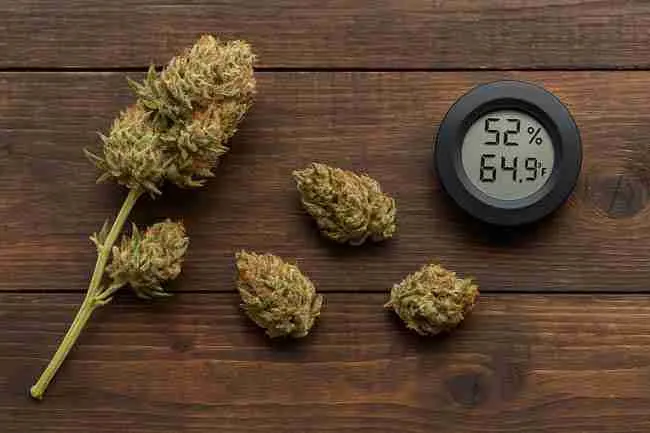
You want this question answered clearly, so here it is.
For most home grows:
- Slightly too dry buds:
- 6–24 hours with a humidity pack
- Very dry, crunchy buds:
- 24–72 hours with a humidity pack
- Rock-hard small nugs that turned to dust:
- 2–5 days of gentle rehydration and curing
Humidity packs work gradually. That’s what you want. If your jar hits 62% RH and your buds feel nice and spongy again, you’ve done the job.
How to Tell When to Stop Rehydrating
You stop when:
- Buds feel slightly springy when you squeeze them
- They don’t crumble in your fingers
- Stems bend a little before snapping
- The jar humidity sits around 58–62% and stays stable
- The smell improves, becomes fuller, and doesn’t smell “wet” or sour
If buds start feeling wet, heavy, or greasy, you went too far. Open the jar, let them dry a little, and get them back to that 60% sweet spot.
Other Methods to Rehydrate Dry Cannabis (and Which to Avoid)
Humidity packs are best. But you’ll hear all kinds of tricks. Some can work with caution. Others are just mold traps in disguise.
Here’s a table to keep it straight.
Rehydration Methods Compared
| Method | Speed | Control Level | Mold Risk | Notes |
|---|---|---|---|---|
| Humidity packs | Slow–Medium | Excellent | Very low | Best choice for safe rehydration |
| Fresh cannabis leaf | Medium | Medium | Low–Medium | Works if leaf is clean, check daily |
| Small lettuce piece | Fast | Low–Medium | Medium | Easy to overdo, watch RH carefully |
| Tortilla piece | Fast | Low–Medium | Medium | Similar to lettuce, can mold if left too long |
| Citrus peel | Medium | Low | High | Citrus peel risk: mold + odd flavors |
| Damp paper towel | Very fast | Low | Very high | Soaks buds; not recommended |
| Steamy bathroom / steam | Very fast | Terrible | Very high | Can ruin trichomes and invite mold |
Fresh Cannabis Leaf Method
If you still have live plants or fresh trim, you can use a small fan leaf or sugar leaf:
- Put your dry buds in a jar.
- Add one small fresh leaf, not a handful.
- Seal the jar.
- Check after 3–6 hours.
- Remove the leaf once buds feel a bit softer.
Pros:
- Same plant, same terpenes
- No weird flavors
Cons:
- Easier to overshoot RH
- Leaf can mold if you forget about it
Lettuce or Tortilla Method
Growers talk about this in forums all the time. It can work, but you need to be very careful.
- Use a very small piece (like a dime-sized chunk).
- Wrap it loosely in clean paper so it doesn’t touch the buds directly.
- Add it to the jar.
- Check after 2–4 hours; don’t go overnight on the first try.
If you see the RH climbing too fast or the buds starting to feel too moist, remove the lettuce/tortilla right away and let the jar breathe.
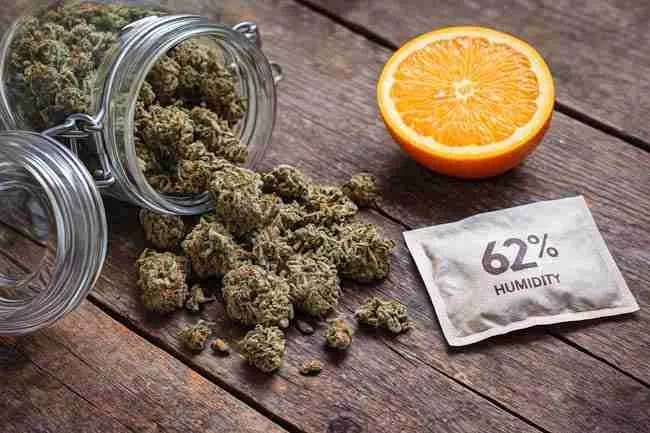
Citrus Peel Risk: Why Orange Peels Can Do More Harm Than Good
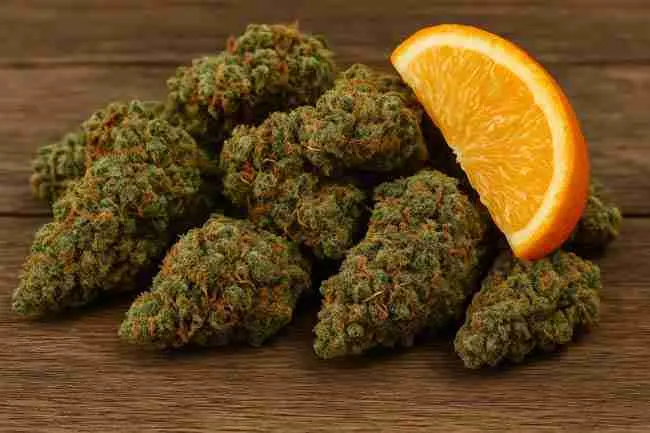
You’ve probably heard the advice:
“Just toss in an orange peel to rehydrate your buds.”
Here’s the problem: citrus peel risk is real.
- Citrus peels carry sugars and organic matter mold loves.
- They can push humidity up too fast and too high.
- They can grow mold before you notice it.
- They can change your terpene profile, leaving your buds tasting like cheap orange cleaner rather than the strain you grew.
If you really want to take that risk:
- Use a tiny piece of peel.
- Only leave it in the jar for a few hours, not days.
- Check very frequently.
- If you smell something “sour” or see fuzz, that jar is done.
Honestly? With modern humidity packs, you don’t need citrus. The citrus peel risk just isn’t worth losing a whole jar of flower.
Methods You Should Skip
Some tricks sound clever but wreck your buds:
- Holding buds over boiling water or steam
- Putting buds in the bathroom during a hot shower
- Spraying buds directly with water
- Storing jars in a super humid closet with no control
These can:
- Shock trichomes
- Wash off resin
- Spike humidity into the danger zone
- Cause mold deep inside the buds where you can’t see it at first
If your goal is safe rehydration, stick to controlled humidity methods.
How Do I Cure My Buds After Drying (and Rehydrating)?
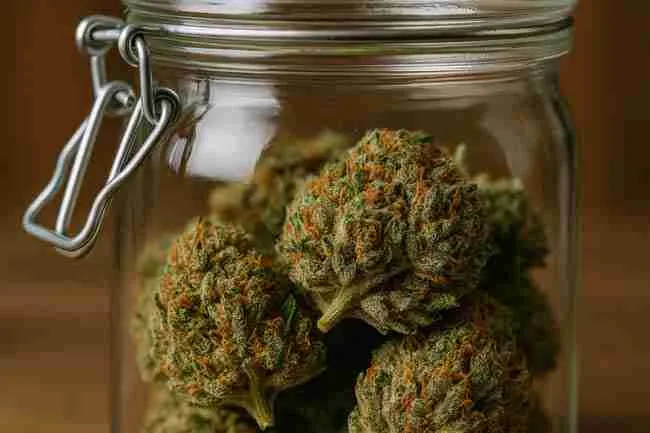
Once you rehydrate dry cannabis, you can’t just walk away. You need to cure it properly so the moisture evens out inside each bud and the smoke smooths out.
Think of curing as “training” your buds to sit calmly at that perfect 58–62% RH.
Simple Curing Routine After You Rehydrate Dry Cannabis
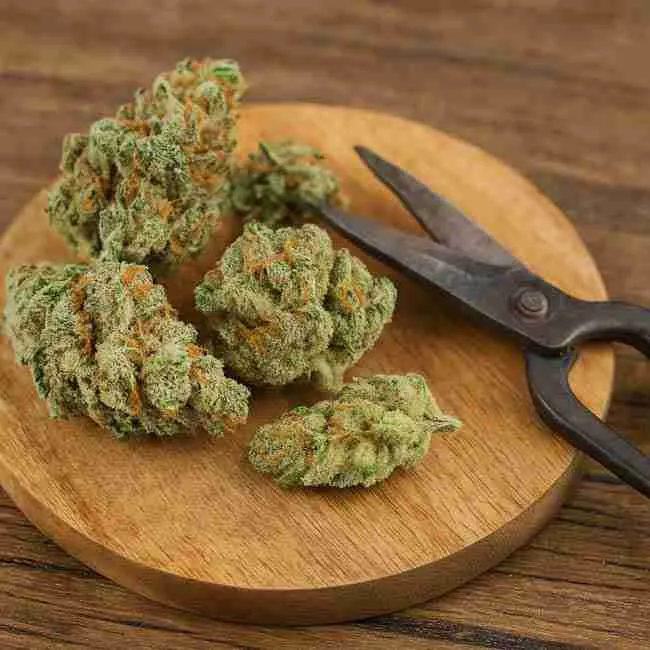
- Get your jars to around 58–62% RH
- Use humidity packs to land in that range.
- Burp the jars daily (first 1–2 weeks)
- Open each jar for 5–15 minutes once or twice a day.
- Gently shake buds to move them around.
- Monitor smell
- Healthy smell: strain-specific, earthy, skunky, gassy, fruity, etc.
- Bad smell: wet dog, ammonia, sharp sour odor.
- If it smells off, your RH may be too high; open jars longer and reduce moisture.
- Adjust humidity packs if needed
- If RH stays below 55%, use a fresh 62% pack.
- If RH keeps climbing over 65%, remove the pack and let the buds dry slightly.
Specs: Ideal RH, Temperature, and Time
Here’s a quick reference to keep you on track once you rehydrate dry cannabis and start curing again:
| Stage | Target RH | Temp (°C/°F) | Time Frame | What You’re Doing |
|---|---|---|---|---|
| Initial rehydration | 55–62% | 18–22°C / 65–72°F | 1–5 days | Buds regain gentle softness |
| Early cure (week 1–2) | 58–62% | 18–22°C / 65–72°F | 1–2 weeks | Daily burping, aromas start to deepen |
| Mid cure (week 3–4) | 58–62% | 18–22°C / 65–72°F | 2 more weeks | Burp every 2–3 days, bud structure stabilizes |
| Long-term storage | 55–62% | 16–21°C / 60–70°F | 1–6 months+ | Rare burping, terps preserved as best as possible |
You can’t go back in time and undo over-drying, but you can still shape the final smoke by curing patiently.
What Is the 60-60 Rule for Drying Cannabis?
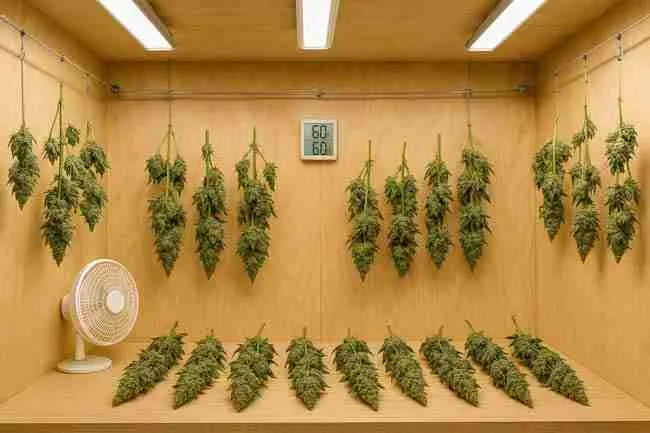
You’ll hear growers talk about the 60-60 rule like it’s some secret handshake. It’s simple:
- 60°F (about 15–16°C)
- 60% relative humidity
Why does it matter?
- At around 60°F, terpenes don’t evaporate as fast.
- At 60% RH, buds dry slowly without molding, and they don’t end up crispy husks.
If you follow the 60-60 rule:
- You stretch drying to 7–14 days instead of 2–3.
- Chlorophyll breaks down more nicely.
- You don’t have to rehydrate dry cannabis later, because you never cooked it in the first place.
You might not hit exactly 60/60, but if you aim close—say 60–65°F and 55–65% RH—you’re already miles ahead.
Common Mistakes When You Rehydrate Dry Cannabis
You’re already fixing a mistake (over-drying), so you don’t want to stack new ones on top.
Here’s what to watch out for:
- Rehydrating too fast
- You add a big chunk of fruit or a very wet item.
- RH spikes above 70%.
- Outside feels damp but inside stays weirdly dry.
- Ignoring jars for days
- You toss in something moist and disappear.
- When you come back, the jar smells swampy or like ammonia.
- By then, mold might already be inside dense nugs.
- Storing in plastic bags
- Bags “breathe”, so moisture escapes again.
- Terps stick to plastic over time.
- Using old or exhausted humidity packs
- A pack that turned rock-hard or super flimsy isn’t doing its job.
- You think you’re rehydrating, but nothing changes.
- Not checking RH with a hygrometer
- You’re flying blind.
- Even a cheap little digital meter in one jar can teach you a lot.
Avoid these, and safe rehydration becomes much easier.
Pros and Cons of Rehydrating Over-Dried Buds
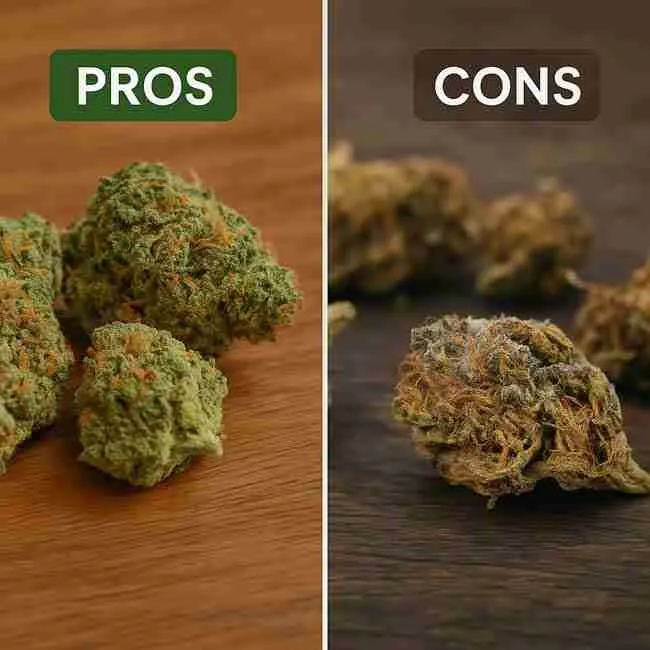
It’s worth being honest about what rehydrate dry cannabis can and can’t do.
Pros
- Buds feel softer and less brittle
- Smoke becomes smoother and less harsh
- Joints roll better and burn more evenly
- You protect what terps are left by bringing RH back into a safe range
- You can still enjoy your hard work instead of writing the harvest off as a total loss
Cons
- Lost terpenes don’t magically come back
- Some strains never regain their full nose once severely over-dried
- If you rush or overdo it, you can cause mold and lose everything
- Extra time and attention are required—rehydration + curing isn’t instant
- If the original dry and cure were very poor, there’s a limit to how much you can improve the final smoke
Specifications-wise, you’re aiming for:
- Target RH after rehydration: 58–62%
- Safe RH ceiling: 65% (above this, you’re flirting with mold)
- Ideal storage temp: 16–21°C (60–70°F)
- Rehydration time window: 1–5 days depending on dryness level
Once you accept those limits, rehydrate dry cannabis becomes a tool, not a miracle. You use it to get the most out of what you’ve already grown.
Frequently Asked Questions About How to Rehydrate Dry Cannabis
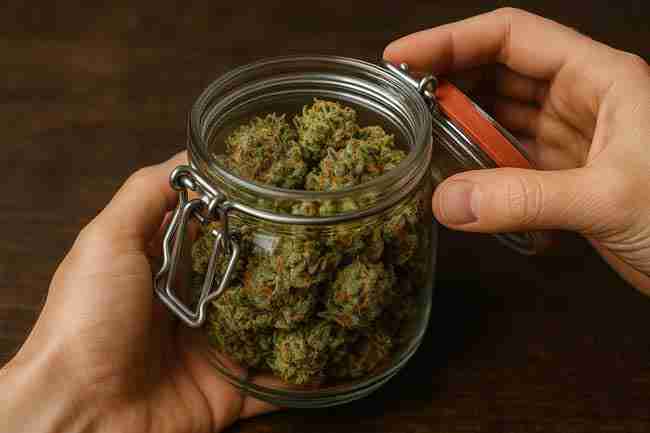
How do I rehydrate dry cannabis without mold?
Use humidity packs in airtight jars and keep RH around 58–62%. Check buds daily, feel them, smell them, and avoid soaking-wet items like big chunks of fruit or damp paper towels touching the buds directly. That’s the heart of safe rehydration.
Can I use orange peels to rehydrate dry cannabis?
You can, but the citrus peel risk is high:
- Citrus peels can mold
- They push humidity up too fast
- They can change the flavor of your strain
If you still want to try, use a tiny piece for just a few hours and watch it like a hawk. Honestly, humidity packs are a much safer way to rehydrate dry cannabis.
How long does it take to rehydrate dry buds with humidity packs?
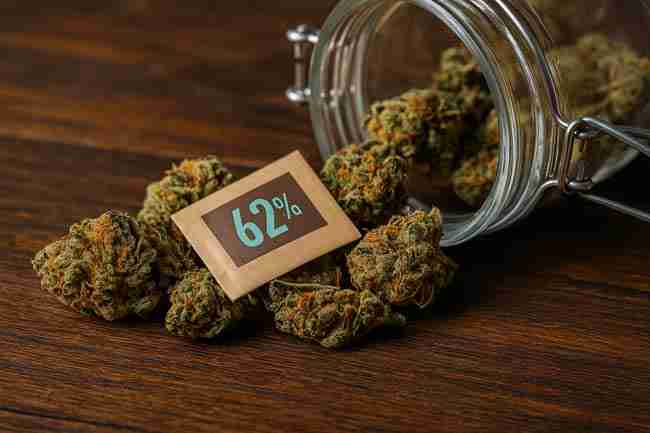
Usually:
- Slightly dry buds: 6–24 hours
- Very dry buds: 24–72 hours
- Extremely crispy flower: up to 2–5 days including cure time
You’ll know you’re done when the buds feel softly spongy, RH sits around 58–62%, and the aroma smells healthy again.
Should I grind and then rehydrate dry cannabis?
No. Always rehydrate whole buds. Ground weed dries and rehydrates too fast, and you’ll lose even more terps. Grind only what you need right before you smoke or vape.
Can I rehydrate dry cannabis that’s already in a bag?
You can, but glass jars work better. If you must use a bag:
- Use a small humidity pack
- Double-bag it to help hold RH
- Try to switch to jars as soon as you can for better control
Is it bad if my rehydrated buds feel a bit sticky?
A little stickiness can be fine, especially if your strain is naturally resinous. But if buds feel wet, heavy, or greasy, or the jar RH is above 65% and climbing, that’s a warning sign. Open the jars more often and let them dry slightly to avoid mold.
Do I still need to cure after I rehydrate dry cannabis?
Yes. Rehydration gets moisture back in. Curing balances that moisture and refines the smoke. After rehydration, treat your buds like a normal cure:
- Burp the jars
- Watch RH
- Give it at least 1–2 more weeks if you want the best outcome
What’s the best long-term storage method after rehydration?
For most home growers:
- Glass jars with airtight lids
- Humidity packs at 58–62%
- A cool, dark place around 16–21°C (60–70°F)
That setup keeps your flower stable and reduces the chance you’ll ever need to rehydrate dry cannabis again.
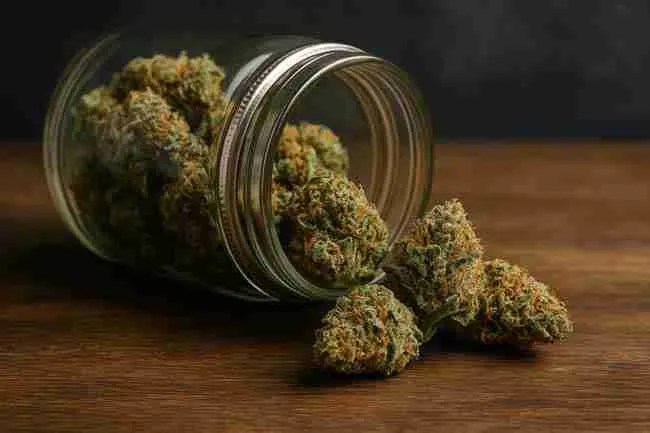
When you mess up drying, it stings. You put months into that plant. But with safe rehydration, patience, and a good cure, you still get something worth smoking, sharing, and learning from. Next run, you’ll watch that dry room like a hawk—and hopefully never have to rescue crispy buds again.