Regenerative Soil Building for Cannabis: Creating Living Soil That Improves Every Season

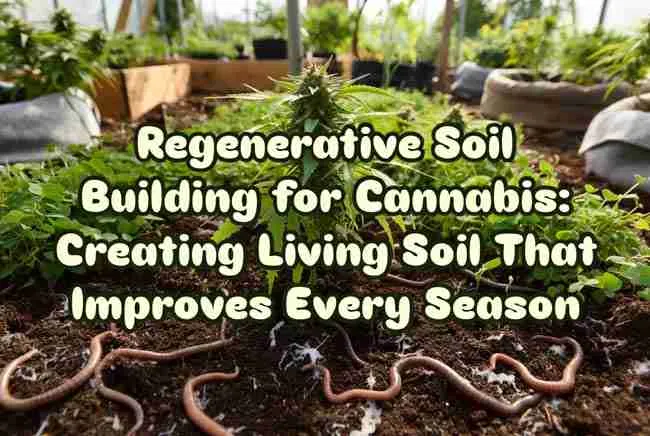
You finish another harvest, and instead of feeling like your soil is tired and ready for another big shopping trip for bottled nutrients, you notice something different. The soil in your pots or beds looks darker, smells richer, and holds moisture like a sponge. Your next set of plants pops out of the ground faster, grows stronger, and tastes even better than the last round. That, my friend, is what happens when you stop treating soil like dirt and start building it like a living ecosystem. Regenerative soil cannabis practices turn your grow into a place where the ground itself gets better with every single season.
You are not just growing plants. You are growing soil that grows plants. And once you see the difference, there is no going back to the old way of doing things.
What Regenerative Soil Principles Mean for Your Cannabis Garden and How They Differ from Standard Organic or Living Soil Mixes

Regenerative soil building for cannabis goes way beyond basic organic gardening or even a simple living soil mix. Standard organic approaches often focus on feeding the plant with organic inputs while still disturbing the soil or relying on repeated additions of nutrients. Many living soil cannabis home setups start strong but can slowly lose their spark if you do not actively work to increase biodiversity and structure over multiple cycles.
True regenerative cannabis gardening follows a handful of core principles that mimic nature at its best. You feed the soil first so the soil can feed the plant. You disturb the ground as little as possible. You keep the soil covered at all times with mulch or living plants. You build as much diversity as you can above and below ground. And you think in seasons and years instead of single grows.
The biggest difference shows up in how the soil changes over time. In many conventional or even basic organic grows, the soil slowly depletes. You end up adding more and more inputs just to keep yields steady. With regenerative methods, however, the opposite happens. Organic matter increases. The soil food web gets more complex. Water retention improves. Nutrient availability becomes more consistent. Your plants actually get stronger and more resilient as the seasons pass.
Pros of this approach include richer terpene profiles, better resistance to pests and stress, lower long-term input costs, and soil that improves instead of wearing out. Cons include a steeper learning curve at the start and the need for patience during the first one or two cycles while the biology really establishes itself. You also need slightly larger containers or beds for best results because the living system needs room to breathe and build structure.
When you commit to regenerative soil cannabis, you are not just chasing this season’s harvest. You are investing in soil health cannabis garden results that keep getting better year after year.
Building a Diverse Soil Microbiome in Your Cannabis Garden: Practical Ways to Introduce and Support Fungi, Bacteria, and Beneficial Nematodes
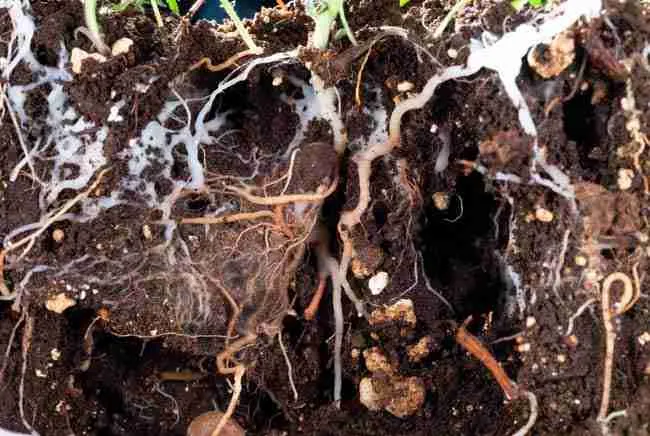
The real magic in regenerative soil cannabis happens underground where you cannot see it. Billions of tiny workers turn raw organic matter into exactly the nutrients your plants need, exactly when they need them. When you support this soil microbiome cannabis community, you get plants that uptake nutrients more efficiently, resist disease better, and produce more resin and terpenes.
Supporting Mycorrhizal Fungi and Fungal Networks for Better Nutrient Uptake
Mycorrhizal fungi form living bridges between your cannabis roots and the surrounding soil. They pull in phosphorus, water, and other minerals that roots alone struggle to reach. They also help protect against certain soil pathogens. In a no till cannabis advanced system these fungal networks can stay intact for years instead of getting chopped up every time you replant.
You introduce them by using quality compost, worm castings, or a good mycorrhizal inoculant when you first build or refresh your soil. You support them by never tilling, by keeping the soil covered, and by planting a variety of cover crops. Avoid anything that harms fungi such as synthetic fungicides or high-phosphorus salt fertilizers.
Encouraging Beneficial Bacteria for Fast Nutrient Cycling
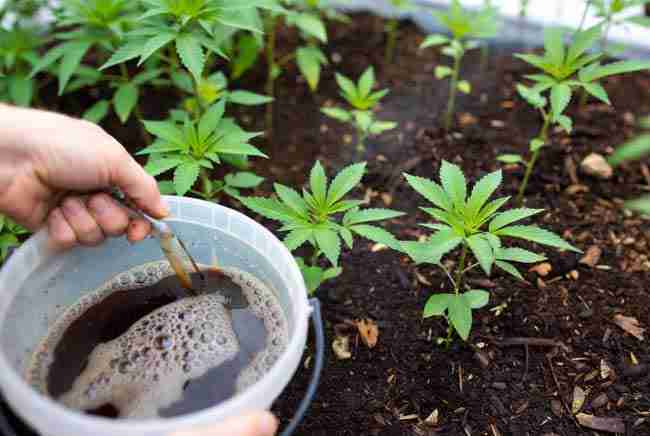
Bacteria handle quick nutrient release, especially nitrogen. Some even fix nitrogen from the air when you grow the right cover crops. They work alongside fungi in a beautiful partnership. Diverse organic inputs feed them. Compost teas give them a boost when you need it. Keeping the soil moist but not soggy and never letting it sit bare helps bacterial populations thrive.
Welcoming Beneficial Nematodes and the Full Soil Food Web
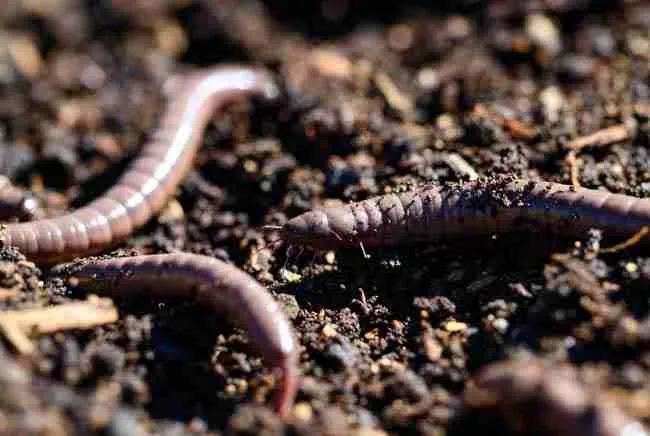
Beneficial nematodes act like tiny predators and cleanup crews. Some eat harmful nematodes or insect larvae. Others help cycle nutrients by feeding on bacteria and then releasing plant-available forms. When your whole soil food web stays balanced, pest pressure drops naturally and your plants stay healthier with fewer interventions.
Here are some of the most effective ways you can introduce and support this living community in your own garden:
- Add high-quality, fully finished compost and worm castings on a regular top-dressing schedule.
- Brew and apply aerated compost teas during key growth stages.
- Plant cover crops and practice chop-and-drop mulching to keep feeding the web continuously.
- Use mycorrhizal inoculants at transplant time or when starting fresh soil.
- Keep the soil surface covered with mulch or living plants at all times.
- Avoid synthetic fertilizers, pesticides, and fungicides that wipe out beneficial life.
- Introduce or encourage earthworms whenever possible because they are fantastic soil engineers.
When these pieces work together, your soil becomes a self-sustaining engine instead of something you constantly have to push.
Cover Cropping, Chop-and-Drop Mulching, and Compost Application Schedules Suited to Cannabis
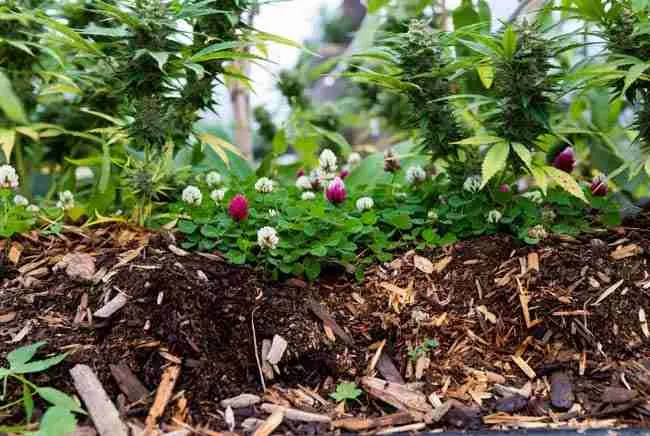
Cover crops and mulch are two of the simplest yet most powerful tools in regenerative cannabis gardening. They protect the soil, feed the microbiome, and keep nutrients cycling without you having to haul in heavy bags every few weeks.
Choosing the Right Cover Crops for Cannabis Beds and Containers
In outdoor beds or large containers you can grow quick-turn cover crops like clover, vetch, buckwheat, or rye between main cannabis cycles or even alongside young plants. Legumes add nitrogen. Grasses build organic matter and improve structure. Many also attract beneficial insects. In smaller containers you can still use microgreens or small clover patches during short rest periods and then chop them down before planting.
Chop-and-Drop Techniques to Feed Your Soil Naturally
Instead of hauling fan leaves and small stems off site, you chop them up and drop them right back on the soil surface. This creates a continuous slow-release food source for the biology. It also keeps the soil covered and cool. Many experienced growers report stronger terpene development and better overall plant health when they return all that organic material to the living soil system.
Timing Your Compost Applications Throughout the Seasons
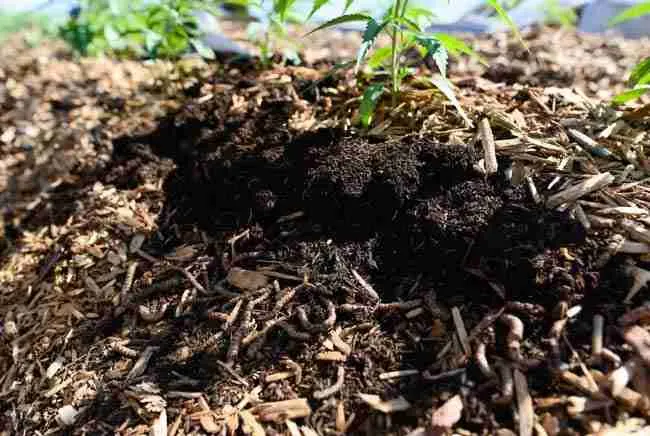
You do not need to bury compost deep. Top-dressing is the regenerative way. A half-inch to one-inch layer of high-quality compost or worm castings every four to eight weeks during active growth keeps the surface biology humming. After harvest you can apply a slightly heavier layer before adding fresh mulch. This schedule builds soil organic matter steadily without overwhelming your plants with a sudden nutrient spike.
How Improved Soil Structure Leads to Better Nutrient Availability and Plant Resilience
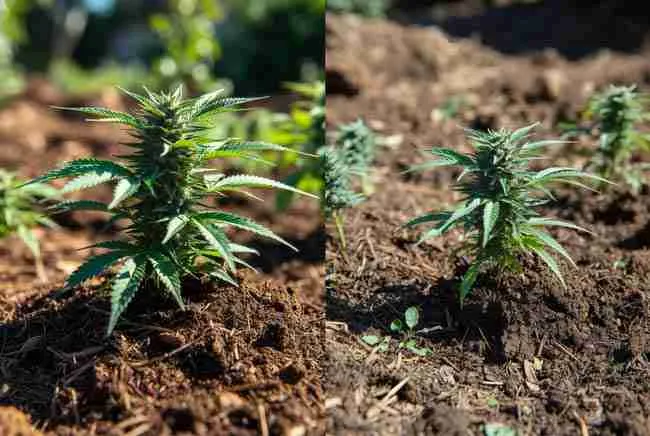
When you stop tilling and start building organic matter, the physical structure of your soil transforms. Instead of dense, compacted dirt you get loose, crumbly soil full of air pockets and stable aggregates. This structure lets roots explore deeper and wider. It holds water longer so you water less often. It drains excess water quickly so roots never sit in puddles.
Better structure also means better nutrient availability. The soil microbiome can move nutrients to the roots more efficiently. Your plants experience fewer lockouts and deficiencies even when you use the same amendments season after season. On top of that, healthy soil biology helps your cannabis plants build stronger natural defenses. You will often see fewer pest and disease issues because the plants themselves are more resilient.
Many growers notice their premium cannabis seeds perform noticeably better in well-structured regenerative soil. Germination rates improve. Seedlings establish faster. The entire plant expresses its genetics more fully because it is not fighting poor soil conditions.
Seasonal Plan for Maintaining and Enhancing Soil in Containers or Beds
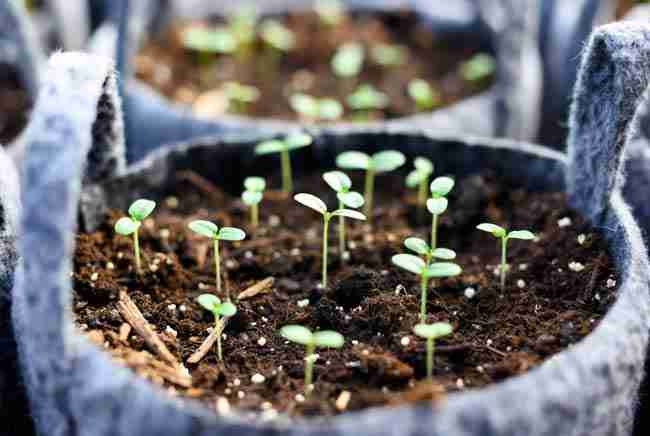
Regenerative soil building works in both raised beds and fabric containers, though larger containers (15 gallons and up) make the process easier because they give the soil food web more room to develop. Here is a practical seasonal plan you can follow.
Spring Soil Building and Preparation
Test your soil pH if you have not done so recently (aim for 6.0–7.0 in living soil). Top-dress with compost and a light layer of fresh mulch. If you are starting new soil or refreshing old mix, add mycorrhizal inoculant and diverse organic amendments. Plant any early cover crops or get your beds ready for transplants. This is also the time to make sure drainage is excellent.
Summer Maintenance for Active Cannabis Growth
Focus on keeping the soil covered and moist but not wet. Apply light compost top-dressings every 4–6 weeks if plants are heavy feeders. Chop and drop any fan leaves or small trimmings. Watch for signs that the biology is working (healthy soil smell, good water retention, strong plant growth). You will usually need to water less often than in sterile soil because the living system holds moisture better.
Fall Harvest and Soil Recharge
After you harvest, chop and drop as much plant material as possible back onto the soil. Apply a fresh layer of compost. Plant a winter cover crop if your climate allows, or simply cover everything with a thick mulch layer. This rest period lets the biology process all the new organic matter and recharge the soil for the next cycle.
Winter Rest and Long-Term Building
Protect outdoor beds with extra mulch or cover. In colder climates you can still maintain indoor regenerative setups. Use this quieter time to plan your next round of amendments, source high-quality compost ingredients, or experiment with new cover crop mixes. The soil continues working slowly even when plants are not growing.
| Season | Key Regenerative Tasks | Benefits for Your Cannabis |
|---|---|---|
| Spring | Top-dress compost, refresh mulch, inoculate if needed, prepare beds | Strong start, fast establishment, good early root development |
| Summer | Light top-dressings, chop-and-drop, maintain cover, observe biology | Consistent nutrition, better water efficiency, resilient plants |
| Fall | Chop-and-drop harvest residue, heavier compost layer, cover crop or mulch | Soil recharge, organic matter increase, preparation for next cycle |
| Winter | Protect soil, plan amendments, maintain indoor systems if applicable | Continued slow building, rested and ready biology for spring |
Common Mistakes That Disrupt Soil Biology and How to Avoid Them

Even with the best intentions, it is easy to accidentally set your soil biology back. Here are the most common ones and exactly how to steer clear of them.
Tilling or digging deeply between cycles chops up fungal networks and destroys soil structure. Stick to no-till methods. Only disturb the very top layer when you absolutely must.
Using synthetic or salt-based nutrients kills or suppresses the very microbes you are trying to grow. Commit fully to organic amendments and let the biology do the heavy lifting.
Leaving soil bare exposes it to erosion, compaction, and temperature swings. Always keep a layer of mulch or living cover crops on top.
Overwatering or using pots without good drainage drowns aerobic organisms and invites anaerobic problems. Water only when the soil needs it and always grow in containers or beds with excellent drainage.
Adding too much of any single amendment throws the system out of balance. Use diverse inputs and let the plants and soil biology guide you on what they need next.
Not giving the soil time to process organic matter between heavy feeds or cycles can lead to nutrient imbalances. Build in rest periods or lighter top-dressings so everything stays in sync.
When you avoid these pitfalls, your regenerative soil cannabis system stays healthy and keeps improving instead of plateauing or declining.
Linking Long-Term Soil Health to Consistent Performance from Premium Cannabis Seeds
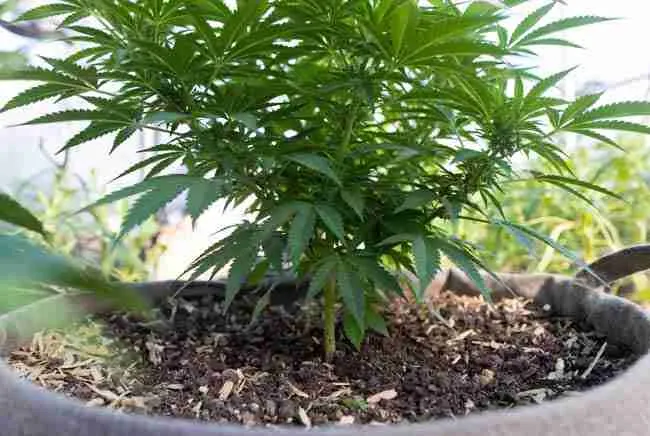
Here is the beautiful part that many growers miss. All the work you put into regenerative soil building pays off most clearly when you grow high-quality genetics. Premium cannabis seeds already carry strong potential. When you plant them into soil that is alive, diverse, and improving every season, that potential gets fully expressed.
You will often see better germination, more vigorous vegetative growth, stronger resistance to environmental stress, and noticeably richer terpene and resin production. The soil and the plant work as a team. Over multiple seasons your living soil actually adapts to the genetics you grow most often, creating a kind of custom microbiome that brings out the best in those specific plants.
This is why so many experienced growers who switch to regenerative methods say their flower quality keeps climbing even when they use the same seed stock year after year. The soil is no longer a limiting factor. It has become an asset that gets more valuable with time.
Starting your regenerative journey does not require a complete overhaul overnight. You can begin with one or two beds or a few larger fabric pots this season. Add quality compost, keep everything covered, stop tilling, and watch what happens. Before long you will have soil that feels alive in your hands and plants that reward you with better results every single cycle.
Frequently Asked Questions About Regenerative Soil Cannabis
How long does it really take before I see clear improvements in my regenerative soil cannabis setup? Most growers notice better water retention and stronger plant vigor within the first full cycle. Deeper changes in soil structure, organic matter levels, and microbiome diversity usually become obvious after two to four seasons of consistent regenerative practices.
Can I practice regenerative soil building in small containers or do I need big beds? You can do it in containers as small as 10–15 gallons, but larger fabric pots or raised beds (20+ gallons) give the soil food web more room to develop complex networks. Many successful home growers run excellent regenerative systems in 20–30 gallon pots.
Do I still need to add any nutrients at all once my living soil is established? In a mature regenerative system you often need very little extra input beyond occasional compost top-dressings and chop-and-drop. Some growers run entire cycles with almost nothing added because the soil biology supplies what the plants need. Always watch your plants and adjust.
What happens if I make a mistake and disturb the soil or add the wrong thing? The biology is surprisingly resilient. One mistake rarely destroys everything. Simply go back to no-till practices, add diverse organic matter, keep the soil covered, and give it time. The system usually bounces back within a cycle or two.
Is regenerative soil cannabis more work or less work than conventional growing? It requires more observation and patience in the beginning while you learn the rhythms. After the first year or two it usually becomes less work because you water less, add fewer inputs, and deal with fewer pest and disease problems. The soil does more of the heavy lifting for you.
Can regenerative practices help with terpene and resin production? Yes. Many growers report noticeably stronger aromas and higher resin levels once their soil microbiome is diverse and active. Healthy soil biology supports the plant’s natural production of secondary metabolites, which directly affects flavor, smell, and overall quality.
Regenerative soil building for cannabis is not just another growing technique. It is a long-term relationship with your soil that rewards patience, observation, and respect for natural processes. When you commit to it, your garden becomes more than a place to grow plants. It becomes a living system that improves right along with your skills as a grower.
Start where you are. Use what you have. Keep the soil covered, keep feeding the life underneath, and watch your cannabis garden transform season after season. You will be amazed at what healthy, regenerative soil can do when you give it the chance.