Regenerative Cannabis Farming: Digging Into Dirt That Heals


What on Earth Is Regenerative Cannabis Farming?
Picture a cannabis field that behaves more like a thriving forest than a strip-mined quarry. Regenerative Cannabis Farming is the practice of growing your plants in ways that restore soil health, boost biodiversity, and lock carbon back into the ground—all while cranking out sticky, terpene-rich buds. You feed the ground first, the ground feeds your plants, and the circle spins on forever.
Why Should You Care?

You could keep chasing bottled nutrients and single-use peat like everyone else. However, by jumping into regenerative methods, you:
- Save money on fertilizers and pesticides.
- Slash waste—think fewer empty plastic jugs in the trash.
- Grow more flavorful, cannabinoid-rich flowers.
- Future-proof your garden against climate swings.
And—dang, almost forgot—you get that warm, fuzzy feeling because you’re actually healing the Earth instead of beating it up.
Building Living Soil: The Beating Heart of Regenerative Cannabis Farming

Start With Local Ingredients
- Native topsoil
- Fully aged compost
- Worm castings from your own kitchen scraps
- Crushed basalt or granite for trace minerals
Layer It Like Lasagna

- Roughly chop fall leaves and old stems.
- Add a thin layer of compost.
- Sprinkle ground rock dust.
- Top with straw.
Repeat until your raised bed is knee-high. Walk away for a month. The soil critters throw a party and do the rest.
No-Till, No Problem
Once that living soil’s built, quit the habit of turning it over. Instead, tuck seeds or clones right into the earth—disturbing microbes less means fatter roots and tastier flowers.
Composting Like a Champ

Hot, Hot, Hot Pile
Keep that heap above 55 °C (131 °F) for at least three days. Pathogens vanish; nutrients lock in. Turn every few days, spray lightly with water, and you’ll have “black gold” in 18–30 days.
Lazy-Bones Cold Pile
Feeling laid-back? Fine. Dump food scraps, shredded cardboard, and yard trimmings in a corner. Let worms and beetles do their slow dance. Six months later—voilà—crumbly compost.
Cover Crops and Mulch Magic

Nitrogen-Fixing Superstars
- Crimson clover
- Fava beans
- Hairy vetch
Plant these between cannabis rows. Their roots grab nitrogen from thin air, stash it in the soil, and cut your fertilizer bill in half.
Mulch Mountain
After you chop down cover crops, drop them on top of the soil. Add shredded straw or wood chips. This blanket:
- Regulates soil temperature.
- Keeps weeds in check.
- Holds moisture like a sponge.
Water Wisdom: Catch, Store, and Sip Slowly

Rainwater Harvesting
Hang gutters on your greenhouse, aim them into food-grade barrels, and slap lids on top. That free water is chlorine-free—your microbes will throw a fiesta.
Drip Tape Delight
Instead of blasting overhead sprinklers, snake drip tape around each plant. Slow sipping cuts evaporation by up to 70 percent and keeps leaves drier—less powdery mildew, thank you very much.
Friendly Bugs and Microbes: Your Invisible Crew

Predatory Insects
- Lady beetles devour aphids.
- Lacewings munch on thrips.
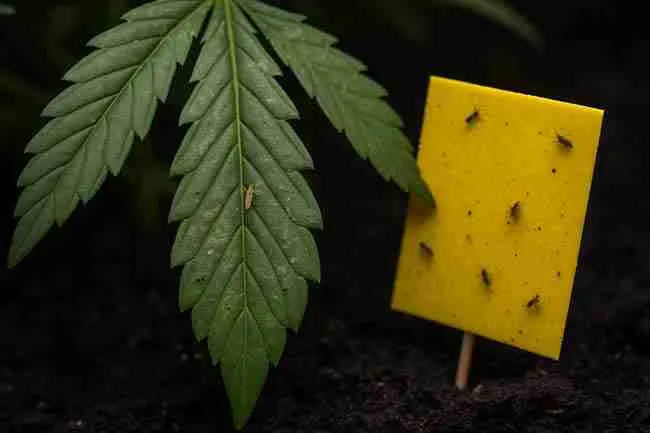
- Parasitic wasps knock out caterpillars.
Microbial Inoculants

— Mycorrhizal fungi latch onto roots, boosting phosphorus uptake.
— Bacillus subtilis bacteria crowd out fungal pathogens.
Brew a simple compost tea (worm castings + molasses + water + aquarium pump) for 24 hours and drench the root zone.
Renewable Energy Tricks for the Modern Grower

Solar-Powered Fans
Nail a couple of 100-watt panels on your shed roof. Wire them to DC fans that pull fresh air through the grow tunnel. No sun? The fans rest, saving battery life.
Biogas From Trim Waste

Toss trim leaves and stalks into a small digester barrel. Methane bubbles off—pipe it into a camping stove to brew compost tea. Talk about closed-loop!
Closed-Loop Nutrient Recipes

Fermented Plant Juice
1 kg stinging nettle + 1 kg brown sugar in a bucket. Cover loosely and wait a week. Strain. Dilute 1:100 with water. Your potassium problems melt away.
Bokashi Bran

Bokashi Bran how to: Wheat bran + molasses + EM-1 microbes. Sprinkle on food scraps in an airtight bucket. In two weeks you’ll have a sweet-smelling, pickled pre-compost that breaks down in soil lightning-fast.
Monitoring and Record-Keeping: The Story of Your Soil

Simple Field Tests
- pH strips
- Soil moisture meter
- Handful squeeze test—does it clump or crumble?
Notes Like a Novelist
Date every observation. Weather, pest sightings, leaf color, aroma—you name it. Over seasons, patterns jump off the page, guiding tweaks to your regenerative plan.
Pros and Cons of Regenerative Cannabis Farming

| Factor | Pros | Cons |
|---|---|---|
| Costs | Lower long-term input costs (compost is free) | Higher setup labor |
| Soil Health | Builds fertility each season | Takes time to reach full potential |
| Yield | More terpene-rich buds | Slightly slower early veg growth |
| Carbon Footprint | Sequesters carbon, zero chemical runoff | Needs bigger planning upfront |
Real-Life Success Tales
Grandma Jo’s Backyard

Grandma Jo turned her Nova Scotia lawn into a raised-bed “soil lasagna.” Year three, she harvested 450 g per plant, all while her neighbors complained about nutrient costs. Her secret? Coffee-ground compost, crimson clover, and buckets of rainwater.
Mountain Mike’s Off-Grid Greenhouse

Mike installed solar panels and drip irrigation fed by a pond. He mulches with forest leaves and keeps bees for pollinating his vegetables next door. His cannabis lab tests at 4 percent higher terpene content compared to his old bottled-salt grow.
FAQ: Quick Answers You Can Quote to Your Buddy

What’s the first step in Regenerative Cannabis Farming?
Start a compost pile right now. Healthy compost jump-starts soil life.
Can I use regenerative methods indoors?
Yep. Build a living-soil bed in fabric pots, run LEDs, and keep biodiversity high with cover-crop clover under the canopy.
Does regenerative farming really boost terpene levels?
Studies and growers report richer terpene profiles, likely due to balanced micronutrients and thriving microbes.
Is no-till mandatory?
While not carved in stone, every time you avoid tilling, you protect fungal networks that shuttle nutrients to roots.
Will I still need bottled nutrients?
Maybe a pinch during transition, but most regenerative gardens sail through the season on compost teas and plant ferments.
Additional Nuggets You Don’t Wanna Miss
Seed Selection for Regenerative Plots
Pick vigorous, pest-resistant cultivars like “Willie Wonka” (chocolate terp blast!) to match your climate and soil.
Community Swaps
Trade homemade compost, mulch, and locally bred seeds with neighbors. Sharing resources slashes costs and builds local resilience.
Carbon Credits
Some regions pay growers for carbon-sequestering practices. Log your soil tests; you might cash in later.
Final Thoughts

Look—Regenerative Cannabis Farming isn’t a fad. It’s a back-to-basics mindset that turns you from a bottle-dependent gardener into a soil-building steward. Sure, it demands elbow grease and patience. However, once that underground ecosystem clicks, your plants stand tall, your buds reek of complex terpenes, and your conscience goes to bed smiling. Grab a shovel, brew some compost tea, and let your farm heal while it yields.