What is Powdery Mildew on Cannabis: How to Fix it Fast!


Powdery mildew on cannabis is not bud rot. Growers mix them up because both are white and both ruin a harvest. Bud rot is a wet, grey-brown rot inside the cola. Powdery mildew is a flour-white film on living leaf. The original point on this URL still holds: you cannot just drop humidity and wait for powdery mildew to die the way you starve bud rot. The spores germinate on dry tissue. Free water on a leaf actually hurts them. Still air, crowded plants, and a 15 to 25 C (59 to 77 F) room with high ambient humidity is the weather they want.
Catch it early and you can save a veg plant. Catch it late in flower and you are choosing between a careful harvest, a bud wash, or the trash. Ranking growers in 2026 still start with the same three jobs: confirm it is mildew, bag the worst leaves, then change the room. Sprays come after that. Potassium bicarbonate is the contact spray with the best cannabis trial numbers. Baking soda and vinegar from the original walkthrough still have a place as cheap leaf-surface pH tricks. They are weaker. Milk has never been tested on marijuana. Sulfur stays in veg. Do not smoke mildewed weed buds.
The photos on this page are the original outbreak shots from 2022. They show what flour on a fan leaf actually looks like, not a cartoon. Shop packs in the cannabis seeds store if you still need seed. The rest of the grow library is on the cannabis cultivation blog.
What Powdery Mildew on Cannabis Actually Is

It is a fungus that lives on living plant skin. North American cannabis work now names it mostly Golovinomyces ambrosiae. Older papers said G. cichoracearum or G. spadiceus. You do not need the Latin to treat it. You need to know it is an obligate parasite. It wants a live leaf. It sends feeding structures into the epidermis and pumps out chains of dry spores that ride air, clothes, tools, pets, and clone trays.
That is why a tent can look clean on Monday and speckled on Thursday. One colony sheds enough spores to seed the next plant in a still, humid room. Outdoor, dry mild days move it on the wind better than a cold rain. The original line about dry weather spreading it better than wet, cool weather is still the right outdoor picture. Wet weather is a different fungus problem. That one is cannabis bud rot and the outdoor pest walk is preventing fungi and pests outdoors.
What Powdery Mildew Looks Like on Cannabis Plants

It starts as tiny white flour spots on the leaf. Usually the upper side. Sometimes the underside. Then the spots join and the whole fan looks dusted. Stems can pick it up. Buds can pick it up. Leaves yellow as the film blocks light and the fungus feeds. Left alone, the plant slows, then it dies from the outside in. That is the original description on this URL, and it is still what you see in a tent that nobody scouted.
Look first at lower, shaded, interior fans where air sits still. That is ground zero indoors and outdoors. New growth can blister or look dull before the powder is obvious. Flip fans. Use a headlamp. Once a week in veg. Twice a week in flower if you have had it before. The yellowing that follows a heavy coat is not a nitrogen deficiency. Feeding more N to “grow out of it” is how you make softer tissue that mildew likes even more. Leaf curl from other causes is on leaf curling or clawing in cannabis plants.

The Wipe Test: Mildew vs Trichomes vs Dust
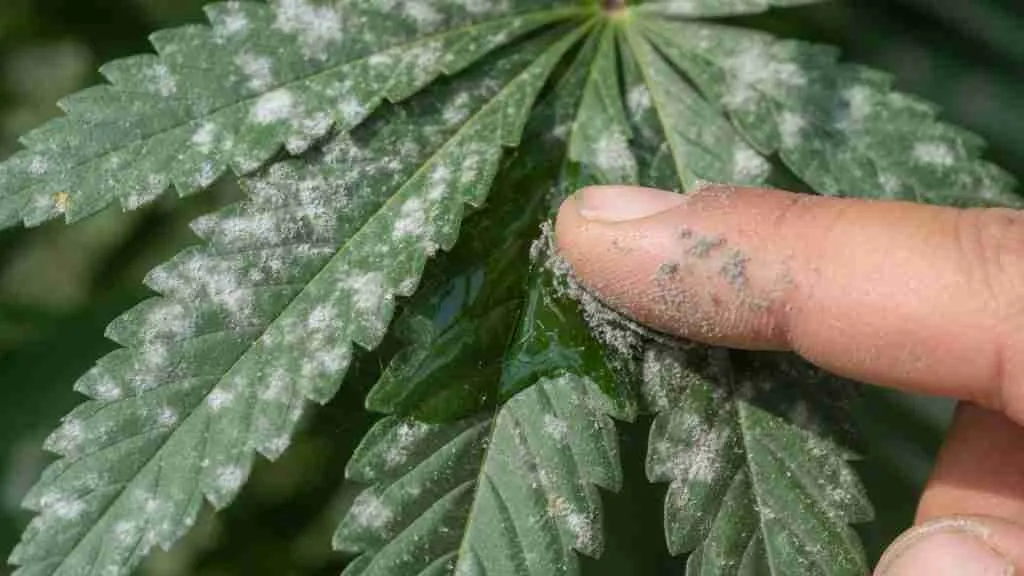
Do this before you spray anything. Rub one patch with a clean fingertip or a dry cotton swab.
Powdery mildew smudges. You get a clean green streak and grey-white dust on your finger. Trichomes do not wipe off like flour. They are sticky gland heads on sugar leaves and buds. They glitter. They smear resin, they do not dust. Mineral residue from hard water or an old foliar mix wipes off and stays gone. Mildew comes back in a day or two if the colony is alive. Dust sits on the leaf and blows off. Mildew is attached and growing in circles that spread outward.
On a flower, use a loupe. Trichomes look like tiny mushrooms with a stalk and a head. Powdery mildew looks like flat threads and chains of oval spores sitting on the surface. If you see cobwebs between trichomes, that is mildew in the bud, not frost. That is a harvest decision, not a “one more spray” decision. Flower timing is growing cannabis flowering stage of growth.
How Powdery Mildew Spreads From Plant to Plant
Spores ride air. Outdoors they move on dry, mild wind. Indoors they move on the oscillating fan you aimed at the canopy, on the intake, and on you. They stick to hands, sleeves, scissors, trellis, and dog fur. Touch an infected leaf, then a clean plant, and you did the fungus a favor. The original hygiene rule still stands: work the infected plant last, or only. Wash with soap. Change the shirt if you were in a bad room. Shut shared ventilation between a dirty room and a clean one until the outbreak is under control.
Old infected vegetation left in a corner will restart the party when conditions line up. Do not compost those leaves back onto the same pots. Bag them. Take them out. The original warning about leftover plant material in the room is the one people skip, then they wonder why the next run spots in week two.
First Moves When You Find It
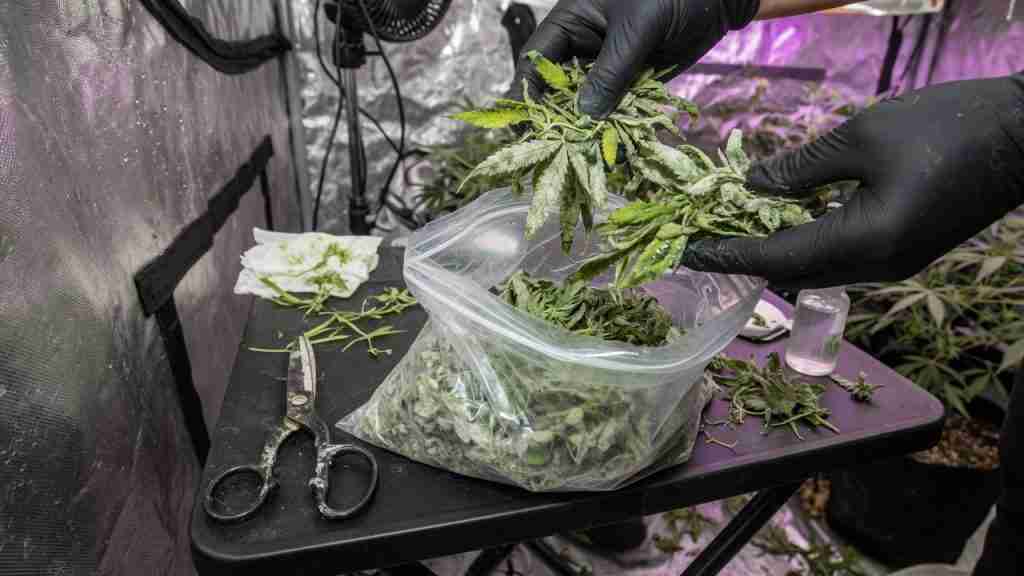
Turn the big circulation fans down while you work so you are not fogging the room with spores. Isolate the plant if you can move it without shaking it. Bag the worst leaves before you cut. Cut into the bag. Do not walk a fistful of white fans across the tent. Wash your hands. Then look at every other plant, undersides included.
The original page said not to defoliate an infected crop. That still means do not strip a plant to sticks. You spread spores while you work, and you leave the remaining tissue as the only landing pad. Remove the heavily coated fans. Leave enough leaf that the plant can still eat light. Healthy defoliation on a clean plant is a different job: defoliate cannabis.
Then change the room. Sprays on a still, wet, crowded canopy are a weekly hobby. Air that actually moves every leaf, plus humidity the fungus hates, is the treatment that lasts. Environment numbers live on best growing environment for cannabis.
Change the Room Before You Live in the Spray Bottle
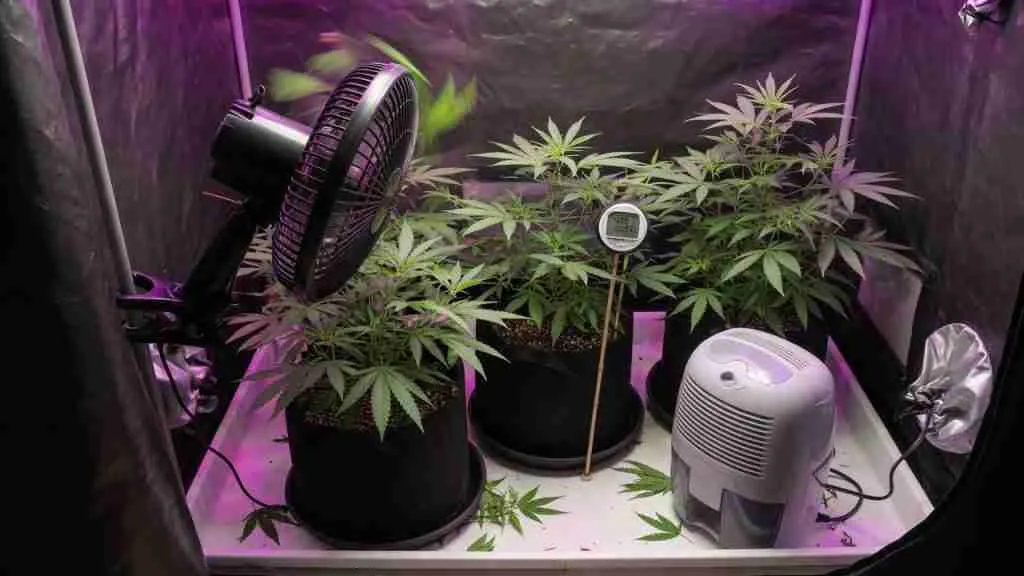
Hold veg around 50 percent RH if you can. Flower at 45 to 55 percent early, then drift toward 40 to 45 percent late. Powdery mildew slows hard near 40 percent RH. It likes 60 percent and a dead pocket of air. Oscillating fans should make every fan leaf twitch. Leaves that never move are the ones that spot first. Space plants so they do not share a wall of foliage. Outdoor, full sun and a walkable gap beat a shady hedge against a fence.
Big day-to-night temperature swings spike night humidity. That is an infection window even when your afternoon reading looks fine. Water earlier in the day so pots are not panting into lights-off. Watering basics: how to water cannabis plants. A dehumidifier that actually holds the number pays for itself in one saved run. Foliar feeding in bloom is a separate moisture risk: foliar feeding cannabis plants in flowering.
What to Spray, and When
Two families of treatment exist, same as the original page said: homemade leaf-surface mixes, and labeled fungicides. Both only work if you wet the colony. Tops and undersides. Missed spots are nurseries. Test one leaf and wait a day. Spray at lights-off or on a cloudy morning so the leaf dries before night and you are not cooking mix under a hot diode. One pass is not a cure. Repeat on a 5 to 7 day cycle while you still see new spots, then keep scouting.
Potassium Bicarbonate
This is the spray ranking growers reach for first in 2026, and it is the one with a controlled cannabis trial behind it. Scott and Punja at Simon Fraser infected high-THC plants and compared weekly sprays. Potassium bicarbonate cut disease about 72 to 83 percent. Neem oil landed about 60 to 81 percent. Hydrogen peroxide managed about 17 to 52 percent. Milk and baking soda were not in that trial at all.
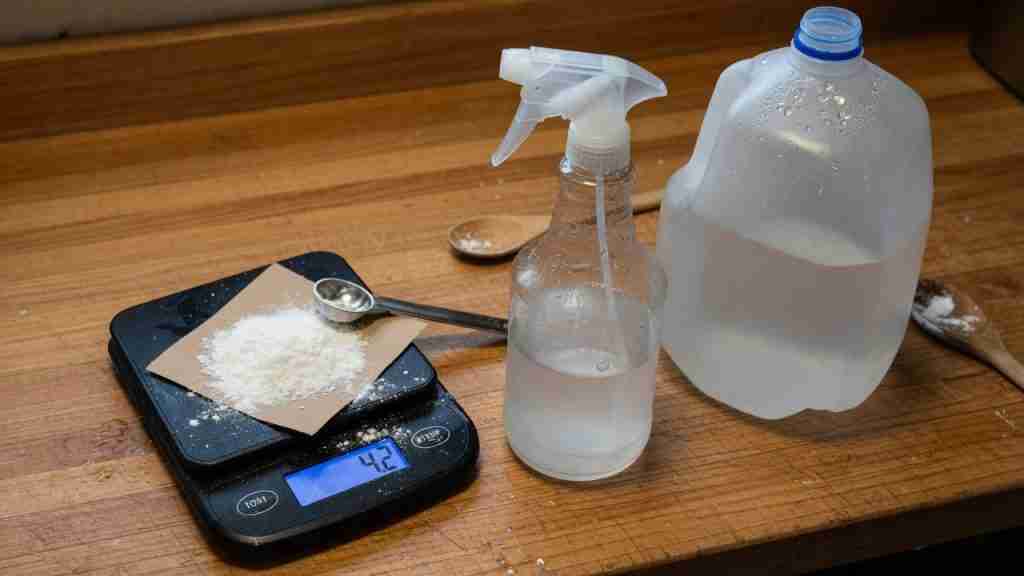
Use a labeled potassium bicarbonate product at the label rate, or about 1 tablespoon per gallon of water if you are mixing food-grade powder. Weigh it if you can. A heaping spoon varies. Two tablespoons per gallon has burned new growth for people who “turned it up.” A drop of mild soap helps it wet the leaf. Cover tops and undersides to runoff. Veg and early flower, on leaves. Stop once buds are stacking if you cannot keep the mix off the flowers. It raises leaf-surface pH and disrupts the fungus on contact. It does not live in the plant. Miss a week and it can come back.
Hydrogen Peroxide
Household 3 percent peroxide, 1 part to 9 parts water, is the home mix a lot of outdoor growers still use. It oxidizes surface growth and then it is gone. That is why the trial numbers are weaker. It does not leave a film. It is useful as a wipe on a few spots, or as a last-ditch leaf spray when you do not want oil in the room. Test first. Keep it off open flowers if you can. Stronger mixes burn. Repeat every few days until a week passes with no new patches. It is a tool. It is not the whole program.
Baking Soda, the Original Mix
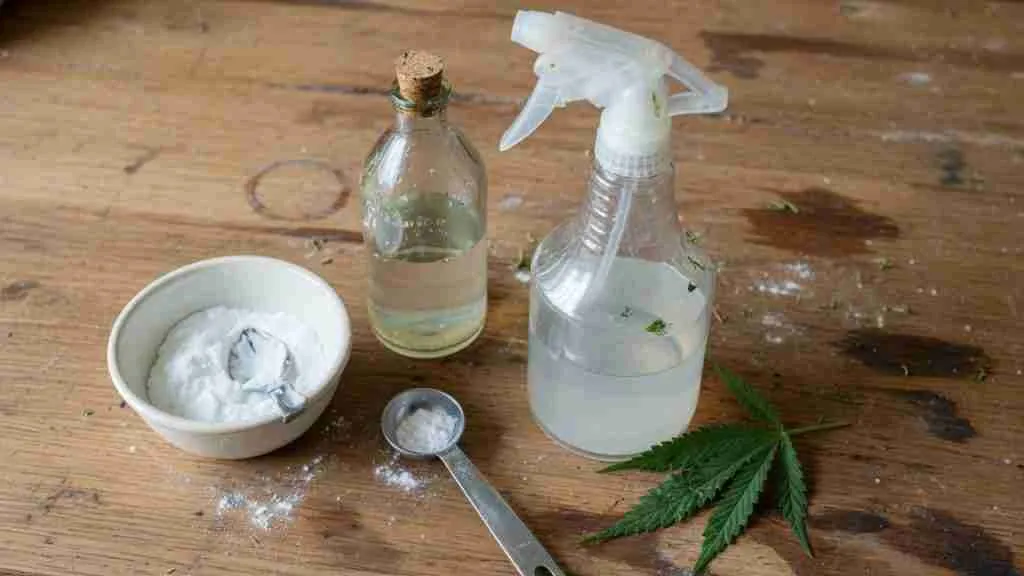
The original recipe on this page is still the cheap preventative: 1 tablespoon of baking soda and a few drops of liquid dish soap in a gallon of water. Shake it. Spray the whole plant. It changes the pH on the leaf so spores have a harder time germinating. Sodium bicarbonate is not the same salt as potassium bicarbonate. It is milder and it can leave sodium on the leaf. Use it as prevention and as a light veg spray. Do not treat it as the knockout punch on a tent that is already white.
Vinegar, the Other Original Mix
Two to three tablespoons of white vinegar or apple cider vinegar in a gallon of water was the second homemade mix on this URL. Same idea: change the leaf surface, spray as a preventative every few days if your room is prone to it. The original said it is safe in veg and flower. Keep it off dense colas anyway. Acid on pistils is how you get burnt hairs. Mix vinegar and baking soda in the same bottle and you get fizz and a weaker residual. Pick one homemade mix, or step up to potassium bicarbonate. Do not stack every kitchen bottle on the same night. Leaf pH work also shows up in pH for growing cannabis, which is about the root zone. Do not confuse a foliar pH trick with a soil pH program.
Neem, Sulfur, and Copper Stay in Veg
Neem oil coats and smothers. The cannabis trial liked it. Keep it off open flowers. Never spray oil under hot lights. Never mix oil and sulfur inside two weeks. You will scorch tissue. Sulfur, wettable or a burner, is a veg weapon. It works. It tastes like a match if it is on a bud. Do not run sulfur in flower. Copper products are the other over-the-counter option the original page named. Use them as a veg preventative or an early breakout stop. Do not use copper in flower, and do not smoke a plant you just painted with it.
Milk sprays show up on ranking listicles. One part milk to three or nine parts water, depending on who you read. They have never been tested on cannabis in a controlled trial. If you use milk, you are running a kitchen experiment. Bright light is part of how people think it works. It can also smell. Potassium bicarbonate is the grown-up version of the same “change the leaf surface” idea.
Powdery Mildew During Flowering

Flower is when most growers find it, because that is when they finally look at the interior. White on a green bud is not frost. You cannot dial humidity to zero and watch it vanish. Treat the fans you can reach. Keep liquid off stacked colas. Wet flowers plus still air is how you trade powdery mildew for bud rot. Stop foliar mixes at least two weeks before harvest so you are not smoking residue. The original “no fungicide you would not smoke” rule still stands.
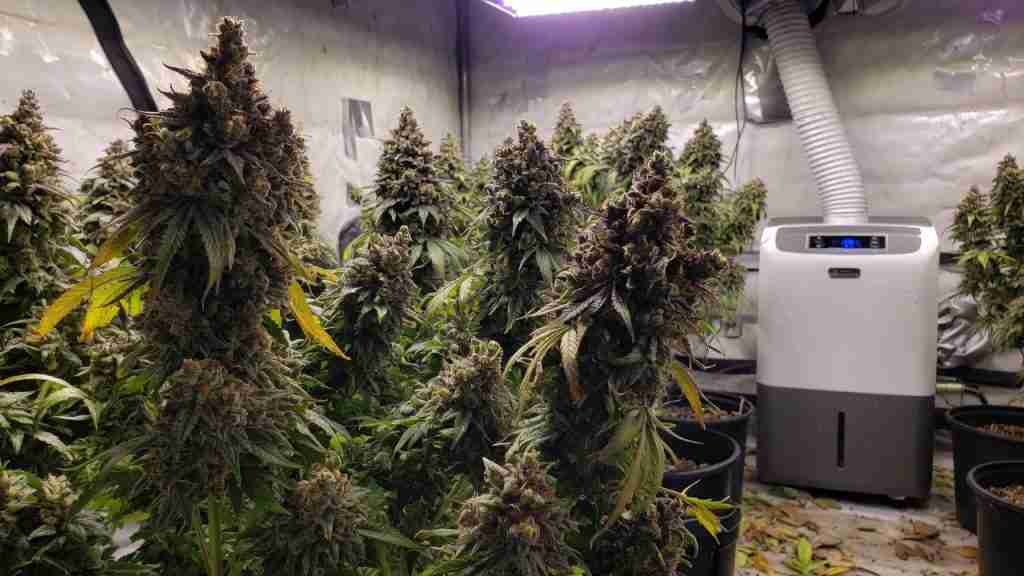
Late Flower
If the plant is white in late flower, you are not going to spray your way to a clean jar. The original advice was to harvest and deal with the buds, because further spraying just moves billions of spores and soaks the cola. That is still the honest call. The harvest-with-mildew walkthrough is harvesting cannabis with powdery mildew. Chop, bag the waste, and clean the room the same day. Hanging a mildew plant next to a clean one in the dry tent is how you gift the next crop a problem. Dry and cure: dry, cure, and store cannabis buds.
Clones and Mothers
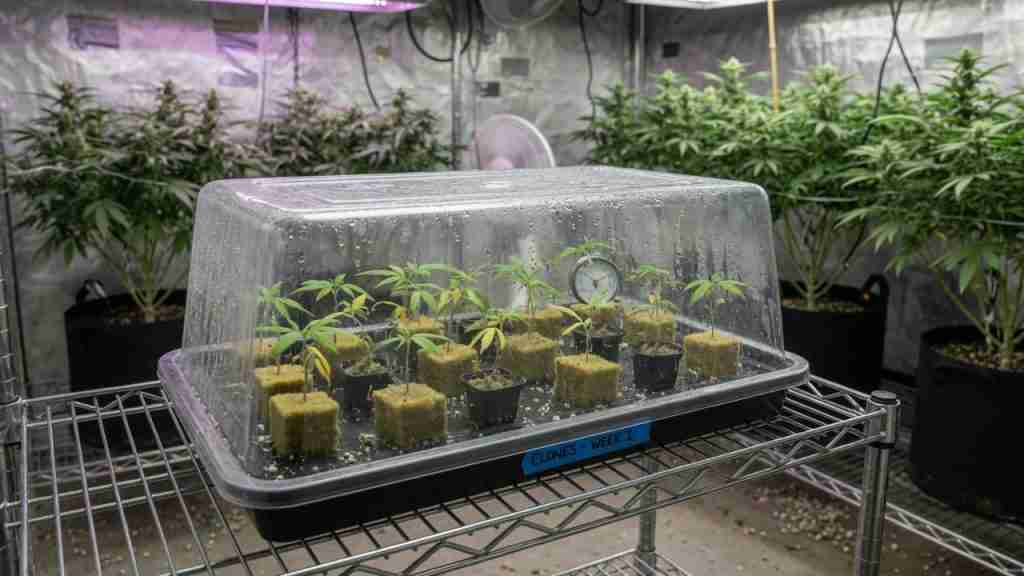
Mildew on a clone is a mother problem until you prove it is not. Quarantine new cuts 7 to 10 days. Dome humidity is a spa for spores. Scout the mother before you take more wood. Treat both. A “clean” clone from a friend’s tent is a classic way to import this fungus. How-to on cuts: how to clone cannabis. Veg plants that stay too wet and too tight get it next: cannabis vegetative stage.
Soil, Pots, and Whether You Can Reuse the Mix
Powdery mildew is not a root rot. It does not live in the mix the way pythium does. It lives on living leaves and on the junk you left behind: fallen fans, trellis, pot rims, tent corners. The original page treated soil as a reservoir and told you to dump it or bake it. Dump the leaf litter. Wipe the pots. Do not compost infected fans into the next round. If the mix is otherwise healthy, you can reuse it after you strip plant waste. Baking soil to 135 C (275 F) in turkey trays, the original last-resort, will kill more than mildew. It also kills the biology you paid for. Save the oven for a mix you already distrust for root disease. Living vs inert soil is dirt vs living soil. A soil drench of baking soda and vinegar once a month, from the original recipe, is optional insurance. It is not a substitute for bagging leaves and moving air.
Harvest Wash, and When to Scrap the Plant
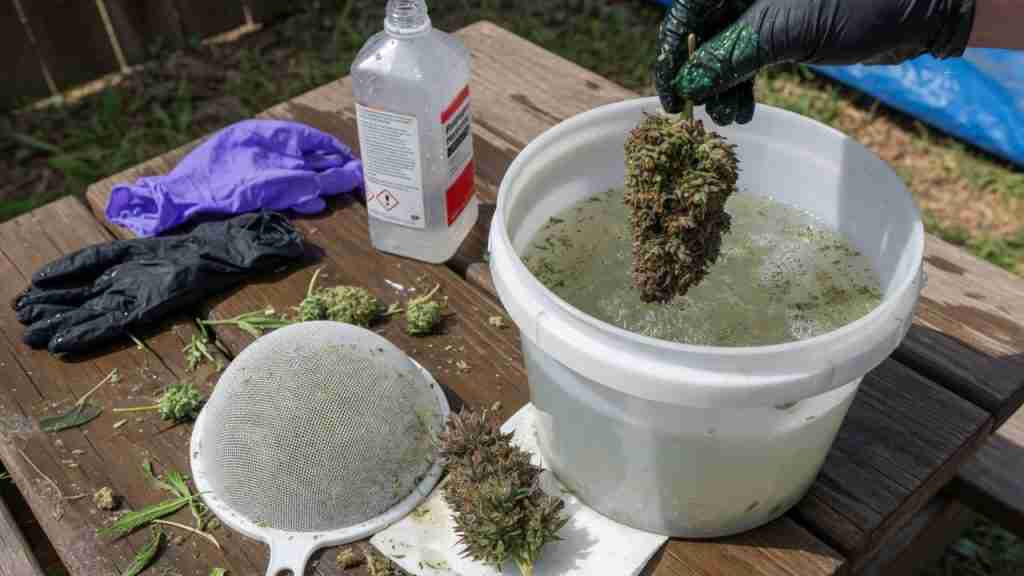
If the plant is still green and you are early, fight. If fans are yellow, growth has stopped, and the film is on the flowers, cut losses. The original scrap line was: try the treatments while the plant is still healthy, destroy it when it is dying. That is still the right fork.
If you harvest through it, the original wash is a bucket of water with hydrogen peroxide and lemon juice. Dunk whole colas. Get into the infected sites. Dry them with moving air, then cure. Watch the jars. If the white comes back in the jar, those buds are done. Do not smoke them. Do not vape them. Destroy them. A wash is a salvage, not a guarantee. Full harvest timing: how to harvest and cure cannabis plants. Storage after a clean cure: storing your buds long term.
Is Powdery Mildew Harmful to Humans
Touching it is not a poison event. Some people react. Inhaling it is the problem. Do not smoke or vape buds you know have mildew. Destroy them. That was the original warning and it is the one that matters. A jar that smells like a gym sock instead of the strain is another tell. Allergic lungs plus spore-loaded flower is a stupid experiment.
Clean the Grow Space
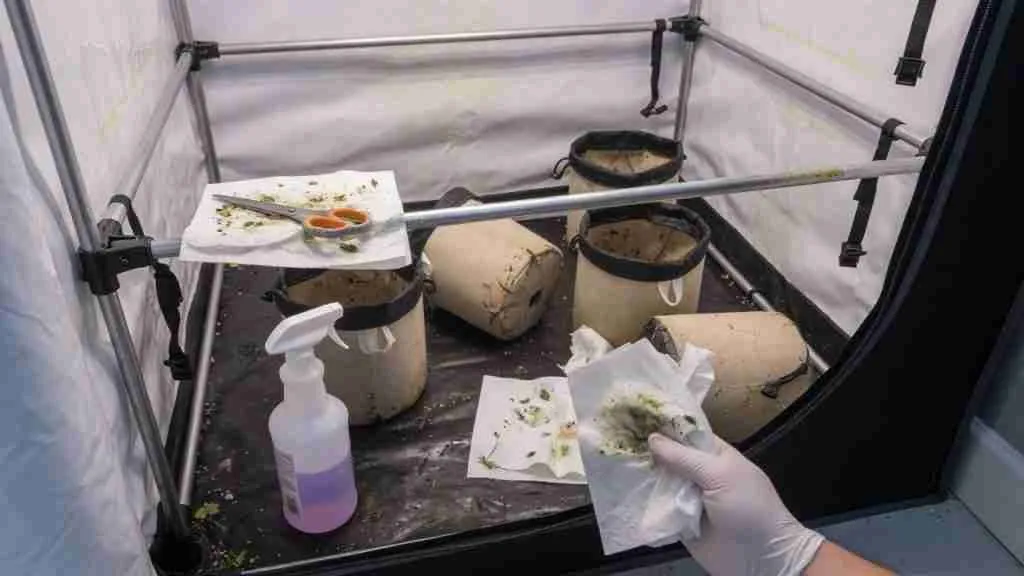
After an outbreak, wipe the room. Isopropyl alcohol on tools, poles, trays, scissors, and tent corners. The original said ISO kills the spores on surfaces. Do the whole kit, not just the scissors you remember. Pull plant waste. Wash clothes. If two rooms share a duct, clean both. A “clean” tent with last run’s trellis net is not clean. Then scout the next veg like you mean it. A beginner checklist still helps: new cannabis growers checklist.
Keep It Out of the Next Run
Quarantine clones. Give plants space. Move air through the canopy. Hold flower humidity down. Scout undersides. Ask the breeder about mildew resistance if you grow in a wet climate or a packed tent. Some marijuana lines take it. Some shrug. That conversation belongs with cannabis seed breeders and the packs in the store. Outdoor sun and spacing still beat a spray calendar: growing cannabis outdoors. A weed plant in full sun with a walkable gap and a weekly underside check beats a weekly spray on a hedge you never look at.
Powdery mildew on cannabis is a scouting problem first. Identify the flour. Bag the worst leaf. Change the air. Then spray what you can justify on that stage of the plant. Keep the original kitchen mixes for prevention. Use potassium bicarbonate when you need a contact kill. Leave sulfur and copper in veg. Keep liquid off late flowers. Do not smoke what you could not clean. That is the whole job.