Post-Vegetative Stress Recovery in Cannabis Cultivation: Reviving Plants for Flowering Success


Hey there, fellow grower! Picture this: you’ve babied your cannabis plants through the veg stage, watching them stretch out like kids hitting a growth spurt. But then, bam—something goes wrong. Maybe a heat wave hit, or you forgot to water them for a day too long. Now they’re looking droopy, yellowed, and downright unhappy, right on the cusp of flowering. Don’t sweat it; that’s where stress recovery in cannabis cultivation comes into play. We’re talking about those revival techniques for cannabis that can turn things around, especially in post-veg growing cannabis seeds. You’ll learn how to nurse them back to health so they bloom like champs. Let’s dive in, shall we? I’ll walk you through it step by step, like we’re chatting over a cup of coffee in your grow room.
Understanding Post-Vegetative Stress in Cannabis Plants
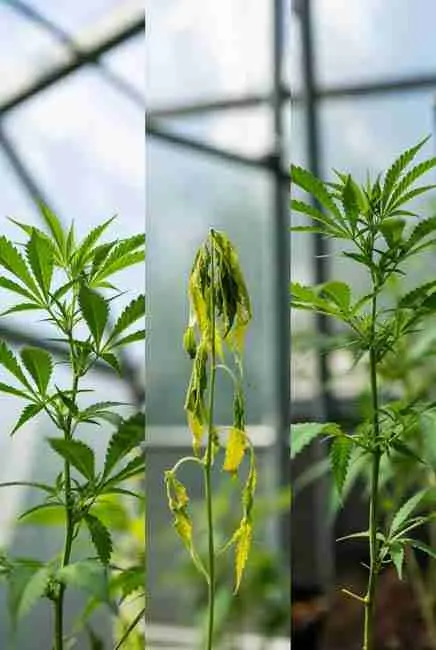
So, you’ve got your plants past the vegetative phase, huh? That’s the time when they’re building strong roots and leaves, soaking up light like sponges. But stress? Oh boy, it sneaks up like a thief in the night. Post-vegetative stress happens just as you’re flipping to flower, and it can mess with everything from bud size to potency. Think of it as your plant throwing a tantrum because conditions aren’t perfect.
First off, what causes this mess? Well, environmental hiccups are big culprits. Too much heat, and your plants start panting like a dog in summer. Too little humidity, and leaves curl up tighter than a fist. Then there’s overwatering—roots drown, turning mushy and useless. Underwatering? They wilt faster than lettuce in the sun. Pests like spider mites can chew away, leaving your green buddies weakened. Nutrient imbalances hit hard too; maybe you’ve skimped on nitrogen, and now leaves are fading yellow.
However, not all stress is bad. A little bit, like mild drought, can toughen them up, making buds denser later. But overdo it, and you’re in recovery mode. In stress recovery cannabis cultivation, recognizing the type matters. For instance, if you’ve just transplanted, that’s transplant shock—roots get jostled, and the plant sulks. Fixes for transplant shock include gentle handling and a cozy new pot with fresh soil.

Real talk: I once had a batch of plants that looked like they’d given up after a power outage killed my lights for two days. They were leggy and pale, but with some tweaks, they bounced back stronger. That’s the beauty of revival techniques in cannabis; your plants are resilient if you play your cards right.
Pros of addressing stress early? Bigger yields, healthier buds, and less risk of hermies—those pesky plants that turn male on you. Cons? It takes time and patience; ignore it, and you might lose the whole crop. Specs to watch: Keep temps between 70-85°F during recovery, humidity at 40-50%, and pH around 6.0-6.5 for soil grows.
Identifying Signs of Stress After the Veg Stage
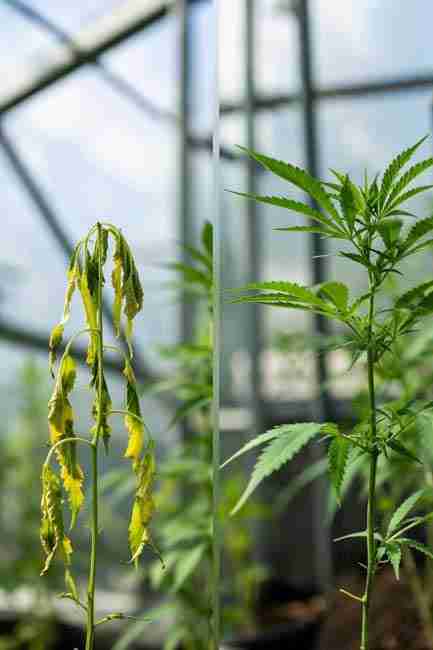
Alright, let’s get detective on this. Your plants won’t scream “Help!” but they’ll show signs louder than a fire alarm. Spotting them early is key to post-veg growing cannabis seeds success.
Leaves are your first clue. Yellowing at the tips? Could be nutrient burn from too much fertilizer. However, if it’s the lower leaves turning yellow, that’s probably nitrogen deficiency—your plant’s starving as it preps for flowers. Drooping leaves scream overwatering or root issues. Curling edges? Heat stress or wind burn, my friend.
Stems tell tales too. Weak, bendy ones mean not enough light or calcium. Purple stems? Often phosphorus shortage, especially in cooler temps. And buds—if they’re forming early and sparse, stress might be forcing premature flowering.
Pests? Look under leaves for tiny webs or spots. Fungus gnats buzzing around soil? Root problems brewing. Interjection: Yikes, nobody wants that!
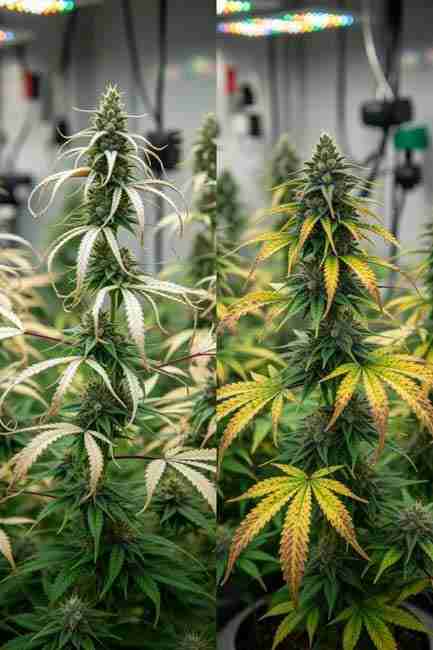
In one grow I did, my plants started spotting brown after veg—turned out to be calcium deficiency from hard water. A quick flush and some Cal-Mag fixed it. For revival, always check roots if you can; white and fuzzy is good, brown and slimy is bad news.
Pros of early ID: Saves money on wasted nutes and time. Cons: Misdiagnose, and you make it worse—like adding more water to an overwatered plant. Specs: Use a magnifying glass for pests; aim for EC levels of 1.0-1.5 in recovery phase.
Common Causes of Stress in Post-Veg Cannabis Cultivation
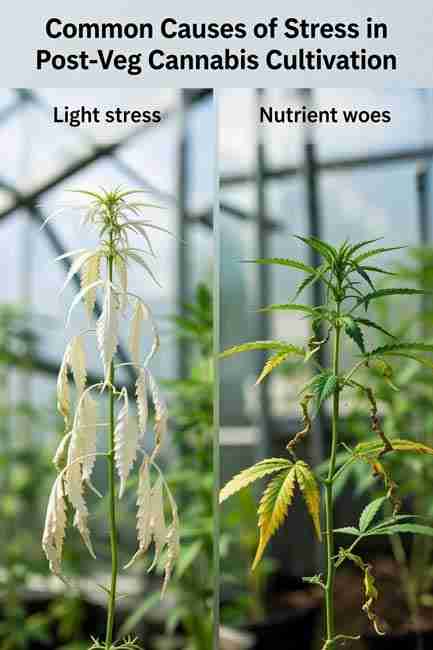
Diving deeper, let’s break down the villains. Light stress tops the list. Too much, and leaves bleach white; too little, they stretch tall and thin, hunting for rays. Adjustments? Dim those LEDs or add reflectors.
Nutrient woes are sneaky. In post-veg, plants crave more phosphorus and potassium, less nitrogen. Overfeed, and you lock out other nutes—hello, deficiencies! Boosts like bat guano or bone meal help.
Transplant shock hits when you move plants. Roots hate disturbance, so they stall growth. Fixes include using root stimulants like seaweed extract.
Environmental flips: Switching to 12/12 light cycle stresses them if not gradual. Pests and diseases? Aphids suck sap, powdery mildew coats leaves white. Prevention beats cure—neem oil sprays work wonders.
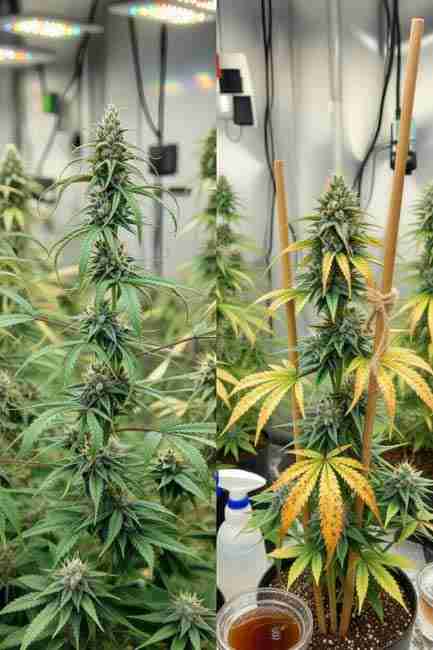
Water quality matters; hard water builds salts, blocking uptake. RO filters can save the day. And don’t forget pH swings—too high or low, and nutes become unavailable.
Story time: A buddy of mine ignored pH in his hydro setup post-veg. Plants locked out, yields tanked. But with adjustments, his next run was a bumper crop. Pros of fixing causes: Robust plants. Cons: Trial and error needed. Specs: Test water pH weekly, keep under 7.0.
Revival Techniques for Stressed Cannabis Plants
Now, the fun part—bringing them back! Revival techniques in cannabis are like CPR for your greens. Start slow; don’t overwhelm.
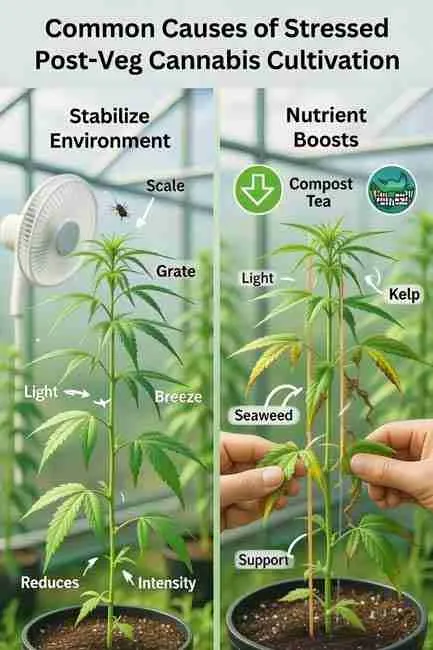
First, stabilize environment. Dial in temps, humidity—use fans for air flow, but not blasting directly. Light adjustments: Reduce intensity by 20% for a week, then ramp up.
Water wisely. Flush soil with plain pH’d water to clear salts. Then, introduce half-strength nutes. For hydro, change reservoir completely.
Nutrient boosts: Add compost tea for microbes, or Epsom salts for magnesium. Seaweed kelp for hormones that aid recovery.
Prune damaged leaves gently—think haircut, not buzz cut. Support stems with stakes if weak.
For transplant shock fixes, mycorrhizae fungi bond with roots, boosting uptake. Apply at repotting.
In my experience, a stressed plant post-veg perked up after a molasses drench—sugars feed beneficial bugs in soil.
Pros: Higher potency buds. Cons: Delays flowering by days. Specs: Use 1 tsp molasses per gallon water, once a week.
Step-by-Step Recovery Plan
Here’s a roadmap, buddy. Day 1: Assess and flush. Day 2-3: Stabilize lights and temps. Day 4-7: Low-dose nutes. Week 2: Monitor new growth.
Advanced Tips for Flowering Prep
Once recovering, top dress with worm castings for slow-release goodness. Foliar spray B vitamins to reduce stress hormones.
Nutrient Boosts to Aid Recovery

Nutrients are your secret weapon. Post-veg, focus on balanced feeds. Phosphorus for roots, potassium for strength.
Boost with organics: Alfalfa meal for nitrogen, without overload. Bat guano for bloom kickstart.
Inorganics? Bloom boosters like PK 13/14, but dilute.
Pros: Faster revival. Cons: Risk of burn if overdone. Specs: Start at 1/4 strength, build to full.
Table of Nutrient Boosts:
| Nutrient | Source | Benefits | Dosage per Gallon | Pros | Cons |
|---|---|---|---|---|---|
| Nitrogen | Alfalfa Tea | Leaf repair | 1 tbsp | Gentle release | Slow acting |
| Phosphorus | Bone Meal | Root recovery | 2 tsp | Builds strength | Can raise pH |
| Potassium | Kelp Extract | Stress resistance | 1 ml | Adds hormones | Salty if overused |
| Calcium | Cal-Mag | Stem support | 5 ml | Prevents deficiencies | Hard water conflict |
| Magnesium | Epsom Salt | Chlorophyll boost | 1 tsp | Cheap | Temporary fix |
Light Adjustments for Stressed Plants
Lights can make or break recovery. Post-veg, switch to red-spectrum LEDs for flowering signals, but dim if stressed.
Hang higher—18-24 inches away. Use 18/6 cycle briefly to veg-recover if needed.
Pros: Promotes bushiness. Cons: Energy cost. Specs: 300-500 PPFD for recovery.
Preventing Future Stress in Cannabis Cultivation
Learn from mistakes, right? Consistent checks: Daily temp logs, weekly pH tests.
Build resilience: Start with quality seeds from reputable banks—strong genetics handle stress better.
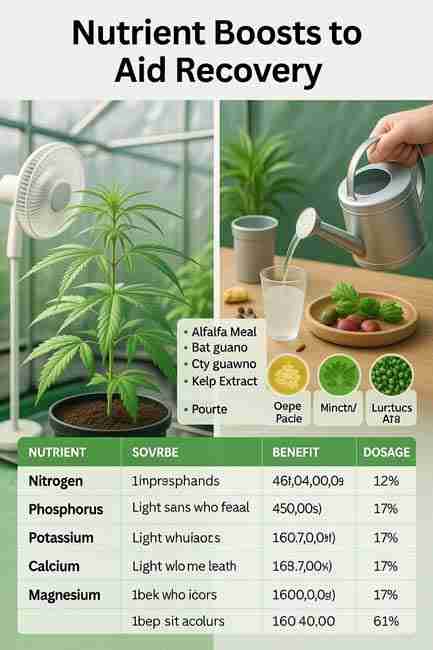
Companion planting: Marigolds deter pests.
Story: After one bad run, I automated my setup—timers, sensors. No more surprises.
Pros: Peace of mind. Cons: Upfront cost. Specs: Invest in hygrometers under $20.
Pros and Cons of Stress Recovery Methods
Weighing it out: Organic boosts? Pros: Sustainable, flavorful buds. Cons: Slower.
Synthetic? Pros: Quick. Cons: Chemical residues.
Overall, recovery specs: Expect 1-2 weeks delay, but yields up 20% if done right.
Real-Life Examples from Growers
Take Joe, a newbie grower. His plants stressed from overfeeding post-veg. He flushed, added kelp—boom, massive flowers.
Or Sarah: Heat stress wilted hers. Shaded tents, misted leaves—recovered in days.
These stories show revival techniques work if you’re patient.
Integrating Other Cultivation Tips
Tying in broader knowledge: Like cloning—stressed moms make weak clones, so recover first.
Or autoflowers: They stress easier, so gentle handling.
From breeding: Stable strains recover faster.
FAQ
What are the best revival techniques for cannabis after vegetative stress?
Flush soil, adjust lights, and boost with kelp or compost tea. Monitor closely for new growth.
How do I fix transplant shock in post-veg growing cannabis seeds?
Use root stimulants, keep humidity high, and avoid direct light for a few days. Gentle watering helps too.
Can nutrient boosts speed up stress recovery in cannabis cultivation?
Absolutely! Start with half-strength blooms, add Cal-Mag for deficiencies. Organics like worm castings provide slow support.
What light adjustments help stressed cannabis plants recover?
Dim intensity, raise fixtures, and stick to 18/6 if needed before flipping back to 12/12.
How long does post-vegetative stress recovery take in cannabis?
Usually 7-14 days, depending on severity. Watch for perky leaves as a sign.
Are there risks in using revival techniques for cannabis?
Overdoing nutes can cause more burn. Always start low and slow.
There you have it—your roadmap to stress recovery cannabis cultivation. With these tips, your plants will thank you with fat, frosty buds. Happy growing!