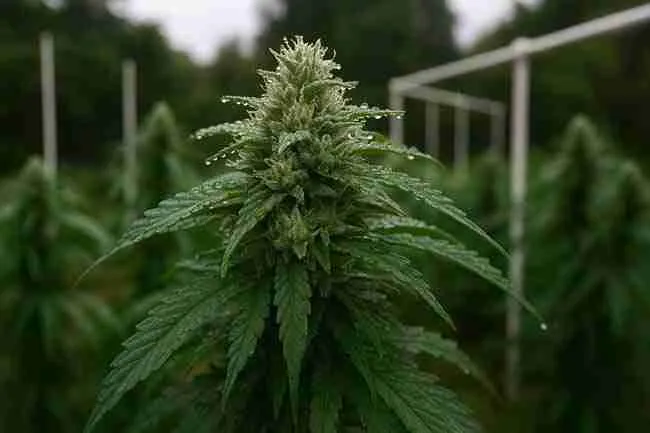
Planting Cannabis Outdoors in North America


Planting Cannabis Outdoors in North America starts with two dates in your own yard: the last frost that can still kill a seedling, and the first frost that can ruin flowers. The colored hardiness map is a winter record. It tells you how cold a typical January gets. It does not name the week you sow, and it does not promise the week you cut.
Most arguments about outdoor timing are arguments about the gap between those dates. A short gap means the plant has to finish while the weather is still kind. A long gap means the plant can get large, and the thing that ends the run is often mold, a storm, or a shrub that no longer fits the yard. The same seed is a different plan in those two gardens.
Read the frost history for the weather station you would actually drive to, then watch your own ground for a couple of seasons. A lake, a hill, a city, and a valley floor move those dates by more than a casual chart admits. If you cannot name your last spring frost and your first fall frost, you do not have a planting date yet. You have a guess with a color attached. Write the dates down. A notebook from your yard beats a continental poster by the second summer.
The map is a winter floor
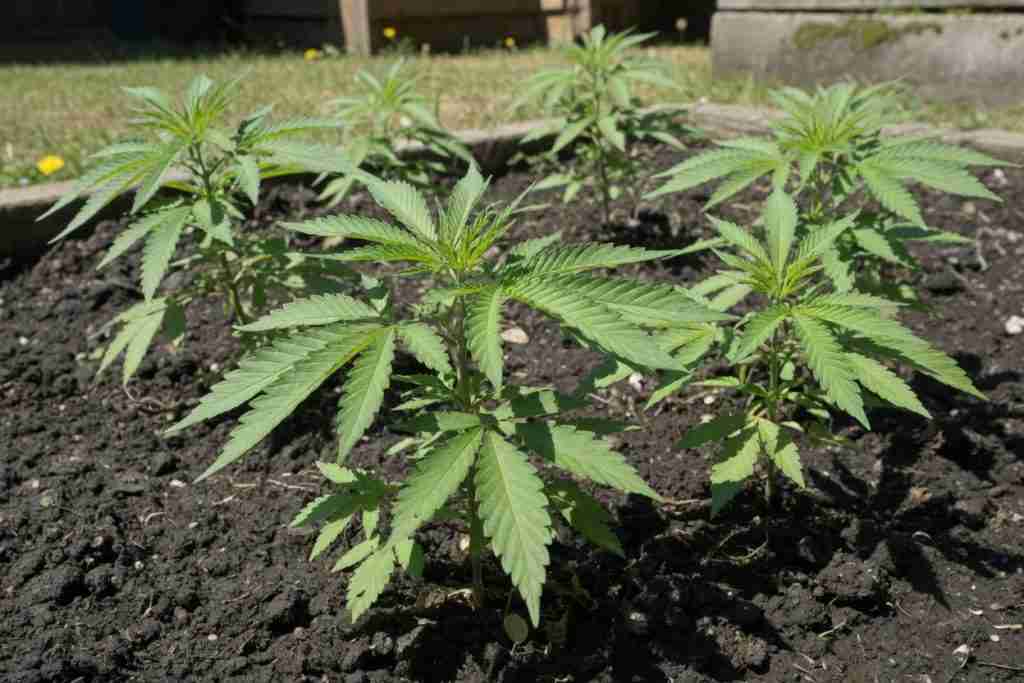
The USDA Plant Hardiness Zone Map, the edition released in 2023, colors the continent by the average coldest night of winter. Gardeners use it to guess which perennial shrubs survive January. Cannabis is an annual you cut down in the fall, closer to a tomato that must ripen before the cold than to a bush that has to live through it. The color still helps, because a colder winter floor often sits beside a shorter summer. The color is still not the summer. Two gardens painted the same shade can be weeks apart on the first frost if one sits in a river bottom and the other sits on a slope where cold air drains away.
People treat a higher number like a license for an easier plant. It is only a milder winter. A mild winter on a humid coast can still rot flowers in a long wet autumn. A colder number on a dry plateau can still finish a fast plant if the fall stays clear and the wind does not shred it. Buy the seed for the finish you can actually reach, not for the color on a thumbnail. The half-steps beside a number, the a and the b, are a finer cut of that same winter floor. They do not add a planting week. If your side of town was redrawn a shade warmer on the new map, the frost you remember did not move with the legend.
Use the map in three moves and then put it away. Find your color so you know the winter you live in. Find the frost dates for the station nearest the garden. Then ask whether a slow plant can ripen inside the fair weather you have left after the days shorten. If the gap is tight, you do not have room for a long flower plus a week of bad weather at the end. If the gap is generous, you still stop for mold, for heat, and for the size you can dry.
An average frost date is the middle of a scatter, not a promise. Plenty of years freeze a bit later, and plenty freeze earlier. Planting on the printed average is how a seedling meets a night the chart called finished. Wait for a settled stretch after that date, and read the forecast for the week you mean to move plants. One warm afternoon over cold soil is not a season. Put your hand in the ground in the morning. If it still feels like a cellar, the roots will sit there and sulk while the air looks friendly. Soil that has woken up feels closer to the day than to the shade behind the shed.
Walk the yard you plant
Cold air sinks. The bottom of a slope, a hollow behind a shed, and a spot against a north wall stay colder and darker than the open middle of the same lot. A plant there is in a different season from a plant by the south fence, even though a map uses one color for the whole town. Walk the yard on a cold morning and again in the late afternoon. Note where the sun actually lands, where water sits after rain, and where the wind comes through a gap in the fence. That walk is your local correction to the poster.
The pockets inside one lot get their own attention on the outdoor microclimates page. High ground does a harsher version of the same trick. Towns at elevation lose the night earlier in fall and keep a later spring, even when the map color matches the valley an hour down the road. If you drive up to the garden, use the frost dates for the garden, not for the city where you buy groceries. A city holds heat of its own. A downtown alley and a field twenty minutes out do not share a last frost. If your only date comes from a forum in the big city, add caution before seedlings go out.
Covers, hardening, and the morning you take a sheet off belong on the colder climates page. Use that when the date is close and the forecast still argues. A cover for one surprise night is a tool. A cover that lives on the plant for a week is a damp tent you forgot to open. The zone color will not tell you which of those you did. The leaves will, a few days later, if you changed only one thing.
Planting Cannabis Outdoors in North America
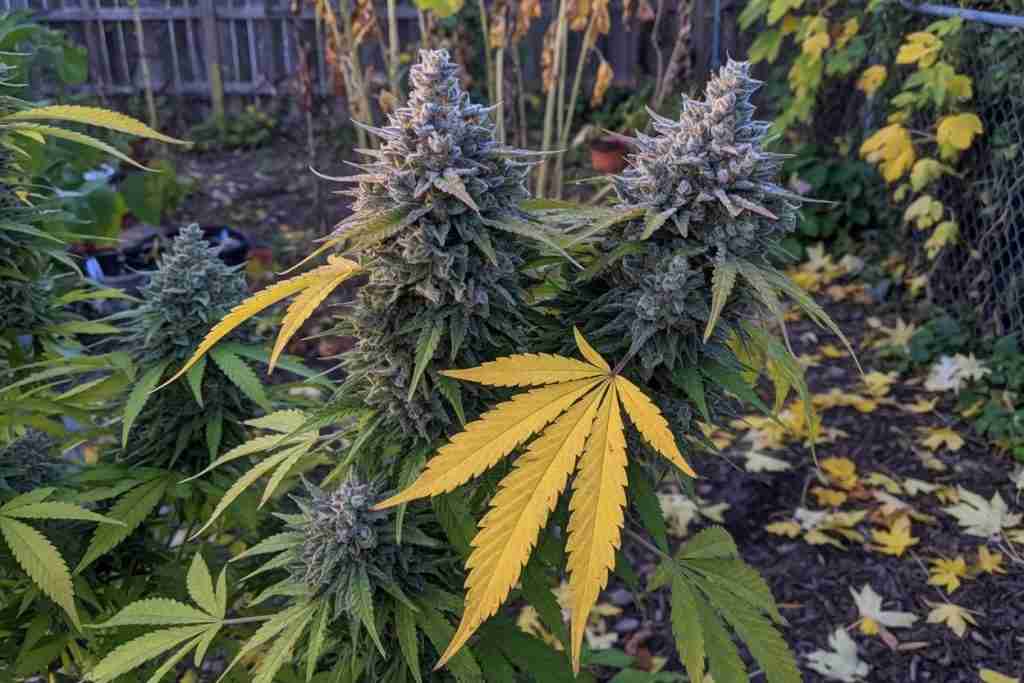
A photoperiod plant flowers because the days get shorter, not because you picked a weekend. Across the northern half of the continent that turn comes in late summer, and the flowers still need time to ripen before a hard frost. Farther north, midsummer days run very long, so the plant stays leafy through the best sun, and then the days drop off quickly. Flower season gets squeezed against the cold. That is why a fast finish matters more as you go north, and why a slow haze that looks wonderful on a southern coast runs out of calendar on a prairie. Farther south the day-length change is gentler and the frost sits later, so a slower plant has room. You do not need a latitude gadget. You need to notice when your own days stop feeling endless, and how soon after that the nights turn sharp.
A plant with a long flower runs out of fair weather in a short gap. A faster photoperiod, or an autoflower that finishes on age, is the plant that matches the gap. The choice between those clocks lives on the photoperiod and autoflower page. This page only asks whether your gap is long enough for the clock you already bought. Named packs, and which of them have been selected for a wet fall, live on the outdoor seed page. Collecting famous names beside zone numbers is how people order a plant their autumn cannot finish.
Start the seeds inside while the garden is still cold. That head start is how a short summer still makes a plant with some size. Give the seedlings a real lamp. A dim north window makes a tall weak stem that falls over the first week outdoors. Move them when frost is done and the days are long. A photoperiod set outside while spring days are still short can begin to flower, then try to grow leaves again once the days stretch. You spend the head start on a stall. Wait until both the frost and the day length agree. Once the plant is in the ground, watering, mulch, and the finish itself belong on the outdoor growing page. The zone note ends at the decision to put the plant out. It does not replace the rest of the season.
An autoflower does not wait for day length, which is why it fits a short summer and can fit a later sowing in a long warm one. It also cannot pause. A cold, wet week right after you set it out spends part of its life on survival, and it will not give those days back by waiting to flower. Plant it when nights have settled, not on the first warm afternoon. In a short season you get one honest window. Miss it and you are hoping the fall will be kinder than it usually is. In a long season a second sowing only makes sense if you are under the plant cap and the second run will ripen before the weather that rots flowers. Count plants you mean to keep. A cup you started “just in case” still counts.
A short summer finishes early
Far northern gardens, prairie towns away from a big moderating lake, and high country share a tight gap. Spring holds on. Fall arrives while a slow plant is still stacking. Plan to be done while the weather is still fair, not while you are racing a forecast with tarps. Fast photoperiods and autoflowers are the tools. A plant that wants a long autumn is a plant for a different town. If your tomatoes regularly quit early, believe the tomatoes. Cannabis flowers are less forgiving than green fruit you can pick and ripen on a windowsill.
Start inside early enough that the transplant is sturdy, and late enough that you are not holding a root-bound pot for a month while you wait on a stubborn spring. The transplant page owns the lift and the pot size. Your job here is the date: after the local frost risk, on a settled stretch, into a spot that sees sun for most of the day. A week of gray cold after the move costs more on an autoflower than on a photoperiod, because the autoflower spends age whether the sun shows or not. If the only week you have is ugly, waiting a few more days for a photoperiod is often kinder than proving you were brave.
Cut when the plant is ready and the weather is about to stop being kind. A clear dry finish beats an extra week of rain on fat flowers. If the flowers are still thin and a hard frost is in the forecast, you were late for that seed in that yard. Next year, pick a faster pack or move the start earlier inside, not outside. Do not dig the plant up to see if it is “behind.” The roots are the part that cannot spare the disturbance. Mark the date you moved it and the date you cut it. Those two notes become the zone guide you will actually trust.
A long season still has a stop
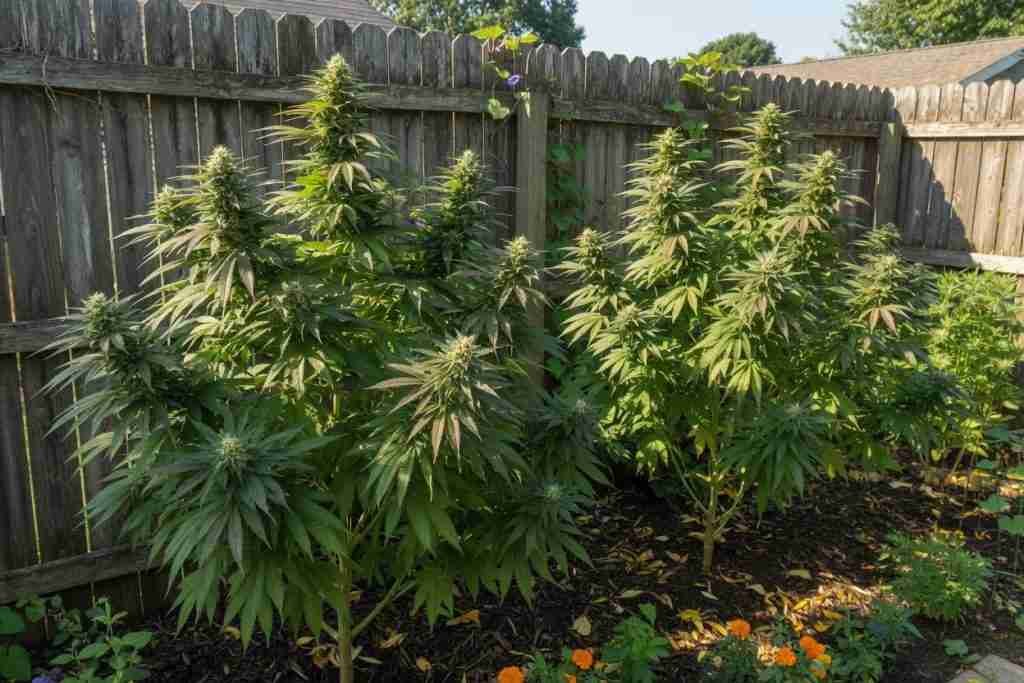
A long season, the kind much of the southern tier and some mild coasts keep deep into fall, lets a photoperiod plant grow large before the days shorten. That size is the reward and the problem. Plants the size of shrubs fill a yard, a dry room, and a neighbor’s view. The number of plants you may keep does not rise because the weather is kind. Finish the plants you can dry well. Leave the rest of the pack closed until you have somewhere honest to put another one. A huge plant that molds in the jar was not a successful reading of the map.
Heat and wet weather end more long-season runs than the first frost does. A plant that stays out through a humid autumn is asking for trouble inside the flowers. Brown rot in a cola has its own page, the bud rot guide. The decision that belongs here is earlier: choose a finish that beats the worst of that weather, give the plant sun and moving air, and do not pack colas into a still corner because a chart said you had time. A region that dries out in early fall can run longer than a region with the same winter color and a rainy month. Ask when the local gardens give up, not when a calendar from a dry valley says the season ends.
A greenhouse is a different machine, with its own heat and its own wet air. If you are growing under glass or plastic, use the greenhouse page. A zone color does not design the vents, and it does not tell you when that house is hotter than the garden beside it. People cook a spring transplant in a closed house on the first bright day, then blame the zone for a plant that never recovered. Open the season to the weather you mean the plant to live in.
A security lamp or a bright porch light on the flowers all night can muddle a photoperiod plant, because the plant is reading the dark as part of the season. Shut the light off or set the garden outside its pool. An autoflower is less fussy about that night, which is another reason it is the simpler plant near a house that never goes fully dark. Do not add a lamp “to help” an outdoor photoperiod in September. You will be arguing with the only clock that plant has.
Coast hill and city disagree
The same state or province holds several gardens. A Pacific slope, a prairie city, a Gulf town, and a mountain bench can share a conversation and not share a season. Coastal air stays milder and often wetter. Inland air swings harder, hot in the afternoon and sharp at night. Elevation shortens the gap even when the winter color looks friendly. Use the dates for the ground you plant. Then believe the colder of the two stories if you are unsure. An early plant can be covered for a night. A frosted seedling in week one of the outdoor life is a restart you may not have calendar for.
Wind is part of the season you live in and not part of the legend. A plains garden that matches a number from a sheltered city will still beat plants flat unless you give them a break. That break should not become a damp pocket with no air. Sun for most of the day, soil that drains after a heavy rain, and air that moves are the site. Where in the yard the plant should stand gets a fuller treatment on the outdoor places page. Pick the spot before you pick the pack. A perfect seed in a soggy shade corner will look like a bad zone.
Do not copy a planting week from a grower whose fall only looks like yours on a screen. Ask what month they harvest, whether the flowers got rained on, and whether the plant finished or got cut early because the forecast turned. A calendar from California is a story about California. A calendar from a forum in Toronto is a story about that grower’s block, not about every town in the province. Your story is the gap between your last spring frost and your first fall frost, minus the weeks you already know you will lose to a wet spell. If you have never watched a full year, ask a vegetable gardener on your road. They have been keeping this calendar without calling it a zone.
Move the plant once
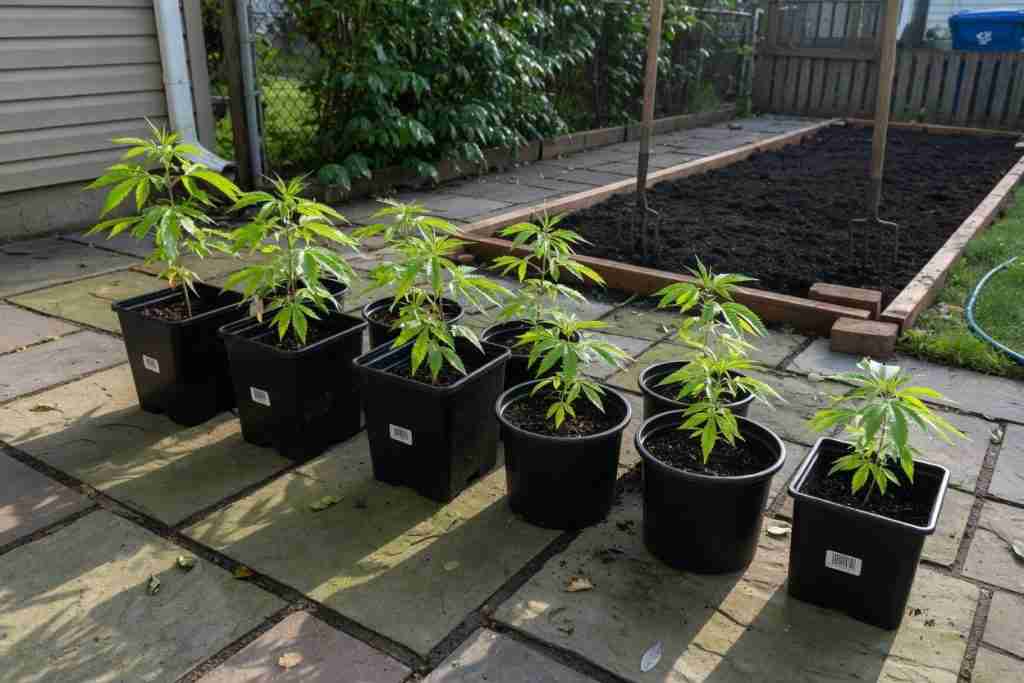
Sow inside, grow a stocky plant, and move it once. A seedling that lives on a windowsill until it is lanky will sunburn and flop. A plant you shuttle indoors every chilly night gets stressed and teaches you nothing about the date, because the date never quite happens. Pick the week your frost history and the forecast agree, harden the plant the way the cold-climate notes describe, and leave it out. If a surprise frost is truly coming, a cover for that one night is the exception. After that, the plant lives outside. You are not running a tent with extra steps.
Set the plant where it will finish. Dragging a flowering plant across the yard to chase a better sun patch breaks branches and confuses the watering. Pots let you lift a plant off a cold hollow, and they let you abandon a spot that turned out to be a swamp. They also dry faster, they tip in wind, and they heat the roots on a blazing patio. Use pots because the yard needs that mobility. Use the ground when the spot is already right. Water the day before a move so the root ball holds, and do not drown the hole into mud. The rest of the lift is the transplant page, not a zone trick.
Feed for the stage the plant is in, and for the week the sky is giving you, not for the zone number. A long sunny spell increases thirst. A cold cloudy spell does the opposite. Rain is a watering you did not measure, and it can rinse a light feed out of a pot. That outdoor bloom job, including how to read a wet September, lives on the outdoor bloom page. Do not pour a heavier bottle because a map made your region sound hungry. A pale plant in cold soil is often a cold plant, and more food in a cold root zone sits there unused.
Label the packet with the day you sowed, the day you moved the plant, and the day you cut it. Next spring you will not remember which week was kind. Two years of those notes are a better planting guide than any national list, because they include your fence line, your wind, and the week your garden always turns wet. If the same week goes wrong twice, change the pack or the date. If it goes wrong once in a freak cold snap, keep the plan and keep the cover handy. Freak weather is not a new zone. A pattern is.
One change then wait
If the plant stretches and the gaps between nodes get silly right after the move, it wanted more sun or it went out while the days were still short. Fix the spot or the date on the next run. If the tops frost, you were early, and frozen tissue does not turn green again. If the flowers mold in a wet fall, you were late for that pack, or the air could not move through the site. One change. The next leaves, or the next season, are the report. Changing the bottle, the pot, and the corner of the yard on the same afternoon erases the lesson.
Do not start a second row because the first plants look slow. In Canada the cap is four plants per household, not per adult. Quebec prohibits recreational home growing. Manitoba has allowed indoor growing only since 1 May 2025, and the age there is 19. A seedling counts. A second set of cups still counts. A longer summer does not raise the number. A milder zone color does not either. Finish the canopy you can dry. Leave the rest of the pack closed.
Quiet days after the move are part of the planting. The roots have to take the new soil before the top does anything you should judge. A droop on the first bright afternoon can be ordinary if the plant drinks and stands up by evening. A droop that lasts through a mild night is a root problem or a stem you damaged in the move. Give it the evening before you decide the zone was wrong.
A friend will call a frosted cola a marijuana failure and tell you the weed needed a warmer zone by Friday. Ask which month the plant went outside, which month the frost came, and whether the pack was built to finish inside that gap. The map records winter. Your yard records the season. Plant for the season you have actually had, and write it down so next year starts from the ground instead of from a color.