


Plant Hormone Manipulation for Cannabis Growth Optimization at Home


You know that moment when your cannabis plants suddenly explode with new growth after you make one small change? That is not magic. It is your plants responding to invisible signals called hormones. When you learn cannabis plant hormone manipulation the natural way, you stop fighting your garden and start working with it. However, most new growers never realize how much control they already have through simple choices like light, training, and organic feeds.
Furthermore, this approach to plant growth regulators cannabis home style keeps everything safe for you and your final product. In addition, you avoid the risky synthetic chemicals that can leave residues or create more problems than they solve. Consequently, you end up with stronger plants, more even canopies, and bigger harvests that actually taste and smell the way they should.
Moreover, everything works better when you start with vigorous genetics. That is why experienced home growers reach for quality cannabis seeds from Green Avenger Seeds right from the beginning. Those seeds already carry strong natural hormone responses, so your gentle tweaks produce bigger results faster.
Getting to Know Cannabis Plant Hormone Manipulation
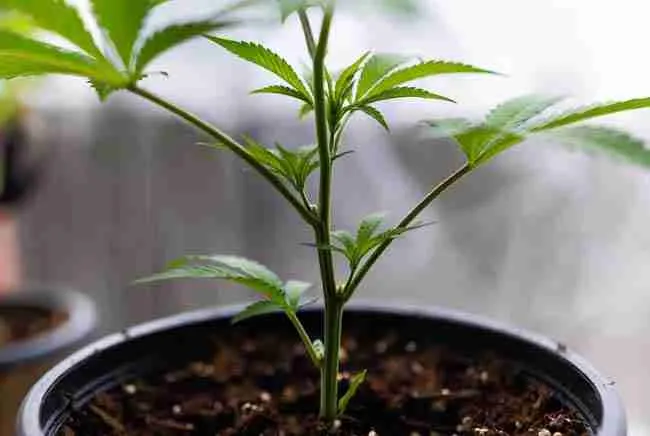
Cannabis plant hormone manipulation simply means guiding the natural chemical messengers inside your plants so they grow the way you want. You are not forcing anything. You are removing obstacles and giving the right signals at the right time.
Picture your plant like a busy family. Some hormones act like the parents telling everyone where to grow. Others act like the kids who want to branch out and explore. When the balance feels right, everyone gets along and the whole house stays neat and productive. However, when one hormone shouts too loud, you end up with tall, spindly plants or weak lower branches that never catch up.
In addition, the beauty of natural hormone cannabis growing lies in how many tools you already own. Your lights, your hands, your organic teas, and even the temperature in your grow space all talk to these hormones every single day. You just need to learn the language.
Auxins: The Bossy Directors of Growth Direction
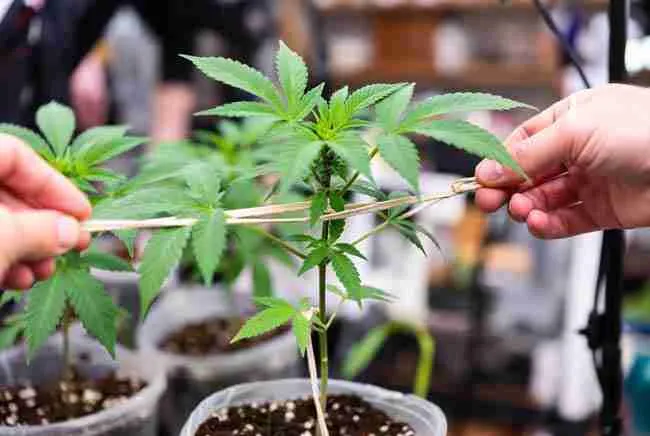
Auxins are the main hormones that decide which way your cannabis plant grows and how bushy it becomes. They are produced right at the very top of the plant in the apical meristem. From there they travel downward and basically tell the lower branches, “Hey, stay small. I am in charge up here.”
That is why one tall main cola often shades out everything below it. When you top your plant or use low stress training, you remove or redirect that auxin flow. Suddenly the lower branches hear the good news and start growing sideways and upward. You just turned one main leader into many productive tops.
You can also use auxins to your advantage during cloning. A little natural rooting hormone from willow water or aloe helps cuttings push out roots faster because auxins love to encourage root growth. On the other hand, too much stress at the wrong time spikes ethylene along with auxin changes and can push a plant toward hermaphroditism. That is why gentle, consistent techniques always beat rough handling.
Cytokinins: The Branch Builders and Cell Dividers
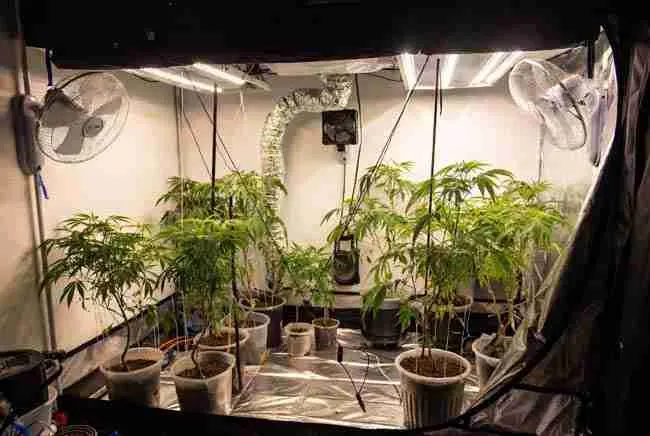
Cytokinins work like the cheerleaders of the plant world. They encourage cell division and shoot growth. They are mostly produced in the roots and then sent upward. When cytokinin levels stay high relative to auxins, your plant makes more branches and stays bushier.
This is exactly why a good root system matters so much. Healthy roots pumping out cytokinins help your plant fill out nicely during veg. Organic amendments like worm castings and compost teas feed the microbes that help produce or stabilize these helpful hormones. In addition, certain seaweed extracts contain natural cytokinins that you can deliver through foliar sprays or soil drenches.
However, balance is everything. Too much cytokinin without enough auxin support can create weak, stretchy growth that falls over later. That is why experienced growers combine techniques instead of relying on just one.
Gibberellins: The Stretch Hormones You Need to Manage
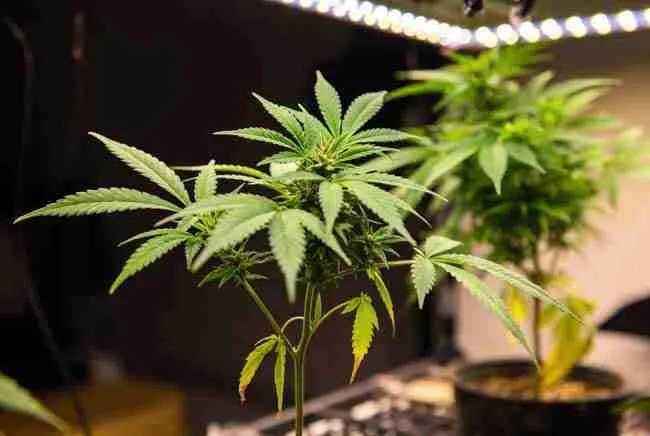
Gibberellins tell stems to lengthen. They are useful during early growth but can become a headache in small tents or when you want compact plants. Certain light conditions, especially too much far-red light at night, can increase gibberellin activity and make your plants reach for the sky.
On the flip side, strong blue light in the spectrum helps keep gibberellin effects in check during veg. That is one reason full-spectrum LEDs with good blue content produce stockier plants without any extra work from you. Furthermore, cooler night temperatures also help slow unwanted stretch caused by these hormones.
Ethylene and Abscisic Acid: The Stress Messengers
Ethylene and abscisic acid (ABA) act like your plant’s alarm system. They show up when something feels wrong, whether that is drought, heat, physical damage, or pest pressure. A little ethylene helps with ripening and can even influence sex expression in some cases. However, too much from rough training or constant stress can cause leaf drop, stalled growth, or unwanted male flowers on female plants.
ABA mainly closes stomata during dry spells to save water. That protects the plant short-term but slows photosynthesis if it stays high too long. This is why consistent watering and stable environments help keep these stress hormones from running the show.
How Your Everyday Environment Already Influences Home Cannabis Hormone Balance
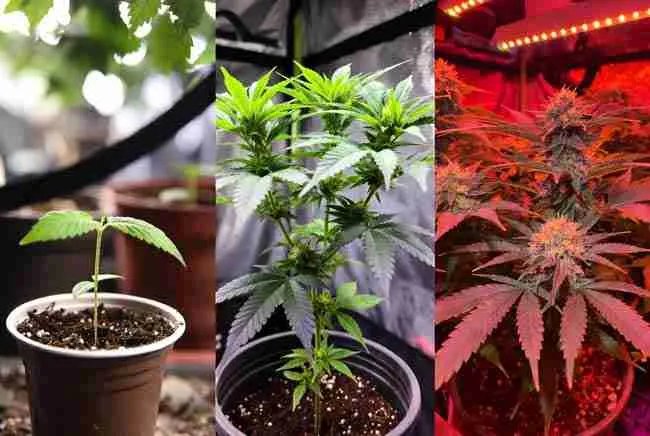
You do not need fancy lab equipment to start optimizing cannabis growth hormones. Your grow room already sends constant signals. Light spectrum, intensity, and photoperiod all affect hormone production and movement. Temperature swings change how fast hormones travel and how long they stay active. Even the air you breathe and the water you give play roles.
Furthermore, high humidity combined with poor airflow can increase ethylene buildup around the canopy. That is one reason good ventilation matters beyond just preventing mold. In addition, nutrient imbalances, especially too much nitrogen late in flower, can keep vegetative hormones active when you want the plant shifting into bloom mode.
Consequently, small daily choices add up. A consistent 18/6 light cycle in veg, then a clean flip to 12/12, tells the plant’s internal clock that it is time for reproductive hormones to take over. Stable temperatures between 72-82°F (22-28°C) in veg and slightly cooler in flower keep stress hormones low so growth hormones can do their best work.
Practical Natural Methods for Cannabis Plant Hormone Manipulation at Home
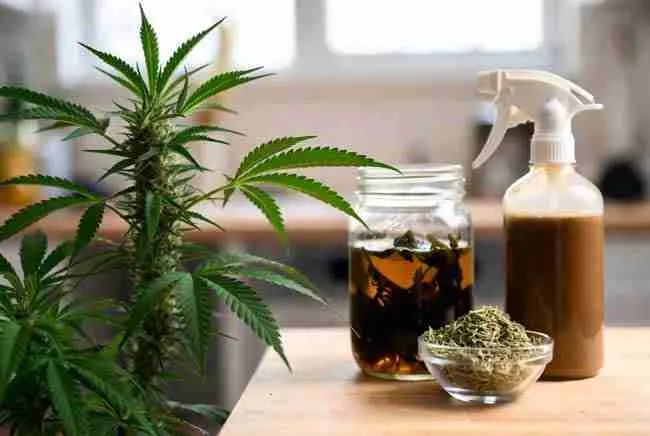
Now comes the fun part. Here are the real-world techniques you can start using this week to guide your plants without synthetic plant growth regulators cannabis home growers sometimes reach for.
Light Spectrum Tweaks That Steer Hormone Responses
Your lights are one of the easiest and most powerful tools for natural hormone cannabis growing. During vegetative growth, give your plants plenty of blue light in the 400-500nm range. This helps keep gibberellin activity reasonable and encourages compact, bushy structure through better auxin distribution.
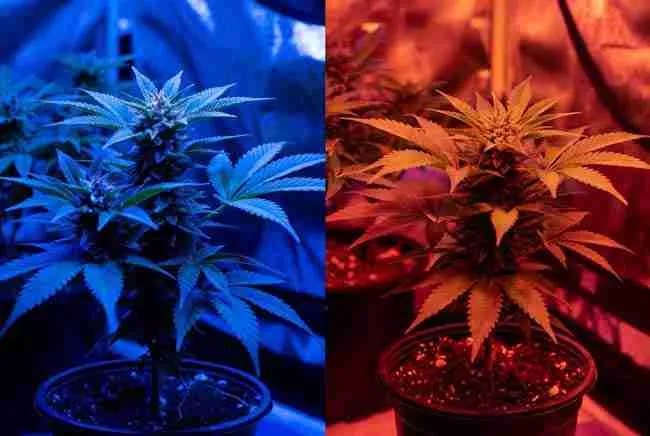
When you flip to flower, shift emphasis toward red light in the 600-700nm range. This supports the hormonal transition into blooming without forcing anything unnatural. Many modern LEDs let you adjust this with simple dimmers or channel controls.
You can also add a little far-red at the very end of the day during the last two weeks of flower. This can speed ripening slightly by influencing phytochrome and downstream hormone signals. However, do not overdo it or you will fight stretch instead of finishing strong. Start with 15-30 minutes of far-red after lights out and watch how your specific strain responds.
Organic Teas and Amendments That Support Natural Hormone Balance
Organic inputs do more than feed the plant. They feed the soil life that helps produce and regulate hormones. Kelp and seaweed extracts are famous for their natural cytokinins and auxins. A simple tea made from 1 tablespoon of quality kelp meal per gallon of water, steeped 24 hours with occasional stirring, gives your plants a gentle hormonal nudge plus trace minerals and stress resistance.
Alfalfa meal or tea brings triacontanol, a natural growth promoter that works alongside brassinosteroids. Worm castings and well-made compost teas introduce beneficial microbes that can produce small amounts of auxins and other signaling compounds right in the root zone.
Here is a simple weekly schedule many home growers follow successfully:
- Seedling stage: Plain water or very weak compost tea only.
- Early veg: Kelp tea as a soil drench every 10-14 days.
- Mid to late veg: Alternate kelp and alfalfa tea, plus light foliar if plants look hungry.
- Early flower: Reduce nitrogen-heavy inputs, keep light kelp for stress protection.
- Late flower: Mostly plain water or a final compost tea flush.
Always start weak and watch your plants. These natural inputs work slowly and steadily. That is actually their strength.
Training Techniques That Redirect Hormone Flow
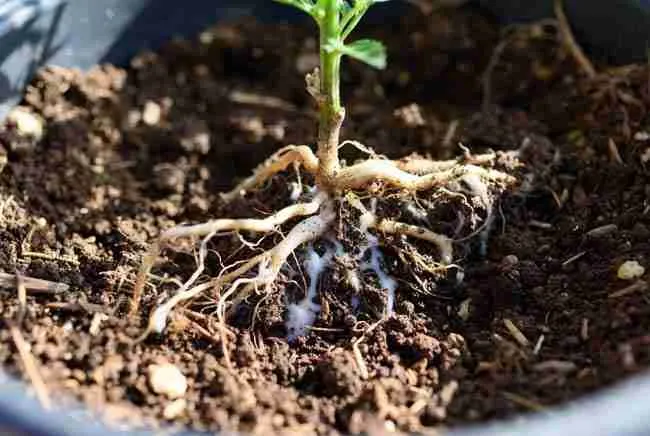
Low stress training (LST), topping, and supercropping all manipulate auxin movement and distribution without chemicals. When you gently bend and tie main stems horizontally, you break apical dominance in a soft way. Auxin no longer flows straight down from one tall tip, so side branches receive the signal to grow.
Topping at the right node (usually the 4th or 5th) creates multiple main colas because you remove the main auxin source. However, topping too early or too aggressively on a stressed plant can spike ethylene and slow recovery. Always let your plant recover fully between training sessions.
Supercropping adds a controlled injury that triggers healing responses and ethylene in small amounts. This can strengthen stems over time but requires experience. Start with LST if you are newer to cannabis plant hormone manipulation. It gives excellent results with almost zero risk.
Quick list of supplies that support these natural techniques:
- Soft plant ties or garden tape
- Quality full-spectrum LED with adjustable channels
- Organic kelp meal and alfalfa meal
- Worm castings or compost for teas
- Clean spray bottle for foliar applications
- pH and EC meter to keep the root zone stable
Your Timing Chart for Safe and Effective Interventions
Timing makes or breaks your results. Intervene too early or too late and you fight the plant instead of guiding it. Here is a practical chart you can screenshot or print for your grow journal.
| Growth Stage | Dominant Hormones | Recommended Natural Actions | Expected Benefits | Watch Out For |
|---|---|---|---|---|
| Seedling (0-3 weeks) | Auxin & Cytokinin balance | Gentle light, consistent moisture, no training | Strong roots and first true leaves | Overwatering or high stress |
| Vegetative (3-8 weeks) | Auxin high, Cytokinin rising | LST or topping around week 4, blue-rich light, kelp tea every 10-14 days | Bushy structure, multiple strong tops | Leggy stretch from low blue or heat |
| Early Flower (weeks 1-4) | Shift to reproductive signals | Reduce nitrogen, redder light, light LST if needed | Even canopy, good bud sites forming | Stress that spikes ethylene |
| Mid-Late Flower (week 5+) | Ethylene & ripening signals | Stable environment, minimal handling, plain water late | Dense buds, good resin, clean finish | High humidity + ethylene = bud rot risk |
Use this chart as a starting point and adjust based on how your specific strains behave. Every garden teaches you something new.
Pros, Cons, and Smart Specifications for Success
Natural cannabis plant hormone manipulation gives you real advantages. You stay chemical-free, which protects your health and your customers if you ever share your harvest. Plants develop stronger natural defenses and often handle small stresses better over time. Results tend to be more stable across multiple grows once you learn your strains.
However, these methods require observation and patience. You will not see dramatic overnight changes like some synthetic plant growth regulators cannabis home growers once experimented with (and often regretted). You also need decent genetics to begin with, because weak seeds respond poorly no matter what you do.
Here are some practical specifications that help most home setups:
- Veg light: Aim for 20-35% blue spectrum content, 18/6 photoperiod, 300-600 PPFD depending on plant size.
- Flower light: Shift to 10-20% blue, stronger red, 12/12 photoperiod, 600-900 PPFD at canopy.
- Training window: LST from week 3-4 veg onward. Top once or twice max on most photoperiod plants.
- Tea strength: Always start at half recommended strength for the first few applications.
- Temperature swing: Keep day/night difference under 10°F (5-6°C) to avoid stress hormone spikes.
On the other hand, if you overdo training or push lights too hard, you can create the exact imbalances you were trying to fix. That is why watching your plants daily beats following any rigid schedule.
Why Quality Cannabis Seeds from Green Avenger Seeds Make Hormone Work Easier
Strong genetics already know how to balance their own hormones well. When you start with vigorous cannabis seeds from Green Avenger Seeds, your plants root faster, recover from training quicker, and show more predictable responses to light and organic inputs. Weak or unstable seeds fight you at every step because their internal signaling is already confused.
Furthermore, good seeds give you more margin for error while you learn. A healthy plant can handle a slightly aggressive LST session or an extra day between waterings without throwing a hormonal tantrum. That peace of mind is worth a lot when you are building your skills.
Wrapping Up Your Journey into Optimized Cannabis Growth
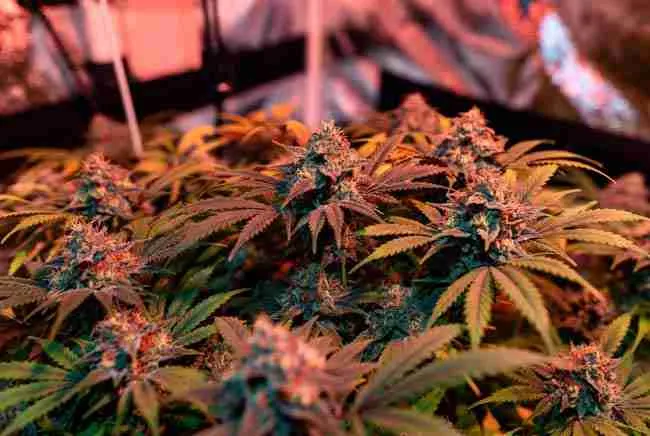
You now have a complete roadmap for cannabis plant hormone manipulation using only natural, home-friendly methods. You understand how auxins, cytokinins, gibberellins, and stress hormones actually work inside your plants. You know how light, training, and organic teas let you guide those hormones safely. You even have a timing chart and practical specifications to follow.
However, the real learning happens in your own garden. Start small. Pick one technique, like LST combined with a simple kelp tea schedule, and watch what happens over a full cycle. Take notes. Adjust. In addition, always begin with the best cannabis seeds you can get, because everything else builds on that foundation.
Consequently, you will develop an intuitive feel for what your plants need. Your canopies will fill out more evenly. Your yields will climb. Most importantly, you will grow with confidence instead of guessing.
Above all, remember that gentle, consistent care beats dramatic interventions every single time. Your plants already want to grow well. You are simply learning to remove the roadblocks and give them the right signals. That is the real secret of successful home cannabis hormone balance.
