Organic vs. Non-Organic Cannabis Seeds

Organic vs non-organic cannabis seeds is a production label, not a gene. The seed you crack open does not “contain organic.” It contains DNA from two parents. Organic tells you how those parents were fed, sprayed, and finished. Non-organic tells you the breeder used conventional salts, allowed synthetics, or simply never kept the records a certifier would demand. Ranking pages in 2026 still sell organic seed as a superhero that cannot be GMO, always tastes better, and grows faster without chemicals. That mix is mostly marketing. This page splits the words you actually need: certified organic, untreated, non-GMO, hybrid, feminized, and “grown in living soil.” Shop packs in the cannabis seeds store if you still need seed. The rest of the grow library is on the cannabis cultivation blog.
Canada’s recreational cap is four plants per household. Quebec still bans rec home grow. Manitoba has been indoor-only since 1 May 2025. A legal home tent is a small room. The seed pack you open there should tell you lineage and how the crop was made. A leaf logo does not. USDA Organic is a food program. High-THC marijuana is not eligible for that seal in the United States. Hemp under 0.3% THC can be. Canada regulates cannabis under the Cannabis Act, not the food organic regime, so there is no federal “organic marijuana seed” sticker that means the same thing as an organic carrot. Ask how the moms ate. Then grow the plant the way you actually intend to harvest it. Four plants is not the place to waste a run on a slogan.
What “Organic” on a Seed Pack Actually Means

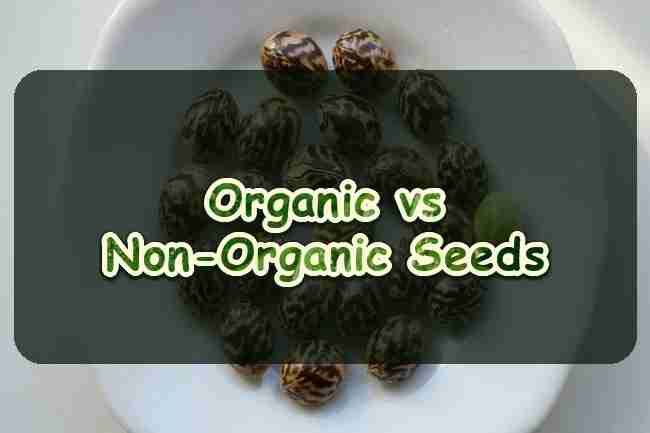
The 2023 phone shot on this URL is a real pile of mature cannabis seeds on a table. Tiger stripes, tan shells, a few pale green ones that were not ready. You cannot tell from that photo which parents ate compost and which parents drank a bottled three-part. Organic seed, in agriculture, means the seed crop was produced under organic rules: no prohibited synthetics on the mother and father plants, no prohibited seed treatments after harvest, and a paper trail. For vegetables that trail is USDA NOP or a Canada Organic Regime certifier. For high-THC cannabis it is almost never that. What you usually get is a breeder saying the seed plot ran living soil, IPM, and no salt bottles.
That claim can be honest. It can also be a leaf on a listing and nothing behind it. The longer taste-and-soil walk already lives on benefits of growing with organic cannabis seeds. Stay here for the seed itself: who made it, what the words mean, and what still happens after you plant. A pack that says organic and then tells you to run Coco A/B at 2.0 EC is selling a story, not a system. The seed does not remember the compost. The grower might. If you want that story in the jar, you still have to run soil, dry slow, and skip the late-flower mystery spray.
What Organic Is Not

These labels get stacked as if they were one thing. They are not.
Non-GMO means the variety was not genetically engineered in a lab. Almost every marijuana seed sold to home growers is non-GMO. Crossing two plants in a tent is breeding, not genetic modification. Hybrids are not GMOs. Feminized seeds are not GMOs. USDA has allowed some gene-edited hemp lines through plant-pest review. That is hemp paperwork, not the typical weed pack in a Canadian mailbox. If a listing screams NON-GMO in all caps and says nothing about parents, it is filling space.
Untreated means nobody coated the seed with a synthetic fungicide or insecticide after harvest. Garden vegetable seed is often treated. Cannabis seed almost never is. Untreated is not organic. A conventional outdoor plot can still drop untreated seed.
Heirloom and landrace describe history and open pollination, not the fertilizer program. A landrace grown on synthetic nitrogen is still a landrace. An F1 hybrid grown in compost is still an F1. Generation labels (F1, F2, S1, BX) are a different page: what seed labels actually mean. Indica, sativa, and hybrid grouping: indica vs sativa vs hybrid.
Feminized describes sex, not organic status. Most commercial fems are made by reversing a female with silver thiosulfate or colloidal silver so she throws pollen. That chemistry is not on an organic allowed list. Regular seed from a male and a female in soil can be an organic seed crop. A silver-reversed fem from the same garden is a different product. How fems are made: make feminized cannabis seeds. Regular versus fem: feminized and regular cannabis seeds. Herm risk: hermaphroditism risk in feminized seeds.
How an Organic Seed Crop Is Actually Made

That original collage is seed, a cola, more seed. Seed production is a flower run you let go to seed on purpose. You need a male or reversed pollen, isolation so the wrong dad does not walk in, and a dry-down that does not cook the embryo. Breeding steps live on how to create a new cannabis strain step by step. Pollen handling: cannabis pollen. Phenotype hunting after the pack pops: cannabis phenotypes in breeding.
Parents in living soil
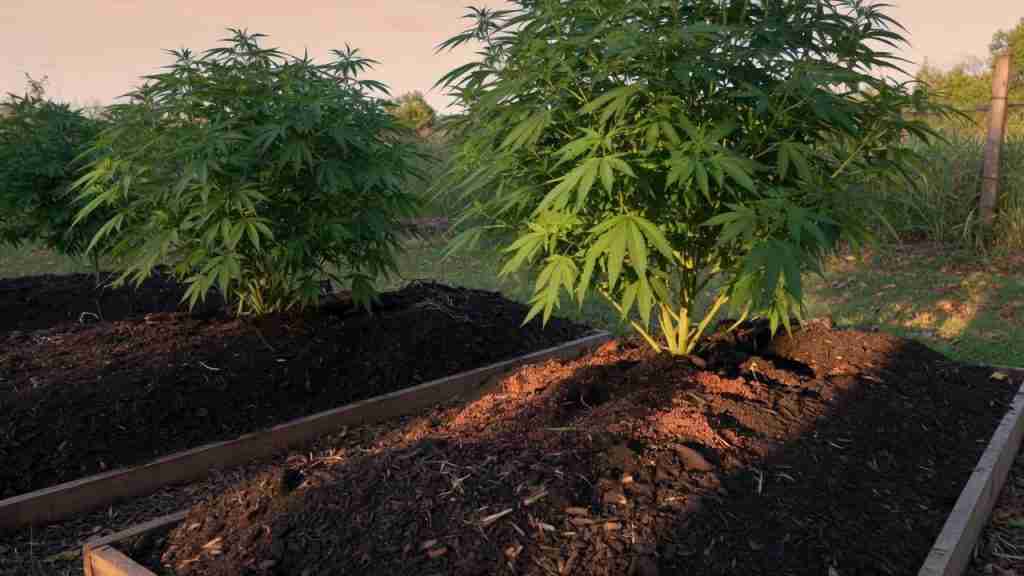
A serious organic seed plot feeds the soil, not a weekly salt chart. Compost, worm castings, mulch, and allowed amendments. Pests get airflow, predators, and cultural control before a bottle. Neem and related tools: cannabis pests with neem oil. Whole-room IPM: integrated pest management for cannabis. Outdoor and greenhouse plots still have to keep pollen off the neighbours. Indoor sealed rooms make isolation easier and energy heavier. Soil recipes: the best soil for growing cannabis seeds. Living-soil no-till: no-till living soil cannabis growing. Organic soil mixes: organic cannabis soil.
Silver reversal is not an organic input
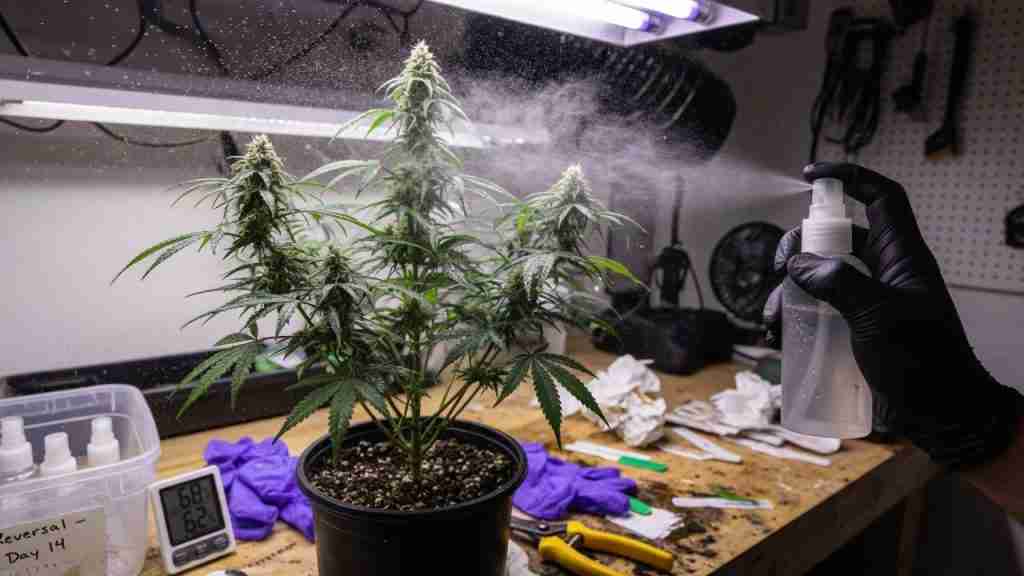
If the pack is feminized, ask how pollen was made. Colloidal silver and STS are the common home and commercial methods. Organic certifiers who look at hemp seed treat chemically induced pollen as parallel production, not organic seed. You can still buy those fems. You should not call them certified organic seed. Regular seed from an untreated male is the clean organic path if that word matters to you. Autos are usually fems from similar reversal work: grow autoflowering cannabis plants. Photoperiods: photoperiod cannabis seeds explained. Some breeders reverse with light stress or other tricks. Ask. If they will not say, treat the pack as conventional fems and shop on genetics.
What Non-Organic Cannabis Seeds Usually Are

Non-organic is the default of the seed market, not a moral failure. Most breeders run photoperiod moms under LED, feed a mineral line, spray when mites show, reverse a female, and pack the seed. The genetics can be excellent. The seed can germinate well. The plant can still go into living soil in your tent and finish without a synthetic bottle. The old copy on this URL treated non-organic seed as if it were genetically modified and soaked in pesticide that then sits in your lungs. A seed is an embryo and a shell. It is not a reservoir of last year’s bloom booster. Residues people worry about live in flower you smoke, not in a dry seed you plant and then grow for 12 to 16 weeks on a different program.

What non-organic production does change is the parent plant’s stress, the pollen method, and sometimes the selection pressure. A salt-fed room can push yield and keep a sick plant alive long enough to seed. An organic room that cannot spray a mite flare may lose a mother and never pack that cut. Neither fact makes the resulting seed “weaker DNA.” It can make the catalogue larger, cheaper, and faster to restock. Hydro and coco seed runs are common because isolation is easier: hydroponic cannabis growers guide, growing cannabis in coco coir. Medium shopping: best medium to grow cannabis. Outdoor seed fields catch wind pollen you did not invite. That is why a lot of outdoor seed, organic or not, is genetically noisier than an indoor regular line. Isolation is a production fact. It is not a vibe.
Certification, Hemp, and the Word on the Pack

In the United States, the word organic on a food label is controlled. Cannabis above the hemp THC line cannot wear USDA Organic. Some hemp seed companies do hold Oregon Tilth or similar certification for CBD and CBG lines, and they will tell you the THC SKUs are produced the same way but cannot carry the seal. That sentence is useful. A THC pack with a fake USDA-looking badge is not. California’s OCal program is a cannabis-specific analogue for flower and some products in that state. It is not a seed-bank sticker you should expect on a mail-order fem pack in Nova Scotia.
In Canada, organic food is a CFIA file. Recreational and medical cannabis is a Health Canada file. There is no federal organic cannabis designation that maps 1:1 onto a seed listing. Provincial rules still cap plants. Your job as a buyer is to read the breeder’s production notes, not to hunt a seal that the law does not issue. Third-party regenerative programs exist for flower farms. They rarely audit a European seed room that ships 10-packs.
If you are a licensed hemp farmer who must plant organic stock, you already know the commercial-availability rule: search for organic seed, document the search, and only then a certifier may allow untreated non-GMO conventional seed. Home THC growers are not in that program. Do not borrow hemp paperwork to dress up a weed pack. Do not print a homemade organic seal on a jar you grew in a tent. Four plants and a honest cure beat a fake badge.
Price, Stock, and What You Are Paying For

Organic seed plots are slower and smaller. Isolation, hand-pollination, and a season you cannot rescue with a bottle cost money. Expect fewer SKUs and higher pack prices when the claim is real. Non-organic catalogues are wide because reversal and indoor rooms scale. Price is not proof. A cheap pack can be a clean regular line. An expensive pack can be a leaf logo on last year’s leftover fems.
On this shop, mixed feminized packs sit around a dollar a seed in CAD. Named feminized lines sit around four dollars a seed. That is product mix, not an organic surcharge. Do not treat a low price as “must be sprayed” and a high price as “must be compost.” Read the listing. Ask the breeder. First-crop planning: planning your first cannabis crop. Seed versus clone: cannabis seeds vs cannabis clones. Clones skip the seed argument. A cutting is the mother you already grew. If you want a known organic-grown cut, take it from a plant you ran clean. Seed is a lottery plus a production story. For a four-plant cap, pop extras, pick keepers, dump the rest. Organic or not, that hunt is the same work.
Storage is the same for both piles. Cool, dark, dry. A fridge in an airtight jar with a desiccant beats a kitchen drawer. Heat and humidity kill embryos whether the mother ate kelp or calcium nitrate. Organic production does not give you extra years in a hot mailbox. If a pack sat in a warehouse summer, pop extras and judge the taproots, not the leaf on the envelope.
Does Organic Seed Grow Better Marijuana?
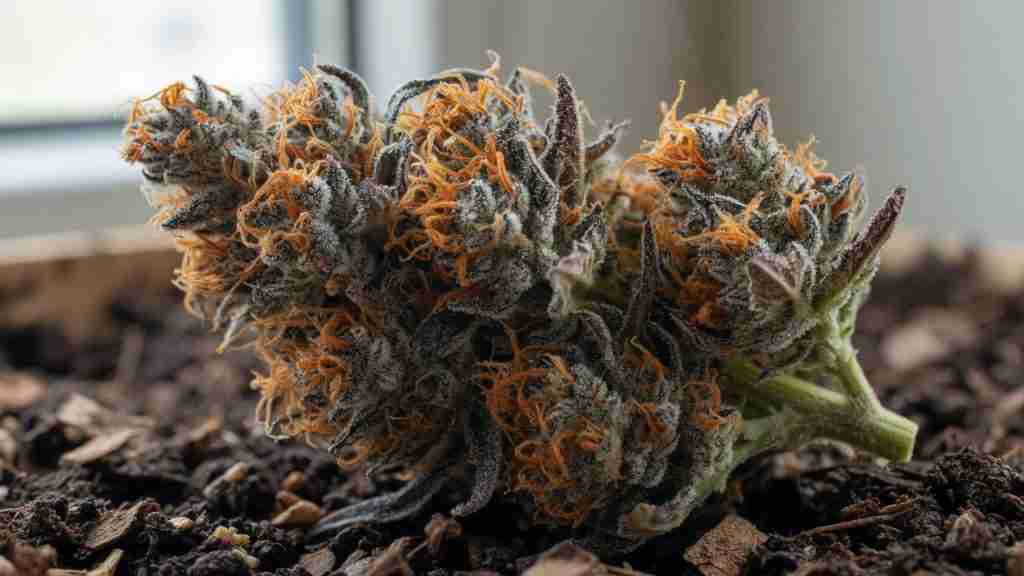
Genetics set the ceiling. The grow sets whether you hit it. An organic-produced seed of a loud cultivar, run in salt coco, will taste like that grow. A conventional-produced seed of the same cut, run in living soil and cured slowly, will taste like that grow. Flavour arguments that ignore dry and cure are noise. Harvest and cure: harvest and cure cannabis plants.
Germination is about seed age, storage, and how you pop it, not the compost story. Old seed technique: starting old cannabis seeds. Seedling care: growing cannabis seedling stage of growth. Do not invent a germination percentage from a leaf icon. Named packs on this site are sold against the published germ policy on the FAQ, not against an organic badge.
Vigor in veg is light, warmth, and a root zone that is not a swamp. Organic seed does not skip cannabis vegetative stage work. Flower density is still the 12/12 flip, the PPFD, and the feed: growing cannabis flowering stage of growth. Indoor rooms: indoor cannabis growers guide. Outdoor: growing cannabis outdoors. Breeders who refuse synthetics sometimes keep cuts that handle mites and mold without a rescue spray. That selection can show up as tougher plants in your garden. It can also show up as lower peak yield. You are shopping a breeding goal, not a vitamin.
How You Grow After You Plant Matters More
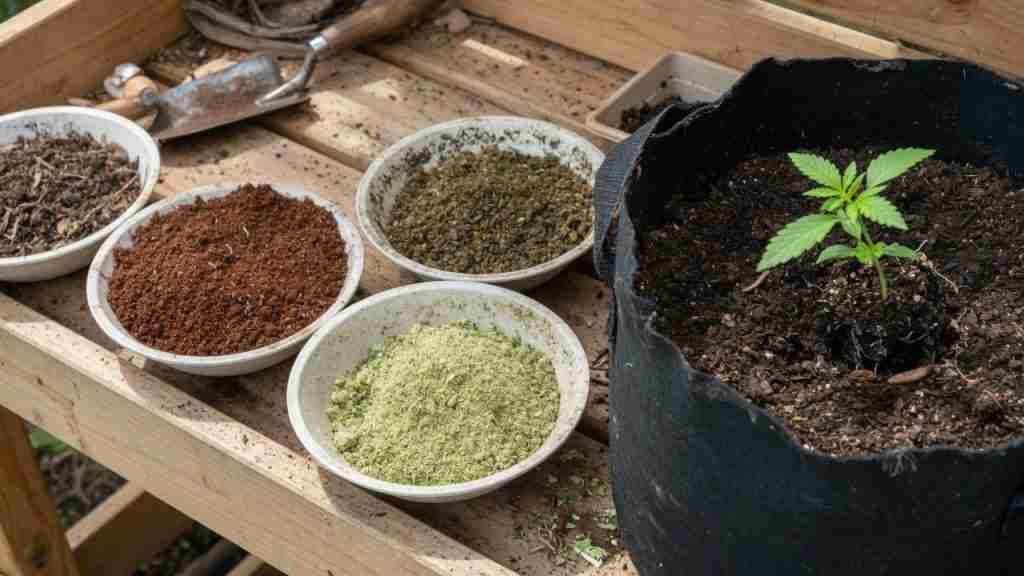
If the point of buying organic seed is a clean harvest, finish the plant on a matching program. Organic fertilizer is compost, meals, teas, and rock powders that microbes have to process: organic marijuana fertilizer. Mineral bottles are the other program: organic vs synthetic cannabis fertilizers. Veganic, if you refuse animal meals: veganic nutrients for cannabis. Mixing all three in one pot is how you get lockout and a story that “organic seed failed.”
Pesticide residue in flower is a grow issue. A seed from a sprayed mother, grown out in clean soil with no spray, is not last year’s miticide in your jar. A clean organic seed, then a late flower sulfur or a mystery bottle from a forum, is a dirty jar. Decide the harvest standard first. Then buy seed that does not fight that standard. If you run coco salts, organic seed is optional. If you sell or gift flower as organic-grown, start with parents that match and keep the room honest. Hydrogen peroxide soaks on the seed coat kill surface microbes. That is a sanitation choice, not an organic badge. If you paid for living-soil seed and then bleach the shell, you already left the story.
How to Shop Without the Slogan

Ask five questions. How were the mothers fed. How was pollen made, male or reversal. Was the plot isolated. How was seed dried and stored. What generation is in the pack. A breeder who answers those in plain language is worth more than a leaf. A listing that only says chemical-free, non-GMO, superhero, gourmet coffee is the old copy of this URL. Skip it. If they send photos of the seed room, look for males or a reversal spray, not just a pretty cola. If they send a certificate, read the crop name. Hemp CBD certs do not cover a THC fem SKU.
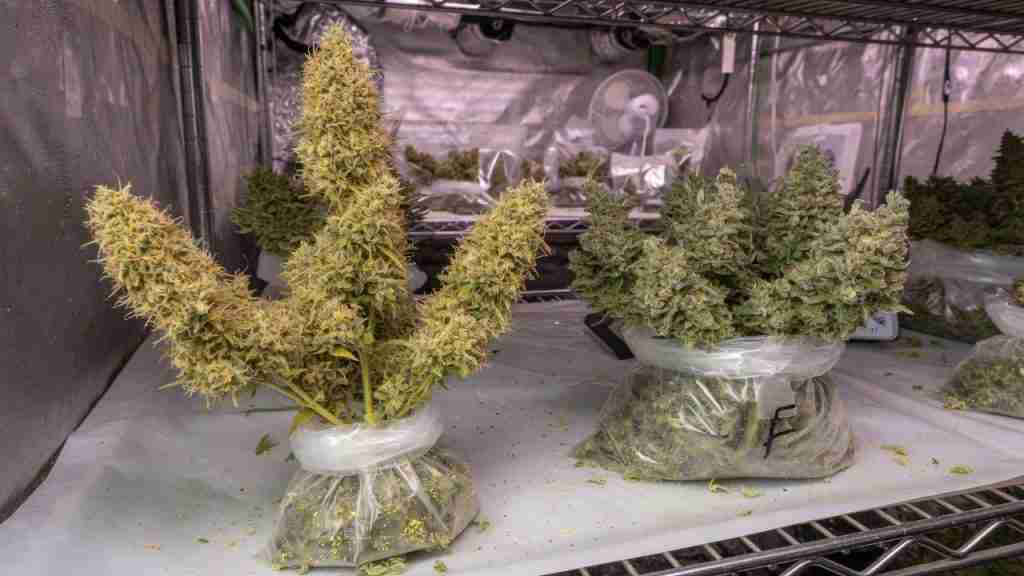
Look at the seed the way the 2023 close-ups on this page already show: mature, mottled, hard. Green soft seed is immature, organic or not. White, cracked, or crushed seed is storage damage. You still cannot see fertilizer history on the shell. You can see whether someone packed junk. Buy from a shop that ships fresh, stores cool, and does not hide the lineage. Then grow the plant you actually wanted, in the medium you can manage, under the plant count the law allows. If two packs of the same name exist, one “organic” and one not, compare parent notes and generation, not the font on the leaf.
Frequently Asked Questions
What is the difference between organic and non-organic cannabis seeds? Organic describes the production of the seed crop: how the parents were grown and whether prohibited synthetics were used. Non-organic is conventional production. It is not a different species of marijuana and it is not a GMO switch.
Are organic cannabis seeds GMO-free? Real organic rules ban genetic engineering. Most weed seed on the market is already non-GMO whether the pack says organic or not. Hybrid and feminized are not GMO.
Are organic seeds always better? No. Better for what. Cleaner production story, maybe. Louder terpenes, only if you grow and cure for that. Cheaper and easier to find, usually not. Genetics and your room decide the jar.
Can I plant non-organic seed in organic soil? Yes. That is how most living-soil home grows start. The harvest program is what you do after the taproot shows.
Can feminized seeds be organic? Only if pollen was made in a way the organic rules allow. STS and colloidal silver reversals generally fail that test. Regular seed from a male is the straightforward organic seed crop.
Does organic seed mean the weed I harvest is organic? No. The seed is one input. Your soil, water, sprays, and dry room write the harvest.
Will organic seed germinate better? Only if it is fresher, better stored, and fully mature. Compost on the mother does not replace a dead embryo. Pop a test seed if the pack is old. A hard tiger-striped shell is a better omen than a leaf logo.
Should I pay more for organic marijuana seed in a four-plant tent? Pay more for a line you can verify and a breeder who answers the pollen question. Pay more for organic production if that is the story you want at the start. Do not pay more for a leaf with no notes. Spend the extra on soil and a decent dry if the pack already has the genetics you want.
Buy the pack for the genetics and the production notes you can verify. Grow the plant for the harvest you want. That is the whole split between organic and non-organic cannabis seeds. The leaf is optional. The work is not. If you remember one line from this page, remember that organic is how the parents were grown, and your jar is how you grew the kids.