Mycorrhizae at Marijuana Seed Germination: Helpful or Hype?

You’ve got fresh beans, a warm spot, and that itch to start your next grow. Then the big question hits: should you sprinkle mycorrhizae on your cannabis seeds right at germination—or is that just clever marketing? You’re about to get a straight-shooting, grower-tested answer with practical steps you can use today.
Quick Answer (No fluff, just facts)
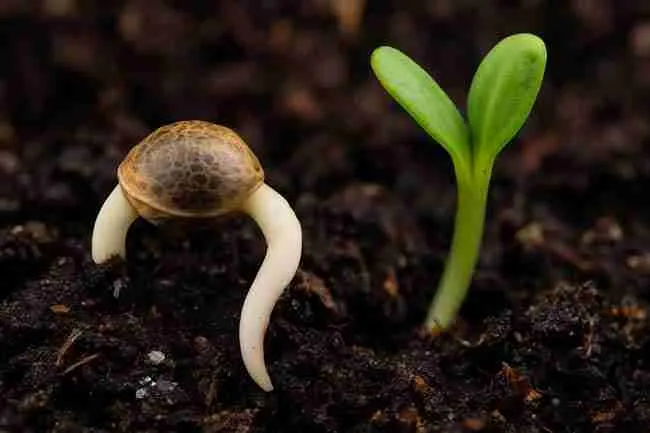
At the exact moment of sprouting, mycorrhizae won’t make cannabis seeds pop faster—the fungi can’t colonize until the radicle (first root) emerges. But using mycorrhizae at sowing (mixed into the medium or lightly dusted on the seed hole) sets you up for earlier colonization once roots are out, which then boosts phosphorus uptake, root branching, drought tolerance, and overall vigor. So for “mycorrhizae cannabis seeds,” think early application for early root partnership, not “speed germination magic.”
What Are Mycorrhizae (and why cannabis loves AMF)?
The 10-second picture
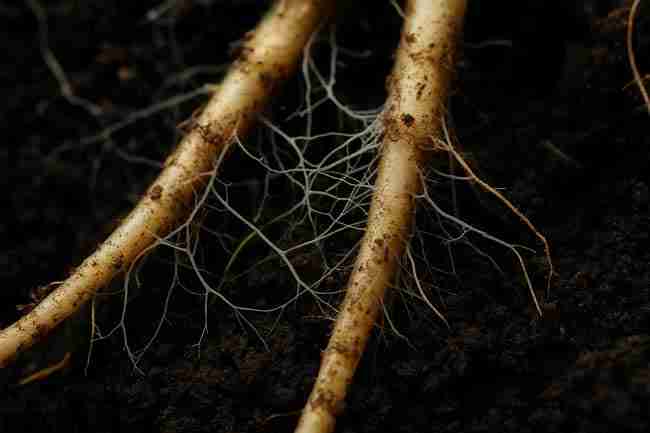
Mycorrhizae are beneficial fungi that form a mutually helpful partnership with plant roots. They extend ultra-fine threads (hyphae) out into the medium—like adding miles of extra root surface area—bringing back phosphorus, micronutrients, and water that your roots might miss.
The kind you want for cannabis
- Arbuscular Mycorrhizal Fungi (AMF) are the go-to for cannabis (e.g., Rhizophagus irregularis, formerly Glomus intraradices).
- Ectomycorrhizae (good for many trees) aren’t the match for cannabis—skip them.
What they don’t do
- They don’t replace good environment control (temp, moisture, oxygen).
- They don’t “wake” a seed. Germination is an internal seed process (water uptake + enzymes), not a fungal trick.
Germination 101 (why timing matters)
What a seed actually needs to pop
- Moisture (steady, not waterlogged)
- Oxygen (good air exchange—don’t drown the seed)
- Warmth (typically 24–26°C / 75–79°F for fast germination)
- Clean, mild environment (avoid harsh sterilants right where roots will grow)
When mycorrhizae become active
- Colonization starts after the radicle emerges.
- The fungal partner needs living roots. So using mycorrhizae at sowing doesn’t speed germination; it positions the fungi to colonize earlier once roots show.
Helpful or Hype for Cannabis Seeds?
Helpful (when you use them like a pro)
- You grow in coco, peat mixes, or sterile seed-starting blends. These media don’t have the native biology that living soils do, so inoculation gives you a head start.
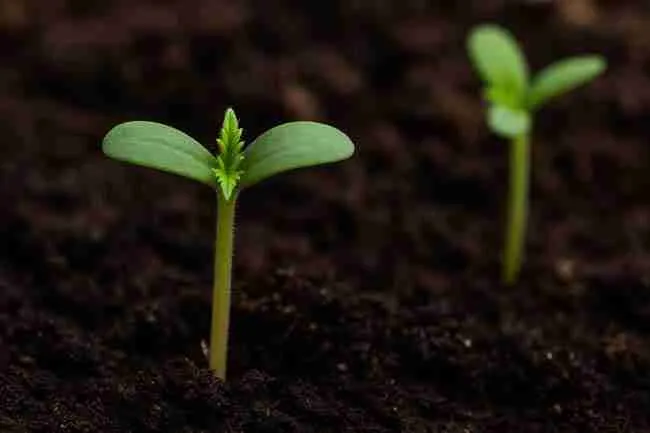
- You want stronger seedlings post-sprout. Early colonization can support better phosphorus uptake, more branching roots, and improved stress tolerance (heat, drought, light swings).
- You plan to transplant. A colonized root ball handles transplant shock better.
Mostly hype (if this is your setup)
- You’re expecting faster popping. Mycorrhizae don’t “press the germ button.”
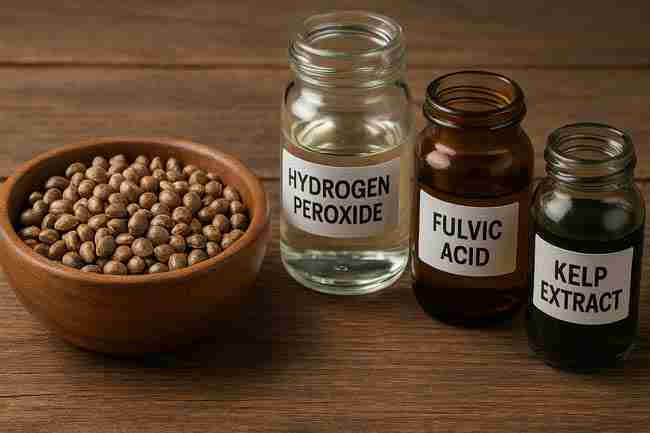
- You’re soaking seeds in hydrogen peroxide (H₂O₂). Peroxide is a disinfectant—it can kill fungal spores. If you use H₂O₂, apply mycorrhizae later (at sowing into the medium or at transplant), not in the soak.
- You’re in rich, living soil. Good compost/vermicompost and established soil food webs can already supply AMF. Inoculation still helps consistency, but the win is smaller.
The Best Ways to Use Mycorrhizae With Cannabis Seeds
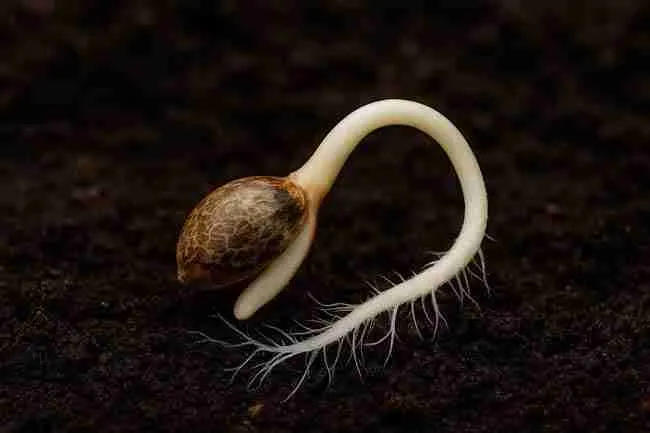
Goal: Put spores where young roots will be—without drowning or sterilizing them.
Method A — Mix into your seed-starting medium (most consistent)
How to do it
- Pre-moisten your starter mix (coco/peat/perlite blend or seed-starting soil).
- Sprinkle the label-recommended amount of mycorrhizae powder/granules and blend evenly.
- Fill cells or cups; plant seeds ~0.5–1 cm deep.
- Keep evenly moist and warm.
Why it works
Wherever the radicle goes, it meets spores. Quietly reliable.
Method B — “Pinch in the hole” (simple + targeted)
How to do it
- Make a planting hole.
- Drop a small pinch of myco right in the hole (think “light dusting,” not a sand dune).
- Place the seed and cover.
Why it works
Puts spores exactly where the first root tip will land.
Method C — First-transplant root dip (big boost at the right time)
How to do it
- Mix a slurry: clean water + mycorrhizae (follow label for dose).
- Gently dip the plug/root ball right before transplanting.
- Plant into the new pot and water in.
Why it works
Colonizes new root tips as you expand the root zone. Great for autos and photos alike (be extra gentle with autos).
Method D — Light top-dress at cotyledon stage
How to do it
- Dust a tiny amount around the stem once cotyledons open; water in softly.
Why it works
Gives spores direct contact with emerging feeder roots.
Dosing and Product Specs (so you don’t guess)
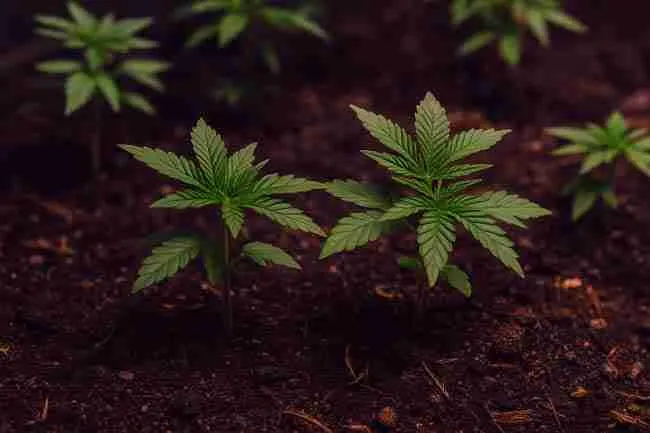
Always check your product label. Different myco products use different carriers and spore densities.
What to look for
- Target species: Rhizophagus irregularis (or similar AMF species list).
- Propagule/spore count: many solid products list ≥100–200 propagules per gram; higher counts need less product per seed.
- Carrier type: clay, humate, soluble powder, or granules (granules are easy for “pinch in hole”; powders mix well).
- Shelf life & storage: cool, dry, and sealed. Avoid hot sheds.
- Add-ins: Trichoderma and Bacillus can help disease suppression—but heavy Trichoderma can outcompete AMF if overdosed at the root tip. Follow label.
Compatibility Cheatsheet (very important)

| Input/Practice | Works With AMF? | Notes |
|---|---|---|
| Plain water | ✅ | Best carrier for slurries/drenches. |
| Kelp/seaweed | ✅ | Mild biostim; supports root hormones. Don’t overdo early. |
| Fulvic/humic acids | ✅ | Can improve nutrient exchange; keep doses light for seedlings. |
| Mild compost tea | ✅ | If aerated and clean; avoid brewing myco separately (they’re not “tea” microbes). |
| Hydrogen peroxide (H₂O₂) | ❌ | Kills spores. If you peroxide-soak, add myco later (at sowing/transplant). |
| Synthetic fungicides | ❌ | Many are broad-spectrum; delay myco until residues are gone. |
| High-phosphorus starter salts | ⚠️ | Too much soluble P early can reduce colonization. Keep starter feed mild. |
| High EC fertigation | ⚠️ | Stressful to new roots and fungi. Start low, go slow. |
Where Mycorrhizae Shine (soil, coco, and “soilless”)
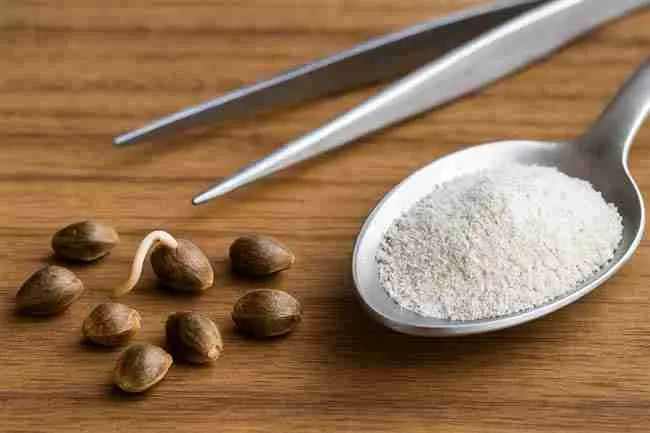
Soil & living organic mixes
- Great fit. Mycorrhizae extend your root network and help buffer dry spells and phosphorus lockouts.
- If your soil already teems with life, inoculating is insurance and consistency, not a miracle.
Coco/peat/perlite blends
- Strongest case for “mycorrhizae cannabis seeds.” Sterile media mean no built-in biology—inoculation bridges that gap.
Hydro/DWC/NFT
- AMF are root-surface symbionts that prefer solid media. In DWC, colonization is inconsistent. If you’re all-in on hydro, focus on root-zone oxygen, temp control (18–20°C / 64–68°F), and sterile cleanliness. Myco won’t hurt at transplant into hydroton, but don’t expect soil-like results.
Myths vs. Facts (so you don’t get spun)
- Myth: “Mycorrhizae make seeds germinate faster.”
Fact: They don’t change the seed’s internal clock; they help after roots appear. - Myth: “More phosphorus early = more growth with myco.”
Fact: Too much P can actually reduce colonization. Keep starter P modest. - Myth: “Any mushroom product = good mycorrhizae.”
Fact: Cannabis needs AMF (Rhizophagus spp., etc.), not gourmet mushroom spores or ectomycorrhizae. - Myth: “Peroxide + myco = clean and boosted.”
Fact: Peroxide sterilizes; it’ll kill your fungal spores.
Practical Mini-Protocols You Can Use Today
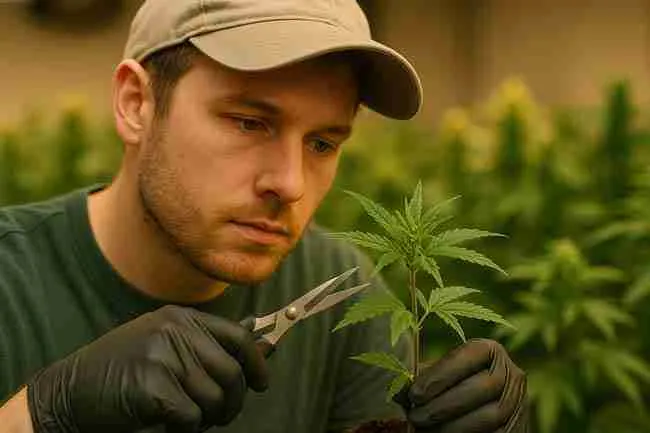
1) Inoculated Starter Mix (peat/coco)
- Blend: 10 L starter mix + label dose (based on propagules/gram).
- Moisten: Evenly damp—not soggy.
- Sow: Place seeds 0.5–1 cm deep.
- Care: 24–26°C (75–79°F), high humidity dome, frequent air exchange.
2) “Pinch in Hole” Dusting
- Per cell/cup: A light pinch (≈ 0.1–0.3 g if your product is ~100–200 PPG).
- Plant: Seed sits right on the dusted spot.
3) First-Transplant Root Dip
- Slurry: Mix per label; aim for a thin cream consistency.
- Dip: Entire plug lightly—don’t shred roots.
- Plant & Water-In: Gentle, even moisture.
4) Gentle Drench at Cotyledon Stage
- Mix: Water + myco powder (label dose).
- Apply: Around the stem, not blasting the seedling.
- Repeat: Not usually needed if you already inoculated the medium.
Troubleshooting: If You Don’t See a Boost
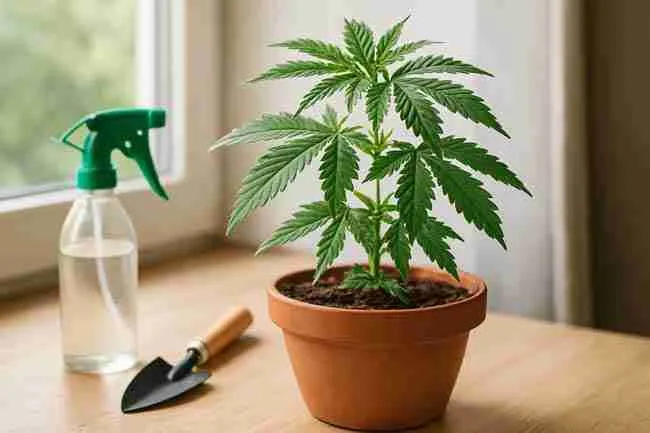
- Seeds slow to pop? That’s environment (temp/moisture/oxygen), not the myco.
- Seedlings pale despite myco? Check pH and EC first; myco aren’t fertilizer.
- Wilting or damping-off? That’s likely pathogens, overwatering, or stale air. Improve airflow, sanitize tools, and water less.
- No visible “fuzzy roots”? Mycorrhizae are mostly microscopic. You see the results (better vigor, thicker roots), not the fungi themselves.
Pros and Cons of Using Mycorrhizae at Sowing
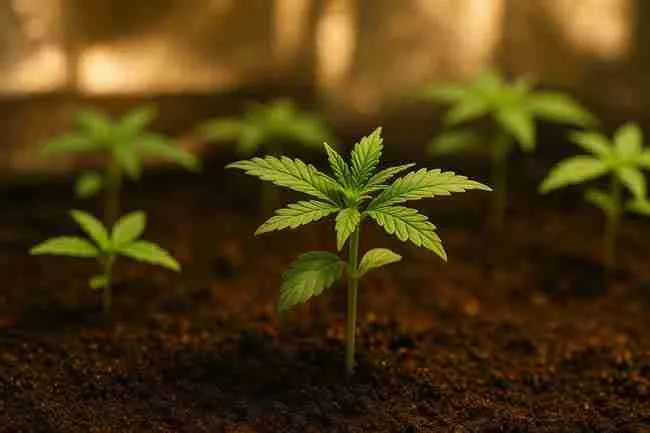
Pros
- Positions spores exactly where roots emerge
- Earlier colonization → better P uptake and resilience
- Cheap per seed; easy to do (pinch or mix)
- Pairs well with organic systems and coco/peat
Cons
- Doesn’t speed germination
- Killed by peroxide and many fungicides
- Overdosing won’t double your gains
- Hydroponic benefits are limited
Buyer’s & Setup Specifications (your checklist)
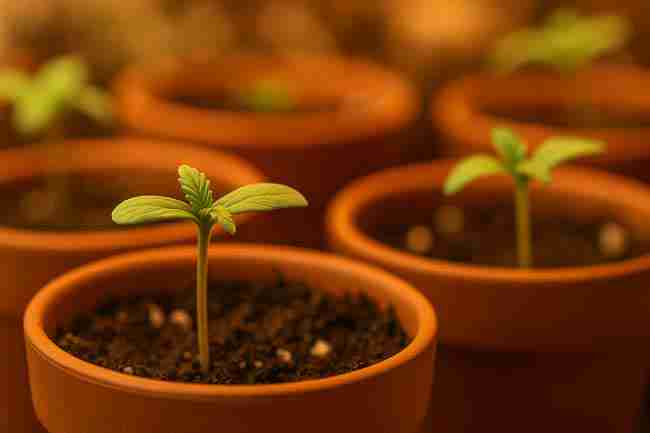
When you shop, look for:
- AMF species listed: e.g., Rhizophagus irregularis (a must for cannabis).
- Propagules per gram (PPG): aim for 100–200+ PPG or follow a reputable label.
- Carrier form: powder for mixing; granules for pinching in holes.
- Additives: light Trichoderma/Bacillus okay; avoid heavy “fungi bombs” at the root tip.
- Certification: OMRI/organic cert if that matters for your grow.
- Storage: cool, dry, sealed. Avoid heat above ~30°C (86°F).
Environment specs to pair with myco:
- Medium temp: ~22–26°C (72–79°F)
- Water temp (if drenching): ~18–21°C (64–70°F)
- pH: seedling zone ~5.8–6.5, depending on medium
- EC: keep low at first (0.2–0.6 mS/cm); you’re not feeding heavy yet
The “Mycorrhizae Cannabis Seeds” Action Table
| Goal | Best Timing | Method | Notes |
|---|---|---|---|
| Early root partnership | At sowing | Mix into medium or pinch in hole | Doesn’t speed germination; does speed colonization after sprout. |
| Transplant resilience | First transplant | Root dip slurry | Great for photos & autos (be gentle with autos). |
| Sterile media boost | From day 0 | Mix or pinch | Coco/peat benefit most. |
| After H₂O₂ use | Post-soak/sow | Apply at sowing (not in soak) | Peroxide kills spores; separate the steps. |
| Living soil insurance | At sowing | Light mix | Helps consistency; smaller marginal gains vs coco/peat. |
Real-World Use Cases (so you can copy what works)
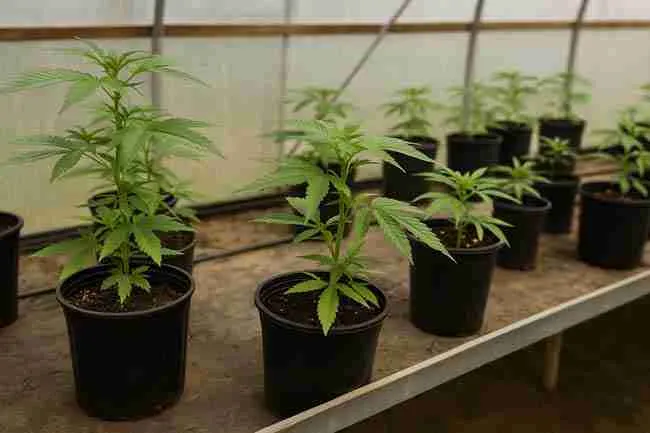
Case 1 — Coco starter plugs
You germinate in coco cubes. You pinch myco in each hole, sow, keep warm. Once cotyledons open, you do a micro-drench. Result: roots look hairier and thicker, and week-2 leaves hold color better with the same mild feed.
Case 2 — Peat mix cups + early transplant
You blend myco into the peat mix. At day 10–14, you dip the plug in a myco slurry right before potting up. Result: less transplant sulk, faster new growth, and smoother P uptake in early veg.
Case 3 — Living soil beds
You already run compost + worm castings. You still dust the seed holes lightly for consistency across the bed. Result: uniform colonization and fewer weaklings—even in the corners that usually lag.
Safety, Cleanliness, and “Don’t Do This” List
- Don’t brew mycorrhizae like a tea for days—AMF aren’t “brewable”; they’re root symbionts, not free-floating aerobic tea microbes.
- Don’t combine with peroxide. If you sanitize, rinse and wait, then add myco at sowing/transplant.
- Don’t overwater seed zones. Soggy = low oxygen = poor germ and unhappy fungi.
- Do sanitize tools and trays; clean ≠ sterile.
- Do store myco cool and dry; heat kills viability.
FAQ — Mycorrhizae Cannabis Seeds (straight answers you’ll actually use)
Do mycorrhizae help cannabis seeds germinate faster?
No. They don’t speed the pop. They help once roots exist, improving nutrient uptake and resilience.
Should you coat cannabis seeds with mycorrhizae?
You can lightly dust the planting hole or the seed’s immediate zone. Directly caking the seed isn’t necessary. The “pinch in hole” method is clean and effective.
Can I mix mycorrhizae into my seed-starting mix?
Yes, that’s the most consistent approach for coco/peat/soilless media. Even distribution = roots meet spores early.
Is hydrogen peroxide compatible with mycorrhizae?
No. H₂O₂ kills spores. If you soak in peroxide, apply myco later (at sowing into the medium or at transplant).
Will high-phosphorus starter feed boost results with mycorrhizae?
Keep P modest early. Too much soluble P can reduce colonization. Myco help you use P efficiently; you don’t need to flood it.
Are mycorrhizae worth it in living soil?
Usually yes, as insurance and consistency—though the jump is smaller than in coco/peat. Many growers love the uniformity.
Do mycorrhizae work in hydro or DWC?
Benefits are limited. AMF like solid media and root surfaces. In DWC, focus on water temp, oxygen, and cleanliness.
How often should I reapply mycorrhizae?
If you’ve mixed the medium or dipped at transplant, you often don’t need frequent reapplications. Consider another light application at the next pot-up if desired.
Can I use mycorrhizae with kelp or fulvic acids?
Yes. Kelp and fulvic are generally compatible. Keep doses gentle in the seedling stage.
What’s the right dose for “mycorrhizae cannabis seeds”?
Follow the label. Look for products listing propagules per gram. For a “pinch in hole,” many growers use ~0.1–0.3 g of a 100–200 PPG product per seed site—but label beats rule-of-thumb.
Your Action Plan (step-by-step you can run today)
- Decide your method: mix into medium or pinch a light dose in each seed hole.
- Skip peroxide + myco together: if you sanitize, do it first, rinse, and apply myco at sowing/transplant.
- Dial the environment: 24–26°C (75–79°F), evenly moist, high oxygen, gentle light.
- Keep feed mild: low EC; don’t blast phosphorus early.
- Transplant boost: use a root dip slurry at first pot-up for a visible “take-off” in veg.
- Store right: cool, dry, sealed. Replace old stock yearly for best viability.
- Track results: note vigor at day 7, 14, 21; compare with/without myco to see your real-world lift.
Final Take (clear guidance, not a summary)
Use mycorrhizae at sowing to position spores where roots will be, then seal the deal at transplant with a slurry dip. Don’t expect faster germination; expect stronger seedlings once they sprout. Keep it clean, keep it gentle, and let the symbiosis do what it’s built to do.