


Mutant Cannabis Genetics: Understanding and Harnessing Variations

You’re out in your garden or tent, checking on your babies after a long day, and one plant just looks… wrong. Its leaves are all stuck together like a duck’s foot, or maybe the buds are stretching out like a fox’s tail. Your first thought? “Oh no, something’s broken!” But hold up – that weird-looking plant might actually be packing some serious gold in its genes. Welcome to the wild world of mutant cannabis genetics. These aren’t mistakes; they’re nature’s little curveballs that can give you stealthier plants, bigger yields, crazier flavors, or even better resistance to pests and mold.

You’re about to dive deep into cannabis plant mutations and genetic variations in cannabis – the good, the bad, and the downright freaky. By the end, you’ll know exactly how to spot the winners, breed with them, and turn those oddballs into your next favorite strain. Let’s grow smarter together.
What Exactly Are Mutant Cannabis Genetics?
Think of your cannabis plant’s DNA like a recipe book. Most of the time, the instructions say “make normal fan leaves with 7-9 fingers” or “grow nice round buds.” But every once in a while, a typo sneaks in – that’s a mutation. It can happen naturally when cells divide, or you can nudge it along with stress, chemicals, or even radiation (yep, the pros do that on purpose sometimes).

The cool part? Some of these typos make the plant better. Others? Not so much. But once you learn to read the book, you can harness mutant cannabis genetics to create plants that stand out from the crowd.
Common Types of Cannabis Plant Mutations (The List You’ll Want to Bookmark)
Here’s a quick rundown of the mutations you’re most likely to run into – and whether you should keep ’em or cull ’em:
- Duckfoot (Webbed Leaves) – Leaves look like a duck’s foot instead of the usual fingers. Super stealthy outdoors because they don’t scream “cannabis” to nosy neighbors.
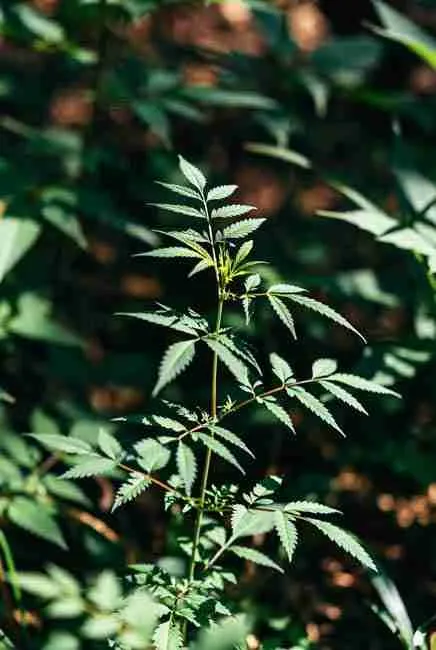
- Freakshow / Fern-Type Leaves – Leaves look like delicate ferns. Again, great camouflage, and the plants still pack normal potency.
- Australian Bastard Cannabis (ABC) – Tiny clover-like leaves, viney growth. Originally low-THC, but breeders are turning it into potent stealth monsters.
- Variegation – White or yellow stripes on leaves. Pretty, but usually a sign of weak chlorophyll – most growers pull these unless they’re breeding for looks.
- Foxtailing Buds – Buds stretch out like a fox’s tail. Can boost yield if managed, but often means the plant got too hot or stressed.
- Polyploidy – Extra sets of chromosomes. Plants get bigger, buds get denser, but it’s tricky to pass on reliably.
- Whorled Phyllotaxy – Three leaves at every node instead of two. Bushier plant, but often more prone to hermies.
- Twin Seedlings – One seed pops two plants. Free extra plant!
You’ll see these pop up in regular seeds more than feminized or autos, because regular seeds keep more genetic diversity.
Identifying Beneficial Mutations in Cannabis
So how do you tell if that weird plant is a keeper or a goner? Grab your notebook and get up close.
Look for:
- Strong stem and root growth despite the odd leaves
- Normal (or better) trichome production
- Good smell and vigor in veg
- No signs of hermaphroditism when you flip to flower
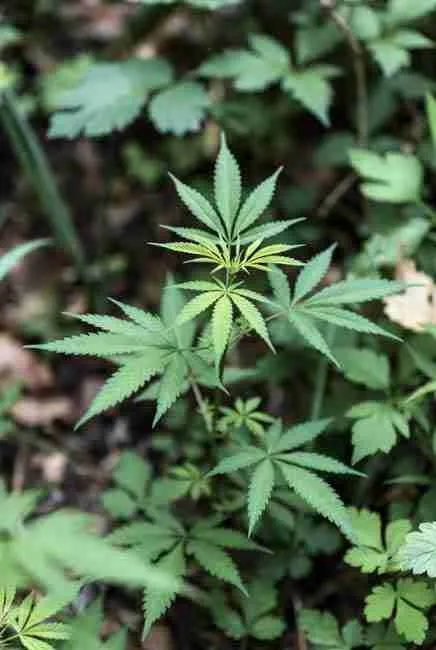
Real-life story: A buddy of mine found a single Duckfoot plant in a pack of regular seeds. He cloned it, crossed it back to a killer indica mom, and now grows Frisian Duck-style plants that blend right into his backyard jungle. Yield is solid, potency is there, and the cops drive right past. That’s a beneficial mutation, folks.
Pros of beneficial mutants:
- Stealth
- Sometimes higher resin or unique terps
- Fun to breed with
- Can increase yield in certain cases (polyploids, foxtails done right)
Cons:
- Might grow slower at first
- Harder to sell clones if they look “wrong”
- Takes extra time to stabilize
Environmental Triggers for Cannabis Mutations
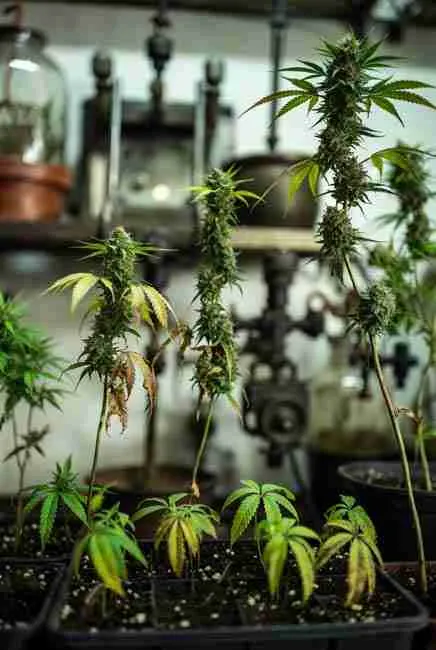
Not every mutation is random. You can actually encourage them (or accidentally cause them).
Common triggers:
- Temperature swings (especially heat spikes in flower)
- Chemical stress (overdoing nutrients, pH crashes)
- Radiation (UV-B lights, old-school breeders used X-rays)
- Colchicine or EMS (chemicals breeders use on purpose for polyploids)
- Old seeds or extreme stress (drought, root binding)
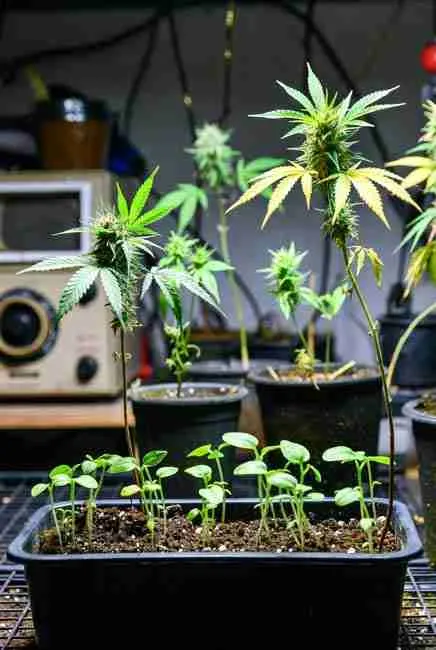
Pro tip: If you want to experiment, start with a small batch and expose seedlings to mild UV stress or temperature cycles. But be ready to cull 90% – most mutations suck.
Risks of Unwanted Mutations in Grows

Let’s be real – most mutations are duds.
You might get:
- Weak stems that snap under bud weight
- Low potency
- Hermaphrodites that seed your whole tent
- Plants that just… die (albinos, severe variegation)
- Slower growth that ruins your harvest window
That’s why commercial breeders obsess over stability. One rogue polyploid or foxtail gene can ruin a whole line if you’re not careful.
Breeding with Mutant Cannabis Traits
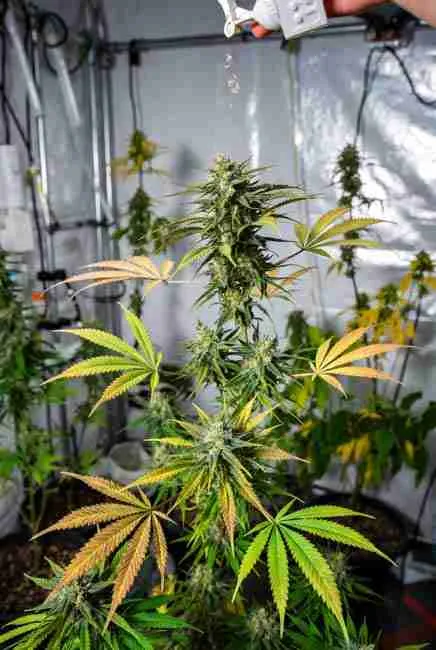
This is where the fun starts.
Step 1: Find a mutant you love (strong, potent, stealthy). Step 2: Pollinate it with a killer stable strain (or vice-versa). Step 3: Grow out the F1s and pick the best mutants. Step 4: Backcross to the stable parent repeatedly.
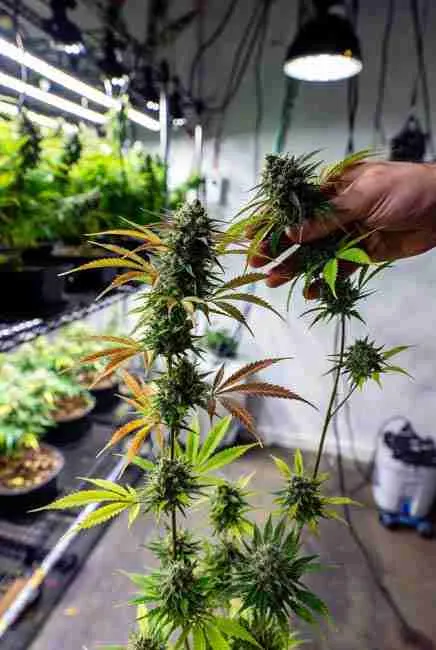
You’re basically stacking the mutant trait onto a rock-solid foundation. It takes 4–7 generations usually, but man, the payoff is huge.
Stabilizing Mutant Cannabis Lines
Stabilizing is the boring-but-necessary part. Here’s the playbook:
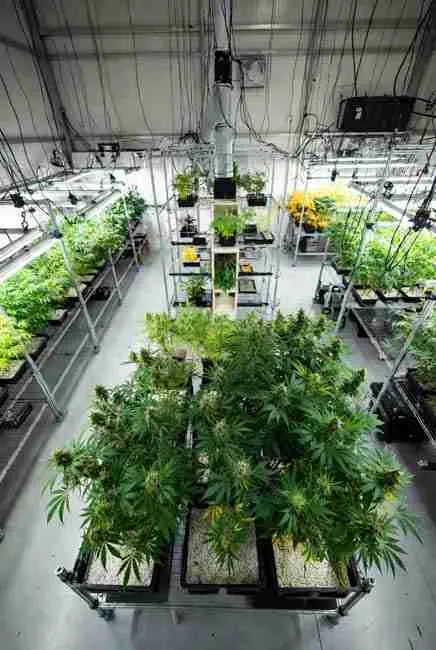
- Grow large populations (50–100 plants per generation)
- Select ONLY the ones that show the trait + good performance
- Backcross to a stable elite parent
- Self-pollinate (make S1s) to lock in recessive traits
- Test in different environments (indoor, outdoor, different lights)
Once 90%+ of the offspring show the trait consistently, you’ve got a stable line. That’s how Frisian Duck and modern Freakshow crosses were born.
Pros and Cons of Growing Mutant Cannabis (Quick Table)

| Aspect | Pros | Cons |
|---|---|---|
| Stealth | Looks nothing like normal weed | Can be slower to veg |
| Yield | Sometimes higher (polyploids, foxtails) | Often lower until stabilized |
| Potency/Terps | Can be unique and potent | Many early mutants are weak |
| Breeding Potential | Adds something new to your gene pool | Takes years to stabilize |
| Fun Factor | Feels like mad science | High cull rate = heartbreak |
FAQ – Mutant Cannabis Genetics Edition
What causes cannabis plant mutations?
Random cell-division errors, environmental stress, or deliberate mutagen exposure.
Are mutant cannabis genetics bad for my grow?
Only the unwanted ones. Beneficial ones can be game-changers.
Can I stabilize mutant cannabis lines at home?
Yes! It just takes space, patience, and good record-keeping.
Do mutant traits pass to seeds?
If the trait is recessive, you need two copies. That’s why stabilization takes work.
Should I buy seeds with unique genetic expressions?
Absolutely – especially if you love pheno-hunting or want stealth plants.
How do I avoid unwanted mutations in grows?
Keep environment stable, use quality seeds, and cull weak plants early.
Are there famous mutant strains I can buy today?
Yep – Frisian Duck, Freakshow crosses, modern ABC lines, and more.
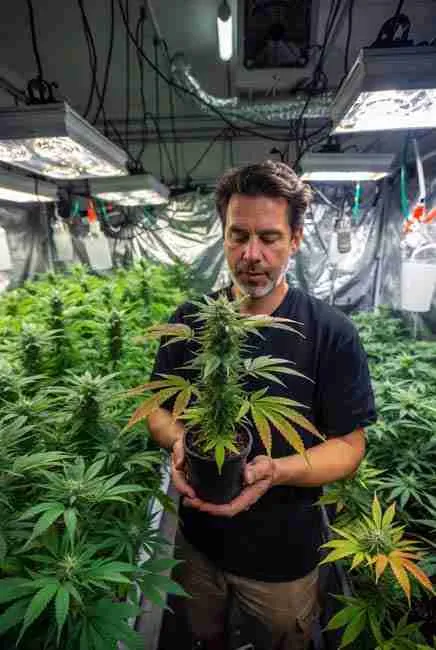
There you have it, friend. Mutant cannabis genetics aren’t something to fear – they’re nature’s way of saying “let’s try something new.” Whether you’re hunting your own freaks in a pack of regulars or buying stabilized mutant lines, you now have the knowledge to harness genetic variations in cannabis like a pro.
Go find that weird plant, document everything, and who knows – you might just create the next legend that growers talk about for decades.
Happy hunting, and may your mutants be ever in your favor, if you want them to be!
