Maximizing Trichome Density in Cannabis Through Light Manipulation

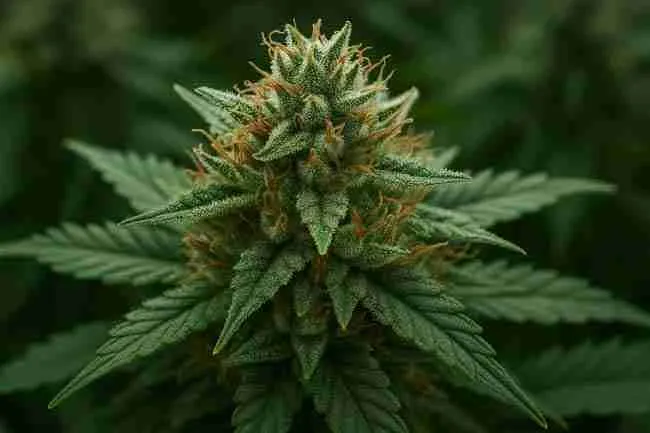
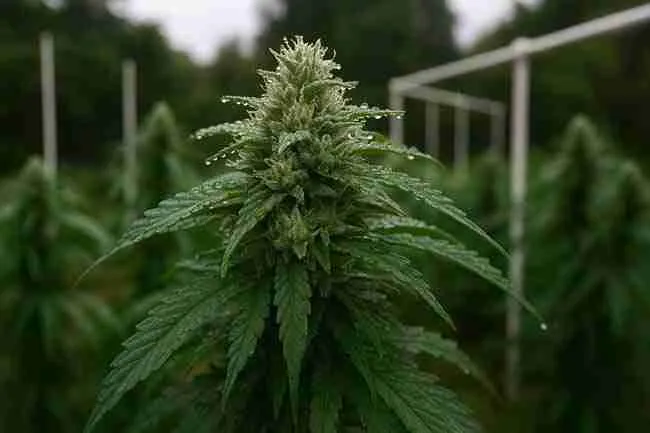
So, you’re trying to grow cannabis that’s dripping with sticky resin, huh? You’ve probably heard that trichomes—the tiny, crystal-like structures on cannabis buds—are key to potency, flavor, and aroma. Well, the rumors are true. But what you might not know is that you can control trichome density in cannabis by tweaking your lighting setup. Let’s dive in and figure out exactly how to make your buds sparkle like diamonds.
How Do You Increase Trichome Density?

Increasing trichome density isn’t just about luck. It’s about creating the perfect environment. Here’s how:
- Optimize Your Lighting: Use high-quality grow lights like LEDs (recommended), MH (Metal Halide), or HPS (High-Pressure Sodium) bulbs.
- Stress Techniques: Light stress like slight defoliation or low-stress training (LST) can trigger the plant to produce more trichomes.
- UV Supplementation: Introduce UV light carefully during the flowering stage.
- Balanced Nutrition: Proper nutrients, especially phosphorus and potassium, help build strong, resinous buds.
Does UV Light Increase Trichome Production?

Heck yes! UV light, especially UV-B, acts like sunscreen for cannabis plants. When your plants sense UV-B, they freak out a little bit and produce extra trichomes to protect themselves.
Pros and Cons of Using UV Light:
Pros:
- Significantly boosts trichome production
- Increases potency (THC levels)
Cons:
- Can damage plants if used excessively
- Requires careful timing and duration
| UV-B Exposure Time | Stage | Result |
|---|---|---|
| 1-2 hours daily | Late flowering | Higher trichome density, increased potency |
How Do You Magnify Trichomes?
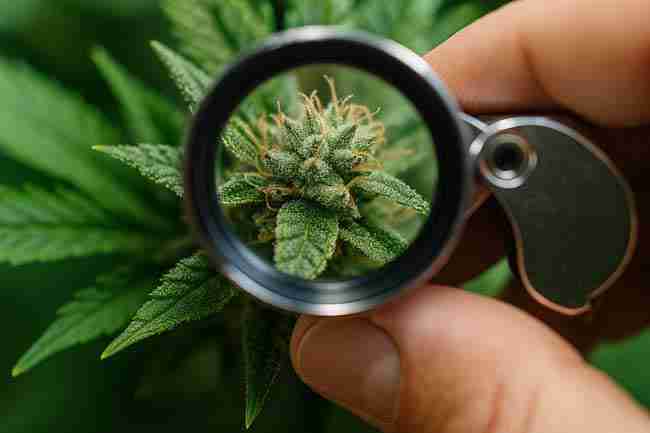
Seeing those trichomes up close is crucial. You need a good magnifying tool:
- Jeweler’s Loupe: Simple, affordable, and effective (at least 30x magnification).
- Digital Microscope: Offers high magnification and lets you capture images for easy reference.
Does Light Affect Trichomes?

You bet it does! Light intensity, spectrum, and timing significantly affect trichome development. More intense light usually means more trichomes, but too much can cause heat stress.
- Blue spectrum: Great for early growth stages.
- Red spectrum: Perfect for flowering and boosting resin production.
- UV spectrum: Ideal for triggering defensive resin production.
How Do I Make My Buds More Dense?

Dense buds aren’t just prettier; they’re usually stronger. Here’s how you can do it:
- Proper Lighting: Intense light promotes dense growth.
- Temperature Control: Keep your grow room between 65-80°F (18-26°C).
- Humidity Management: Aim for 40-50% during flowering.
- Nutrient Balance: More phosphorus and potassium during flowering stages.
What Nutrient Increases Trichomes?

The magic nutrient combo for trichomes includes phosphorus (P) and potassium (K). Potassium boosts resin production while phosphorus supports bud density and size.
| Nutrient | Function | Ideal Stage |
| Phosphorus (P) | Bud development, density | Flowering |
| Potassium (K) | Resin and trichome production | Flowering |
Does Molasses Increase Trichome Production?

Indirectly, yes! Molasses feeds beneficial microbes in the soil. Cannabis roots release sugars that attract these microbes, enhancing nutrient uptake. Healthy plants mean more robust trichome production.
Does Low Humidity Increase Trichomes?

Absolutely! Lower humidity levels, especially late in flowering (below 40%), encourage plants to produce trichomes as protection from dehydration.
Does Sugar Increase Trichomes?

Directly, no. But indirectly, yes. Sugar, in the form of molasses or other natural sweeteners, boosts microbial activity, enhancing overall plant health and nutrient absorption.
How Do I Make My Buds More Resinous?

Want your buds dripping with resin? Here’s what to do:
- UV Exposure: Carefully use UV-B lights.
- Temperature Drops: Slight temperature drops during the flowering stage (5-10°F) stress plants into producing more resin.
- Controlled Stress Techniques: Like super cropping and low-stress training (LST).
Creating a Self-Sustaining Grow Room Environment
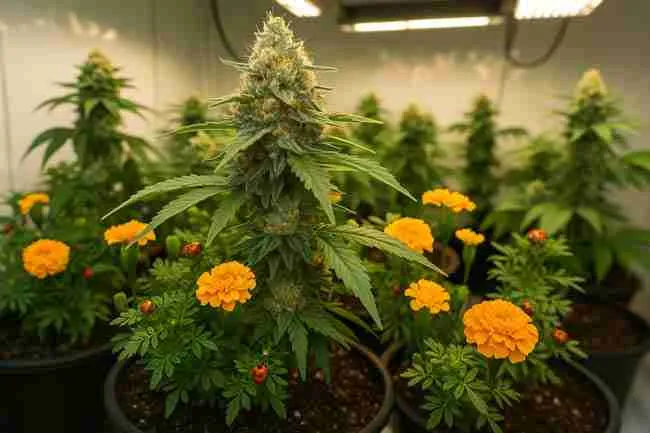
Here’s how to build a grow room that takes care of itself:
- Introduce Beneficial Insects: Ladybugs, predatory mites, and nematodes manage pests naturally.
- Cultivate Microbial Life: Beneficial microbes help roots absorb nutrients more efficiently.
- Balanced Ecosystem: Plant companion plants like marigolds to deter pests naturally.
Quick Tips for a Healthy Grow Room:
- Regularly check humidity and temperature.
- Rotate your plants for even light distribution.
- Keep your room clean to prevent unwanted pests and pathogens.
FAQ
What’s the ideal humidity for maximizing trichome density?
Aim for humidity between 40-50% during flowering. Drop it to around 35-40% in the late flowering stage.
Can LED lights enhance trichome density?
Yes, high-quality LEDs with full-spectrum capabilities significantly boost trichome production.
Should I use nutrient supplements to boost trichome production?
Absolutely. Using bloom boosters high in phosphorus and potassium is key.
How long should I expose plants to UV light for trichome density?
1-2 hours daily during the late flowering stage is ideal.
Does overwatering affect trichome density?
Yes, overwatering can stunt plant growth and reduce trichome development significantly.
Conclusion: Bringing It All Together for Maximum Trichome Density in Cannabis

When it comes down to it, maximizing trichome density in cannabis isn’t about luck—it’s about careful, thoughtful manipulation of your grow room environment, especially lighting. You’ve learned that trichomes, those sticky, crystal-like glands covering your buds, thrive when you tweak UV exposure, humidity levels, and nutritional balance. With some experimentation and observation, you’ll start to see dramatic improvements in the density and potency of your buds.
I’ve personally experimented with UV supplementation in my grow room, and the results have been genuinely impressive. Initially, I was skeptical—after all, UV lights seemed a bit gimmicky and unnecessary. However, after adding supplemental UV lighting during the final few weeks of flowering, the difference was night and day. The buds were stickier, more aromatic, and visually stunning with a thicker, frostier coating of trichomes.
Another experience worth sharing involves lowering humidity during late flowering stages. I found this method boosted resin production significantly. My plants, sensing the dry environment, responded by producing more trichomes as a protective mechanism. Honestly, seeing those glittering buds felt incredibly rewarding after weeks of attentive care.
If you’re serious about achieving maximum trichome density in cannabis, start with careful adjustments, monitor the results, and don’t hesitate to adapt as you learn. The beauty of cannabis cultivation lies in the journey—each new technique you master brings you closer to perfect, resin-coated buds that make all your hard work worthwhile.
Happy growing, and remember: the devil’s in the details, so keep experimenting until you find exactly what your plants crave!