Mastering Vapor Pressure Deficit (VPD) for Healthier Cannabis Plants

You know how tricky it can be to grow cannabis right? You set the temperature just so, you tweak the humidity, yet your plants still look stressed or the buds never quite pack on the weight you hoped for. So here is where vapor pressure deficit, or VPD cannabis, steps in like the missing piece of the puzzle. In this complete 2026 guide you will discover exactly what VPD cannabis means, why it beats watching temperature or humidity alone, and how you can use it to grow stronger, resin-packed plants from seedling to harvest. Plus you will get printable vapor pressure deficit cannabis charts, affordable VPD monitoring home grow tools, quick fixes for problems, and real-world tips that actually work in your tent or room. By the end you will feel confident dialing in optimal VPD marijuana growth stages every single day.
What Is Vapor Pressure Deficit (VPD) and Why It Matters More Than Temperature Alone
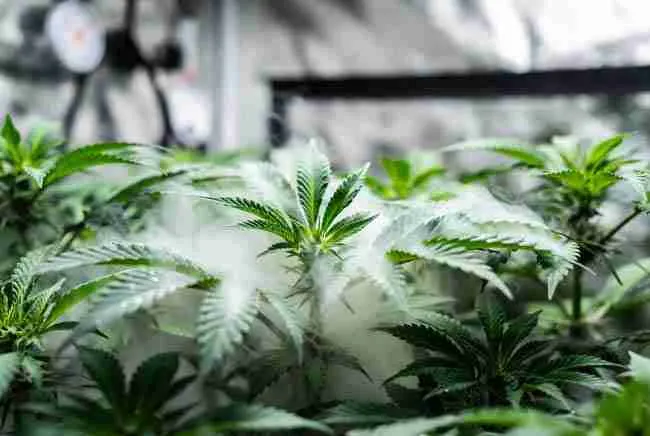
Imagine your cannabis plants have tiny mouths on their leaves called stomata. These little openings open and close to pull in carbon dioxide and push out water vapor. However the air around them has a certain “thirst” level. That thirst is vapor pressure deficit. VPD cannabis measures how much extra moisture the air can still hold before it feels saturated. You calculate it from air temperature, relative humidity, and leaf temperature. The result comes out in kilopascals (kPa).
So why does VPD cannabis matter more than temperature alone? Temperature tells you how hot the room feels, but it ignores how dry or muggy the air is. For example you might keep things at 75 °F yet one day the air is bone-dry and your plants wilt while another day the same temperature feels sticky and mold starts creeping in. VPD cannabis combines both numbers into one easy-to-read value so you know exactly how hard your plants are working to transpire. Therefore you stop guessing and start steering growth like a pro. In addition perfect VPD cannabis keeps stomata happy, nutrients flowing, and diseases away. You will see the difference fast once you start tracking it.
Optimal VPD Marijuana Growth Stages: Tailor It to Your Plants’ Needs

Your cannabis plants change their needs as they grow so optimal VPD marijuana growth stages shift with them. You cannot use the same setting from seedling to flower or you risk weak roots early or bud rot later. Here is the simple breakdown you can follow right now in 2026.
During the seedling and clone stage you want low VPD cannabis around 0.4 to 0.8 kPa. The plants are tiny and their roots are just starting so high humidity keeps them from drying out. You might run 70 to 80 percent relative humidity at 70 to 75 °F air temperature. Meanwhile in the vegetative stage you bump VPD cannabis up to 0.8 to 1.2 kPa. This gentle pull encourages strong stems and big leaves without shocking the plant. A typical sweet spot sits around 75 to 80 °F with 50 to 70 percent humidity.
Once you flip to flowering the plants can handle a bit more drying power. Aim for 1.2 to 1.6 kPa in mid to late flower. That usually means dropping humidity to 40 to 55 percent while keeping temperatures between 70 and 78 °F. However in the very last two weeks you can ease back slightly to 1.0 to 1.3 kPa if you notice any risk of mold on dense buds. For instance many growers notice fatter trichomes and better terpene profiles when they stay in these ranges. So watch your strain too because some sativas love the higher end while indicas prefer the middle.
Remember leaf temperature matters even more than air temperature. Leaves usually run 2 to 5 °F cooler than the air under lights so grab an infrared thermometer and measure right at the canopy. That small step makes your VPD cannabis readings spot-on every time.
Your Vapor Pressure Deficit Cannabis Chart – Printable and Ready to Use

You asked for printable vapor pressure deficit cannabis charts so here they are in easy table form. Print these out and tape them next to your grow tent. The numbers come straight from top 2026 grower data and work for most home setups. Adjust slightly for your leaf temperature if it runs cooler.
| Growth Stage | Ideal VPD Range (kPa) | Air Temp (°F) | Relative Humidity (%) Range for Target VPD |
|---|---|---|---|
| Seedling / Clones | 0.4 – 0.8 | 70 – 75 | 70 – 80 |
| Vegetative | 0.8 – 1.2 | 75 – 80 | 50 – 70 |
| Early Flowering | 1.0 – 1.3 | 72 – 78 | 45 – 60 |
| Mid to Late Flower | 1.2 – 1.6 | 70 – 76 | 40 – 55 |
| Final Ripening | 1.0 – 1.3 | 68 – 74 | 40 – 50 |
Use this vapor pressure deficit cannabis chart every morning and evening. For example if your air reads 77 °F and you want 1.0 kPa in veg you shoot for about 58 percent humidity. However if your leaves sit cooler you might need a touch more humidity. Keep the chart handy and you will never guess again.
Affordable VPD Monitoring Tools and Apps for VPD Monitoring Home Grow
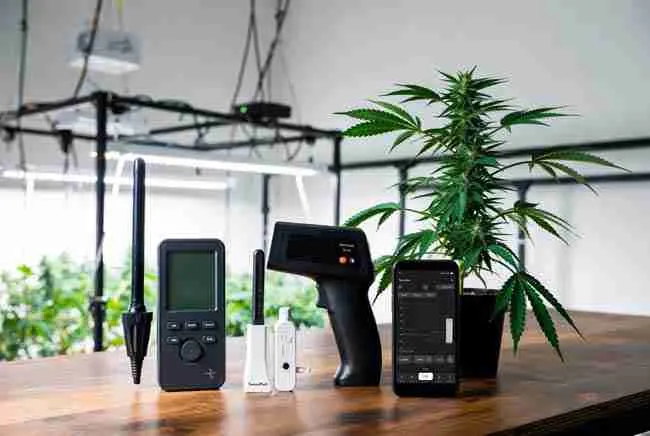
You do not need fancy lab gear to master VPD monitoring home grow. Start cheap and scale up when you are ready. Here is what actually works in real tents.
First grab a basic digital hygrometer thermometer combo for under twenty bucks. It gives air temperature and humidity instantly. Next add an infrared thermometer around thirty dollars so you can measure leaf temperature without touching the plant. Together these two tools let you calculate VPD cannabis in ten seconds with a free online calculator.
For a step up consider smart monitors like the Govee or SensorPush. They send phone alerts when VPD drifts and log data over days so you spot patterns fast. Pros of these gadgets include remote checks and historical graphs. Cons are the small upfront cost though they pay for themselves in saved crops.
Apps make life even easier. Try free VPD calculators or the Dr. Greenhouse app that already includes cannabis charts. You punch in numbers and it tells you if you sit in the green zone. Meanwhile Pulse One or similar all-in-one sensors track VPD cannabis 24/7 and integrate with fans and humidifiers. In 2026 many of these connect to your phone so you get push notifications the moment something shifts. You will love the peace of mind especially if you step away for a weekend.
Step-by-Step: Measuring and Adjusting VPD in Your Grow Tent

You want results fast so here is exactly how you measure VPD cannabis every day. First check air temperature and humidity at canopy height. Second point your infrared gun at several leaves and average the reading. Third plug the numbers into your chart or app. Fourth compare to the ideal range for your stage. If you are off by more than 0.2 kPa make a small change and recheck in thirty minutes. Repeat until you lock it in. This quick routine takes two minutes yet saves weeks of slow growth.
How to Fix High or Low VPD Problems Quickly

High VPD cannabis means the air is too dry and your plants lose water faster than they can pull it up. You notice curled leaf edges, drooping, or slow growth. So you fix it by adding a humidifier, misting the leaves lightly in the morning, or lowering your lights a few inches to cool things down. Meanwhile close some vents if you have too much fresh air rushing in.
Low VPD cannabis happens when humidity climbs too high and transpiration stalls. Buds feel soggy and mold risks shoot up. Therefore you turn on extra fans, run a dehumidifier, or raise the temperature a couple degrees with a small heater. For instance many growers open the tent door for ten minutes during lights-on to flush stale air. You can also train plants with low stress techniques so air moves better around the canopy.
Yield and Resin Increases When VPD Stays Perfect
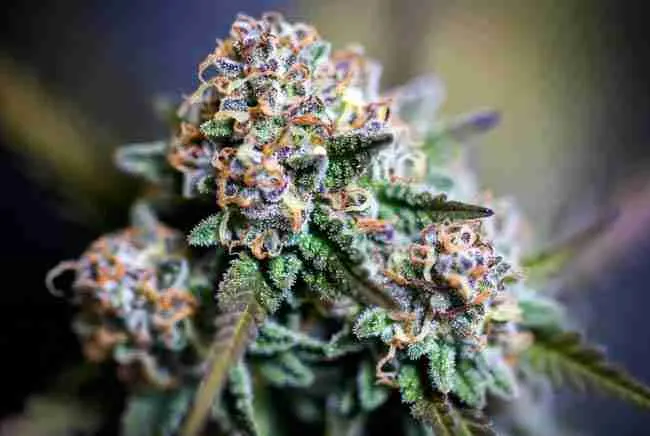
Perfect VPD cannabis is like giving your plants a superpower. When you keep it dialed you see 20 to 30 percent bigger yields because nutrients move faster into the leaves and buds swell thicker. Resin production jumps too since healthy transpiration pulls more sugars and oils into the trichomes. You end up with stickier, smellier flowers that cure beautifully. Growers who switched to VPD cannabis often report denser colas and fewer airy buds. So the extra effort pays off in every harvest.
How VPD Affects Transpiration, Stomata, and Nutrient Uptake
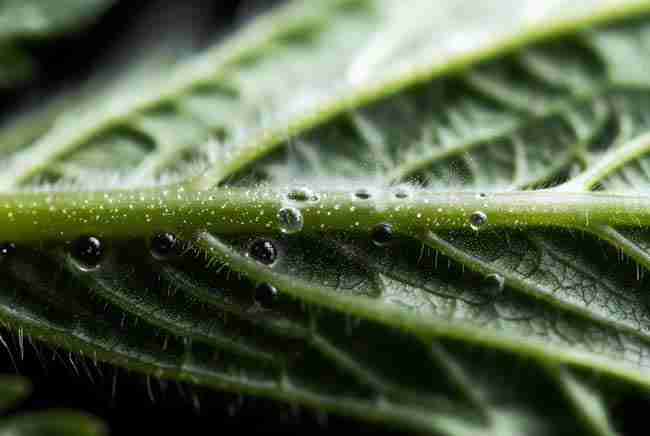
Transpiration is your plant’s way of drinking. When VPD cannabis sits right the stomata stay open just enough to pull water and nutrients from the roots all the way to the top. However if VPD spikes too high the plant slams the stomata shut to save water and you get nutrient lockout. On the other hand too-low VPD keeps stomata wide open but CO2 uptake drops and mold loves the damp leaves. Therefore balanced VPD cannabis keeps everything flowing smoothly.
Common VPD Cannabis Mistakes and How to Avoid Them

You might forget to check leaf temperature and chase the wrong numbers. Or you chase a perfect VPD but ignore airflow so pockets of high humidity form. Plus some growers lock VPD early in flower and never ease it for ripening. Avoid these by measuring twice a day, using oscillating fans, and reviewing your chart weekly. In addition always note strain differences because some love drier air than others.
Integrating VPD with Other Grow Techniques
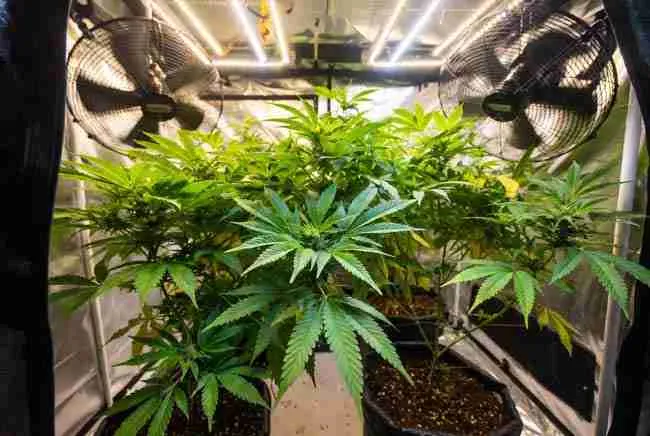
VPD cannabis works even better when you pair it with good practices. For example run your lights at full strength once VPD hits the sweet spot because the plants can handle the extra energy. Combine it with living soil or coco and you watch nutrient uptake skyrocket. Meanwhile low stress training opens the canopy so air reaches every leaf and VPD stays even. You can also enrich CO2 slightly in veg when VPD is stable and watch growth explode. The key is small steady tweaks instead of big swings.
Pros and Cons of Mastering VPD for Your Cannabis Grow
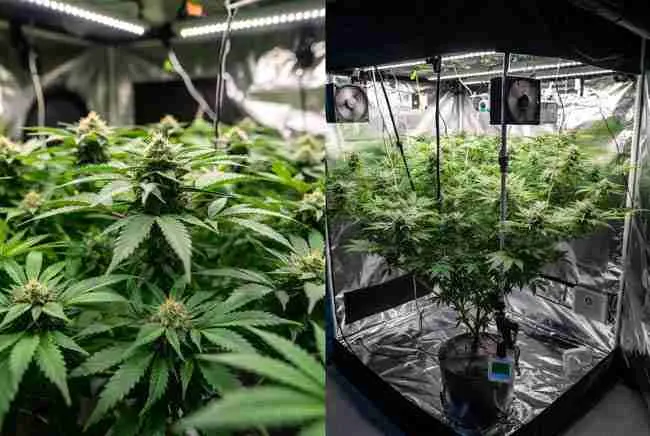
Pros: bigger yields, more resin, fewer diseases, better nutrient use, easier troubleshooting, and consistent results harvest after harvest. Cons: you need a couple cheap tools at first, it takes a few days to get the hang of measuring, and you must check daily in the beginning.
Overall the pros win big once you see your first perfect crop.
7 Practical Tips to Master VPD Cannabis in 2026

- Measure leaf temperature every time because it changes the reading fast.
- Keep a simple log so you spot patterns over weeks.
- Start changes slowly so plants stay happy.
- Use oscillating fans to even out VPD across the tent.
- Adjust for your local climate because summer humidity fights you harder.
- Pair VPD with good genetics from trusted banks so the plants respond better.
- Review your setup monthly and upgrade tools when you can.
Real-Life Stories from Growers Who Dialed In VPD Cannabis
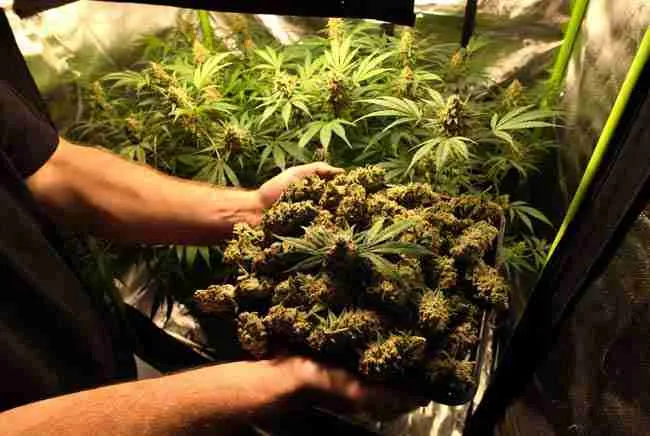
Picture this: a first-time grower in a small 4×4 tent kept losing plants to mold until he started tracking VPD cannabis. Within two weeks he dropped humidity at the right time and harvested dense sticky buds for the first time. Another seasoned gardener raised yields 25 percent just by adding an infrared thermometer and following the chart. You hear stories like these every season and they all point to the same truth: VPD cannabis turns good grows into great ones.
FAQ About VPD Cannabis
What is the best VPD for cannabis seedlings?
Aim for 0.4 to 0.8 kPa so young plants stay hydrated without stress.
How do I use a vapor pressure deficit cannabis chart in my home grow?
Print the table, measure air and leaf temp plus humidity, then match the numbers to find your current VPD.
What are optimal VPD marijuana growth stages for flowering?
Early flower likes 1.0 to 1.3 kPa while mid to late flower prefers 1.2 to 1.6 kPa to pack on resin and fight mold.
Do I need expensive tools for VPD monitoring home grow?
No. A twenty-dollar hygrometer and infrared thermometer get you started perfectly.
Can VPD cannabis help prevent bud rot?
Yes because the right range keeps humidity lower in flower so mold has a harder time.
How often should I check VPD cannabis?
Twice a day at lights-on and lights-off gives you the best control.
Does VPD change with CO2 enrichment? Slightly. Higher CO2 lets you push VPD a touch higher without closing stomata.
What happens if VPD cannabis stays too high for days?
Plants stress, nutrient uptake slows, and yields drop so fix it quickly with humidity.
Mastering VPD cannabis does not have to feel complicated. You now hold the exact tools, charts, and fixes to grow healthier plants with bigger yields and better resin. So grab your thermometer, check your numbers today, and watch your next harvest become the best one yet.