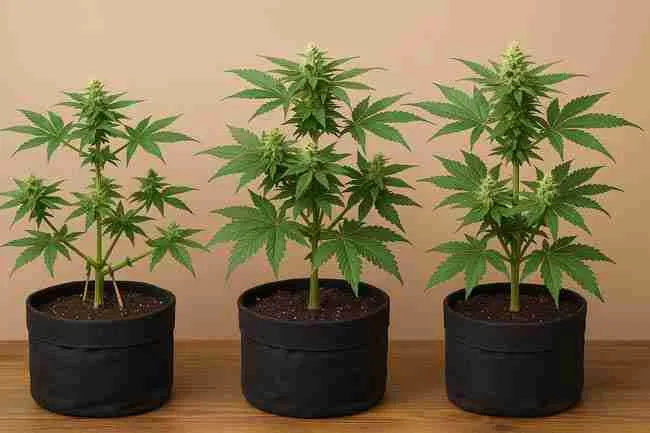
Mastering LST Autoflowers: Boost Growth with Low Stress Training Techniques


Mastering LST Autoflowers: Boost Growth with Low Stress Training Techniques
Hey there, cannabis grower! If you’re diving into the world of autoflowers, you’re in for a treat. These fast-growing plants are like the sprinters of the cannabis world, racing from seed to harvest in just 8-12 weeks. But here’s the kicker: to get the most buds out of them, you’ve gotta train them right. That’s where Low Stress Training (LST) comes in—a gentle way to shape your plants for bigger yields without stressing them out. In this guide, we’re gonna walk you through everything you need to know to master LST for autoflowers, from when to start to spotting if your plants are getting too much light. Let’s get growing!
Why LST Autoflowers?

Autoflowers are special because they don’t rely on light cycles to start flowering—they just do their thing based on age. This makes them super quick, but it also means they don’t have much time to recover from stress. LST is like giving your plants a gentle nudge to grow wider and bushier, letting more light hit those bud sites. It’s a low-risk way to boost your harvest, and trust me, when you see those fat buds at harvest time, you’ll be glad you tried it!
How to Properly LST Autoflowers?
So, you’re ready to start bending and shaping your autoflowers. Awesome! LST is all about gently guiding your plant’s growth to create a flat, even canopy. This way, more buds get the light they need to grow big and strong. Here’s how you do it right.
Choosing Your LST Method

You’ve got a few ways to go about LST, each with its own vibe. The main ones are Tie and Bend, Screen of Green (Scrog), and Sea of Green (SOG). Let’s break them down so you can pick what works for you.
Tie and Bend Method
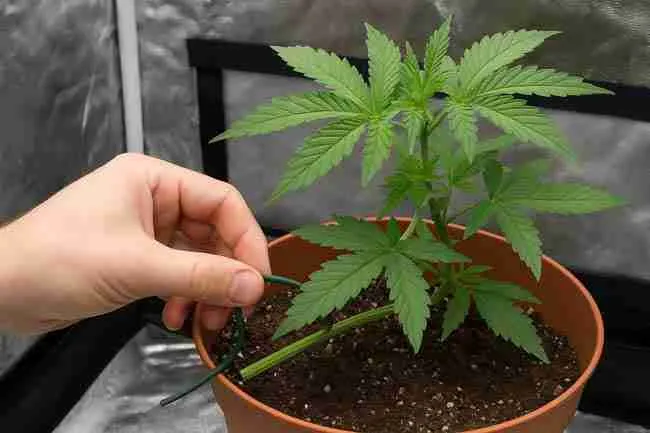
This is the simplest way to start, perfect if you’re new to growing. You just bend the main stem and branches down and tie them in place with soft materials like plant wire or elastic bands.

- How to Do It: Wait until your plant has 3-5 nodes (those spots where leaves and branches grow). Gently bend the main stem toward the edge of the pot and tie it down with a soft tie. Do the same for side branches as they grow, spreading them out to create a wide, flat shape. Check every few days and adjust the ties to keep things snug but not too tight.
- Pros: It’s super flexible, lets you control the plant’s shape, and boosts light to all buds. Plus, it’s low-stress, so your plant stays happy.
- Cons: You’ll need to keep an eye on it and adjust ties often, which can feel like a bit of a chore if you’ve got a bunch of plants.
Screen of Green (Scrog)
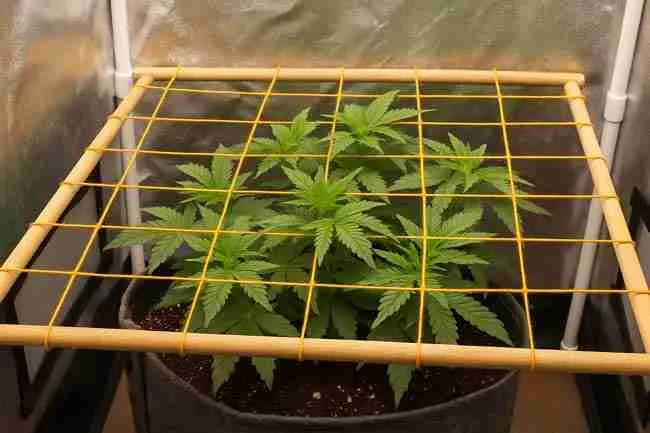
Scrog takes things up a notch by using a screen or net to train your plants. It’s great for indoor setups where you’re short on height.
- How to Do It: Set up a screen about 20-30 cm above your plants. As branches grow, weave them through the screen holes and secure with ties. Trim any lower growth that won’t get light to focus energy on the top buds. Keep adjusting as the plant stretches.
- Pros: Creates a super even canopy, uses space well, and can seriously pump up your yields. It’s like giving your plants a perfect sunbathing setup!
- Cons: You’ll need to buy or make a screen and some poles, and setting it up takes a bit of effort upfront.
Sea of Green (SOG)

SOG is all about growing lots of small plants close together, focusing on one main bud (or cola) per plant. It’s a fast way to get a harvest.
- How to Do It: Plant your autoflowers in small 2-3 gallon pots, packed close together. Focus on the main cola, trimming lower branches that don’t get light. Keep the canopy even for max light exposure.
- Pros: You get quicker harvests and can fit lots of plants in a small space. It’s low-effort once set up.
- Cons: Each plant is smaller, so you need more plants for big yields. Plus, tight spacing can lead to mold if you’re not careful with airflow.
When to Stop LST Training Autoflower?

Timing is everything with autoflowers. You wanna stop LST when your plant starts flowering, usually around 4-6 weeks after sprouting. Look for little pre-flowers forming or notice when the plant stops growing taller—that’s your cue. At this point, your autoflower is putting all its energy into making buds, and messing with it can stress it out and shrink your harvest. So, once you see those flowers, let your plant do its thing and focus on keeping it healthy.
Should You LST Autoflowers?

Heck yeah, you should! LST is a no-brainer for autoflowers because it helps you get more buds without the high-stress drama of other training methods. By spreading out the branches, you let light hit more spots, which can mean bigger, denser buds. It also improves airflow, cutting down on mold risks. The only downside? It takes a bit of time and patience, but the extra buds are worth it!
How Many Nodes to Start LST?

You’ll want to start LST when your autoflower has 3-5 nodes, usually around week 3. Nodes are where leaves and branches pop out, and by this stage, your plant is strong enough to handle gentle bending. Starting at this point lets you shape the plant before it gets too tall and set in its ways. If you start too early, like at 1-2 nodes, the plant might be too weak. Wait too long, and you miss the chance to shape it properly.
Should You Trim Fan Leaves on Autoflower?

Trimming fan leaves—those big, broad leaves—can be a bit tricky. Some growers love it, others say steer clear. The truth? Light trimming can help, but you gotta be careful. Removing a few leaves that block bud sites or trap air can improve light and airflow, giving your buds a boost. But if you go overboard, especially during flowering, you might stress your plant and end up with smaller buds.
- When to Trim: Only trim leaves that are shading buds or causing damp spots. Do it slowly, maybe a few leaves every few days, and watch how your plant reacts.
- Pros: Better light to buds, less chance of mold.
- Cons: Too much trimming can slow growth, especially in autoflowers with their short lives.
How Do You Know if Autoflowers Are Getting Too Much Light?

Too much light can throw your autoflowers for a loop, and they’ll let you know if you pay attention. If the leaves start folding up like a taco, curling at the edges, or turning yellow and crispy, your light’s probably too intense. You might also see buds or leaves bleaching white or leaves clawing away from the light source. If you spot these signs, raise your light higher or dim it if possible. Keeping lights 12-24 inches above the canopy, depending on their strength, usually does the trick.
How Early Should I Start LST?

You can start LST as early as week 2-3, when your plant has 2-3 sets of true leaves (not the tiny round ones from sprouting). This is when your autoflower is sturdy enough to handle some gentle bending but still flexible enough to shape. Starting early gives you more time to create that perfect flat canopy before flowering kicks in. Just don’t rush it—make sure the plant’s got enough strength to handle the training.
What Stunts Autoflowers?

Nobody wants a tiny, sad autoflower, so let’s talk about what can stunt their growth. A few things can slow your plants down, and avoiding these pitfalls is key to a big harvest.
- List of Common Stunting Causes:
- Bad Lighting: Too little or too much light can mess things up. Aim for 18-20 hours of light daily.
- Overwatering/Underwatering: Keep soil moist but not soggy. Let the top inch dry out before watering again.
- Nutrient Issues: Too much or too little food can shock your plant. Use half-strength nutrients to start.
- Small Pots: Autoflowers need room to grow. Use 3-5 gallon pots for best results.
- High-Stress Training: Methods like topping can stress autoflowers too much, slowing them down.
- Poor Environment: Keep temps between 70-85°F and humidity around 50-60% during veg, 40-50% during flower.
By keeping these in check, you’ll give your autoflowers the best shot at growing big and strong.
Is It Okay to Defoliate Autoflowers?

Defoliation—trimming those fan leaves—can be okay, but it’s like walking a tightrope. A little bit can help light reach buds and keep air moving, reducing mold risk. But autoflowers don’t have much time to recover, so heavy defoliation can hurt more than it helps. If you’re gonna trim, do it sparingly, maybe a few leaves at a time, and only during the vegetative stage or early flowering. Always keep an eye on your plant to make sure it’s not stressing out.
Extra Tips for Mastering LST Autoflowers
Alright, you’ve got the basics down, but here are a few extra nuggets of wisdom to make your LST game top-notch:
- Use Soft Ties: Avoid anything rough like string or wire that can cut into stems. Soft plant ties or pipe cleaners are your best buds.
- Check Ties Often: As your plant grows, ties can get tight. Loosen or adjust them every few days to avoid damage.
- Keep Air Moving: Good airflow prevents mold, especially in dense setups like SOG. A small fan can work wonders.
- Document Your Grow: Take notes or pics of your LST setup. It’ll help you tweak things for your next grow.
Table: Comparing LST Methods for Autoflowers
| Method | Pros | Cons | Best For |
|---|---|---|---|
| Tie and Bend | Flexible, great light spread | Needs regular tweaking | Beginners, small grows |
| Scrog | Even canopy, maxes out space | Needs screen setup, more work | Indoor grows, limited height |
| SOG | Fast harvests, low maintenance | Smaller plants, mold risk | Large-scale, quick turnaround |
This table helps you pick the right LST method based on your setup, so you can maximize those buds without extra hassle.
Real-Life Example: Jake’s First LST Success
Let me tell you about Jake, a newbie grower who tried LST on his autoflowers last summer. He started with the Tie and Bend method on three plants, bending the main stems when they hit 4 nodes. Jake used soft pipe cleaners and checked them every few days, adjusting as the plants grew. He noticed one plant was getting taco-shaped leaves from his LED light being too close, so he raised it to 18 inches. By week 8, his plants were bushy with fat buds all over, and he harvested way more than his buddy who didn’t train his plants. Jake’s now hooked on LST, and you can be too!
FAQ: Your Burning Questions About Mastering LST Autoflowers
Got questions? We’ve got answers! Here’s what growers often ask about LST and autoflowers:
- Can I use other training methods with LST? Sure, but stick to low-stress ones. High-stress methods like topping can stunt autoflowers.
- How often should I adjust my LST ties? Check every 2-3 days. Your plant grows fast, and tight ties can hurt stems.
- What’s the easiest LST method for beginners? Tie and Bend is the way to go—simple, cheap, and effective.
- Can I LST during flowering? It’s risky. Stop when flowers start to avoid stressing your plant.
- How do I know when my autoflower is ready to harvest? Look for brown pistils and cloudy or amber trichomes, usually 8-12 weeks from seed.
Wrapping It Up

Mastering LST for autoflowers is like learning to ride a bike—takes a bit of practice, but once you get the hang of it, you’ll be cruising to bigger harvests. By starting early, choosing the right method, and keeping an eye on your plants, you can boost yields, improve bud quality, and keep your autoflowers happy. Whether you’re bending branches, setting up a Scrog, or packing in a SOG, LST is your ticket to a bountiful grow. So grab those ties, get to training, and watch your autoflowers thrive!