


Keeping Rabbits out of your Cannabis Garden


You’ve spent weeks watering, feeding, and watching your cannabis plants get bigger and stronger outside. Then one sunny morning you walk out and half the fan leaves are gone. Clean cuts sit right on the stems like someone took scissors to them. Little round poop pellets are scattered all over the dirt. That’s rabbits in your cannabis garden, and they don’t mess around.
Keeping rabbits out of your cannabis garden stops those cute little hoppers from turning your hard work into a free salad bar. Outdoor growers run into this problem all the time because rabbits love tender green growth. The good news is you can stop them without hurting anyone if you know what works.
Do Rabbits Eat Cannabis
Yes, rabbits/hares do eat cannabis plants. They go after the young leaves, soft stems, and even the roots when they dig. Do rabbits eat cannabis every single day? Not always. When grass and clover are plentiful they might leave your plants alone. But when food gets scarce in early spring or late fall, those cannabis seedlings look like an all-you-can-eat buffet.

I’ve heard from growers who woke up to plants chewed right down to the ground. One buddy lost three healthy clones overnight because a family of cottontails found the spot. Rabbits don’t care that the plant has sticky resin. They just nibble. The living plant has THCA, which isn’t the same as the stuff that gets people high, so the bunnies aren’t getting stoned. They’re just hungry.
Young plants get hit the hardest. Once the stems toughen up and the plant gets taller, rabbits have a harder time reaching everything. Still, they can strip lower branches and dig around the base. That digging messes with roots and can stress the whole plant.
Why Rabbits Target Your Cannabis Garden
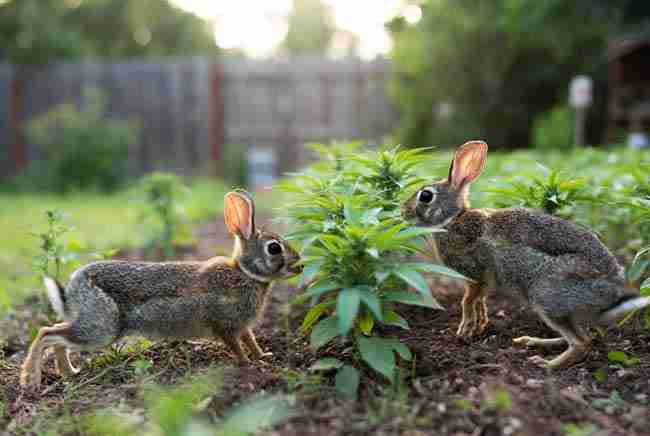
Rabbits are out at dawn and dusk looking for easy meals. Your garden gives them soft leaves, open dirt for digging, and often some cover nearby. Brush piles, tall grass, and wood stacks make perfect hiding spots. If those spots sit close to your plants, rabbits feel safe enough to stick around and keep coming back.
They multiply fast too. A few rabbits can become a lot of mouths in one season. Once they learn your cannabis tastes good, they bring the family. That’s why early action matters so much.
Signs That Rabbits Are Visiting Your Plants
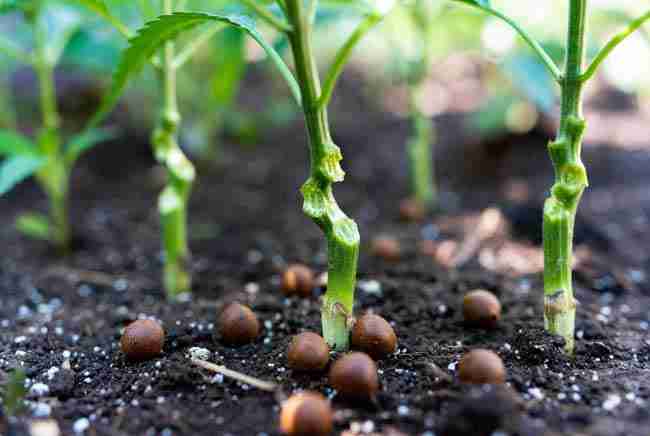
Look for these clues so you catch the problem early:
- Clean 45-degree cuts on stems and leaves
- Round, pea-sized droppings in little piles
- Missing lower leaves or whole young plants gone
- Disturbed soil and small dig holes near the base
- Bark chewed off any woody stems or nearby trees
If you see those signs, rabbits are already treating your cannabis garden like their personal snack spot. Act fast before the damage gets worse.
Why Keeping Rabbits Out Matters for Your Grow
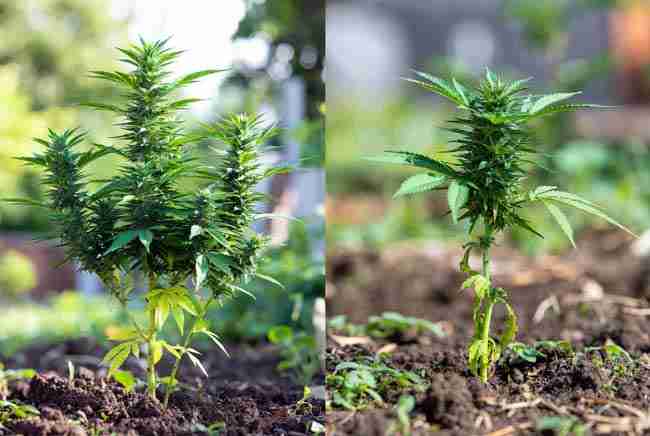
A rabbit attack can set your plants back weeks. Seedlings that get chewed often never recover fully. Even bigger plants lose leaves that should be catching light and making energy. Stress from damage can open the door to other problems like mold or weak growth later on.
Outdoor cannabis already deals with weather, insects, and soil issues. Adding hungry rabbits on top makes everything harder. Protecting the plants means better yields and less heartache at harvest time. Plus, you put time and money into those seeds and nutrients. You don’t want it all going into a bunny’s belly.
Best Ways to Keep Rabbits Out of Your Cannabis Garden
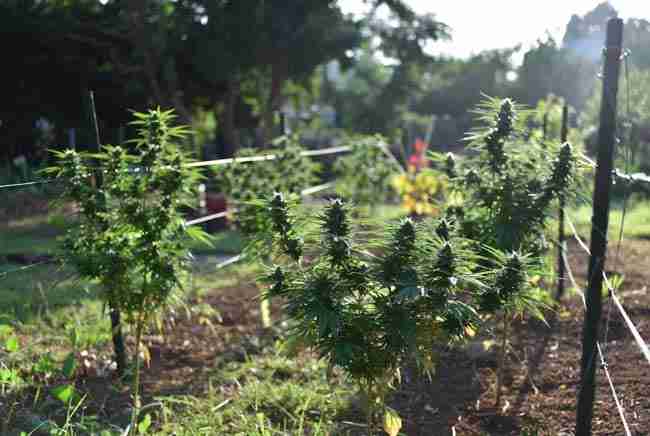
The strongest defense is a solid physical barrier. Everything else helps, but a good fence or raised setup does the heavy lifting.
Building a Rabbit-Proof Fence
A proper fence is the one method almost every experienced grower swears by. Here’s what works:
Use chicken wire or hardware cloth with openings no bigger than one inch. Young rabbits can squeeze through bigger holes. Make the fence at least two to three feet tall. Rabbits can jump, but most won’t clear that height easily.

Bury the bottom six to ten inches into the dirt. Better yet, bend the bottom outward into an L shape that sticks out about six inches. That stops them from digging under. Stake the whole thing tight so it doesn’t sag.
Some growers angle the top outward too. That makes it even tougher for a rabbit to hop over. For bigger gardens you can use metal T-posts every few feet to keep the wire straight and strong.
Pros of a good fence: It works day and night for years. You don’t have to reapply anything after rain. Cons: It takes time and a little money up front. You also need to check it now and then for holes or spots that got pushed up by frost.
Using Raised Beds and Containers
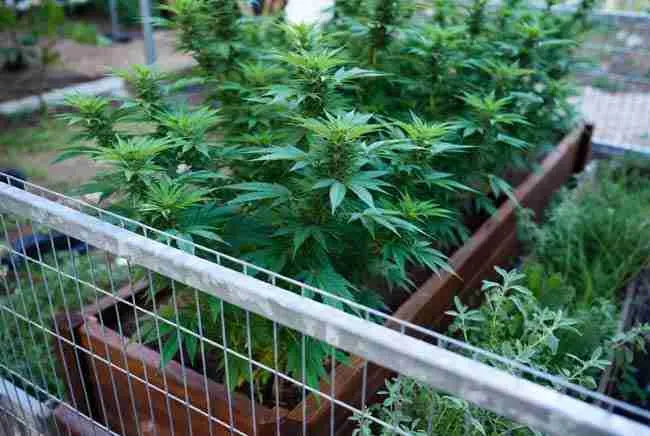
Raised beds lift your cannabis plants off the ground. Rabbits can’t reach as easily, especially if the beds sit two feet or higher. Line the bottom of the bed with hardware cloth before you fill it with soil. That blocks any digging from below.
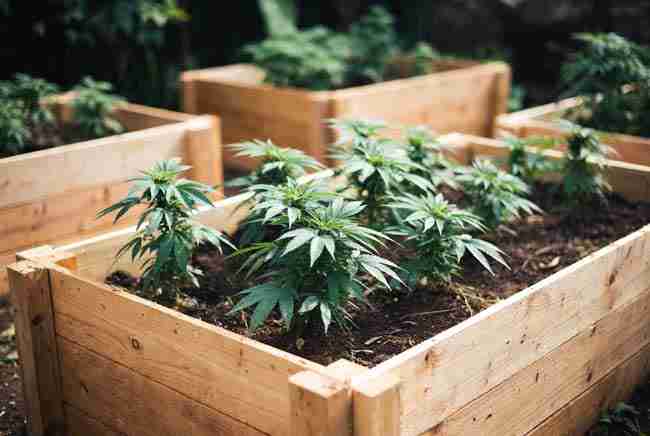
Big containers or fabric pots work the same way. Set them up on stands or tables if you can. Hanging planters keep plants completely out of reach. Just make sure the plants still get enough sun and drainage.
This method shines for smaller grows or patio setups. It also makes watering and harvesting easier on your back. The downside is cost if you need a lot of beds, and big plants might still need extra protection once they get tall.
Protecting Individual Plants with Cages
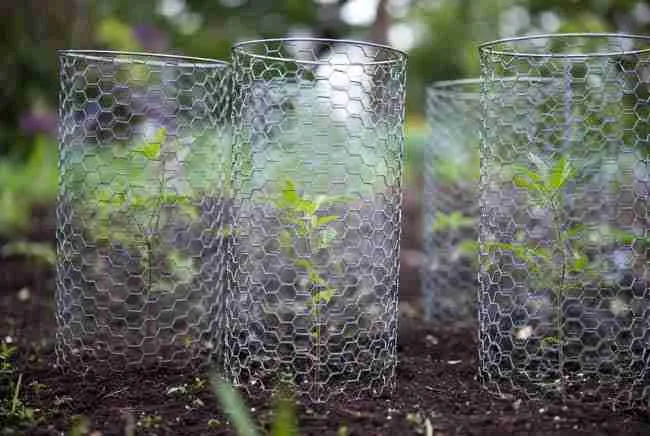
For seedlings or a few special plants, make simple cages. Cut hardware cloth into cylinders or domes and place them over the plants. The mesh lets light and air through while blocking teeth. Remove the cages once the plants grow past the tender stage.
Old nursery pots with the bottoms cut out also work as collars around young stems. These quick fixes buy you time while you build a full fence.
Natural Ways to Deter Rabbits from Your Cannabis Garden

Fences do the main job, yet natural tricks add extra layers of protection.
Companion Plants Rabbits Hate
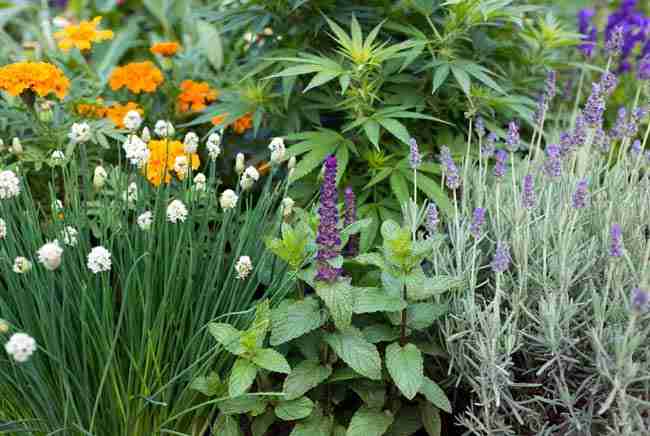
Plant strong-smelling herbs and veggies around the edges of your cannabis garden. Garlic, onions, chives, and hot peppers give off scents rabbits dislike. Mint, basil, rosemary, and lavender work the same way. Marigolds help too, though some rabbits still nibble them when hungry.
Pack these plants close together so the smell forms a real barrier. One lonely garlic plant won’t do much. A thick border makes rabbits think twice. Bonus: many of these companions help your cannabis by keeping insects away or improving soil.
Homemade and Store-Bought Repellents
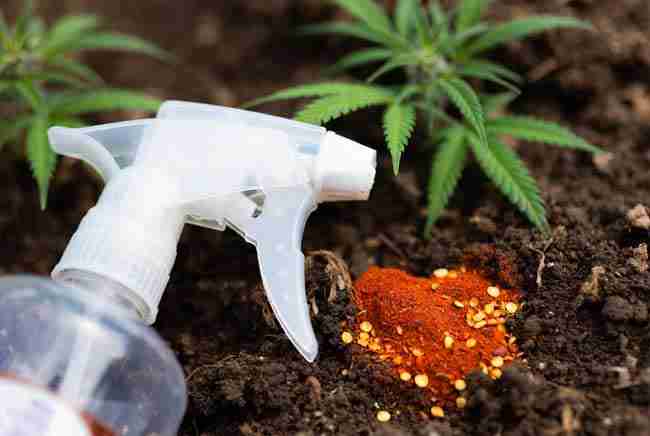
Sprays made from hot pepper, garlic, and a little dish soap can make leaves taste bad. Mix cayenne pepper with water and a drop of soap, then spray the lower leaves and the ground around the plants. Blood meal or dried blood sprinkled on the soil also turns rabbits off.
Predator urine (coyote or fox) sold in garden stores scares them because it smells like danger. Commercial rabbit repellents that use egg solids or similar ingredients work for a short time.
The big catch is you have to reapply after every rain or heavy dew. Rabbits also get used to the same smell after a while, so switch products now and then. These methods work best as backup, not the only defense.
Habitat Changes That Make Rabbits Leave
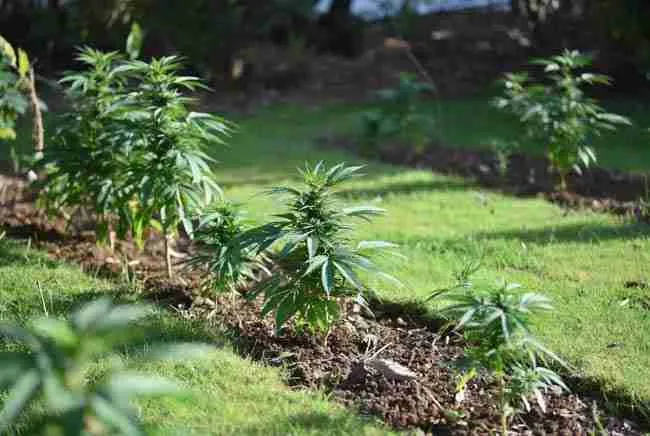
Clean up the area around your cannabis garden. Mow tall grass. Remove brush piles, wood stacks, and rock heaps where rabbits hide. Keep the space open so they feel exposed to hawks and other predators.
Some growers plant a patch of clover or other rabbit favorites farther away. The idea is to give them something else to eat so they stay out of your main garden. It doesn’t always work, but it can take pressure off.
Scare Tactics and Motion Devices
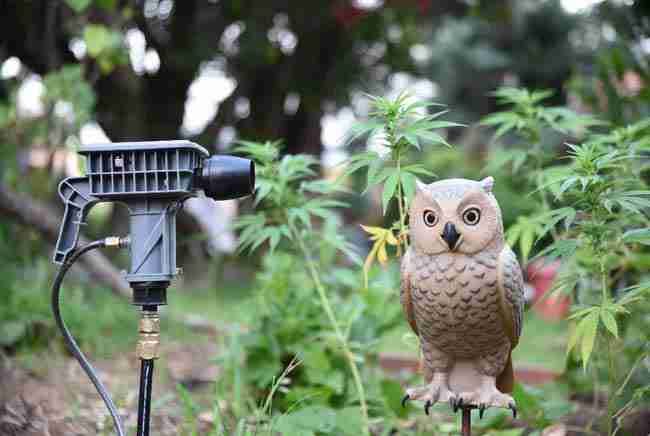
Fake owls, plastic snakes, and shiny pinwheels can startle rabbits at first. Motion-activated sprinklers that shoot water when something moves work even better. The sudden spray sends them running.
Move the decoys every few days so the rabbits don’t get comfortable. These tricks rarely stop determined rabbits by themselves, yet they add another layer when combined with fences.
Pros and Cons of Different Rabbit Control Methods
Fence Pros: Long-lasting, reliable, works in all weather Cons: Costs time and materials up front, needs occasional repairs
Raised beds Pros: Easy access for you, blocks digging, looks neat Cons: Higher cost for larger setups, plants still need side protection sometimes
Repellents Pros: Cheap and quick to try, no permanent structure Cons: Wash away in rain, rabbits adapt, must reapply often
Companion plants Pros: Natural, pretty, help with other pests too Cons: Take time to grow, not 100 percent effective alone
Scare devices Pros: No chemicals, fun to set up Cons: Rabbits get used to them fast, limited power
Live traps Pros: Humane, lets you move rabbits far away Cons: You have to check them daily, may catch other animals, release far enough so they don’t return
Most growers end up using a mix. A solid fence plus some smelly companions and a clean yard usually does the trick.
What to Do If Rabbits Already Damaged Your Plants
Don’t panic. Clean up the chewed stems with sharp scissors so the cuts heal clean. Give the plants a light feeding of balanced nutrients and make sure they get steady water. New growth often pops out if the main stem is still healthy.
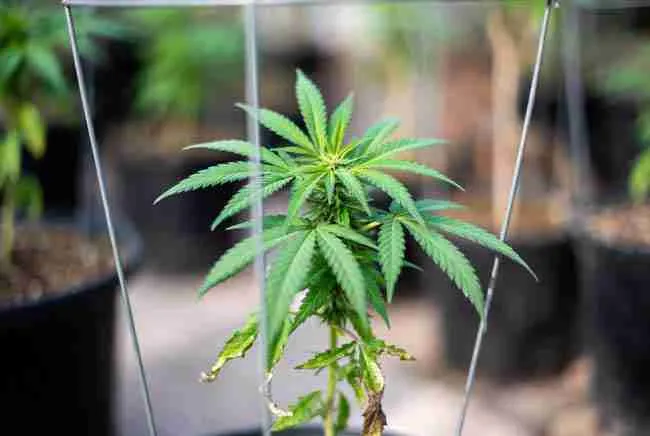
Protect what’s left right away with cages or temporary fencing. Keep watching for more droppings or fresh damage. Once the plants recover a bit, focus on long-term barriers so it doesn’t happen again.
Long-Term Tips for a Rabbit-Free Cannabis Garden
Start protection the day you transplant outdoors. Waiting until you see damage means you’ve already lost ground. Check your fence after storms or heavy wind. Keep the area around the garden tidy year after year.
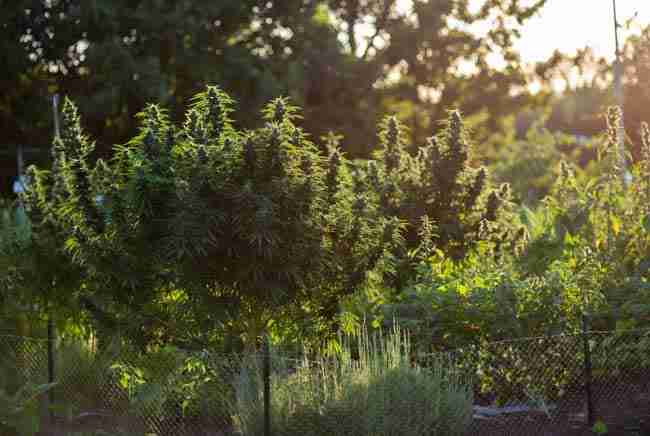
If you have dogs that stay outside, they often keep rabbits away just by being there. Cats can help too, though they’re less reliable. Rotate any repellents you use so the smell stays fresh and scary.
Talk to other local growers. Rabbits behave a little differently depending on the area and the season. What works in one backyard might need a small tweak in another.
Keeping rabbits out of your cannabis garden takes a little planning, yet the payoff is healthy plants that reach harvest without missing leaves. You’ve already put the work into growing strong genetics. A good fence, some smart companions, and a clean space let those plants finish the job they started. Your future self will thank you when you’re looking at full, dense buds instead of chewed stems.
