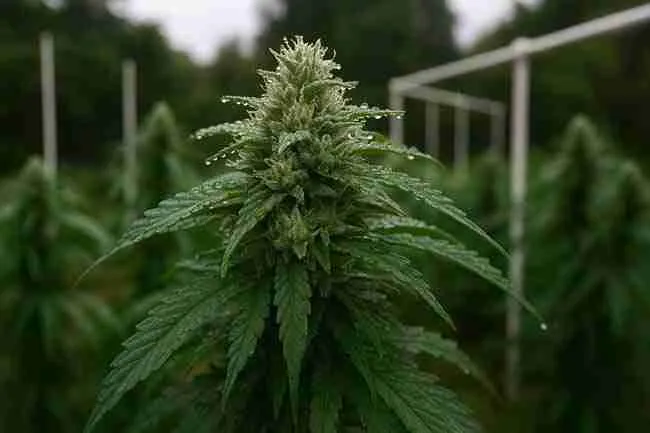
Intercropping Cannabis with Vegetables: Maximizing Garden Space


Hey, you! Picture this: you’re standing in your backyard on a sunny morning, coffee in hand, looking at a garden that’s bursting with life. Tall, vibrant cannabis plants sway gently next to rows of ripe tomatoes, bushy basil, and crunchy lettuce. Everything’s sharing the same space, helping each other out like old friends. That’s the magic of intercropping cannabis vegetables—and trust me, once you try it, you’ll never go back to growing in boring, single-crop rows again.
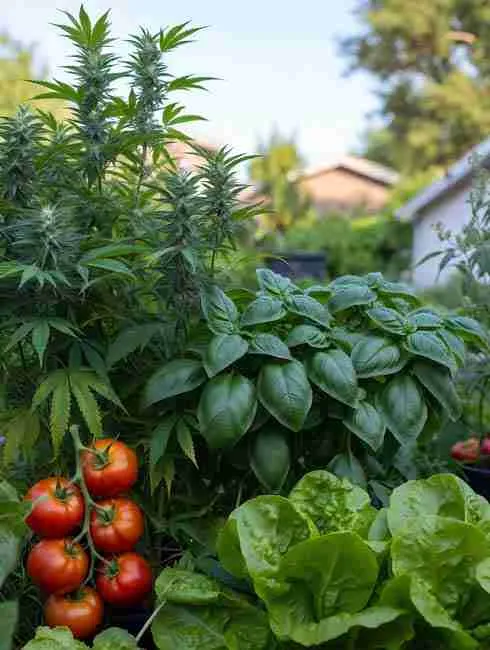
You know how it goes when space is tight. Maybe you’re in a small yard, or you’re just tired of wasting soil between plants. Mixed planting cannabis with veggies turns every square inch into a productive powerhouse. These efficient garden layouts mean more food on your table, better-tasting buds, fewer pests, and soil that stays happy season after season. Let’s dive in and make this work for you—no fancy degree required.
Why Intercropping Cannabis Vegetables Works So Well for Beginners
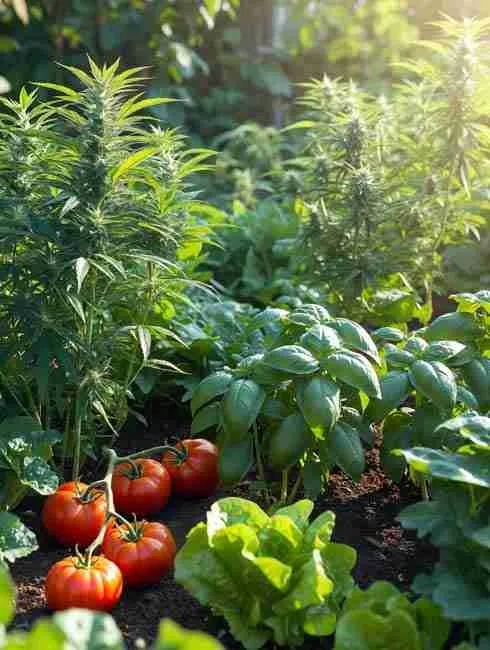
You don’t need a huge farm to pull this off. Intercropping is like throwing a party where everyone brings something useful. Your cannabis plants get natural pest protection, extra nutrients, and even a bit of camouflage. The veggies? They love the shade, the biodiversity, and the way cannabis roots aerate the soil.
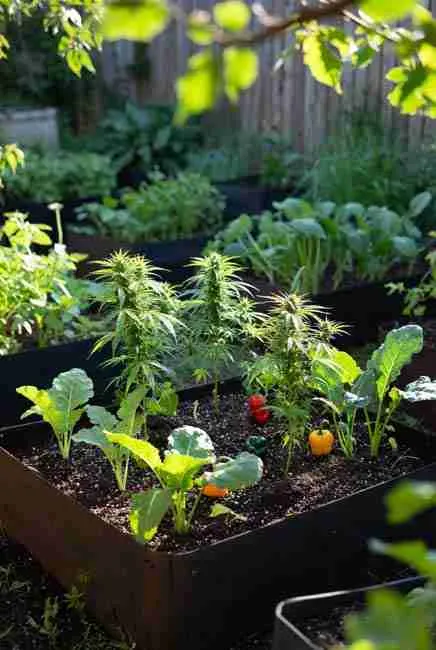
Real quick story: Last summer, my buddy planted three cannabis plants right in the middle of his raised beds full of kale and peppers. He harvested enough greens for salads all season, and his buds came out resinous and flavorful. No extra fertilizer, no bug sprays. Just smart planting.
The big wins?
- You squeeze way more out of your space.
- Pests get confused and stay away.
- Soil stays healthier because nothing sucks it dry in one spot.
But hey, nothing’s perfect. Let’s talk pros and cons so you know what you’re getting into.
Pros:
- Maximizes limited space (perfect for urban growers or small yards)
- Natural pest control without chemicals
- Improved soil health through diversity
- Higher overall yields (more veggies + better cannabis)
- Camouflage for discreet grows
- Fun! Your garden looks like a jungle paradise
Cons:
- Both cannabis and many veggies are heavy feeders—watch for nutrient competition
- Harvest timing can get tricky if you don’t plan ahead
- Some plants (like certain nightshades) can spread diseases if you’re not careful
- Taller cannabis can shade out sun-loving veggies if you space them wrong
Bottom line: the pros crush the cons when you pick the right partners.
Tomatoes as Cannabis Companions for Shade
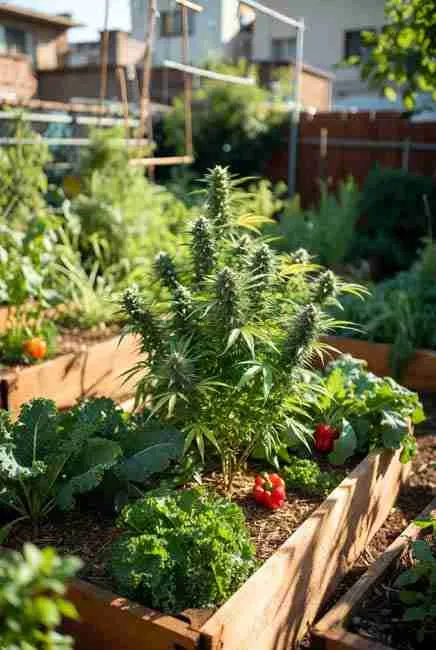
You might scratch your head at first—tomatoes love sun, right? But here’s the cool part: when you interplant them strategically, cannabis provides dappled shade during the hottest hours, keeping tomatoes from bolting or getting sun-scorched. In return, the low-growing tomato foliage acts like living mulch, cooling the soil and retaining moisture around cannabis roots.
Plant your cannabis first, give it room to stretch, then tuck tomato seedlings around the base or on the south side. Stake the tomatoes tall so they don’t get completely buried in shade. You’ll notice tomatoes ripen evenly and taste sweeter, while your cannabis stays hydrated longer in summer heat.
Pro tip: Use indeterminate varieties—they keep producing all season while your cannabis is still vegging.
Nutrient Sharing in Mixed Beds
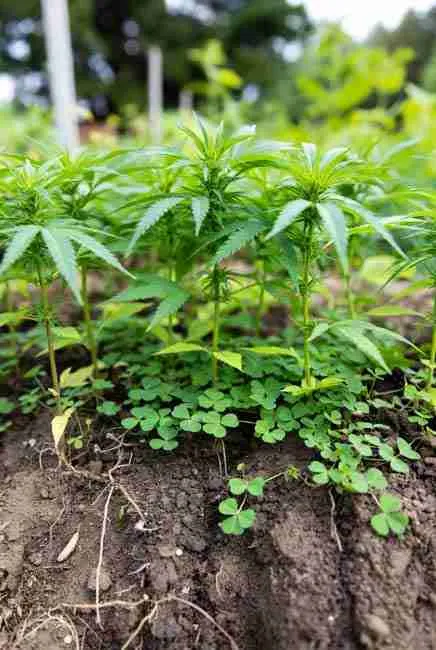
This is where the real teamwork happens. Cannabis is a nitrogen hog during veg, but once it flowers, it craves phosphorus and potassium. Enter beans, peas, or clover as companions—they fix nitrogen straight from the air and release it slowly into the soil. Your cannabis sips what it needs without you having to buy expensive bottled nutes.
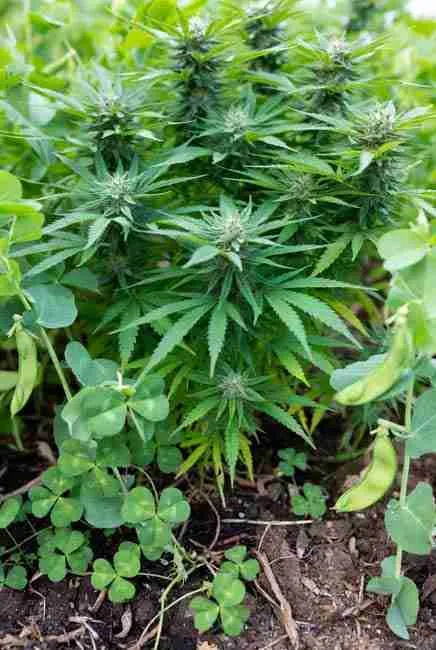
You can even chop and drop the legumes mid-season as green manure. The decaying roots feed the soil microbes, which in turn make nutrients more available to your cannabis roots. It’s like having a built-in fertilizer factory right under your feet.
Pest Confusion Through Diversity
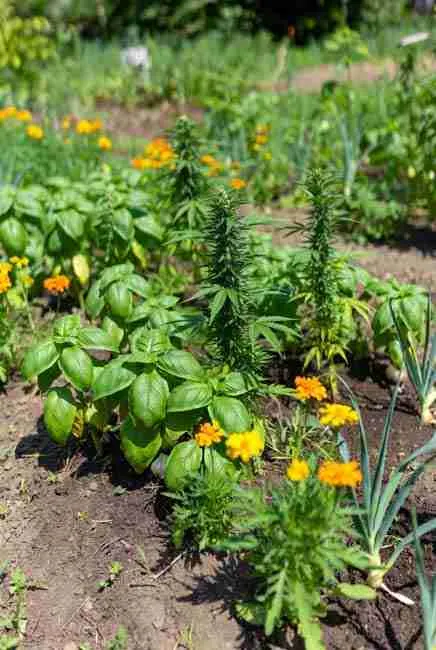
Monocultures are pest buffets. But when you mix things up with intercropping cannabis vegetables, bugs can’t find their favorite snack so easily. Aphids get lost looking for pure cannabis patches. Spider mites hate the strong smells from basil or garlic interplanted nearby.
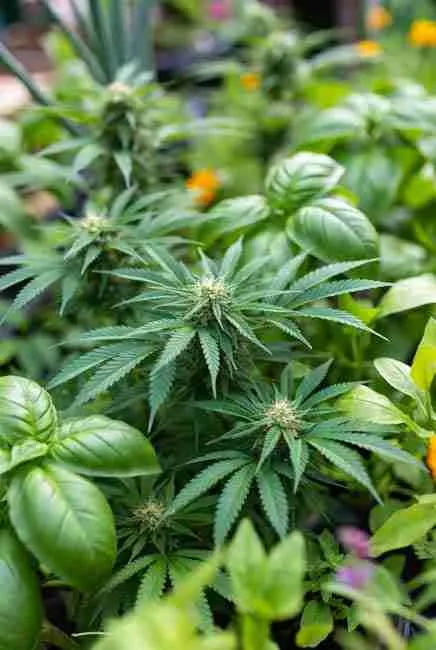
Plant marigolds around the edges—they release a scent that repels nematodes and whiteflies. Throw in some onions or garlic—they confuse thrips and aphids. Your garden becomes a fortress without you lifting a finger for sprays.
Buy Hybrid Seeds for Intercropping

Here’s a secret most new growers miss: grab hybrid (F1) cannabis seeds for mixed beds. They’re vigorous, disease-resistant, and handle competition like champs. Look for fast-finishing hybrids if your veggies finish early, or auto-flowers if you want a quick second crop of greens after harvest.
Hybrids bounce back from minor stress better than landraces, which is huge when roots are sharing space.
Harvest Timing for Cannabis and Veggies
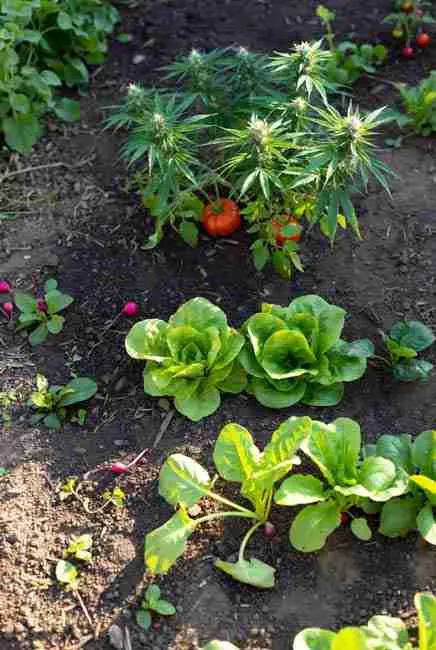
Timing is everything, friend. Plant quick-harvest veggies like lettuce, radishes, or spinach early—they’re out of the bed by the time your cannabis starts stretching in flower. That way, you get fresh salads all spring, then your cannabis has the full sun it craves later.
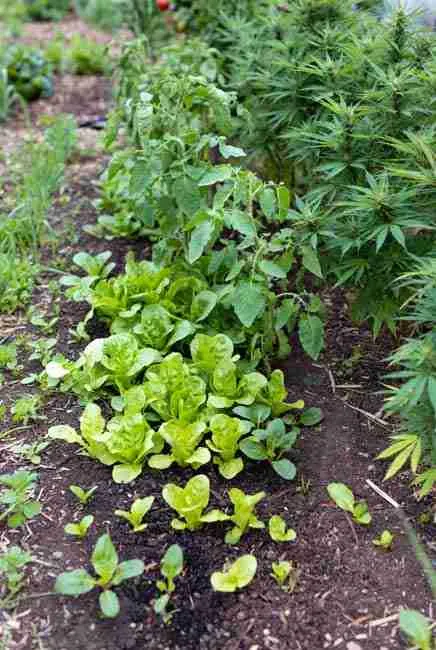
For longer-season crops like tomatoes or peppers, stagger them so they finish around the same time or slightly before your cannabis harvest. Pull the spent veggie plants, chop them up, and mulch right back into the bed for the next round.
Soil Rotation in Intercropped Systems
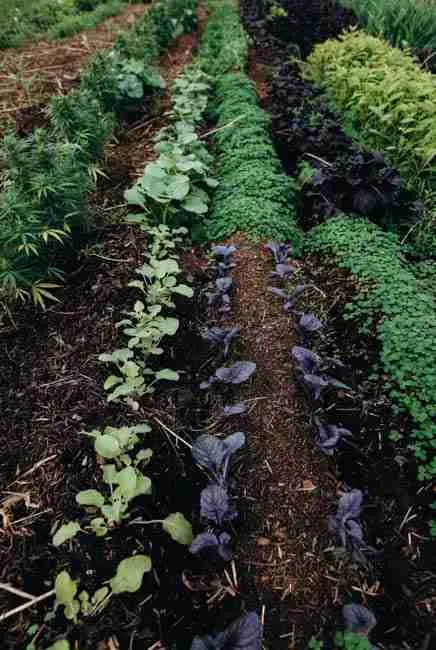
Don’t plant cannabis in the exact same spot year after year—even with companions. Rotate your beds: Year 1 cannabis + legumes, Year 2 brassicas + herbs, Year 3 nightshades + cover crops. This breaks pest cycles, balances nutrients, and keeps soil microbes diverse.
Add a living mulch like clover between seasons—it protects bare soil and fixes nitrogen for the next crop.
Yield Boosts from Symbiotic Planting
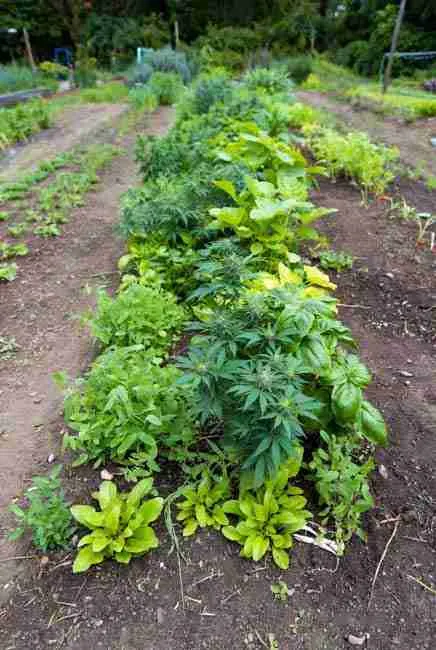
When everything works together, yields go through the roof. Nitrogen fixers boost cannabis biomass. Pest-repelling herbs reduce bud damage. Ground-cover veggies keep soil moist, cutting water bills. Growers who run these efficient garden layouts routinely report 20-40% more total harvest weight (cannabis + veggies) from the same footprint.
Other Smart Companions to Mix In
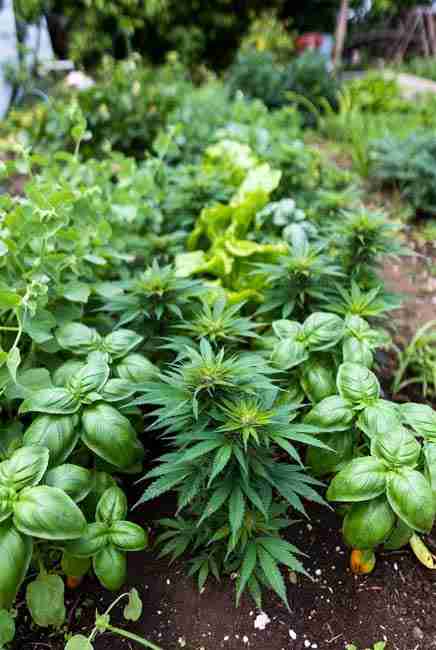
Here’s a quick list of vegetables and herbs that play nice with cannabis:
- Basil → repels thrips, improves flavor and terpenes
- Beans & peas → nitrogen fixers, vertical growers that save space
- Garlic & onions → deter spider mites and aphids
- Lettuce & spinach → quick shade-loving fillers
- Peppers → similar needs, share space beautifully
- Kale & chard → nutrient accumulators, harvest all season
- Carrots → loosen soil for better cannabis root growth (just don’t dig too close)
Avoid cucumbers and fennel—they can bring mildew or inhibit growth through chemicals.
Companion Planting Quick-Reference Table
| Companion Plant | Main Benefit | Best Placement | Watch Out For |
|---|---|---|---|
| Tomatoes | Shade, windbreak | South side of cannabis | Nutrient competition |
| Basil | Pest repulsion, terpene boost | Right next to stems | Can bolt in extreme heat |
| Beans | Nitrogen fixing | Climbing up trellis near base | Can shade if overgrown |
| Marigolds | Nematode & aphid repellent | Perimeter of beds | None—edible flowers too! |
| Garlic | Spider mite deterrent | Interspersed throughout | Strong smell (but that’s good) |
| Lettuce | Quick harvest, living mulch | Under canopy in veg stage | Needs consistent moisture |
Setting Up Your First Intercropped Bed – Step by Step
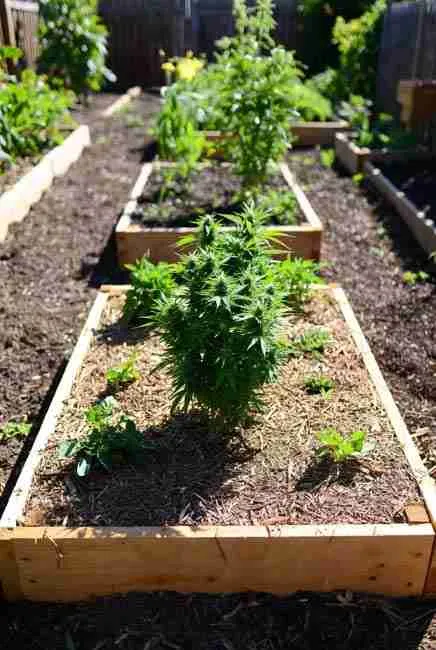
- Pick a sunny spot with good drainage.
- Build or prep raised beds—easier to manage mixed planting.
- Test and amend soil (aim for slightly acidic, rich in organics).
- Plant cannabis in the center or staggered pattern.
- Fill gaps with companions—tall stuff on north side, short on south.
- Mulch heavily to suppress weeds and retain moisture.
- Water deeply but infrequently—diverse roots reach different depths.
- Observe weekly. Adjust as needed.
Common Mistakes to Avoid
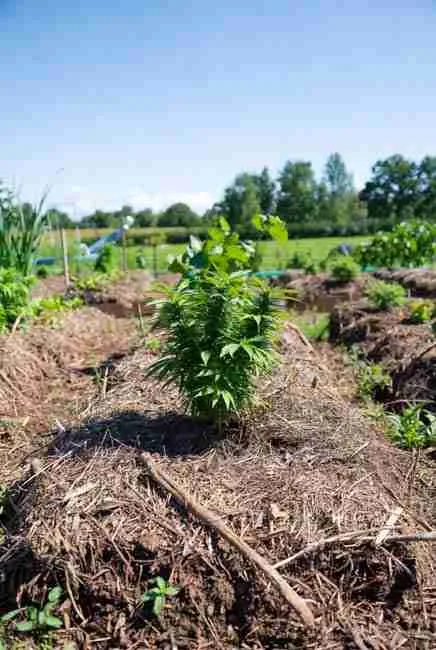
Don’t overcrowd—give cannabis at least 3-4 feet of breathing room. Don’t ignore pH—both cannabis and veggies hate extremes. Don’t forget to rotate beds. And please, don’t plant anything allelopathic like sunflowers or fennel nearby.
Best Vegetables to Intercrop with Cannabis (The Dream Team List)
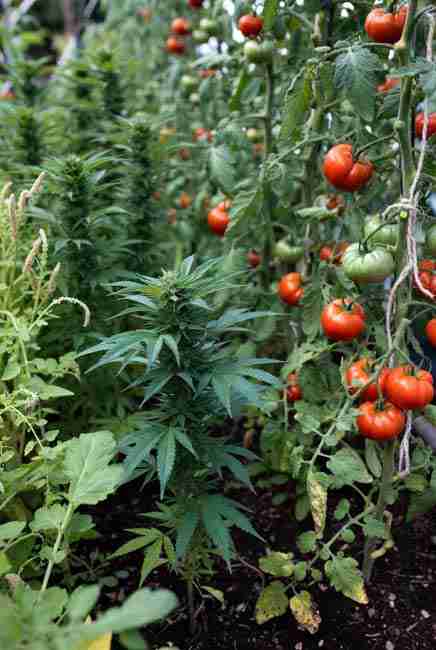
Alright, let’s get to the fun part — the actual vegetables that turn your cannabis patch into a thriving, happy neighborhood. These aren’t random picks; every single one has been battle-tested by home growers who want maximum food and maximum buds from the same square footage.
Tomatoes – The Classic Power Couple
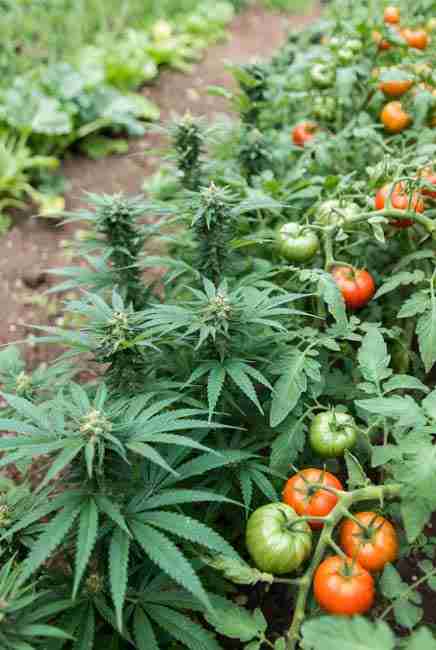
You already know tomatoes and cannabis get along like peanut butter and jelly. Plant your cannabis first (give it 3–4 ft spacing), then tuck tomato seedlings 18–24 inches away on the south side. The tall cannabis gives the tomatoes a little afternoon shade so they don’t scorch or crack, while the tomato leaves act like a living mulch that keeps the soil cool and moist around your cannabis roots. Result? Sweeter tomatoes and happier, less thirsty cannabis. Pro move: use indeterminate cherry or roma types — they keep pumping fruit right up until your cannabis is ready to chop.
Bell Peppers & Hot Peppers – The Heat-Loving Neighbors
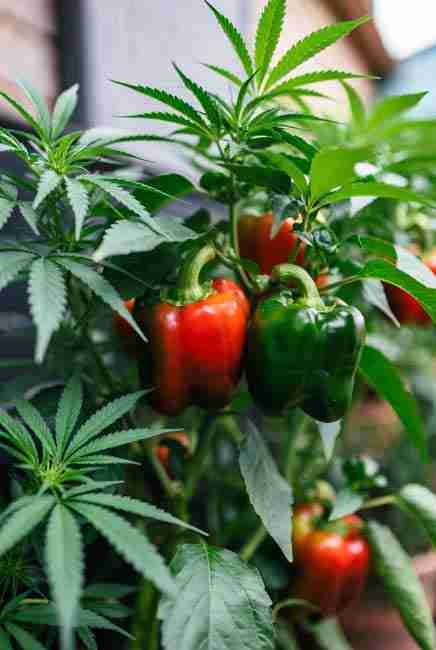
Peppers and cannabis both love warm soil and hate wet feet. Put peppers on the north or east side so they get full sun while your cannabis canopy protects them from the worst afternoon blast. They share almost identical nutrient needs (heavy on phosphorus once they start setting fruit), so you can feed the whole bed the same bloom nutes. Bonus: the strong smell of peppers confuses aphids that would normally head straight for your buds.
Bush Beans & Pole Beans – The Nitrogen Factories
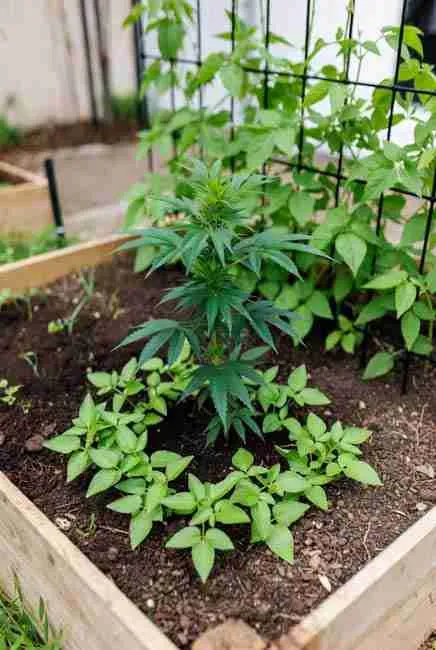
These are the MVPs of any intercropped bed. Beans grab nitrogen from the air and leak it straight into the soil where your cannabis can use it. Plant bush beans in a ring around the base of each cannabis plant — they stay low, don’t shade anything, and you can harvest beans all summer. Pole beans are even better if you give them a trellis on the north side; they climb up and out of the way while fixing nitrogen the whole time. When the beans finish, chop the plants at soil level and leave the roots — free fertilizer for the next round.
Lettuce, Spinach & Asian Greens – The Quick-Cash Crops
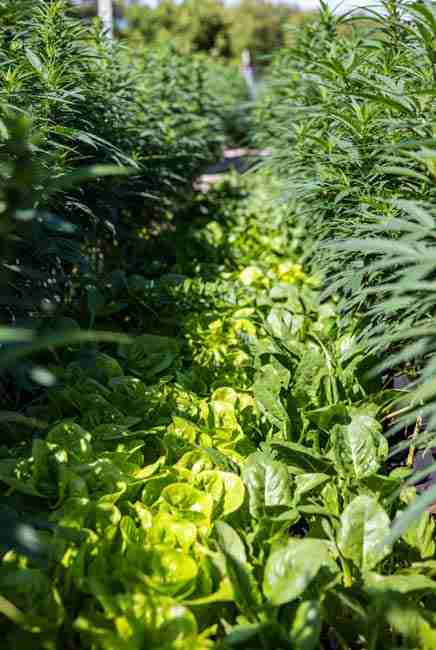
These guys are ready in 30–50 days, long before your cannabis even thinks about flowering. Sow them thick under the cannabis canopy while the plants are still small. The light shade keeps the greens from bolting in summer heat, and you get salad every week. Once the cannabis starts stretching, the greens are already harvested and the bed opens up again. It’s like getting two full crops for the price of one.
Kale, Swiss Chard & Collards – The Nutrient Accumulators
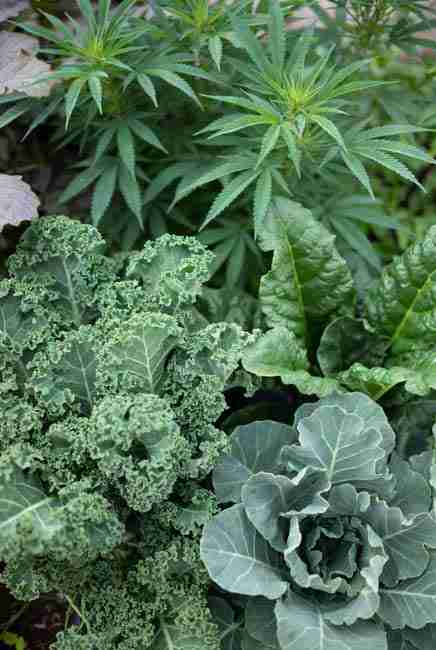
These brassicas are deep-rooted and pull minerals up from lower soil layers that your cannabis can’t reach. Harvest outer leaves all season and the plants keep growing. They also act as a trap crop for aphids — the bugs hit the kale first and leave your cannabis alone. Just don’t plant them right next to each other every year (rotate to avoid clubroot).
Carrots & Beets – The Soil Looseners
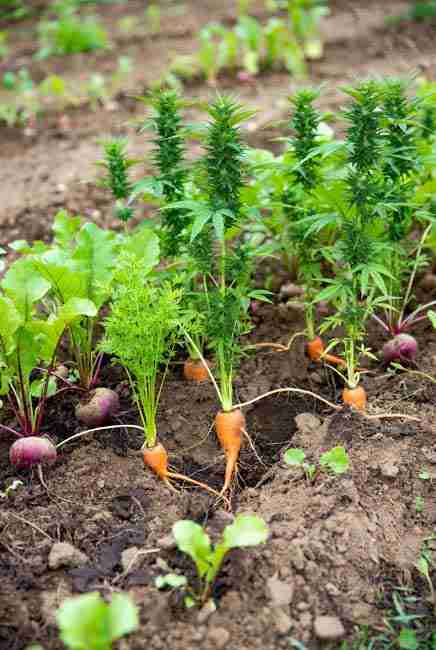
Carrots love to snake down through loose soil, and cannabis roots love the channels they leave behind when you pull them. Plant carrots in rows between your cannabis plants — the feathery tops don’t block much light and they keep the soil aerated. Beets do the same thing but also accumulate iron and magnesium. Pull them early if they start competing for space.
Radishes & Turnips – The 30-Day Space Fillers
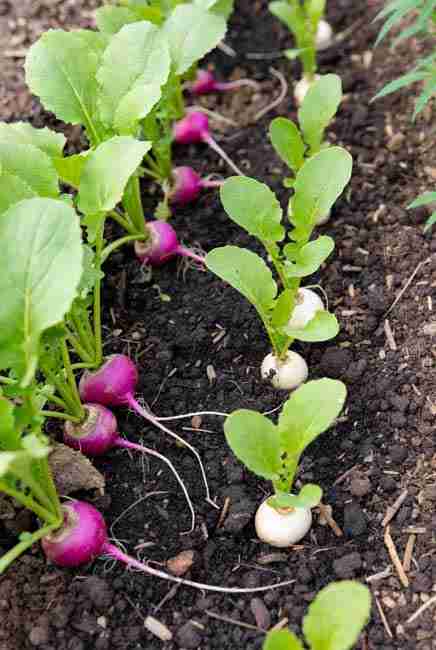
These are the ultimate “nurse crops.” Sow them the same day you transplant cannabis seedlings. They’re out of the ground in a month, giving your young plants a head start without competition. Plus, radishes repel cucumber beetles and squash bugs that sometimes wander over from other parts of the garden.
Peas (Sugar Snap & Snow Peas) – The Cool-Season Bonus
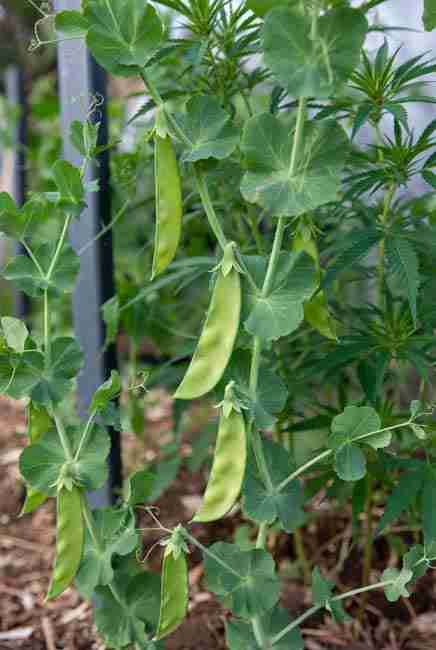
If you’re in a climate that lets you start early, peas are fantastic. They fix nitrogen, grow vertically on the north side, and finish by the time your cannabis is in full veg. The spent pea vines make perfect mulch when chopped and dropped.
What to Avoid (Quick Warning List)
- Cucumbers & zucchini → mildew magnets that can spread to cannabis
- Fennel & dill → release chemicals that stunt cannabis growth
- Corn → too tall, too thirsty, shades everything
- Potatoes → share blight risk with tomatoes and peppers
Stick to the dream team above and you’ll be harvesting armloads of fresh veggies while your cannabis plants look happier than they’ve ever been.
Wrapping It Up – Your Garden Just Got Way More Awesome
There you have it. Intercropping cannabis vegetables isn’t some hippie experiment—it’s smart, proven gardening that gives you more food, better buds, and a garden that practically takes care of itself. Start small this season, take notes, and watch how your yields and enjoyment skyrocket.
Your plants will thank you, your dinner table will thank you, and you’ll feel like a gardening wizard every time you step outside.
FAQ
What exactly is intercropping cannabis vegetables?
It’s growing cannabis and edible veggies together in the same beds so they help each other out instead of competing.
Can I really grow tomatoes next to cannabis?
Absolutely! They make great partners when spaced right and both get what they need.
Does mixed planting cannabis hurt my yields?
Nope—done correctly, it usually boosts total harvest from the space.
What are the best vegetables for efficient garden layouts with cannabis?
Basil, beans, garlic, lettuce, peppers, and tomatoes top the list.
How do I time harvests in intercropped beds?
Plant fast-maturing greens first, then let cannabis take center stage later in the season.
Is this safe for organic growing?
100%. It’s one of the most natural, chemical-free ways to garden.