Incorporating Worm Bin Composting for Nutrient-Rich Cannabis Cultivation: Vermicompost Mastery


Hey there, fellow green thumb! Imagine turning your kitchen scraps into black gold that makes your cannabis plants explode with health. That’s the magic of worm composting cannabis cultivation. You grab some wriggly helpers—red wigglers—and let them chow down on leftovers. What comes out? Vermicompost, aka worm castings. This stuff supercharges your soil for growing cannabis seeds like nothing else.
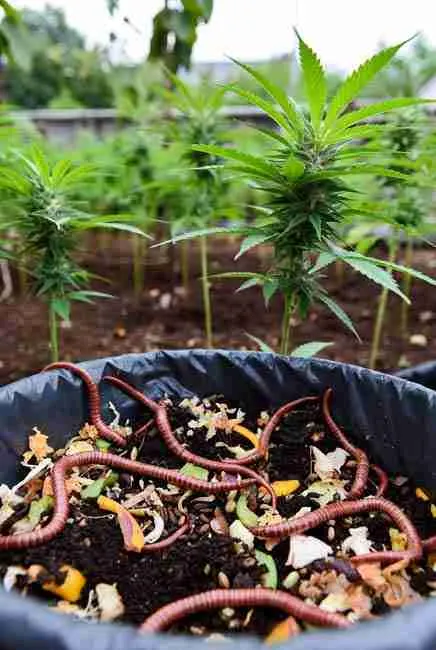
Vermicompost growing cannabis seeds isn’t some fancy trend. It’s old-school smarts meets modern grows. Your plants get slow-release nutrients, happy microbes, and better soil structure. No harsh chemicals, just nature doing its thing. And the best part? You save cash while cutting waste. Let’s dive in and get your hands dirty—in the good way.
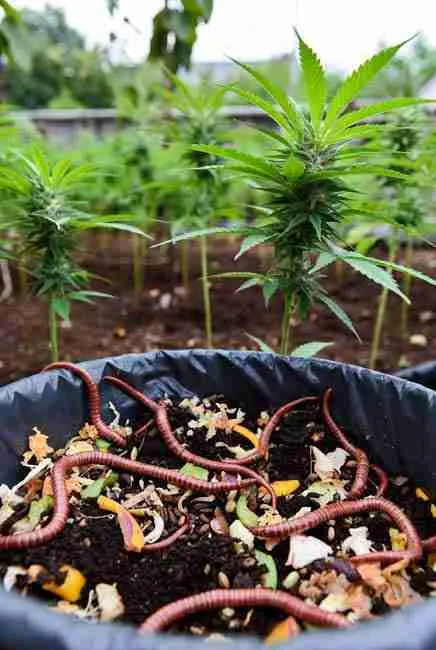
Why Worm Composting Rocks for Cannabis Growers
Picture this: your cannabis seedlings pop up weak, or your buds stay small and sad. Common story, right? Now flip it. You mix in vermicompost, and boom—roots spread like crazy, leaves green up fast, and yields jump. That’s because worm castings pack a punch without burning roots.

Organic fertilizer worms produce castings loaded with nitrogen, phosphorus, potassium, plus micronutrients. But here’s the kicker: these nutrients sit in water-soluble form. Your plants slurp them up easy. No lockout headaches.
Soil biology enhancement? Huge. Worm castings team up with beneficial bacteria and fungi. They fight off bad guys like root rot or powdery mildew. Your grow turns into a living ecosystem. Healthier plants mean stronger resistance to stress—heat waves, dry spells, you name it.
Real talk from growers: one buddy started adding castings to his soil mix. His autoflowers went from puny to pumping out dense colas. He swears by it now. You can too.
Pros of using vermicompost in cannabis grows:
- Slow-release nutrients—no nutrient burn risk
- Boosts water retention so you water less
- Improves soil aeration and drainage
- Pumps up microbial life for natural pest control
- pH buffers around neutral—perfect for most strains
- Cuts down on synthetic fertilizers
Cons to keep in mind:

- Takes time to build up a good supply—patience needed
- Overdoing fresh castings can make soil too rich at first
- Worms need care—if bin goes wrong, smells or worms escape
- Not a complete nute solution—pair with other organics
Still, the pros crush the cons for organic fans.
Getting Started: Simple Setup Guide for Your Worm Bin
Ready to build your own worm factory? Great! You don’t need fancy gear. A basic DIY worm bin costs peanuts and works wonders for worm bins for cannabis.
Grab two plastic bins—one nests inside the other. The bottom one catches extra liquid (worm tea gold). Drill holes in the top bin’s bottom and sides for drainage and air. Add a lid.
Bedding comes next. Shredded newspaper, cardboard, or coconut coir. Dampen it like a wrung-out sponge—moist but not soggy. Toss in a handful of garden soil for grit and microbes.
Now the stars: red wiggler worms (Eisenia fetida). Start with 500–1,000. Buy from a reputable source or fishing shop. Don’t use nightcrawlers—they hate bins.
Place the bin in a spot 55–80°F. Garage, basement, or under the sink works. Avoid direct sun or freezing.
Feed slowly at first. Bury scraps in pockets so no flies buzz around. Chop food small—helps worms munch faster.
DIY Worm Bins Tips:
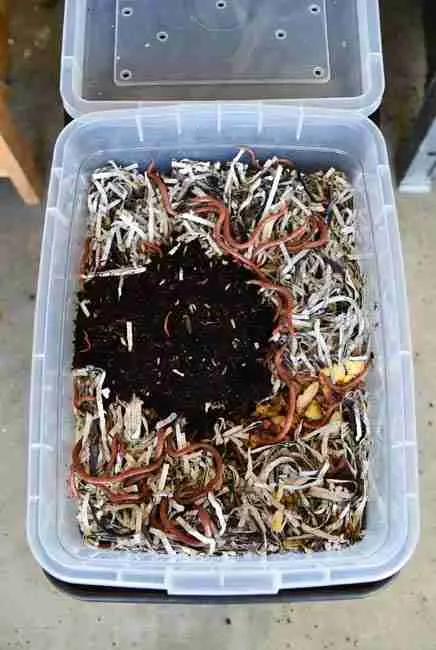
- Size: 18–35 gallon bin for a small setup
- Location: Dark, stable temp
- Bedding depth: 6–8 inches to start
- Worms per square foot: About 1 lb (1,000 worms) for every square foot of surface
Follow this, and in weeks you’ll see castings pile up.
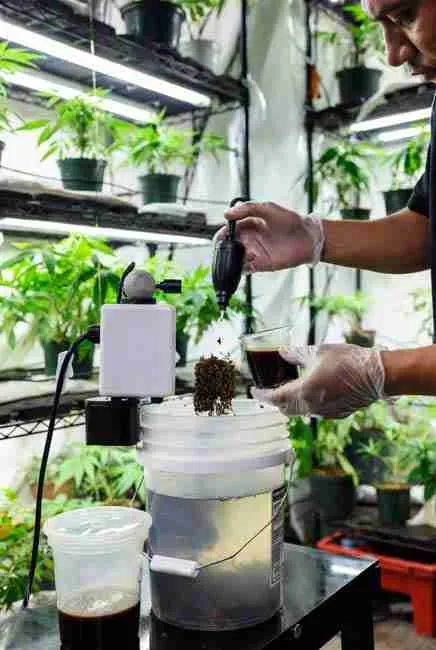
(Image: Worm bin producing vermicompost for cannabis cultivation enrichment.)
What to Feed Your Worms (and What to Skip)
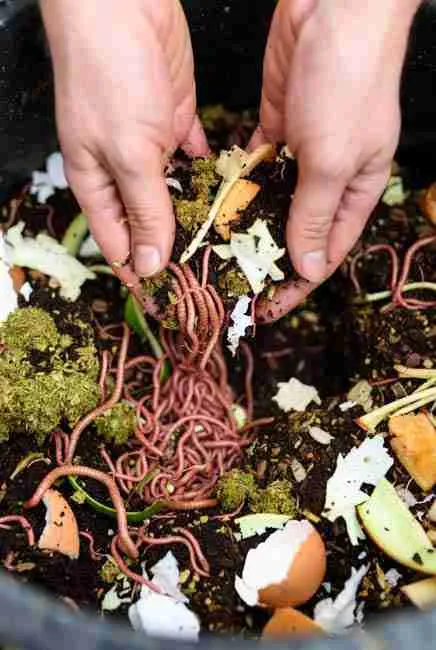
Worms aren’t picky eaters, but smart choices keep things smooth.
Green light foods:
- Veggie peels, fruit scraps (no citrus overload)
- Coffee grounds and filters
- Tea bags
- Crushed eggshells (for grit and calcium)
- Shredded paper/cardboard (carbon balance)
- Cannabis trimmings (chop fine, small amounts)
Red light stuff:
- Meat, dairy, oils—stink and attract pests
- Spicy or salty foods
- Diseased plants
- Citrus peels in bulk (too acidic)
- Onion/garlic family (strong smells slow them)
Balance greens (nitrogen) with browns (carbon). Aim 1:2 ratio. Too wet? Add more browns. Smelly? Bury food deeper.
Pro move: Freeze scraps first. Kills pathogens and breaks cell walls—worms love it.
Maintenance: Keeping Your Worm Bin Thriving
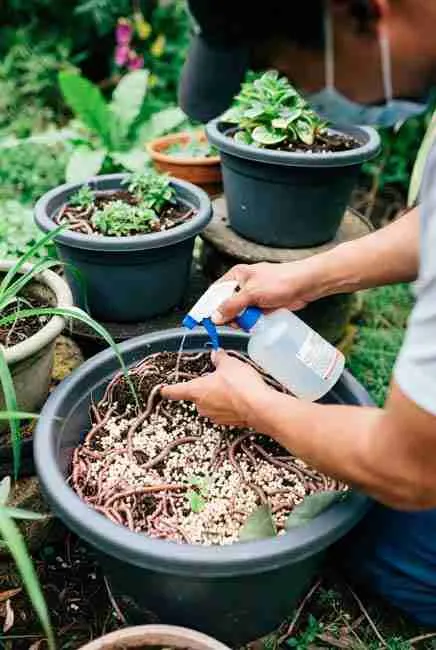
Maintenance is easy once rolling. Check weekly.
Moisture: Squeeze bedding—a few drops only. Too dry? Mist. Too wet? Add dry bedding.
Temperature: 70°F ideal. Hot? Shade it. Cold? Insulate or move inside.
Feeding: Start small—half pound scraps per pound worms. Increase as population grows.
Harvest castings every 3–6 months. Push finished stuff to one side, add fresh bedding/food opposite. Worms migrate—scoop castings easy.
Troubleshoot quick:
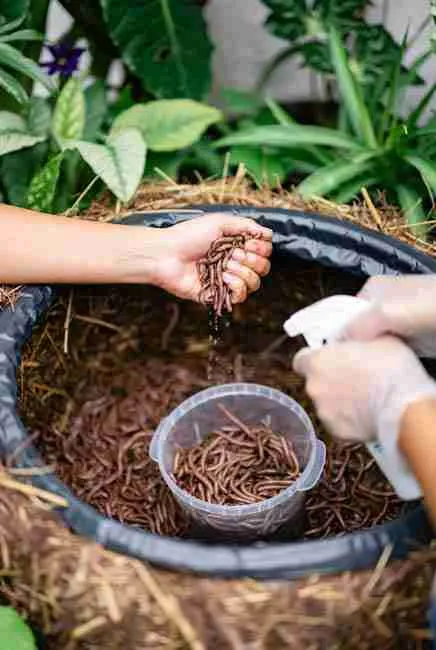
- Worms escaping? Too wet, dry, or acidic—fix conditions
- Smells bad? Overfed or anaerobic—add bedding, aerate
- Fruit flies? Cover food, use vinegar trap nearby
Keep it simple, and your bin hums along.
How to Use Vermicompost in Your Cannabis Grow
You’ve got castings—now feed those plants!

Top-dress: Sprinkle 1–2 inches around base. Scratch in lightly. Water after.
Soil mix: Blend 10–30% castings into potting soil. Great for seedlings to big girls.
Compost tea: Brew aerated vermicompost tea. Fill bucket with water, add 1–2 cups castings in mesh bag, airstone, pump, teaspoon molasses. Bubble 24–48 hours. Dilute 1:10–1:20. Water soil or foliar spray.
When to apply:

- Seedling stage: Light top-dress or weak tea
- Veg: Heavier mix or tea weekly
- Flower: Continue tea, ease off late to avoid excess N
Yields soar with consistent use.
Harvest Cycles and Worm Bin Timing

Tie your worm bin to cannabis cycles.
Start bin 2–3 months before germinating seeds. Build castings stock.
Veg phase: Use fresh tea for growth boost.
Flower: Switch to castings-heavy mixes for bud density.
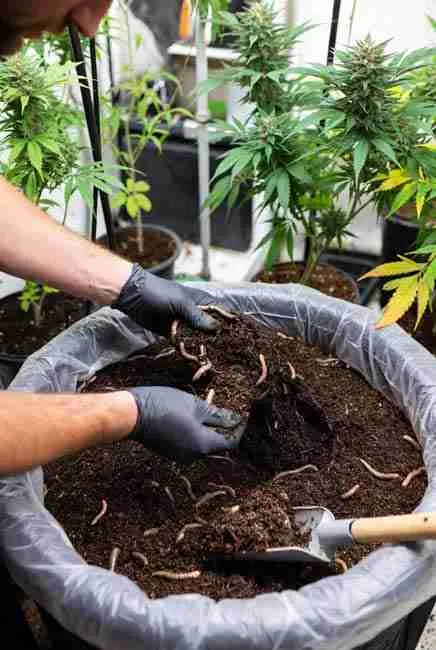
Outdoor grows: Add castings pre-plant, mulch with finished vermicompost.
Indoor perpetual? Harvest bin castings every few months—steady supply.
Compost cycles sync with plant ones. Worms multiply fast—population doubles every 60–90 days.
Bonus: Making Worm Tea Like a Pro
Worm tea = liquid gold for cannabis.
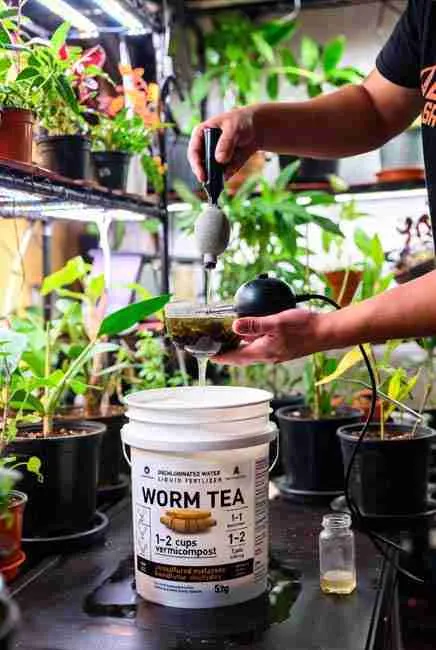
Basic recipe:
- 5-gallon bucket
- Dechlorinated water
- 1–2 cups vermicompost
- Air pump + stone
- 1–2 tbsp unsulfured molasses (feeds microbes)
Aerate 24–36 hours. Smells earthy-sweet when ready.
Apply: Soil drench every 1–2 weeks. Foliar in veg for microbe boost.
Avoid anaerobic tea—stinks and harms plants.
Pros and Cons Table: Vermicompost vs. Synthetic Fertilizers for Cannabis
| Aspect | Vermicompost (Worm Castings) | Synthetic Fertilizers |
|---|---|---|
| Nutrient Release | Slow, steady—no burn | Fast, can cause burn if overdone |
| Soil Biology | Boosts microbes, fungi hugely | Often kills beneficial life |
| Cost Over Time | Cheap once bin running | Ongoing purchases |
| Environmental Impact | Zero waste, recycles scraps | Chemical runoff possible |
| pH Stability | Buffers naturally | Can swing pH wildly |
| Pest/Disease Resistance | High—healthy plants fight better | Lower—focus on nutes, not immunity |
| Ease for Beginners | Learning curve but forgiving | Straightforward but risky mistakes |
Vermicompost wins for long-term organic grows.
FAQ: Your Worm Composting Cannabis Cultivation Questions Answered
What worms work best for worm composting cannabis cultivation?
Red wigglers (Eisenia fetida) rule. They eat fast, breed quick, and thrive in bins.
How much vermicompost should I add to my cannabis soil mix?
Start 10–20%. Up to 30–50% for heavy feeders. Too much? Plants get lush but stretchy.
Can I use worm bins for cannabis cultivation indoors?
Yep! Basement, closet, or grow tent corner. Keep temps steady and odor low with good bedding.
Why does my worm bin smell bad sometimes?
Usually overfeeding or too wet. Cut food, add dry paper, aerate. Smell gone fast.
Is vermicompost tea safe as foliar spray on cannabis?
Sure, in veg. Dilute well. Avoid buds late flower—stick to soil drench.
How long until I get usable vermicompost growing cannabis seeds?
2–6 months depending on setup and feeding. Patience pays off big.
Can worm composting fix nutrient deficiencies in cannabis?
Often yes—boosts overall uptake. Pair with calmag if needed.
There you have it—your full roadmap to mastering worm composting cannabis cultivation. Start small, watch your worms work, and enjoy killer buds from living soil. Your plants will thank you, and your wallet stays happy too.