Hydrogen Peroxide, Can it be used with Organic Cannabis Gardens?

You crack open the tent and your nose twitches—hmm, something smells… swampy. A sticky note in your head lights up: root trouble? algae? gnats? And then you remember that simple brown bottle in the medicine cabinet. But wait—can you really use hydrogen peroxide in Organic Cannabis Gardens without wrecking your living soil? Short answer: yes, in very specific ways. Long answer: keep reading, because this guide shows you exactly when, how, and how much to use—plus when to choose gentler, fully organic alternatives.
The quick truth: can you use hydrogen peroxide in Organic Cannabis Gardens?
Yes—but treat it like a scalpel, not a daily multivitamin. Hydrogen peroxide (H₂O₂) is great for sanitation (tools, trays, humidifiers), emergency rescues (root rot in soilless media), and pre-soaking seeds to sterilize the seed coat. However, routine soil drenches in a living, microbe-rich bed? That’s a hard no. Hydrogen peroxide oxidizes and kills microbes, including the beneficials your organic soil depends on.
Think of it this way:
- Allowed uses in an organic context: cleaning tools and surfaces; disinfecting equipment; emergency treatment outside of the soil food web; optional seed sanitizing.
- Avoid in living soil: don’t drench your no-till beds, compost teas, or microbial brews with H₂O₂. You’ll flip the “off” switch on the biology you worked so hard to build.
What is hydrogen peroxide, in plain English?

It’s like water with an extra oxygen (H₂O₂ instead of H₂O). That extra oxygen makes it a strong oxidizer. When H₂O₂ breaks down, it turns into water (H₂O) and oxygen (O₂). That’s why it bubbles on cuts—it’s reacting with enzymes (like catalase) and fizzing off oxygen.
- Common strengths: 3% (drugstore), 12% (pool/cleaning), 35% food-grade (super concentrated—handle with serious care).
- Smell/look: clear liquid, faint sharp odor, light-sensitive (store in a dark bottle).
- Behavior: quickly decomposes in light and heat, faster in the presence of organic matter and metals.
Is hydrogen peroxide “organic”?
In most organic standards, hydrogen peroxide is accepted for sanitation (cleaning tools, gear, surfaces). Using it as a soil drench in living organic systems is not the spirit of organic growing because it kills microbes. In short:
- Yes: sanitize trays, scissors, pots, humidifiers, and irrigation lines.
- No: routine soil drenches in living beds, compost teas, and biological inoculations.
- Edge cases: emergency root rot rescue in inert or semi-inert media (coco, rockwool) when biology is already compromised.
When hydrogen peroxide makes sense (and when it doesn’t)
Smart, organic-friendly uses (do these)
- Seed pre-soak (optional): brief, mild soak to reduce surface pathogens on older or questionable seeds.
- Tool & surface sanitation: keep scissors, stakes, and trays clean without bleach smell/residue.
- Algae/slime control (equipment): wipe down domes, reservoirs, humidifiers, and cloning gear.
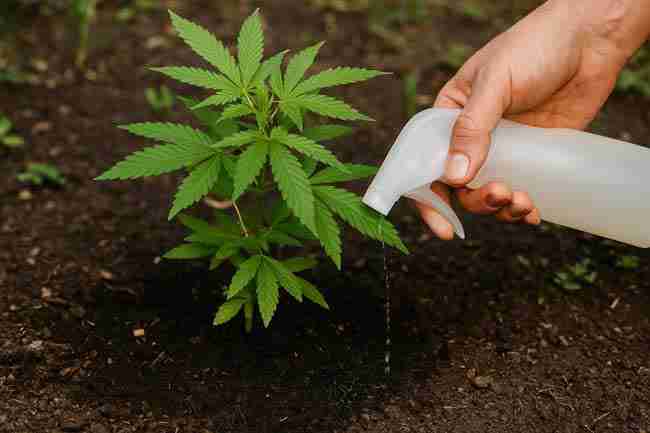
- Emergency rescue in non-living media: short, measured drench in coco or rockwool to add oxygen and knock back pathogens once, followed by microbe re-inoculation if you’re steering back to living practices.
Risky or counterproductive uses (avoid these)
- Living soil drenches: you’ll kill beneficial bacteria, fungi, and mycorrhizae.
- Compost tea or probiotic mixes: never combine; it defeats the purpose.
- Routine “oxygen booster” soaks: there are better, gentler ways (air stones, proper watering, soil structure).
The practical dilution guide (with real numbers you can use)
All dosages below assume 3% H₂O₂ unless noted. Start low, test on a small area, and scale carefully.
Conversion basics
- 3% → 0.3%: 1 part H₂O₂ to 9 parts water (1:9)
- 3% → 0.1%: ~1 part H₂O₂ to 29 parts water (1:29)
- 35% → 3%: 1 part 35% into ~11.7 parts water (more simply: 1:12)
Application table (bookmark this)
| Task / Situation | Dosage using 3% H₂O₂ | Final % (approx.) | Organic-friendly? | Frequency | Notes you shouldn’t skip |
|---|---|---|---|---|---|
| Seed pre-soak (optional) | 5 ml per 250 ml water | ~0.06% | ✔️ (edge-use) | One time, 6–12 hrs max | Rinse seeds after soak; don’t exceed 12 hrs. Consider kelp/fulvic alternative below. |
| Tool & tray sanitation | 1:1 to 1:3 (H₂O₂:water) | 1.5–3% | ✔️ | As needed | Wear gloves, keep off fabrics. Let gear dry fully. |
| Humidity dome / clone station wipe | 10–20 ml per 1 L | 0.03–0.06% | ✔️ | After each run | Wipe surfaces; don’t spray on leaves at high noon lights. |
| Hydro/soilless root rot emergency | 10–15 ml per 1 L | ~0.03–0.045% | ⚠️ edge-use | 1 application | Follow with beneficial microbes later, not same day. Increase aeration. |
| Fungus gnat top-layer flush (not ideal) | 10 ml per 1 L | ~0.03% | ❌ in living beds | One time | You’ll hurt microbes. Prefer BTi/nematodes and better drybacks. |
| Powdery mildew wipe (surfaces, not leaves) | 15–30 ml per 1 L | 0.045–0.09% | ✔️ surfaces | As needed | Clean tents, walls, gear. For leaves use safer foliar options. |
Why the caution? Even low concentrations can ding your micro-herd. When in doubt, sanitize tools and equipment with H₂O₂ and keep it out of your soil.
Step-by-step: using hydrogen peroxide without sabotaging your organic grow
Seed pre-soak (optional, especially for older seeds)
- Mix 5 ml of 3% H₂O₂ into 250 ml clean water (room temp).
- Drop seeds in for 6–12 hours. You want hydration, not a marathon.
- Rinse in plain water, then plant.
- Alternative: a kelp + fulvic soak (details below) is gentler on living systems.
Tools, trays, and tent gear
- Wear gloves. Mix 1:1 to 1:3 H₂O₂:water for tough grime.
- Wipe scissors, dome lids, seedling trays, and saucers.
- Let them air dry fully; light helps H₂O₂ break down to water + oxygen.
Soilless/coco rescue for root rot (emergency only)
- Add 10–15 ml of 3% H₂O₂ per liter of water.
- Drench once to add oxygen and reduce slime.
- Improve airflow and drybacks immediately (bigger perlite fraction helps).
- After 24–48 hours, re-introduce beneficials (Bacillus, Trichoderma) if you’re returning to a biology-guided approach.
What hydrogen peroxide does to your living soil biology
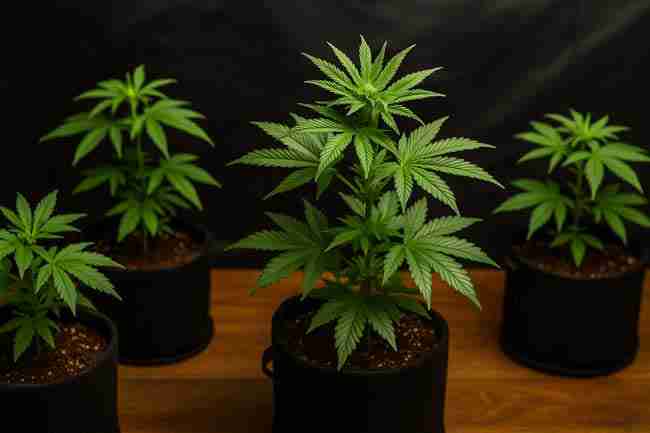
- Kills microbes—good and bad. That extra oxygen atom doesn’t care who’s who.
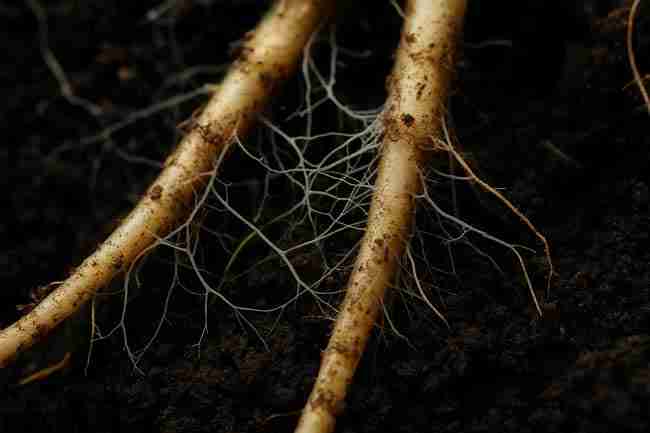
- Disrupts mycorrhizae links. Fungal networks that fetch phosphorus and water for your roots are sensitive to oxidizers.
- Short oxygen burst, long biological setback. You might see a quick “perk up” after a drench, but your soil community pays the price.
Bottom line: save H₂O₂ for non-soil sanitation and true emergency triage in inert/semi-inert media. For living soil, use biology to fight biology.
Organic-first alternatives (gentle, effective, and microbe-friendly)
For seed vigor & cleanliness
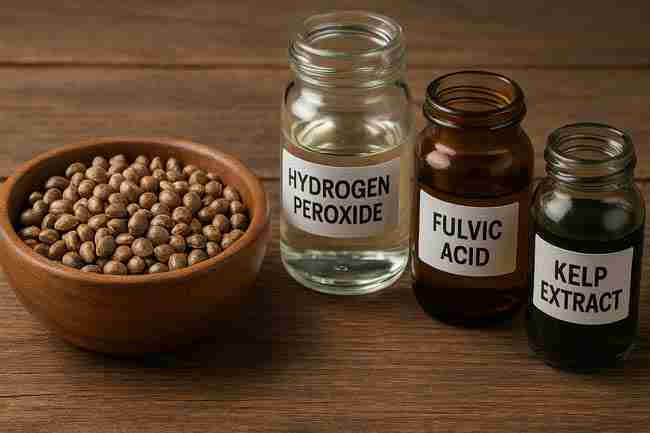
- Kelp + fulvic acid soak: 0.25–0.5 ml kelp extract + 0.25–0.5 ml fulvic per 250 ml water, 6–12 hours. Encourages enzymes and early root growth without nuking microbes.
- Room-temp clean water: perfectly fine for fresh, high-quality seeds.
For fungus gnats
- BTi (Bacillus thuringiensis israelensis) drenches (label rate).
- Sticky traps to catch adults.
- Better drybacks + top-layer airflow; add gnat-proof lids (sand/diatomaceous earth top dress can help).
- Beneficial nematodes (Steinernema feltiae).
For powdery mildew on leaves
- Potassium bicarbonate (label rate) or biofungicides (Bacillus-based).
- Canopy airflow + VPD balance: prevention beats cures.
For root health in living soil
- Compost/worm castings teas (aerated, well-made).
- Trichoderma/Bacillus inoculations (applied separately from oxidizers).
- Structure > sterilization: perlite/pumice, proper watering, and oxygenated irrigation prevent the conditions that cause rot.
Compatibility matrix: hydrogen peroxide vs common organic practices
| Input / Practice | Mix together? | Timing Guidance |
|---|---|---|
| Compost tea (ACT) | ❌ | Never combine; apply H₂O₂ on equipment only, not in tea or soil. |
| EM-1 / probiotics | ❌ | Separate by several days; don’t drench with H₂O₂ before/after probiotics. |
| Mycorrhizae inoculants | ❌ | Apply myco at transplant; keep H₂O₂ away from the root zone. |
| Worm castings | ⚠️ | Don’t drench castings with H₂O₂. Use H₂O₂ only for tool cleaning. |
| Kelp / humic / fulvic | ⚠️ | Fine on their own. If you sanitize gear with H₂O₂, rinse before mixing nutrients. |
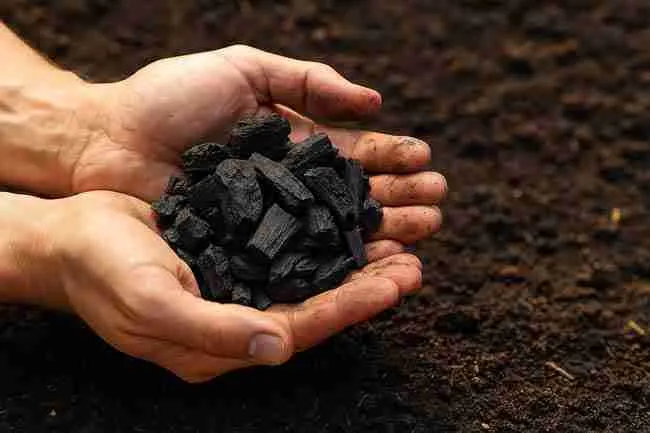
| Biochar | ✔️ equipment only | Sterilize pots/gear if you want, but not the soil or biochar-charged mix itself. |
| Molasses | ⚠️ | Feed microbes with molasses separately. H₂O₂ will negate the microbe boost. |
Pros and cons of using hydrogen peroxide in Organic Cannabis Gardens
Pros
- Powerful sanitizer for tools, trays, domes, and gear.
- Breaks down to water + oxygen—no harsh residues on equipment.
- Emergency oxygen boost in inert media to combat root problems.
- Algae/slime control for non-soil surfaces and reservoirs.
Cons
- Kills beneficial microbes in living soil—counter to organic biology.
- Temporary effect; symptoms may return if root causes (airflow, watering habits) aren’t fixed.
- Leaf phytotoxicity risk if sprayed too strong or under hot lights.
- Concentrates (12–35%) are hazardous; require strict handling and storage.
Specifications & safe-handling checklist
- Chemical: Hydrogen peroxide (H₂O₂)
- Common strengths: 3%, 12%, 35% (food-grade)
- pH: Slightly acidic in solution; varies by strength and stabilizers
- Storage: Cool, dark place; tightly capped; keep away from metals
- PPE: Gloves, eye protection, long sleeves; 35% can burn skin
- Never mix with: Vinegar (peracetic acid risk), ammonia, or other cleaners
- Disposal: Dilute and flush with plenty of water; it decomposes to H₂O + O₂
Real-world playbooks (use these when X happens)
You see green slime in your humidity dome
- Clean the dome with 10–20 ml 3% H₂O₂ per liter water.
- Rinse, dry, and increase airflow. Keep temps steady.
Your coco plant looks droopy with brown, smelly roots
- One-time drench at 10–15 ml 3% per liter.
- Add an air stone to reservoirs; improve drainage.
- After 24–48 hours, re-introduce beneficial microbes.
You’re tempted to “boost oxygen” in your living soil
- Don’t. Instead: loosen compaction, add aeration (pumice/perlite), and dial in watering. Use mulch for moisture balance.
Frequently asked questions (with your keywords baked in)
Is hydrogen peroxide safe for Organic Cannabis Gardens?
It’s safe for sanitation (tools, trays, gear) and edge-case emergencies in non-living media. It’s not a routine soil input for living organic systems because it kills beneficial microbes that make organic growing work.
Will hydrogen peroxide kill mycorrhizae and compost tea microbes?
Yes. Any drench with H₂O₂ will oxidize both harmful and beneficial organisms. Keep hydrogen peroxide out of compost teas and away from myco inoculations.
Can I soak cannabis seeds in hydrogen peroxide in Organic Cannabis Gardens?
You can use a mild soak (e.g., 5 ml of 3% in 250 ml water for 6–12 hours) to sterilize the seed coat, then rinse. But many organic growers prefer a kelp + fulvic soak to stay fully biological.
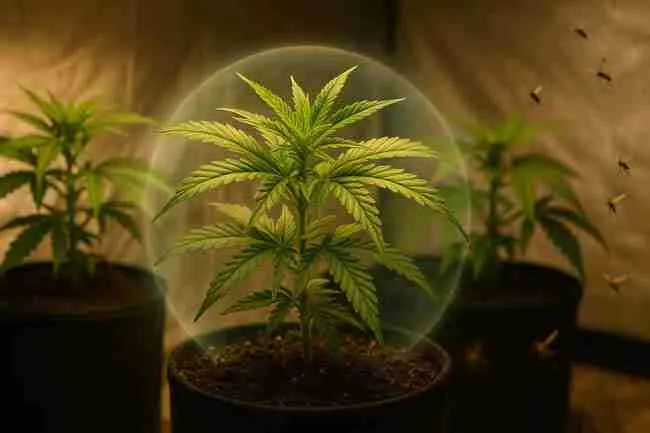
Does hydrogen peroxide cure fungus gnats in organic soil?
It may kill some larvae, but it’ll also hurt beneficials. Use BTi, beneficial nematodes, better drybacks, and sticky traps. Save H₂O₂ for gear cleaning.
Can I foliar spray hydrogen peroxide on my plants?
Not recommended as a first choice. If you must use it, keep it very weak, spray lights off, and spot test. Prefer gentler foliar options (e.g., potassium bicarbonate or Bacillus-based products) for organic leaves.
How often should I use hydrogen peroxide in Organic Cannabis Gardens?
Use it as needed for sanitation and rarely (if ever) for plant treatments. If you’re reaching for H₂O₂ often, there’s a root cause to fix (airflow, watering, temps, hygiene).
Simple table: hydrogen peroxide vs gentler organic alternatives
| Goal | Hydrogen Peroxide Approach | Gentler Organic Alternative |
|---|---|---|
| Clean tools/trays | H₂O₂ 1:1–1:3 with water | Hot water + unscented soap; food-grade alcohol (rinse well) |
| Seed boost | 5 ml 3% in 250 ml water, 6–12 hrs | Kelp (0.25–0.5 ml) + fulvic (0.25–0.5 ml) in 250 ml water |
| Root health | One-time drench in coco/rockwool | Trichoderma/Bacillus, better aeration, proper drybacks |
| Fungus gnat pressure | Not recommended in living soil | BTi drenches, nematodes, drybacks, sticky traps |
| PM cleanup (surfaces) | 15–30 ml per L for wiping | Same, or 70% alcohol for surfaces (not leaves) |
“Organic-first” action plan you can apply today
- Sanitize gear, not soil. Use hydrogen peroxide to clean tools, trays, domes, and humidifiers. Keep it out of your living beds.
- Fix the root causes. Improve airflow, watering rhythm, and substrate structure. Oxygen comes from good practices, not oxidizers.
- Reserve H₂O₂ for emergencies in inert or semi-inert media—once—and then re-inoculate with beneficial microbes.
- Switch to kelp + fulvic for seed soaks if you want a biology-friendly boost.
- Choose biological controls for pests and disease: BTi for gnats, Bacillus/Trichoderma for roots, potassium bicarbonate/Bacillus for PM.
- Document your doses. Write down what you used, when, and why. Your future self will thank you.
- Build internal links on your site to reinforce topical authority (see below).
Key takeaways you’ll actually use (no fluff)
- Yes, you can use hydrogen peroxide in Organic Cannabis Gardens—for sanitation and emergencies, not for routine soil care.
- No, don’t drench living soil with H₂O₂; it kills the heroes (microbes and mycorrhizae).
- Do prefer kelp + fulvic seed soaks and biological controls for pests/disease.
- Save H₂O₂ for cleaning gear and quick triage in coco/rockwool, then re-inoculate.
Do that, and you’ll keep your soil life buzzing while still having a sharp, clean “scalpel” on standby.