Humidity Domes and Cannabis Seedling Care: How to Boost Early Growth

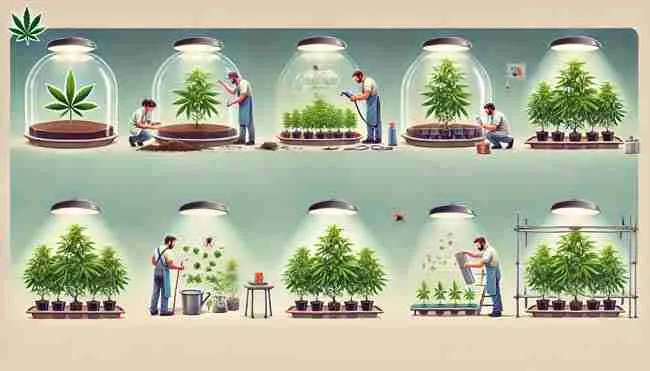
Starting your cannabis garden is like setting out on an exciting adventure—you’ve got your goals, your gear, and your passion. When you’re working with seedlings, every little detail matters, and that’s where humidity domes and proper Cannabis Seedling Care come into play. In this guide, you’ll learn everything you need to know to nurture your young plants from the moment they break through the soil until they’re robust and ready for the next phase of growth. I’ll walk you through every step, using simple language, real-life examples, and plenty of practical tips to help you succeed.
Step 1: Pick the Right Genetics, Containers, and Medium for Your Seedlings

You can’t build a strong house on weak foundations, right? It all starts with choosing the right genetics, containers, and growing medium. Think of your seeds as the blueprint of your future garden, so you want the best of the best.
Choosing the Right Genetics
Your plant’s potential lies in its genes. When picking seeds, consider:
- Strain characteristics: Some strains are naturally more vigorous, while others might need a little extra care.
- Adaptability: Choose genetics that suit your climate and growing conditions.
- Personal preference: Ultimately, your tastes matter. Select strains that align with your desired effects and flavors.
Real-life example: I once started with a strain that was highly recommended by friends. It had robust growth and a delightful aroma that made every harvest a treat. The key was knowing that the right genetics set you up for success from day one.
Selecting Containers
The container you choose can make or break your seedling’s early growth. Here’s what to keep in mind:
- Size matters: Use small pots or starter plugs that allow for root expansion.
- Material: Consider containers made from plastic or biodegradable materials. Each type has its pros and cons.
- Drainage: Ensure your container has enough holes to prevent waterlogging and promote healthy root development.
Picking the Right Growing Medium
Your growing medium is the home where your seedlings will develop. It should provide:
- Good drainage: Avoid heavy soils that hold too much water.
- Nutrient retention: A balanced medium helps your plant access essential nutrients.
- Aeration: A loose, well-aerated medium lets roots breathe and grow.
Specifications and Recommendations
Here’s a quick table to help you compare your options:
| Feature | Soil Mix | Coco Coir | Hydroponics |
|---|---|---|---|
| Drainage | Good, with amendments | Excellent drainage | Constant water flow |
| Nutrient Retention | High, if amended correctly | Moderate, needs supplementation | Depends on nutrient solution |
| Ease of Use | Easy for beginners | Simple and forgiving | Requires precise control |
| Cost | Varies | Reasonable | Higher initial cost |
Pros and Cons:
- Soil Mix:
- Pros: Natural, rich in organic matter, widely available.
- Cons: Can become compacted, may require additional nutrients.
- Coco Coir:
- Pros: Excellent drainage and aeration, sustainable.
- Cons: Needs careful nutrient management, may require buffering.
- Hydroponics:
- Pros: Fast growth, precise nutrient delivery, less mess.
- Cons: More expensive, requires technical know-how, strict pH control.
By starting with the best genetics, containers, and growing medium, you’re setting a solid foundation for your seedlings. This step is crucial to ensure your plants have the best chance of thriving right from the start.
Step 2: Use the Right Germination Techniques
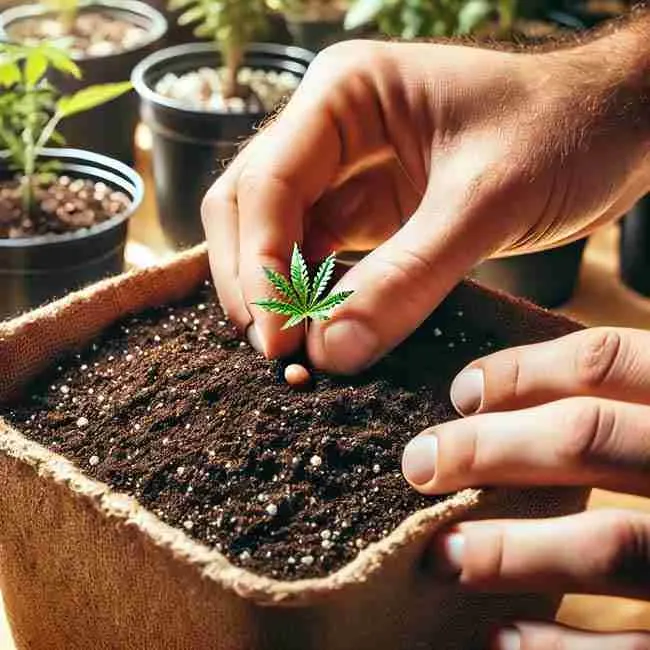
Now that you’ve got your materials sorted, it’s time to bring your seeds to life. Germination is the moment when the magic begins, and using the right techniques can boost your success rate.
Popular Germination Methods
There are a few common methods to get your seeds sprouting:
- Paper Towel Method: Dampen a paper towel, place your seeds between two layers, and keep them warm until they sprout. This method is simple and effective.
- Direct Planting: Plant the seed directly into your growing medium. This reduces handling and stress on the seed.
- Water Soaking: Soak your seeds in water for 12-24 hours to soften the shell before planting.
Step-by-Step Germination Process
- Gather Your Supplies: Paper towels, water, seeds, small container.
- Prepare the Towel: Wet a paper towel and wring out excess water.
- Place the Seeds: Lay the seeds evenly spaced on the towel.
- Cover and Warm: Fold the towel over the seeds and place it in a warm spot.
- Monitor Daily: Check the towel daily to ensure it remains damp.
- Plant Promptly: Once the seeds sprout, gently transfer them to your container.
Using Humidity Domes
Humidity domes create a mini-greenhouse effect, helping maintain moisture and warmth. They are especially useful during the germination and seedling stages.
Benefits of Humidity Domes
- Moisture Retention: Keeps the air around your seedlings moist, reducing water stress.
- Temperature Regulation: Maintains a consistent environment, which is essential for delicate seedlings.
- Protection: Shields seedlings from drafts and sudden temperature changes.
Real-Life Application
I remember using a humidity dome for my first batch of seedlings. It was like having a snug little tent around each plant. The moisture stayed consistent, and the warmth helped the seeds germinate quickly. However, I made sure to lift the dome every now and then to let fresh air in, preventing any mold or fungus issues.
Step 3: Mastering the Seedling Stage

Once your seeds have sprouted, the real fun begins. This stage is critical because your seedlings are establishing their roots and initial growth. Treat this stage with care and attention.
The Role of Humidity Domes During the Seedling Stage
Humidity domes aren’t just for germination—they’re essential during the early seedling stage too. They help reduce stress and provide a stable microclimate.
Daily Care Tips for Seedlings
- Light: Ensure your seedlings get enough light but not too much direct heat.
- Water: Keep the soil consistently moist but not waterlogged.
- Air Circulation: Occasionally remove the dome to allow fresh air to circulate.
- Temperature: Aim for a consistent temperature; avoid drastic fluctuations.
Real-Life Story: A Budding Success
Imagine you’re tending to a young seedling, just a tiny sprout pushing through the soil. I recall one particular seedling that seemed frail at first but, with the right amount of light, water, and humidity dome protection, it transformed into a robust little plant. Its journey wasn’t without challenges—sometimes it got a bit too moist, sometimes it needed extra light—but each tweak you make along the way adds up to a healthy, thriving plant.
How to Water Your Cannabis Seedlings

Watering might seem straightforward, but doing it right makes all the difference. You want to give your seedlings enough water to grow strong without drowning them.
Best Practices for Watering
- Consistency is Key: Water your seedlings on a regular schedule. Check the soil daily.
- Moist, Not Soggy: The soil should be moist to the touch but never waterlogged.
- Watering Techniques: Use a spray bottle or a gentle watering can to avoid washing away delicate roots.
How to Tell if Your Seedlings Need Water
- Soil Texture: If the top inch of the soil feels dry, it’s time to water.
- Leaf Appearance: Wilting or drooping leaves indicate that your plant needs moisture.
- Weight Test: Lift your container—if it feels light, your soil is probably dry.
Real-Life Example
I once had a batch of seedlings that I watered too aggressively. Their little roots got all tangled and the plants struggled to thrive. I learned to water gently and consistently, and that made all the difference in their growth.
How to Prevent Damping Off
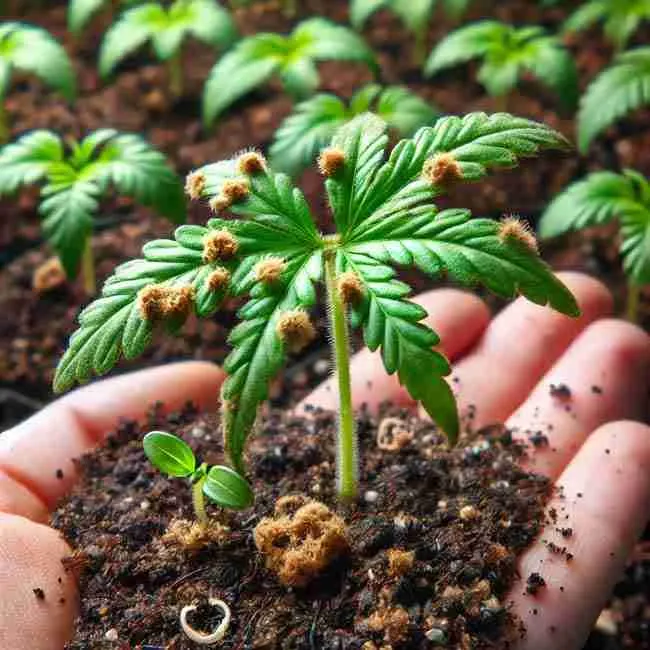
Damping off is a fungal disease that can kill your seedlings before they even have a chance to grow. Preventing it is a must for any serious cannabis grower.
What is Damping Off?
Damping off is a fungus that thrives in overly wet conditions. It attacks the stem at the soil line, causing your seedling to collapse and die.
Tips to Prevent Damping Off
- Proper Ventilation: Ensure your growing area has good airflow.
- Cleanliness: Use clean containers and fresh soil to reduce the risk of fungal spores.
- Avoid Overwatering: Stick to a consistent watering schedule to keep the soil just moist enough.
- Humidity Control: Use your humidity dome wisely. While it helps maintain moisture, don’t let it sit on too long.
Checklist to Keep Damping Off at Bay
- Keep the dome clean and remove it for a few minutes daily.
- Use sterilized soil and containers.
- Maintain moderate humidity levels.
- Monitor temperature and adjust as needed.
How Soon to Start Feeding Cannabis Seedlings?

Nutrients are like vitamins for your plants. But timing is everything when it comes to feeding your cannabis seedlings.
When to Begin Feeding
- Wait for True Leaves: Don’t rush to feed your seedlings. Wait until they develop their second set of true leaves.
- Start Light: When you do start, use a weak nutrient solution to avoid burning the young roots.
Nutrient Feeding Schedule
- Day 1-7: Focus on water and light.
- Day 8-14: Introduce a mild nutrient solution once true leaves appear.
- Beyond Day 14: Gradually increase nutrient strength as the seedlings grow, always monitoring for signs of nutrient burn.
Real-Life Tip
I once fed my seedlings too early, and they got a bit scorched. Now, I wait until I see a couple sets of true leaves before I introduce any nutrients. It pays off in the long run.
How to Avoid Nutrient Problems

Nutrient problems can stunt your plants’ growth and even cause them to wither. Keeping things balanced is the name of the game.
Signs of Nutrient Issues
- Yellowing Leaves: Often a sign of overfeeding or deficiencies.
- Browning Tips: May indicate too many nutrients or poor pH balance.
- Stunted Growth: Your seedlings should be growing steadily—any lag might signal an issue.
Balancing Nutrients
- Start Slow: Use diluted nutrients until you’re confident in your seedlings’ resilience.
- Monitor pH: Keep an eye on the pH level of your water and nutrient solution.
- Adjust as Needed: If you see signs of stress, scale back on the nutrients and let the plant recover.
Pros and Cons of Nutrient Management
- Pros:
- Helps ensure robust growth when done correctly.
- Encourages healthy root development.
- Can prevent deficiencies that stunt growth.
- Cons:
- Overfeeding can cause nutrient burn.
- Requires careful monitoring of pH.
- May lead to salt build-up if not flushed periodically.
Should I Use Nutrients Every Time I Water?
This is a common question among new growers. While nutrients are important, more isn’t always better.
The Right Approach to Nutrient Use
- Alternate Watering: Use plain water between nutrient feedings to give your seedlings a break.
- Observe Your Plants: Watch how your seedlings respond and adjust your schedule accordingly.
- Dilution is Key: Always dilute nutrients to about a quarter or half the recommended strength until your seedlings are more robust.
Real-Life Advice
I remember when I first started, I fed my plants with every watering, and boy, did they suffer! Now, I alternate between water and a diluted nutrient solution. It’s a simple change that made a big difference.
How to Prevent Pests and Bugs

Nobody likes uninvited guests in their garden. Pests can quickly turn a thriving garden into a battleground. You need to be proactive in preventing infestations.
Common Pests for Seedlings
- Aphids: Tiny bugs that can suck the life out of your young plants.
- Spider Mites: They love dry conditions and can multiply quickly.
- Fungus Gnats: Attracted to overly moist soil, they can harm roots.
Tips to Prevent Pests
- Keep It Clean: Always start with clean soil and containers.
- Monitor Regularly: Check your seedlings for signs of pests.
- Use Natural Remedies: Neem oil, insecticidal soap, or even a simple water spray can keep bugs at bay.
- Maintain Proper Humidity: Don’t let the humidity dome create a breeding ground for pests—air it out daily.
Preventative Checklist
- Inspect plants daily.
- Keep humidity and moisture levels balanced.
- Use natural pest deterrents.
- Ensure proper air circulation around your seedlings.
How to Prevent Stretchy Seedlings

Stretchy seedlings are a sign that something’s off—they’re reaching for light, which isn’t ideal for strong, sturdy growth.
Causes of Stretchy Seedlings
- Insufficient Light: If your seedlings don’t get enough light, they’ll stretch to reach it.
- Too Close to a Light Source: Even if the light is strong, being too close can stress the seedlings.
- Environmental Stress: Temperature fluctuations and poor air circulation can also cause stretching.
How to Fix It
- Adjust Light Distance: Ensure your light is at the right distance—usually a few inches above the canopy.
- Increase Light Intensity: If possible, provide more light without overheating the plants.
- Monitor and Adjust: Watch your seedlings closely and make adjustments as needed.
Real-Life Example
I once had a batch of seedlings that stretched out like spaghetti. I moved the light a bit higher and added a second, softer light source. It wasn’t magic, but within a few days, the plants started growing more compact and healthy.
Should I Top My Cannabis Seedlings?
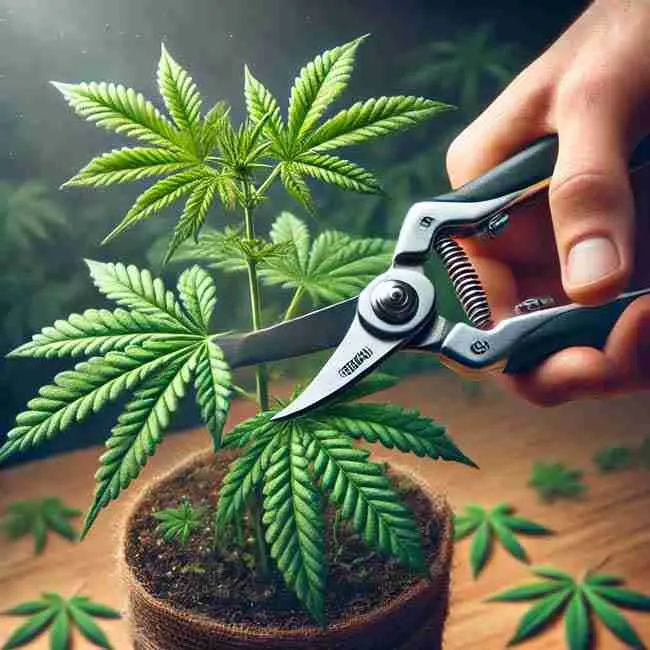
Topping can be a great technique to encourage bushier growth later on, but timing is everything.
What is Topping?
Topping means cutting off the top of your seedling to force it to grow more side branches. It’s like pruning a tree to make it fuller.
When to Top
- Wait Until They’re Strong: Only top your seedlings when they have developed a few sets of true leaves.
- Use Clean Tools: Always use sterilized scissors or blades to avoid infections.
- Monitor Recovery: After topping, give your plant time to recover and start branching.
Pros and Cons of Topping
- Pros:
- Encourages more bud sites.
- Leads to a bushier, more manageable plant.
- Can increase overall yield when done correctly.
- Cons:
- Stressful for young seedlings if done too early.
- Requires careful timing and technique.
- May slow initial growth if not managed well.
Know When and How to Transplant Your Seedlings

Once your seedlings have built strong roots and have a few sets of true leaves, it’s time to think about transplanting. Moving them to a larger container is a big step that sets the stage for even more vigorous growth.
Signs It’s Time to Transplant
- Robust Root System: Your seedlings show roots coming out of the container.
- Multiple True Leaves: They’ve developed more than two sets of true leaves.
- Steady Growth: The plants are growing steadily and need more room.
How to Transplant
- Prepare the New Container: Ensure it’s clean, has drainage holes, and is filled with fresh growing medium.
- Water the Seedlings: Moisture helps reduce transplant shock.
- Gently Remove the Seedlings: Loosen the soil carefully around the roots.
- Plant in the New Container: Place the seedling in the new pot, firm the soil around it, and water lightly.
- Acclimate: Give the seedlings time to adjust to their new home.
Tips for a Smooth Transition
- Work in a calm, quiet space.
- Use a humidity dome for the first few days post-transplant.
- Monitor the seedlings for signs of stress and adjust water and light as needed.
Understanding the Seedling Stage

Understanding the seedling stage is crucial for long-term success. This period shapes your plant’s potential and sets the tone for all future growth.
Key Characteristics of the Seedling Stage
- Rapid Root Development: A healthy root system forms the basis of strong plant growth.
- Sensitive to Environment: Seedlings react quickly to changes in light, water, and temperature.
- Foundational Growth: Everything you do during this stage affects the plant’s future yield.
How to Create the Best Environment
- Consistent Light: Provide steady, moderate light.
- Balanced Watering: Ensure your seedlings get enough moisture without being soaked.
- Stable Temperature: Keep the environment around 70-80°F (21-27°C) for optimum growth.
Real-Life Scenario
Imagine a tiny seedling, fragile and full of potential. I’ve seen seedlings bloom into magnificent plants simply because they got the right amount of light, water, and care during those critical early days. Every detail counts, and a nurturing environment makes all the difference.
How Long Do Cannabis Seedlings Need Light?

Light is like food for your seedlings—it fuels their growth. But how much light do they really need?
Light Requirements for Seedlings
- Duration: Seedlings typically need 18-24 hours of light a day. However, a 18/6 light-dark cycle can work well once they’re a bit older.
- Intensity: Use a light source that’s strong enough but not too harsh. LED grow lights work great.
- Distance: Keep the light at a safe distance to avoid burning the leaves while still providing ample energy.
Adjusting Light for Best Growth
- Watch for Signs: If your seedlings stretch, they might be reaching for more light.
- Change Distance: Adjust the light’s distance to ensure a balanced exposure.
- Use Reflectors: Reflective surfaces can help distribute light evenly without causing hotspots.
Additional Tips for Cannabis Seedling Care
To wrap it all up, here are some extra tips and tricks you can use to give your seedlings the best start possible:
Quick List of Must-Do’s
- Check daily: Monitor water, light, and temperature.
- Clean equipment: Always use sterilized tools.
- Be patient: Growth takes time, so give your seedlings space to adapt.
- Document progress: Keep a small journal of changes and observations.
Handy Table for Daily Cannabis Seedling Care
| Task | Frequency | Key Points | Tools Needed |
|---|---|---|---|
| Watering | Daily | Moist soil, not soggy | Spray bottle or watering can |
| Light Check | Daily | Ensure proper light distance and duration | Grow light, timer |
| Humidity Dome Venting | 2-3 times/day | Prevent mold by allowing fresh air | Humidity dome |
| Nutrient Monitoring | Every 2-3 days | Adjust feeding schedule based on growth | pH meter, diluted nutrient solution |
| Pest Inspection | Daily | Look for signs of pests on leaves or soil | Magnifying glass, neem oil |
FAQ: Cannabis Seedling Care
Q: What’s the best way to use a humidity dome for seedlings?
A: You use it to keep moisture and temperature steady. Just remember to lift it for a few minutes each day to let in fresh air.
Q: When should I start feeding my cannabis seedlings?
A: Start feeding when you see a couple of true leaves. Use a diluted nutrient solution and keep an eye on the plant’s response.
Q: How often should I water my seedlings?
A: Water daily if needed, but always check the soil first. It should be moist, not soggy.
Q: How can I prevent damping off?
A: Keep your setup clean, don’t overwater, and ensure good airflow. Use a humidity dome wisely and remove it for a bit each day.
Q: How do I avoid nutrient burn in seedlings?
A: Use nutrients sparingly and only after true leaves develop. Dilute the nutrients to about half strength, and alternate with plain water.
Q: What’s the ideal light schedule for cannabis seedlings?
A: Provide 18-24 hours of light daily initially, then adjust to an 18/6 cycle as the plants mature.
Q: Is it necessary to top cannabis seedlings?
A: Topping can be beneficial if done correctly. Wait until the seedlings have multiple sets of true leaves and use clean tools.
Final Thoughts on Cannabis Seedling Care
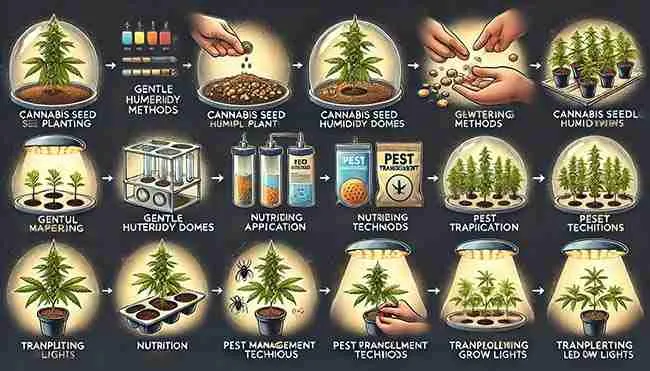
You’ve got a lot to consider when it comes to growing healthy cannabis seedlings, but the journey is as rewarding as the destination. From picking the right genetics and containers to managing moisture with a humidity dome, every detail matters. I’ve shared my personal experiences and practical tips to help you avoid common pitfalls and build a robust foundation for your cannabis garden.
Remember, the key is consistency and attention to detail. Adjust your techniques based on what your plants tell you. They might be tiny at first, but with the right care, they’ll grow into strong, resilient plants ready to take on the next stages of development.
Take your time, enjoy the process, and trust that every careful decision you make now will pay off later. Cannabis Seedling Care isn’t just about following instructions—it’s about nurturing life from the very start, with patience, passion, and a little bit of know-how.