How to Use Rooting Hormone, Natural vs Synthetic Types


You finally found her. That one special cannabis plant that checks every box. She grows strong, smells incredible, and produces the kind of buds that make you stop and stare. You want to keep her forever. Starting from seed again feels risky because phenotypes can shift. Cloning her is the smart move, and that is exactly where rooting hormone steps in and changes everything.
When you take a cutting, the stem has no roots yet. It cannot pull water or nutrients the way a full plant does. Without a little help, many cuttings just sit there, wilt, or rot before they ever push out new roots. Rooting hormone gives the cutting the signal it needs to start growing roots right at the cut site. It is like giving a brand-new team the playbook on day one.
Whether you grow from premium cannabis seeds or you are preserving your favorite keeper, learning how to use rooting hormone properly makes cloning less of a gamble and more of a reliable routine. The choice between synthetic and natural versions matters, and understanding both helps you pick what fits your style and your garden goals.
What Is Rooting Hormone and Why Cannabis Growers Rely on It
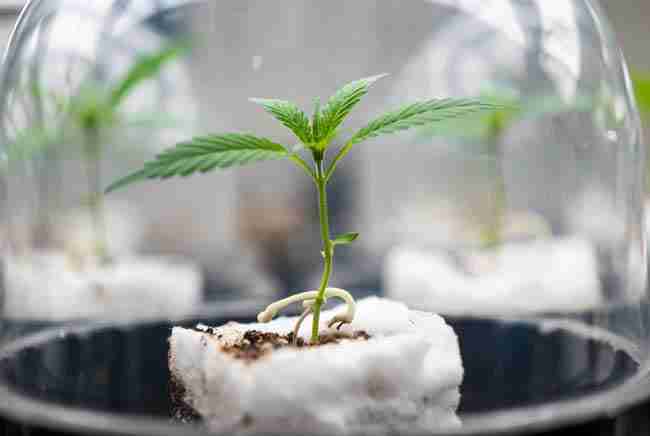
Rooting hormone is a product that contains plant hormones called auxins. These auxins tell the plant tissue at the base of the cutting to form roots instead of just healing the wound. In simple terms, it speeds up the process and raises the odds that your cutting will survive and thrive.
Cannabis cuttings can root without any help if conditions are perfect, but most home growers do not have perfect conditions every single time. Temperature swings, humidity drops, or a slightly stressed mother plant can drop success rates fast. That is why so many growers reach for rooting hormone cannabis cloning products. It gives you a consistent edge, especially when you are working with valuable genetics you really want to keep.
The Simple Science Behind How Rooting Hormone Works
Auxins are the messengers. When you apply rooting hormone to the fresh cut, the auxin travels a short distance into the stem and triggers cells to divide and form root initials. Within days you start to see white bumps, then actual roots. The stronger or better matched the auxin source, the faster and more uniform the rooting usually becomes.
Synthetic versions deliver a concentrated, measured dose of auxins like IBA or NAA. Natural versions pull auxins and supportive compounds from plants like willow. Both approaches work, but they feel different in your hands and in your garden.
Synthetic Rooting Hormone: The Reliable Powerhouse for Cannabis Cloning
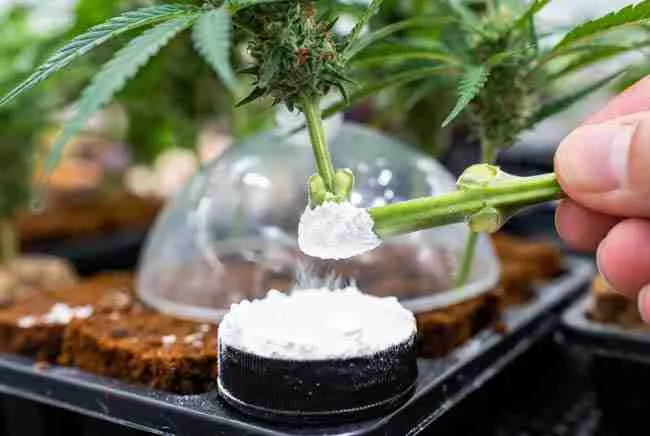
Most commercial rooting hormone products you see on grow shop shelves are synthetic. They usually contain indole-3-butyric acid (IBA) or sometimes a mix of IBA and naphthaleneacetic acid (NAA). These are lab-created versions of the same hormones plants make naturally, but they come in precise strengths and stable forms.
You will find synthetic rooting hormone in three main forms: powder, gel, and liquid. Powder is the classic choice. You simply moisten the cut end of your stem, dip it, tap off the extra, and plant. It stores for a long time and works well when you have dozens of cuttings to do. Gel clings to the stem, seals the cut, and stays put even in high-humidity domes. Many home growers love gel because it feels forgiving and beginner-friendly. Liquid versions let you dip quickly or even soak your entire rooting medium if you want an even distribution.
Pros and Cons of Synthetic Rooting Hormone for Cannabis Growers
On the plus side, synthetic options deliver fast, predictable results. Many growers see roots in 7 to 14 days when everything else is dialed in. Success rates often climb into the 80 to 95 percent range with good technique. The roots that form tend to be thick and vigorous right from the start, which helps the clone transition smoothly once you transplant it.
On the downside, some growers prefer to stay completely organic and avoid any synthetic compounds. There is also a small risk of burning the cutting if you use too much or choose a strength that is too high for soft cannabis stems. Price adds up if you clone large numbers regularly, and a few regions have restrictions on certain synthetic formulas.
Overall, synthetic rooting hormone shines when you have keeper plants you cannot afford to lose or when you want maximum speed and consistency. It pairs especially well with rockwool or rapid rooter plugs if you run hydro or coco systems later.
Rooting Hormone Natural Alternatives: Going Fully Organic

If you grow organic cannabis or simply like the idea of using what nature already provides, natural rooting hormone options are worth exploring. These are not always as potent as a concentrated synthetic product, but they can still give your cuttings a meaningful boost while keeping everything in the garden chemical-free.
Willow water is the superstar here. Young willow branches contain natural IBA plus salicylic acid, which acts as a gentle antifungal. Honey brings antibacterial enzymes and sugars that protect the cut while it heals. Cinnamon works mainly as a strong antifungal that helps prevent rot at the base. Fresh aloe vera gel soothes the tissue and supplies its own growth-stimulating compounds. Some growers even dissolve plain aspirin for the salicylic acid benefit.
Easy DIY Rooting Hormone Recipes You Can Make Tonight
Willow water is simple. Take young, pencil-thick willow shoots, chop them into one-inch pieces, cover with boiling water, and let steep for 12 to 48 hours. Strain and use within a couple of days or store in the fridge for up to two months. Soak your cuttings in the cooled liquid for a few hours before planting, or water the medium with it.
For a quick honey-cinnamon dip, mix one tablespoon of raw honey with a teaspoon of ground cinnamon and a little warm water to make a loose paste. Dip the moistened stem end, let it sit for a minute, then plant. The honey protects while the cinnamon guards against mold.
Aloe vera is even easier. Slice open a fresh leaf, scoop the clear gel, and either dip the cutting directly into the gel or blend it with a bit of water to make a soak. Many growers report faster root initiation and less transplant shock when they use aloe.
These natural mixes cost almost nothing, smell nice, and fit perfectly into a living-soil or fully organic cannabis garden. Just remember that results can vary more than with synthetic products, so test them on a few cuttings first.
Natural vs Synthetic Rooting Hormone: Which One Wins for Your Cannabis Clones?
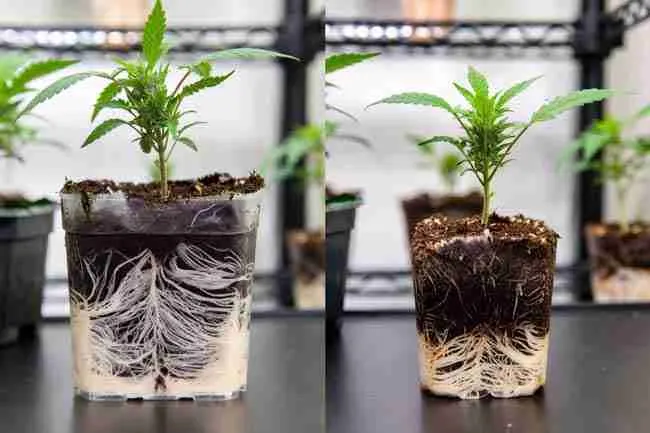
Both approaches have loyal fans, and the “best” choice really depends on your priorities. Here is a clear side-by-side look at how they stack up for cannabis cloning.
| Factor | Synthetic Rooting Hormone | Natural Rooting Hormone |
|---|---|---|
| Rooting Speed | Fast – often visible roots in 7–14 days | Moderate – usually 10–21 days |
| Success Rate | High and consistent (70–95% with good conditions) | Variable (40–80%, depends heavily on recipe and environment) |
| Cost per Clone | Low once you buy the bottle (lasts many uses) | Very low or free when made at home |
| Organic Friendly | No – contains lab-made auxins | Yes – plant-based and fully natural |
| Ease of Use | Very easy, especially gels | Requires prep time for DIY versions |
| Best For | Keeper plants, large numbers of clones, hydro or coco setups | Organic gardens, small batches, experimentation, budget grows |
| Potential Drawbacks | Synthetic ingredients, possible burn if over-applied | Less potent on stubborn strains, batch-to-batch variation |
Many experienced growers keep both options on hand. They reach for synthetic rooting hormone when they are cloning rare or high-value phenotypes and want every cutting to make it. They switch to natural versions when they are running a fully organic garden or just want to avoid extra products. Some even experiment with a light natural soak followed by a quick synthetic powder dip, though most people stick to one method at a time for cleaner results.
When you’re cloning cannabis, choosing the right rooting agent can make a big difference in how fast and how successfully your cuttings root. Some growers prefer to stay completely natural, while others want the speed and consistency that synthetic products provide.
Here’s a clear breakdown of both natural and synthetic options that work well for cannabis cloning.
Natural Cloning Agents (Rooting Hormone Alternatives)
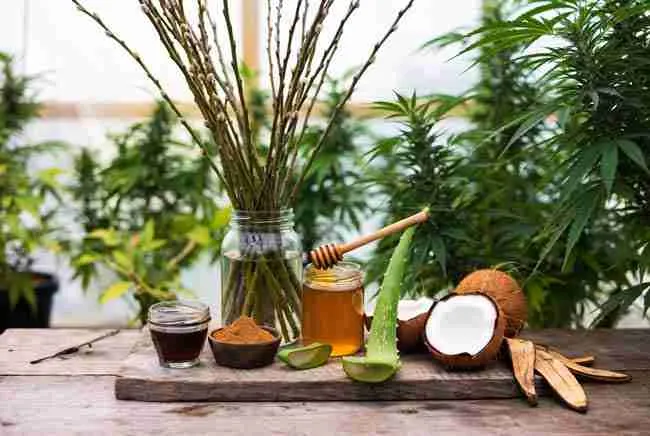
These are plant-based or household options that can help stimulate root growth or protect cuttings during cloning. Results are generally more variable than synthetic products, but many organic growers prefer them.
Willow Water is the strongest natural option. It contains natural IBA along with salicylic acid, which helps fight fungus. To make it, chop young willow shoots into small pieces, cover them with water, and let them steep for 12 to 48 hours. You can then soak your cuttings in the liquid or use it to water your rooting medium. Many growers consider this the best natural alternative available.
Raw Honey works well because of its antibacterial enzymes and natural sugars. Simply dip the moistened end of your cutting into honey before planting, or dilute it in water. It provides good protection against bacteria while the cutting develops roots.
Cinnamon is excellent at preventing rot. It acts as a strong natural antifungal. Dip the base of your cutting directly into ground cinnamon powder before inserting it into your medium. It’s simple, cheap, and very effective at keeping the cut area clean.
Aloe Vera Gel is gentle and soothing. Fresh aloe vera contains natural growth stimulants and helps reduce stress on the cutting. You can dip the stem directly into the gel from a fresh leaf or blend it with a little water to make a soak.
Aspirin (salicylic acid) can help reduce stress in cuttings. Dissolve one uncoated aspirin tablet in water and soak your cuttings for a few hours before planting. It’s inexpensive but generally milder than other options.
Coconut Water contains natural cytokinins and nutrients. Using fresh coconut water as a soak can give cuttings a gentle boost, though it works more as a supportive treatment than a powerful root stimulator.
Apple Cider Vinegar offers mild antifungal properties when heavily diluted. Use about one teaspoon in six cups of water and dip your cuttings. Be careful not to use it too strong, as it can damage the stem.
Banana Peel Tea is a mild general booster. Soak banana peels in water for a few days and use the liquid as a soak. It provides potassium and enzymes but is not a strong rooting agent on its own.
Synthetic Cloning Agents (Commercial Rooting Hormones)
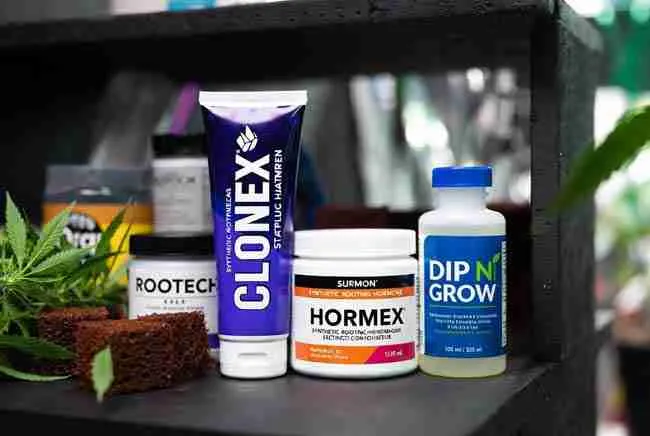
These products contain lab-created auxins (mainly IBA and sometimes NAA). They generally deliver faster and more consistent results for cannabis cloning.
Clonex is one of the most popular choices among cannabis growers. It comes as a gel containing IBA and is very easy to use. The gel sticks well to the stem and creates a good seal. It works reliably for most strains and is especially beginner-friendly.
Rootech Cloning Gel is another thick gel option that many home growers like. It contains IBA and provides a strong protective seal on the cutting while delivering the rooting hormone.
Hormex comes in powder form with different strengths (usually 0.1% to 0.8% IBA). You can choose the right concentration depending on how easy or difficult your plant is to root. It has a long shelf life and works well for larger numbers of cuttings.
Dip ‘N Grow is a strong liquid formula that contains both IBA and NAA. It’s known for fast rooting and works especially well on more stubborn or woody cuttings. Many experienced growers use it when they need maximum speed.
Hormodin is a classic powder rooting hormone available in different strengths. It’s been trusted for years and performs well for serious or commercial growers.
RootBoost is a widely available and affordable powder option. It contains IBA and works well for general cannabis cloning.
Olivia’s Cloning Gel is a solid alternative to Clonex. It’s easy to use and gives good results for home cloning projects.
Generic IBA Powder lets you buy pure indole-3-butyric acid powder in different concentrations (0.1%, 0.3%, or 0.8%). This is a good budget choice if you want to control the strength yourself.
Liquid Rooting Solutions are useful if you run cloning machines or hydro systems. They can be used as a quick dip or added to the water to soak the medium.
Quick Recommendations for Cannabis Growers
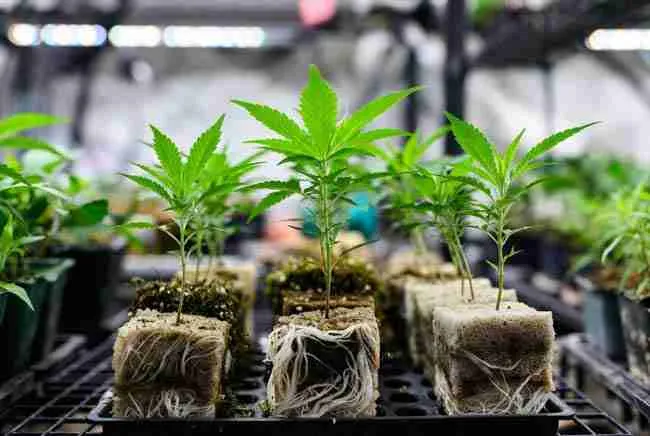
If you want to stay organic, Willow Water is the best overall natural choice. For an easy and effective natural combo, try Honey + Cinnamon together.
For most growers looking for reliable results, Clonex or Rootech Cloning Gel are excellent synthetic options. They’re easy to use and give consistent success with cannabis.
When you need faster rooting or are working with more difficult plants, Dip ‘N Grow is one of the strongest synthetic choices available.
If you’re on a budget, Hormex powder or a generic IBA powder in the right concentration will give you good performance without spending a lot.
Choosing between natural and synthetic often comes down to your growing style. Many growers keep both options on hand and use whichever fits the situation best.
Step-by-Step Guide: How to Use Rooting Hormone for Cannabis Cloning
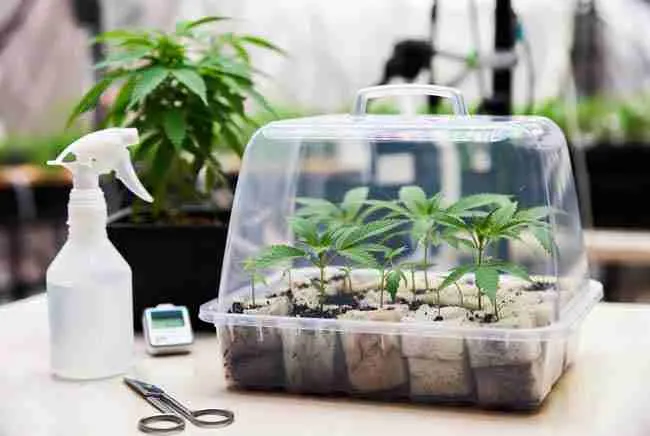
Success comes from doing the small things right every single time. Follow these steps and you will give your cuttings the strongest possible start.
- Pick a healthy mother plant in the vegetative stage. Avoid flowering plants or stressed ones.
- Sterilize your scissors or razor blade with isopropyl alcohol.
- Take a 4- to 6-inch cutting from a lower branch or the top. Cut at a 45-degree angle just below a node.
- Remove the lower leaves so only two to four leaves remain at the top. This reduces water loss.
- Optional but helpful: gently scrape or make a small vertical slit at the base of the stem to expose more cambium.
- Apply your chosen rooting hormone right away. For powder, moisten the end, dip, and tap off excess. For gel, coat about half an inch of the stem. For liquid, follow the label timing.
- Prepare your medium. Rockwool cubes soaked to pH 5.5–6.0 work great. Soilless mixes, coco-perlite blends, or Jiffy plugs also perform well. Make a hole first so you do not rub the hormone off.
- Insert the cutting gently and firm the medium around the stem.
- Place the cuttings under a humidity dome or in a propagator. Keep humidity high (80–100%) for the first few days, then gradually lower it.
- Give them low-intensity light on an 18/6 or 24/0 schedule. Keep temperatures around 70–80°F (21–27°C).
- Check daily. Mist if the medium starts to dry on top. Never let it sit in standing water.
- After 7–14 days, give a gentle tug. Resistance usually means roots have formed. Look for white roots through clear containers or cubes.
- Once roots are 1–2 inches long, begin acclimating by opening the dome a little more each day, then transplant into your final medium.
Creating the Perfect Environment So Your Rooting Hormone Can Do Its Job
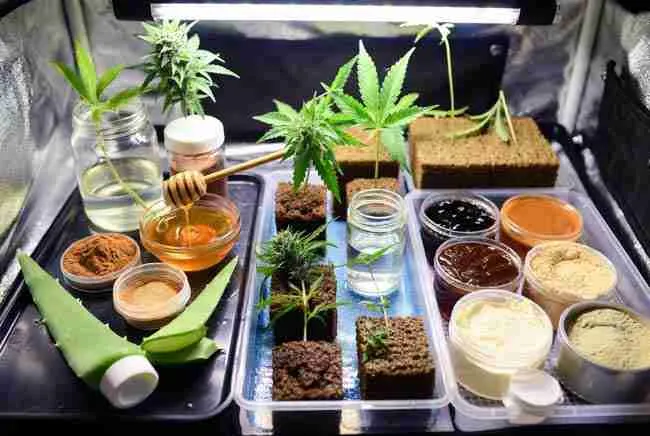
Rooting hormone is only half the equation. Your environment has to support the cutting while it grows roots. High humidity stops the leaves from wilting before roots appear. Gentle airflow prevents mold without drying everything out. Stable warm temperatures keep metabolism moving. Low light intensity stops the cutting from trying to grow upward too fast before it has roots to support that growth.
Rockwool stays popular because it holds moisture evenly and lets oxygen reach the new roots. If you prefer soil or living soil, use a light, airy mix and water very carefully until roots establish. In hydro cloners or aeroponic setups, the constant mist or flow works beautifully with a quick dip in rooting hormone first.
Common Mistakes Growers Make With Rooting Hormone Cannabis Cloning
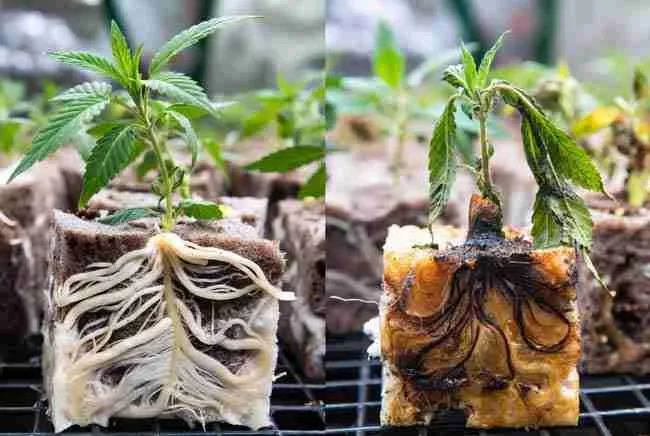
Even experienced growers slip up sometimes. The biggest mistake is taking cuttings from a stressed or flowering mother. Those cuttings root much slower or not at all. Another frequent error is letting the medium dry out or stay too wet. Both kill new roots fast.
Using way too much rooting hormone can burn the stem or actually slow rooting. Always tap or wipe excess. Some people also skip sterilizing tools and introduce bacteria that cause rot right at the cut. Finally, moving clones into bright light or high heat too soon stresses them before roots can support the plant.
Fix these issues and your success rate climbs dramatically, no matter which type of rooting hormone you choose.
Safety and Storage Tips for Rooting Hormone Products
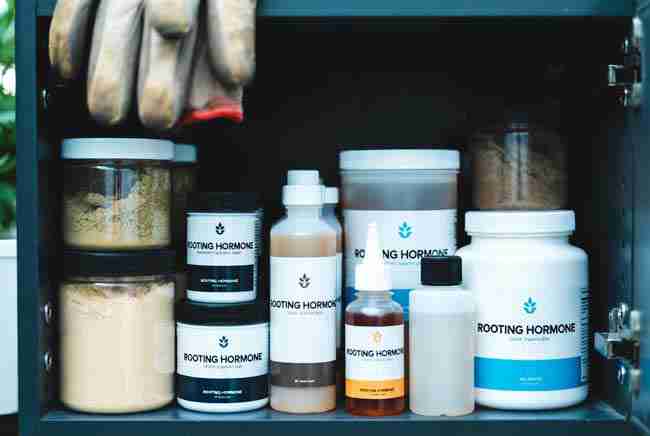
Always wear gloves when handling synthetic rooting hormone, and wash your hands afterward. Keep products away from children and pets. Store powders and gels in a cool, dark place with the lid tightly closed. Most stay good for one to two years if you do not contaminate the container by dipping cuttings directly into it. Use a small separate dish for dipping instead.
For natural versions, make fresh batches when possible. Willow water keeps in the fridge for a couple of months. Honey and cinnamon mixes are best used the same day. Aloe gel from a fresh leaf works immediately and can be refrigerated for a few days.
Frequently Asked Questions About Rooting Hormone for Cannabis
Can I clone cannabis without any rooting hormone at all?
Yes, you can. Many growers do it successfully when conditions are perfect. However, using rooting hormone, whether synthetic or natural, raises your success rate and shortens the time until roots appear. If you are cloning valuable plants or working in less-than-ideal conditions, the hormone is cheap insurance.
Is natural rooting hormone as effective as synthetic for cannabis cloning?
Natural options like willow water or honey-cinnamon mixes work well and many organic growers swear by them. They tend to be a little slower and results can vary more from batch to batch. Synthetic versions usually give faster, more consistent results, especially on harder-to-root strains. Test both and see what performs best in your specific setup.
How long does it take cannabis clones to root when using rooting hormone?
With good technique and synthetic rooting hormone, you often see the first roots in 7 to 14 days. Natural versions may take 10 to 21 days. Some strains root faster than others, and environmental factors like temperature and humidity play a huge role. Patience and steady conditions matter more than rushing the process.
Can I use too much rooting hormone on my cannabis cuttings?
Yes. Over-application can burn the stem, cause callusing instead of rooting, or even inhibit growth. Always follow the product instructions and tap or wipe off excess powder or gel. A thin, even coating is all you need.
Does rooting hormone work on autoflowering cannabis plants?
It does work, but timing is trickier with autos because they have a short vegetative window. Take cuttings early in veg, use a quality rooting hormone, and keep conditions dialed in. Many growers still prefer to grow autos from seed for simplicity, but cloning with rooting hormone is possible if you want to preserve a special auto phenotype.
What is the best form of rooting hormone for beginners cloning cannabis?
Most beginners find gel the easiest. It sticks to the stem, seals the cut, and requires very little technique. Powder works great too and is more economical for larger numbers of clones. Liquid is versatile if you want to soak plugs or use it in a cloning machine.
Should I change my watering routine after using rooting hormone?
Yes. Until roots form, keep the medium moist but never soggy. Overwatering is one of the fastest ways to kill new cuttings. Once you see good root development, you can begin watering more normally and start light feeding if you are in soil or coco.
Can I reuse rooting hormone powder or gel?
It is better not to. Once you dip cuttings into the original container you risk introducing bacteria or moisture that shortens shelf life. Pour a small amount into a clean dish for each session and discard what is left. This keeps your main container clean and effective longer.
Rooting hormone, whether you choose the synthetic route or go fully natural, is one of the simplest upgrades you can make to your cannabis cloning routine. It turns “maybe it will root” into “these are going to be strong plants.” Take your time, keep conditions steady, and you will watch those white roots explode from the base of your favorite genetics. Your garden will thank you with bigger, healthier plants and better harvests season after season.